La Rioja and Navarre
The north of wine and landscapes: Logroño and the pintxos of Calle Laurel, the wineries of Rioja Alta and Rioja Alavesa with modern architecture, the monasteries of San Millán, a UNESCO World Heritage site, the castle of Olite and the Bardenas Reales desert.
- Logroño
- Haro
- Laguardia
- San Millán de la Cogolla
- Olite
- Bardenas Reales
Day by day
- Day 1
Logroño: the co-cathedral and Calle Laurel
La Rioja is Spain's most famous wine region, a wide valley along the Ebro river, closed to the north by the Sierra de Cantabria and to the south by the Demanda mountains. Next door is Navarre, with its castles, its rosé wines and an unexpected desert. In five days you combine historic wineries, the monasteries where written Spanish was born and the rocks of the Bardenas Reales.
You arrive in Logroño, the capital of La Rioja, by train or by car from Bilbao (about an hour and a half) or from Madrid (about four hours). A car is useful here, because the wineries and villages are spread out and public transport is limited.
In the afternoon, walk through the old town, which lies on the Camino de Santiago: you will see bronze scallop shells set into the paving and pilgrims with their backpacks. Go into the co-cathedral of Santa María de la Redonda, with its twin baroque towers, and look behind the altar for the small painted Calvary attributed to Michelangelo. Then walk along Calle Portales, with its arcades and shops, and go down to the stone bridge over the Ebro.
In the evening, do as the locals do and make a round of pinchos along Calle Laurel and the nearby Calle San Juan. Each bar has its own speciality, often just one, such as grilled mushrooms, spicy potatoes or small skewers. You order one pincho and a glass of the house wine, pay and move on to the next counter.
Practical tip: on weekend evenings Calle Laurel is packed; on weekdays it is calmer and it is easier to chat with the people behind the bar.
- Day 2
Haro and its historic wineries, then Laguardia
In the morning, drive west to Haro, about forty-five minutes away. Haro is the wine capital of Rioja Alta. In the station district, the Barrio de la Estación, some of the oldest wineries in Spain stand side by side, founded at the end of the nineteenth century. In those years phylloxera, an insect that destroyed the French vineyards, pushed many Bordeaux merchants to look for wine here, and the new railway made it possible to ship it to France. Many wineries can be visited with a guide and a booking: you will see the large oak barrels, the underground cellars with bottles covered in mould, and you will learn the words on the labels, such as crianza, reserva and gran reserva, which tell you how long the wine has aged in barrel and in bottle.
On 29 June Haro celebrates the Batalla del Vino: thousands of people dressed in white soak each other with red wine on the hills outside town.
In the afternoon, cross the Ebro and climb to Laguardia, in Rioja Alavesa, which already belongs to the Basque Country. It is a medieval village enclosed by walls, on a hill in the middle of the vineyards. Under the houses run hundreds of small cellars dug into the rock, where families once made their own wine. Visit the church of Santa María de los Reyes, whose carved Gothic portal still keeps its original colours.
Practical tip: whoever drives must not drink. If you want to taste a lot, book a visit with transport, or spit the wine during tastings, as the experts do.
- Day 3
The monasteries of Suso and Yuso at San Millán de la Cogolla
Today you leave the vineyards and climb towards the mountains south-west of Logroño, about an hour's drive, to the village of San Millán de la Cogolla. There are two monasteries here, a UNESCO World Heritage Site since 1997, linked to a special story: the birth of written Spanish.
The monastery of Suso, the upper one, is small and very old. It grew up around the caves where Saint Millán lived as a hermit in the sixth century, and it has Mozarabic horseshoe arches, tombs cut into the rock and a view over the valley. In this monastery, around the year 1000, a monk wrote some notes in the margins of a Latin text, the Glosas Emilianenses: they are considered among the first sentences written in a Romance language that leads to Castilian, and they also include a few words in Basque. Suso can only be visited on a guided tour at set times: you leave from Yuso on a small bus, because you cannot drive up. Book early, as places are limited.
The monastery of Yuso, the lower one, is large, built between the sixteenth and eighteenth centuries, and is sometimes called the Escorial of La Rioja. On the guided tour you see the painted sacristy, the cloister and the library with its huge choir books, handwritten on parchment.
In the afternoon, if you have time, stop at Santo Domingo de la Calzada, on the Camino de Santiago. In its cathedral a pair of white hens lives in a Gothic coop, in memory of a medieval miracle.
Practical tip: the monasteries have reduced hours on some days and in winter, so check the tour calendar before you go.
- Day 4
Olite: the royal palace and the wines of Navarre
In the morning, drive east for about an hour and a half and enter Navarre, an old kingdom that stayed independent until the sixteenth century. Your destination is Olite, a small town dominated by one of the most fairy-tale castles in Spain.
The royal palace of Olite was built mostly in the early fifteenth century by King Charles III the Noble, who wanted an elegant residence like the ones he had seen in France. It is a cluster of towers of different shapes, battlements, passages, courtyards and terraces, where there were once hanging gardens, aviaries and even a small zoo. It was partly destroyed by fire in the nineteenth century and restored in the twentieth. You visit it freely, climbing the towers, from which you see the town's roofs and the countryside. Next to it stands the church of Santa María la Real, with a richly carved Gothic portal.
In the afternoon, visit a winery in the area: Navarre is known for its rosé wines and for reds made from garnacha and tempranillo grapes. There is also a wine museum in town. If you prefer scenery, drive up to the village of Ujué, about twenty minutes away, a stone village perched on a hill with a fortified church. On clear days you can see the Pyrenees from the top.
Olite is quiet in the evening: have dinner with regional produce, such as white asparagus, piquillo peppers and the artichokes of Tudela, the large farming town further south.
Practical tip: sleep in Olite or nearby. Tomorrow the Bardenas are less than an hour away, and it is better to arrive early, before the heat.
- Day 5
The Bardenas Reales and Castildetierra, return via Pamplona
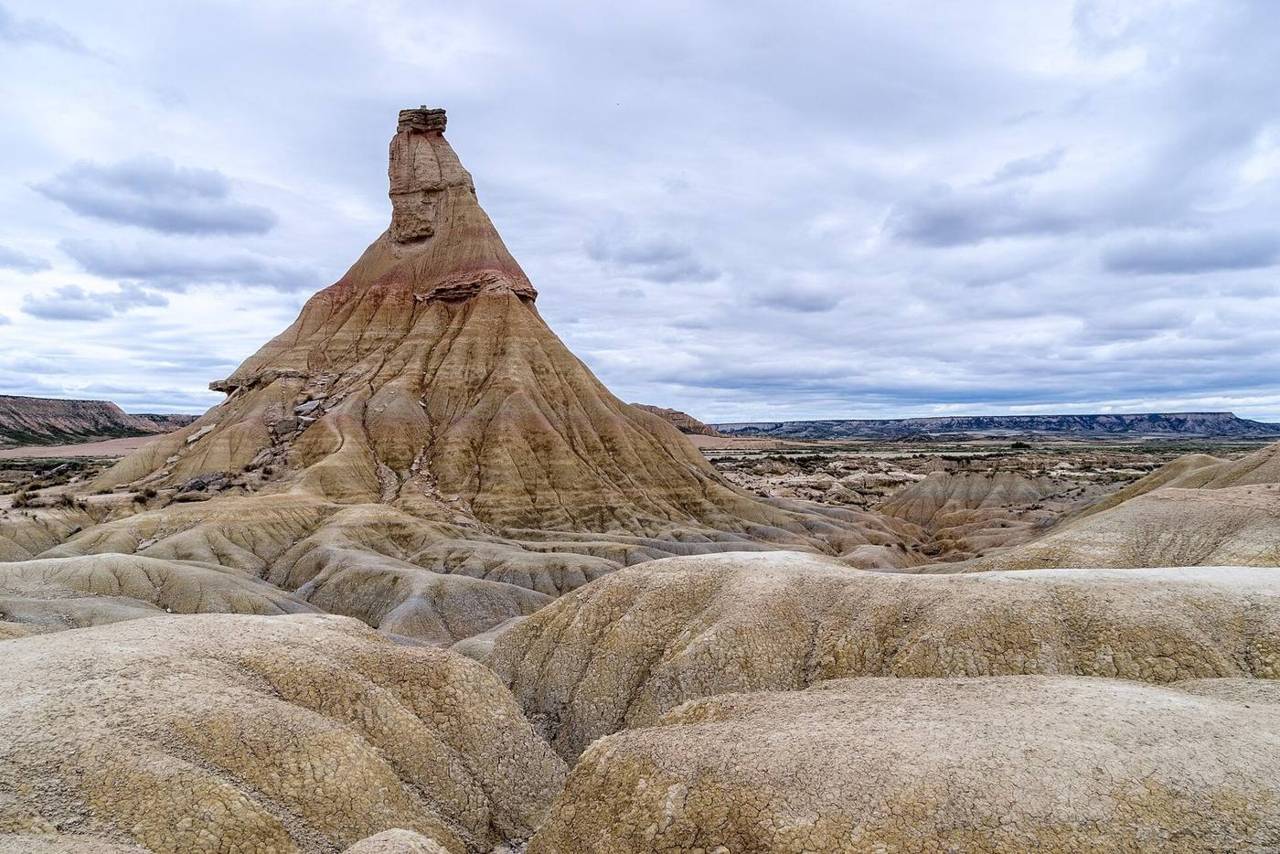
Early in the morning, drive south-east to the Bardenas Reales, a large semi-desert area of clay, gypsum and sandstone, and a UNESCO biosphere reserve. It looks like a corner of Arizona in the middle of Spain: eroded hills, canyons, flat plateaus and earth towers shaped by wind and rain. Many films and television series have been shot here.
Start at the information centre near Arguedas, where they give you a map and explain the rules. You may only drive on the authorised tracks, which are mostly unpaved but passable in a normal car if it has not rained; you do not leave the tracks, you do not enter after sunset, and some areas remain closed. In the middle of the park there is also a military firing range, which you can see and hear from far away: approaching it is forbidden.
The symbol of the Bardenas is Castildetierra, a thin clay tower topped with a cap of harder rock, standing alone on the plain. You look at it from the path without climbing it, because it is fragile. Then continue along the loop track of the Bardena Blanca, with its white and grey hills, and stop at the viewpoints. If you want to walk, choose one of the short marked trails and carry plenty of water.
In the afternoon, drive north to Pamplona, about an hour and a half away, for your flight or train home. If you have time, take a walk around the old town, famous for the San Fermín festival, from 6 to 14 July.
Practical tip: in summer the Bardenas are very hot and there is no shade, so go early in the morning, with a hat, sunscreen and a full tank.
For wine and food lovers, it combines with Bilbao and Green Spain. Suso monastery can only be visited on a timed guided tour. In the Bardenas drive only on authorised tracks and never at night; summer is very hot. Whoever drives must not drink.
Before you go
- Documents and visa
- EU citizens need a valid identity card or passport. Other nationalities should check the Schengen rules.
- Health and vaccines
- No vaccines required. EU citizens should bring their EHIC; in summer the south often goes above 40 °C. Emergencies: 112.
- Money and payments
- Euro. Cards are accepted almost everywhere. Catalonia, the Balearics and some other areas charge a tourist tax per person per night.
- Power sockets
- Types C and F, 230 volts.
- Time zone
- Central European Time (UTC+1, summer UTC+2); the Canary Islands are one hour behind.
- Safety
- A safe country. In Barcelona and Madrid pickpocketing is common on the metro, on the Ramblas and in crowded places. Official advice: GOV.UK.
Information checked in November 2026 for Italian and EU citizens. Rules change: always check before you travel.
Variations
In 3 days: La Rioja only, with Logroño, Haro, Laguardia and the monasteries of San Millán.
In 8 days: add Bilbao and the Guggenheim Museum, then San Sebastián and the Basque coast before heading down to La Rioja.
Frequently asked questions
When is the best time to go?
September and October, during the grape harvest, when the vineyards change colour. Spring is pleasant. July and August are hot, especially in the Bardenas.
Do I need to book the wineries?
Yes, almost always. Many wineries only offer tours at set times and with a booking, and some close on Sunday afternoons or on Mondays.
What documents do I need?
Spain is in the Schengen area: for citizens of the European Union, an identity card valid for travel abroad or a passport is enough.
Indicative itinerary written by World Atlas. Before booking, check timetables, seasonal openings, documents and safety.
 5 daysEasy
Aragon: Zaragoza, Teruel and Albarracín
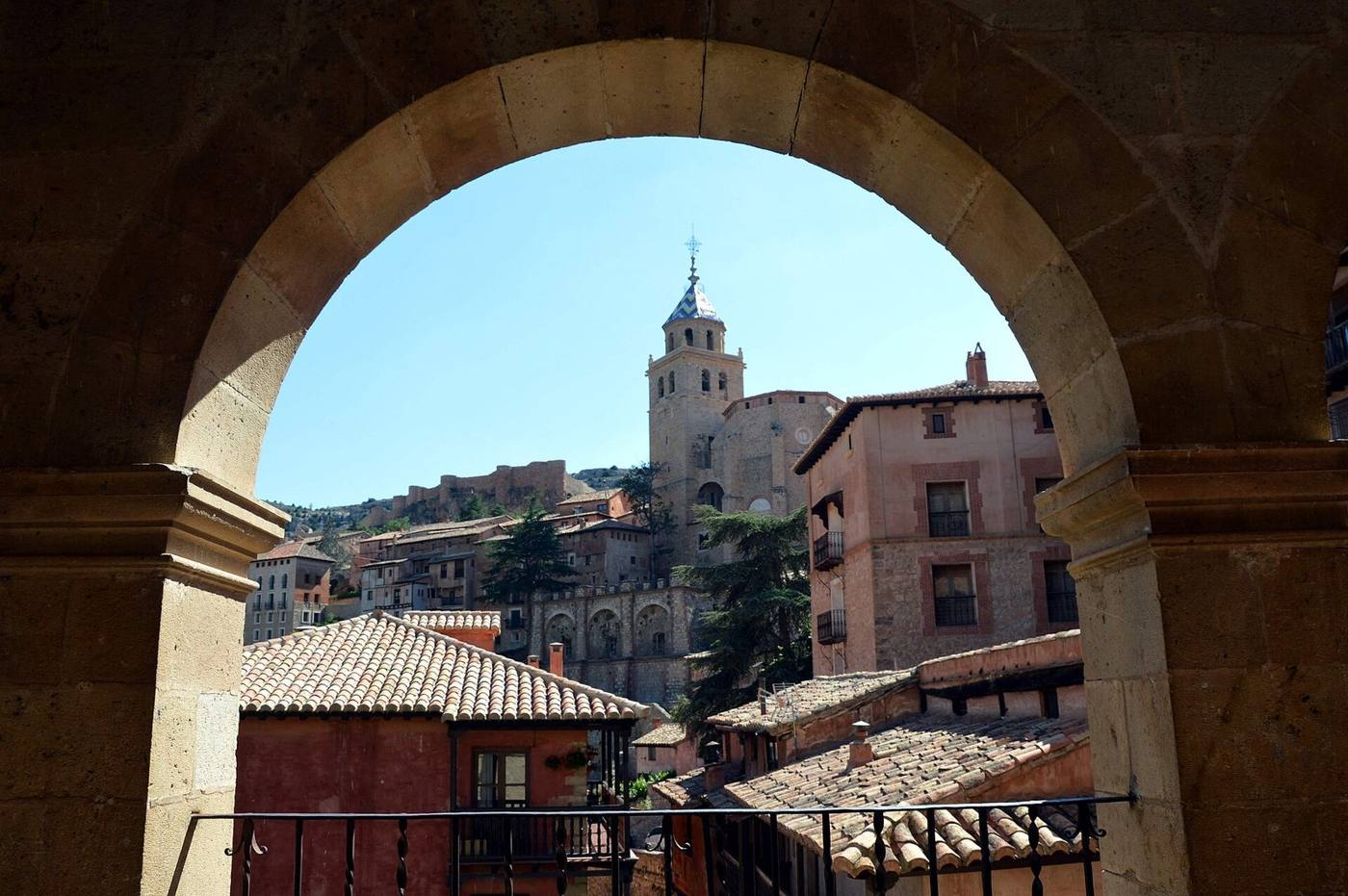
Aragon of Mudéjar art, a UNESCO World Heritage site: Zaragoza with the Basilica del Pilar and the Aljafería palace, Teruel with its ceramic-decorated towers and the legend of the lovers, and the pink village of Albarracín perched above the Guadalaviar river.
 4 daysEasy
Cuenca and the Ciudad Encantada
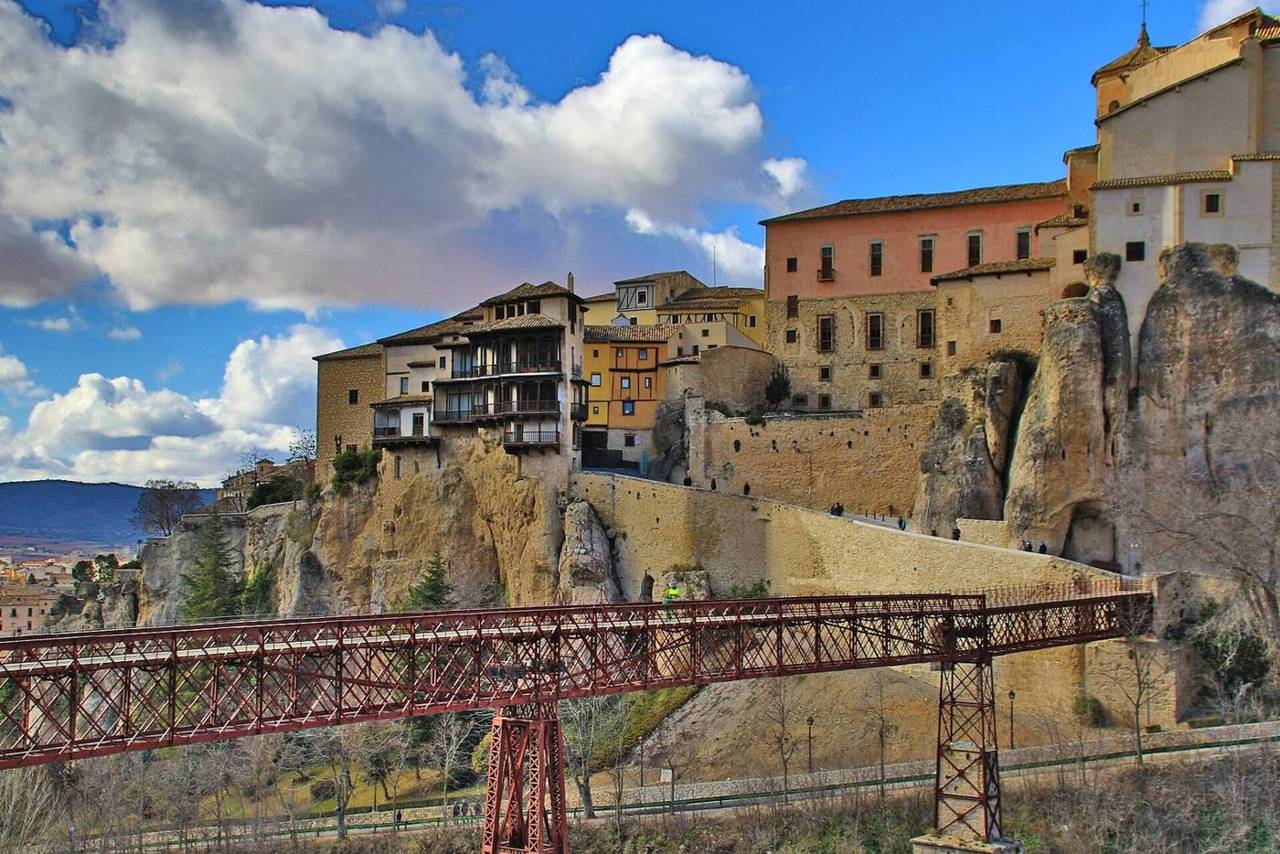
The city of hanging houses above the Huécar gorge, a UNESCO World Heritage site, with its abstract art museum, then the water-sculpted rocks of the Ciudad Encantada, the source of the Cuervo river and the village of Alcalá del Júcar carved into the rock.
 6 daysModerate
Sierra Nevada and the Alpujarras
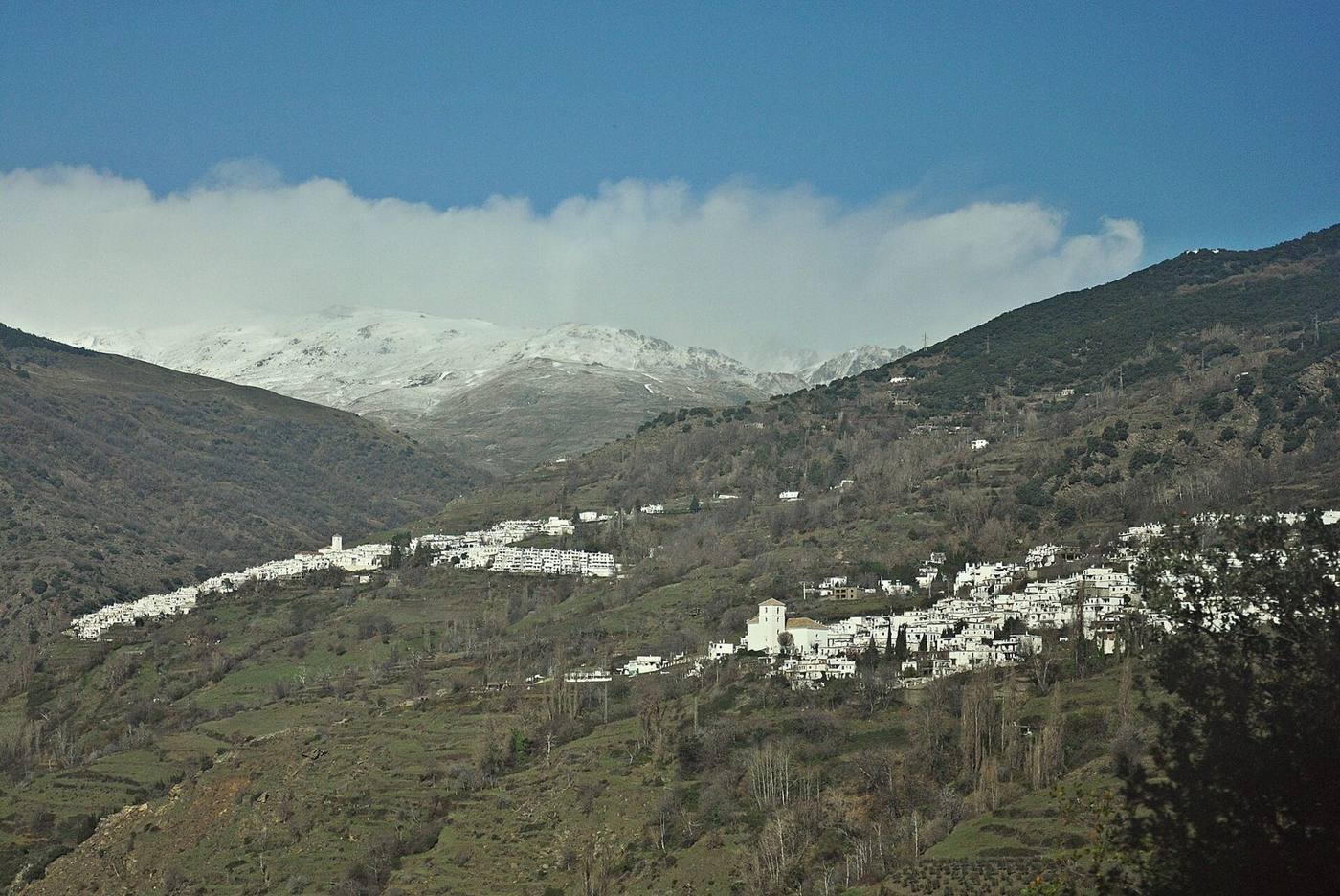
Granada and the mountains behind it: the Alhambra and the Albaicín, then the white Berber-style villages of the Alpujarras with their flat roofs, Pampaneira, Bubión and Capileira above the Poqueira gorge, trails among chestnuts and irrigation channels and the hams of Trevélez.