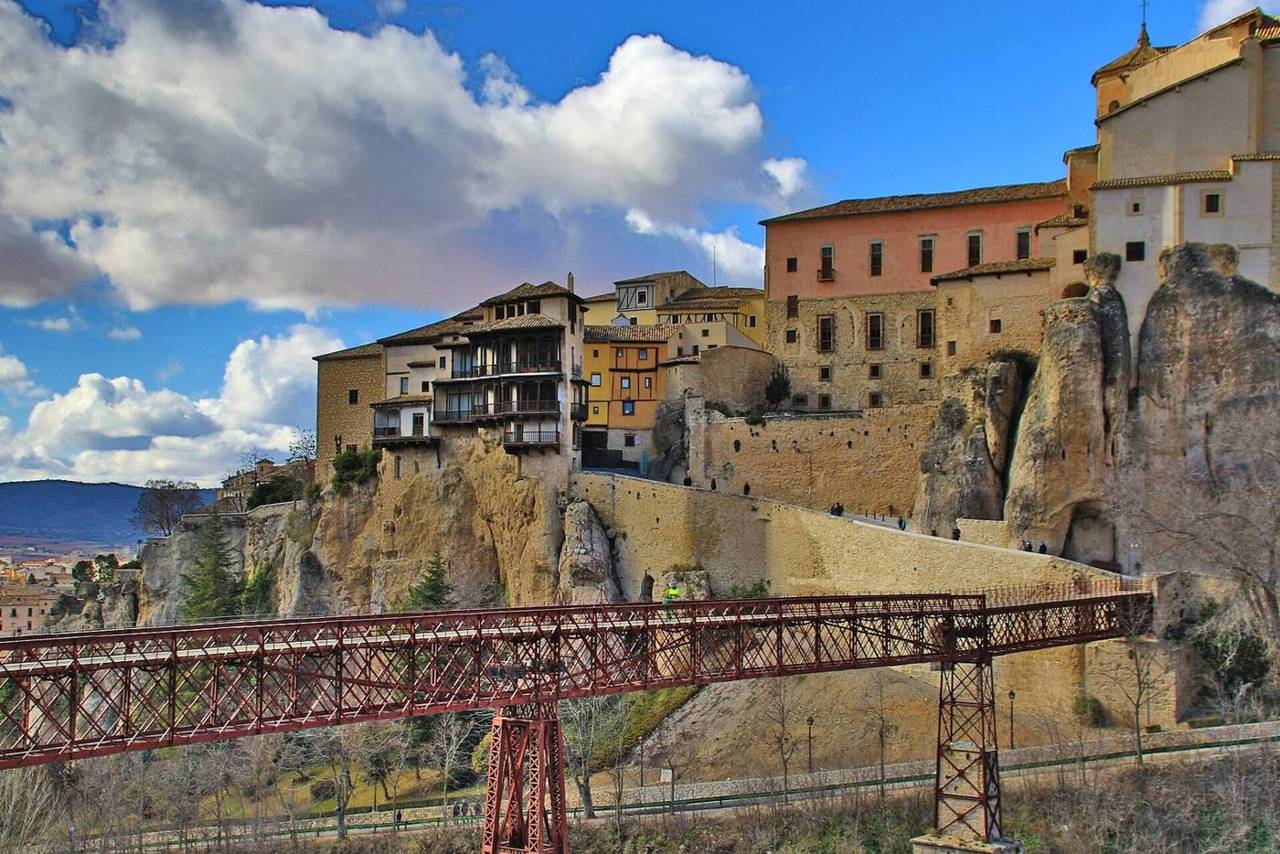
Cuenca and the Ciudad Encantada
The city of hanging houses above the Huécar gorge, a UNESCO World Heritage site, with its abstract art museum, then the water-sculpted rocks of the Ciudad Encantada, the source of the Cuervo river and the village of Alcalá del Júcar carved into the rock.
- Madrid
- Cuenca
- Ciudad Encantada
- Source of the Cuervo River
- Alcalá del Júcar
Day by day
- Day 1
The fast train from Madrid and Cuenca: the Hanging Houses, San Pablo bridge and the cathedral
To enter Spain EU citizens can use a valid identity card or passport. Check the rules for your nationality.
Cuenca, in Castilla-La Mancha, is one of Spain's most spectacular cities: its medieval old town, a UNESCO World Heritage site, is built on a rocky spur between two deep gorges carved by the Júcar and Huécar rivers, with houses clinging to the edge of the cliff. From Madrid it is less than an hour by high-speed train; the station is outside town, linked to the centre by city bus.
In the morning go up to the upper town and visit the Hanging Houses, the casas colgadas, fifteenth-century houses with wooden balconies jutting over the void above the Huécar gorge. One houses the Museum of Spanish Abstract Art, founded in the 1960s by a group of artists, with works by twentieth-century Spanish abstract painters in white rooms with windows opening onto the gorge.
Then cross the San Pablo bridge, a red iron bridge from 1902, about forty metres above the river, which offers the most famous view of the Hanging Houses. On the other side stands the former convent of San Pablo, now a hotel.
In the afternoon visit the cathedral, one of Spain's first Gothic cathedrals, begun at the end of the twelfth century in Anglo-Norman style, with very colourful modern abstract stained glass. Then wander the narrow streets to the Plaza Mayor and the castle viewpoint at the top of town.
In the evening try morteruelo, a warm pâté of meats and liver with spices, the city's typical dish.
Practical tip: the upper town's streets are steep; wear comfortable shoes.
- Day 2
The Ciudad Encantada and the source of the Cuervo River
In the morning drive north-east into the Serranía de Cuenca, an area of limestone mountains covered in pine forest, to the Ciudad Encantada, the Enchanted City, about thirty-five kilometres from Cuenca. Here, in the middle of the woods, water, wind and ice have sculpted the limestone over millions of years into strange shapes that look like buildings, animals and objects. A signposted loop of about three kilometres winds among the formations, which have imaginative names: the Tormo Alto, a great stone mushroom, the Sea of Stone, the Roman Bridge, the Elephant's Head, the Mushrooms, the Fight between the Elephant and the Crocodile. The visit takes about an hour and a half. The site is a private park with an entry ticket.
In the afternoon continue for about an hour north along mountain roads to the source of the Cuervo River, a natural monument where the river springs from a rock wall and tumbles in small moss-covered waterfalls among pine and hazel woods. In spring, with the thaw, the water is more abundant. An easy path of about an hour climbs to the source. In winter the falls sometimes freeze.
On the way back you can stop at Uña, a small village with a lagoon, or at the Júcar gorge called the Ventana del Diablo, the Devil's Window, a cave opening over the void with a view of the canyon.
In the evening return to Cuenca and look at the illuminated Hanging Houses from the bridge.
Practical tip: in autumn and winter check the Ciudad Encantada opening hours, which are reduced.
- Day 3
Alcalá del Júcar
In the morning drive south-east for about two hours to Alcalá del Júcar, in the province of Albacete, one of Spain's most beautiful villages. It is built on the side of a rock wall above a bend in the Júcar River, which here flows through a deep green canyon: white houses climb in steps to the Moorish castle at the top, with its watchtower.
The village is famous for its cave houses, dug straight into the rock: some cross the mountain from one side to the other, with long corridors and underground rooms and windows and terraces opening on both sides of the canyon. Some can be visited, with small museums and bars inside.
Walk the narrow, steep streets, cross the bridge over the river, Roman in origin and medieval in its current form, and climb to the castle for the view over the whole canyon. Then visit the eighteenth-century church of San Andrés.
In the afternoon stroll along the Júcar in the canyon floor, among poplars and mills, or go canoeing. Nearby there are other small canyon villages, such as Jorquera on a hilltop, with Moorish walls.
In the evening return to Cuenca, or stay in Alcalá del Júcar, which at sunset, with lights glowing in the rock houses, is very atmospheric.
Practical tip: on summer weekends the village is crowded; come on a weekday if you can.
- Day 4
Back to Madrid
In the morning, if you slept in Cuenca, take a last walk through the upper town at dawn, when the gorges are silent and the light colours the rock. Follow the path along the Huécar gorge beneath the Hanging Houses, or the riverside walk along the Júcar, with poplars and rock walls. In town, visit the Museum of Cuenca, with Roman and Visigothic finds from the province, or the Antonio Pérez Foundation, with contemporary art in a former convent.
If you return to Madrid by car, you can stop at Belmonte Castle, about an hour from Cuenca, one of Spain's best-preserved medieval castles, from the fifteenth century, with a star-shaped plan and carved wooden ceilings in Mudéjar style, on a hill above a village of La Mancha. Nearby, at Mota del Cuervo and Campo de Criptana, stand the white windmills of La Mancha, linked to Cervantes's Don Quixote.
In the afternoon head back to Madrid, less than an hour by high-speed train from Cuenca or about two hours by car.
Things to take home: Alcarria honey, Manchego cheese, La Mancha saffron, alajú, a honey and almond sweet from Cuenca, resolí, a coffee and cinnamon liqueur, and Cuenca ceramics.
Practical tip: check your government's travel advice before leaving.
A short add-on to Madrid, little known to foreigners. A car is needed for the Ciudad Encantada and the Cuervo. The Cuervo spring is best in spring, when the falls are full.
Before you go
- Documents and visa
- EU citizens need a valid identity card or passport. Other nationalities should check the Schengen rules.
- Health and vaccines
- No vaccines required. EU citizens should bring their EHIC; in summer the south often goes above 40 °C. Emergencies: 112.
- Money and payments
- Euro. Cards are accepted almost everywhere. Catalonia, the Balearics and some other areas charge a tourist tax per person per night.
- Power sockets
- Types C and F, 230 volts.
- Time zone
- Central European Time (UTC+1, summer UTC+2); the Canary Islands are one hour behind.
- Safety
- A safe country. In Barcelona and Madrid pickpocketing is common on the metro, on the Ramblas and in crowded places. Official advice: GOV.UK.
Information checked in November 2026 for Italian and EU citizens. Rules change: always check before you travel.
Variations
In 2 days: Cuenca on day one, the Ciudad Encantada and the Cuervo source on day two.
In 6 days: add Toledo, or La Mancha's windmills and Belmonte Castle.
Frequently asked questions
Which document do I need for Spain?
A valid identity card or passport for EU citizens.
How do I get to Cuenca from Madrid?
By high-speed train in under an hour; the station is outside town, with a bus to the centre.
Do I need a car?
Not for Cuenca; for the Ciudad Encantada, the Cuervo source and Alcalá del Júcar, yes.
Indicative itinerary written by World Atlas. Before booking, check timetables, seasonal openings, documents and safety.
 6 daysModerate
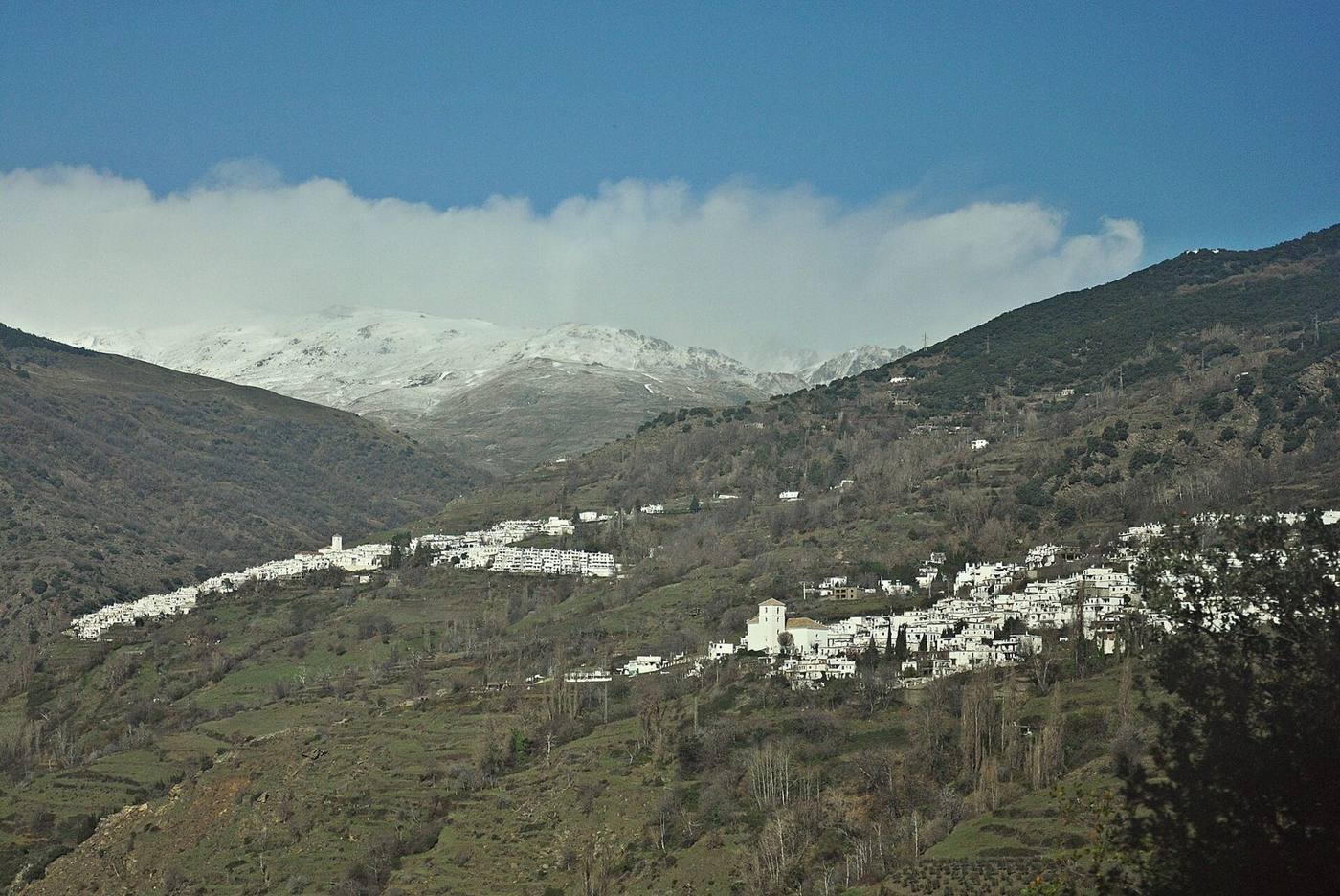
Sierra Nevada and the Alpujarras
Granada and the mountains behind it: the Alhambra and the Albaicín, then the white Berber-style villages of the Alpujarras with their flat roofs, Pampaneira, Bubión and Capileira above the Poqueira gorge, trails among chestnuts and irrigation channels and the hams of Trevélez.
 8 daysModerate
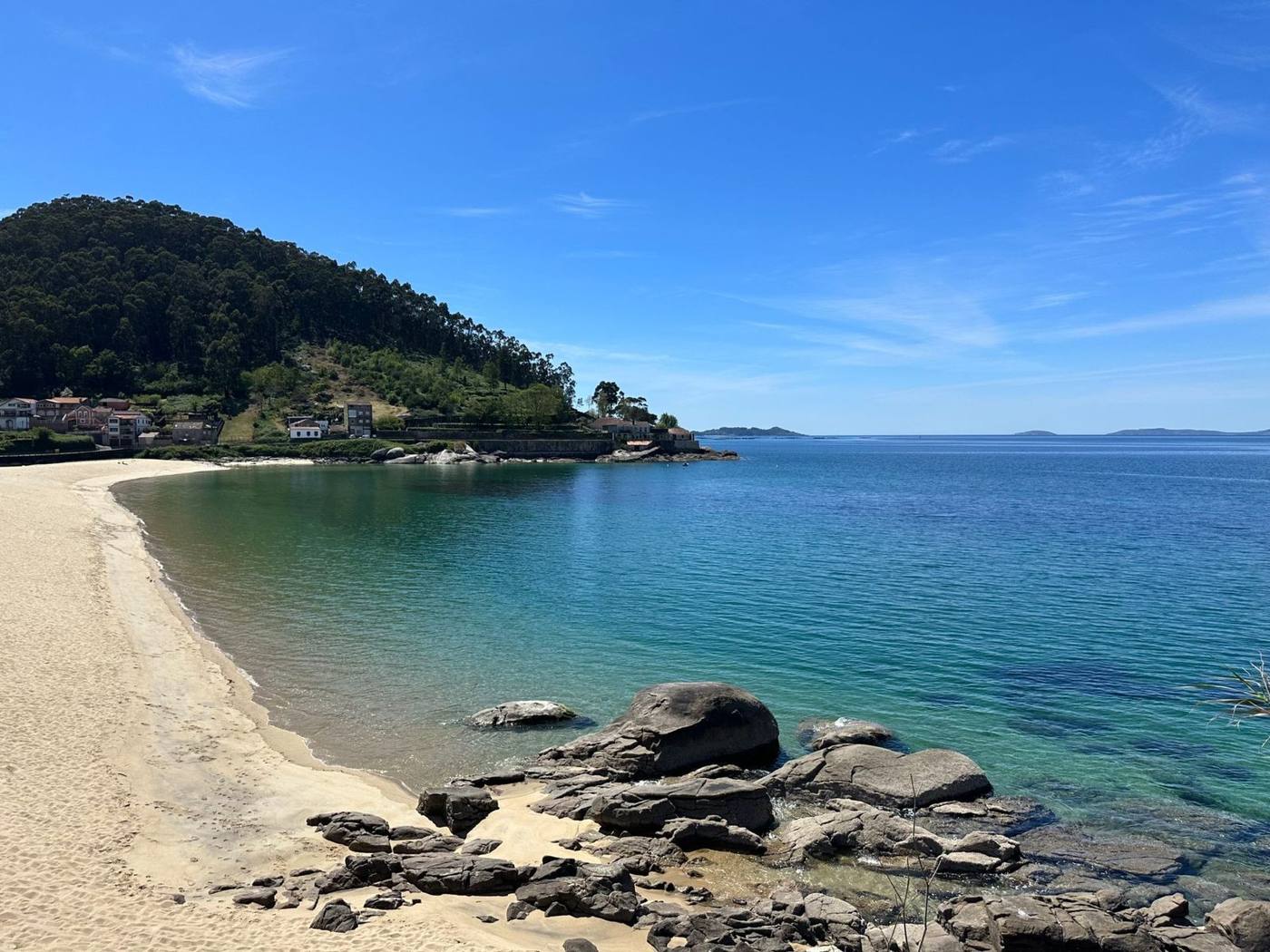
The English Way: Ferrol to Santiago
Six days on foot past estuaries, eucalyptus woods and medieval towns, along the route taken by pilgrims who landed from northern Europe.
 12 daysModerate
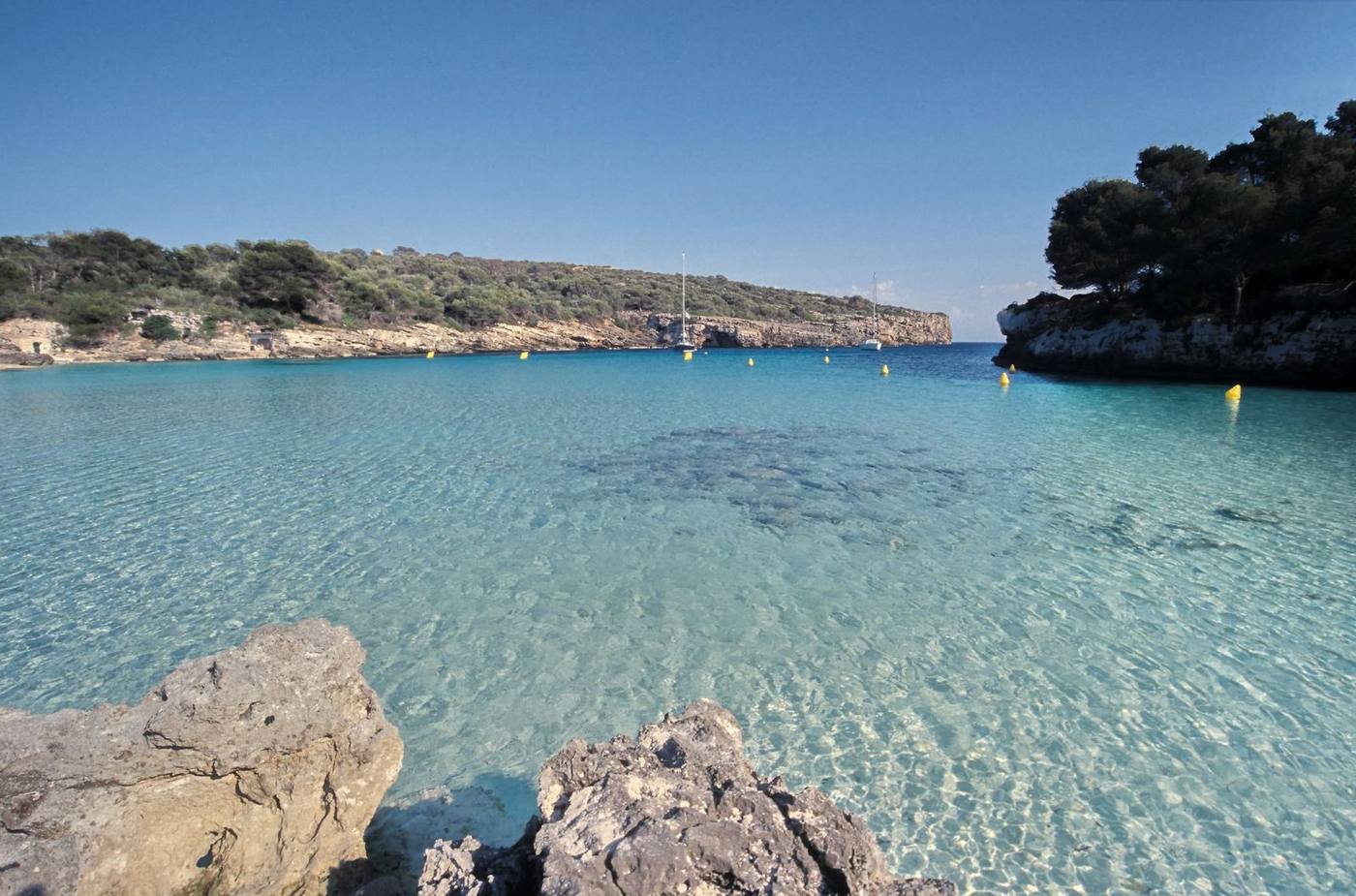
Menorca on Foot: the Camí de Cavalls
A full circuit of the island in ten stages on the old coastal patrol path, with a swim in a different cove almost every day.