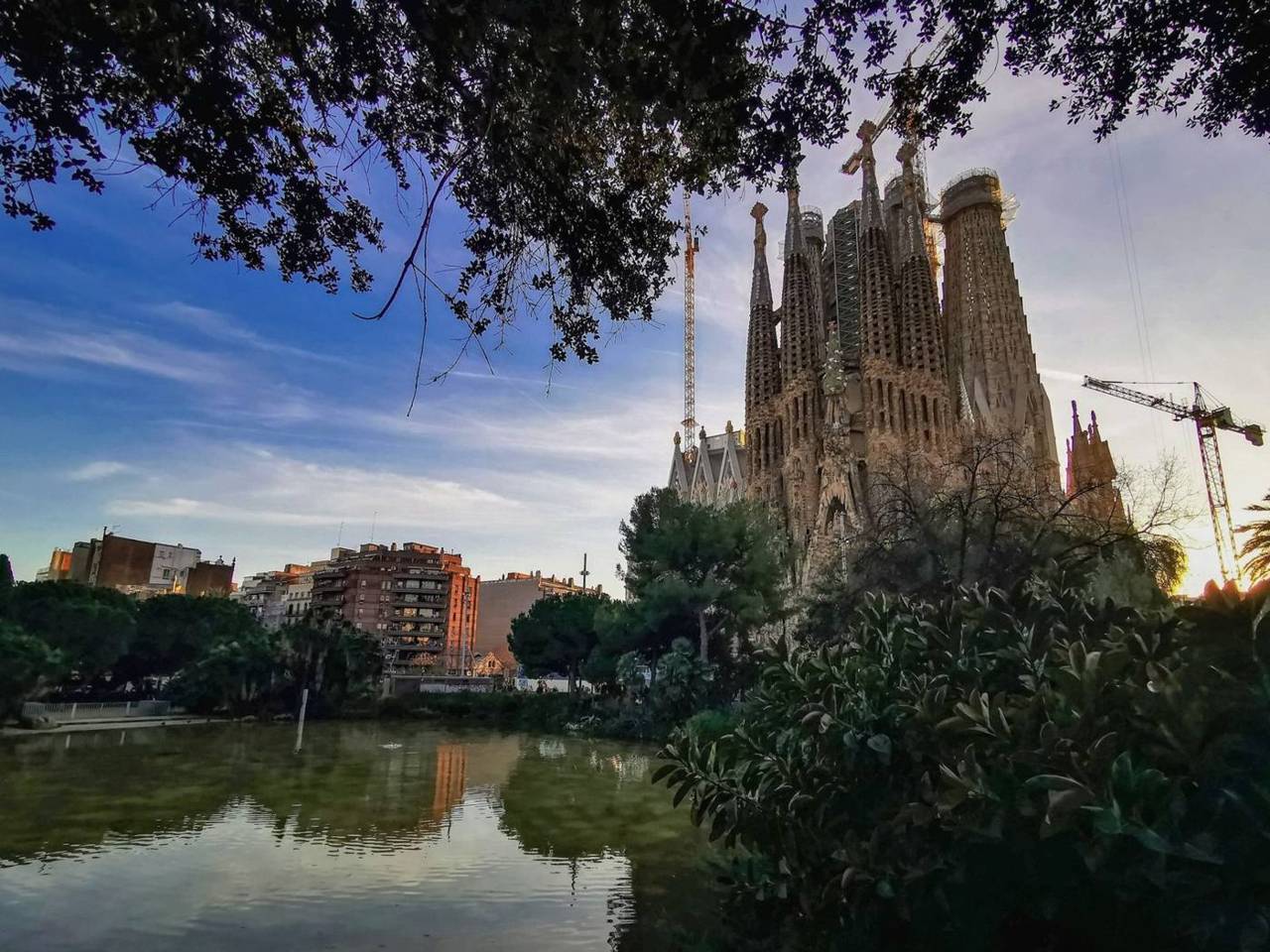
Barcelona in depth
Gaudí's city at a gentle pace: the Sagrada Família, Park Güell, Casa Batlló and La Pedrera, the Gothic Quarter and the Born, the Boqueria market, the Palau de la Música, Montjuïc with the national museum and the seafront district of Barceloneta.
- Barcelona
- Sagrada Família
- Park Güell
- Barri Gòtic
- Montjuïc
Day by day
- Day 1
The Barri Gòtic, the cathedral, the Born and Santa Maria del Mar
From the airport to the centre take the Aerobús, which leaves every few minutes for plaça de Catalunya, or the R2 Nord regional train from terminal 2 to Passeig de Gràcia and Sants; metro line L9 Sud reaches both terminals but needs a special, pricier ticket. For five days choose accommodation in the Eixample, the 19th-century grid district, well connected and quieter at night than the old town, or in the Born.
Start with the Barri Gòtic, the Roman and medieval core. The Gothic cathedral has a cloister with a small pond where thirteen white geese live, one for each year of the martyr Eulàlia's life; from the roof, for a fee, you walk among the pinnacles. Around it are plaça del Rei, with the palace of the counts of Barcelona, the columns of the Roman temple of Augustus, hidden in a courtyard on carrer Paradís, and plaça Sant Felip Neri, with Civil War bomb marks on the church facade.
In the afternoon cross via Laietana into the Born. The basilica of Santa Maria del Mar, built in just over fifty years in the 14th century by the people of the port quarter, is the finest example of Catalan Gothic: tall bare naves, slender columns, plenty of light. Next door the Picasso Museum, in five medieval palaces, shows the painter's early works: book a time.
In the evening the Born is full of vermouth and tapas bars. Try bombas, potato and meat croquettes, pa amb tomàquet and patatas bravas. Practical tip: pickpocketing is very common on the Rambla and the metro, so keep your phone in a front pocket.
- Day 2
The Sagrada Família at your booked time and the Hospital de Sant Pau
The Sagrada Família, the basilica Antoni Gaudí worked on for over forty years until his death in 1926, is still under construction. 2026 marks the centenary of his death and demand for tickets is very high: book on the official website weeks ahead, with a fixed date and time. The basic ticket costs 26 euros including the audio guide; with a tower climb the price rises. Without a booking you cannot get in.
Choose an early morning or late afternoon slot, when the sun streams through the stained glass: on the east side the light is blue and green, on the west red and orange, reflected on columns that branch like trees. Outside, look at the two opposite facades, the Nativity, richest in sculpture and the only one Gaudí finished in his lifetime, and the Passion, with angular, stark figures. In the crypt and museum you see the plaster models and the systems of cords and weights Gaudí used to calculate the shapes. Allow two hours.
In the afternoon walk along avinguda de Gaudí, a ten-minute pedestrian avenue, to the Hospital de la Santa Creu i Sant Pau, designed by Lluís Domènech i Montaner. It is the city's largest modernist complex: pavilions with tiled domes linked by underground galleries, gardens and mosaics. It is far less crowded than the Sagrada Família and the visit takes an hour and a half.
In the evening dine in Sant Antoni or the Eixample. Practical tip: arrive at the Sagrada Família fifteen minutes early, with shoulders and knees covered.
- Day 3
Passeig de Gràcia: Casa Batlló and La Pedrera; the Palau de la Música
Today you walk along Passeig de Gràcia, the great avenue of the Eixample where wealthy families of the late 19th century competed to build the most spectacular houses. On the stretch called the Block of Discord, three modernist houses by three different architects stand side by side: Casa Lleó Morera by Domènech i Montaner, Casa Amatller by Puig i Cadafalch and Casa Batlló by Gaudí.
Casa Batlló, with its ceramic-scale facade and mask-shaped balconies, is visited inside with a timed online ticket: the undulating rooms, the light well of blue tiles that grow paler towards the bottom to spread the light, the roof with its dragon's back. Further up the avenue is Casa Milà, known as La Pedrera, the stone quarry: without a straight line, its roof dotted with warrior-shaped chimneys. Here too you book a time. Visiting both is expensive: if you must choose, La Pedrera better explains how Gaudí worked, while Batlló is more spectacular.
In the afternoon head down to the old town to the Palau de la Música Catalana, Domènech i Montaner's concert hall with its stained-glass skylight shaped like an inverted sun. It can be seen on a timed guided tour, but the best way is to attend an evening concert: programmes and tickets are on the hall's website.
Practical tip: tickets for Gaudí's houses cost less bought online in advance than at the door.
- Day 4
Park Güell and the Gràcia quarter
In the morning go up to Park Güell, the park Gaudí designed for a garden city that was never completed. Since 1 January 2026 the ticket for the Monumental Zone costs 18 euros; it is bought online with a fixed entry time. The Monumental Zone includes the staircase with the mosaic salamander, the hall of a hundred columns and the great square with the undulating bench covered in ceramic fragments, from which you see the whole city down to the sea. The rest of the park, with its stone viaducts and paths among the pines, is at no cost and worth a walk.
The nearest metro stations are Lesseps and Vallcarca, fifteen minutes' uphill walk, with some escalators along the way. City buses also stop near the entrances. The first slot of the morning is the quietest and has the best light for photos.
In the afternoon walk down into Gràcia, a separate town until the 19th century that still has that feel: narrow streets, squares with outdoor cafés such as plaça del Sol and plaça de la Virreina, craft shops. On carrer de les Carolines stands Casa Vicens, Gaudí's first house, decorated with yellow and green flower tiles, now a museum.
Stay in Gràcia for dinner, among neighbourhood restaurants used by locals. In mid-August the streets are covered in handmade decorations for the Festa Major. Practical tip: at Park Güell, if you arrive after your time slot, entry is not guaranteed.
- Day 5
Montjuïc and the MNAC, Barceloneta and departure
On the last day go up Montjuïc hill, south of the centre. Take the funicular from Paral·lel metro station, included in the transport ticket, or walk up from plaça d'Espanya via the stairs and escalators in front of the Palau Nacional. Here is the MNAC, the National Art Museum of Catalonia, with its collection of Romanesque frescoes removed from Pyrenean churches and rebuilt in their apses: it is unique in the world and worth the visit on its own.
From the museum terrace the view covers the whole city. If you have time, nearby are the Joan Miró Foundation, in a white building full of light, and the 1992 Olympic stadium. From Montjuïc a cable car runs down towards the port and Barceloneta, with a bird's-eye view of the whole shoreline.
In the early afternoon walk through Barceloneta, the old fishermen's quarter with narrow streets and washing hung out, down to the beach. It is the right place for a last lunch of paella or arròs negre, black rice with squid ink; real paella is eaten at lunchtime, not in the evening.
For the airport allow at least two and a half hours before your flight: the Aerobús from plaça de Catalunya takes about half an hour in light traffic, the R2 Nord train only reaches terminal 2, and a no-cost shuttle links terminal 2 and terminal 1. Practical tip: on the beach do not leave bags and phones unattended while you swim.
One of Europe's most beautiful cities, but very crowded. The Sagrada Família, Park Güell and Gaudí's houses require online timed tickets: book days or weeks ahead. Hotels add the Catalan and city tourist taxes. Many pickpockets on the Rambla and the metro.
Before you go
- Documents and visa
- EU citizens need a valid identity card or passport. Other nationalities should check the Schengen rules.
- Health and vaccines
- No vaccines required. EU citizens should bring their EHIC; in summer the south often goes above 40 °C. Emergencies: 112.
- Money and payments
- Euro. Cards are accepted almost everywhere. Catalonia, the Balearics and some other areas charge a tourist tax per person per night.
- Power sockets
- Types C and F, 230 volts.
- Time zone
- Central European Time (UTC+1, summer UTC+2); the Canary Islands are one hour behind.
- Safety
- A safe country. In Barcelona and Madrid pickpocketing is common on the metro, on the Ramblas and in crowded places. Official advice: GOV.UK.
Information checked in November 2026 for Italian and EU citizens. Rules change: always check before you travel.
Variations
In 3 days: the Barri Gòtic and the Born on the first day, the Sagrada Família and Passeig de Gràcia with one Gaudí house on the second, Park Güell and Barceloneta on the third. You give up Sant Pau, the Palau de la Música and Montjuïc.
In 7 days: add a day at Montserrat, the monastery on the jagged mountain, reached by train and rack railway, and one in Girona or Sitges, both under an hour by train.
Frequently asked questions
Do I need to book the Sagrada Família and Park Güell?
Yes, both work only with dated, timed tickets. For the Sagrada Família, which in 2026 marks the centenary of Gaudí's death, the basic ticket costs 26 euros and should be bought weeks ahead; for Park Güell the Monumental Zone costs 18 euros since 1 January 2026. Buy from the official websites to avoid mark-ups.
How much is the tourist tax?
It is paid at your accommodation, per person per night, up to a maximum of seven nights. Since 1 April 2026 the Catalan tax has doubled and Barcelona adds a municipal surcharge: in five-star hotels it reaches about 12 euros per person per night, less in lower categories. Under-17s do not pay it.
Is Barcelona safe?
Yes as regards violence, but it is one of the European cities with the most pickpocketing: on the Rambla, in the metro, on the beach, at outdoor tables where phones are left out. Wear your backpack on your front in crowded transport, leave nothing on the chair beside you and be wary of anyone distracting you with a question or a stain on your clothes.
Indicative itinerary written by World Atlas. Before booking, check timetables, seasonal openings, documents and safety.
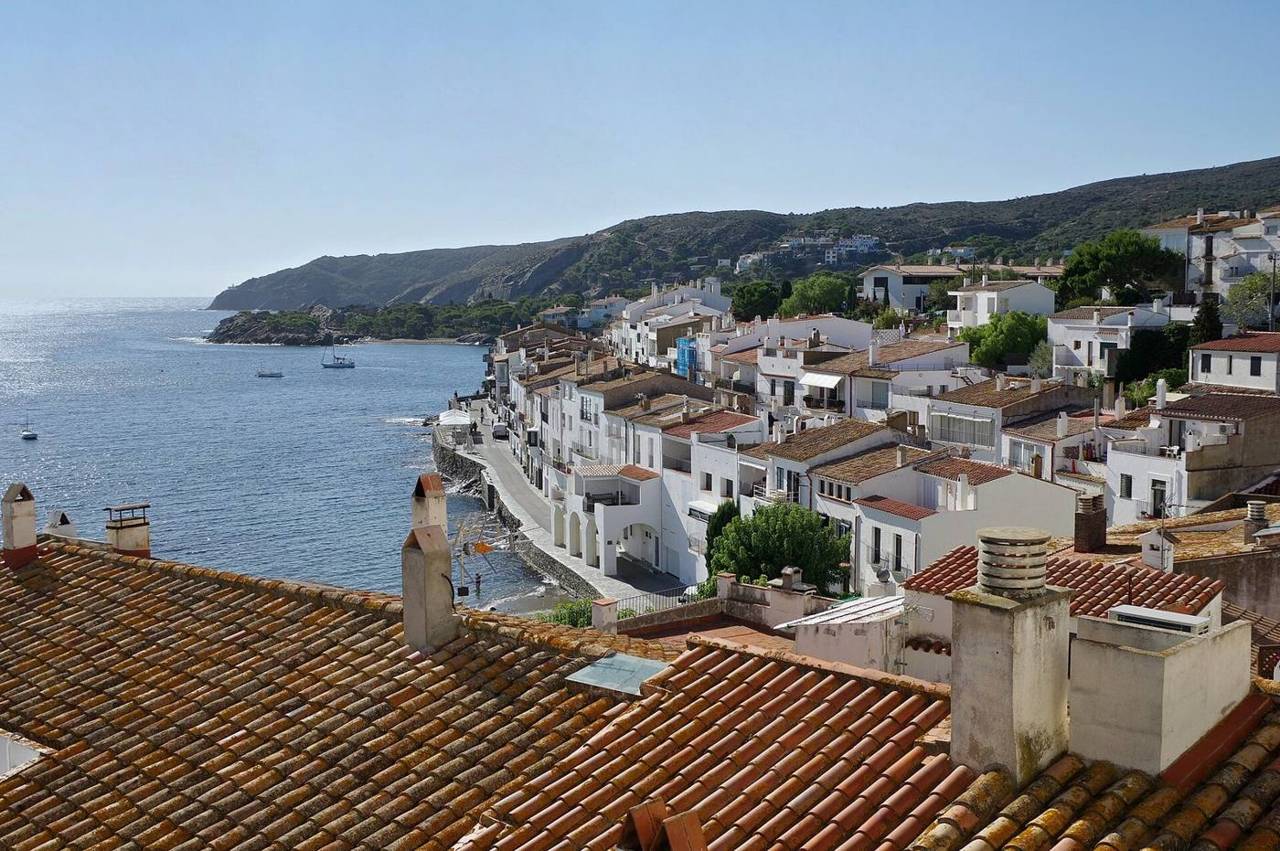 6 daysEasy
Costa Brava, Girona and Figueres
Northern Catalonia between sea and art: Girona with its coloured riverside houses and Jewish quarter, the Dalí Theatre-Museum in Figueres and his house at Portlligat, Cadaqués, Cap de Creus, the medieval villages of Pals and Peratallada and the coves of the Camí de Ronda.
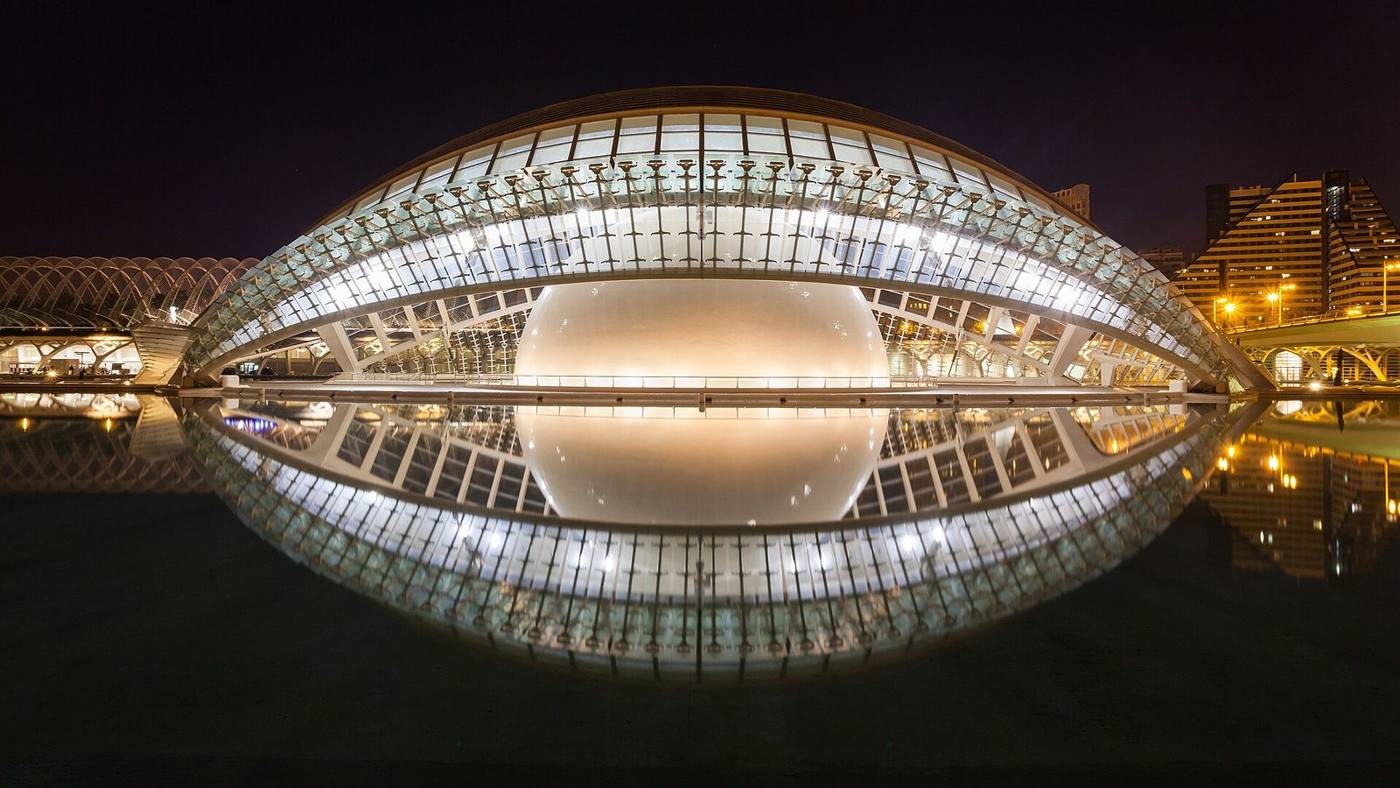 4 daysEasy
Valencia and the Albufera
The city of paella: the old town with the Silk Exchange, a UNESCO World Heritage site, the Central Market, the Turia park in the old riverbed, the City of Arts and Sciences, Malvarrosa beach and the Albufera lagoon with its rice fields and sunset boat rides.
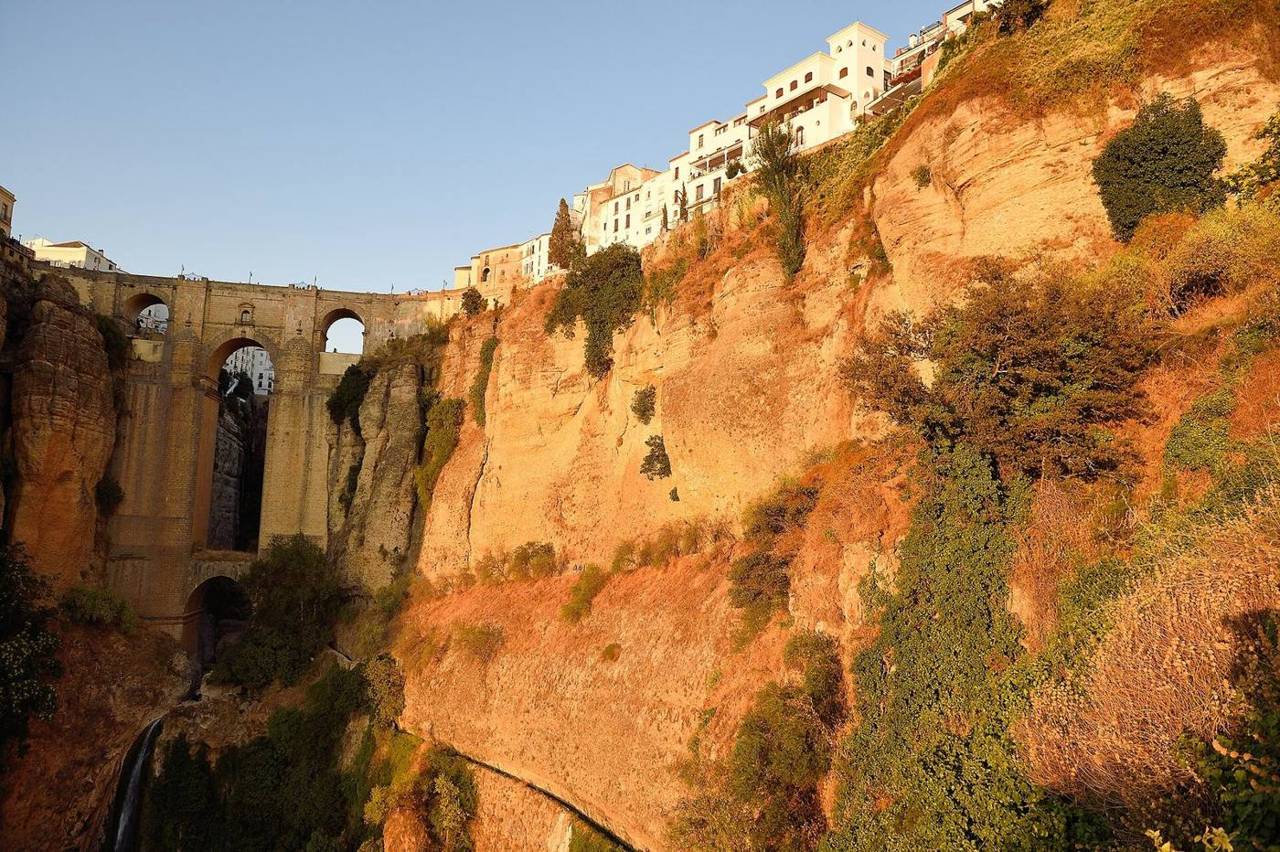 6 daysModerate
Ronda, the white villages and the Caminito del Rey
Mountain Andalusia: Ronda above the Tajo gorge, the white villages of Grazalema, Zahara de la Sierra and Setenil de las Bodegas with houses under the rock, and the Caminito del Rey, a walkway hanging on the walls of the Gaitanes gorge.