The Wild Coast
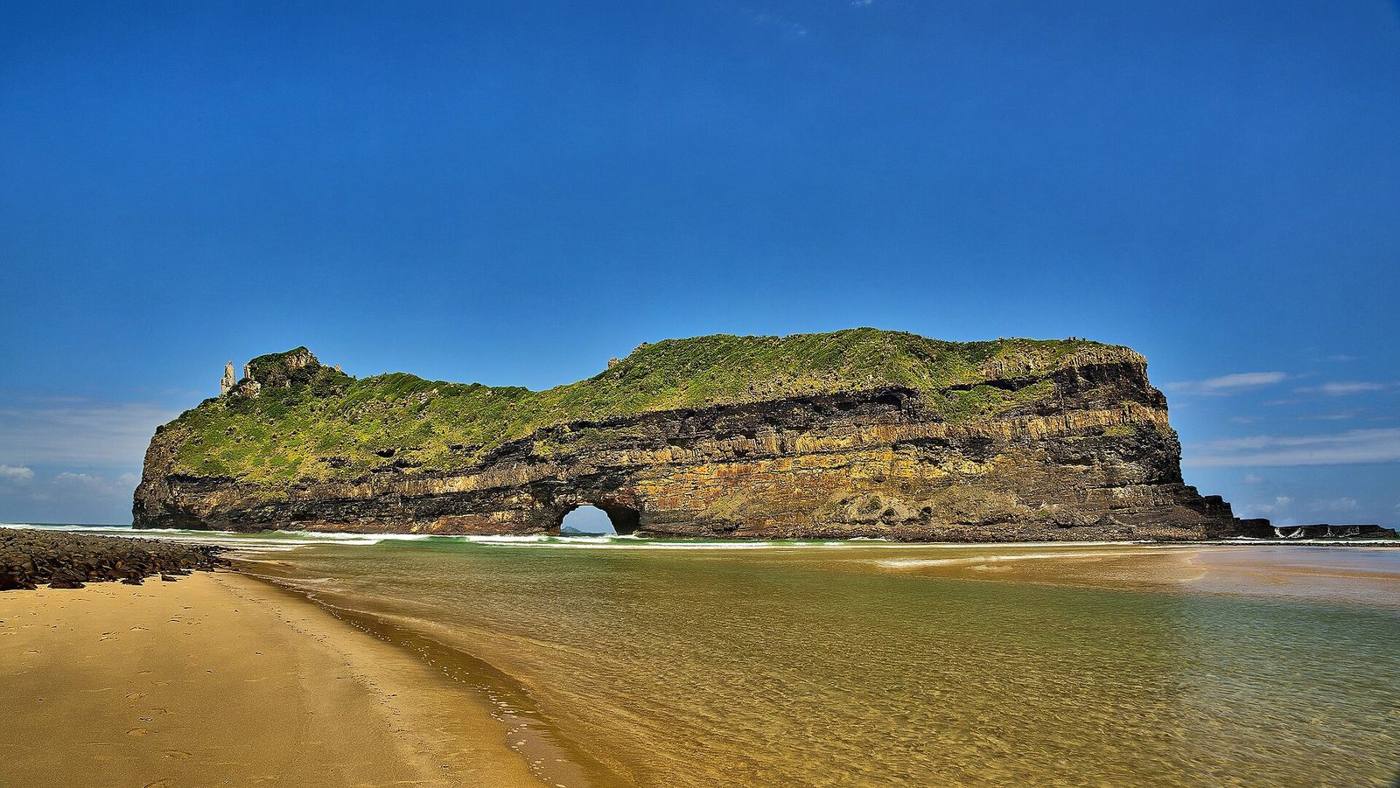
The wild coast of the Eastern Cape, Xhosa land and Nelson Mandela's homeland: green hills with round huts, the Hole in the Wall rock near Coffee Bay, cliffs, rivers flowing into the ocean and the Mandela museum at Qunu and Mthatha.
- East London
- Mthatha
- Qunu
- Coffee Bay
- Hole in the Wall
- Port St Johns
Day by day
- Day 1
East London and the road to Mthatha
The Wild Coast is the stretch of the Eastern Cape coast in South Africa between East London and the KwaZulu-Natal border. It is a land of green hills dotted with round houses painted turquoise, cliffs, rivers flowing into the sea, deserted beaches and cattle walking on the sand. It is the land of the Xhosa, the people of Nelson Mandela, who was born and grew up here. In six days you see Mthatha and Qunu, Coffee Bay and Hole in the Wall, and Port St Johns.
You arrive at East London airport, with flights from Johannesburg or Cape Town. Hire a car and drive north-east to Mthatha, in about three and a half hours, on the national road crossing the hills of the Transkei, once one of the bantustans, the lands to which the apartheid regime confined the black population.
Along the road you see Xhosa villages scattered over the hills, with round houses roofed in thatch or tin, brightly painted walls, maize fields and herds. People walk along the road, and children return from school in uniform.
In the afternoon you reach Mthatha, the region's main town, lively and busy, with markets and shops.
In the evening, sleep in or near Mthatha.
Practical tip: Italian citizens enter South Africa without a visa for up to 90 days. Your passport must be valid for at least 30 days after departure and have 2 blank pages. The United States has South Africa at level 2.
- Day 2
The Nelson Mandela Museum in Mthatha and Qunu
In the morning, visit the Nelson Mandela Museum in Mthatha, in the Bhunga Building, a colonial building where the Transkei council once met. The museum tells the story of Mandela's life, from his childhood in the villages of the region through the years of struggle against apartheid, twenty-seven years in prison and his release in 1990, to his election as the first president of democratic South Africa in 1994. Part of the museum displays gifts Mandela received from heads of state, artists and children from around the world.
In the afternoon, drive south-west to Qunu, about half an hour away, the village where Mandela spent his childhood, as he described in his autobiography. Here a museum centre devoted to his youth stands on a hill, with views over the hills where he herded cattle as a boy and the smooth rock he used to slide down with his friends.
Mandela returned to live in Qunu in his final years and is buried here, on his family's land. The grave is on private property and not always open to visitors.
In the evening, continue to the coast, to Coffee Bay, in about an hour and a half, on a narrow road through the hills. Try to arrive before dark.
In the evening, sleep in Coffee Bay.
Practical tip: on the Wild Coast, secondary roads have deep potholes and animals crossing. Drive only by day, slowly, and watch out for cattle, goats and people.
- Day 3
Coffee Bay: the cliff path to Hole in the Wall
Coffee Bay is a small village on a wide bay, with a beach, a river and hills all around. The name comes, according to a local story, from a ship carrying coffee that was wrecked here in the nineteenth century.
Today you take one of the finest walks on the Wild Coast, along the cliffs to Hole in the Wall. In the morning, set off with a local guide from Coffee Bay beach and walk south, over green grassland above the cliffs, dropping into small bays and climbing back over the hills. Along the way you see waves breaking on the rocks, deserted beaches and villages on the hills. The walk usually takes about three hours.
Hole in the Wall is a large detached rock in the sea at the mouth of the Mpako river, with a huge arch carved through its centre by the waves. The Xhosa call it izi-Khaleni, the place of sound, because at high tide the waves passing through the arch make a loud noise like thunder. According to tradition, it is a doorway to the world of the ancestors.
In the afternoon, return to Coffee Bay by car or on a lift arranged by your guide.
In the evening, sleep in Coffee Bay.
Practical tip: currents along the Wild Coast are strong and the beaches have no lifeguards. Swim only where local people advise and never alone.
- Day 4
Coffee Bay: a Xhosa village with a local guide
Today you get to know village life on the Wild Coast. In the morning, with a community guide, visit a Xhosa village on the hills above Coffee Bay. Walk among the round houses, fields and livestock enclosures, and meet the families who live here.
The guide explains how houses are built with mud, stones and thatch, the role of cattle, which are a family's wealth and are used for bride price and ceremonies, and rites of passage, such as the one marking a boy's transition to adulthood. Women sometimes wear traditional dress and paint their faces white with clay, for protection from the sun and for beauty.
If you like, taste umqombothi, the traditional maize and sorghum beer, or samp, cracked maize cooked with beans.
In the afternoon, relax on Coffee Bay beach or walk north along the coast to viewpoints over the cliffs. Many village youngsters surf the waves of the bay, and some give lessons to beginners.
At sunset, climb one of the hills around the bay to watch the sun sink over the sea and the lights of the houses come on.
In the evening, sleep in Coffee Bay.
Practical tip: on village visits, always ask permission before photographing people and homes. Choose community guides, who bring income directly to the families.
- Day 5
Port St Johns and the mouth of the Mzimvubu
In the morning, drive north-east to Port St Johns, in about three and a half hours, passing through Mthatha again. The road descends to the coast through the Mzimvubu river valley, between the high forested walls of a gorge known as the Gates.
Port St Johns is a relaxed small town at the mouth of the Mzimvubu, one of South Africa's largest rivers, surrounded by steep mountains covered in subtropical forest. The climate is warm and humid, and the vegetation much greener than on the rest of the coast.
In the afternoon, go up Mount Thesiger, the hill above the town, where there is an old airstrip. From here the view is the finest on the Wild Coast: the river mouth widening into the ocean, beaches, cliffs and forest.
Then walk to Silaka Nature Reserve, south of town, a small reserve with a beach in the forest, home to otters, antelope and many birds, and along the coast to Second Beach, one of the loveliest beaches in the area.
In the evening, taste fresh fish and mussels gathered from the rocks by the women of the coast.
In the evening, sleep in Port St Johns.
Practical tip: there have been shark attacks at Second Beach in the past, and the currents are strong. Ask about the day's conditions and swim only where it is safe.
- Day 6
Return towards Durban or East London
In the morning, take a last walk in Port St Johns, along the riverfront, watching the fishing boats and the market, or on the beach near the river mouth, where the river meets the sea.
Then set off. You have two options. The first is to continue north to Durban, in about five or six hours, through the hills of the northern Transkei and then along the KwaZulu-Natal coast, to fly from King Shaka International Airport. The second is to head back south to East London, in about five hours, via Mthatha.
If you go towards Durban, with an extra day you can stop at Mkambati Nature Reserve, near the KwaZulu-Natal border, with waterfalls that drop straight into the sea and antelope on the grasslands.
This trip combines well with the Drakensberg and the KwaZulu-Natal battlefields, reachable from Durban, or with the Garden Route and Addo Elephant Park, reachable from East London to the west.
If you have plenty of time and are a strong walker, the Wild Coast can also be walked over several days along the coastal path, sleeping in villages with community guides.
Practical tip: fill up with petrol in the main towns such as Mthatha and Port St Johns, as there are few filling stations in rural areas. Do not leave anything visible in the car when you park.
For independent travellers seeking a rural and little-touristed South Africa. Side roads are gravel, potholed and with roaming animals: never drive at night, better with a 4x4 or a driver. The sea has strong currents and sharks: swim only where locals advise. The United States advises increased caution (level 2) because of crime: no driving at night, windows closed in cities, no valuables on show. Italians need no visa for up to 90 days.
Before you go
- Documents and visa
- Passport valid for at least 30 days beyond departure, with at least two completely blank pages; no visa for tourism up to 90 days. A return ticket is required.
- Health and vaccines
- No compulsory vaccines arriving from Europe; a yellow fever certificate is needed only if arriving from a risk country. Kruger and the north-east have seasonal malaria risk: ask your doctor before travelling. Emergencies: 10111 police, 10177 ambulance, 112 from mobiles.
- Money and payments
- South African rand. Cards work almost everywhere; keep some cash for tips and car guards.
- Power sockets
- Type M, plus C and N, 230 volts: you need an adapter for the large three round-pin plugs.
- Time zone
- UTC+2 all year: South Africa does not use daylight saving time.
- Safety
- The United States rates South Africa level 2 for crime. In cities avoid walking alone at night, leave nothing visible in the car and use ride-hailing apps after dark. Official advice: GOV.UK.
Information checked in November 2026 for Italian and EU citizens. Rules change: always check before you travel.
Variations
In 4 days: Mthatha and Qunu, then Coffee Bay and Hole in the Wall.
In 9 days: add the Drakensberg or Addo park.
Frequently asked questions
When is the best time to go?
From March to May and from September to November, with mild temperatures. Summer is hot with frequent afternoon rain; winter is dry and cool.
Is it safe to drive on the Wild Coast?
It can be done with care: drive only by day, slowly, watching for potholes and animals on the road. The United States has South Africa at level 2.
Can you swim?
Yes, but currents are strong and there are no lifeguards. Ask local people where it is safe and never swim alone.
Indicative itinerary written by World Atlas. Before booking, check timetables, seasonal openings, documents and safety.
 6 daysModerate
The Drakensberg in depth
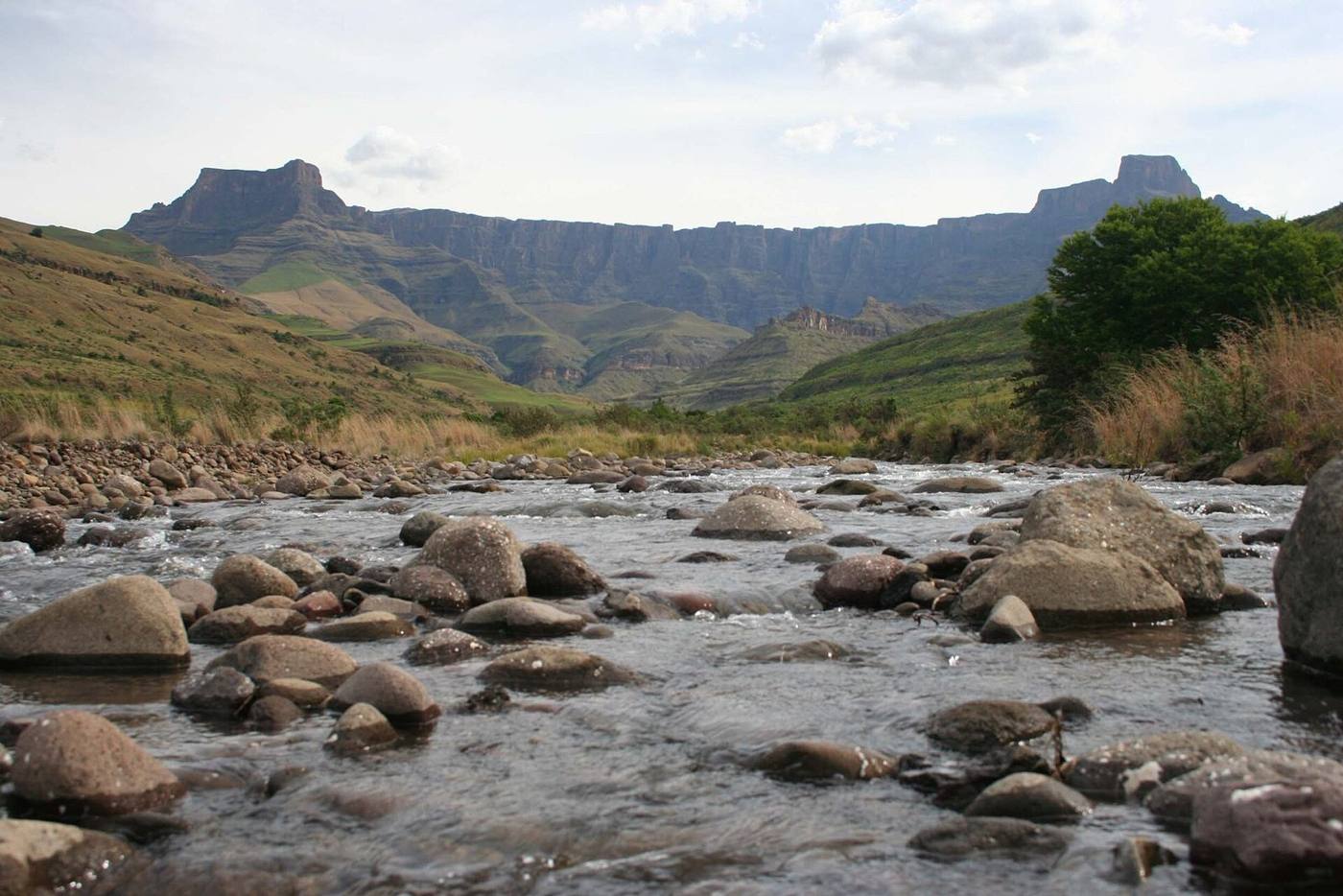
The dragon mountains of KwaZulu-Natal, a UNESCO World Heritage site: the Amphitheatre with Tugela Falls among the highest in the world, the San rock paintings at Giant's Castle and Kamberg, the valleys of Cathedral Peak and the Midlands Meander with craft workshops.
 5 daysEasy
Madikwe and Pilanesberg, clear of malaria safari
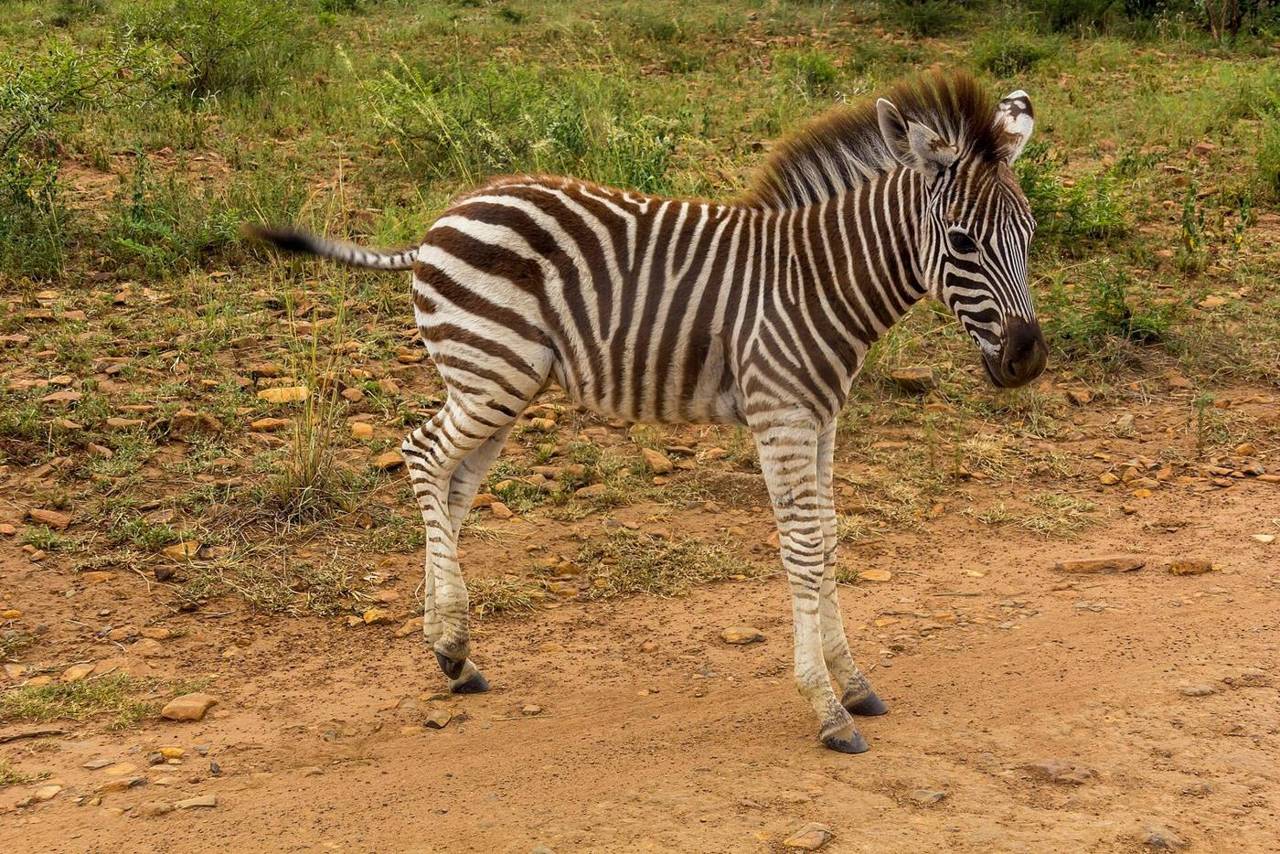
Big Five safaris with no malaria risk, a few hours from Johannesburg: Pilanesberg in the crater of an ancient volcano, easy even in your own car, and Madikwe reserve on the Botswana border, with lodges, wild dogs and open-jeep game drives.
 6 daysModerate
Maputaland: Sodwana and Kosi Bay
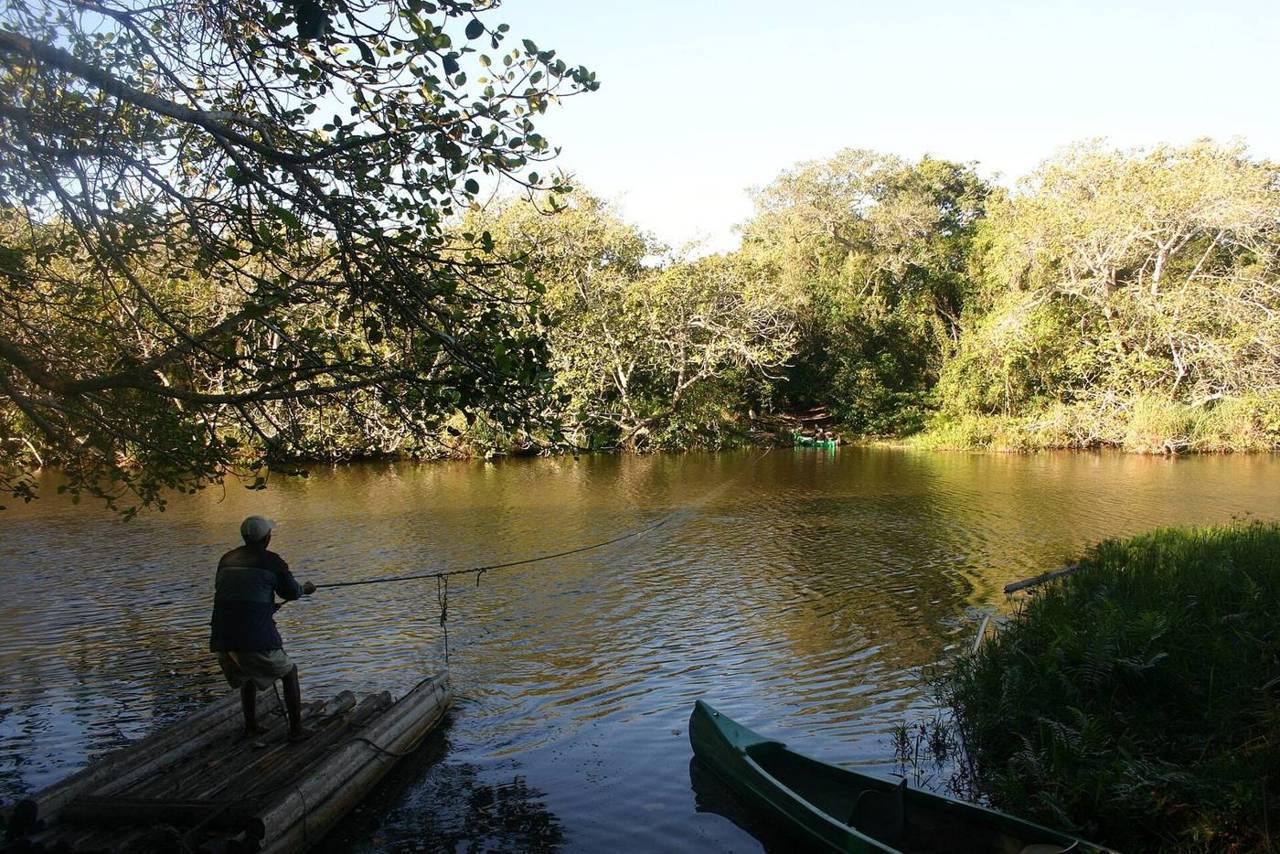
The wildest corner of KwaZulu-Natal, in iSimangaliso park: Africa's southernmost coral reefs at Sodwana Bay, turtles nesting on the beaches in summer, the lakes and traditional fish traps of Kosi Bay and Tembe reserve with its big-tusked elephants.