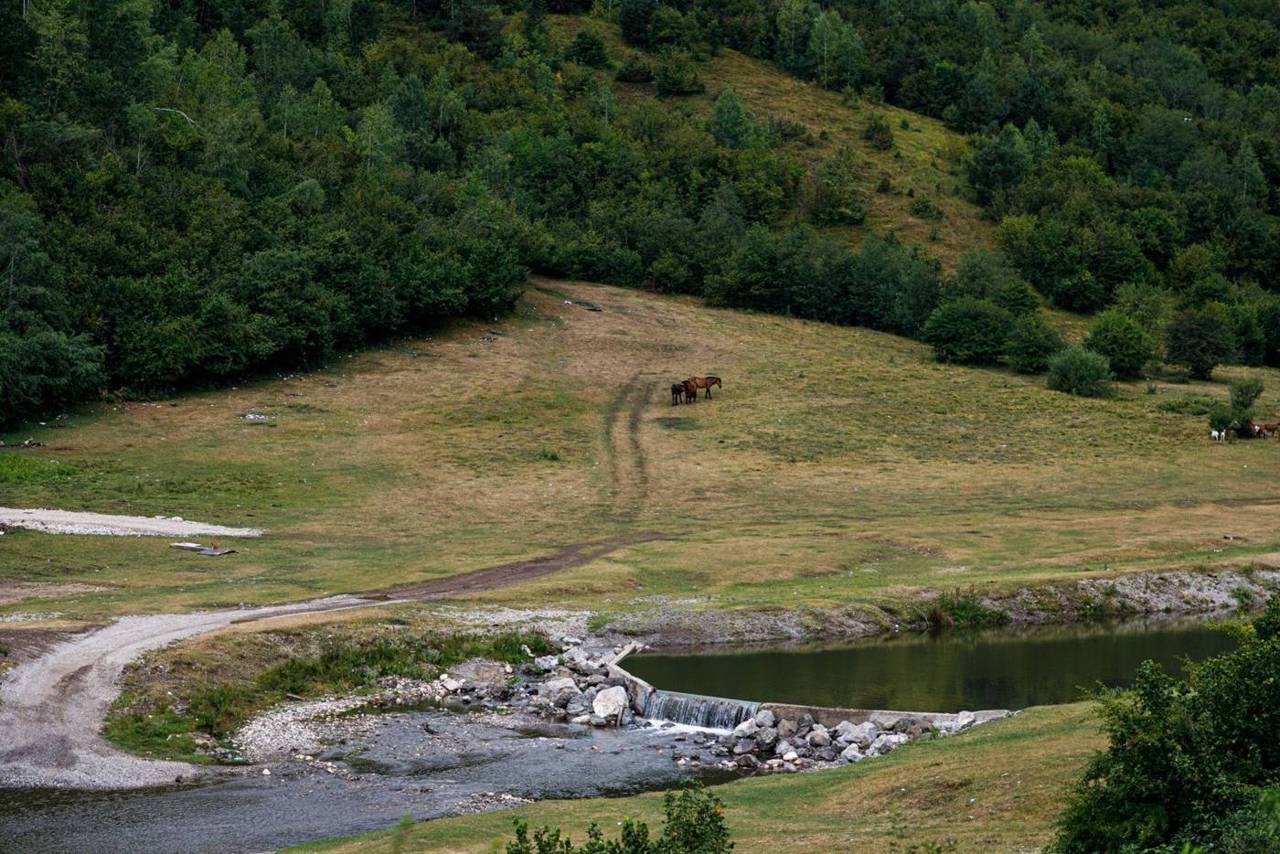
Niš and Devil's Town
Niš with its Ottoman fortress and the Skull Tower, the Roman site of Mediana where Constantine was born, and the earth pillars of Đavolja Varoš.
- Niš
- Mediana
- Ćele Kula
- Đavolja Varoš
- Prolom Banja
Day by day
- Day 1
Niš: the fortress and the centre
This trip takes you to southern Serbia: Niš, with its Ottoman fortress, the Skull Tower and the Roman site of Mediana, where Emperor Constantine was born, then the earth pillars of Đavolja Varoš, the Devil's Town, and the spa of Prolom Banja. You get around on foot in the city and by car for the excursions.
Before you go: Italian citizens can enter Serbia without a visa, for tourist stays of under 90 days, with an electronic identity card or a passport. Other nationalities should check their own rules. Within 24 hours of arrival you must be registered with the police: hotels do it for you, if you stay with private hosts go with them to the police station.
Some areas on this trip are close to borders or places where the situation changes often: check your government's travel advice before booking and again before you leave.
Niš is Serbia's third city and has an airport with direct flights from several European cities. Start at the fortress, on the bank of the Nišava river, built by the Ottomans in the early eighteenth century on Roman and medieval remains. Enter through the Istanbul Gate and walk among the walls, the bastions, the old hammam and the Bali-beg mosque, now an art gallery. In the park around it there are cafés and shady benches.
Then cross the bridge and walk around King Milan Square and the pedestrian street Obrenovićeva. In the afternoon, stop in Kazandžijsko sokače, the coppersmiths' lane, with low houses and cafés.
In the evening, try the grilled meat of Niš, famous all over Serbia: ćevapi, pljeskavica and sausages, with raw onion and ajvar, a pepper relish.
Overnight in Niš, for three nights.
Practical tip: portions of grilled meat in Niš are huge: share one between two or ask for a half portion.
- Day 2
The Skull Tower and Mediana
Today you visit the places that tell the long history of Niš, from the Romans to the wars of the nineteenth century.
In the morning, go to Ćele Kula, the Skull Tower. In 1809, during the Serbian uprising against the Ottomans, at the Battle of Čegar the commander Stevan Sinđelić blew up the gunpowder store rather than surrender. After the battle, the Ottoman commander had a tower built with the skulls of the Serbian fighters, as a warning. Today a few dozen remain, protected by a chapel built at the end of the nineteenth century. It is a powerful, silent place. Check prices and times.
Then visit Mediana, on the eastern edge of the city, the remains of a large fourth-century Roman imperial villa, with mosaic floors, baths and storehouses. Niš, ancient Naissus, was the birthplace of Constantine the Great, the emperor who legalised Christianity. Check prices and times.
In the afternoon, if you are interested in twentieth-century history, visit the memorial of the Red Cross concentration camp, used by the Nazis during the Second World War. Check prices and times.
In the evening, go back to the centre and have burek, pastry filled with meat or cheese, or a plate of sarma, cabbage rolls.
Practical tip: Mediana is an open-air site with little shade: visit it in the morning in summer and bring water and a hat.
- Day 3
Đavolja Varoš and the spa of Prolom Banja
Today you see one of the strangest landscapes in Europe.
Early in the morning, leave Niš towards Prokuplje and Kuršumlija, then follow the road climbing the slopes of Mount Radan. In about two hours you reach Đavolja Varoš, the Devil's Town: more than two hundred pillars of red earth, up to several metres high, each topped by a stone that protects it from the rain, like a hat. They formed over a long time, as water eroded the ground around the harder stones.
A path with boardwalks takes you among the pillars. Nearby flow two springs with very acidic, mineral-rich, reddish water: do not drink it. Local legends tell of a cursed wedding, with the guests turned to stone. Check prices and times.
In the afternoon, continue to Prolom Banja, a small spa village in the woods of Radan, famous for its light water. Take a dip in the thermal pools and rest. Check prices and times.
On the way back, in Kuršumlija, you can see the remains of two medieval churches linked to Stefan Nemanja.
In the evening, return to Niš.
Practical tip: stay on the main roads, do not venture south beyond Đavolja Varoš and do not drive at night: mountain roads are narrow and poorly lit.
- Day 4
The Sićevo gorge and back to Niš
Today, before leaving, take a short trip into nature near Niš.
In the morning, drive east along the Nišava river to the Sićevo gorge, half an hour from the city. The river flows between limestone walls, with small churches, vineyards and villages on its banks. Stop at the viewpoints along the road and, if you like, walk one of the paths climbing above the gorge. It is also popular with climbers and birdwatchers.
At lunchtime, return to Niš and take a last stroll in the centre: pass by the fortress again and stop at a café on the riverside.
If you have time, visit the city's Orthodox cathedral, with its decorated iconostasis, or the small National Museum, with Roman finds from Naissus. Check prices and times.
In the afternoon, catch your flight or take the road to Belgrade, about two and a half hours away by motorway.
In short, in four days you have seen southern Serbia: the fortress of Niš, the Skull Tower, Mediana, the Devil's Town, the spa of Prolom Banja and the Sićevo gorge.
When to go: from April to October. Spring and autumn have the most pleasant weather; summer in Niš is very hot.
Practical tip: at the airport and stations, change money only at authorised offices, and keep a few dinars for the bus or taxi to the centre.
Southern Serbia with good grilled food and few tourists. Niš has low-cost flights. The road to Đavolja Varoš runs near Kosovo but is calm.
Before you go
- Documents and visa
- EU citizens can enter with a passport or electronic identity card, with no visa, for tourist stays of under 90 days. British visitors need a passport. You must be registered with the police within 24 hours of arrival: hotels do it automatically, if you stay with private hosts go with them to the local police station. If you enter with a passport, make sure it is stamped. Serbia does not recognise the crossings with Kosovo as official borders: if you plan to travel via Kosovo, check first.
- Health and vaccines
- No compulsory vaccinations. Healthcare is poorly equipped and treatment is paid in cash: bring your own medicines and take insurance covering medical costs and repatriation. In summer use mosquito repellent, especially in the evening. Emergencies: police 192, fire 193, ambulance 194.
- Money and payments
- Serbian dinar (RSD), the only accepted means of payment; motorway tolls for foreign cars can be paid in euros. Cards work well in Belgrade, less so outside the cities: carry cash.
- Power sockets
- Types C and F, 230 volts: you need an adapter for British plugs.
- Time zone
- UTC+1, UTC+2 in summer, one hour ahead of the UK.
- Safety
- Watch out for pickpockets and car theft, especially in Belgrade. Demonstrations and road blocks can happen across the country: avoid crowds. In the areas of Preševo, Bujanovac and Medveđa, near the borders with North Macedonia and Kosovo, and in the Sandžak, travel only if necessary and keep to main roads. Photographing military and police sites is forbidden. Official advice: GOV.UK.
Information checked in November 2026 for Italian and EU citizens. Rules change: always check before you travel.
Variations
With two days, visit Niš with the fortress, the Skull Tower and Mediana.
With three extra days, add Pirot and Stara Planina, east of Niš.
Frequently asked questions
What is Đavolja Varoš?
A group of more than two hundred earth pillars topped by stones, on the slopes of Mount Radan in southern Serbia. It is protected as a natural monument.
Can you fly to Niš?
Yes, Niš airport has direct flights from several European cities, often with low-cost airlines. Check which routes are running.
Is the road to Đavolja Varoš calm?
The main road is used by many visitors. Stay on main roads, do not drive at night and check your government's travel advice before you leave.
Indicative itinerary written by World Atlas. Before booking, check timetables, seasonal openings, documents and safety.
 4 daysEasy
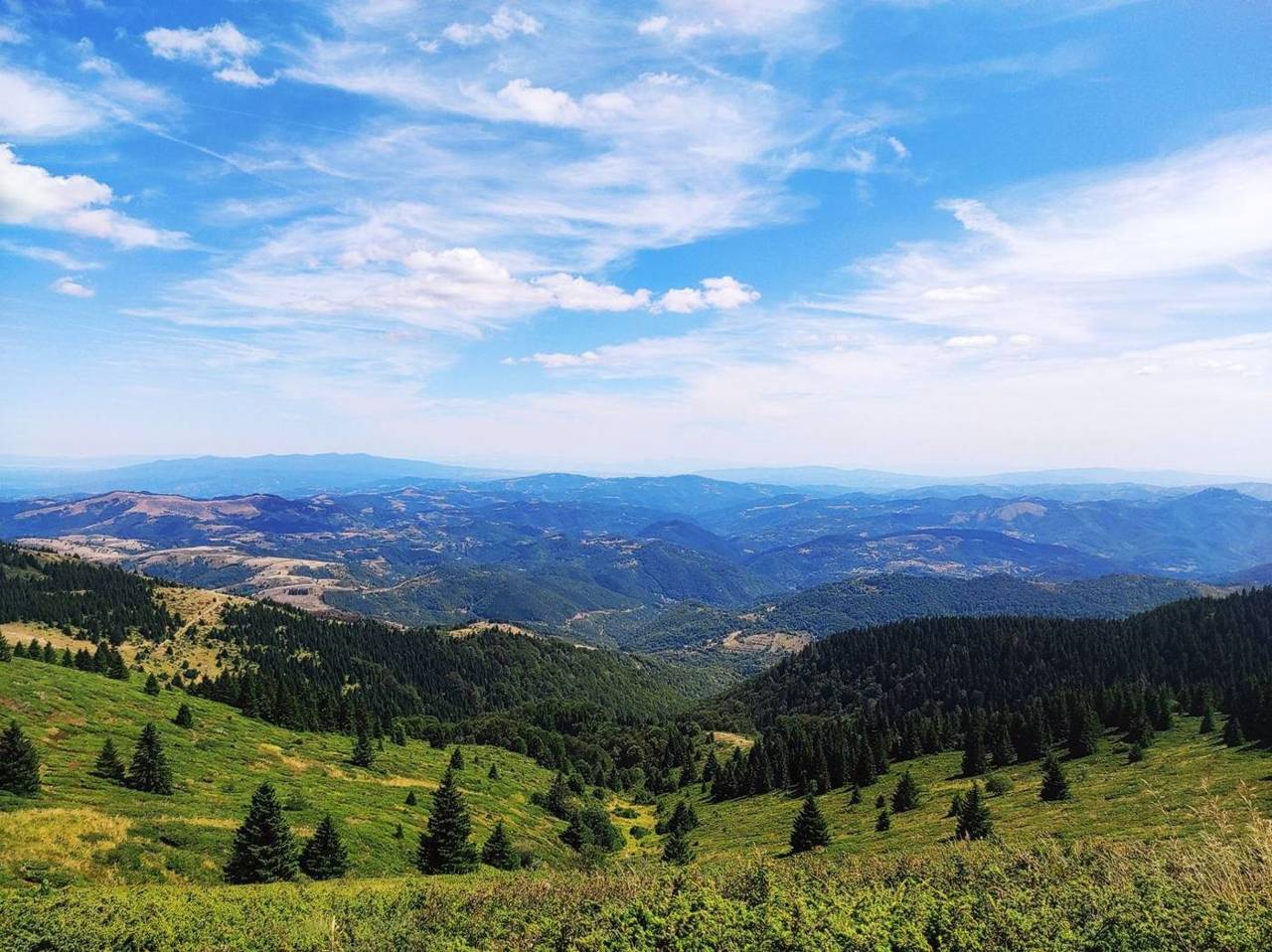
Kopaonik
Serbia's biggest mountain: the country's main ski resort in winter, and in summer walks to Pančićev vrh and the monasteries of Studenica and Gradac at its foot.
 4 daysModerate
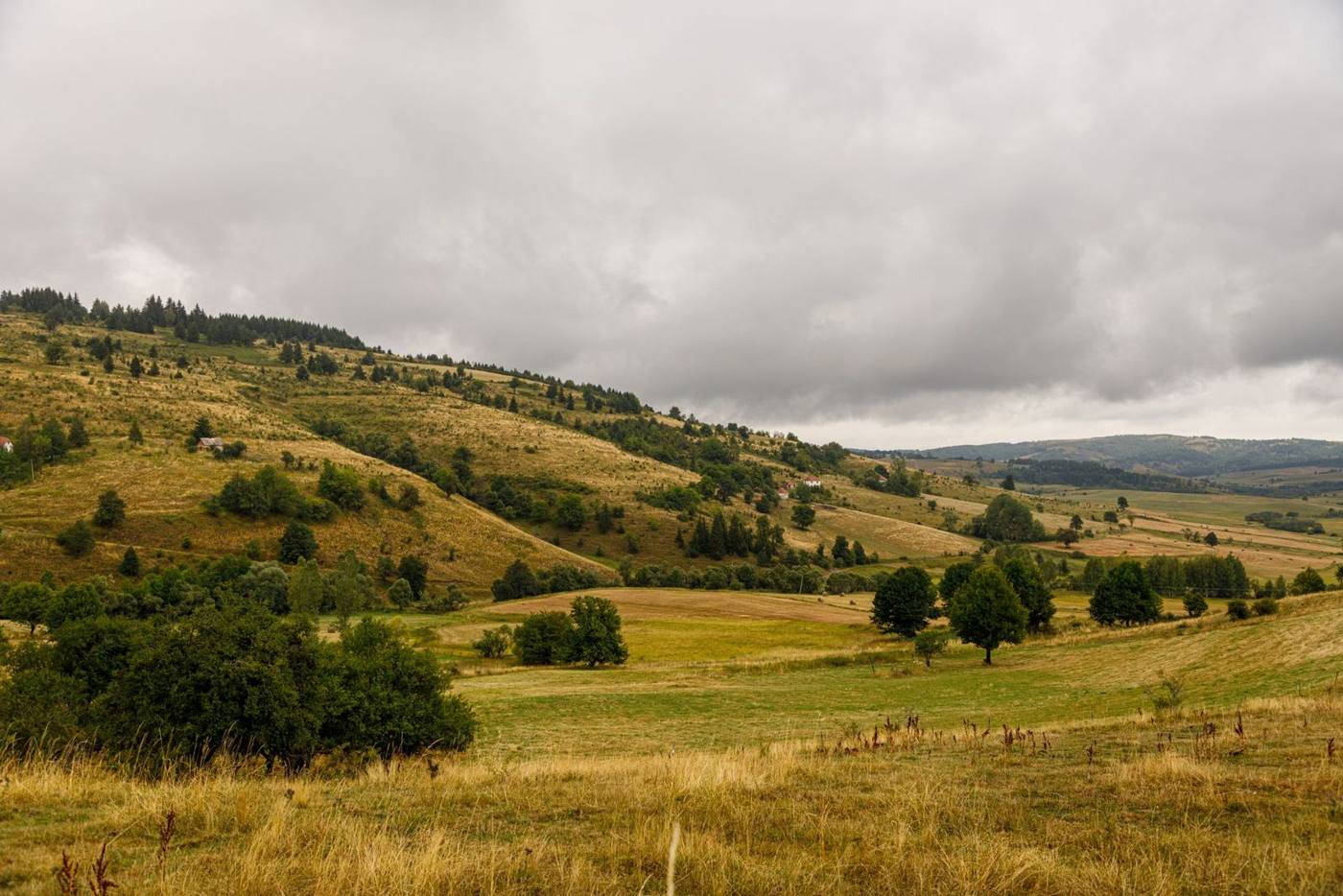
Stara Planina and Pirot
The wild mountains on the Bulgarian border: Topli Do waterfalls, the summit of Midžor, depopulated villages and the kilim carpets and cheese of Pirot.
 6 daysModerate
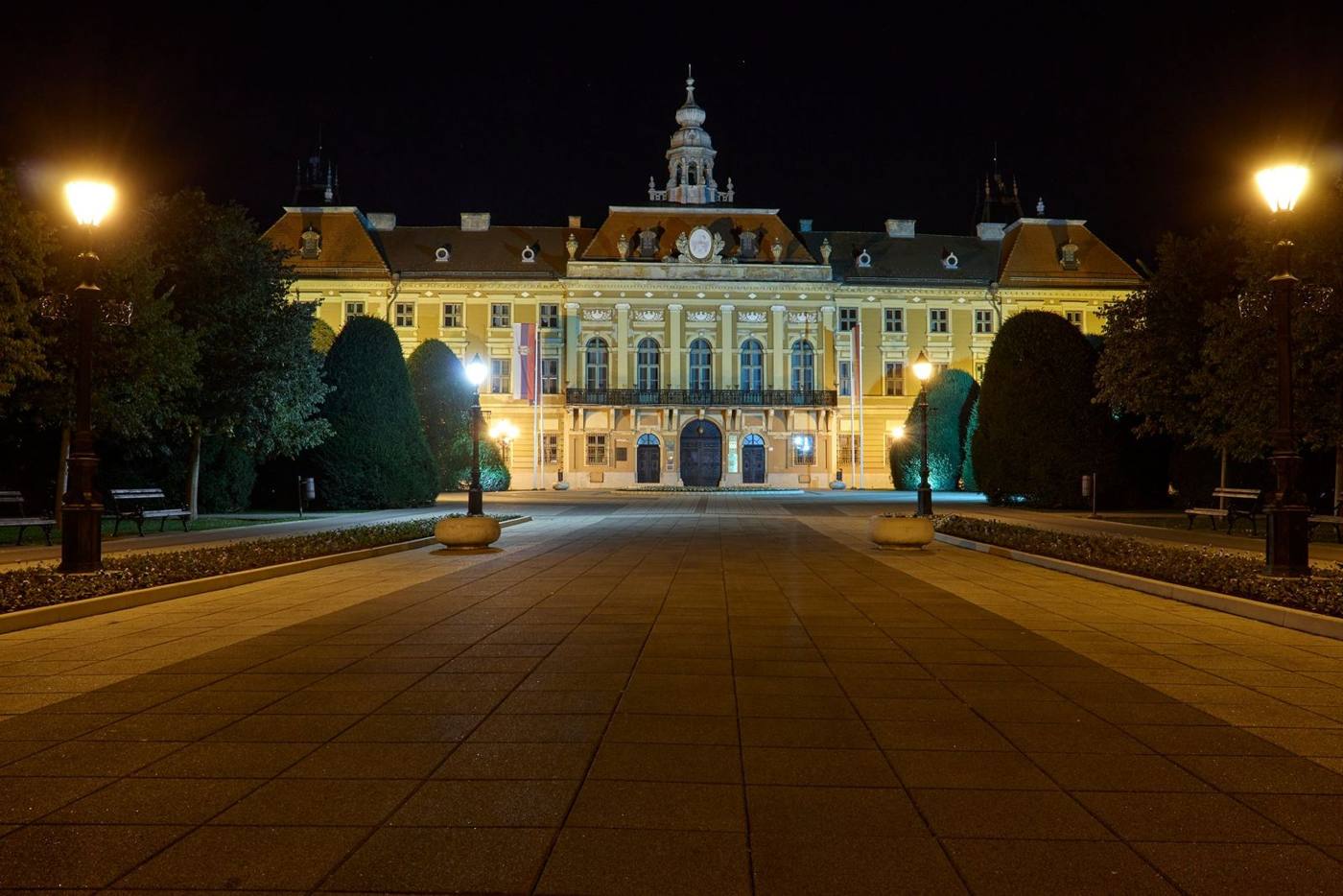
The Danube by bike
The EuroVelo 6 cycle route from the Hungarian border to Belgrade: Gornje Podunavlje nature park, Sombor, Bač and its fortress, Novi Sad and Zemun.