Monasteries and mountains of the south
The medieval monasteries of Studenica and Žiča, Tara National Park above the Drina, the Šargan Eight railway and the wooden village of Drvengrad.
- Belgrade
- Kraljevo
- Žiča
- Studenica
- Zlatibor
- Mokra Gora
- Tara
- Belgrade
Day by day
- Day 1
From Belgrade to Kraljevo and Žiča Monastery
This trip crosses rural, Orthodox Serbia, with very few foreign tourists: the medieval monasteries of Žiča and Studenica, the Zlatibor plateau, the Šargan Eight railway and the wooden village of Drvengrad at Mokra Gora, then Tara National Park above the canyon of the Drina. You travel by car.
Before you go: Italian citizens can enter Serbia without a visa, for tourist stays of under 90 days, with an electronic identity card or a passport. Other nationalities should check their own rules. Within 24 hours of arrival you must be registered with the police: hotels do it for you, if you stay with private hosts go with them to the police station. Outside the cities, carry dinars in cash.
From Belgrade, drive south through the hills of Šumadija, the historic heart of Serbia, to Kraljevo, the city of kings, in about two and a half hours.
In the afternoon, visit Žiča Monastery, on the edge of the city, founded in the early thirteenth century by Stefan the First-Crowned. It was the first seat of the archbishop of the Serbian Church, Saint Sava, and the kings were crowned here. You recognise it at once by the bright red colour of its facades, which recalls the churches of Mount Athos. Go in with your shoulders and legs covered.
In the evening, walk around Kraljevo's central square and have grilled meat from Šumadija for dinner.
Overnight in Kraljevo or in the Ibar valley.
Practical tip: in monasteries you go in quietly, women sometimes cover their heads and photos are not taken during services: always ask before taking pictures inside.
- Day 2
Studenica and the Ibar valley
Today you visit the most important monastery of medieval Serbia.
In the morning, drive up the Ibar valley, a narrow green gorge, where you see the medieval fortress of Maglič on a rock above the river. Then turn off towards Studenica, hidden in the woods.
Studenica Monastery, a UNESCO World Heritage Site, was founded at the end of the twelfth century by Stefan Nemanja, founder of the dynasty that ruled Serbia for two centuries. The Church of the Virgin is built of white marble, with carved portals and windows. Inside are frescoes from the early thirteenth century, among the finest in Byzantine art, with a famous Crucifixion on a blue background. Within the walls you also see the small King's Church, from the fourteenth century, with more important frescoes. Go in with your shoulders and legs covered.
For lunch, stop at a tavern in the valley and try pastrmka, grilled river trout.
In the afternoon, if you feel like it, take a short walk along the Studenica river, or relax in one of the spa villages in the valley.
Before leaving the monastery, stop at the small treasury museum, if it is open, with icons, old books and liturgical objects. Check prices and times.
Overnight near Studenica or back in Kraljevo.
Practical tip: the Ibar valley road is narrow and busy with lorries: drive calmly, overtake only with good visibility and do not drive at night.
- Day 3
Zlatibor and the open-air museum of Sirogojno
Today you head west, onto the Zlatibor plateau.
In the morning, drive towards Čačak and Užice, then climb onto the Zlatibor plateau, at about a thousand metres, covered with pastures and pine woods. It is one of the Serbs' favourite destinations in summer and winter, with a cool climate and clean air. Many families come here for long holidays, walking in the woods and eating in the countryside.
Visit Sirogojno, an open-air museum that recreates an old mountain village of Zlatibor: wooden houses with steep roofs, haylofts, workshops, dairy huts and a small church. Sirogojno is also famous for the sweaters hand-knitted by the village women, with traditional patterns. Check prices and times.
In the afternoon, if you have time, visit the nearby Stopića cave, with its natural pools of water, or ride the long panoramic cable car of Zlatibor to look at the plateau from above. Check prices and times.
For dinner, taste Zlatibor pršut, air-dried ham, kajmak, a salty milk cream, and fresh mountain cheese.
Before dinner, walk along the lake in the centre of Zlatibor, where in the evening Serbs stroll among stalls of honey, cheese and woollen sweaters.
Overnight in Zlatibor.
Practical tip: even in summer, evenings on Zlatibor are cool: bring a sweatshirt or a light jacket.
- Day 4
Mokra Gora: the Šargan Eight train and Drvengrad
Today you ride one of the most spectacular heritage trains in Europe.
In the morning, drive to Mokra Gora, a green valley close to the border with Bosnia and Herzegovina. This is where the Šargan Eight starts, a narrow-gauge train running on an old mountain line. Its name comes from the route, which climbs Šargan mountain in a figure of eight, through tunnels, over bridges and around tight bends. The trip, with scenic stops, takes a few hours. The train runs mainly from April to October: book and check prices and times.
In the afternoon, go up to Drvengrad, also called Küstendorf, a wooden village built on Mećavnik hill by the director Emir Kusturica for one of his films. It has log houses, a small church, streets named after writers, directors and famous people, and a wide view over the valley. Check prices and times.
In the evening, have mountain food for dinner: proja, cornbread, and meat slow-cooked under an iron bell, called ispod sača.
Before dinner, if you still have energy, walk in the meadows around Mokra Gora, where wooden houses scattered on the slopes and haystacks make up an old-fashioned mountain landscape.
Overnight in Mokra Gora or back in Zlatibor.
Practical tip: arrive at the train station at least half an hour before departure: in summer seats are few and organised groups fill many carriages.
- Day 5
Tara National Park and the Banjska stena viewpoint
Today you enter Tara National Park, a mountain of dense forest above the Drina.
In the morning, drive from Mokra Gora towards Kaludjerske Bare or Mitrovac, the park's two tourist villages. Tara is covered with forests of fir, beech and pine, and is the home of the omorika, the Serbian spruce, a rare species that grows almost only here. Bears, chamois and eagles also live in the woods.
In the afternoon, go by car and then on foot to the Banjska stena viewpoint, on a rock high above the canyon of the Drina. From here you see the river and Lake Perućac winding far below, between wooded walls, with the mountains of Bosnia on the other bank. The path from the car park is easy, but the last stretch on the rock has no railings.
Along the road, stop at other viewpoints in the park and walk a stretch in the woods.
In the evening, have Drina trout or spit-roast lamb for dinner.
The park also has a visitor centre, with trail maps and information on the wildlife: ask there which routes are open and suit your level.
Overnight in Tara National Park, for two nights.
Practical tip: at the viewpoint, keep away from the edge of the rock and hold children by the hand. In the woods, do not leave food lying around: there are bears.
- Day 6
The little house on the Drina at Bajina Bašta
Today you go down to the Drina, the river that separates Serbia from Bosnia and Herzegovina.
In the morning, drive to Lake Perućac, at the foot of the canyon. Here you see the Vrelo, a very short river that rises from a spring and flows into the Drina in a small waterfall after a few hundred metres: locals say it is one metre long for every day of the year.
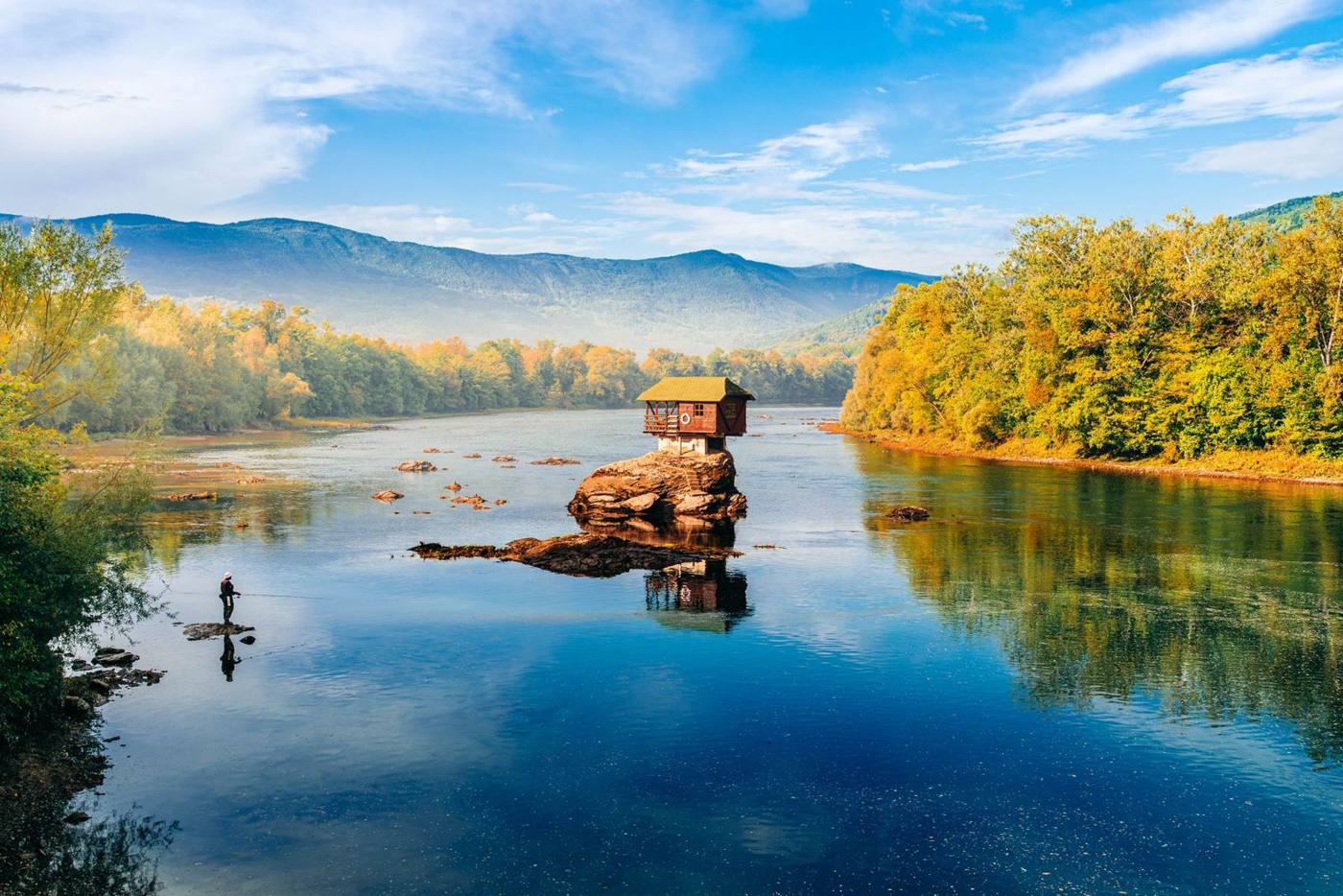
Then continue towards Bajina Bašta. Just before the town, in the middle of the Drina, you see the famous wooden house built on a rock in the river, one of the most photographed images of Serbia. The house has been rebuilt several times after floods. You look at it from the bank, where there are viewing points.
In the afternoon, in summer, you can go canoeing or rafting on the Drina with a local guide, or walk along the bank. Check prices and times.
Before driving back up, stop in Bajina Bašta for a coffee in the square and watch the quiet life of this small riverside town.
In the evening, return to Tara National Park and have dinner with local dishes.
Practical tip: the Drina marks the border with Bosnia and Herzegovina: always carry your identity document and, in a boat or canoe, do not land on the Bosnian bank.
- Day 7
Back to Belgrade
Today you leave the mountains and return to Belgrade.
In the morning, take a last walk in the woods of Tara, perhaps to another viewpoint or along a path among the firs, before the visitors arrive.
Then take the road to Belgrade, through Užice and Valjevo, among farmed hills, plum orchards and small villages. The plum is Serbia's symbolic fruit: it is used to make šljivovica, the national brandy, often offered to guests. Allow several hours of driving.
On the way, if you have time, stop in Valjevo for a walk in the old quarter of Tešnjar, with its old houses and workshops along the river.
You reach Belgrade in the afternoon or evening.
In short, in seven days you have seen rural, Orthodox Serbia: the monasteries of Žiča and Studenica, the Ibar valley, Zlatibor and Sirogojno, the Šargan Eight train, Drvengrad, Tara National Park with Banjska stena and the little house on the Drina.
When to go: from May to October. The Šargan Eight train runs mainly from April to October and it is worth booking.
Practical tip: mountain roads are slow: always allow more time than the maps suggest, fill up in the towns and do not drive at night.
Rural, Orthodox Serbia with very few foreign tourists. A car is needed, along with patience on mountain roads. The Šargan Eight train runs mainly from April to October and is worth booking.
Before you go
- Documents and visa
- EU citizens can enter with a passport or electronic identity card, with no visa, for tourist stays of under 90 days. British visitors need a passport. You must be registered with the police within 24 hours of arrival: hotels do it automatically, if you stay with private hosts go with them to the local police station. If you enter with a passport, make sure it is stamped. Serbia does not recognise the crossings with Kosovo as official borders: if you plan to travel via Kosovo, check first.
- Health and vaccines
- No compulsory vaccinations. Healthcare is poorly equipped and treatment is paid in cash: bring your own medicines and take insurance covering medical costs and repatriation. In summer use mosquito repellent, especially in the evening. Emergencies: police 192, fire 193, ambulance 194.
- Money and payments
- Serbian dinar (RSD), the only accepted means of payment; motorway tolls for foreign cars can be paid in euros. Cards work well in Belgrade, less so outside the cities: carry cash.
- Power sockets
- Types C and F, 230 volts: you need an adapter for British plugs.
- Time zone
- UTC+1, UTC+2 in summer, one hour ahead of the UK.
- Safety
- Watch out for pickpockets and car theft, especially in Belgrade. Demonstrations and road blocks can happen across the country: avoid crowds. In the areas of Preševo, Bujanovac and Medveđa, near the borders with North Macedonia and Kosovo, and in the Sandžak, travel only if necessary and keep to main roads. Photographing military and police sites is forbidden. Official advice: GOV.UK.
Information checked in November 2026 for Italian and EU citizens. Rules change: always check before you travel.
Variations
With four days, see Žiča and Studenica, then Mokra Gora with the Šargan Eight train.
With three extra days, add the Uvac canyon and its griffon vultures, near Zlatibor.
Frequently asked questions
When does the Šargan Eight train run?
Mainly from April to October, with timetables that change during the year. It is worth booking, especially in summer and at weekends.
How should you dress to visit the monasteries?
With shoulders and legs covered. Women are sometimes asked to cover their heads; skirts and scarves to borrow are often available at the entrance.
Do you need a car?
Yes. The monasteries, Zlatibor, Mokra Gora and Tara are poorly linked by public transport, and a car lets you stop at the viewpoints.
Indicative itinerary written by World Atlas. Before booking, check timetables, seasonal openings, documents and safety.
 5 daysEasy
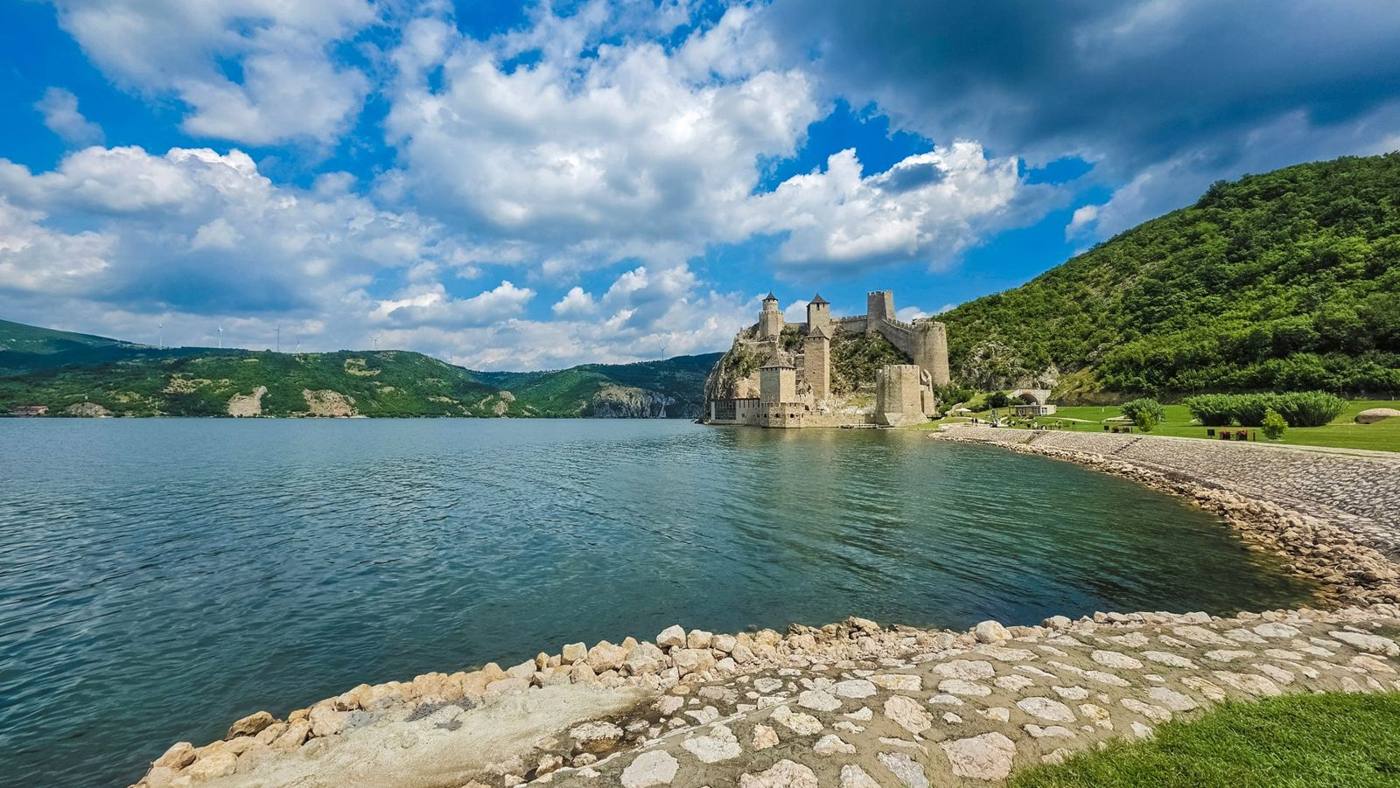
The Danube and the Iron Gates
Smederevo fortress, Golubac on the riverbank, the prehistoric site of Lepenski Vir and the Đerdap gorge.
 3 daysEasy
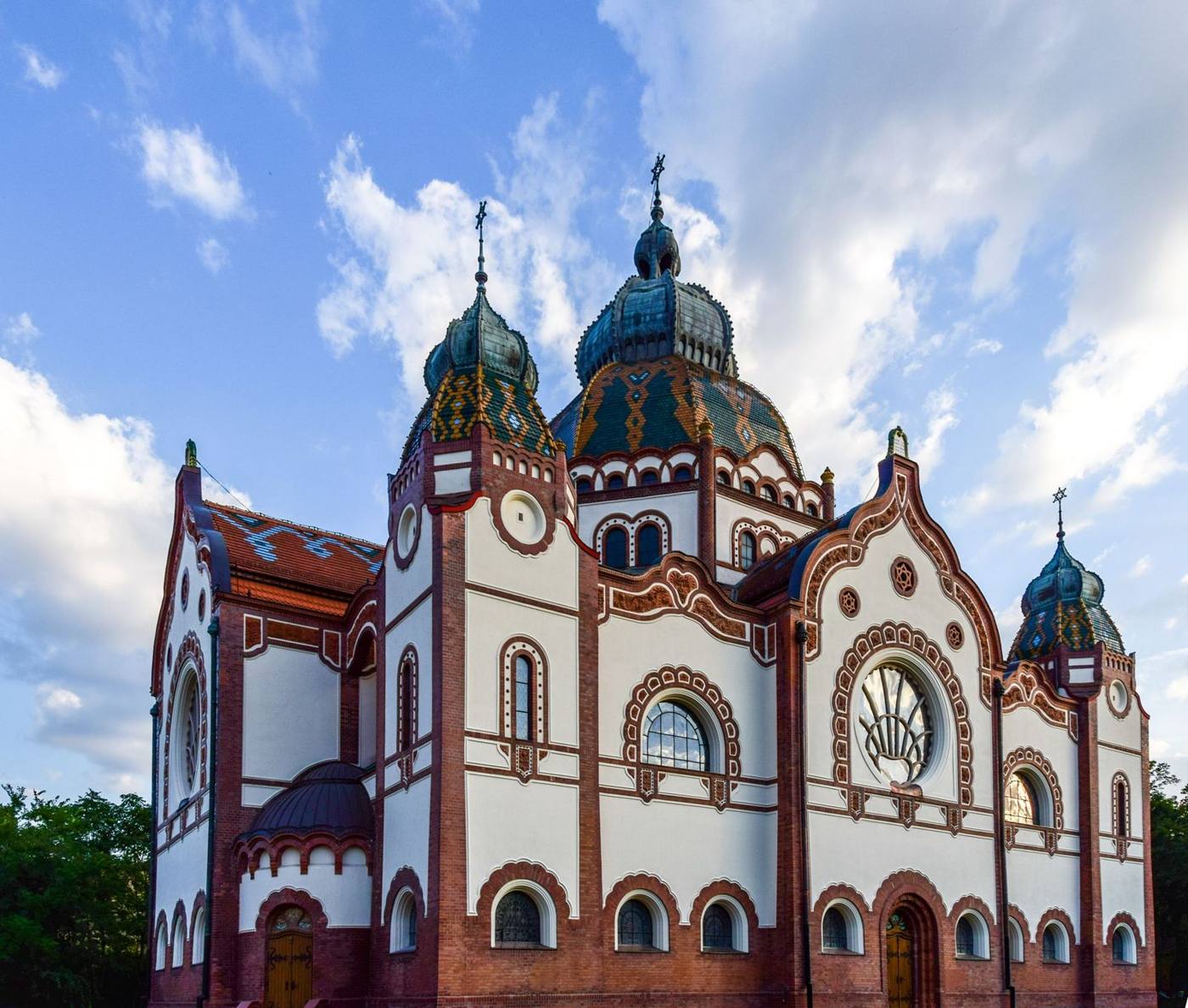
Subotica and Palić
The Art Nouveau city of the north with its Hungarian-style town hall and synagogue, Lake Palić with its villas and the sandy-soil wineries of Vojvodina.
 3 daysEasy
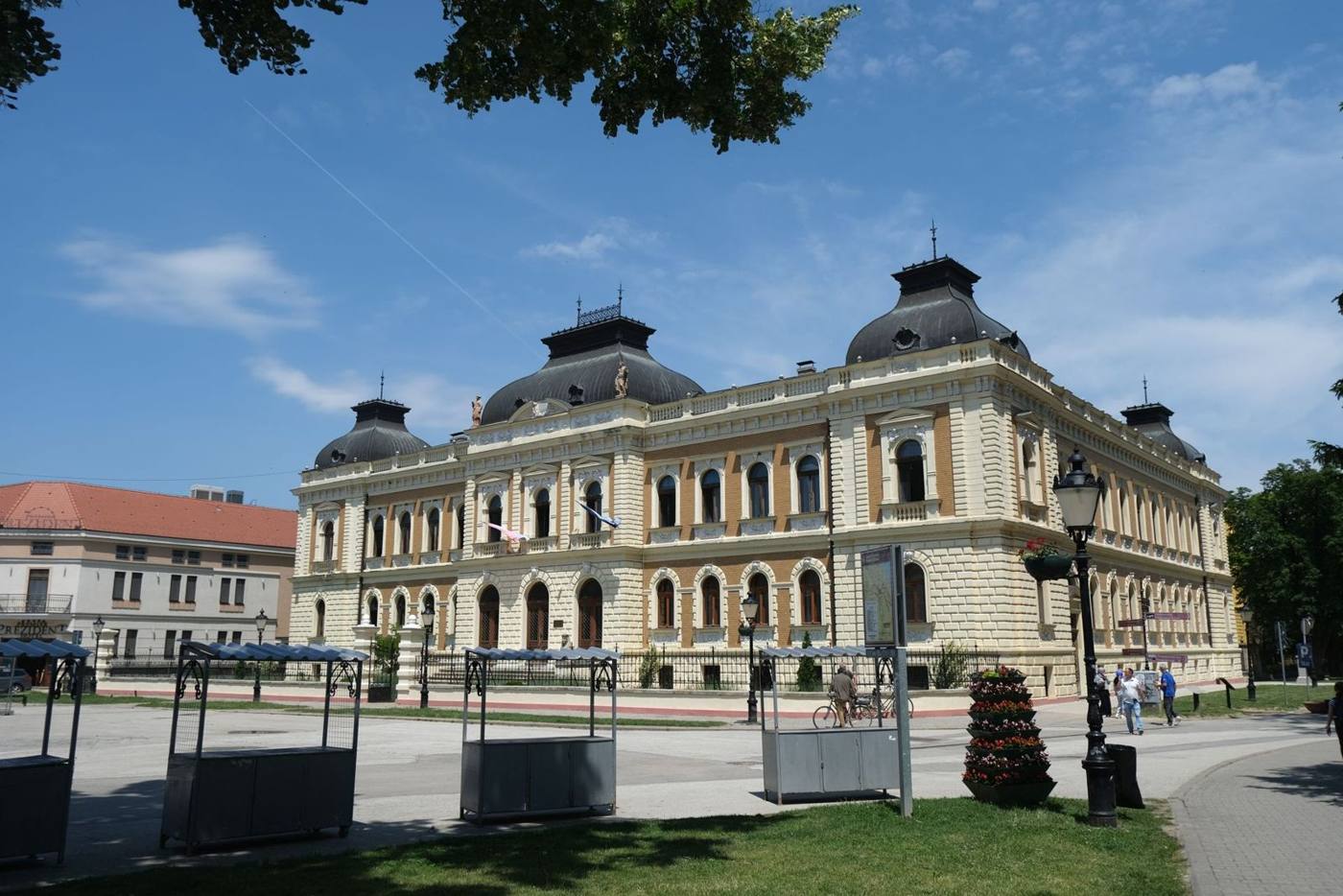
Fruška Gora and Sremski Karlovci
The baroque town of Sremski Karlovci and its sweet bermet wine, the Fruška Gora hills and their Orthodox monasteries among vineyards and woods.