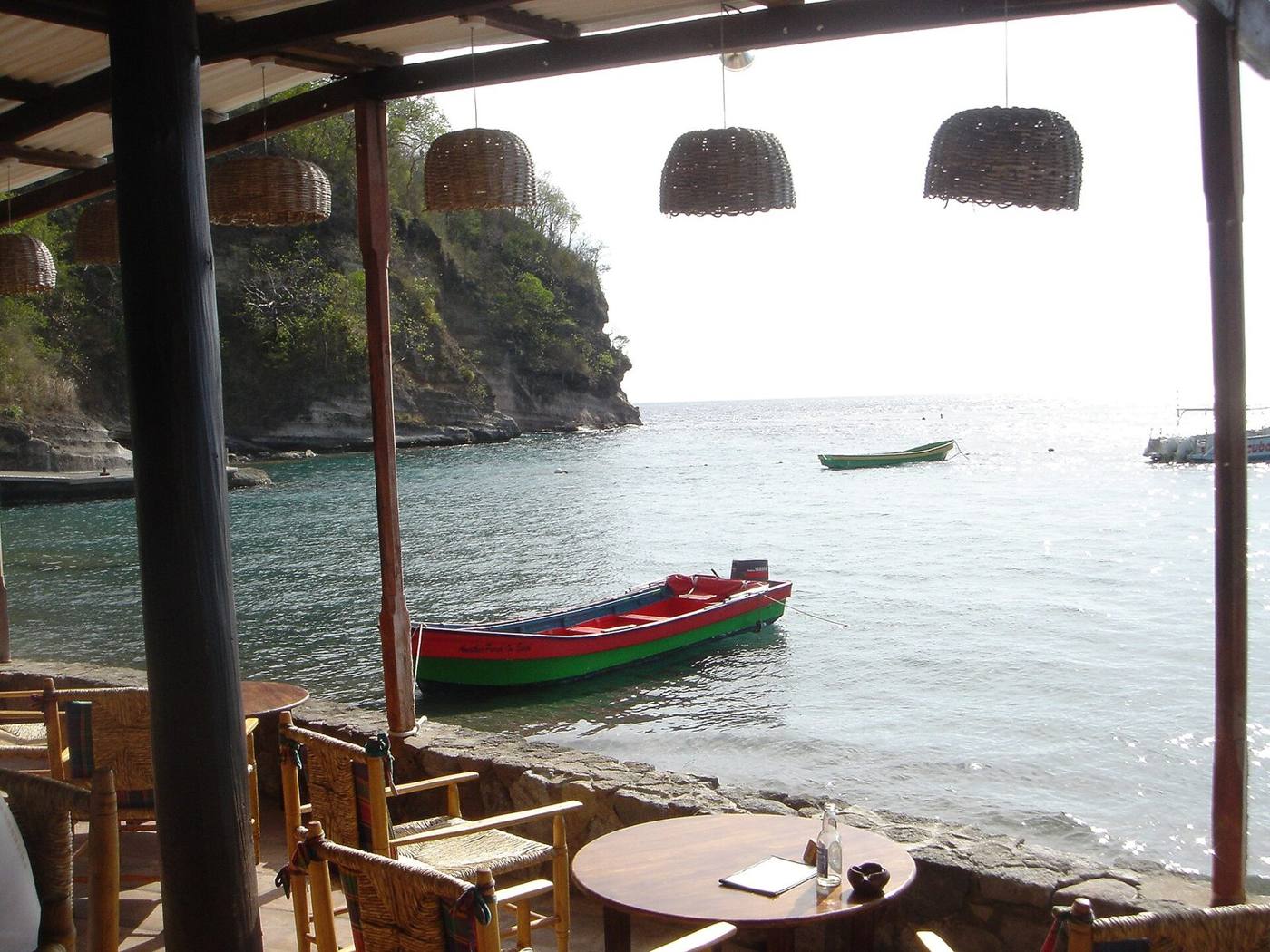
Diving at Soufrière
The marine reserve beneath the Pitons: coral walls very close to shore at Anse Chastanet, the Superman's Flight reef and snorkelling at Sugar Beach and Anse Cochon.
- Anse Chastanet
- Sugar Beach
- Anse Cochon
Day by day
- Day 1
Snorkelling at Anse Chastanet
This three-day trip takes you under water in the protected marine area of Soufrière, at the foot of the Pitons: the coral walls right off the shore at Anse Chastanet, the reef of Superman's Flight beneath Petit Piton and snorkelling at Anse Cochon and Sugar Beach.
Before you go: Italian citizens enter St Lucia with a passport valid for the whole stay and without a visa for stays of up to 90 days in any 180, under the agreement with the European Union. In the three days before arrival fill in the online immigration form on the official government website: you receive a QR code to show on arrival. Other nationalities should check their own rules. The United Kingdom does not advise against any area, but reports a serious risk of gang-related gun homicides, sometimes in public places, and robberies: do not walk alone away from main roads, avoid isolated beaches after dark and use only licensed taxis. Wearing camouflage clothing is illegal. Hurricane season runs from June to November.
The coast between Soufrière and the Pitons is divided into zones by the association that manages the marine area, the SMMA: marine reserves, fishing areas and areas for boats. To dive or snorkel in the reserves you need a paid permit: check the rules and the amount on the official SMMA website.
Go to the beach at Anse Chastanet, north of Soufrière. Put on your mask and fins and walk in from the sand: after a few metres the bottom drops away and the hard corals, tube sponges and sea fans begin, with parrotfish, surgeonfish and trumpetfish.
Sleep in Soufrière for three nights.
Practical tip: use reef-safe sun cream and a swim shirt, rather than covering yourself in cream before getting into the water.
- Day 2
Two dives in the marine reserve
Today you go deeper, with two dives at the finest sites in the reserve.
Book with an authorised dive centre and bring your certification card and logbook. If you are not certified you can do a discovery dive, a first dive with an instructor close to the shore. Check prices and times.
The first dive is at Superman's Flight, at the foot of Petit Piton, named after a scene from the Superman film shot here. It is a wall dropping into the blue, often with a gentle current carrying you along the rock, which is covered in giant sponges, black corals and sea fans. Let yourself drift, breathe calmly and look for moray eels in the cracks and the shoals of fish passing above you.
After a break on the boat, with water and fruit, the second dive is calmer, on a shallow reef near Anse Chastanet or beneath Gros Piton. Here you see turtles, scorpionfish, seahorses hidden among the weed and, with a bit of luck, an octopus changing colour.
Under water never touch the coral, do not feed the fish and keep your fins away from the bottom: coral grows very slowly and breaks easily.
In the afternoon rest on the beach or in the town of Soufrière.
Sleep in Soufrière.
Practical tip: after diving do not fly for at least 24 hours, and do not climb Gros Piton on the same day.
- Day 3
By boat to Anse Cochon and Sugar Beach
Today you explore the coast by boat and snorkel in two different bays.
In the morning board a boat heading north, towards Anse Cochon, a quiet bay between green hills that is reached mainly from the sea. On the way look at the cliffs, the fishing villages and, sometimes, dolphins leaping near the bow. At Anse Cochon the water is calm and clear: swim over the reef near the rocks and, if you dive, ask about the wreck of a ship sunk on purpose to create an artificial reef, now covered in coral.
Then head back south, past Soufrière, to Sugar Beach, the beach of pale sand right between Gros Piton and Petit Piton. Snorkel along the base of Petit Piton, where the corals come close to the surface, and then sit on the sand and look up at the two mountains above you.
In these three days you have seen the protected sea of Soufrière: the walls of Anse Chastanet, the current of Superman's Flight, the reefs of Anse Cochon and a swim between the Pitons. It suits beginners too, because many sites are close to the shore and sheltered.
When to go: from December to July, with calmer seas and good visibility. From August to November rain and hurricanes increase and the water can be murkier.
Practical tip: bring a dry bag for your phone and documents and a light sweatshirt for the wind on the boat.
Good for beginners too: many sites are close to shore and sheltered. A small permit is paid in the reserve; do not touch the coral.
Before you go
- Documents and visa
- Passport valid for the whole stay; Italian and EU citizens can stay up to 90 days in any 180 without a visa, British citizens up to 6 weeks on entry. Up to three days before arrival fill in the online immigration form on the official site travelslu.govt.lc: you receive a QR code to show on arrival. Ask for your passport to be stamped on entry.
- Health and vaccines
- No compulsory vaccinations, except a yellow fever certificate if you arrive from a risk country. Protect yourself from mosquitoes, which can carry dengue. Get insurance with medical cover and repatriation. Emergencies: 911.
- Money and payments
- East Caribbean dollar, pegged to the US dollar, which is accepted almost everywhere. Cards work in accommodation and larger shops; taxis have no meters, so agree the fare first.
- Power sockets
- Type G, 230 volts: the same as British plugs.
- Time zone
- UTC-4 all year, four hours behind the UK in winter and five in summer.
- Safety
- No areas are advised against. There is a continuing serious risk of gang-related gun homicides, sometimes in public areas, as well as armed robbery and sexual assault: do not walk alone away from main roads, avoid isolated beaches after dark, take care at street parties and use only licensed taxis. Wearing camouflage clothing is illegal. Traffic drives on the left and you need a temporary permit; many accidents happen on the east coast road to Hewanorra airport. A certified local guide is required for Gros Piton. Hurricane season runs from June to November. Official advice: GOV.UK.
Information checked in November 2026 for Italian and EU citizens. Rules change: always check before you travel.
Variations
Shorter: two days, with snorkelling at Anse Chastanet and two dives in the reserve, without the boat trip.
Longer: add another day of diving or the climb up Gros Piton, at least 24 hours after your last dive.
Frequently asked questions
Do I need a certification to dive?
For normal dives, yes. If you are not certified you can do a discovery dive with an instructor, close to the shore and in shallow water.
Do you pay to enter the marine reserve?
Yes, to dive or snorkel in the reserves you need a paid permit. Check the amount and the rules on the official SMMA website.
Is snorkelling suitable for weak swimmers?
At Anse Chastanet and Sugar Beach the water is usually calm and the reef is close to the shore. Use a snorkelling vest if you do not feel confident.
Indicative itinerary written by World Atlas. Before booking, check timetables, seasonal openings, documents and safety.
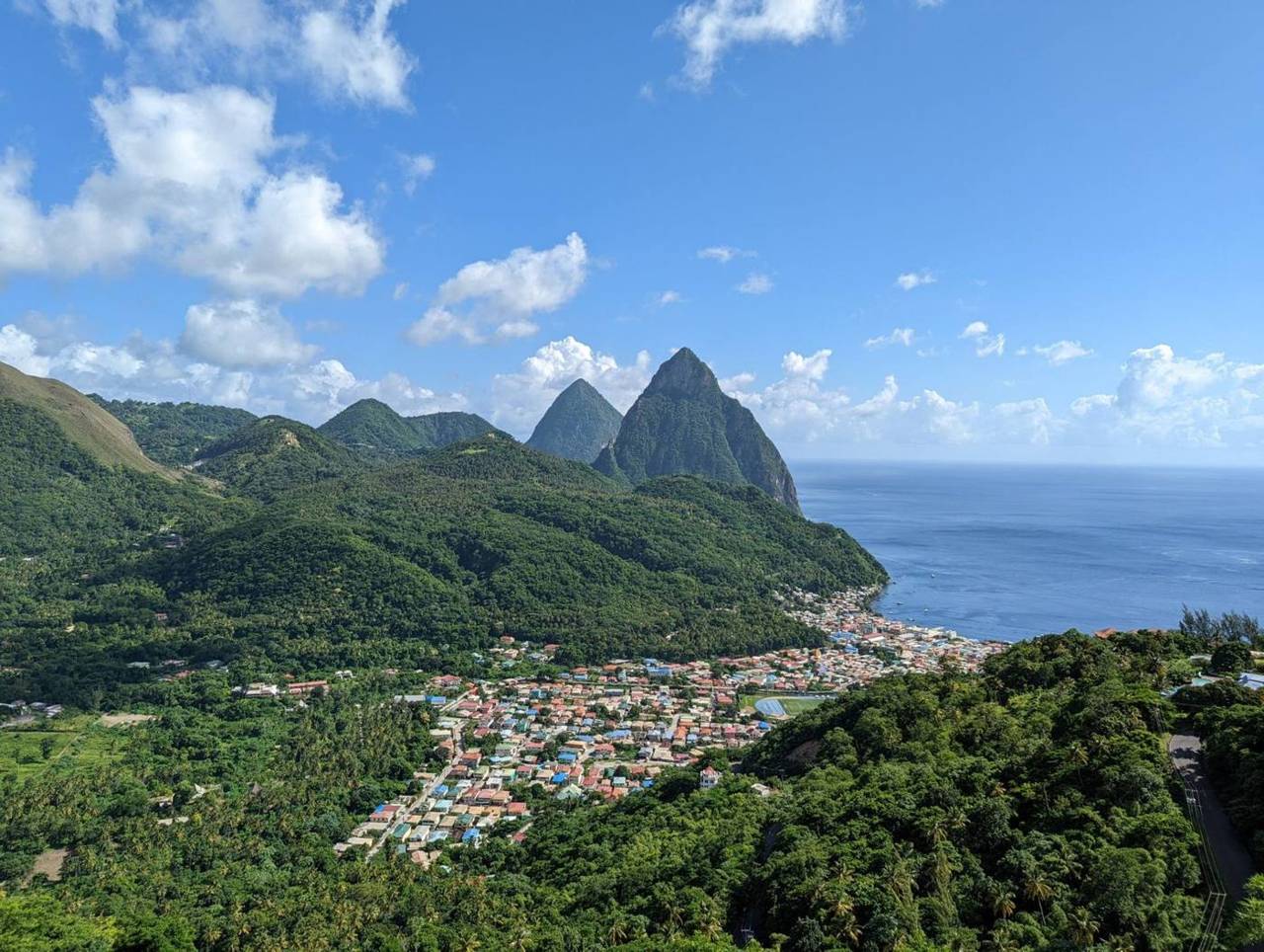 6 daysModerate
The Pitons and Soufrière
The two UNESCO peaks by the sea, the Gros Piton climb, the drive-in volcano with hot mud baths, Toraille waterfall and snorkelling at the foot of the Pitons.
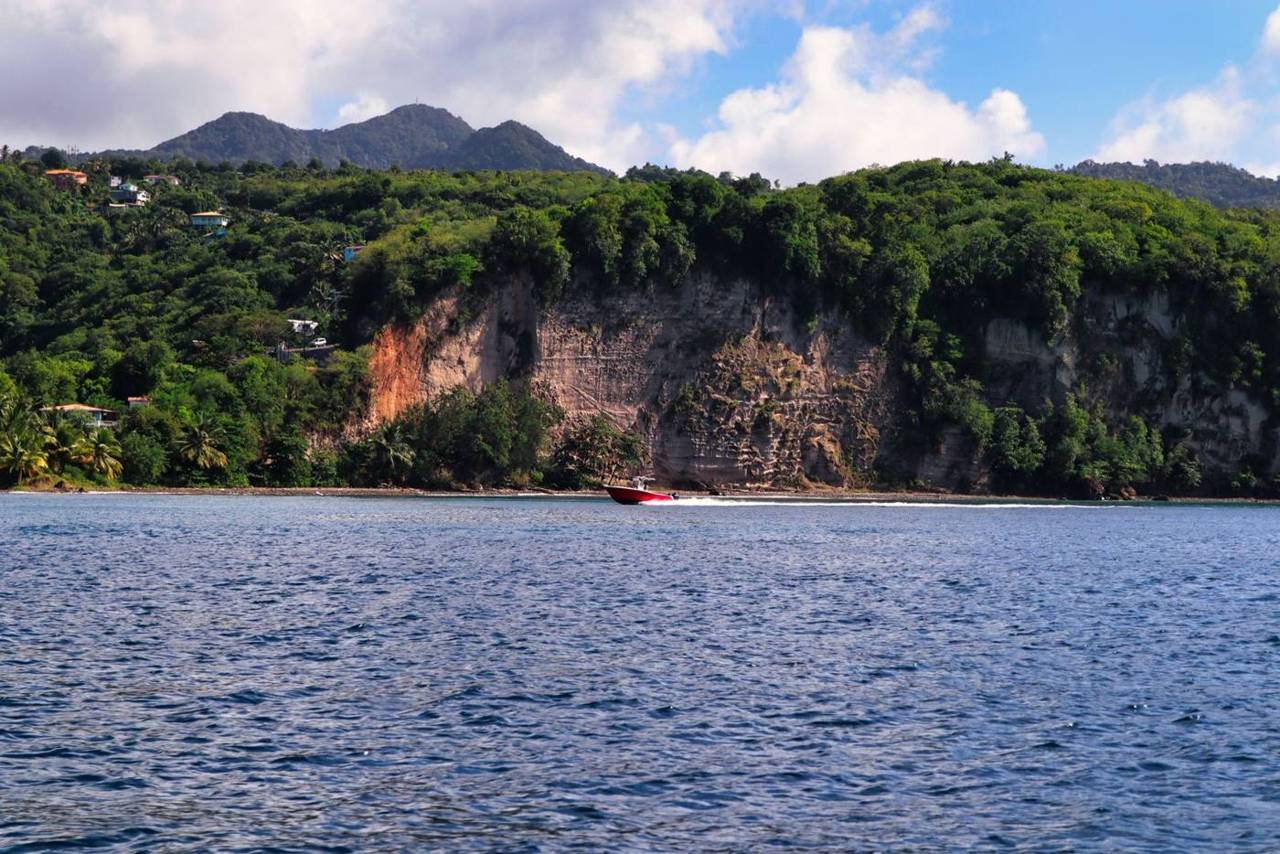 4 daysEasy
The north and Pigeon Island
Pigeon Island historic park, Rodney Bay, the Friday street party in Gros Islet and Cas en Bas beach.
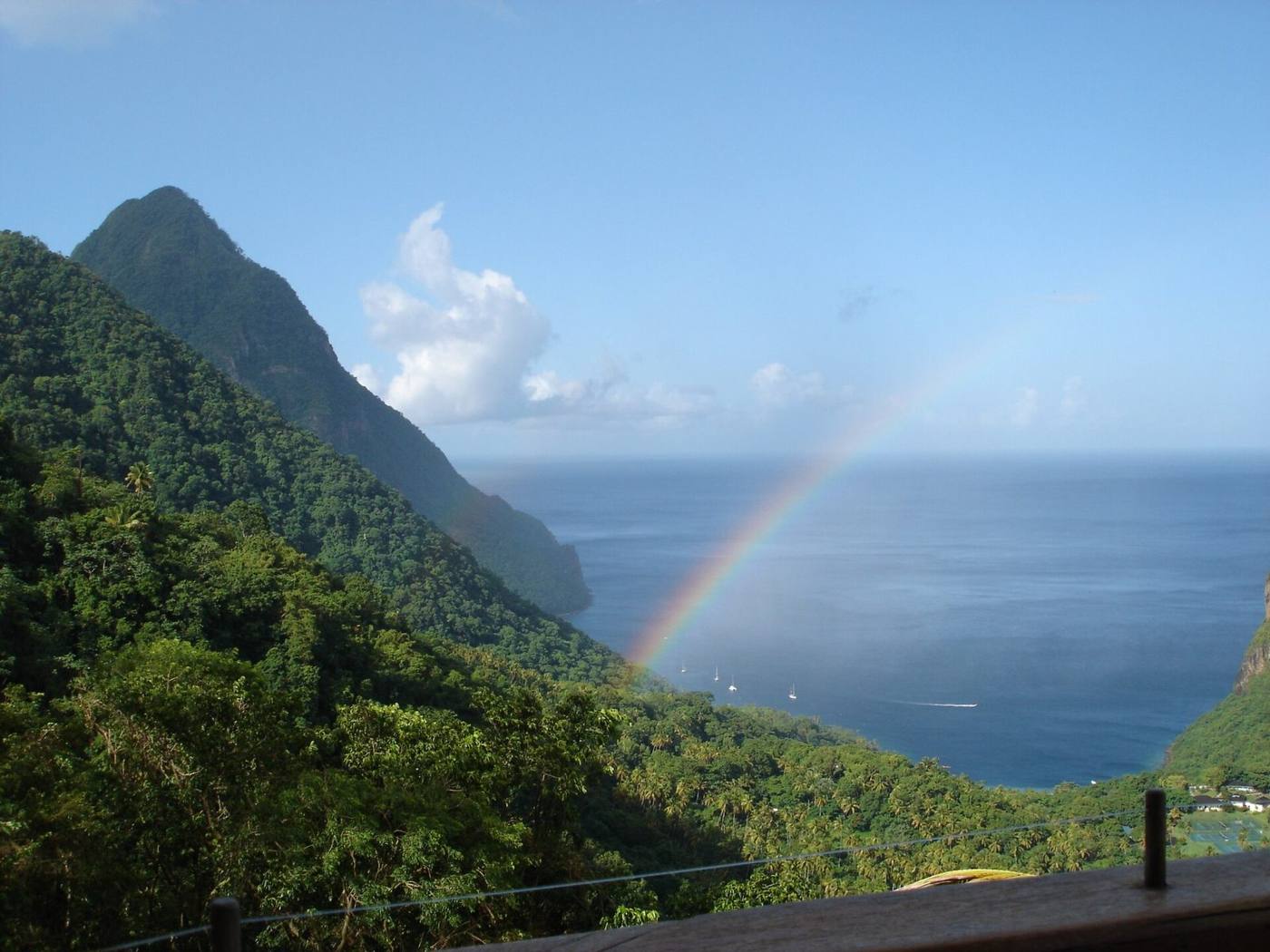 2 daysChallenging
The Gros Piton climb
The taller of the two Pitons, a UNESCO site: a steep forest trail from the village of Fond Gens Libre to the summit, with views over Soufrière and the Petit Piton.