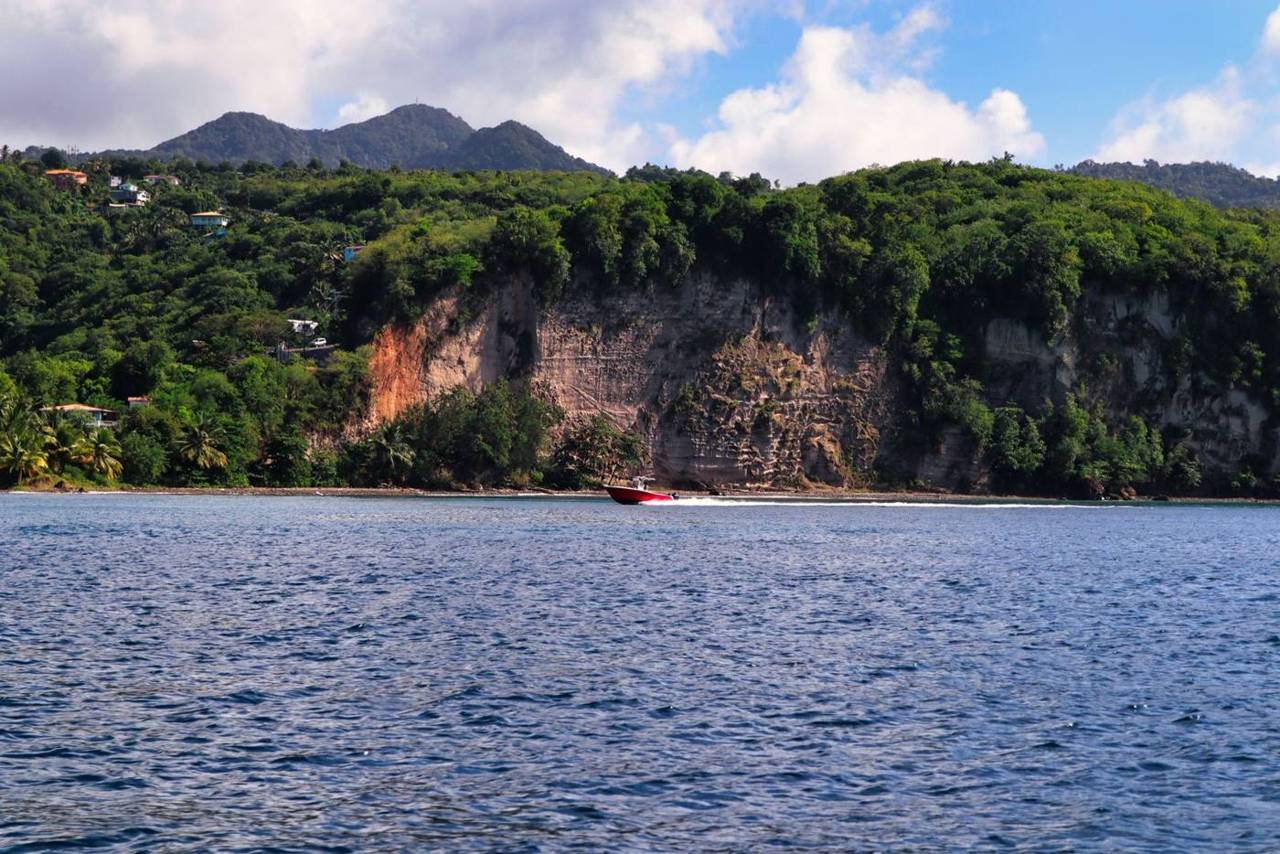
The north and Pigeon Island
Pigeon Island historic park, Rodney Bay, the Friday street party in Gros Islet and Cas en Bas beach.
- Rodney Bay
- Pigeon Island
- Gros Islet
- Cas en Bas
Day by day
- Day 1
Pigeon Island and Fort Rodney
This four-day trip takes you to the north of St Lucia, the most convenient side of the island: the historic park of Pigeon Island with Fort Rodney, the Atlantic beach of Cas en Bas with its kitesurfing, the fishing village of Gros Islet with its Friday street party and the bay of Rodney Bay.
Before you go: Italian citizens enter St Lucia with a passport valid for the whole stay and without a visa for stays of up to 90 days in any 180, under the agreement with the European Union. In the three days before arrival fill in the online immigration form on the official government website: you receive a QR code to show on arrival. Other nationalities should check their own rules. The United Kingdom does not advise against any area, but reports a serious risk of gang-related gun homicides, sometimes in public places, and robberies: do not walk alone away from main roads, avoid isolated beaches after dark and use only licensed taxis. Wearing camouflage clothing is illegal. Hurricane season runs from June to November.
Pigeon Island was once an island, now joined to the coast by an artificial causeway, and it is a national park. In the eighteenth century the British made it a military base to watch the French fleet on nearby Martinique. Walk among the ruins of the barracks and climb to Fort Rodney, with its old cannons, then to Signal Peak, the highest point: from here you see Rodney Bay and, on clear days, Martinique. Check prices and times.
Sleep in the Rodney Bay area for three nights.
Practical tip: climb Signal Peak early in the morning, because the path is exposed to the sun.
- Day 2
Cas en Bas and kitesurfing
Today you cross to the Atlantic side of the island, where the wind is stronger and the landscape wilder.
From Gros Islet a narrow road through the hills leads to Cas en Bas, a wide bay on the Atlantic Ocean. Here the trade winds blow steadily, especially from December to June, and the bay is the favourite spot for kitesurfing: the water stays shallow for a long way and the wind comes in clean from the sea. If you have never tried it, book a lesson with a certified school: the first hours are spent on the sand learning to control the kite, then you go into the water with the instructor. Check prices and times.
If you prefer walking, follow the coastal path heading north from the beach, among cacti, dry scrub and small coves, with the sea breaking on the rocks. Bring water and a hat and do not go alone, because the area is isolated.
In the afternoon swim in the calmest part of the bay, watch the colourful kites and have something to eat in the shade of the palms.
In the evening go back to Rodney Bay and have dinner with grilled fish, such as mahi mahi, with rice and vegetables.
Sleep in the Rodney Bay area.
Practical tip: on the Atlantic side currents are stronger, so swim only in sheltered areas and ask the instructors where the water is safe.
- Day 3
Gros Islet and the Friday jump up
Today, which needs to be a Friday, you get to know the village of Gros Islet by day and by night.
In the morning walk around Gros Islet, a fishing village with colourful wooden houses, a Catholic church and boats pulled up on the shore. At the jetty watch the fishermen cleaning their catch and selling it on the spot. Then go to the beach at Rodney Bay, long and with pale sand and calm water: swim and hire a kayak or a paddleboard.
In the afternoon rest, because the evening is long.
At sunset the streets of Gros Islet close to traffic and the jump up begins, the big Friday street party. Speakers play soca, dancehall and zouk, grills smoke on the corners and stalls sell fish, chicken, pork ribs, bread and grilled vegetables, with local rum or a cold beer. There are tourists, but also many local people dancing in the street until late. Listen to Kwéyòl, the island's creole, mixing with English.
The United Kingdom advises care at street parties after dark: carry only the money you need, leave jewellery and documents at your hotel, keep an eye on your drink and go back by licensed taxi.
Sleep in the Rodney Bay area.
Practical tip: agree with the taxi driver the time and place to pick you up before you go into the party.
- Day 4
Castries and departure
Today you say goodbye to the north of St Lucia, with a stop in the capital.
In the morning drive down to Castries, the capital, a short distance from Rodney Bay. Visit the covered market, with spices, bananas, breadfruit, hot sauces and woven baskets. Then walk to Derek Walcott Square, named after the island's poet who won the Nobel Prize in Literature, with a large tree in the middle. Opposite stands the Cathedral of the Immaculate Conception, its interior painted in bright colours, with saints given Caribbean faces. Check prices and times.
Then head to the airport. The one at Castries is close; if you fly from Hewanorra, in the south of the island, allow almost two hours on a winding road.
In these four days you have seen the north of St Lucia: the ruins and cannons of Pigeon Island with the view of Martinique, the Atlantic wind at Cas en Bas, the village of Gros Islet and its Friday party, the beach at Rodney Bay and the market in Castries. It combines well with the Pitons for a complete trip around the island.
When to go: from December to April, in the dry season, with sunny days and good wind for kitesurfing. From June to November it rains more often and it is hurricane season.
Practical tip: at the market taste the hot sauces before buying them, and always ask the price first.
The most convenient side of the island, with services and restaurants. Combine it with the Pitons for a complete trip. The Gros Islet jump up is lively and popular with locals too.
Before you go
- Documents and visa
- Passport valid for the whole stay; Italian and EU citizens can stay up to 90 days in any 180 without a visa, British citizens up to 6 weeks on entry. Up to three days before arrival fill in the online immigration form on the official site travelslu.govt.lc: you receive a QR code to show on arrival. Ask for your passport to be stamped on entry.
- Health and vaccines
- No compulsory vaccinations, except a yellow fever certificate if you arrive from a risk country. Protect yourself from mosquitoes, which can carry dengue. Get insurance with medical cover and repatriation. Emergencies: 911.
- Money and payments
- East Caribbean dollar, pegged to the US dollar, which is accepted almost everywhere. Cards work in accommodation and larger shops; taxis have no meters, so agree the fare first.
- Power sockets
- Type G, 230 volts: the same as British plugs.
- Time zone
- UTC-4 all year, four hours behind the UK in winter and five in summer.
- Safety
- No areas are advised against. There is a continuing serious risk of gang-related gun homicides, sometimes in public areas, as well as armed robbery and sexual assault: do not walk alone away from main roads, avoid isolated beaches after dark, take care at street parties and use only licensed taxis. Wearing camouflage clothing is illegal. Traffic drives on the left and you need a temporary permit; many accidents happen on the east coast road to Hewanorra airport. A certified local guide is required for Gros Piton. Hurricane season runs from June to November. Official advice: GOV.UK.
Information checked in November 2026 for Italian and EU citizens. Rules change: always check before you travel.
Variations
Shorter: three days, with Pigeon Island, the Friday jump up in Gros Islet and departure, without the day at Cas en Bas.
Longer: add two or three days in Soufrière for the Pitons, the mud of Sulphur Springs and snorkelling.
Frequently asked questions
Is the Gros Islet jump up only on Fridays?
Yes, the big street party is on Friday evening. Plan the trip so that the third day falls on a Friday.
Do I need experience to kitesurf at Cas en Bas?
No, the schools also give lessons for beginners, with shallow water and steady wind. Choose a certified school and check prices and times.
Which airport is best to arrive at?
For the north, the airport at Castries is more convenient. Many international flights, however, land at Hewanorra, in the south, almost two hours away by road.
Indicative itinerary written by World Atlas. Before booking, check timetables, seasonal openings, documents and safety.
 2 daysChallenging
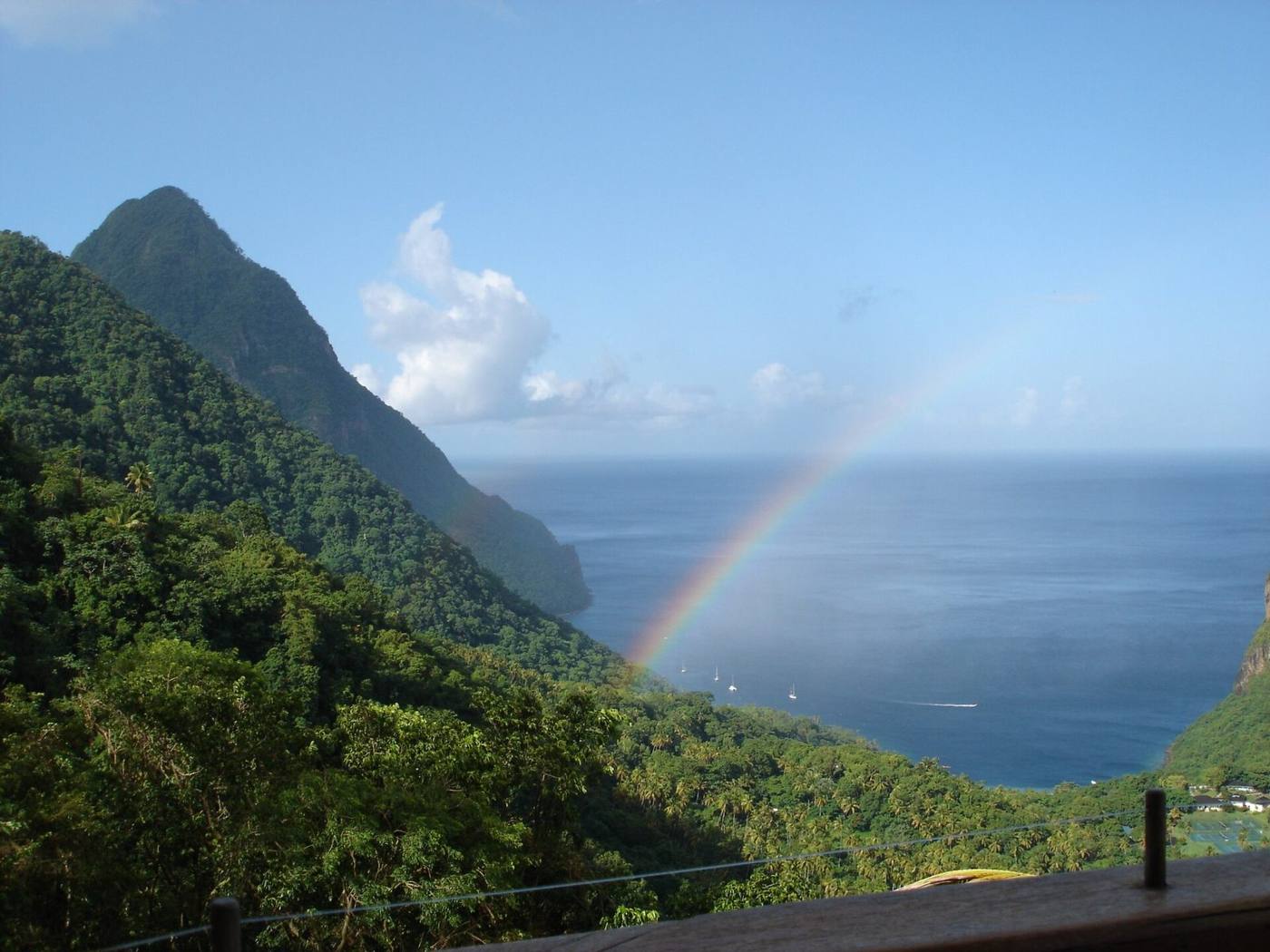
The Gros Piton climb
The taller of the two Pitons, a UNESCO site: a steep forest trail from the village of Fond Gens Libre to the summit, with views over Soufrière and the Petit Piton.
 3 daysModerate
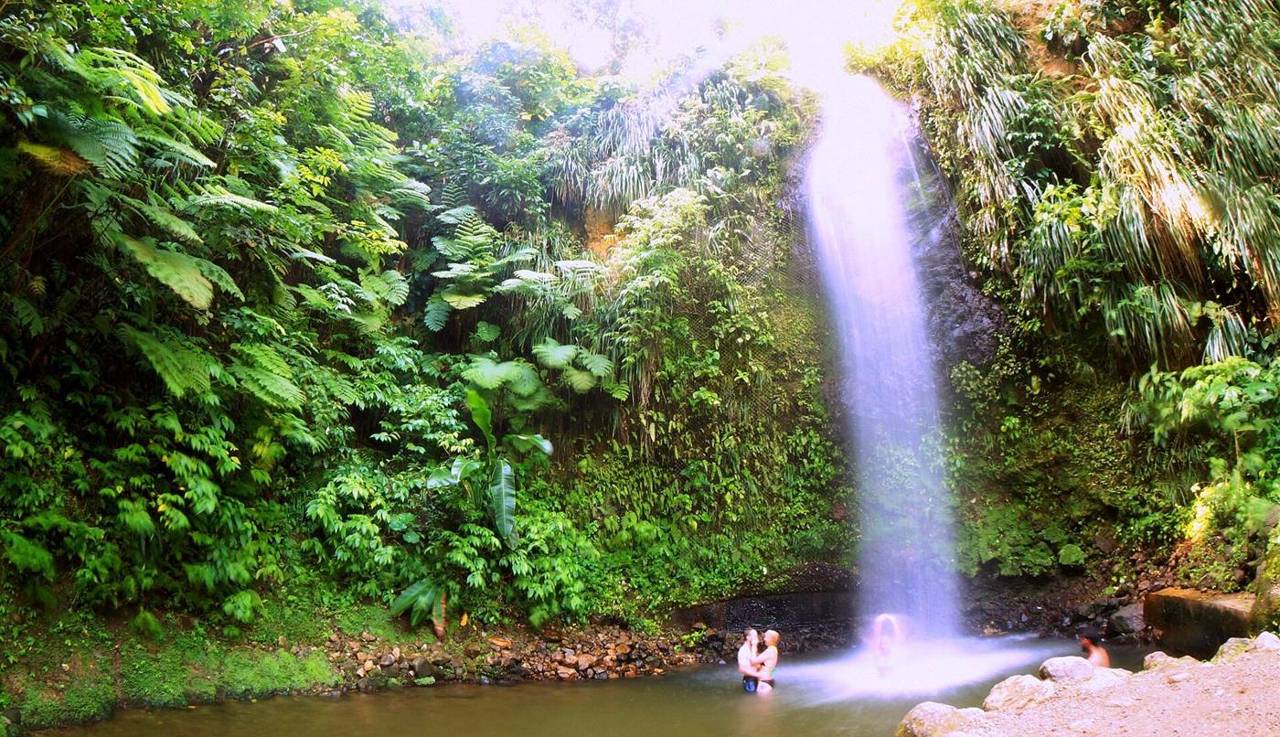
Forest and waterfalls
The island's green interior: the Edmund rainforest, the Tet Paul trail, the Toraille and Diamond waterfalls and the cocoa estates around Soufrière.
 3 daysEasy
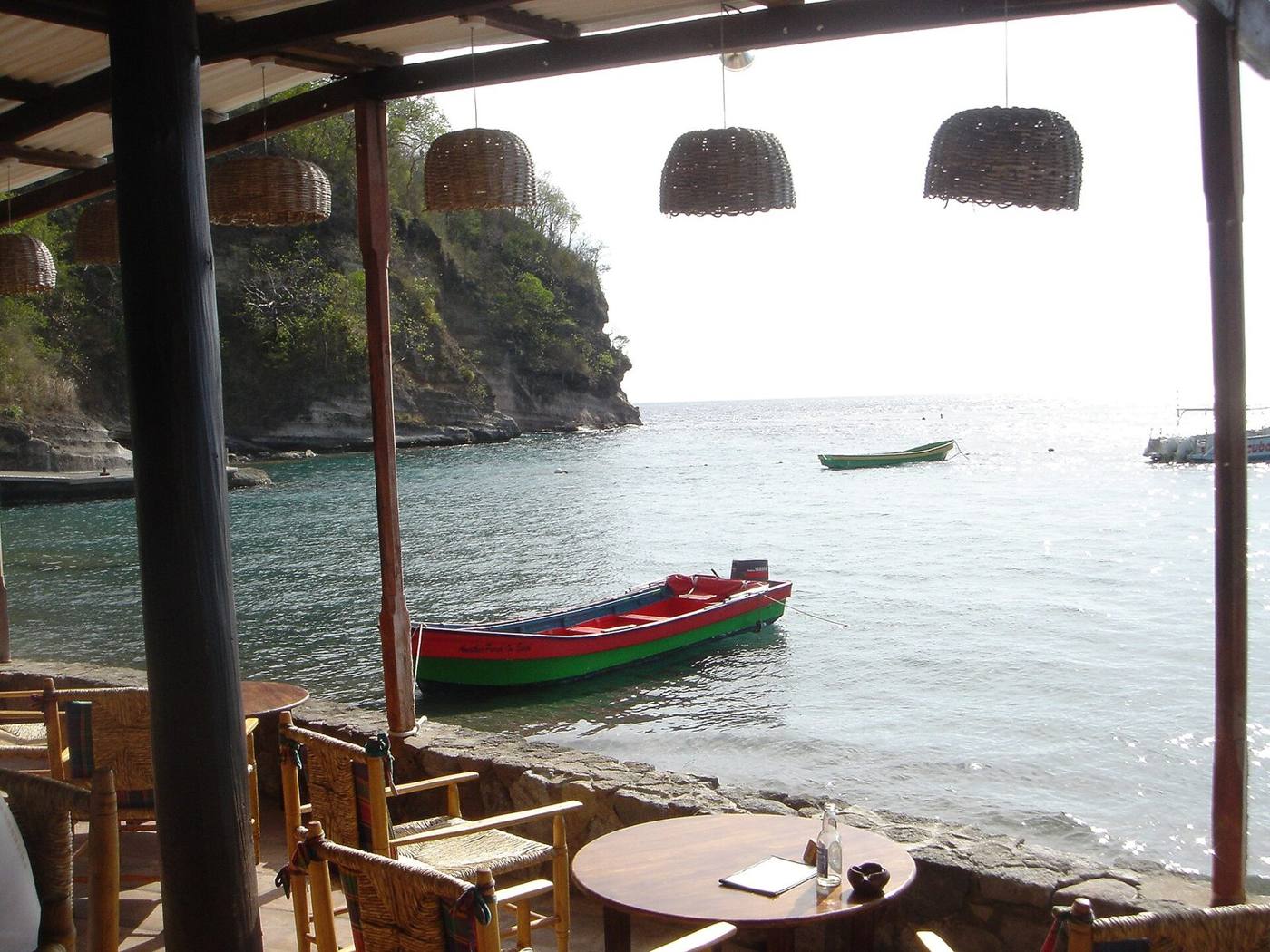
Diving at Soufrière
The marine reserve beneath the Pitons: coral walls very close to shore at Anse Chastanet, the Superman's Flight reef and snorkelling at Sugar Beach and Anse Cochon.