Safari in Akagera
Rwanda's only savannah park, revived after the genocide with the return of lions and rhinos: giraffes, elephants, hippos and a cruise on Lake Ihema.
- Kigali
- Akagera
- Lake Ihema
- Mutumba plains
Day by day
- Day 1
From Kigali to Akagera and the first safari
This trip takes you to Akagera National Park, in eastern Rwanda, the only savannah park in the country: open hills, lakes, swamps and the return of lions and rhinos. You see giraffes, elephants, buffalo, zebras and hippos, take a boat trip on Lake Ihema and a night drive. You can drive yourself in a 4x4 or travel with a driver guide.
Before you go: Italian citizens need a passport, with at least six months' validity, and a visa, which you get on arrival at the airport or apply for online before travelling on the official Irembo portal. Other nationalities should check their own rules. Plastic bags are banned throughout the country.
In the morning leave Kigali heading east. In about two and a half hours you reach the south gate of the park, where you pay the entry fee and can take a park guide to ride in your car. Check prices and times.
Akagera covers about 1,122 square kilometres, almost half its original size, and a third of the park is water, lakes and swamps. After the genocide much of the land had been taken over by villages and grazing, and many animals had disappeared. Since 2010 the park has been run by a conservation organisation together with the Rwandan tourism authority: lions came back in 2015, black rhinos in 2017.
In the afternoon take your first game drive in the south, among woods and lakes, with antelopes, baboons, buffalo and the first hippos.
Sleep in the park or near the gate, for three nights.
Practical tip: even if you drive yourself, take a park guide on the first day: they know where the animals are and teach you the tracks.
- Day 2
The northern plains
Today you head north, into the most open part of the park, the best area for large animals.
Set off at dawn, when the animals are most active and the light is soft. The track climbs through grassy hills and acacia trees to the Mutumba plain and the northern savannahs, with wide views to the lakes and the valley of the Akagera river, on the border with Tanzania.
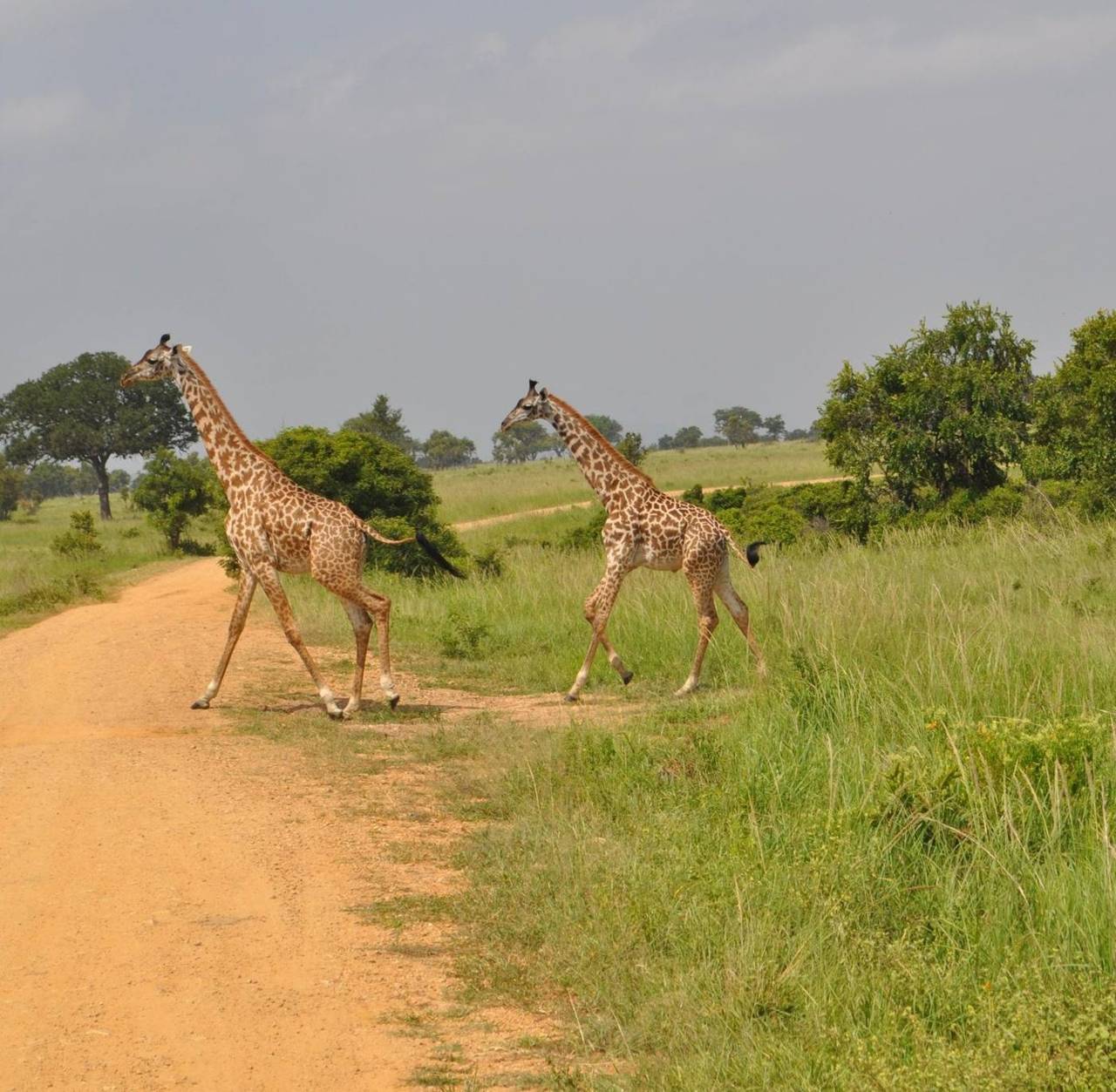
Here live giraffes, zebras, impalas, topi, large rust-coloured antelopes, and herds of buffalo. Elephants often move near the water. With luck you see lions, whose numbers have grown since their return to the park, and rhinos. Akagera has the so-called big five of the savannah: lion, leopard, elephant, buffalo and rhino. There are fewer animals than in Tanzania or Kenya, but visitors are very few: often you are alone in front of a herd.
At midday stop at one of the picnic spots marked by the park, in the shade, with lunch brought from outside.
In the afternoon drive back south along the lakes, where at sunset the animals come down to drink.
In the evening listen to the sounds of the African night: hyenas calling, hippos grunting and insects.
Practical tip: carry enough water, food and fuel for the whole day, because there are few services inside the park, and always respect the closing times of the tracks.
- Day 3
The boat trip on Lake Ihema and the night drive
Today you see Akagera from the water and then by night.
In the morning take the boat trip on Lake Ihema, the largest lake in the park, run by the park itself. Check prices and times. From the boat you see groups of hippos up close, snorting and opening their huge mouths, crocodiles lying still on the bank and many birds: African fish eagles, kingfishers, herons and cormorants. Akagera has about five hundred bird species in all, and with great luck you may see a shoebill in the swamps.
In the early afternoon rest in the shade. If you like, ask at the visitor centre about the park's other activities, such as guided walks.
At sunset the night drive begins, with a park guide in an open vehicle and a spotlight to look for animals. At night the savannah changes: you see eyes shining in the dark, hyenas, genets, hares and bushbabies, small primates with enormous eyes. With luck a leopard or a hunting lion appears.
The drive lasts a couple of hours and ends under a sky full of stars, far from city lights.
In the evening a hot dinner and early to bed: tomorrow you leave early.
Practical tip: for the night drive bring a light jacket and insect repellent, because after sunset the air cools and the mosquitoes come out.
- Day 4
The last game drive and the return to Kigali
Today you take a last drive in the park and then return to Kigali.
At dawn set off for a short drive near the southern lakes or, if you have time, cross the park again towards the north gate. The first hours are the best to see lions still awake after the night, buffalo near the water and elephants moving through the trees.
Stop often, switch off the engine and wait: in a quiet park like Akagera animals come closer if you stay silent.
In mid-morning leave the park and take the road to Kigali, through hills farmed with bananas and beans. The journey takes about two and a half to three hours, depending on the gate.
In these four days you have seen a park reborn after hard years: the northern plains with giraffes, zebras and buffalo, the lions and rhinos that have come back to live here, the hippos of Lake Ihema and the savannah at night.
When to go: the best months are June to September, the dry season, when the grass is short and the animals gather near the water. December and January are good months too.
A safari in Akagera combines well with a few days with the gorillas in Volcanoes National Park, in the north of the country.
Practical tip: never get out of the car outside the places marked by the park, not even for a photo, and keep the windows closed near baboons.
A good safari to combine with the gorillas, with the Big Five present. Wildlife is less abundant than in Tanzania or Kenya, but visitors are very few. You can self-drive with a 4x4.
Before you go
- Documents and visa
- Passport with at least six months' validity and one blank page. You need a visa: Italian citizens can get it on arrival at the airport or apply online before travelling on the official Irembo portal. Beware of intermediaries: no agent is authorised to apply on your behalf. Plastic bags are banned.
- Health and vaccines
- Ask your doctor about malaria prevention. A yellow fever certificate is needed only if you arrive from a country at risk. Because of the Ebola outbreak in the DR Congo there are health checks at Kigali airport. Medical facilities are limited outside Kigali: you need insurance with air evacuation. Emergencies: 112.
- Money and payments
- Rwandan franc. Cards work in Kigali and in larger establishments, and mobile payment is very common; outside the city bring cash.
- Power sockets
- Type C, E and G, 230 volts: European two-pin plugs fit the European sockets, but you need an adapter for the British ones.
- Time zone
- UTC+2 all year.
- Safety
- The Italian foreign ministry advises against the border areas with the DR Congo and Burundi, because of tensions linked to the M23 armed group. The United States rates Rwanda at level 2, with level 4, do not travel, within 10 km of the Congolese border in Rubavu and Rusizi districts. Canada also asks for a high degree of caution in the part of Volcanoes National Park along the border. The border with Burundi is closed. Crime in Kigali is low, but there are thefts and bag snatchings: at night use pre-booked transport. On the last Saturday of the month, in the morning, umuganda, community work, takes place and many services stop. Official advice: GOV.UK.
Information checked in November 2026 for Italian and EU citizens. Rules change: always check before you travel.
Variations
In 2 days: an afternoon game drive, the boat trip on Lake Ihema the next morning and the return to Kigali.
In 7 days: add three days in Volcanoes National Park, with the mountain gorillas and lakes Burera and Ruhondo.
Frequently asked questions
Can you drive yourself in Akagera?
Yes, in a 4x4. At the gate you can take a park guide to ride with you. Respect the track times and do not leave the car outside the marked places.
Does Akagera have the big five?
Yes: lion, leopard, elephant, buffalo and rhino. There are fewer animals than in Tanzania or Kenya, but visitors are very few.
How much is the entry fee?
Check prices and times on the park's official website. The Lake Ihema boat trip and the night drive are paid separately.
Indicative itinerary written by World Atlas. Before booking, check timetables, seasonal openings, documents and safety.
 2 daysEasy
Kigali in two days
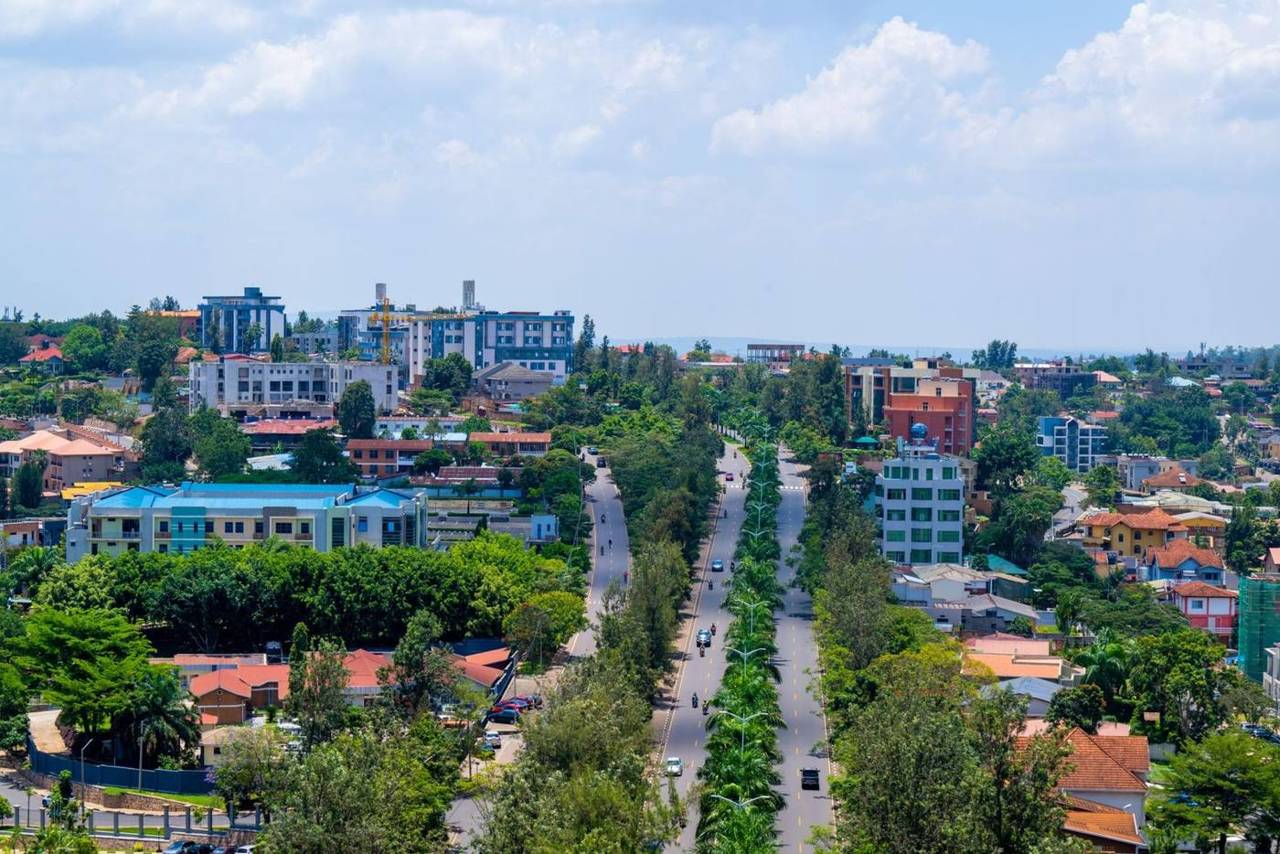
One of Africa's most orderly capitals: the Kimihurura district, Inema art centre, Kimironko market, the convention centre and evening life in Nyamirambo.
 3 daysEasy
Nyanza and Huye
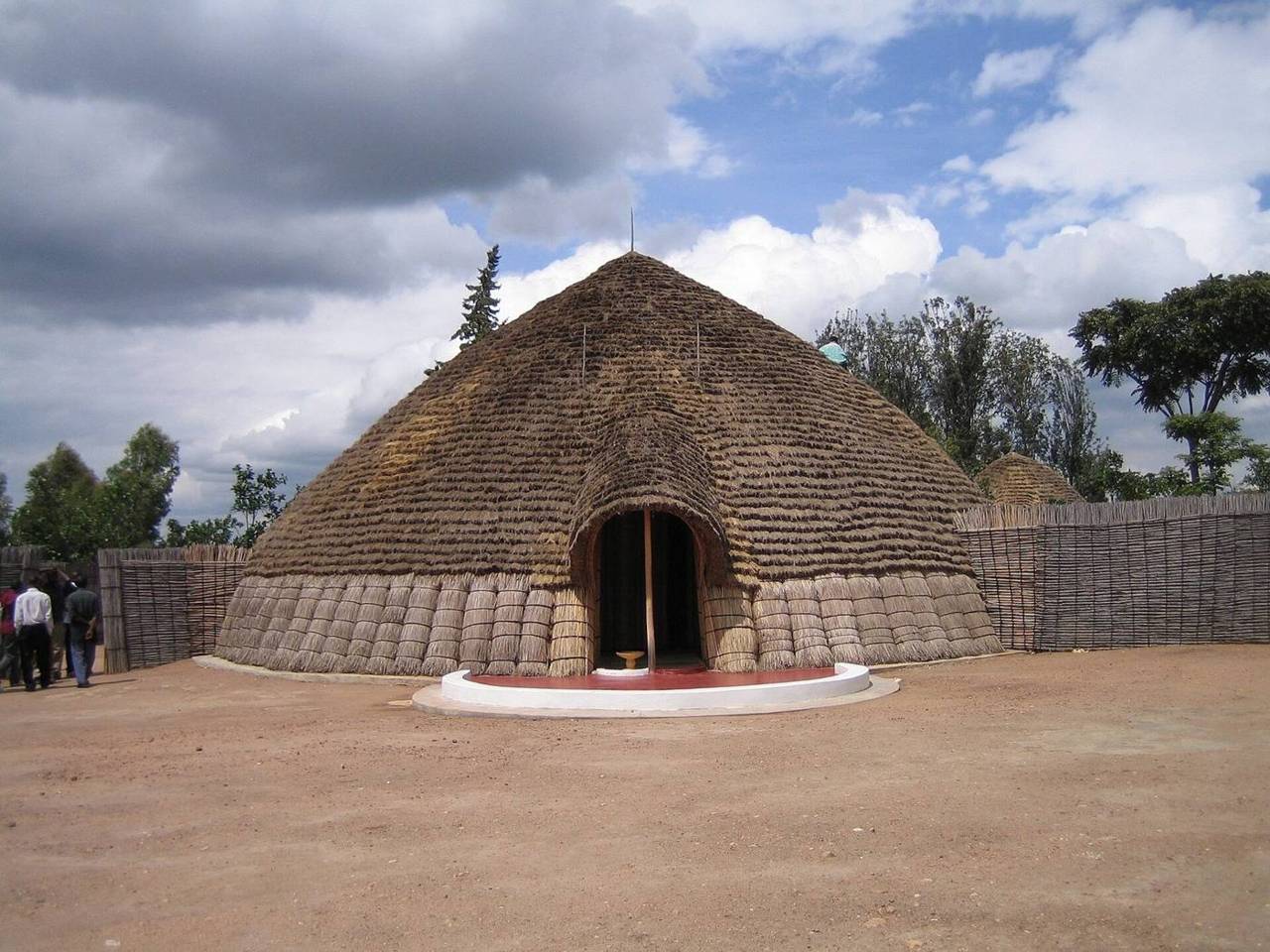
The historic south: the reconstructed royal palace of Nyanza with its long-horned inyambo cattle, and the ethnographic museum of Huye, the country's best.
 3 daysModerate
Bisoke and Dian Fossey
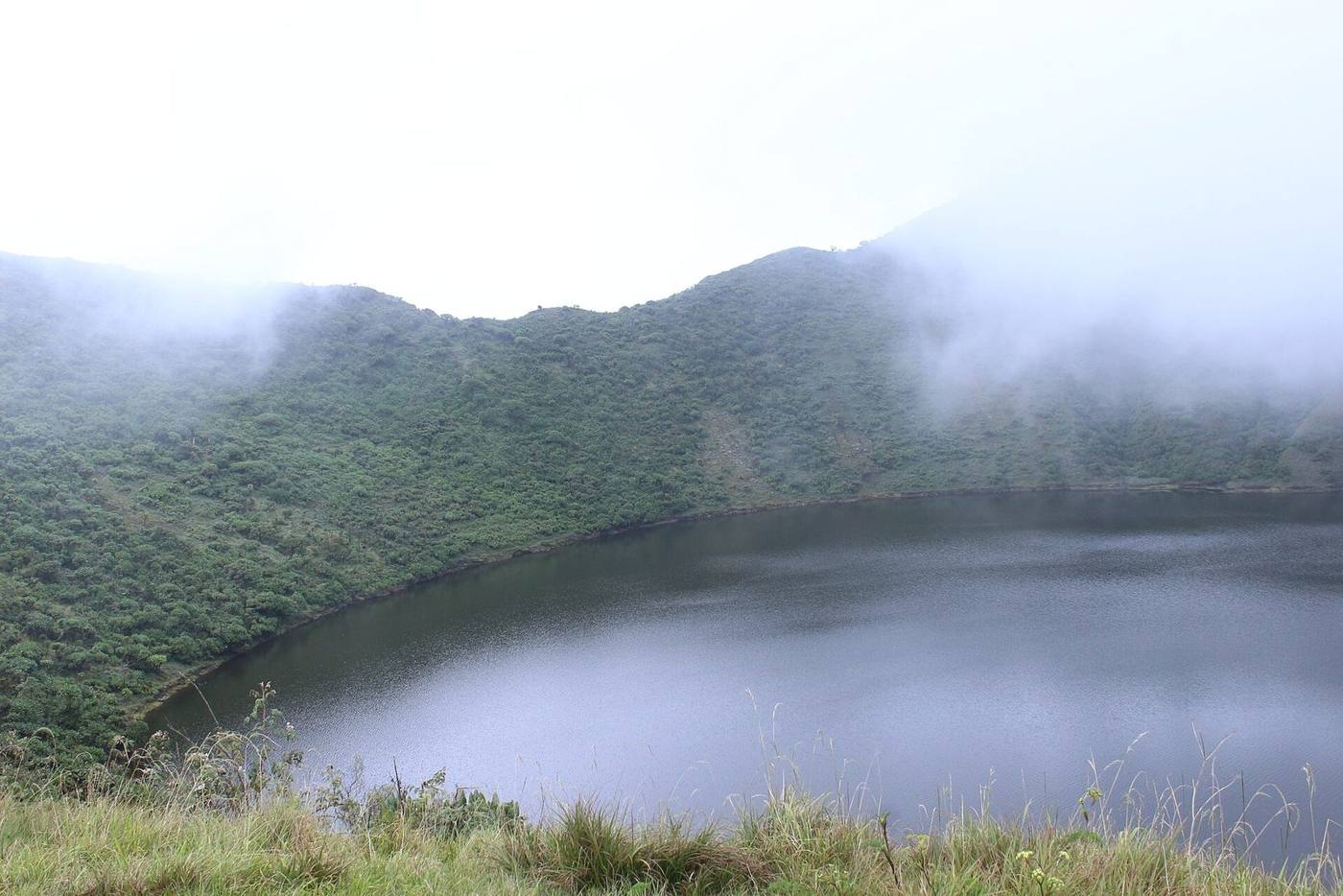
In Volcanoes park: the climb up Bisoke volcano with its crater lake, and the hike to Dian Fossey's grave and the Karisoke research camp.