Cluj and the Apuseni
Cluj-Napoca, Transylvania's young city, the Turda salt mine, and the Apuseni mountains with Scărișoara ice cave, Răchițele waterfall and the high plateau villages.
- Cluj-Napoca
- Turda
- Scărișoara
- Răchițele
- Padiș
Day by day
- Day 1
Cluj-Napoca, the university city of Transylvania
This five-day trip takes you to Cluj-Napoca and the Apuseni Mountains, a mountainous Romania off the tourist trail: the Turda salt mine and gorge, the Scărișoara ice cave, the karst plateau of Padiș and the Răchițele waterfall.
Before you go: Italian citizens can enter Romania with an electronic identity card or a passport; Romania has been in the Schengen area since 1 January 2025. Other nationalities should check their own rules. The currency is the Romanian leu, not the euro. In the city watch out for pickpockets on public transport and in crowded areas, and book taxis through an app to avoid inflated fares. If you drive, remember that the alcohol limit for drivers in Romania is zero.
Cluj-Napoca is the second city of Romania and one of the liveliest, full of students. Start from Unirii Square, the main square, dominated by the Gothic Church of St Michael, with its tall bell tower and soaring vaults. In front of it stands the large equestrian statue of Matthias Corvinus, the king of Hungary who was born in Cluj in the fifteenth century; his birthplace is in a nearby street.
Then walk to Avram Iancu Square, with the Orthodox cathedral and its green domes and the National Theatre. In the afternoon relax in Central Park, with its lake and nineteenth-century casino, or visit the university's botanical garden, with greenhouses and a Japanese garden. Check prices and times.
In the evening go out in the streets around Unirii Square and try varză à la Cluj, a baked dish of cabbage and meat typical of the city.
Sleep in Cluj, for two nights.
Practical tip: in Cluj buy your public transport ticket from the machines or with the app and always validate it, because there are inspections.
- Day 2
The Turda salt mine and Turda Gorge
Today you take a trip south of Cluj, about forty minutes by car, to two very different places: a salt mine and a rocky gorge.
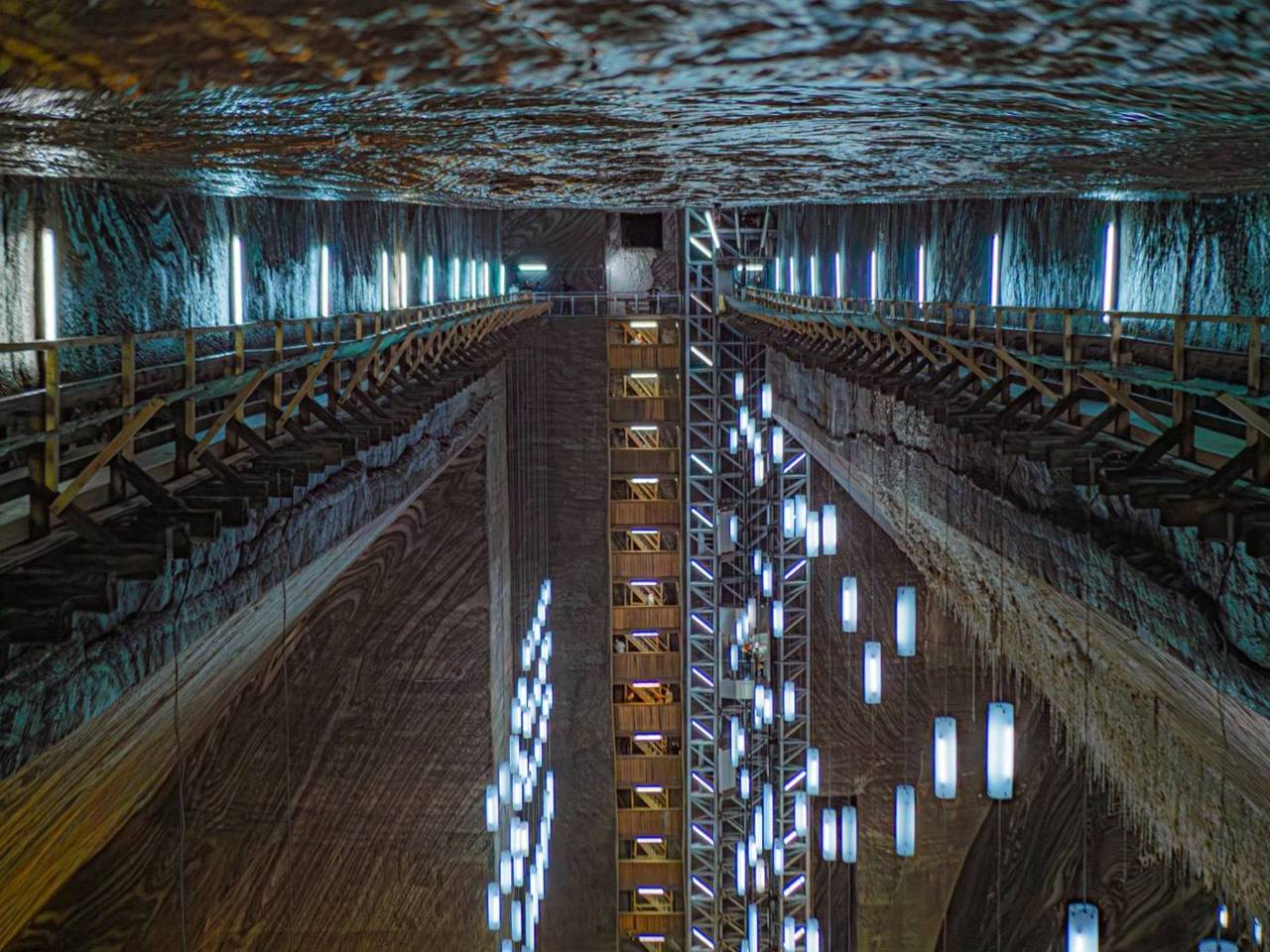
In the morning visit the Turda salt mine, a salt mine dug over centuries and turned into a large underground visitor space. Go down through tunnels and wooden stairs to the Rudolf mine, a huge hall with striped salt walls, where there is a small Ferris wheel. Further down, in the Terezia mine, a bell-shaped hall, there is an underground lake where you can go out in a boat. The salt mine is also good to visit with children. Check prices and times.
In the afternoon go to Turda Gorge, Cheile Turzii, a nature reserve a few kilometres away. The Hășdate river has carved a narrow canyon between very high limestone walls, where birds of prey nest. A path follows the river through the gorge, with walkways and small bridges: it takes a couple of hours there and back. There are also caves and climbing routes. Access to the path may be charged: check prices and times.
In the evening go back to Cluj.
Practical tip: the salt mine stays cool all year round, between ten and twelve degrees; bring a jumper even in summer, and shoes with non-slip soles for the gorge.
- Day 3
The Scărișoara ice cave
Today you enter the Apuseni Mountains, a world of forests, wooden villages and caves.
From Cluj drive south-west for about three hours, through Turda and Câmpeni and up the Arieș valley. The road is slow, with bends, horse-drawn carts and villages. The people of the area are called Moți and are famous for their wooden houses with tall, steep roofs, and for their woodcraft. Along the valley you also see haylofts, water mills and small churches, and in the villages on Sundays many people still wear their festive clothes.
In the afternoon visit the Scărișoara ice cave, in the Apuseni Natural Park, at over a thousand metres. From the car park walk up through the forest, in about half an hour, to a large shaft open in the rock. A metal staircase goes down into the cave, where there is one of the largest underground glaciers in Europe: a block of ice that has formed over thousands of years. Inside you see ice stalagmites and shiny walls. Check prices and times.
Inside the cave it is cold even in high summer, around zero, and the stairs are wet.
Sleep in a guesthouse around Gârda de Sus or Arieșeni, for one night.
Practical tip: in the Apuseni Mountains do not drive at night: the roads are narrow and poorly lit, and you can find carts, animals and stray dogs on the road.
- Day 4
The Padiș plateau and the Răchițele waterfall
Today you cross the heart of the Apuseni Mountains, from south to north, for one of the finest karst areas in Romania.
In the morning drive up to the Padiș plateau, an area of meadows, fir forests, sinkholes and rivers that disappear underground. The road up is partly unpaved: drive slowly and check the conditions beforehand. From the plateau the trail leaves for the Cetățile Ponorului, the Ponor Citadels, three huge sinkholes with rock walls tens of metres high and the entrance of a cave where a river disappears into the mountain. The route takes a few hours and some sections have ladders and chains. From the signposted viewpoints you look down into the chasms covered with firs. Always follow the waymarks and bring water and food for the whole day, because there are few services on the plateau.
In the afternoon go down the northern side to Răchițele, a mountain village. From here a short path leads to the Răchițele waterfall, called Vălul Miresei, the Bride's Veil: the water fans out over a mossy rock wall.
Bears live in the Apuseni forests. Walk in a group, make noise on the trails, do not leave food around and never approach a bear, not even for a photo.
Sleep in or near Răchițele, for one night.
Practical tip: in the mountains your phone sometimes has no signal; download offline maps and always tell someone which trail you are taking.
- Day 5
The Cluj open-air museum and departure
On the last day you drive back to Cluj, about an hour and a half from Răchițele, at a gentle pace.
On the way stop at Huedin, a small town on the main road, or in the villages around it, where you can see wooden churches and farmhouses. Then reach Cluj and visit the Ethnographic Museum of Transylvania in its open-air section, the park in the Hoia area, one of the oldest open-air museums in Romania. Here you see houses, mills, oil presses and wooden churches brought from all over Transylvania. Check prices and times.
In the afternoon take a last walk in the centre, perhaps up Cetățuia hill, from where you see the whole city from above, then leave. Cluj airport is a few kilometres from the centre, linked by bus.
Trip summary: in five days you have seen Cluj-Napoca with Unirii Square, St Michael's Church and the botanical garden; the Turda salt mine and Turda Gorge; the Scărișoara ice cave; the Padiș plateau and the Cetățile Ponorului; the Răchițele waterfall; and the Cluj open-air museum.
When to go: from May to September. In spring and early summer the meadows are in flower; in July and August it is hot in the city but pleasant in the mountains. In autumn the forests change colour, but some mountain roads can close because of snow as early as October or November.
Practical tip: in the Apuseni villages many payments are still made in cash; carry some lei in small notes.
Mountain Romania, little touristed, excellent for walkers. Mountain roads are slow. Turda salt mine is a good visit with children.
Before you go
- Documents and visa
- EU citizens need a valid identity card or passport: Romania is in the EU and, since 1 January 2025, fully in the Schengen area, with no checks at internal borders. Check your document is intact and readable. Other nationalities should check the Schengen rules.
- Health and vaccines
- No vaccines required. EU citizens should bring their EHIC; take insurance covering medical costs, repatriation and, for hiking, mountain rescue. Emergencies: 112.
- Money and payments
- Romanian leu (RON); Romania does not use the euro. Cards work almost everywhere in towns, but carry cash in villages and mountain huts. Change money only at banks or authorised exchange offices. To drive on national roads outside towns you need the electronic rovinieta: buy it only on the official CNAIR portal (erovinieta.ro) or from authorised sellers, as some unofficial websites add fees. Check current prices.
- Power sockets
- Types C and F, 230 volts.
- Time zone
- Eastern European Time (UTC+2, summer UTC+3).
- Safety
- A generally safe country. Watch for pickpockets in large towns, especially Bucharest and on public transport, taxis that overcharge (taxi apps are more reliable) and drink spiking in bars and clubs. Romania has a very large number of brown bears, including near roads and town outskirts: keep your distance, do not stop to photograph them and never feed them, which is illegal. The country is in an earthquake zone. Drone debris can fall near the Ukrainian border: do not touch it and follow local authorities. Official advice: GOV.UK.
Information checked in November 2026 for Italian and EU citizens. Rules change: always check before you travel.
Variations
In 3 days: Cluj and a trip to the Turda salt mine and gorge.
In 7 days: add Sibiu or Maramureș.
Frequently asked questions
Is the Turda salt mine good for children?
Yes, it is good to visit with children: there are stairs and walkways, a small Ferris wheel and boats on the underground lake. Check prices and times.
Do I need a car for the Apuseni Mountains?
Yes. Public transport in the mountains is scarce and the roads are slow. Some sections towards Padiș are unpaved: check the conditions beforehand.
Are there bears in the Apuseni?
Yes, they live in the forests. Walk in a group, make noise, do not leave food around and never approach a bear.
Indicative itinerary written by World Atlas. Before booking, check timetables, seasonal openings, documents and safety.
 4 daysEasy
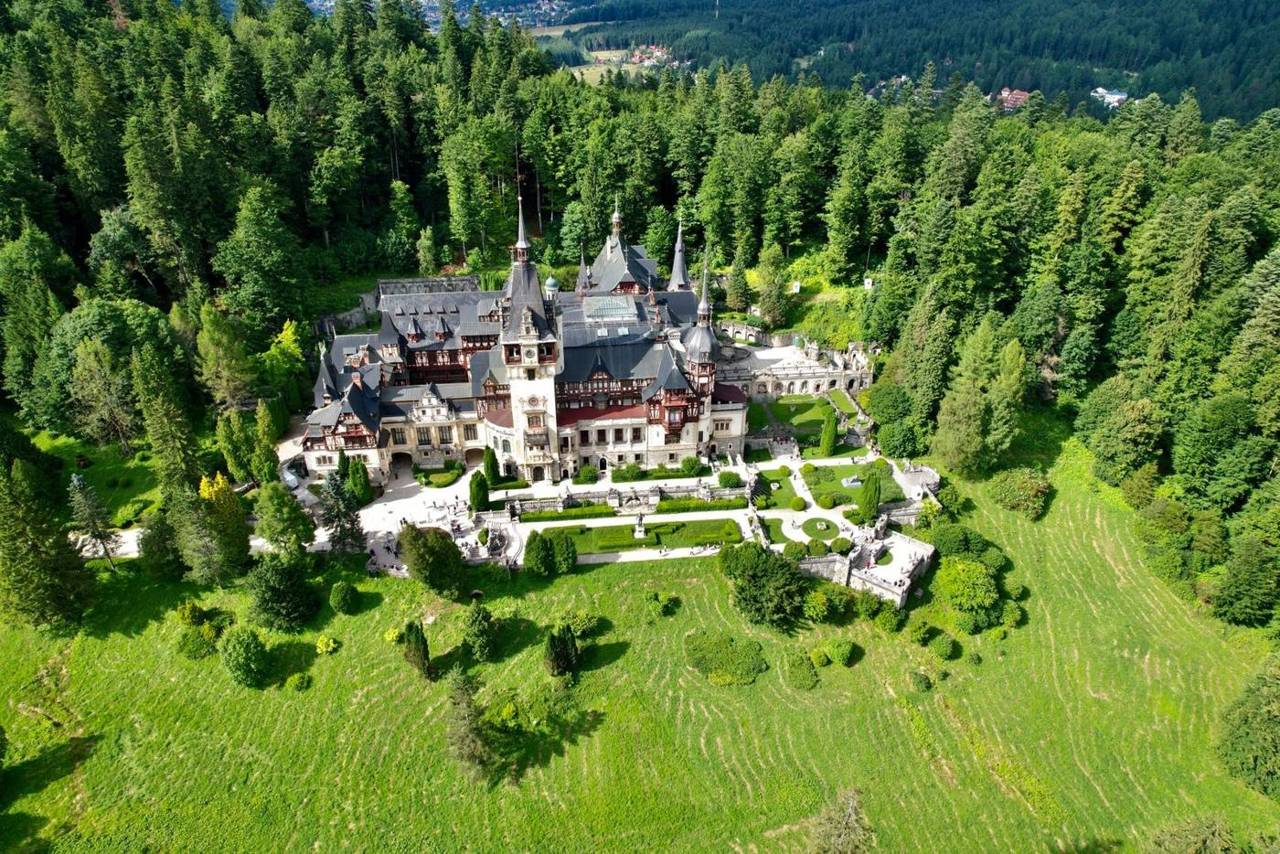
Brașov and the Carpathians
Brașov and the Black Church, Bran castle, Râșnov peasant fortress, Peleș castle at Sinaia and a walk in the Bucegi or Piatra Craiului mountains.
 3 daysEasy
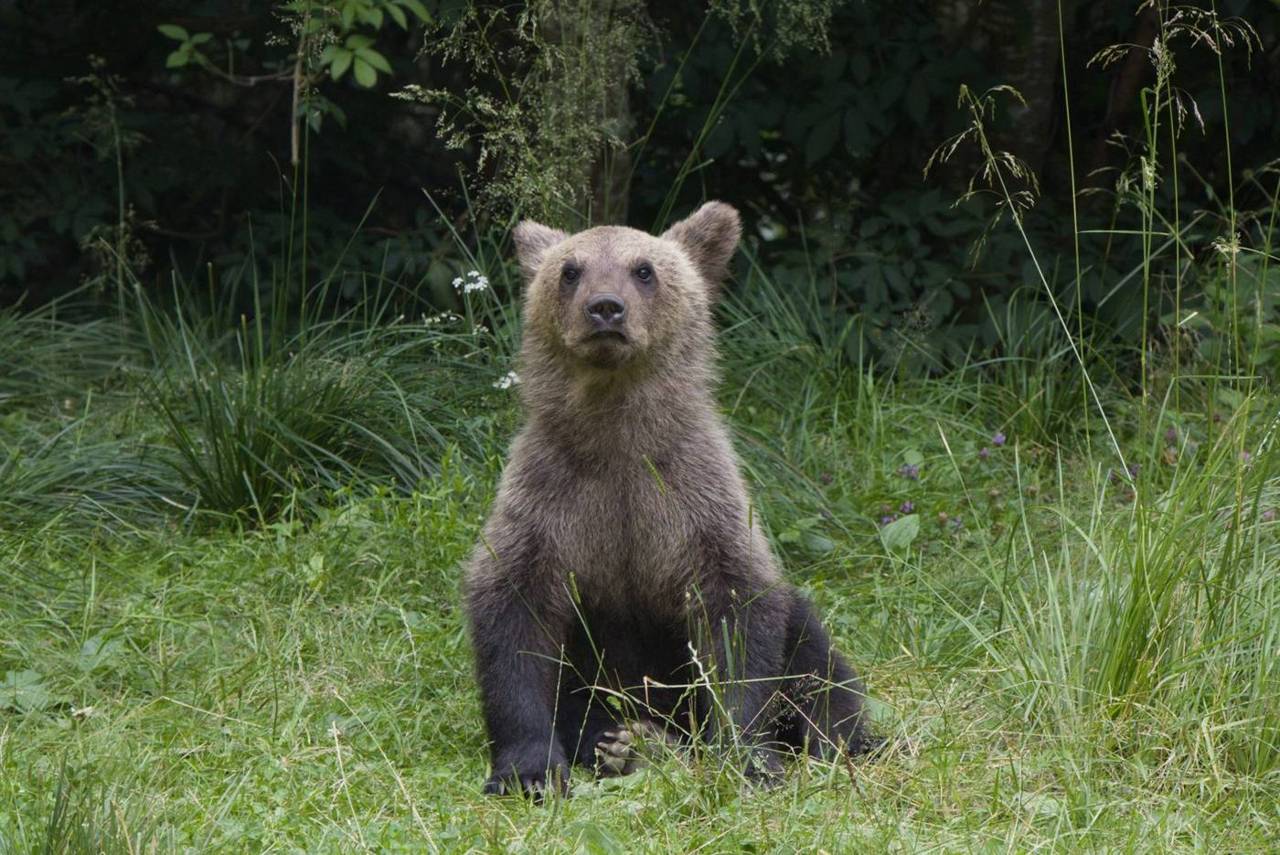
Bears of the Carpathians
Watching brown bears from licensed hides in the forests near Brașov, a walk tracking wolves and deer with a ranger and a night in a mountain guesthouse.
 5 daysEasy
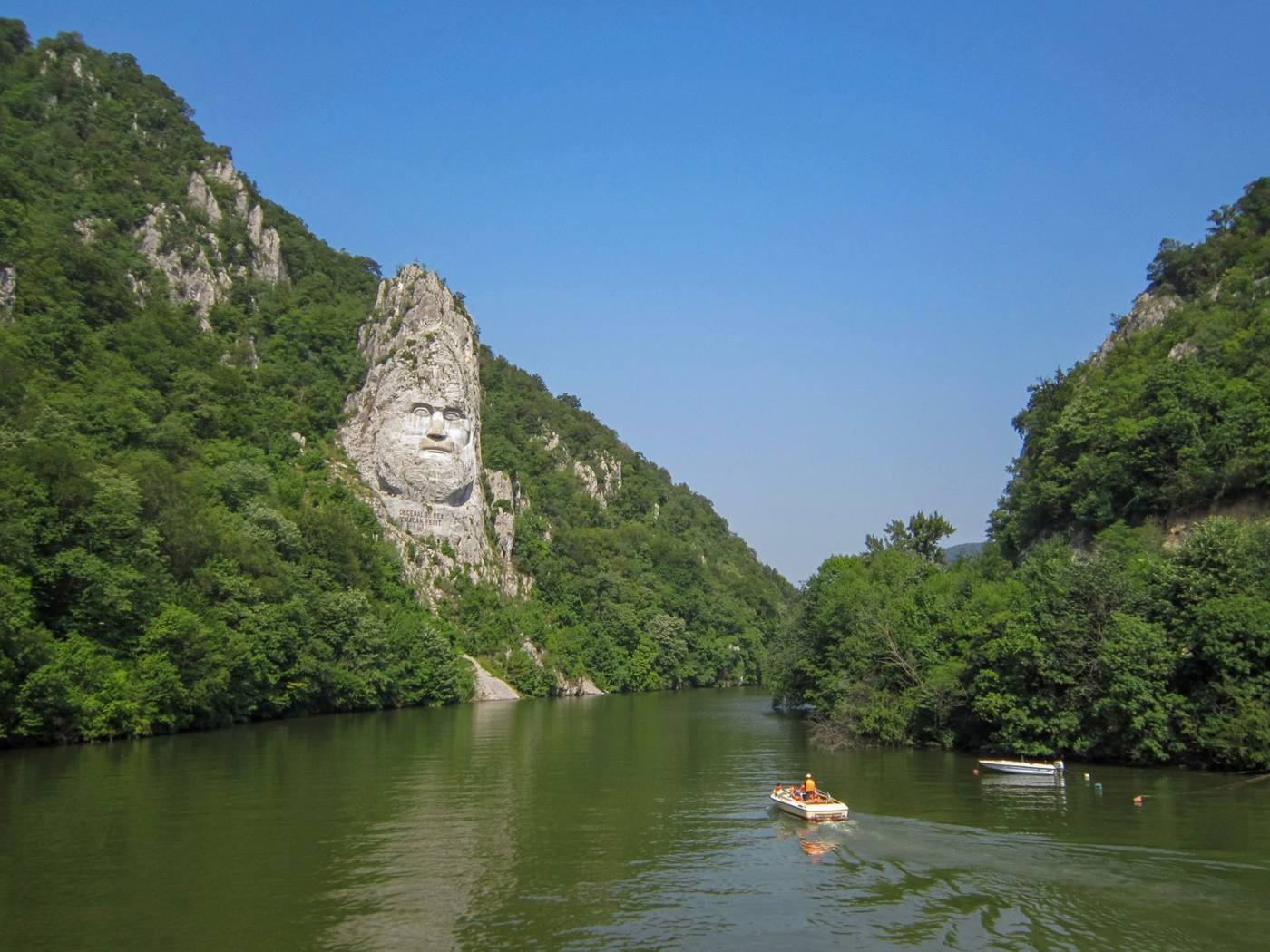
The Banat and the Danube gorges
Timișoara, a European Capital of Culture with its Art Nouveau squares, then the Danube's Iron Gates with the carved face of Decebalus, Mraconia monastery and Bigăr waterfall.