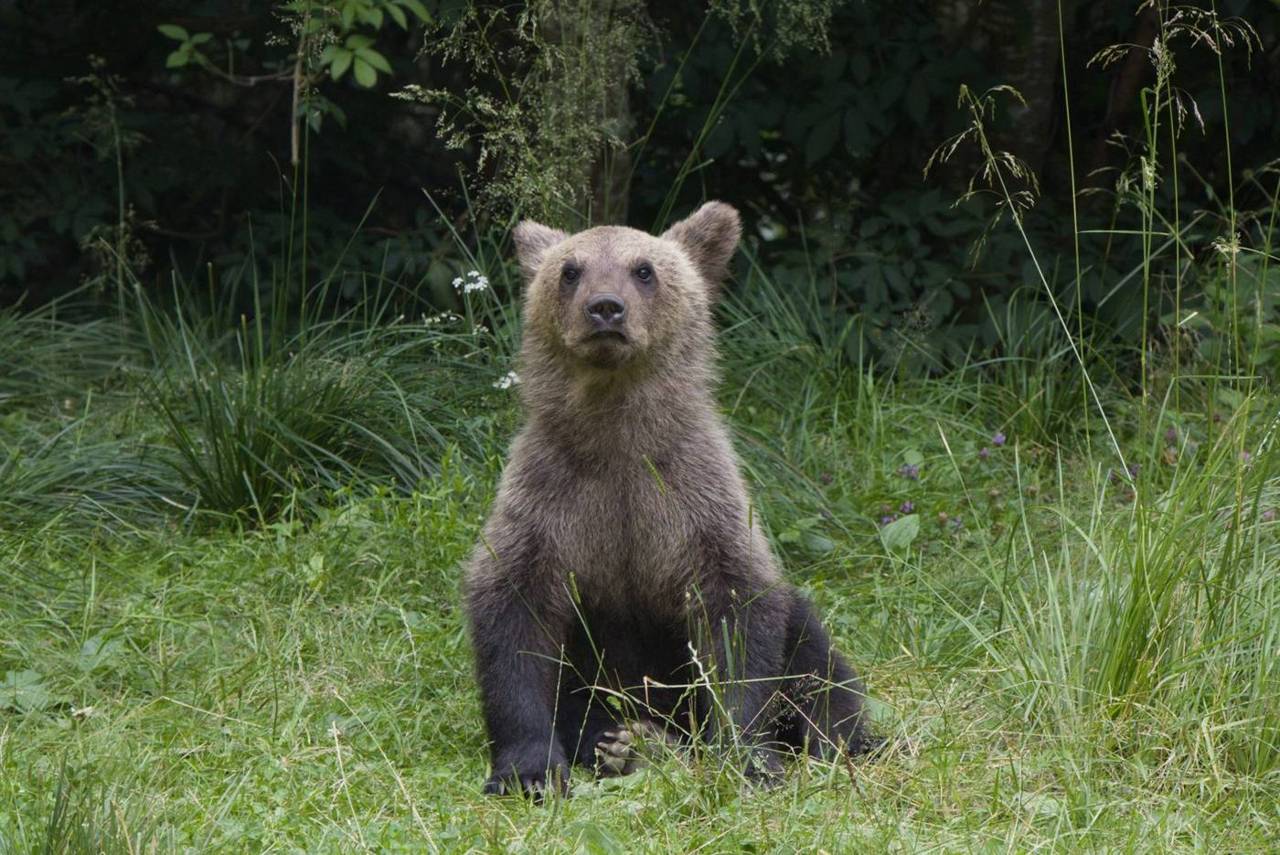
Bears of the Carpathians
Watching brown bears from licensed hides in the forests near Brașov, a walk tracking wolves and deer with a ranger and a night in a mountain guesthouse.
- Brașov
- Zărnești
- Bear hide
Day by day
- Day 1
Brașov and the road to the forests
This three-day trip takes you into the Carpathian forests around Brașov, in Transylvania, to watch brown bears from an authorised hide, look for the tracks of wolves and deer with a ranger and sleep in a mountain guesthouse at the foot of Piatra Craiului.
Before you go: Italian citizens can enter Romania with an electronic identity card or a passport; Romania has been in the Schengen area since 1 January 2025. Other nationalities should check their own rules. The currency is the Romanian leu. Romania has a very large number of bears, even near roads and on the edge of towns: never approach one, never feed them, which is illegal, and do not leave rubbish outside. In an emergency call 112.
You arrive in Brașov, by train from Bucharest in about three hours or on a flight to the city's airport. Spend the morning in the Saxon old town: Council Square, with its colourful houses, and the Black Church, the large Gothic church blackened by a fire in 1689. Check prices and times.
In the early afternoon head south-west. In less than an hour you reach Zărnești, a small town at the gates of Piatra Craiului National Park, a long limestone ridge that towers over woods and meadows.
Settle into a mountain guesthouse, a family home with a few rooms, in Zărnești or in the village of Măgura, on the hills above the town. In the evening have mountain food for dinner: bean soup, sheep's cheese, polenta and smoked sausages.
Sleep in the Zărnești area for two nights.
Practical tip: bears can pass through villages and around guesthouses at night; do not walk alone in the dark outside the village, and do not leave food in the car or on the balcony.
- Day 2
Animal tracks and the hide at sunset
Today is the day of the animals: in the morning you walk in the forest with a ranger, and in the evening you wait for the bears in silence.
After breakfast set off with a park ranger or a nature guide, booked in advance. You walk for a few hours through beech and fir woods and clearings, looking for the signs animals leave behind: footprints in mud or snow, hair on bark, claw marks on trees, droppings and dens. The Romanian Carpathians are home to bears, wolves, lynx, red deer, roe deer and chamois. Seeing them by day is rare, but the guide teaches you to read their tracks and understand how they live.
At midday have a packed lunch or go back to the guesthouse. Rest in the early afternoon: the evening will be long.
In the late afternoon go to the observation hide with your guides. Choose only authorised hides that follow wildlife rules and do not lure the bears in harmful ways: ask how the animals are managed before you book. The hide is a small wooden cabin with narrow viewing slits, hidden in the forest. You sit quietly for a few hours as the light fades. With some luck the bears come out of the forest, sometimes a mother with cubs, and you watch them from a distance without disturbing them.
You go back in the dark with the guides, never alone on foot.
Sleep in the Zărnești area.
Practical tip: wear dark clothes in layers, because you hardly move in the hide and the evenings are cold even in summer; no perfume, no flash and no phone ringtone.
- Day 3
Măgura, the Zărnești gorges and back to Brașov
On the last day you take one more look at the mountains before returning to town.
In the morning, if you slept in Zărnești, drive up to the village of Măgura, scattered over the hills between Piatra Craiului and the Bucegi mountains. The wooden houses, barns and meadows mown by hand seem frozen a century ago, and from the dirt road you see the pale limestone ridge of Piatra Craiului.
Then take a short walk at the entrance of the Zărnești gorges, a narrow canyon between high rock walls, on the path that leads into the heart of the park. It is easy and needs no experience. In spring and early summer look out for mountain flowers: the Piatra Craiului pink grows only here. On the paths talk loudly or make noise, so bears hear you coming and move away.
In the afternoon return to Brașov. If you have time, ride the cable car up Mount Tâmpa to see the city from above, or walk along the walls and towers of the old town. From Brașov you can leave by train for Bucharest or by plane.
Trip summary: in three days you have seen Brașov, the mountain villages around Zărnești, the tracks of Carpathian wildlife with a ranger and brown bears from an authorised hide.
When to go: from April to October, when the bears are active and the hides are open. In spring you often see mothers with cubs; in autumn the forests turn red and gold.
Practical tip: even in town, especially in districts close to the forest, never approach a bear to photograph it; move away calmly and call 112 if anyone is in danger.
Romania has Europe's largest bear population outside Russia. Choose only licensed operators that do not lure animals in harmful ways. Never approach a bear, even in town.
Before you go
- Documents and visa
- EU citizens need a valid identity card or passport: Romania is in the EU and, since 1 January 2025, fully in the Schengen area, with no checks at internal borders. Check your document is intact and readable. Other nationalities should check the Schengen rules.
- Health and vaccines
- No vaccines required. EU citizens should bring their EHIC; take insurance covering medical costs, repatriation and, for hiking, mountain rescue. Emergencies: 112.
- Money and payments
- Romanian leu (RON); Romania does not use the euro. Cards work almost everywhere in towns, but carry cash in villages and mountain huts. Change money only at banks or authorised exchange offices. To drive on national roads outside towns you need the electronic rovinieta: buy it only on the official CNAIR portal (erovinieta.ro) or from authorised sellers, as some unofficial websites add fees. Check current prices.
- Power sockets
- Types C and F, 230 volts.
- Time zone
- Eastern European Time (UTC+2, summer UTC+3).
- Safety
- A generally safe country. Watch for pickpockets in large towns, especially Bucharest and on public transport, taxis that overcharge (taxi apps are more reliable) and drink spiking in bars and clubs. Romania has a very large number of brown bears, including near roads and town outskirts: keep your distance, do not stop to photograph them and never feed them, which is illegal. The country is in an earthquake zone. Drone debris can fall near the Ukrainian border: do not touch it and follow local authorities. Official advice: GOV.UK.
Information checked in November 2026 for Italian and EU citizens. Rules change: always check before you travel.
Variations
Shorter version: two days, with the hide on the first evening and back to Brașov the next morning.
Longer version: add two days for Brașov, Bran and Râșnov, or a hike on Piatra Craiului.
Frequently asked questions
How do I watch bears carefully?
Choose an authorised hide and follow the guides' rules: stay inside, keep quiet and never go out alone. Never approach a bear outside the hide.
Am I sure to see bears?
No, they are wild animals and nothing is guaranteed, although around Brașov sightings from hides are frequent between spring and autumn.
What should I bring?
Dark, warm clothes, hiking boots, binoculars, a head torch for the walk back and a camera without flash.
Indicative itinerary written by World Atlas. Before booking, check timetables, seasonal openings, documents and safety.
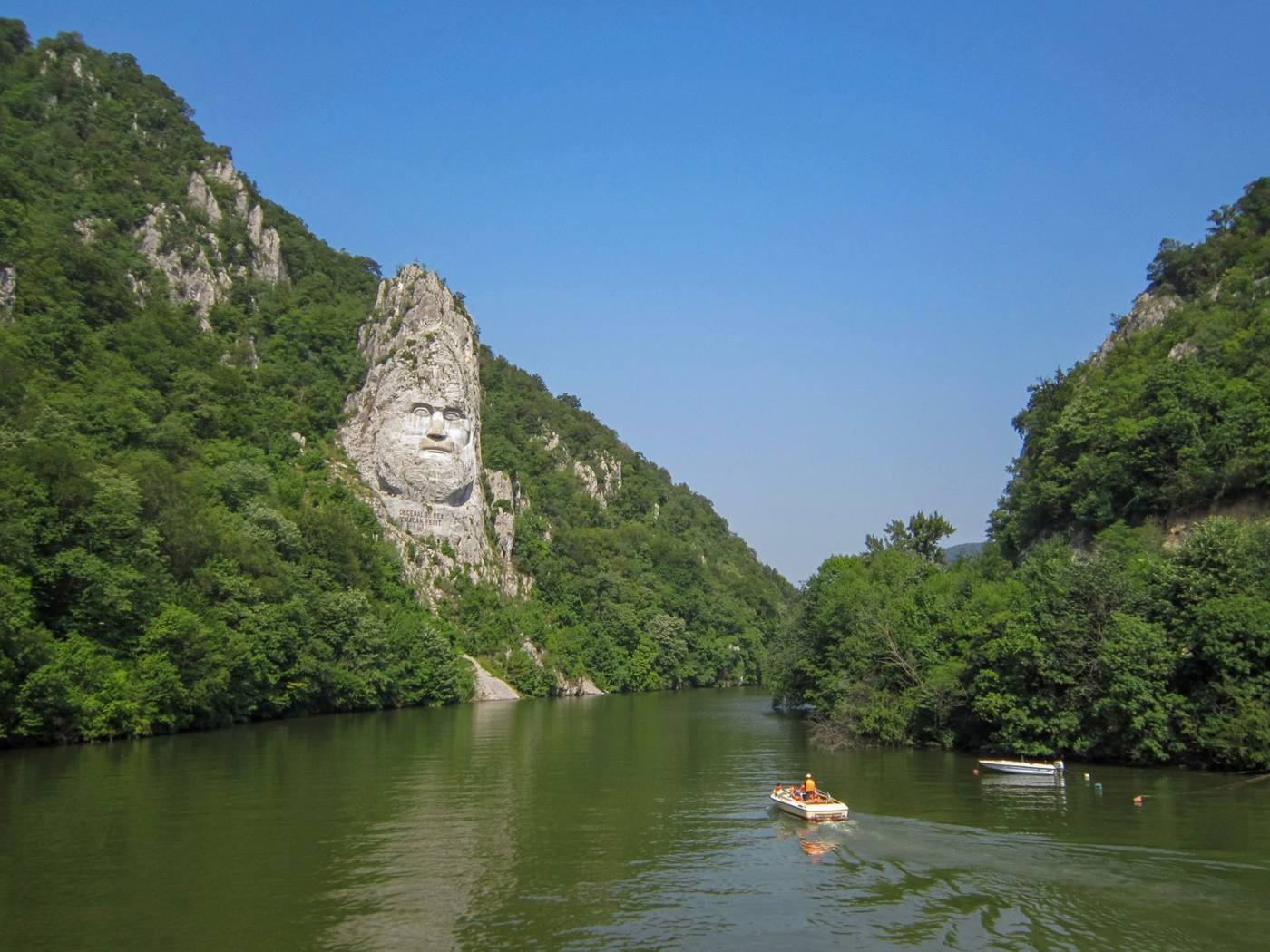 5 daysEasy
The Banat and the Danube gorges
Timișoara, a European Capital of Culture with its Art Nouveau squares, then the Danube's Iron Gates with the carved face of Decebalus, Mraconia monastery and Bigăr waterfall.
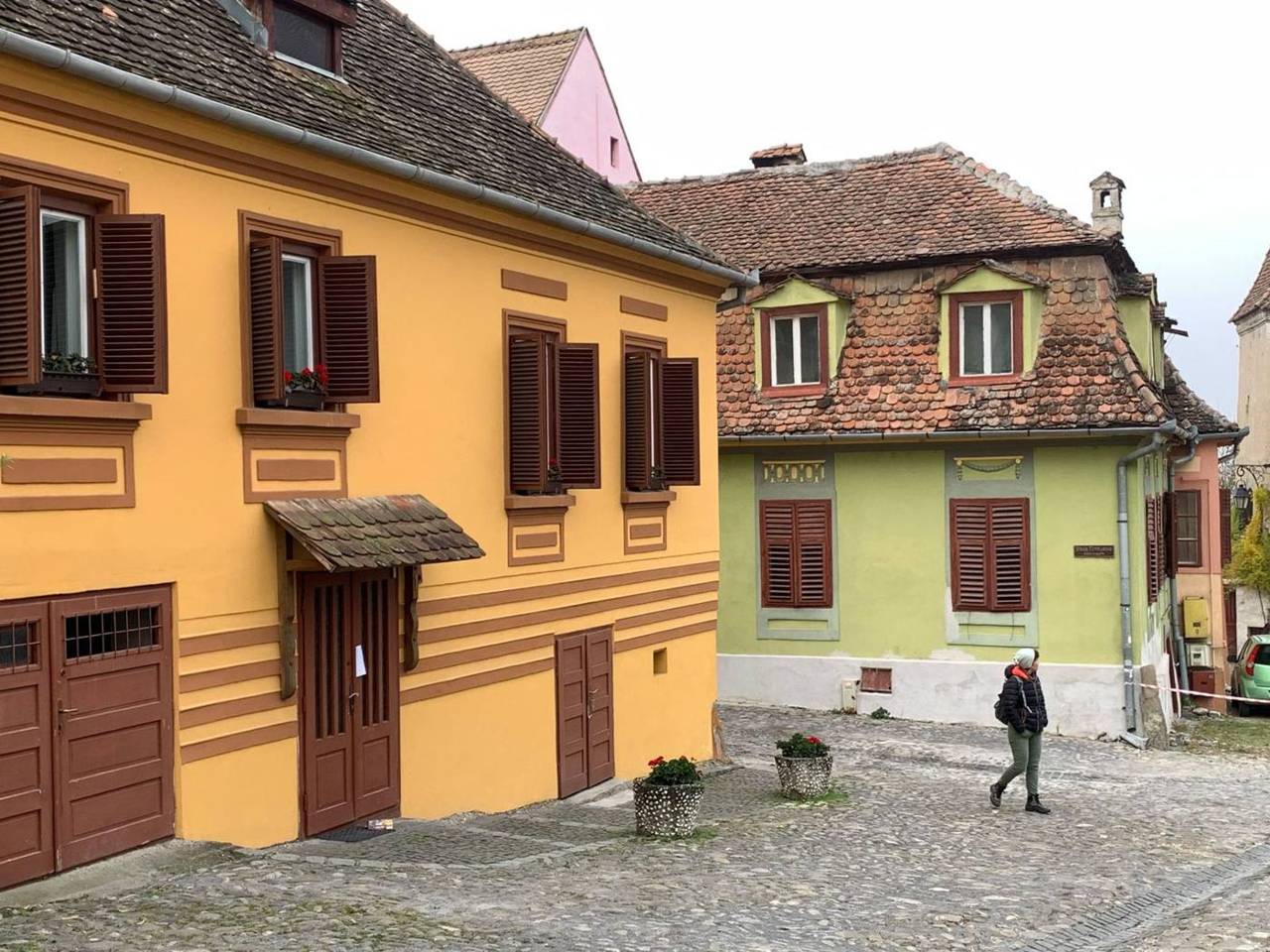 8 daysEasy
Transylvania
The Saxon towns of Brașov, Sighișoara and Sibiu, Bran Castle, Râșnov fortress and the UNESCO fortified churches.
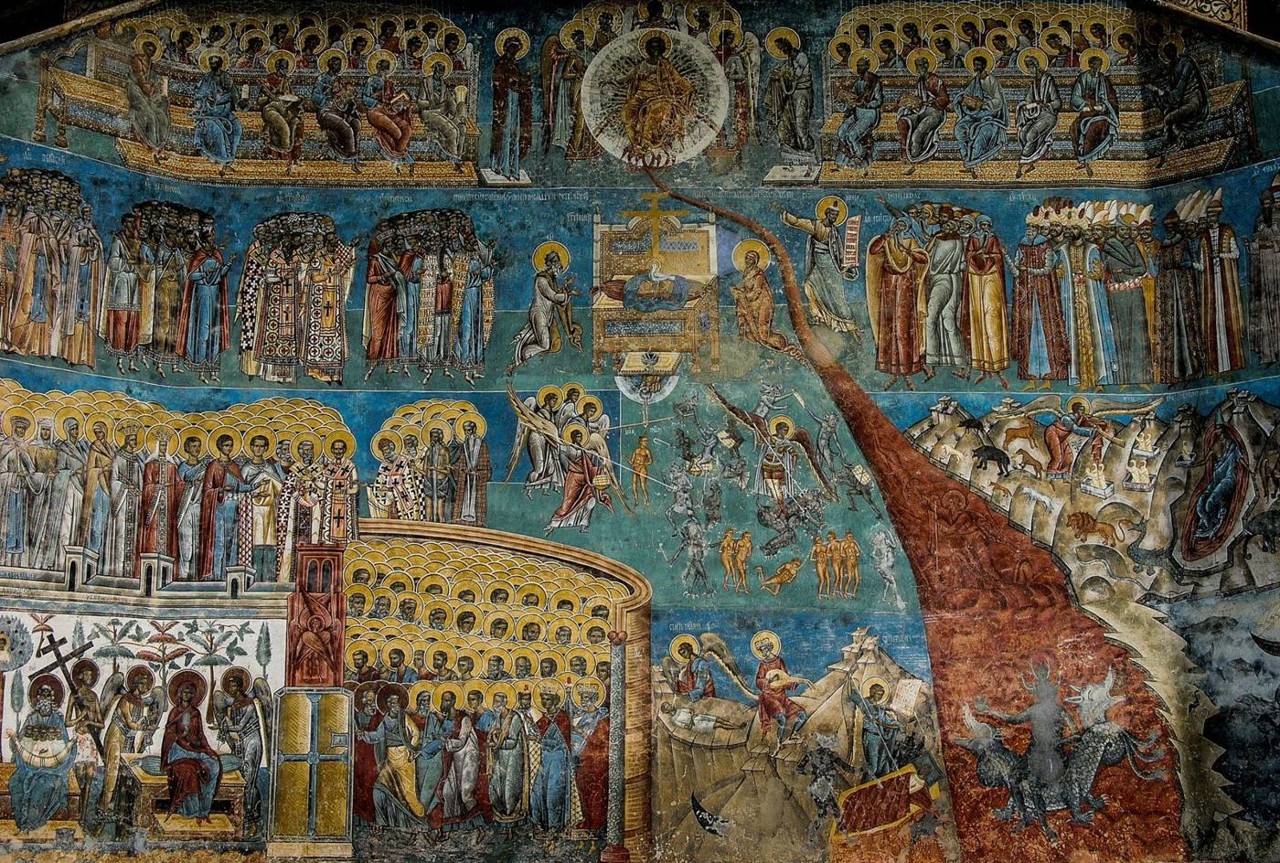 8 daysModerate
Maramureș and Bucovina
The UNESCO wooden churches of Maramureș, the Merry Cemetery of Săpânța and the painted monasteries of Bucovina.