Brașov and the Carpathians
Brașov and the Black Church, Bran castle, Râșnov peasant fortress, Peleș castle at Sinaia and a walk in the Bucegi or Piatra Craiului mountains.
- Brașov
- Râșnov
- Bran
- Zărnești
- Sinaia
Day by day
- Day 1
Brașov and the Black Church
This four-day trip takes you to the heart of Transylvania: Brașov and its Black Church, the peasant fortress of Râșnov, Bran Castle, the Zărnești gorges in Piatra Craiului and Peleș Castle at Sinaia, before the train to Bucharest.
Before you go: Italian citizens can enter Romania with an electronic identity card or a passport; Romania has been in the Schengen area since 1 January 2025. Other nationalities should check their own rules. The currency is the Romanian leu. Many bears live in the Carpathians, sometimes even on the edge of towns: do not approach them and never feed them. If you drive, remember the electronic rovinieta for national roads.
You arrive in Brașov by train from Bucharest, in about three hours, or by plane. The city was founded in the Middle Ages by Saxon settlers, invited by the kings of Hungary to guard the Carpathian passes, and the centre still keeps its walls, towers and merchants' houses.
Start at Council Square, with the old town hall in the middle and colourful façades all around. A few steps away stands the Black Church, one of the largest Gothic churches in south-eastern Europe, named after the walls blackened by the fire of 1689. Inside you see a large nineteenth-century organ and a collection of Anatolian carpets given by merchants. Check prices and times.
In the afternoon look for Rope Street, Strada Sforii, one of the narrowest streets in Europe, and then the Schei district, where the Romanian community lived, with the Church of Saint Nicholas. At sunset ride the cable car up Mount Tâmpa for the view over the red roofs.
Sleep in Brașov for three nights.
Practical tip: central Brașov is best explored on foot, and the streets are steep and cobbled, so wear comfortable shoes.
- Day 2
Râșnov fortress and Bran Castle
Today you visit two very different castles south-west of Brașov: a peasant fortress and the castle linked to the Dracula legend.
In the morning drive to Râșnov, about twenty minutes from Brașov. On the hill above the town stands the medieval citadel, built to protect the villagers from invasions: when enemies came, families shut themselves inside the walls with their animals and supplies, which is why there are houses, a school and a chapel inside. Legend says the deep well in the middle was dug by Turkish prisoners. Walk up and enjoy the view over the Bârsa plain and the Bucegi mountains. Check prices and times.
Then continue to Bran, about half an hour further on. The castle, from the fourteenth century, controlled the pass between Transylvania and Wallachia and was also a customs post. It is famous as Dracula's castle, but its link with Vlad the Impaler is weak: it was mostly Bram Stoker's novel, and later tourism, that created the myth. In the early twentieth century it became the residence of Queen Marie of Romania, and its wooden rooms tell mainly her story. Check prices and times.
In the afternoon stop at the market below the castle to taste smoked sheep's cheese and cozonac, the sweet bread.
Go back to Brașov for the evening.
Sleep in Brașov.
Practical tip: on summer weekends the road to Bran is very busy; leave early, arrive when the castle opens and visit Râșnov afterwards if the queues are too long.
- Day 3
The Zărnești gorges in Piatra Craiului
Today you leave the castles behind and walk in Piatra Craiului National Park, a long, sharp limestone ridge that closes the horizon south-west of Brașov.
In the morning drive to Zărnești, in less than an hour. From the town a road leads to the entrance of the Zărnești gorges, a narrow canyon between vertical rock walls, where it stays cool in the shade even in summer. The path climbs gently through the gorge and then comes out into meadows and beech and fir woods below the face of Piatra Craiului.
You can choose an easy walk of a couple of hours, there and back through the gorges, or a longer loop to a mountain hut, with about five or six hours of walking in total and a moderate climb. The ridge itself is only for experienced hikers, because there are exposed sections and chains.
Look at the flowers: among the rocks grows the Piatra Craiului pink, a plant found only on these mountains. Bears, wolves and chamois live in the forest: walk in a group, talk loudly and do not leave food scraps.
In the afternoon stop in the village of Măgura, on the hills between Piatra Craiului and the Bucegi, with wooden houses and barns scattered over the meadows.
In the evening return to Brașov for a dinner of sarmale, cabbage rolls, with polenta.
Sleep in Brașov.
Practical tip: in the mountains the weather changes quickly and summer storms often arrive in the afternoon; start early and carry a waterproof jacket and enough water.
- Day 4
Peleș Castle at Sinaia and the train to Bucharest
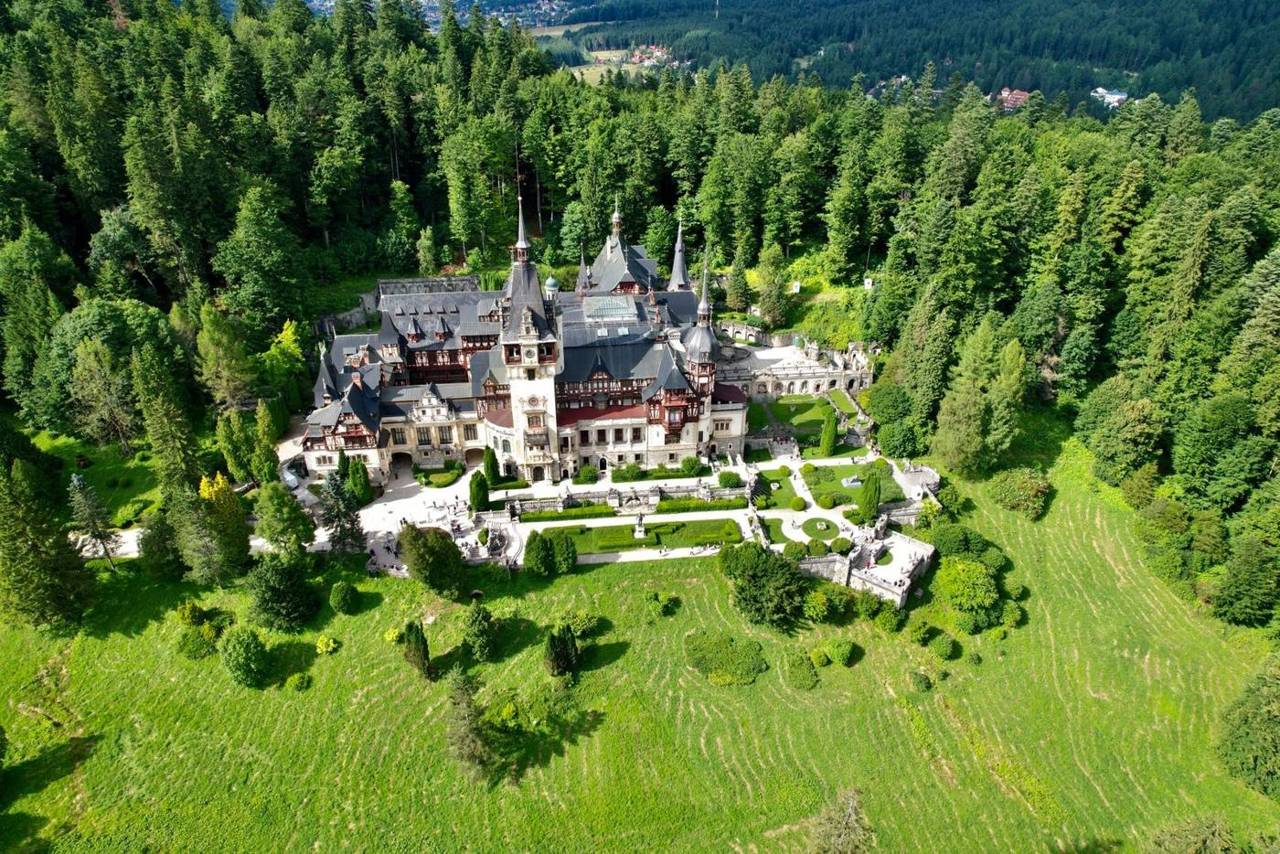
On the last day you cross the Carpathians heading south, with a stop at the most beautiful castle in Romania.
In the morning take the train from Brașov to Sinaia, about an hour through the Prahova valley, between the Bucegi mountains and the forests. Sinaia is an elegant mountain town that grew up around a seventeenth-century monastery and became the summer home of the royal family.
Walk up through the park to Peleș Castle, built between the late nineteenth and early twentieth centuries for King Carol I. From outside it looks like a castle in the German Alps, with towers, timber beams and steep roofs; inside there are carved halls, weapons, stained glass, carpets and a rich art collection. Next to it stands the smaller Pelișor Castle, in Art Nouveau style. Tickets are sold on the official website or at automatic machines, in time slots. Check prices and times.
After lunch visit Sinaia Monastery, which gave the town its name, inspired by Mount Sinai. Then take the train to Bucharest, about two hours.
Trip summary: in four days you have seen Brașov and the Black Church, Râșnov fortress, Bran Castle, the Zărnești gorges in Piatra Craiului and Peleș Castle at Sinaia.
When to go: from May to October for mountain walks, with June and September quieter. In December Brașov has a lovely Christmas market in Council Square, but the paths may be under snow.
Practical tip: Peleș Castle is closed on Mondays and Tuesdays and sometimes for maintenance; plan the trip so that the last day falls between Wednesday and Sunday.
Romania's most classic face. Bran is tied to the Dracula myth more than to history: Peleș is more beautiful. On summer weekends the road to Bran is very busy.
Before you go
- Documents and visa
- EU citizens need a valid identity card or passport: Romania is in the EU and, since 1 January 2025, fully in the Schengen area, with no checks at internal borders. Check your document is intact and readable. Other nationalities should check the Schengen rules.
- Health and vaccines
- No vaccines required. EU citizens should bring their EHIC; take insurance covering medical costs, repatriation and, for hiking, mountain rescue. Emergencies: 112.
- Money and payments
- Romanian leu (RON); Romania does not use the euro. Cards work almost everywhere in towns, but carry cash in villages and mountain huts. Change money only at banks or authorised exchange offices. To drive on national roads outside towns you need the electronic rovinieta: buy it only on the official CNAIR portal (erovinieta.ro) or from authorised sellers, as some unofficial websites add fees. Check current prices.
- Power sockets
- Types C and F, 230 volts.
- Time zone
- Eastern European Time (UTC+2, summer UTC+3).
- Safety
- A generally safe country. Watch for pickpockets in large towns, especially Bucharest and on public transport, taxis that overcharge (taxi apps are more reliable) and drink spiking in bars and clubs. Romania has a very large number of brown bears, including near roads and town outskirts: keep your distance, do not stop to photograph them and never feed them, which is illegal. The country is in an earthquake zone. Drone debris can fall near the Ukrainian border: do not touch it and follow local authorities. Official advice: GOV.UK.
Information checked in November 2026 for Italian and EU citizens. Rules change: always check before you travel.
Variations
Shorter version: three days, combining Râșnov and Bran with the Zărnești gorges.
Longer version: add two days for Sighișoara and Sibiu, or a night at a hide to see the bears.
Frequently asked questions
Is Bran Castle really Dracula's castle?
Only in the tourist myth. The historical link with Vlad the Impaler is weak; the castle mainly tells the story of Queen Marie of Romania.
Do I need a car?
For Râșnov, Bran and Zărnești a car is the easiest option; between Brașov, Sinaia and Bucharest the train works well. If you drive, remember the electronic rovinieta.
When is Peleș Castle open?
Usually from Wednesday to Sunday, closed on Mondays and Tuesdays and for some maintenance periods. Check prices and times on the official website.
Indicative itinerary written by World Atlas. Before booking, check timetables, seasonal openings, documents and safety.
 3 daysEasy
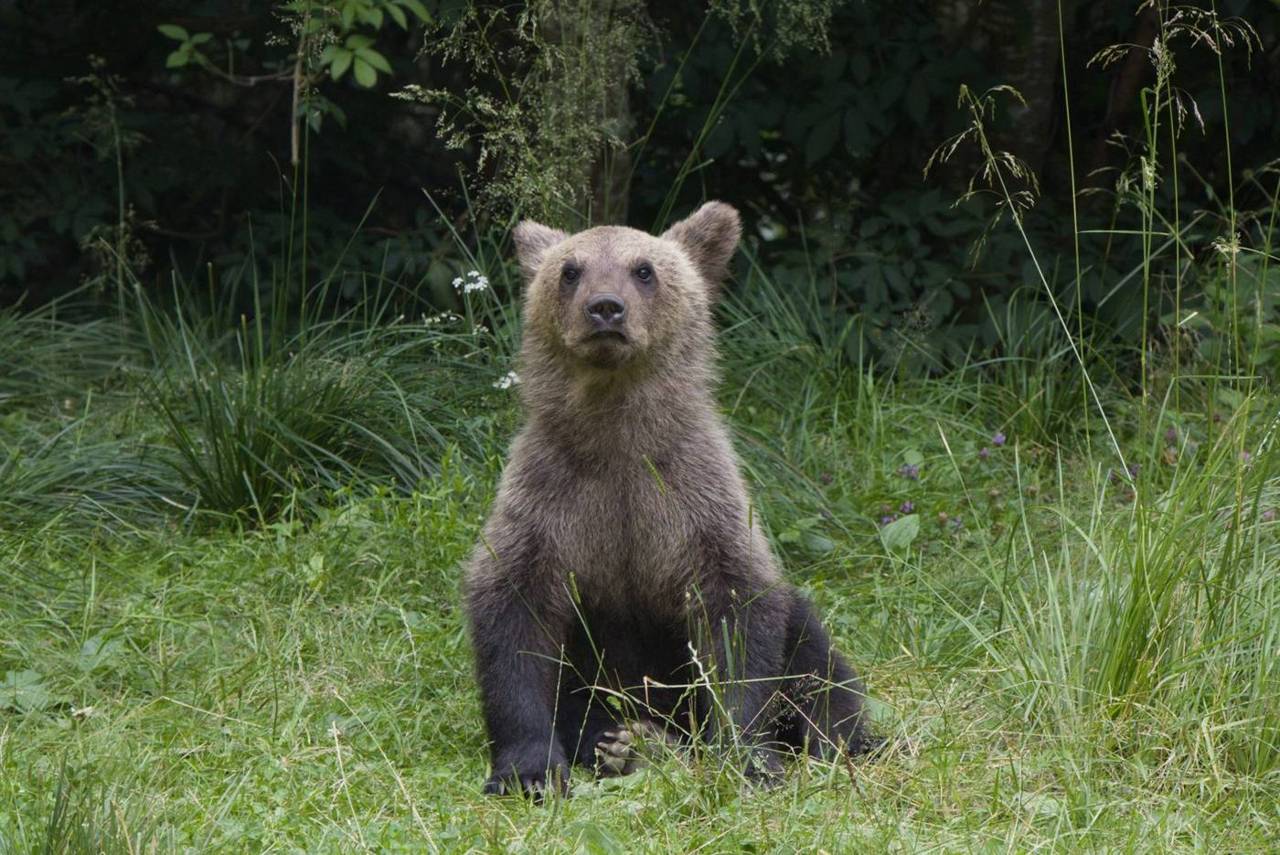
Bears of the Carpathians
Watching brown bears from licensed hides in the forests near Brașov, a walk tracking wolves and deer with a ranger and a night in a mountain guesthouse.
 5 daysEasy
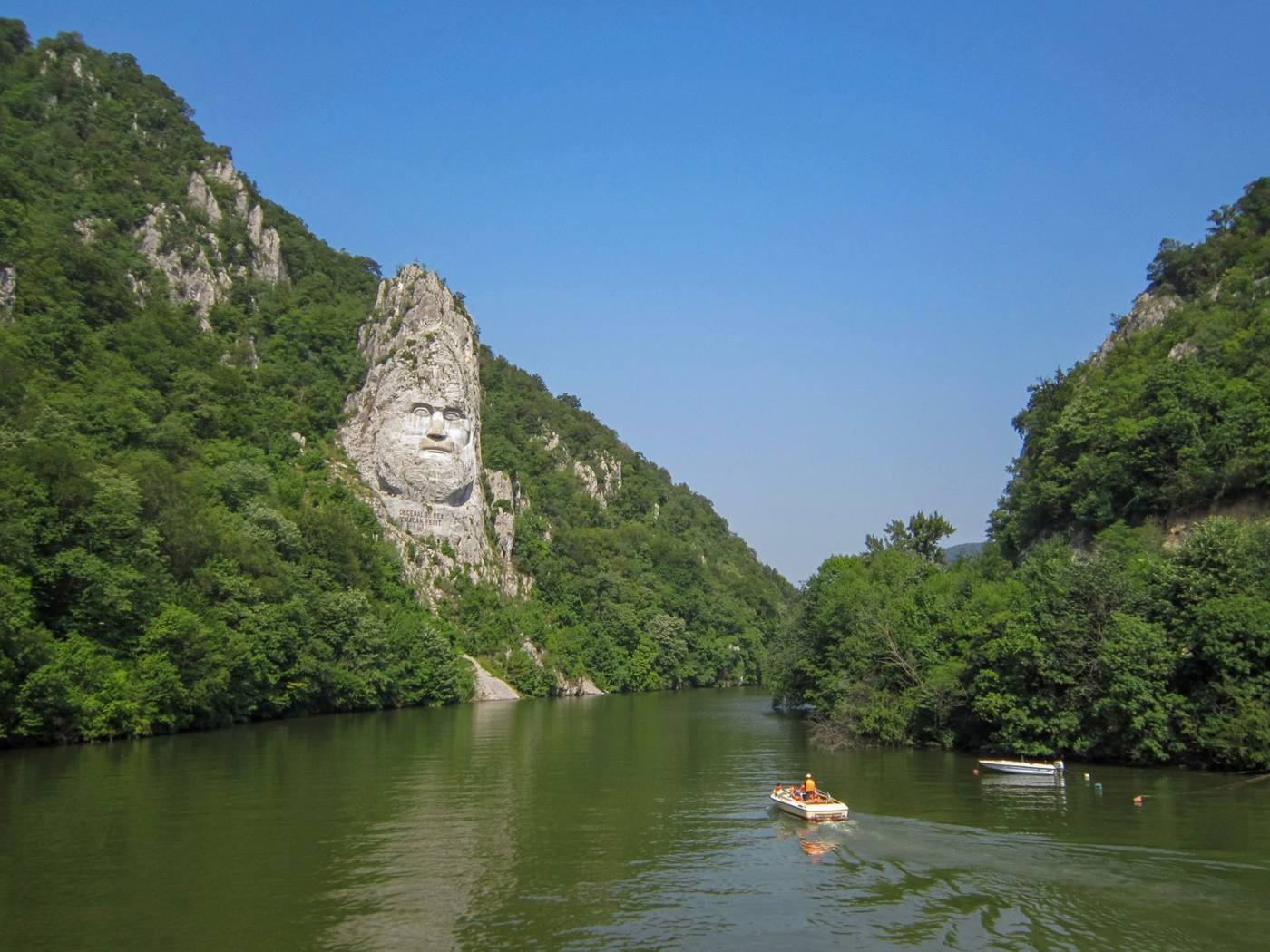
The Banat and the Danube gorges
Timișoara, a European Capital of Culture with its Art Nouveau squares, then the Danube's Iron Gates with the carved face of Decebalus, Mraconia monastery and Bigăr waterfall.
 8 daysEasy
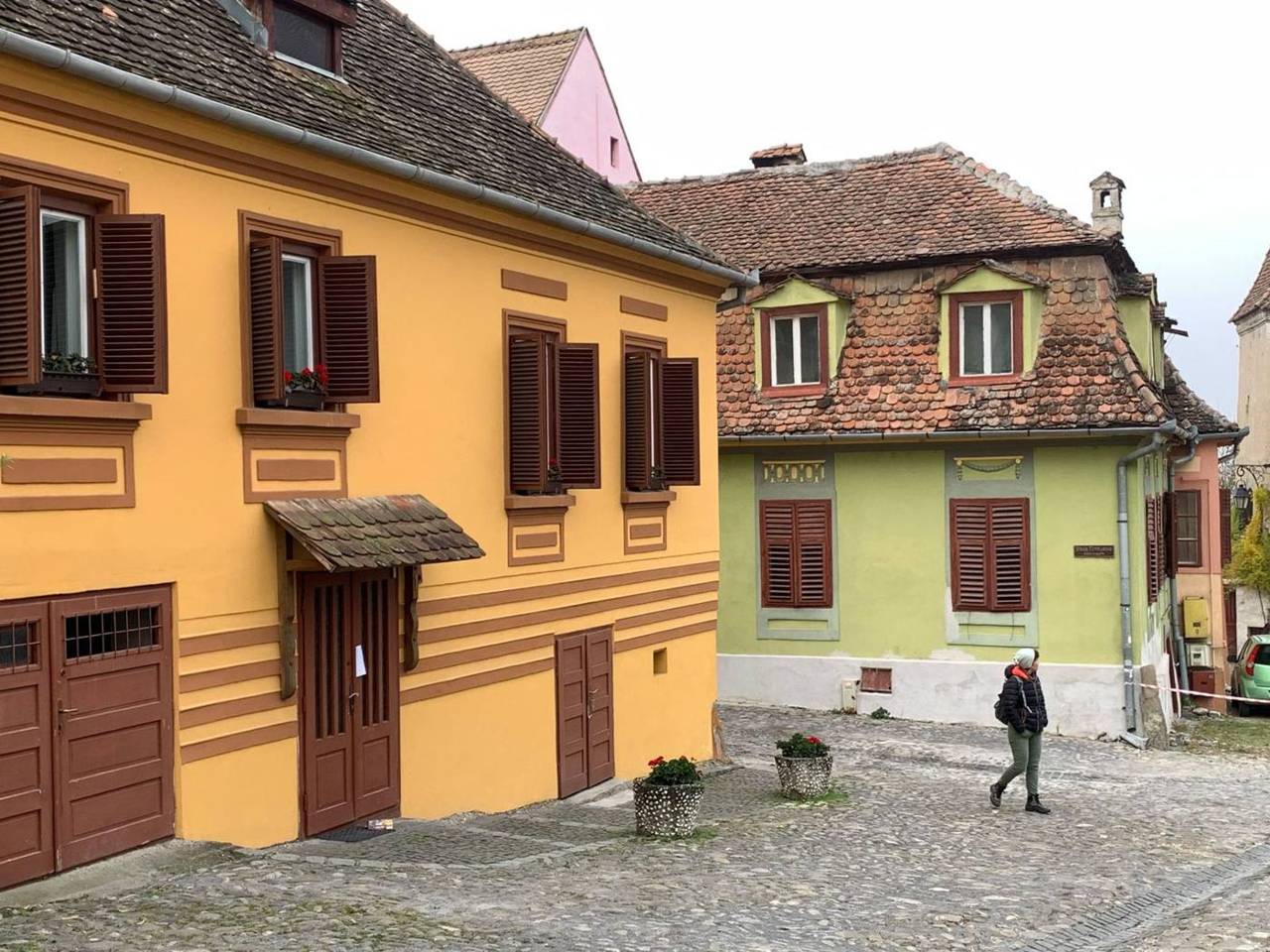
Transylvania
The Saxon towns of Brașov, Sighișoara and Sibiu, Bran Castle, Râșnov fortress and the UNESCO fortified churches.