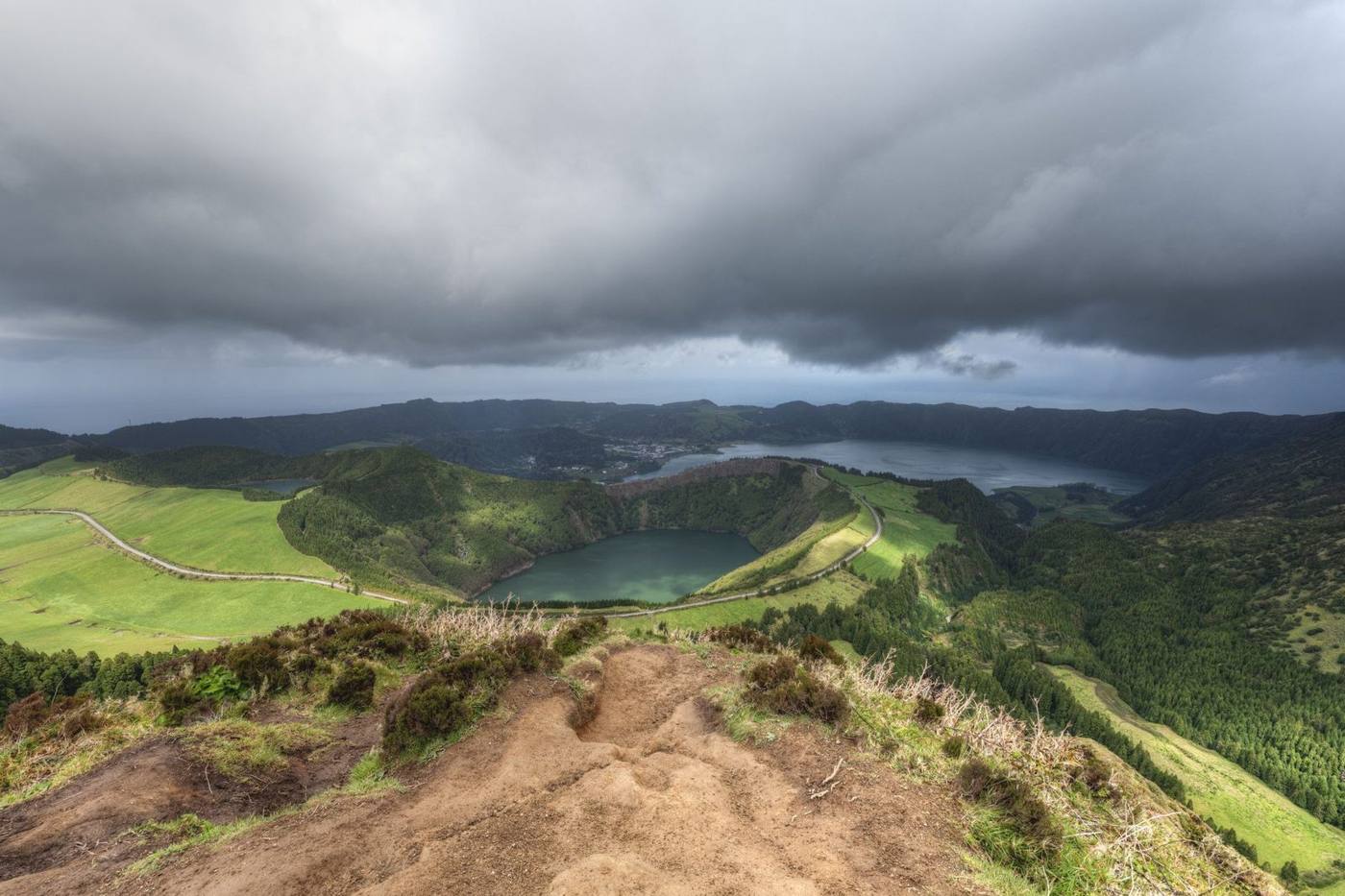
Azores: São Miguel
Crater lakes, hot springs, tea plantations and boat trips for whales and dolphins.
- Ponta Delgada
- Sete Cidades
- Furnas
- Lagoa do Fogo
- Nordeste
Day by day
- Day 1
Arrival in Ponta Delgada
This trip is a week on São Miguel, the largest island of the Azores, the Portuguese archipelago in the middle of the Atlantic, about two and a half hours' flight from Lisbon. It is a green volcanic island, known as the green island, with lakes in craters, hot springs, tea plantations, pastures divided by hydrangea hedges and cliffs above the ocean.
The Azores are an autonomous region of Portugal: they are in the Schengen area and use the euro. EU citizens only need an identity card.
You arrive at Ponta Delgada airport, the island's main town, with flights from Lisbon, Porto and some European cities. You need a car to explore the island.
On the first day walk around central Ponta Delgada. The entrance to the town is marked by the Portas da Cidade, three black and white eighteenth century arches on the seafront. The centre has streets paved with black and white stone mosaics, Baroque churches with dark basalt and white plaster facades, such as the mother church of São Sebastião, and small squares.
In the afternoon walk along the seafront to the harbour and the sixteenth century fort of São Brás.
In the evening have Atlantic fish, lapas, limpets grilled with butter and garlic, and the island's cheese.
Spend the night in Ponta Delgada.
Practical tip: in the Azores the weather changes many times in a day, with sun, cloud and rain. Always carry a waterproof jacket and check the lake webcams before driving up.
- Day 2
Sete Cidades and its two lakes
Today go to Sete Cidades, at the western end of the island, about half an hour's drive from Ponta Delgada. It is the most famous landscape in the Azores: a huge volcanic crater about five kilometres wide, holding two joined lakes, one green and one blue, and a small village on the floor.
A legend says the lakes were born from the tears of a princess with blue eyes and a shepherd with green eyes, who were not allowed to marry.
The most famous viewpoint is the Miradouro da Vista do Rei, on the crater rim, overlooking both lakes. Another, higher viewpoint is Boca do Inferno, reached by a short walk, with views of the lakes, the crater and the ocean.
To really get to know the crater, walk part of the trail that follows the rim, about twelve kilometres in total, with constant views of the lakes on one side and the ocean on the other. Then go down to the village of Sete Cidades on the floor, with a small church and bridges between the two lakes.
In the afternoon drive down to the coast at Mosteiros, a village with a black sand beach and volcanic rocks in the sea, beautiful at sunset.
Spend the night in Ponta Delgada.
Practical tip: fog often covers the crater. If it is clouded over, change your plans and come back another day. The crater rim is exposed to the wind: stay on the paths.
- Day 3
By boat to see whales and dolphins
Today head out by boat onto the ocean to see whales and dolphins. The waters around the Azores are among the best places in Europe to watch them, because the sea floor drops very deep close to the coast and the sea is rich in food.
The Azores once lived from whaling, carried out with small rowing boats and harpoons until the 1980s. Along the coast you still see the vigias, small lookout towers from which men scanned the horizon for whales. Today the vigias are used to guide tourist boats towards the animals.
Trips leave from Ponta Delgada harbour and last about three hours. Dolphins are seen almost every time: common dolphins, bottlenose dolphins and Risso's dolphins. Sperm whales live here all year. In spring the great migrating whales also pass, such as the blue whale and the fin whale.
In the afternoon, back on land, visit Ponta Delgada's covered market, with island fruit such as the Azores pineapple, grown in greenhouses, and passion fruit. You can also visit one of the pineapple greenhouses near town, where the plant grows under glass for two years.
In the evening try the pineapple and a passion fruit liqueur.
Spend the night in Ponta Delgada.
Practical tip: choose operators who follow the rules on keeping a distance from the animals. In rough seas trips are cancelled. If you suffer from seasickness, take something before leaving.
- Day 4
Furnas: fumaroles, thermal waters and cozido
Today go to Furnas, in the east of the island, about an hour's drive from Ponta Delgada. The village lies inside a still active volcanic crater, and you notice it at once: hot steam rises from the ground, water bubbles in small pools and the air smells of sulphur.
In the village walk among the caldeiras, the fumaroles in the centre, where boiling water emerges from the ground with steam and gurgling. There are also mineral water fountains, some warm, some sparkling, which you can taste.
The speciality of Furnas is cozido das Furnas, a stew of meats, sausages and vegetables cooked underground by the heat of the volcano. Early in the morning the pots are lowered into holes in the ground on the shore of Furnas lake, covered with earth and lifted out about six hours later, at midday. You can go to the lake in the morning to see the pots, then eat cozido for lunch in the village.
An easy trail circles Furnas lake, and there are more fumaroles near the shore.
In the afternoon bathe in the thermal waters of Furnas, warm and brown from the iron. The village has a large eighteenth century botanical garden with a thermal pool, and there are also other smaller thermal pools.
Spend the night in Furnas.
Practical tip: the iron rich water can stain light swimwear. Wear a dark swimsuit. Many places require you to book cozido in advance. Check prices and opening times of the pools.
- Day 5
Lagoa do Fogo and Caldeira Velha
Today go to the centre of the island, to Lagoa do Fogo, the lake of fire, about forty minutes' drive from Furnas. It is a crater lake at about 600 metres, surrounded by green mountains, with no houses or roads, inside a nature reserve. It is one of the wildest places in the Azores.
From the road along the crater rim there are several viewpoints over the lake and, on clear days, over both the north and south coasts of the island at once.
From one viewpoint a trail leads down to the lake shore, with beaches of pale sand. The descent is steep and the climb back is tiring. You can swim in the lake, but the water is cold.
In the afternoon drive down towards the north coast to Caldeira Velha, a natural park in a valley with a forest of giant ferns, a hot waterfall and a few natural thermal pools. The iron rich water turns the rocks orange. Bathing in the warm pools in the middle of the forest is one of the finest experiences on the island.
In the evening continue to Ribeira Grande, the island's second town, on the north coast, with a historic centre and a beach with waves, popular with surfers.
Spend the night in Ribeira Grande or Ponta Delgada.
Practical tip: Caldeira Velha charges an entrance fee and places are limited: check the price and book. At Lagoa do Fogo, in high season, car access may be regulated: check beforehand.
- Day 6
The tea plantations and Nordeste
Today follow the north coast eastwards. On the way, between Ribeira Grande and Maia, are the only tea plantations in Europe, grown here since the nineteenth century, when a group of Chinese experts came to the island to teach the cultivation.
The plantations cover the hills above the ocean with neat rows of green bushes. Some historic factories are open to the public: you walk among the rows of tea, watch old machines still used to dry and roll the leaves, and taste the island's green and black tea. Visits are usually no-cost.
Continue to Nordeste, the easternmost corner of the island, the most isolated and green, with deep valleys, waterfalls and cliffs. Along the road are the miradouros, well kept viewpoints with flower gardens and picnic tables, such as Ponta do Sossego and Ponta da Madrugada on the east coast, perfect for watching sunrise over the ocean.
The area also has the Ponta do Arnel lighthouse, on a rocky point, reached on foot by a very steep road.
In the afternoon walk in one of the valleys, such as Ribeira dos Caldeirões, with waterfalls, watermills and ferns.
In the evening return towards Ponta Delgada along the south coast.
Spend the night in Ponta Delgada.
Practical tip: the roads in Nordeste are narrow and winding. Plan your timings carefully and drive slowly. The road to the Ponta do Arnel lighthouse is very steep: it is better to walk down.
- Day 7
The last morning and departure
On the last day, before your flight, enjoy a few hours on the coast near Ponta Delgada.
If the weather is fine, go to Lagoa, a few minutes east of the town, where there are natural pools carved into volcanic rock, with clear sea water. Or go to Caloura, a small fishing harbour with a natural pool among black rocks, one of the most beautiful places to swim on the south coast.
Alternatively, visit the Carlos Machado museum in Ponta Delgada, housed in a former convent, with collections of natural history, art and the history of the islands.
Another option is the town of Vila Franca do Campo, the island's old capital, destroyed by an earthquake and landslide in the sixteenth century. Off the coast lies the ilhéu de Vila Franca, a volcanic islet with an almost round lagoon of sea water in the middle, linked to the ocean by a small channel. In summer small boats leave from the harbour, with a limited number of visitors a day.
Before leaving, buy some island produce: tea, cheese, passion fruit jam, pineapple and hand painted ceramics.
Ponta Delgada airport is a few minutes from the centre.
Practical tip: places for the Vila Franca islet are limited and the service runs only in calm seas: check and book. In bad weather flights can be delayed: leave a margin if you have connections in Lisbon.
Atlantic nature four hours from mainland Europe: crater lakes, hot springs and whales. The weather changes several times a day, and the views of Sete Cidades and Lagoa do Fogo can vanish in fog. A car and a few spare days are needed.
Before you go
- Documents and visa
- EU citizens need a valid identity card or passport. Other nationalities should check the Schengen rules.
- Health and vaccines
- No vaccines required. EU citizens should bring their EHIC. Emergencies: 112.
- Money and payments
- Euro. Cards are accepted almost everywhere. Lisbon, Porto and several municipalities, including in the Algarve, charge a tourist tax per person per night.
- Power sockets
- Types C and F, 230 volts.
- Time zone
- Western European Time (UTC+0, summer UTC+1); the Azores are one hour behind the mainland.
- Safety
- A very safe country. In Lisbon watch for pickpockets on tram 28 and in the busiest areas; in summer, wildfire risk inland. Official advice: GOV.UK.
Information checked in November 2026 for Italian and EU citizens. Rules change: always check before you travel.
Variations
In 4 days: Ponta Delgada, Sete Cidades, Furnas and Lagoa do Fogo.
In 10 days: add a flight to Pico and Faial, with the climb of Mount Pico.
Frequently asked questions
When is the best time to go?
May to September, with mild temperatures and hydrangeas in bloom in June and July. The weather stays changeable all year.
Do I need a car?
Yes. Buses exist but are infrequent, and many places can only be reached by car.
Can whales be seen all year?
Dolphins and sperm whales, yes. The great migrating whales are seen mainly in spring.
Indicative itinerary written by World Atlas. Before booking, check timetables, seasonal openings, documents and safety.
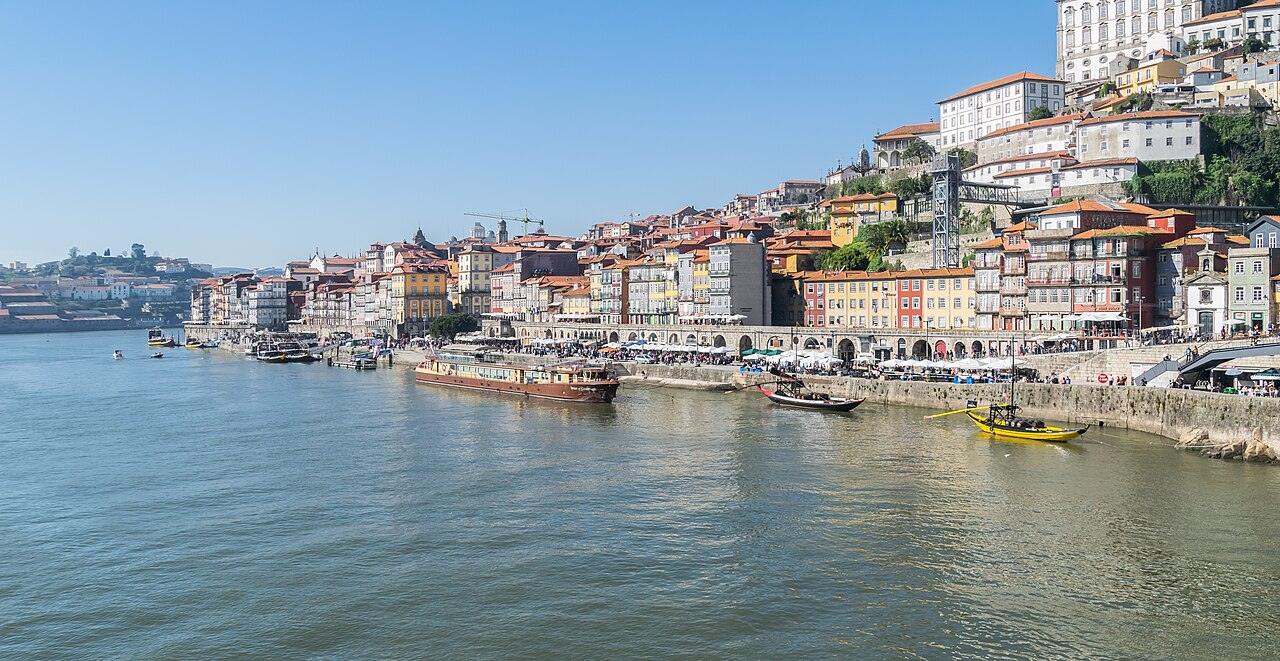 7 daysEasy
Lisbon, Sintra and Porto
Portugal's two best-loved cities and the romantic palaces of Sintra, by train.
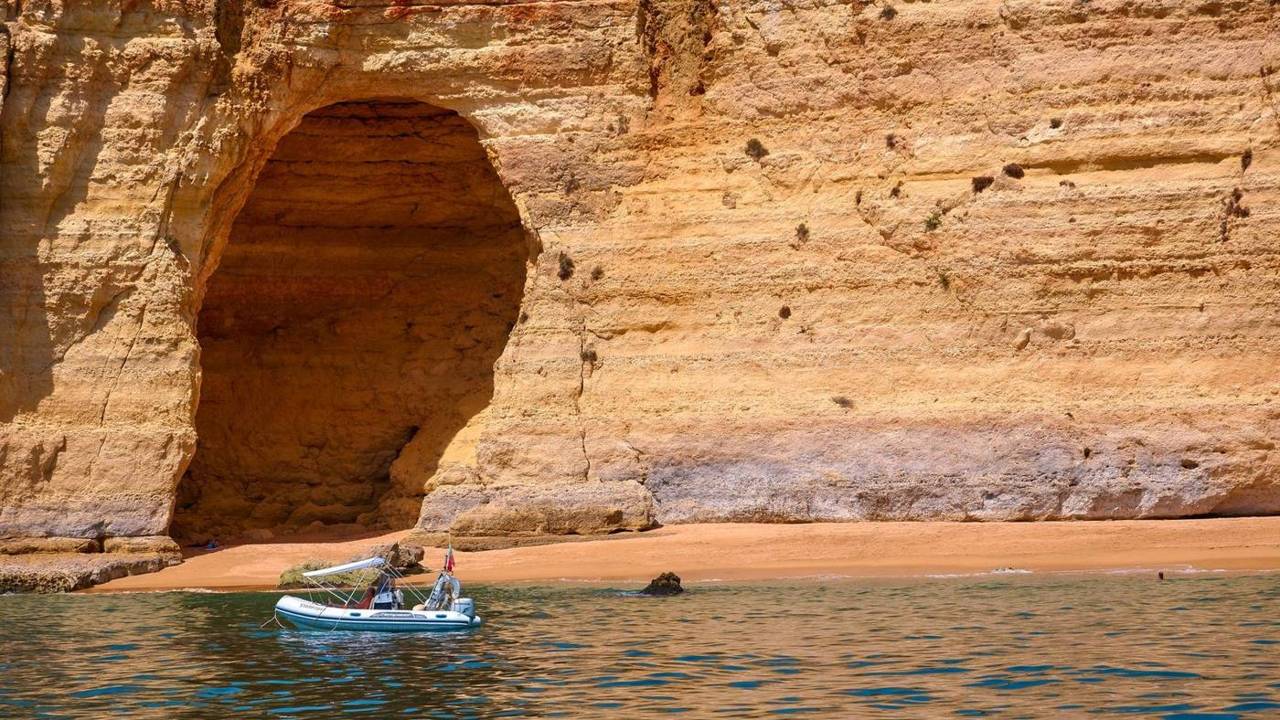 7 daysEasy
The Algarve and the Vicentine coast
Golden cliffs, the Benagil cave and the wild beaches of the Alentejo.
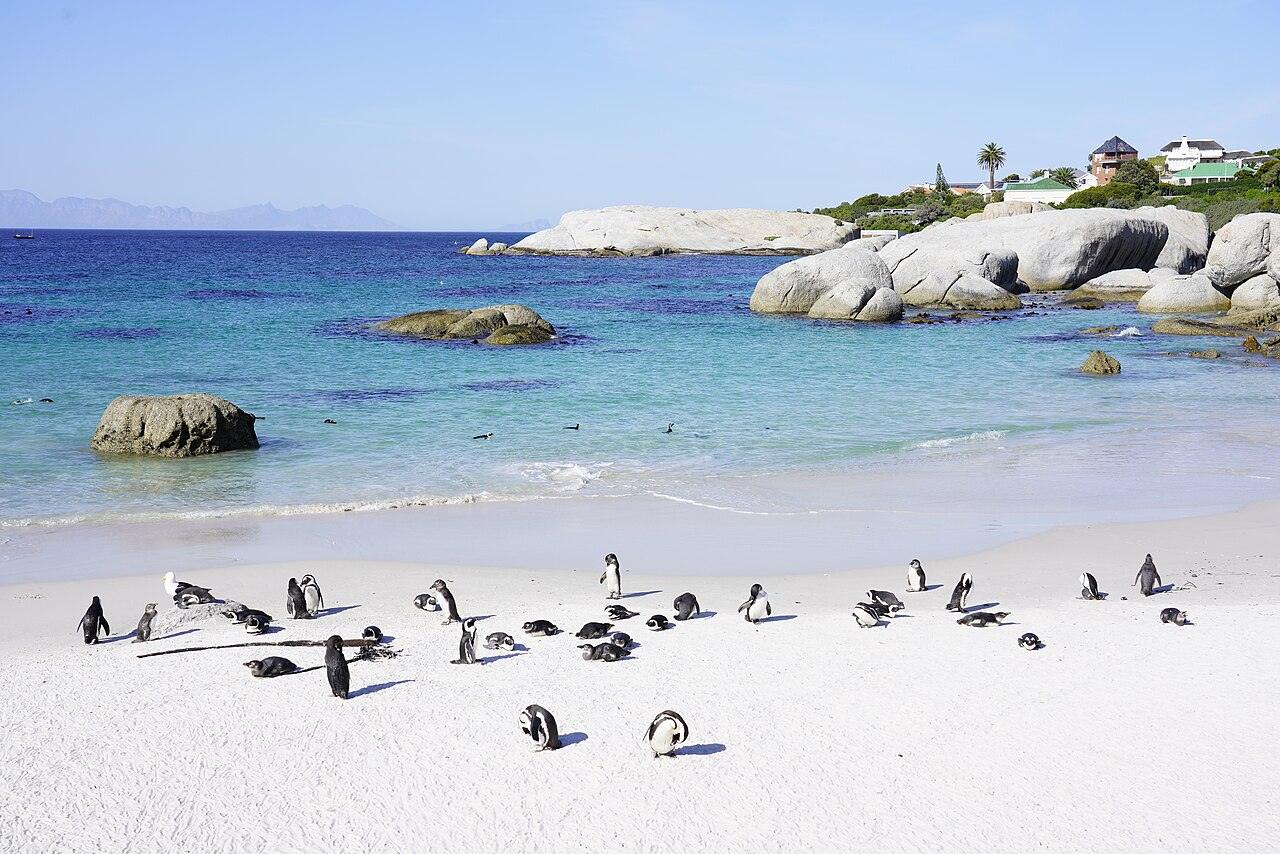 7 daysEasy
Cape Town and the Cape Peninsula
A week of Table Mountain, the penguins of Boulders Beach, the Cape of Good Hope and the Stellenbosch vineyards.