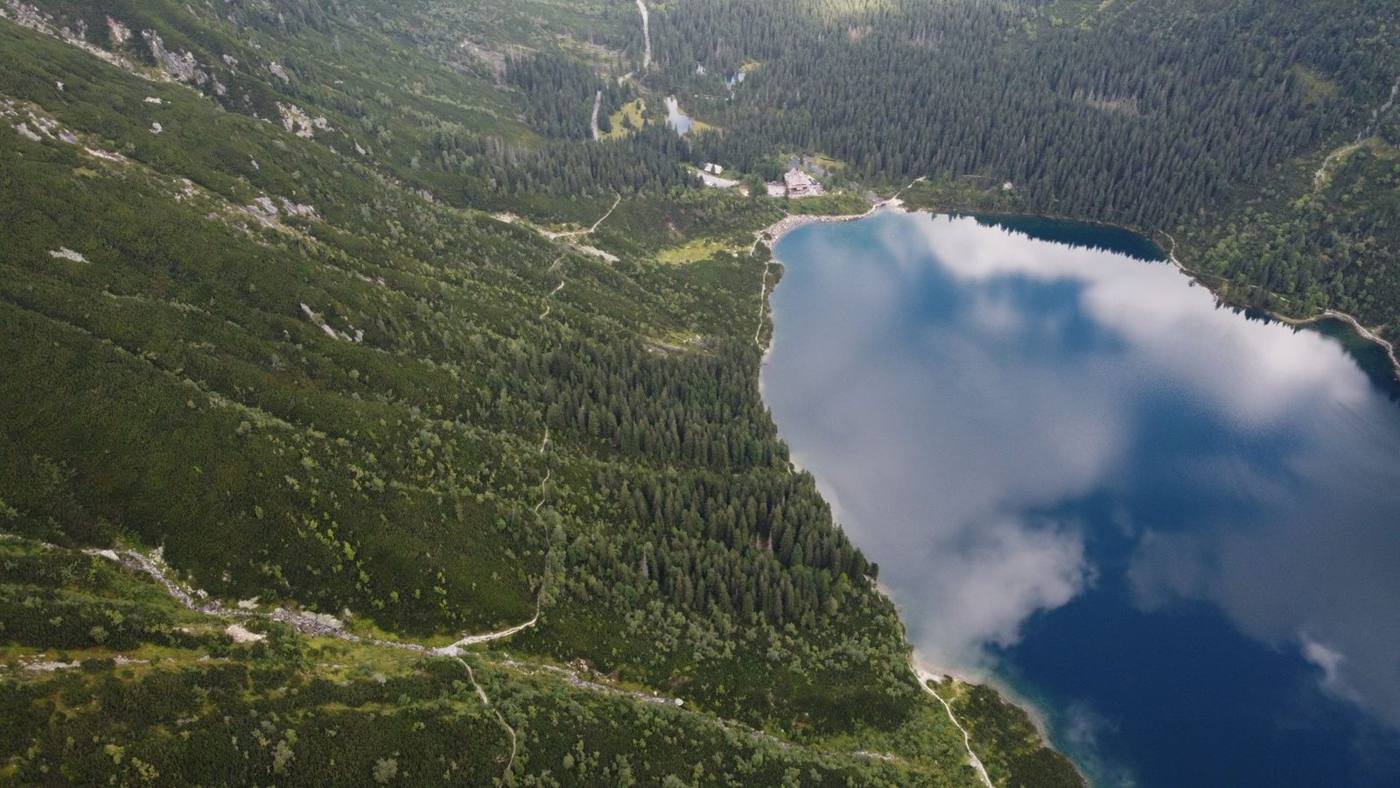
Zakopane and the Tatras
Poland's winter capital, the wooden houses of the Górale highlanders, Morskie Oko lake, Kasprowy Wierch and the Valley of Five Lakes.
- Kraków
- Zakopane
- Morskie Oko
- Kasprowy Wierch
- Dolina Pięciu Stawów
Day by day
- Day 1
From Kraków to Zakopane: Krupówki and the old cemetery
This five-day trip takes you to the Tatra Mountains, the highest mountains in Poland: Zakopane, with the wooden houses of the Górale highlanders, Morskie Oko lake, the Kasprowy Wierch cable car, the Valley of the Five Lakes and the thermal pools of the mountain villages.
Before you go: Poland is part of the European Union and the Schengen area, but uses the złoty, not the euro. Italian citizens only need an electronic identity card valid for travel abroad or a passport; the paper identity card has not been valid for travel abroad since 3 August 2026. Other nationalities should check their own rules. Crime is low, but Italian travel advice warns of pickpockets at airports, stations and tourist sites and recommends using only official taxis. When you pay by card, always choose to pay in złoty.
From Kraków to Zakopane takes about two to two and a half hours by bus or train, depending on traffic. Drop off your bag and walk down Krupówki Street, the main pedestrian street, full of people, stalls and wooden houses. Try oscypek, the spindle-shaped smoked sheep's cheese, served warm with cranberry jam.
Then walk to Kościeliska Street, where you find the old wooden church and, next to it, the Pęksowy Brzyzek cemetery. Artists, writers and climbers linked to Zakopane are buried here, with carved wooden headstones and crosses in highland style. Among them is Stanisław Witkiewicz, who created the Zakopane style, a wooden architecture inspired by the Górale houses. You see this style at the Koliba villa, now a museum. Check prices and times.
Sleep in Zakopane, for four nights.
Practical tip: at weekends Zakopane is overrun by Polish visitors; if you can, plan your trip from Monday to Friday.
- Day 2
Morskie Oko, the most famous lake in the Tatras
Today you go up to Morskie Oko, the Eye of the Sea, the most famous lake in Tatra National Park, at about 1,395 metres, surrounded by towering rock walls.
Leave at dawn. Take the bus or drive to Palenica Białczańska, about half an hour from Zakopane. The car park here must be booked online in advance, because spaces are limited. From the park entrance you walk up an asphalt road about nine kilometres long, through the forest, on a gentle slope: allow two to two and a half hours. Entry to the national park is charged: check prices and times.
At the lake the water is green and clear and above it rise the peaks, including Rysy, the highest mountain in Poland, at 2,499 metres. Walk the path around the lake, in about an hour. If you still have energy, climb a steep stone path to Czarny Staw, the Black Lake, higher up, in about an hour: from there you see Morskie Oko from above.
The climb up Rysy is another matter: it is a high mountain route, with chains and exposed sections, only for experienced hikers and in good weather.
In the afternoon walk slowly back down the same road.
Practical tip: Morskie Oko is extremely crowded from mid-morning; leaving at dawn gives you an almost empty lake and the best light for photos.
- Day 3
The Kasprowy Wierch cable car and the border ridge
Today you go up high without effort, on the Kasprowy Wierch cable car, one of the most famous in Poland.
The cable car leaves from Kuźnice, on the edge of Zakopane, and in a few minutes takes you to 1,987 metres. Tickets are booked online for a set time: in summer and at weekends do it a few days ahead. Check prices and times.
At the top you are on the ridge that marks the border between Poland and Slovakia. On one side you see the Polish valleys, on the other the Slovak peaks. You can cross the border on the marked trails. Walk east to Beskid, a slightly higher peak nearby, with a wide view over the Tatras.
To come down, instead of taking the cable car again, choose the trail to Hala Gąsienicowa, a hollow with meadows, small lakes and shepherds' huts. From here another trail takes you back to Kuźnice, in about two hours. If you have the legs, first make a detour to the lake of Czarny Staw Gąsienicowy, dark and deep below the rock walls.
In the evening go back to Zakopane and have dinner with mountain dishes, such as kwaśnica, a sauerkraut soup, or grilled lamb.
Practical tip: up high the weather changes in a few minutes; if the sky clouds over or you hear thunder, go down at once, because the ridges are exposed to lightning.
- Day 4
The Valley of the Five Polish Lakes
Today you do the most beautiful walk of the trip: the Valley of the Five Polish Lakes, Dolina Pięciu Stawów Polskich, a high, wild glacial valley.
Start early from Palenica Białczańska, as for Morskie Oko, and walk up the road to the Wodogrzmoty Mickiewicza waterfalls. Here you leave the asphalt and take the trail up the Roztoka valley, through woods and streams. Higher up the trail passes the Siklawa waterfall, the highest in Poland, tumbling down between the rocks. Shortly after, the Valley of the Five Lakes opens up, with blue and green water surrounded by peaks and scree. Allow about three or four hours to get there. Near the largest lake there is a mountain hut where you can rest.
If you have lots of energy, go back on a big loop: climb to the Świstówka pass and go down towards Morskie Oko, then return to Palenica on the asphalt road. It is a long day, of many hours, but the view from above over Morskie Oko is worth every step. Otherwise go back the same way.
Bears, chamois and marmots live in the national park: you may see marmots on the meadows and hear their whistles.
Entry to the park is charged: check prices and times.
Practical tip: in the park walk only on marked trails, never feed the animals and, if you see a bear, move away calmly without running.
- Day 5
Chochołów, the thermal pools and back to Kraków
The last day is more relaxed, to rest your legs after the walks.
In the morning drive or take the bus to Chochołów, a village about half an hour from Zakopane, near the Slovak border. The main street is lined with wooden Górale houses, dark, with washed and polished logs and small windows. The village is also famous for a peasants' uprising against the Austrians in 1846. Walk along the street and look at the houses, still lived in.
Then relax at the thermal pools: here and in Bukowina Tatrzańska there are pools of hot thermal water, indoors and outdoors, with views of the Tatras. After three days in the mountains, the warm water is the best reward. Check prices and times.
In the afternoon go back to Kraków, in about two to two and a half hours.
Trip summary: in five days you have seen Zakopane with Krupówki Street, the Pęksowy Brzyzek cemetery and the Zakopane style; Morskie Oko lake and Czarny Staw; Kasprowy Wierch and the border ridge; the Valley of the Five Polish Lakes and the Siklawa waterfall; and the wooden village of Chochołów with its thermal pools.
When to go: from June to September for walking, when the trails are clear of snow; September is often the best and least crowded month. From December to March you can ski, but many high trails become dangerous because of avalanches.
Practical tip: on the way back to Kraków on Sunday afternoon the road is often jammed; leave early or take the train.
Poland's highest mountains, with spectacular trails and a strong local culture. Morskie Oko is very crowded: you walk up on a paved road, so start at dawn. National park trails have an entry fee. Kasprowy cable car tickets are booked online. Zakopane is overrun at weekends.
Before you go
- Documents and visa
- EU citizens need a valid identity card or passport: Poland is in the EU and the Schengen area. Carry a copy of your documents and keep the originals somewhere safe. Other nationalities should check the Schengen rules.
- Health and vaccines
- No compulsory vaccines. Healthcare is acceptable; Warsaw has clinics with English-speaking staff. EU citizens should bring their EHIC; take insurance covering medical costs and repatriation. Watch for ticks in the forests in summer and for ice in winter. Emergencies: 112.
- Money and payments
- Polish złoty (PLN), not the euro. Cards are accepted almost everywhere; when paying by card, choose to pay in złoty, not in your home currency.
- Power sockets
- Types C and E, 230 volts: you need an adapter for British plugs.
- Time zone
- Central European Time (UTC+1, summer UTC+2).
- Safety
- Crime is low, but watch out for pickpockets at airports, stations and tourist sites, for unofficial taxis and for scams in nightclubs. The areas near the borders with Belarus and Ukraine have restrictions and the situation changes often: do not go near the border and respect the no-entry signs. Official advice: GOV.UK.
Information checked in November 2026 for Italian and EU citizens. Rules change: always check before you travel.
Variations
In 3 days: Zakopane, Morskie Oko and Kasprowy Wierch.
In 7 days: add the Pieniny Mountains and rafting on the river Dunajec.
Frequently asked questions
Is Morskie Oko difficult?
No: you walk up an asphalt road about nine kilometres long, on a gentle slope, in two to two and a half hours. The hard part is the crowds: leave at dawn.
Do I need to book the Kasprowy Wierch cable car?
Yes, it is best to book online for a set time, especially in summer and at weekends. Check prices and times.
Are the national park trails charged?
Yes, entry to Tatra National Park is charged. Check prices and times on the park website.
Indicative itinerary written by World Atlas. Before booking, check timetables, seasonal openings, documents and safety.
 5 daysEasy
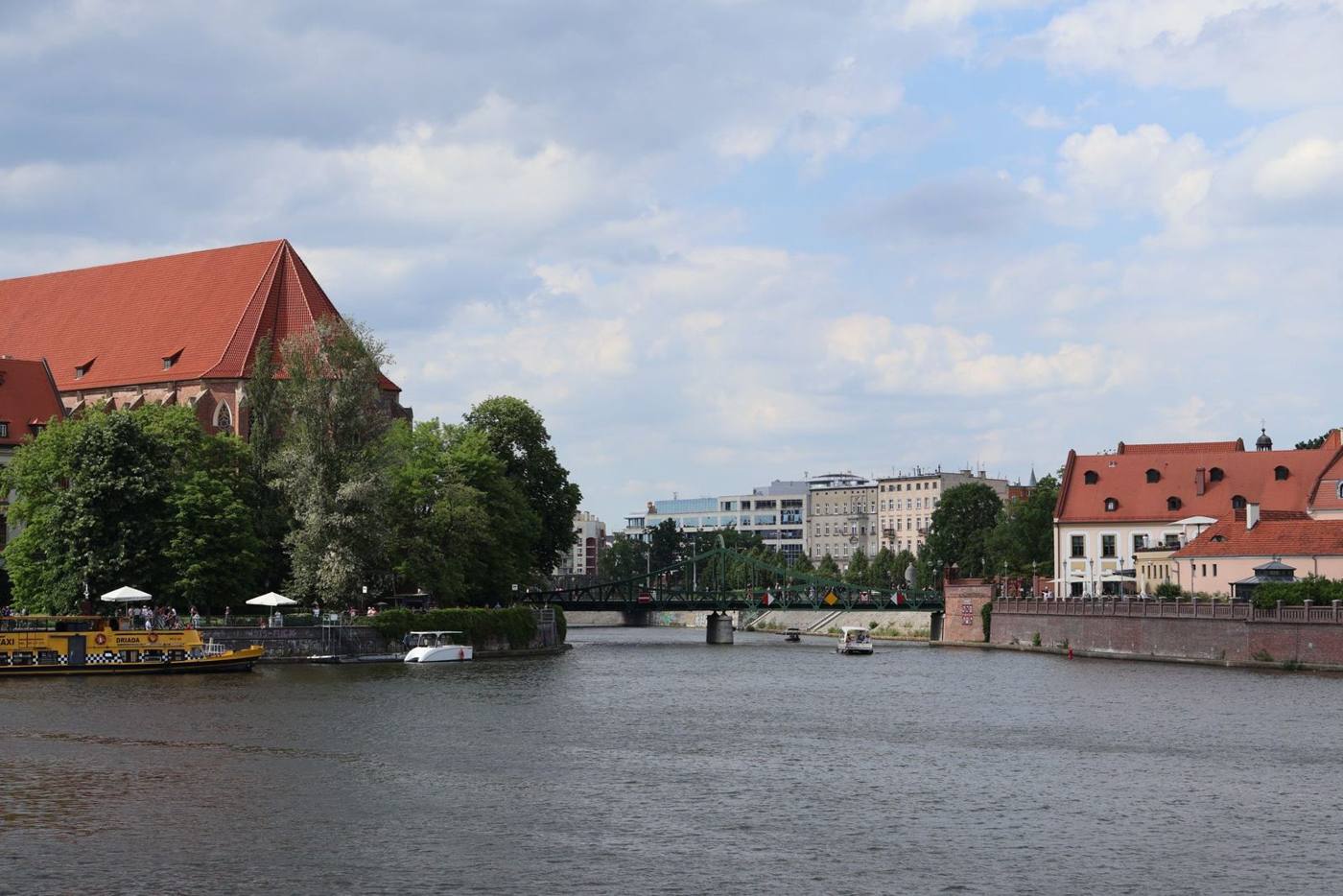
Wrocław and Lower Silesia
Wrocław and its bronze dwarfs, the UNESCO-listed wooden Churches of Peace, Książ Castle, the Chapel of Skulls and the rocks of the Table Mountains.
 6 daysEasy
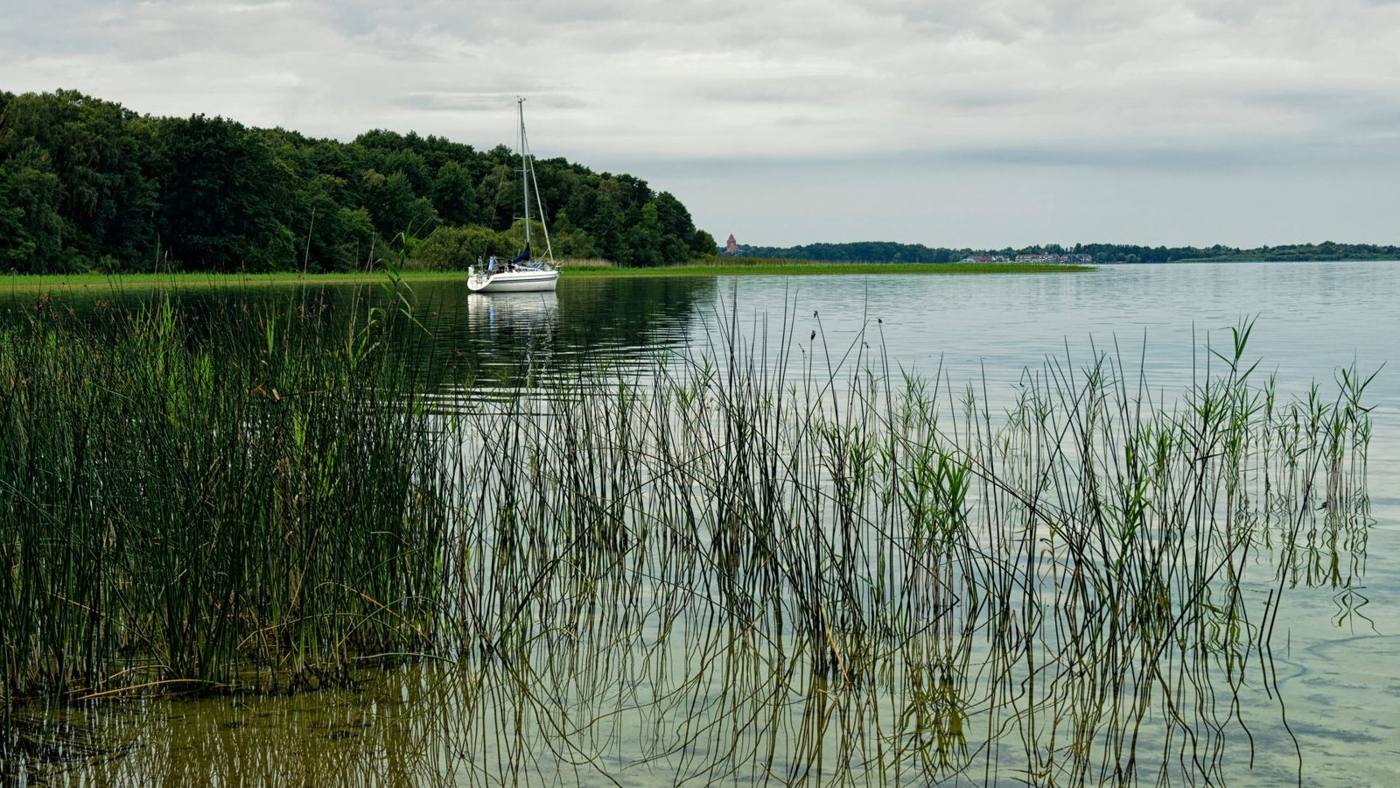
The Masurian Lakes
The land of a thousand lakes: kayaking on the Krutynia river, sailing on Lake Śniardwy, the Wolf's Lair and the baroque sanctuary of Święta Lipka.
 4 daysEasy
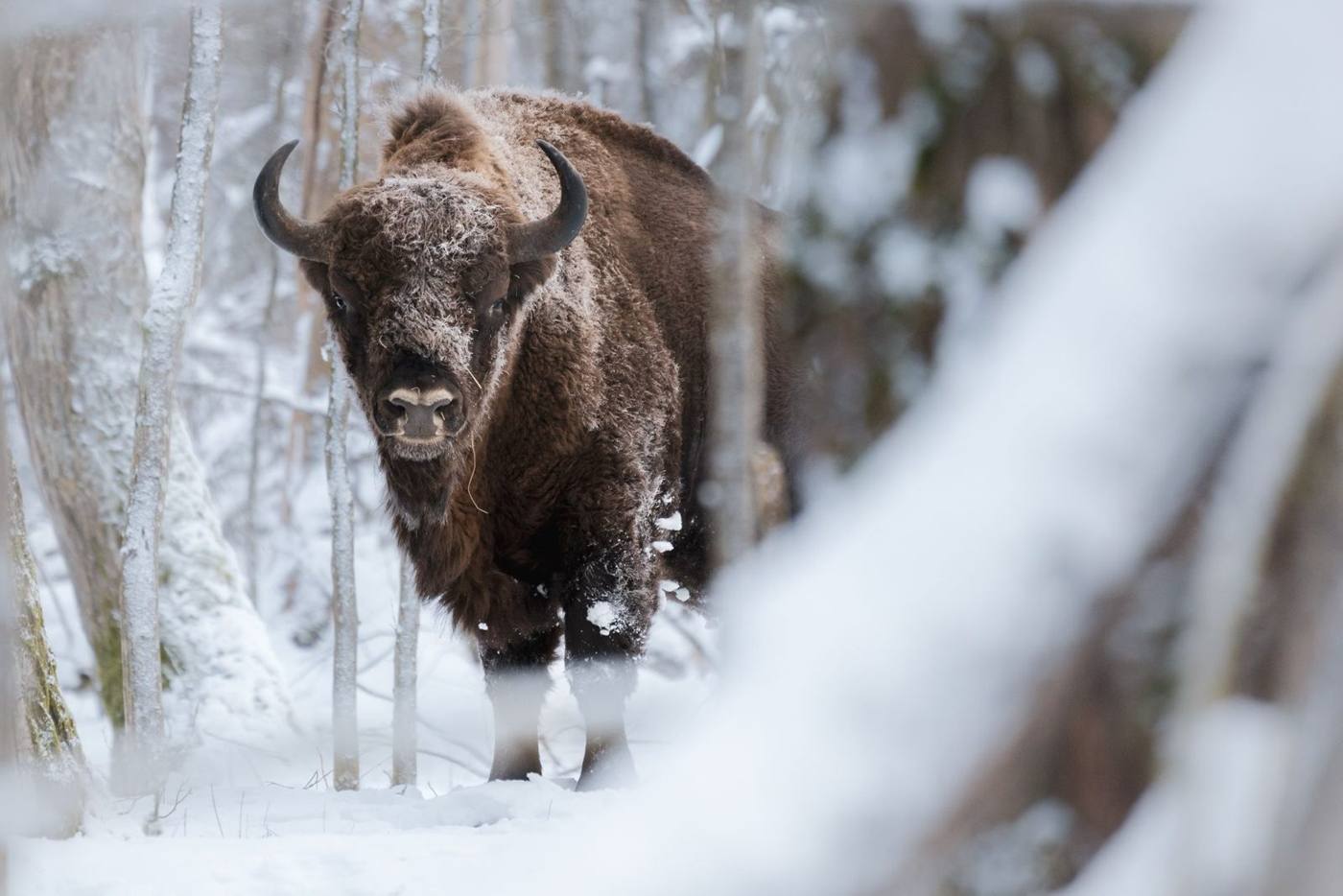
Białowieża and the bison
Europe's last primeval lowland forest, a UNESCO site, with European bison roaming wild, the strict reserve with a guide and the Biebrza marshes.