Gdańsk and the Baltic
The Tri-City of Gdańsk, Sopot and Gdynia, Malbork Castle, the Hel Peninsula and the shifting dunes of Słowiński park.
- Gdańsk
- Sopot
- Gdynia
- Hel
- Łeba
- Malbork
Day by day
- Day 1
Gdańsk: the Royal Way and the crane on the river
This five-day trip takes you to the Baltic, in northern Poland: Gdańsk, the old city of the Hanseatic League, nearby Sopot and Gdynia, the shifting dunes of Łeba or the Hel Peninsula, and the Teutonic Knights' castle of Malbork.
Before you go: Poland is part of the European Union and the Schengen area, but uses the złoty, not the euro. Italian citizens only need an electronic identity card valid for travel abroad or a passport; the paper identity card has not been valid for travel abroad since 3 August 2026. Other nationalities should check their own rules. Crime is low, but Italian travel advice warns of pickpockets at airports, stations and tourist sites and recommends using only official taxis. When you pay by card, always choose to pay in złoty.
Enter the centre through the Golden Gate and walk the Royal Way, along Długa Street and the Long Market, with the tall, narrow merchants' houses, the Neptune Fountain and Artus Court, where the rich traders used to meet. Much of the centre was destroyed in 1945 and then carefully rebuilt. At the end, the Green Gate opens onto the river Motława.
Walk along the river to the great fifteenth-century wooden crane, which loaded the ships and is now part of the National Maritime Museum. Check prices and times. Then go into Mariacka Street, with the steps in front of the houses and the animal-shaped gargoyles, and into St Mary's Basilica, one of the largest brick churches in the world. If you have the energy, climb the tower.
Sleep in Gdańsk, for four nights.
Practical tip: in summer Gdańsk is very popular with Poles; book your accommodation well in advance.
- Day 2
The Museum of the Second World War, Solidarity and Westerplatte
On the second day you discover why Gdańsk is at the centre of twentieth-century history.
In the morning visit the Museum of the Second World War, a modern leaning building near the river, opened in 2017. It tells the story of the war from the point of view of civilians, in Poland and across Europe, with objects, reconstructed streets and testimonies. It is large: allow at least three hours. Check prices and times.
In the early afternoon take the bus or, in summer, the boat to Westerplatte, a peninsula at the entrance to the port. Here at dawn on 1 September 1939 the German warship Schleswig-Holstein opened fire on the Polish military depot: this is considered the start of the Second World War. The Polish soldiers held out for seven days. Today you see the ruins of the barracks, the bunkers and a large monument on the hill.
Go back to town and head to the shipyards, where in August 1980 the workers' strike led by Lech Wałęsa gave birth to Solidarity, the first independent trade union in the Soviet bloc. In front of the gate stands the monument to the workers killed in 1970, with three very tall crosses. Next to it, the European Solidarity Centre tells how that movement changed the history of Central Europe. Check prices and times.
In the evening have dinner on the banks of the Motława and try Baltic fish, such as herring or cod.
Practical tip: at Westerplatte there is little shelter from the sun and wind; bring a jacket even in summer.
- Day 3
Sopot and its pier, modernist Gdynia
Today you visit the other two towns of the Tricity, linked to Gdańsk by a fast and frequent commuter train along the coast.
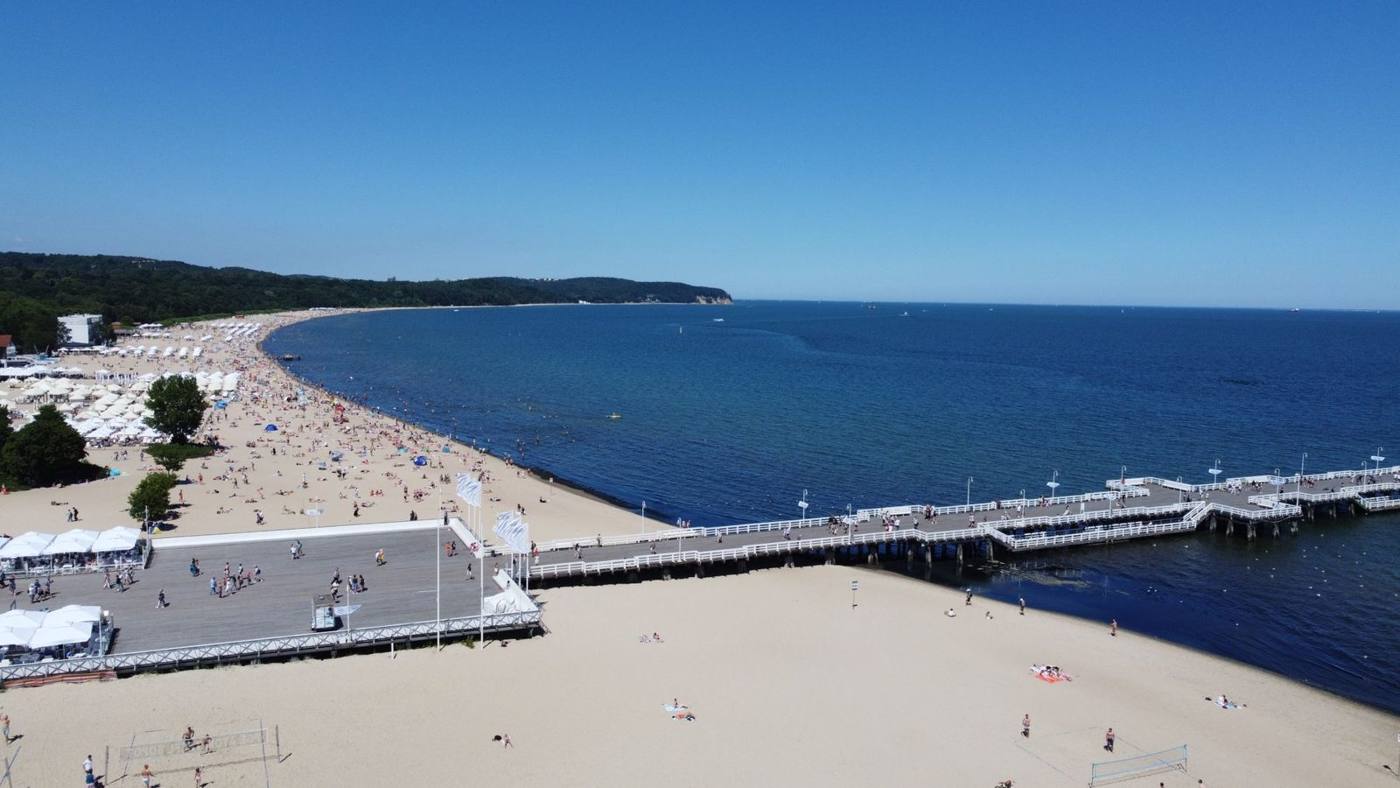
In about twenty minutes you reach Sopot, the most famous seaside resort in Poland. Walk down Monte Cassino Street, the busy pedestrian street, to the sea. Here starts the longest wooden pier in Europe, over five hundred metres long, stretching into the Baltic. In season there is a charge to walk on the pier: check prices and times. From the end you see the long pale sandy beach and, on clear days, the Hel Peninsula. If it is hot, have a swim: the Baltic is cold, around eighteen to twenty degrees in August.
In the afternoon continue to Gdynia, a young city. Until the 1920s it was a fishing village; then independent Poland turned it into its great port, with white modernist buildings with curved lines, like ships. Walk along the harbour pier, where two museum ships are moored: the destroyer Błyskawica, from the Second World War, and the sailing ship Dar Pomorza, a training ship. Check prices and times.
At sunset climb the hill of Kamienna Góra, above the centre, to see the port and the sea from above.
In the evening take the train back to Gdańsk.
Practical tip: for the Tricity train buy a day ticket or use the app; always validate before boarding.
- Day 4
The dunes of Łeba or the Hel Peninsula
On the fourth day you choose between two different Baltic landscapes.
The first choice is the shifting dunes of Słowiński National Park, near Łeba, about two hours' drive west of Gdańsk. The park is a UNESCO biosphere reserve. The dunes are among the largest in Europe: the Łącka dune is about forty metres high and moves every year with the wind, burying the woods. It looks like a desert between the lake and the sea. From the park entrance you reach it on foot, by bike or, in season, by small electric vehicles and boats. Entry is charged: check prices and times. Then go down to the beach, long and almost wild.
The second choice is the Hel Peninsula, a strip of sand about thirty-five kilometres long, between the Gulf of Gdańsk and the open sea. In summer you get there by ferry from Gdańsk or Gdynia, in a couple of hours; out of season you need the train or a car. In the town of Hel visit the University of Gdańsk seal centre, where grey seals of the Baltic are cared for. Check prices and times. Then walk to the tip of the peninsula, among pines and low dunes.
In the evening go back to Gdańsk.
Practical tip: ferry times to Hel change with the season and the weather; check them the day before and buy your return ticket.
- Day 5
Malbork Castle and departure
On the last day you visit the most famous castle in Poland before leaving.
From Gdańsk take the train to Malbork, less than an hour away. The castle was the seat of the Teutonic Knights from the early fourteenth century and is the largest brick castle in the world, a UNESCO World Heritage Site. It has three parts, the High, Middle and Low Castle, with courtyards, chapels, refectories and the Grand Master's residence. It was badly damaged in 1945 and then restored. You visit with an audio guide, also in Italian; allow at least three hours. Check prices and times. For the best photo, cross the footbridge over the river Nogat and look at the castle from the other bank.
In the afternoon go back to Gdańsk for your departure. The airport is linked to the centre by train and bus.
Trip summary: in five days you have seen Gdańsk with the Royal Way, the crane, St Mary's, the Museum of the Second World War, Westerplatte and the Solidarity shipyards; Sopot and its pier; modernist Gdynia; the dunes of Łeba or the Hel Peninsula; and Malbork Castle.
When to go: from June to September, when the days are long and the sea is warm enough for a quick swim. July and August are crowded and expensive. In May and September there are fewer people, but some ferries and dune services run less often. In winter Gdańsk is cold and windy.
Practical tip: in Malbork leave your large backpack at the station left luggage or in town, because large bags can be a problem at the castle entrance.
Poland by the sea, with Hanseatic cities and long sandy beaches. The Baltic is cold, around 18-20°C in August. The Łeba dunes are among Europe's largest and look like a desert. Gdańsk is very popular with Poles in summer, so book lodging.
Before you go
- Documents and visa
- EU citizens need a valid identity card or passport: Poland is in the EU and the Schengen area. Carry a copy of your documents and keep the originals somewhere safe. Other nationalities should check the Schengen rules.
- Health and vaccines
- No compulsory vaccines. Healthcare is acceptable; Warsaw has clinics with English-speaking staff. EU citizens should bring their EHIC; take insurance covering medical costs and repatriation. Watch for ticks in the forests in summer and for ice in winter. Emergencies: 112.
- Money and payments
- Polish złoty (PLN), not the euro. Cards are accepted almost everywhere; when paying by card, choose to pay in złoty, not in your home currency.
- Power sockets
- Types C and E, 230 volts: you need an adapter for British plugs.
- Time zone
- Central European Time (UTC+1, summer UTC+2).
- Safety
- Crime is low, but watch out for pickpockets at airports, stations and tourist sites, for unofficial taxis and for scams in nightclubs. The areas near the borders with Belarus and Ukraine have restrictions and the situation changes often: do not go near the border and respect the no-entry signs. Official advice: GOV.UK.
Information checked in November 2026 for Italian and EU citizens. Rules change: always check before you travel.
Variations
In 3 days: Gdańsk, Westerplatte and Sopot, with Malbork on the last day.
In 7 days: do both the Łeba dunes and the Hel Peninsula, and add Toruń.
Frequently asked questions
Can you swim in the Baltic?
Yes, in summer. The water is cold, around eighteen to twenty degrees in August, and the beaches are long and sandy. Follow the lifeguards' flags.
How do I get to Malbork from Gdańsk?
By train, in less than an hour. The castle is a few minutes' walk from the station. Check the castle's prices and times.
Do I need a car?
Not for Gdańsk, Sopot, Gdynia and Malbork: trains are enough. For the Łeba dunes a car is easier; for Hel there is a ferry in summer.
Indicative itinerary written by World Atlas. Before booking, check timetables, seasonal openings, documents and safety.
 5 daysModerate
Zakopane and the Tatras
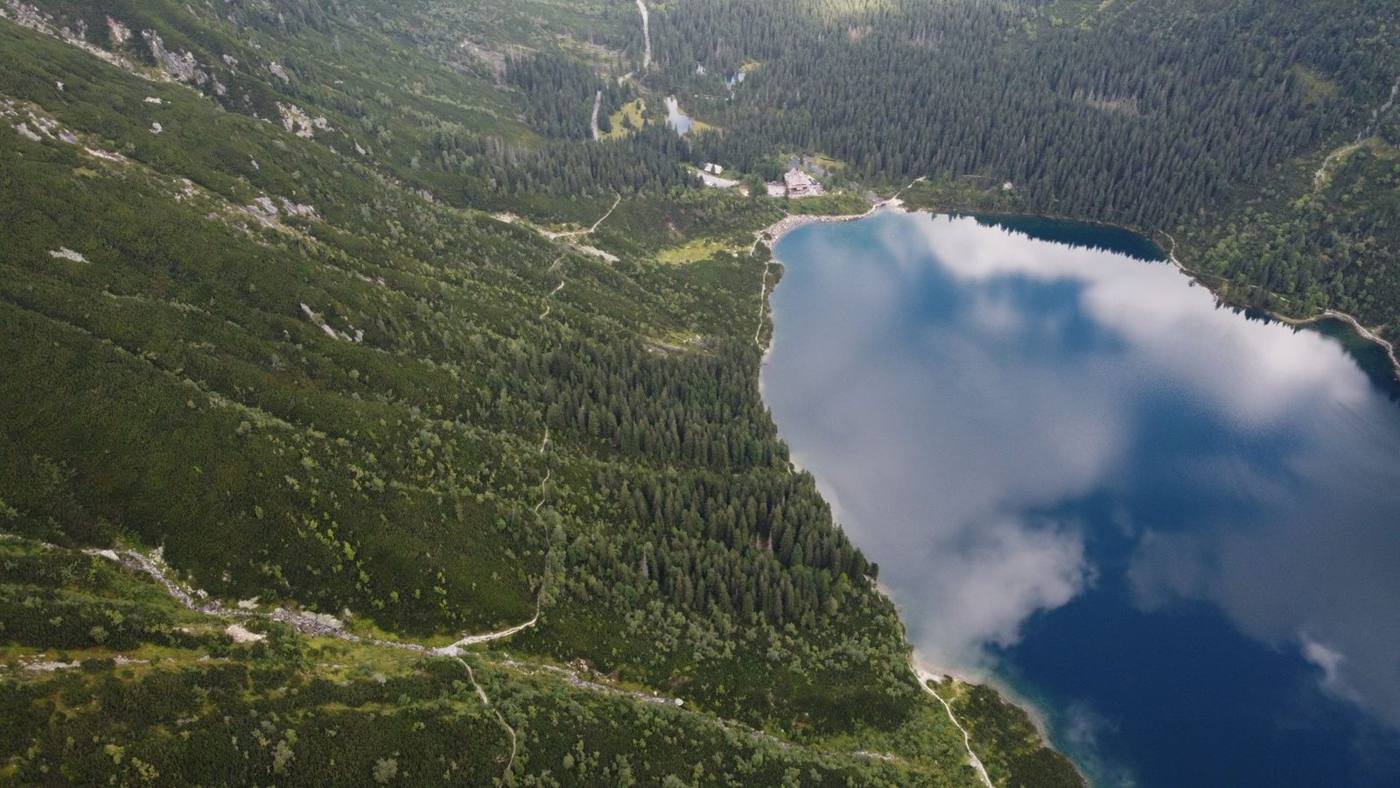
Poland's winter capital, the wooden houses of the Górale highlanders, Morskie Oko lake, Kasprowy Wierch and the Valley of Five Lakes.
 5 daysEasy
Wrocław and Lower Silesia
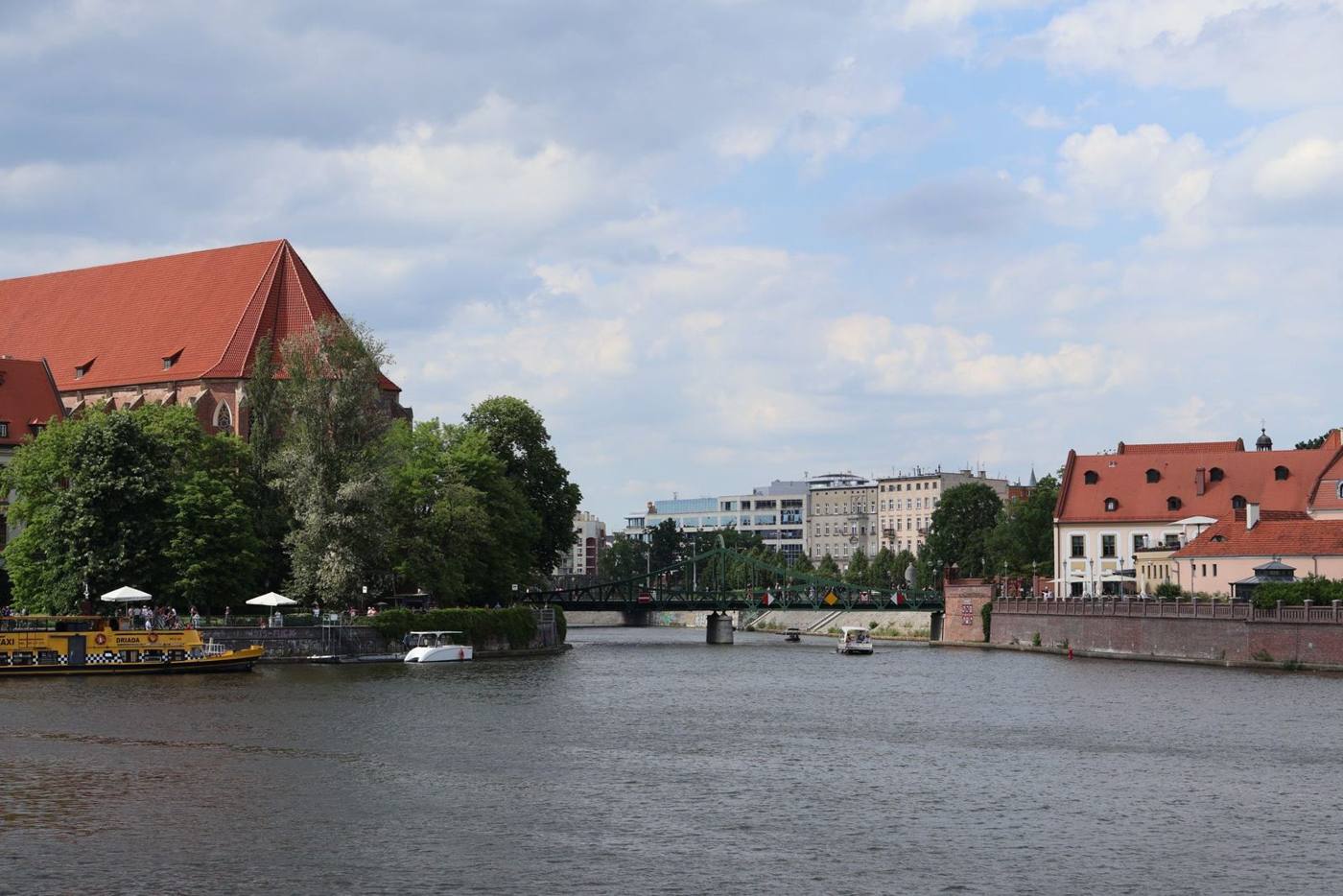
Wrocław and its bronze dwarfs, the UNESCO-listed wooden Churches of Peace, Książ Castle, the Chapel of Skulls and the rocks of the Table Mountains.
 6 daysEasy
The Masurian Lakes
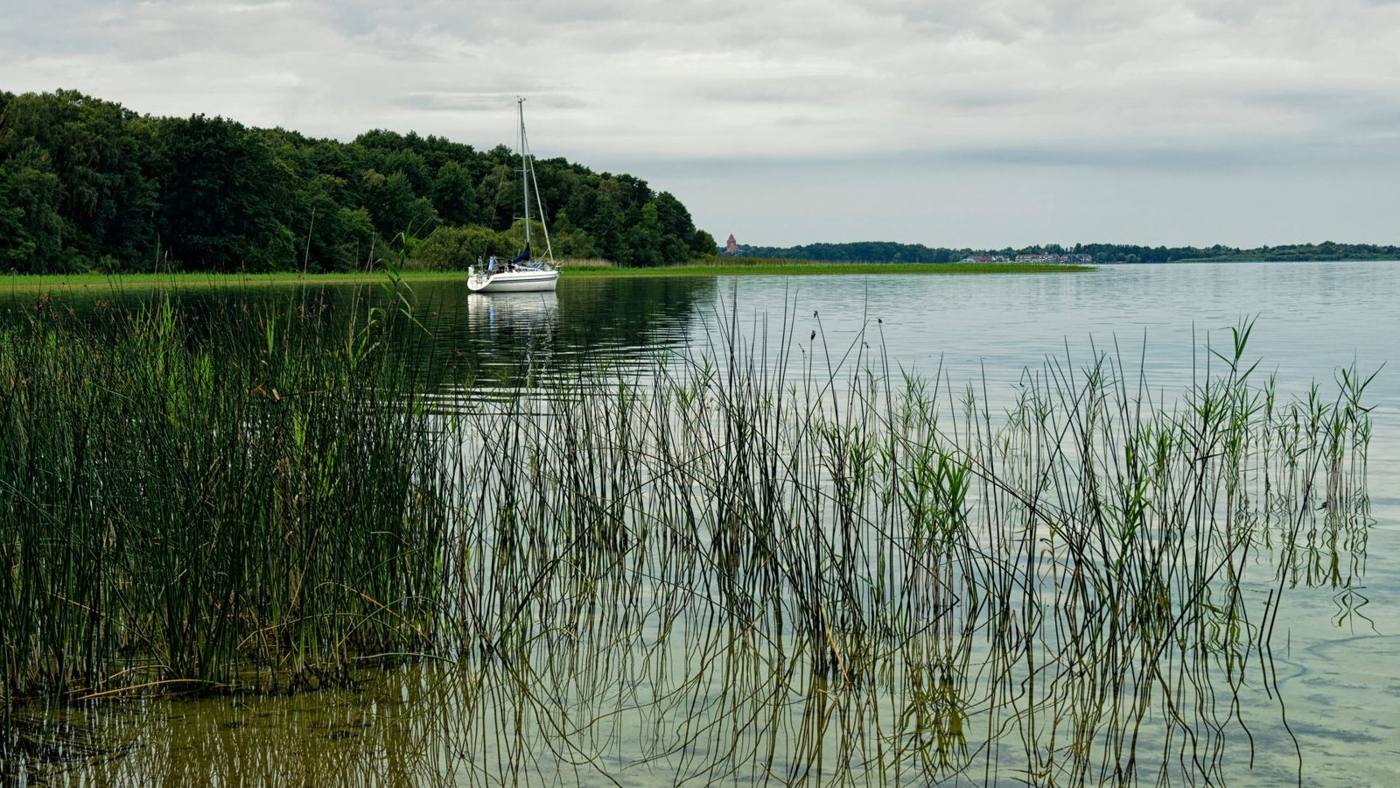
The land of a thousand lakes: kayaking on the Krutynia river, sailing on Lake Śniardwy, the Wolf's Lair and the baroque sanctuary of Święta Lipka.