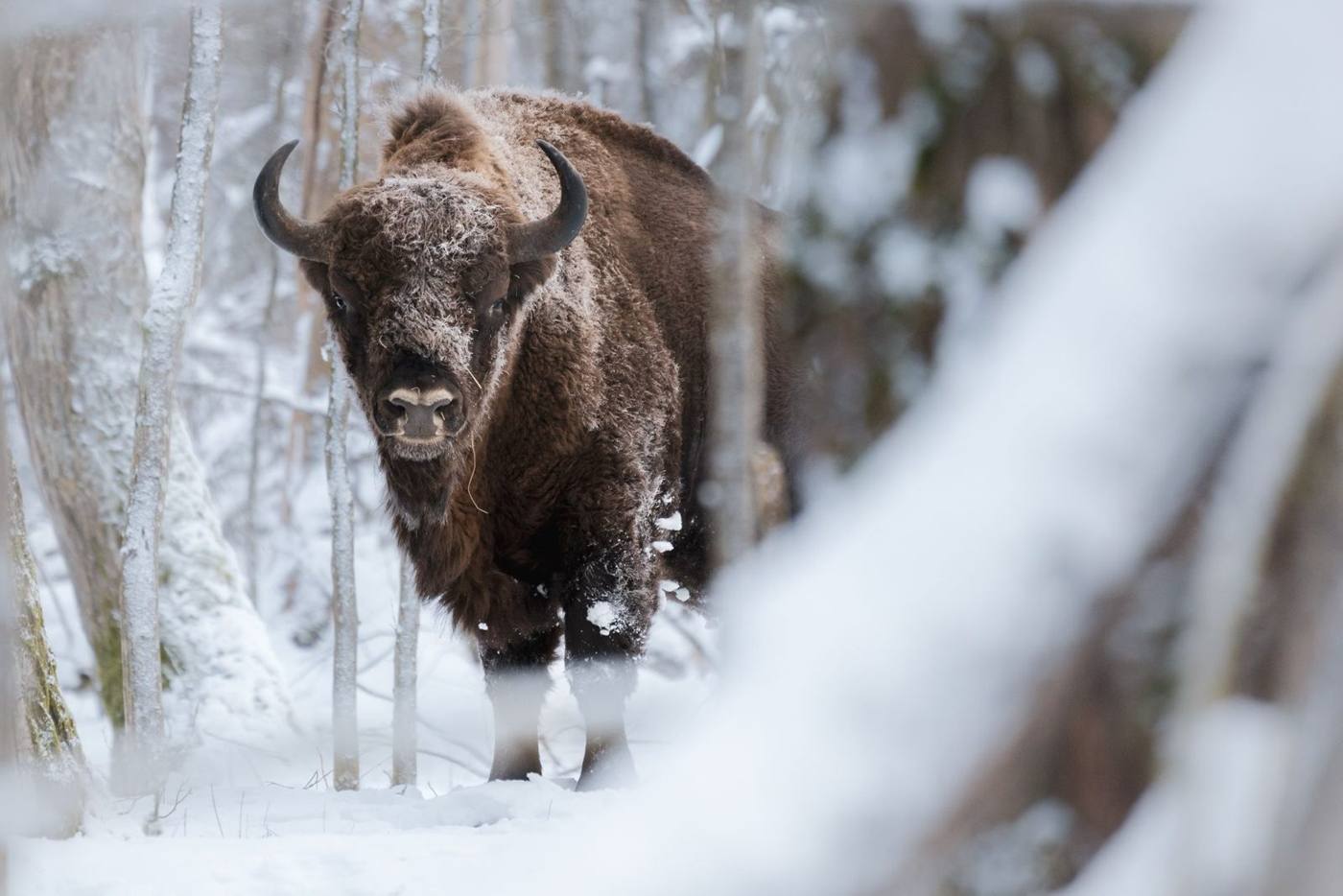
Białowieża and the bison
Europe's last primeval lowland forest, a UNESCO site, with European bison roaming wild, the strict reserve with a guide and the Biebrza marshes.
- Białystok
- Białowieża
- Rezerwat Ścisły
- Biebrza
Day by day
- Day 1
Białystok and the transfer to Białowieża
This four-day trip takes you to Podlasie, the north-eastern corner of Poland: Białystok, the Białowieża Forest, the last great lowland primeval forest in Europe and a UNESCO World Heritage Site, with European bison living in the wild, and the marshes of Biebrza National Park.
Before you go: Poland is part of the European Union and the Schengen area, but uses the złoty, not the euro. Italian citizens only need an electronic identity card valid for travel abroad or a passport; the paper identity card has not been valid for travel abroad since 3 August 2026. Other nationalities should check their own rules. Some areas on this trip are close to borders or places where the situation changes often: check your government's travel advice before booking and again before you leave. The Białowieża Forest lies on the border with Belarus: never go near the border, follow only open trails, respect the no-entry signs and always carry your ID.
You reach Białystok by train from Warsaw in about two hours. In the morning visit the Branicki Palace, the great eighteenth century baroque residence known as the Versailles of Podlasie, with its French garden. Then walk around Kościuszko Square, with the town hall, and look at the city's Catholic and Orthodox churches, a sign of a region where different cultures live side by side.
In the afternoon continue by car or bus to Białowieża, about two hours' drive through fields, wooden villages and ever thicker woods. The village is small, with colourful wooden houses and an Orthodox church.
Sleep in Białowieża, for three nights.
Practical tip: the woods in this area are full of ticks; use repellent and check your skin every evening.
- Day 2
The strict reserve with a guide and the palace park
Today you enter the heart of the oldest forest in Europe.
In the morning go into the strict reserve of Białowieża National Park, the most protected part of the forest, where trees have grown and died without human intervention for centuries. It can be visited only with a licensed park guide, on foot, along a route of a few kilometres. Places are limited: book well ahead. Check prices and times.
You walk among huge oaks tens of metres tall, limes, hornbeams and spruces, and among fallen trunks covered in moss and fungi. Dead wood is essential: it is home to thousands of insects, fungi, woodpeckers and owls. The guide explains how to recognise the tracks of bison, deer, elk and wolves.
In the afternoon visit the palace park in the village, with ponds and avenues, where the tsars' hunting palace once stood. Here you also find the education centre and natural history museum of the national park, which tells the life of the forest: check whether it is open and its times.
Then go to the bison show reserve, just outside the village, with large enclosures in the woods where you see bison, konik horses, elk and wolves up close. Check prices and times.
In the evening try the cooking of Podlasie, with kartacz, the large potato dumpling filled with meat.
Sleep in Białowieża.
Practical tip: do not fly drones over the park or near the border: it is forbidden and the fines are heavy.
- Day 3
Bison at dawn
Today you get up very early to look for the European bison in the wild.
The bison is the largest land mammal in Europe: an adult male can weigh almost a tonne. In 1919 the last wild bison was killed in this very forest. Starting from animals that had survived in zoos, the Poles began breeding them again, and in 1952 the first bison were released into Białowieża once more. Today hundreds of them live here.
Before dawn set off with a local naturalist guide towards the meadows and clearings at the edge of the forest, where bison come out to graze in the first hours of the day. Sightings are not guaranteed, but the guide knows the places and greatly improves your chances. Stay silent, keep your distance and never approach: the bison looks slow but can charge. In the morning light you may also see red deer, roe deer and, with great luck, a wolf or a lynx.
In the middle of the morning return to Białowieża and rest.
In the afternoon hire a bike and follow one of the signposted routes in the part of the forest open to visitors, on sandy and dirt forest roads, between clearings and villages. Stay only on open routes and follow the signs.
At sunset try a second outing to the meadows: evening is also a good time for bison.
Sleep in Białowieża.
Practical tip: in winter, with snow, the bison come closer to the meadows where they are fed and are easier to see; dress in layers and bring gloves and a hat.
- Day 4
The Biebrza marshes and departure
On the last day you leave the forest for one of the largest wetlands in Europe.
Early in the morning drive north to Biebrza National Park, the largest in Poland, about two and a half hours away. It is an expanse of marshes, peat bogs, reed beds and flooded meadows along the river Biebrza, one of the last landscapes of its kind left so intact in Europe. In spring it is a paradise for birds: you see cranes, white storks, waders, ruffs with their coloured collars, eagles and the rare aquatic warbler, a small bird of the reed beds.
Follow the Tsar's Road, an old road that crosses the park, and stop at the observation towers and the wooden boardwalks over the marsh. At dawn and dusk it is also easy to see elk, which are plentiful here. Visit the park information centre for maps and rules. Check prices and times.
In the afternoon continue to Warsaw, in about three hours, or go back to Białystok for the train, and leave.
In short: in four days you have seen Białystok and its palace, the strict reserve of Białowieża with a guide, bison at dawn and the Biebrza marshes with their birds.
When to go: from May to October for walking and cycling in the forest; April and May are the best months for the birds of Biebrza. Winter is perfect for seeing bison in the snow, but it is very cold.
Practical tip: bring binoculars, waterproof shoes and repellent: in the marshes the grass is wet and in summer there are lots of mosquitoes.
Europe's best place to see bison in the wild, in an ancient forest. Sightings are not guaranteed: local guides greatly improve your chances, especially at dawn and in winter. The forest lies on the Belarus border, where there is a military zone, so respect the restrictions and check the advisories.
Before you go
- Documents and visa
- EU citizens need a valid identity card or passport: Poland is in the EU and the Schengen area. Carry a copy of your documents and keep the originals somewhere safe. Other nationalities should check the Schengen rules.
- Health and vaccines
- No compulsory vaccines. Healthcare is acceptable; Warsaw has clinics with English-speaking staff. EU citizens should bring their EHIC; take insurance covering medical costs and repatriation. Watch for ticks in the forests in summer and for ice in winter. Emergencies: 112.
- Money and payments
- Polish złoty (PLN), not the euro. Cards are accepted almost everywhere; when paying by card, choose to pay in złoty, not in your home currency.
- Power sockets
- Types C and E, 230 volts: you need an adapter for British plugs.
- Time zone
- Central European Time (UTC+1, summer UTC+2).
- Safety
- Crime is low, but watch out for pickpockets at airports, stations and tourist sites, for unofficial taxis and for scams in nightclubs. The areas near the borders with Belarus and Ukraine have restrictions and the situation changes often: do not go near the border and respect the no-entry signs. Official advice: GOV.UK.
Information checked in November 2026 for Italian and EU citizens. Rules change: always check before you travel.
Variations
In 3 days: Białowieża with the strict reserve and bison at dawn, without Biebrza.
In 6 days: add two days in Warsaw, at the start or the end.
Frequently asked questions
Are you sure to see bison?
No, sightings in the wild are not guaranteed. With a local guide, at dawn and in winter, the chances are very good. In the show reserve near the village you always see them.
Is it wise to go near the border with Belarus?
No. Stay away from the border, follow only open trails, respect the no-entry signs and carry your ID. Check your government's travel advice before booking and again before you leave.
What document do I need for Poland?
Italian citizens only need an electronic identity card valid for travel abroad or a passport. Other nationalities should check their own rules.
Indicative itinerary written by World Atlas. Before booking, check timetables, seasonal openings, documents and safety.
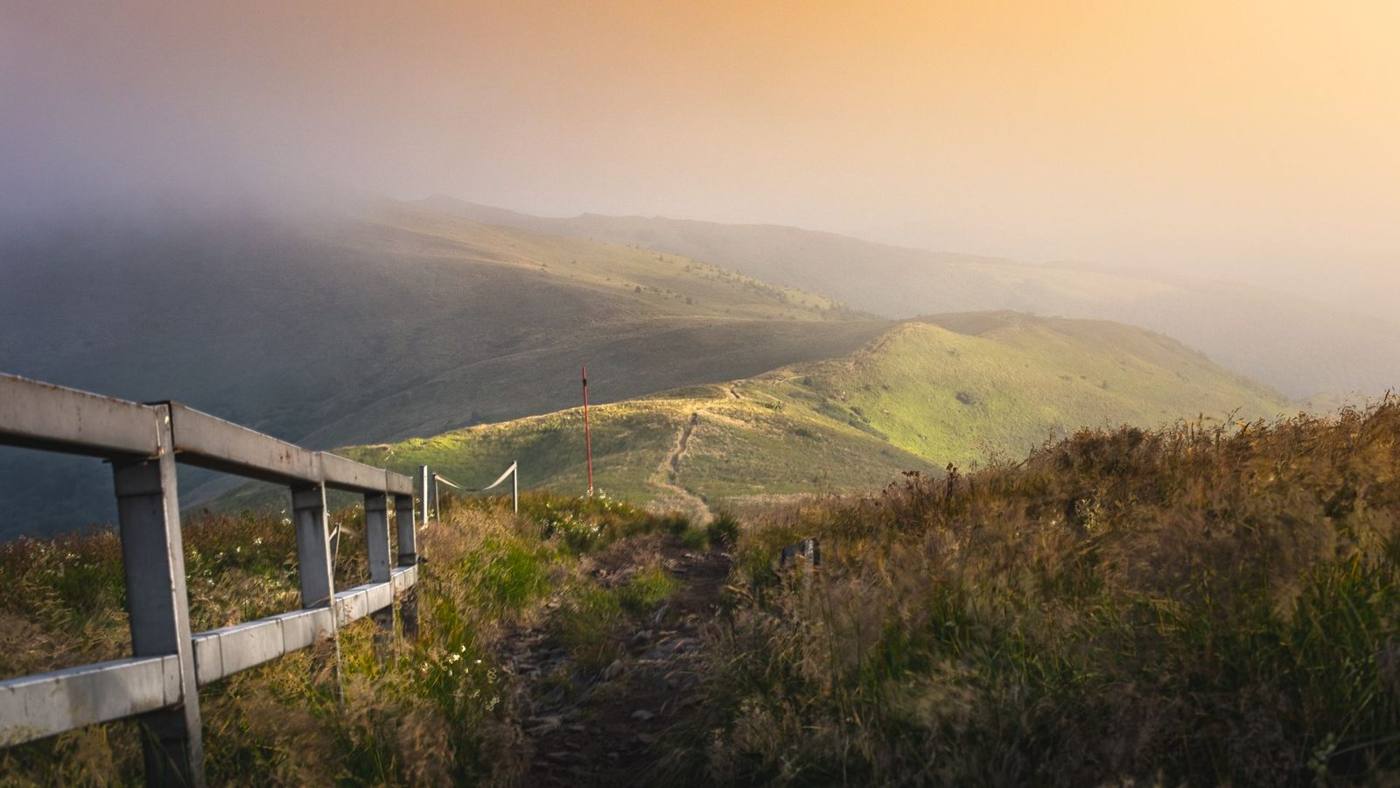 5 daysModerate
The Bieszczady Mountains
Poland's wildest corner: the high połoniny meadows, the UNESCO wooden churches, Lake Solina and the forest railway.
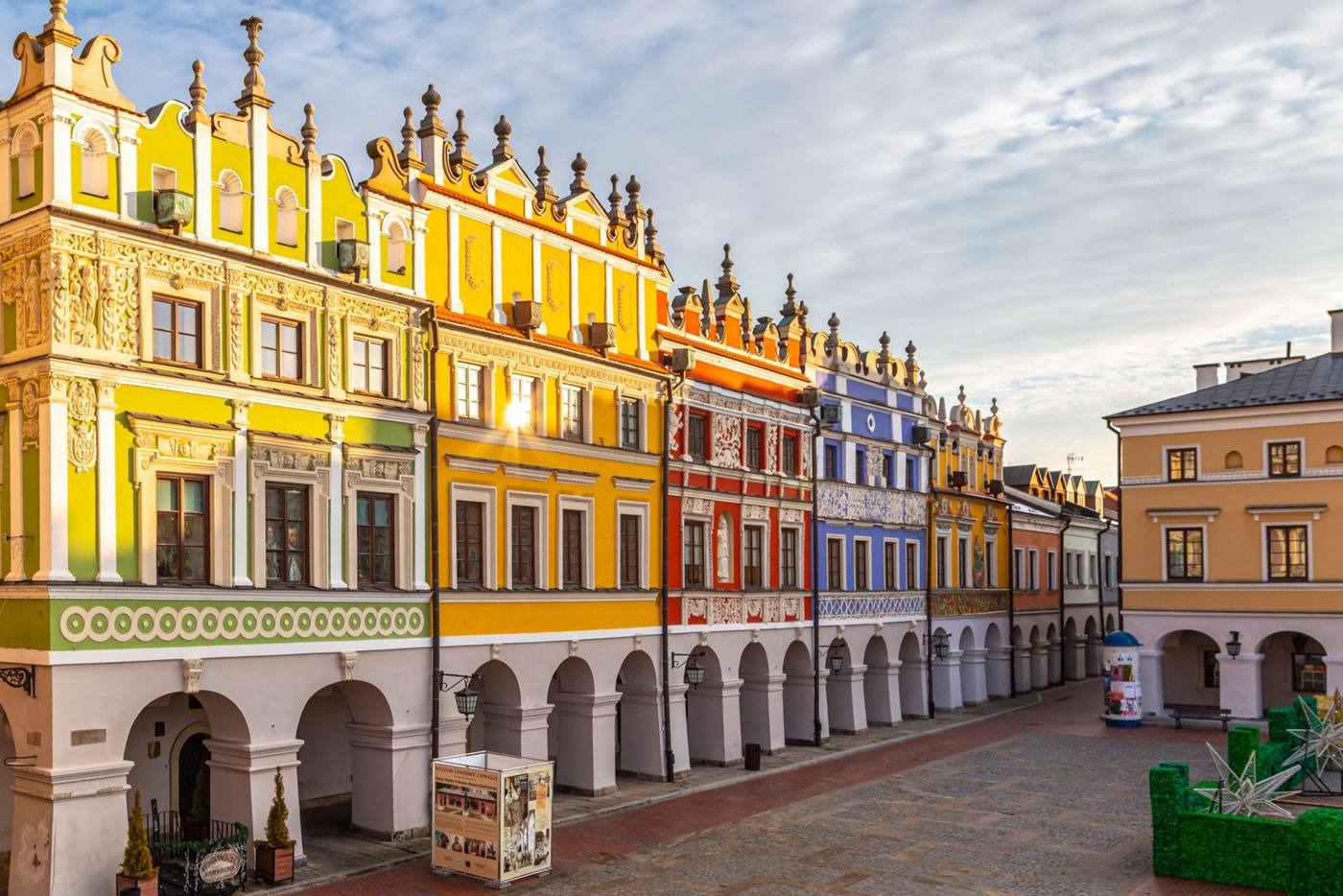 5 daysEasy
Lublin, Kazimierz Dolny and Zamość
Eastern Poland: the ideal Renaissance town of Zamość, Lublin and its Holy Trinity Chapel, the artists' village of Kazimierz Dolny on the Vistula and the Majdanek memorial.
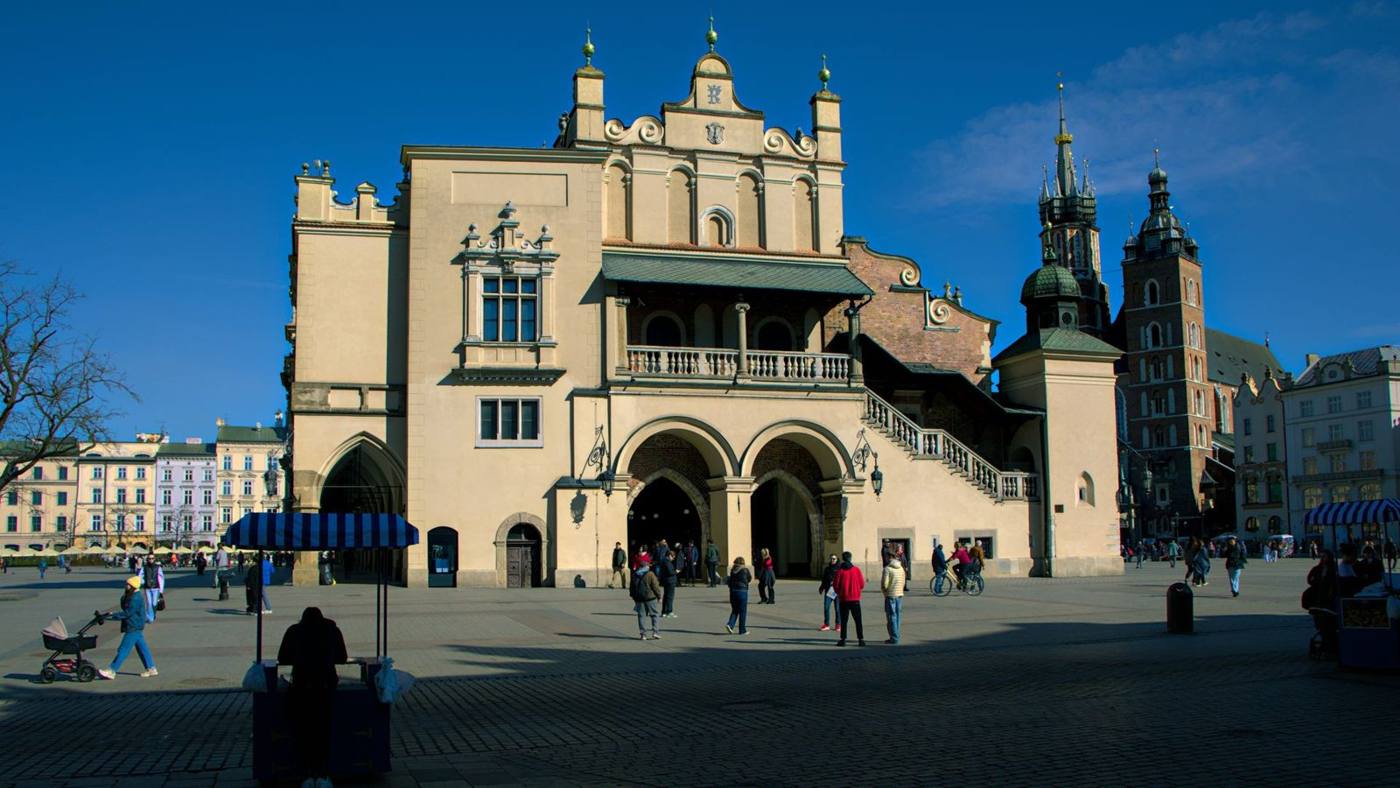 5 daysEasy
Kraków and Auschwitz
The Market Square and Wawel, the Jewish quarter of Kazimierz, Schindler's Factory, the Wieliczka salt mine and the Auschwitz-Birkenau memorial.