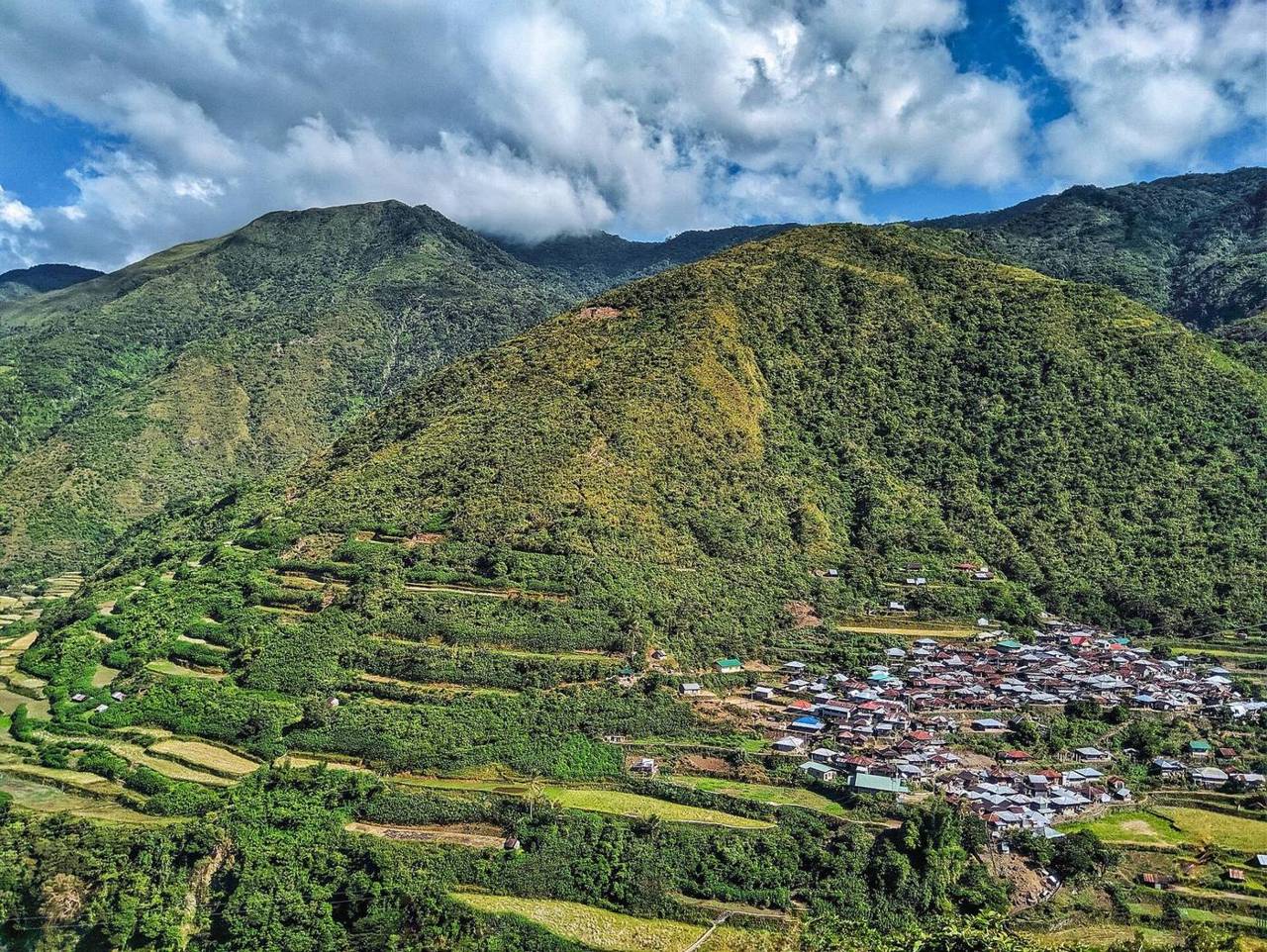
Kalinga and the Cordillera mountains
The less-travelled mountainous north: Baguio, the cool highland city, the mountain road to Kalinga province, the rice terraces of Bugnay and the village of Buscalan, where traditional tattooing is handed down, reached on foot through the fields.
- Manila
- Baguio
- Bontoc
- Tinglayan
- Buscalan
Day by day
- Day 1
From Manila to Baguio
The Cordillera is the great mountain range of northern Luzon, the main island of the Philippines. It is home to the mountain peoples, such as the Ifugao, Bontoc and Kalinga, who for centuries have carved the slopes with terraced rice fields and kept their own languages, rites and traditions. This trip goes to the villages of Kalinga province, famous for their rice terraces and the ancient art of tattooing. In five days you climb from the plains to villages reachable only on foot.
In the morning, leave Manila by bus heading north to Baguio, in about five or six hours. The road crosses the central plain of Luzon, with rice fields and towns, then climbs a mountain road through pine trees.
Baguio lies at about one thousand five hundred metres. During the American period, in the early twentieth century, it was built as a summer capital to escape the heat of Manila, and it is still the coolest city in the Philippines.
In the afternoon, walk in Burnham Park, with its pond and boats, and visit the city's large market, where strawberries, mountain vegetables, Cordillera coffee and traditional textiles are sold. If you have time, go up to the Mines View viewpoint, overlooking the valleys and the old gold mines.
In the evening, try Cordillera coffee and mountain dishes such as pinikpikan, chicken cooked with ginger and smoked meat, part of the traditional cooking of the mountain peoples.
Practical tip: Baguio is cool in the evening, even when Manila is hot. Bring a sweatshirt and a light jacket.
- Day 2
The mountain road to Bontoc and Tinglayan
Early in the morning, leave Baguio on the Halsema, one of the highest roads in the Philippines, which runs along the Cordillera ridges among pines, vegetable gardens grown on very steep slopes and small villages. In places it goes above two thousand metres, and on clear days you see deep valleys and mountains one behind the other.
After about six hours you reach Bontoc, the capital of Mountain Province. Visit the small Bontoc Museum, which tells the story of the Cordillera peoples, with old photographs, ritual objects, weapons and reconstructions of traditional huts.
In the afternoon, continue north along the Chico river valley to Tinglayan, in Kalinga province, in about an hour and a half to two hours. Here the road follows the river between mountains, and on the slopes you see the first Kalinga rice terraces.
In Tinglayan, register at the local tourism office and meet the guide who will take you to the villages. The communities ask visitors to walk with a local guide and to pay a small environmental and community fee.
In the evening, sleep in a simple guesthouse in Tinglayan or in one of the nearby villages.
Practical tip: the road from Baguio to Bontoc and Kalinga is long, with bends and, in the rainy season, landslides. Start early and allow a spare day.
- Day 3
On foot through the rice terraces to Buscalan
In the morning, with the guide, leave the road and walk up to the village of Buscalan, in about an hour to an hour and a half. The path climbs through rice terraces built with dry-stone walls, crosses streams and woods, and passes small field huts.
Buscalan is a Kalinga village built on the mountainside, with houses of wood, corrugated iron and concrete close together, linked by paths and steps. The rice terraces drop below the village, green or golden depending on the season.
Buscalan is famous throughout the Philippines for batok, the traditional Kalinga tattoo, done by hand with a citrus thorn fixed to a stick and tapped with another piece of wood, using an ink of soot and water. Tattoos were once a sign of courage for warriors and of beauty for women. Today the village's tattoo artists, heirs to this long tradition, welcome visitors from all over the country.
In the afternoon, walk around the village with the guide and watch daily life, the children, the elders with old tattoos on their arms and chests, and the work in the fields.
In the evening, sleep in one of the village family homes, on a mattress on the floor, with dinner of rice grown on the terraces.
Practical tip: a tattoo is permanent and there is often a long queue. If you decide to get one, make sure the tools are clean and ask the guide how it works.
- Day 4
Buscalan and Bugnay, a night in the village
In the morning at dawn, watch the mist rise from the valleys and cover the rice terraces while the village wakes and the women light the fires.
Then walk with the guide to the nearby village of Bugnay, in about an hour, on paths between the terraces and woods. Bugnay is smaller and quieter, with traditional houses and a farming community. The guide explains how rice is grown on the terraces, with a single harvest a year, how water is shared between families, and how communities decide important matters together.
The Kalinga are also known for bodong, the ancient system of peace pacts between villages, which regulated conflicts between communities and guaranteed the safety of those passing from one territory to another. Some of these pacts are still honoured.
In the afternoon, return to Buscalan or stay in Bugnay for the night. If the weather allows, go down to the river to swim in the clear pools.
In the evening, if there is a village celebration, listen to the bronze gongs, the gangsa, played by the men during the dances.
Practical tip: bring a useful gift for the family hosting you, such as coffee, sugar, rice or school supplies, instead of sweets. Always ask permission before taking photographs.
- Day 5
Back to Baguio or Manila
On your last morning, walk down from the village to the road, in about an hour, and set off south. The journey back is long: about eight or nine hours to Baguio, or more than twelve to Manila. Many travellers spend the night in Baguio and continue the next day.
Alternatively, you can return via Banaue, south of Bontoc, to see the famous Ifugao rice terraces, a UNESCO site, and the village of Batad, with its amphitheatre-shaped terraces. Night buses leave Banaue for Manila.
Another option is to stop at Sagada, about an hour from Bontoc, a mountain town with caves, waterfalls and coffins hanging from rock walls, an ancient funeral rite of the mountain peoples.
This trip combines well with other parts of northern Luzon, such as Vigan, the Spanish colonial town that is a UNESCO site, or with the rest of the Philippines, such as Palawan or the Visayas islands.
Practical tip: Italian citizens can enter the Philippines without a visa for up to 30 days and must register online with eTravel before arrival. The US government rates the Philippines level 2 of 4, exercise increased caution, with some higher-risk areas in the south of the country. Check the latest advisories for the Cordillera before you go and always walk with a local guide.
Entry to Kalinga requires a registered local guide, which is compulsory. Mountain roads are long and landslides occur in the rains: avoid typhoon season. Respect village rules and always ask before photographing people. EU citizens enter without a visa for up to 30 days; the eTravel form must be filled in online within 72 hours of departure. The UK advises against all travel to western and central Mindanao and the Sulu archipelago; the US also advises against the rural and mountainous interior of Leyte, Mindoro, Negros and Samar. From July to November typhoons can cancel flights and ferries.
Before you go
- Documents and visa
- Passport valid for at least six months and an onward ticket; no visa for tourism up to 30 days for EU citizens. In the 72 hours before the flight you fill in the no-cost eTravel form online.
- Health and vaccines
- No compulsory vaccines arriving from Europe. Protect yourself against mosquitoes because of dengue and keep away from dogs and monkeys because of rabies. Drink only bottled water. Emergencies: 911.
- Money and payments
- Philippine peso. On small islands cash machines are few and often empty: carry cash.
- Power sockets
- Types A, B and C, 220 volts: bring a universal adapter.
- Time zone
- UTC+8 all year.
- Safety
- The United States rates the Philippines level 2, with level 4 for the Sulu archipelago, the southern Sulu Sea and Marawi, and level 3 for much of Mindanao. Typhoons occur from June to November. Official advice: GOV.UK.
Information checked in November 2026 for Italian and EU citizens. Rules change: always check before you travel.
Variations
In 4 days: Sagada and Bontoc only, starting from Baguio.
In 8 days: add Sagada, Banaue and the Batad terraces before returning to Manila.
Frequently asked questions
When is the best time to go?
From December to May, the dry season. The terraces are most beautiful before the harvest, when they are green or golden. In the rainy season there are landslides on the roads.
Do I need a guide?
Yes. The communities ask visitors to walk with a local guide and to pay a small environmental and community fee.
What documents do I need?
A passport and online eTravel registration before arrival. Italian citizens can enter without a visa for up to 30 days.
Indicative itinerary written by World Atlas. Before booking, check timetables, seasonal openings, documents and safety.
 5 daysEasy
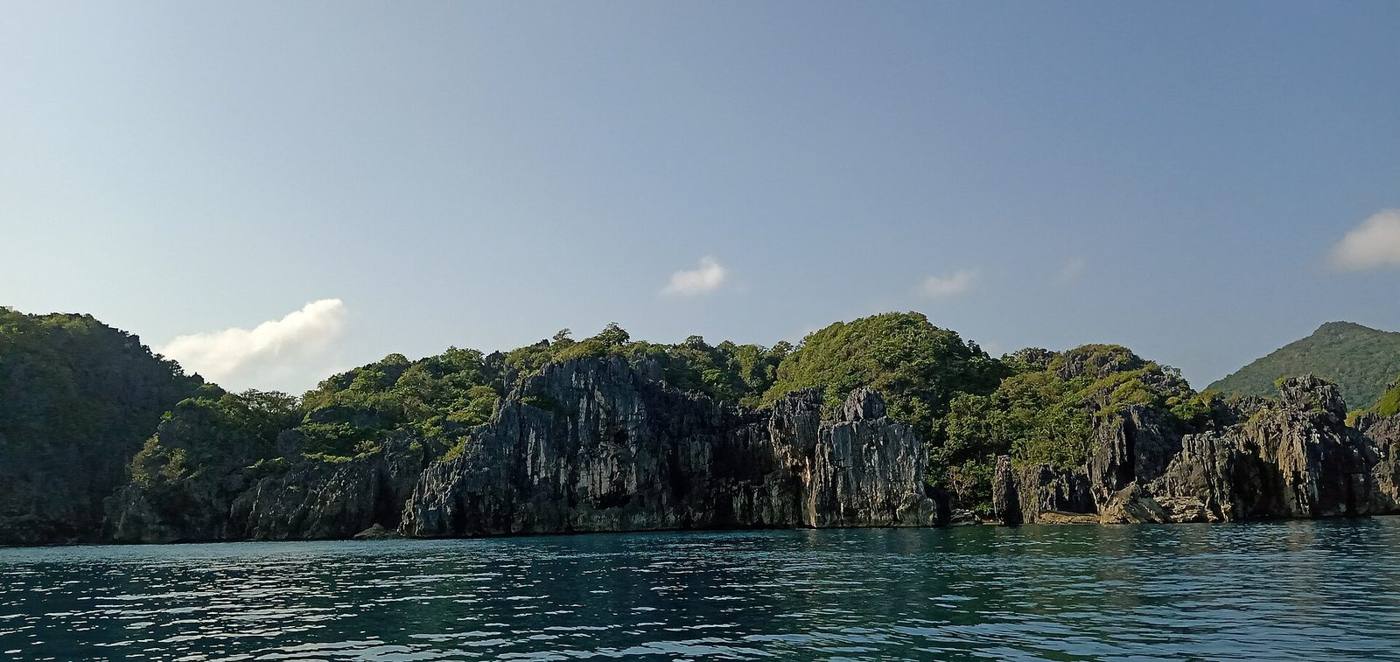
The Caramoan islands
A limestone archipelago in southern Luzon, chosen for many seasons of reality television: islets with white beaches between karst cliffs, lagoons, caves, the hilltop shrine at Guijalo and boat trips without the Palawan crowds.
 4 daysModerate
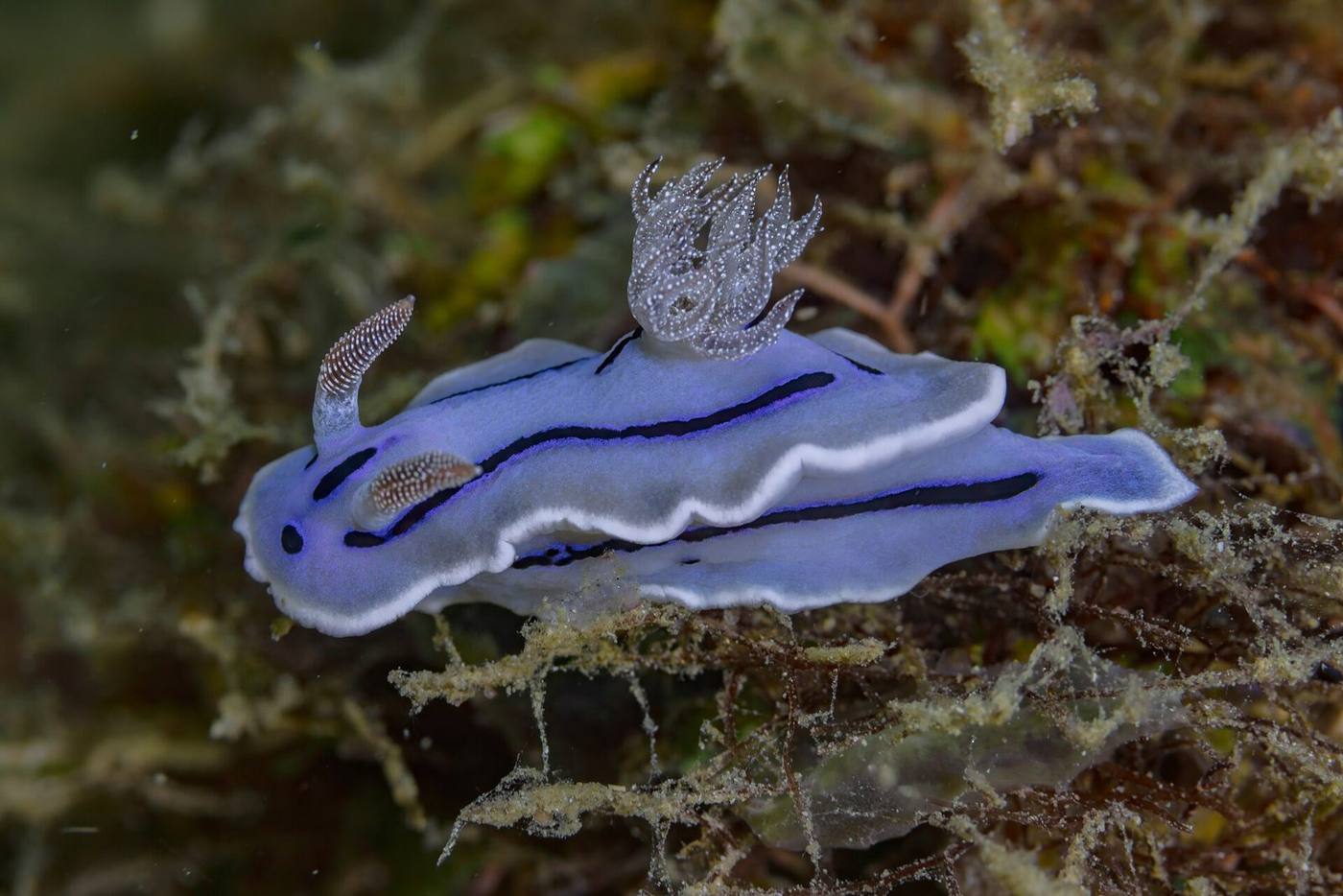
Diving in Anilao
The macro diving capital, three hours from Manila: nudibranchs in every colour, pygmy seahorses, mimic octopuses and frogfish on muck dives and reefs in Balayan Bay, and night dives for the smallest creatures.
 4 daysEasy
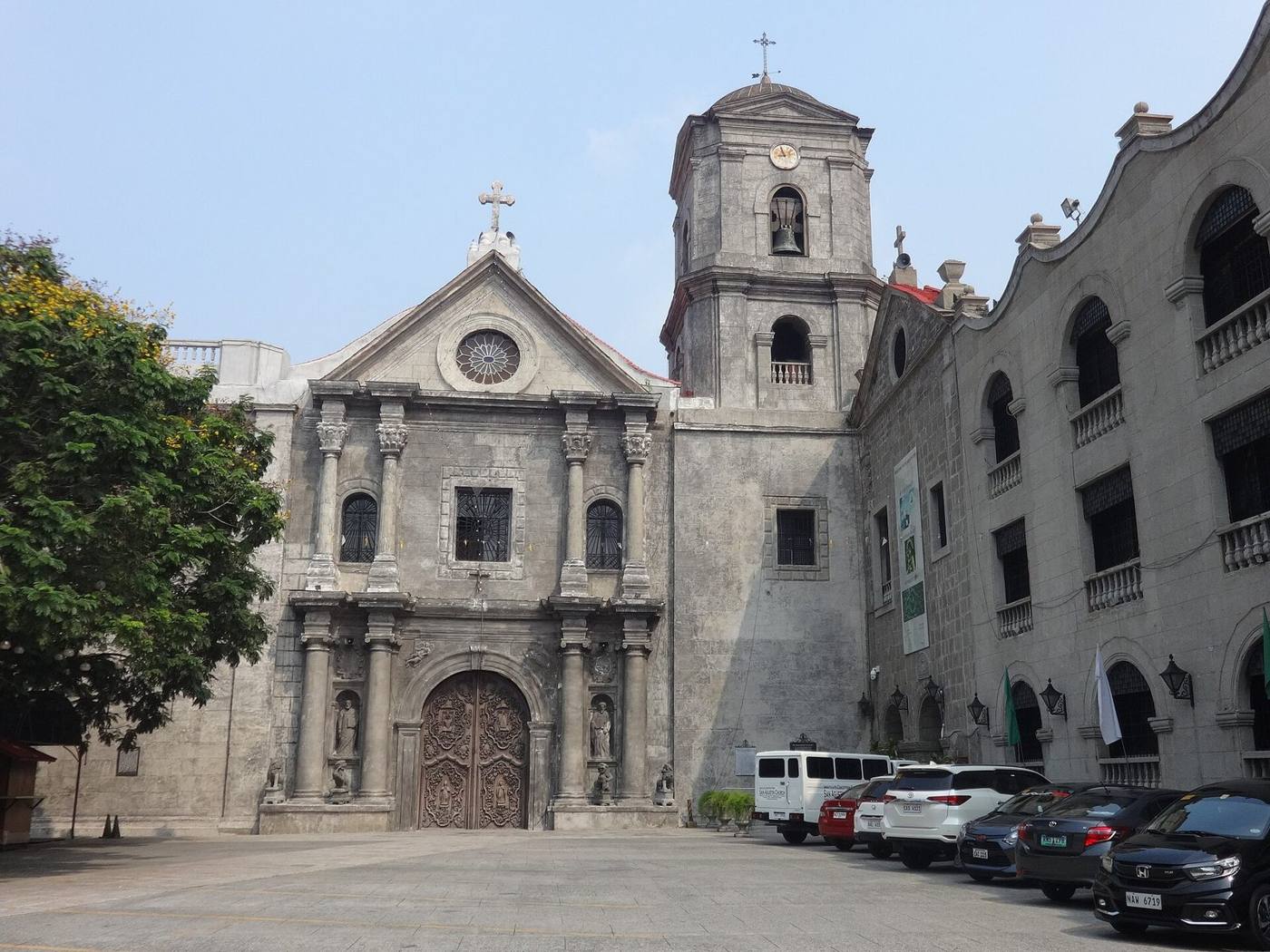
Manila, Intramuros and Taal volcano
The capital before the islands: the Spanish walled city of Intramuros with Fort Santiago and San Agustín Church (UNESCO), the National Museum, Binondo, the world's oldest Chinatown, then Tagaytay on its ridge overlooking the lake and Taal volcano.