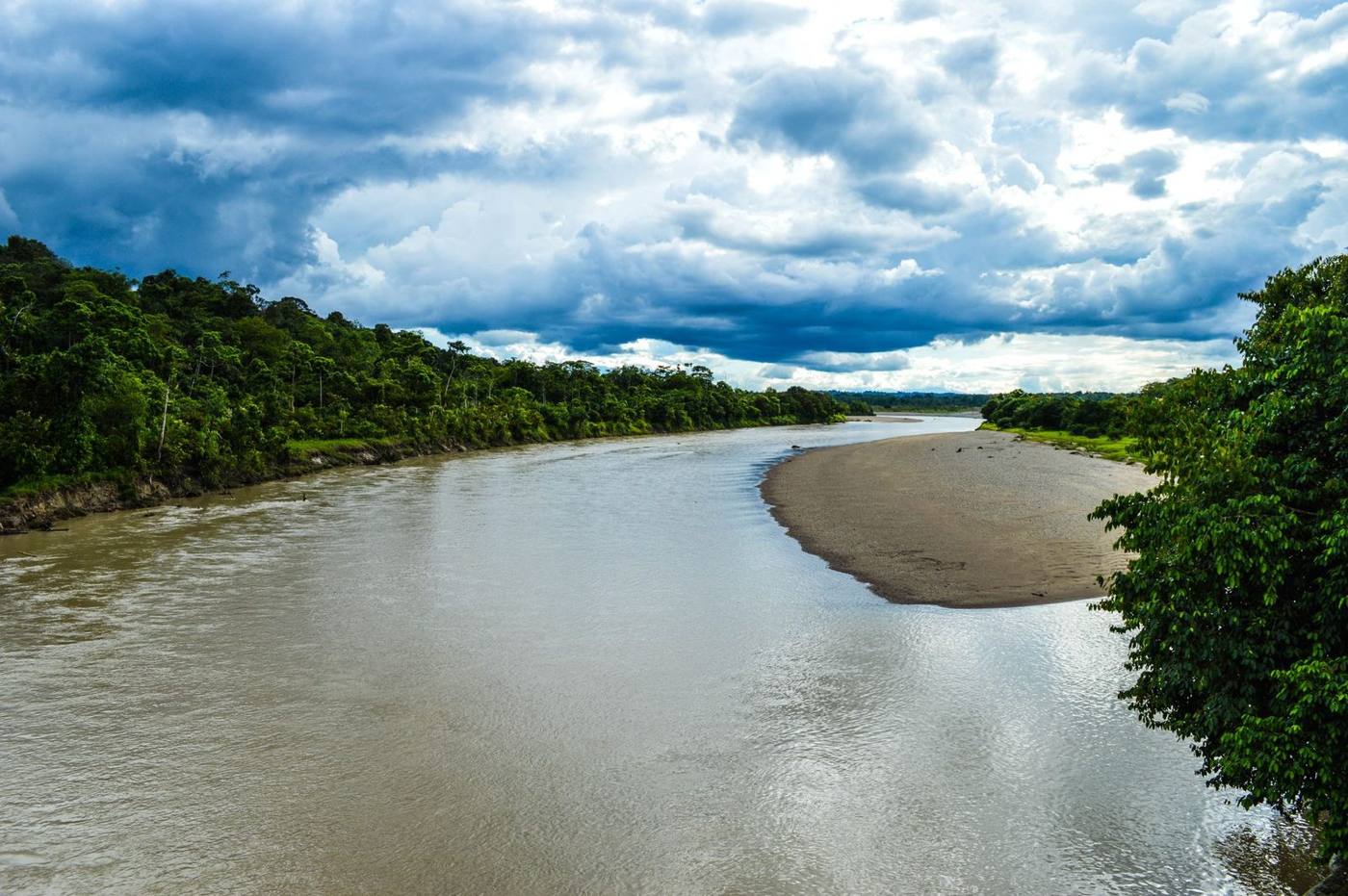
Manu, from the Andes to the Amazon rainforest
From Cusco you descend more than three thousand metres by road and river, from the puna through cloud forest to the giant otter lakes.
- Cusco
- Paucartambo
- Tres Cruces
- San Pedro
- Pilcopata
- Atalaya
- Boca Manu
- Cocha Salvador
- Blanquillo
Day by day
- Day 1
Cusco, a day to adjust to the altitude
This trip descends from the Andes to the Amazon rainforest through Manu National Park, a UNESCO site and one of the places with the most species of animals and plants on the planet. In a few days you go from the 3,700 metres of the mountains to the cloud forest and then to the river lowlands, with lakes where giant otters live, clay walls with hundreds of parrots and, with luck, the jaguar.
Before you leave: European Union citizens do not need a visa for stays of up to 183 days. The United States government rates Peru at level 2 of 4. Before going into the forest, see a doctor about yellow fever vaccination and malaria prevention.
The reserved zone of the park can only be visited with licensed operators: choose a licensed organisation and ask what the package includes, which lodges are used and how you get back.
On the first day you are in Cusco, at about 3,400 metres, having already arrived from Europe. Take it slowly: walk in the historic centre, the Plaza de Armas with the cathedral, the San Blas district with its steep lanes, and the Qorikancha, the Inca sun temple on which the Spanish built a convent. Drink plenty of water and eat light.
In the evening pack a small bag: in the forest you need light long sleeved clothes, rubber boots, a rain jacket and repellent.
Sleep in Cusco.
Practical tip: the best time is the dry season, from May to October. From December to March it rains a lot and some areas cannot be reached.
- Day 2
Paucartambo, Tres Cruces and the descent into the cloud forest
Early in the morning you leave Cusco in the operator's vehicle. The road crosses Andean valleys with farming villages, potato fields and llamas, as far as Paucartambo, a colonial town with a stone bridge over the river, famous for the festival of the Virgen del Carmen in July, with masked dances.
Then the road climbs to the park entrance, above 3,500 metres, and to the Tres Cruces viewpoint, at about 3,700 metres, on the edge of the Andes. From here the mountain drops away suddenly towards the Amazon plain, which on clear days looks like a green sea. On mornings in May, June and July the sunrise from Tres Cruces is famous for its colours and the clouds below your feet: some operators arrange a night near the viewpoint to see it.
In the afternoon the long descent begins, on a narrow, winding dirt road, into the cloud forest: trees covered in moss, orchids and giant ferns, waterfalls and mist. You see hummingbirds, mountain toucans and woolly monkeys.
In the evening you reach the San Pedro area, at around 1,500 metres.
Sleep in a lodge in the cloud forest.
Practical tip: on the road it is cold at the top and hot at the bottom. Dress in layers and keep a jacket handy.
- Day 3
The cocks of the rock and the descent to the river
At dawn, near San Pedro, go and see the Andean cock of the rock, Peru's national bird. The males have bright orange red plumage and a crest that covers the beak. Every morning they gather at a precise spot in the forest, called a lek, and perform a dance of jumps, calls and wing beats to attract the females. You watch from a hidden hide, in silence. It is one of the finest sights of the trip.
After breakfast you continue the descent. The forest becomes warmer and taller, the river wider. You pass through Pilcopata, a small settlers' town with wooden houses and tropical fruit, and reach Atalaya, a small port on the Alto Madre de Dios river, where the road ends.
Here you board a long wooden motorboat, the main means of transport in the region. The afternoon journey passes forested banks and beaches of sand and pebbles, where you see herons, king vultures, capybaras and sometimes caimans.
In the evening you reach a lodge on the river, in the cultural zone of Manu, where native communities also live.
After dinner, if the operator includes it, take a night walk with a torch to see frogs, insects, spiders and snakes.
Sleep in a lodge on the Alto Madre de Dios.
Practical tip: in the forest never walk alone and do not touch plants or animals without asking the guide.
- Day 4
Boca Manu and up into the reserved zone
Today is a long day on the boat. You go down the Alto Madre de Dios to Boca Manu, where the Manu river joins the Madre de Dios. Boca Manu is a small village with an airstrip for light aircraft.
Then you travel up the Manu river and enter the reserved zone of the park, accessible only with licensed operators and a permit. At the rangers' checkpoint your names are recorded. From here on there are no more villages or roads: only the river, winding in great loops through the forest, and the sand beaches where animals come out to sun themselves or drink.
During the journey you often see white and black caimans, turtles on logs, capybaras and birds such as jabiru storks, tiger herons and macaws crossing the sky in pairs. With great luck you see a jaguar on the river beaches, where it is not afraid of boats: Manu is one of the places in South America with the best chances of seeing one.
Indigenous peoples living in voluntary isolation, who want no contact with the outside world, also live in the park. The areas where they live are off limits: always follow the rangers' rules.
In the evening you reach a lodge or tented camp near the lakes.
Sleep in the Manu reserved zone.
Practical tip: on the boat use a hat, sunscreen and a rain jacket. Sun and rain arrive within minutes.
- Day 5
Cocha Salvador and the giant otters
Today you visit Cocha Salvador, the largest lake in the reserved zone. Cochas are bends of the river cut off when the river changed course: quiet lakes surrounded by forest, full of fish and life.
At dawn you reach the lake on foot along a forest trail, then glide slowly on a catamaran, a floating platform paddled by the guide, without an engine so as not to disturb the animals.
The symbol of Cocha Salvador is the giant otter, called lobo de río, the river wolf. It can be over one and a half metres long, lives in family groups and hunts fish with loud calls. It is an endangered species and Manu is one of its last safe refuges. You watch from a distance, without approaching the dens.
On the lake you also see hoatzins, strange crested birds that look prehistoric, black caimans, herons and kingfishers. On the shores there are several species of monkeys: spider monkeys, capuchins and howler monkeys.
In the afternoon take a forest walk with the guide, who explains medicinal plants, giant trees and the life of insects.
In the evening listen to the sounds of the forest, which is even more alive at night.
Sleep in the reserved zone.
Practical tip: bring binoculars. Many animals are high in the trees or far out on the water.
- Day 6
Cocha Otorongo and the observation towers
Today you visit Cocha Otorongo, another lake in the reserved zone. Otorongo means jaguar in the local language.
Next to the lake stands a wooden observation tower, about twenty metres high, from which you see the lake from above and the treetops. From the tower you watch canopy birds such as toucans, parrots and harpy eagles, and often the giant otters swimming in the water too. Early morning and late afternoon are the best times.
You also take a catamaran trip or walk the trails around the lake, looking for monkeys, tapirs, peccaries and other mammals. The guide recognises tracks and sounds.
In the afternoon, while travelling on the Manu river, you watch the beaches, where you sometimes see jaguar tracks or the animal itself lying in the sun. It is not guaranteed: the forest is not a zoo, and every day is different.
Manu has more than a thousand species of birds, one of the highest figures of any park in the world. Even those who are not keen birdwatchers are struck by the colours and the calls.
In the evening, at camp, look through the day's photos with the guide and learn the names of the animals.
Sleep in the reserved zone.
Practical tip: wear neutral colours, green or brown. Bright colours scare the animals.
- Day 7
Towards Blanquillo and the parrots' clay lick
Today you leave the reserved zone and travel by boat down the Manu river and then the Madre de Dios, to the Blanquillo area.
At dawn the next day, or early in the morning if the operator arranges the programme that way, you go to the collpa, the clay wall on the riverbank where parrots and macaws gather. You watch from a hide or from a boat, in silence. First the smaller parrots arrive, then, as the sun rises higher, the large red and green and blue and yellow macaws. They come down to eat the clay, which according to scientists gives them mineral salts missing from their forest diet. With hundreds of birds together, the noise and colours are extraordinary.
The result depends on the weather: in the rain, or with a hawk nearby, the birds may not come down. The dry season is the best time.
In the afternoon, in some programmes, you also visit a mammal clay lick, where tapirs come at night to lick the clay, watched from a platform with mosquito nets.
In the evening, at the lodge, a last sunset over the river.
Sleep in a lodge in the Blanquillo or Boca Manu area.
Practical tip: for photos at the clay lick you need a zoom lens. The birds are dozens of metres away and you cannot get closer.
- Day 8
Back towards Cusco
Today the return to Cusco begins. There are two options.
The most comfortable is the flight from Boca Manu to Cusco in a light aircraft, which takes less than an hour and lets you see the forest, the rivers and then the Andes from above. These flights depend on availability and weather: they can be cancelled or delayed by rain or cloud. Ask the operator whether they are planned for your trip and what happens if the flight does not leave.
The other option is to return the way you came: by boat to Atalaya and then by road through the cloud forest and the Andes to Cusco. This takes an extra day, with a night along the way, but lets you see the forest again and stop for more birds. In that case day 9 becomes a travel day and you reach Cusco on the evening of day 9 or on day 10.
If you fly, you are in Cusco by the afternoon. Rest: after days at low altitude, returning to 3,400 metres can bring back headaches and breathlessness. Drink plenty of water and eat light.
In the evening have Andean food for dinner: lake trout, quinoa, potato and maize soups.
Sleep in Cusco.
Practical tip: do not book your international flight on the same day as your return from Manu. Always keep at least one day in reserve.
- Day 9
Cusco and departure
On the last day you are in Cusco. If your return from Manu went to plan, you have the morning no-cost before your flight to Lima and on to Europe.
You can go up to Sacsayhuamán, the Inca fortress above the city, with walls made of enormous stone blocks fitted together without mortar, some weighing over a hundred tonnes. From here you see the whole of Cusco and the valley. Entry requires the tourist ticket: check the current rules and prices.
Alternatively visit San Pedro market, with tropical fruit that comes from the very forest you have seen, juices, cheeses, bread and hot dishes, or the museum of pre Columbian art, with objects from Peru's ancient cultures.
Cusco airport is about twenty minutes from the centre. Many flights leave in the morning, because afternoon winds in the mountains can cause problems. Arrive early.
If you have a few more days, you can combine this trip with the Sacred Valley and Machu Picchu.
This trip shows the lesser known Peru, the one that descends from the Andes to the Amazon: a green, humid world full of life, where you understand why the forest matters so much to the whole planet. It is a demanding trip, with many hours on roads and boats, but nature lovers remember it for ever.
Practical tip: leave a tip for the guide and the boat crew. Their work makes the difference throughout the trip.
For anyone who puts wildlife first, this is the richest rainforest in Peru, far wilder than Tambopata, and the descent from the Andes is part of the show. The drawback is the logistics: simple lodges, long boat days and a return that depends on unreliable flights. It pairs well with a trip already done to Cusco and Machu Picchu. Bring good binoculars: they make the difference.
Before you go
- Documents and visa
- Passport with at least six months' validity on arrival; no visa is needed for tourism, up to a maximum of 183 days.
- Health and vaccines
- No compulsory vaccines for Lima and the Andes; yellow fever vaccination is recommended for the Amazon. Beware of altitude sickness in Cusco and the Andes. Emergencies: 105 police, 116 fire.
- Money and payments
- Peruvian sol. Cards work in cities and hotels; in markets, villages and for tips you need cash.
- Power sockets
- Types A and C, 220 volts: you may need an adapter for flat-pin sockets.
- Time zone
- UTC-5 all year: Peru does not use daylight saving time.
- Safety
- The United States rates Peru level 2. Avoid the Apurímac, Ene and Mantaro valley (VRAEM), the Colombian border in Loreto and some rural areas named by governments. Official advice: GOV.UK.
Information checked in November 2026 for Italian and EU citizens. Rules change: always check before you travel.
Variations
In 6 days: only the cloud forest and the Alto Madre de Dios, without the reserved zone.
In 12 days: add the Sacred Valley and Machu Picchu before Manu.
Frequently asked questions
Do I need a visa?
European Union citizens do not need a visa for stays of up to 183 days. Check the current requirements.
Can I visit Manu on my own?
No. The reserved zone of the park can only be visited with licensed operators and a permit. Choose a licensed organisation.
What health preparation do I need?
See a doctor before you leave about yellow fever vaccination and malaria prevention. Bring repellent and long sleeved clothes.
Indicative itinerary written by World Atlas. Before booking, check timetables, seasonal openings, documents and safety.
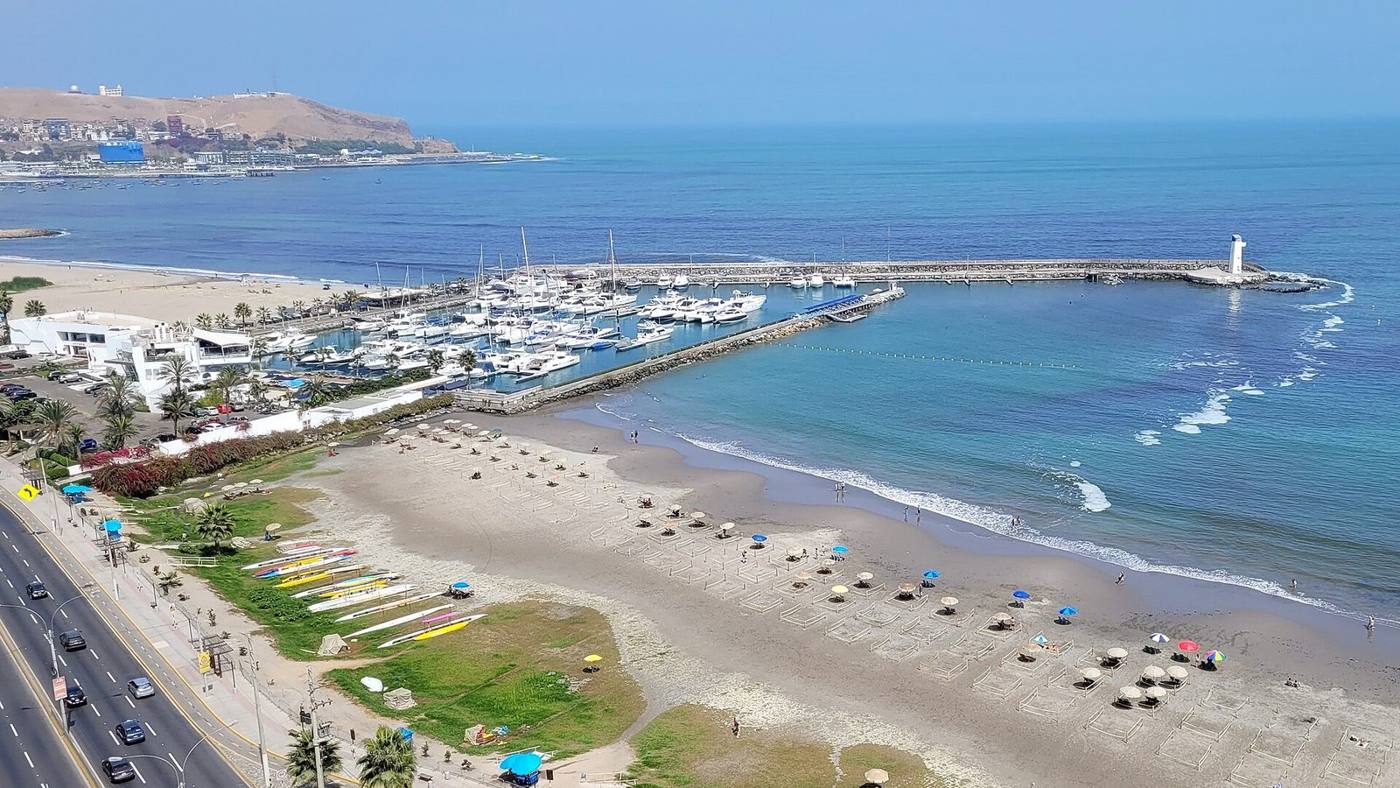 4 daysEasy
Lima in depth and Caral
South America's food capital: the UNESCO-listed colonial centre with the catacombs of San Francisco, the Pacific districts of Miraflores and Barranco, the Larco Museum, markets and cevicherías, the sanctuary of Pachacámac and Caral, the oldest city in the Americas.
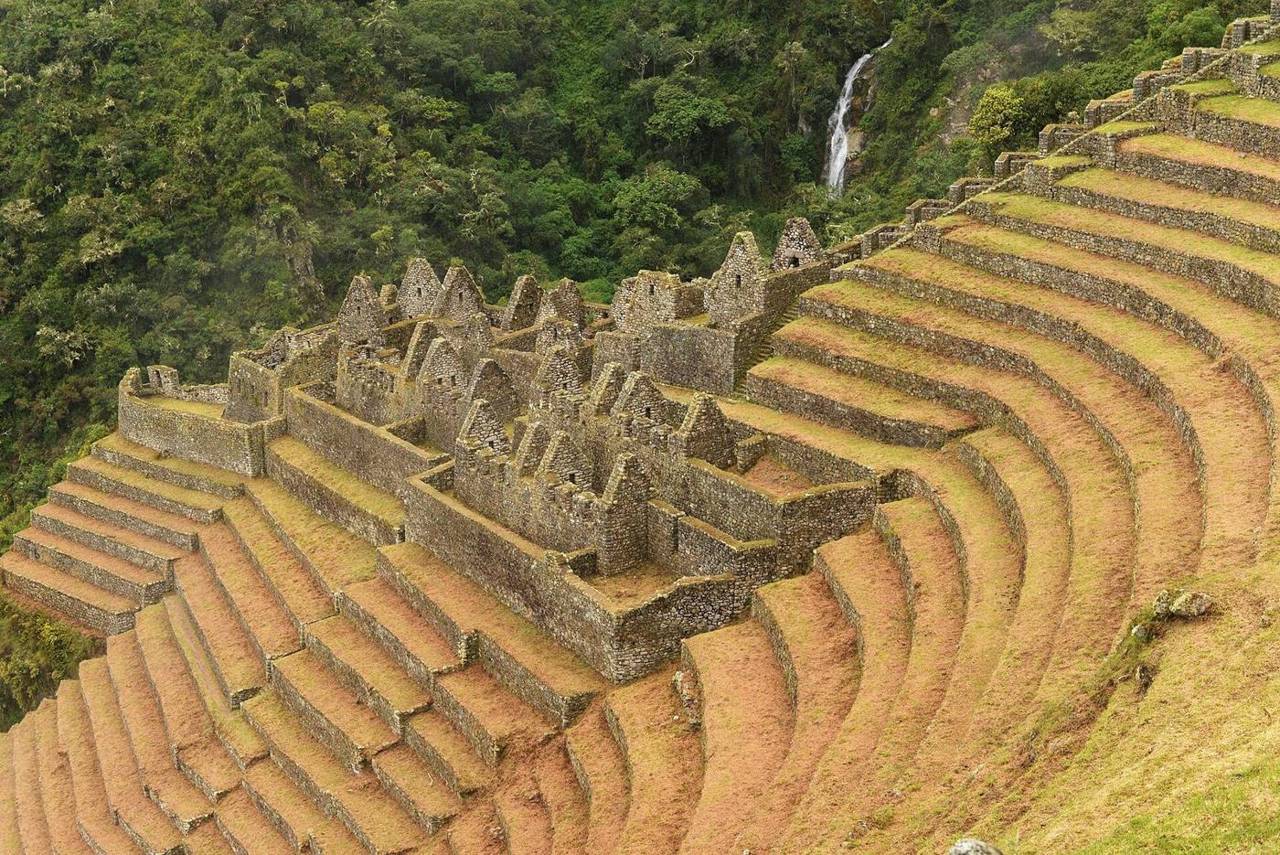 6 daysChallenging
The classic Inca Trail
Four days on foot along the Incas' paved trail to Machu Picchu: sites such as Llactapata, Runkurakay, Sayacmarca and Wiñay Wayna, Dead Woman's Pass at 4,200 metres, cloud forest and arrival through the Sun Gate at dawn.
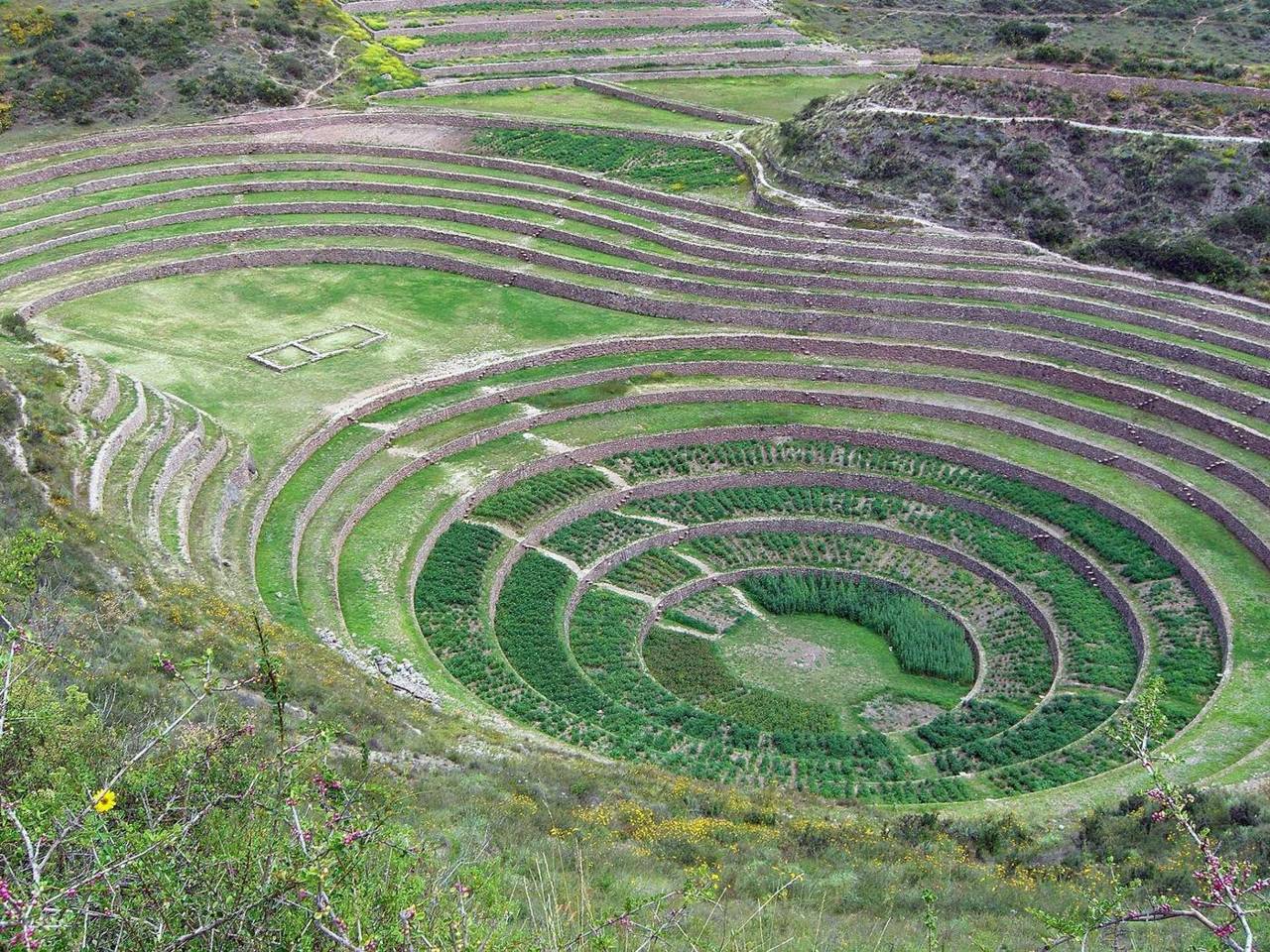 5 daysModerate
The Sacred Valley in depth and Vinicunca
The Sacred Valley without rushing: Pisac's market and terraces, the farming circles of Moray, the salt pans of Maras, the weaving village of Chinchero, the fortress of Ollantaytambo, and the seven-coloured mountain of Vinicunca at over 5,000 metres.