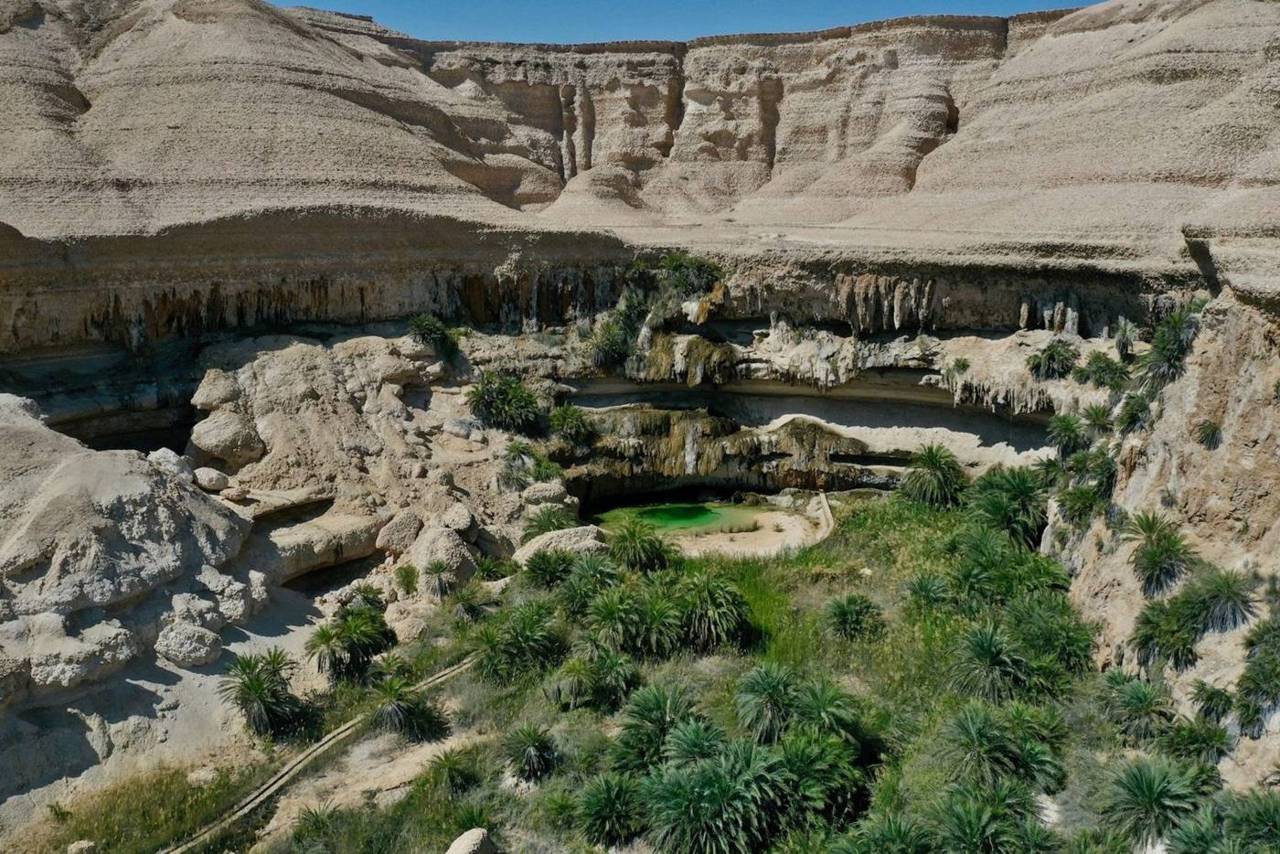
Dhofar and Salalah
The land of frankincense: the UNESCO site of Al Baleed, the ancient port of Sumhuram, the frankincense trees of Wadi Dawkah and the beaches of Al Mughsail.
- Salalah
- Al Baleed
- Sumhuram
- Wadi Dawkah
- Mirbat
- Al Mughsail
Day by day
- Day 1
Salalah, the frankincense souk and Al Baleed
This five-day trip takes you to Dhofar, the southernmost region of Oman, where frankincense trees have grown for thousands of years. Salalah is your base for the whole trip: from here you travel by hire car or with a driver to the archaeological sites, the desert and the coast.
Before you go: Italian citizens need a passport valid for at least six months from arrival. For stays of up to 14 days you enter without a visa, showing a return ticket, an accommodation booking and travel health insurance; to stay longer you need an e-visa, applied for only on the official website evisa.rop.gov.om. Other nationalities should check their own rules.
Some areas on this trip are close to borders or places where the situation changes often: check your government's travel advice before booking and again before you leave.
You usually arrive by plane from Muscat. In the afternoon head to the Al Haffa souk, where the stalls sell frankincense resin of different grades, clay burners and perfumes. Smell, ask questions and let the sellers explain the differences: they love telling the story.
Then go to the Al Baleed archaeological park, by the sea, with the ruins of the old port and the Museum of the Frankincense Land, which tells the story of trade with India and the Mediterranean. The site is a UNESCO World Heritage Site. Check prices and times.
In the evening try grilled fish and drink fresh coconut juice from the kiosks along the road through the banana plantations.
Practical tip: in town and at the sites keep your shoulders and knees covered, even when it is hot.
- Day 2
Sumhuram, Taqah and Mirbat
Today you follow the coast east, along the old frankincense route that began at the sea.
The first stop is Sumhuram, the ancient fortified port overlooking the Khor Rori lagoon. Here ships loaded the frankincense bound for Arabia, India and the Roman world. Walk among the stone walls, look at the foundations of the storerooms and climb to the highest point: the lagoon, often full of birds, opens towards the ocean. This site is also UNESCO-listed. Check prices and times.
Carry on to Taqah, a fishing village with a small restored castle. The furnished rooms show how an important Dhofari family lived, with the kitchen, the bedrooms and the watchtowers.
In the afternoon you reach Mirbat, the region's old capital. The harbour, the old stone houses with carved wooden windows and the fort tell of a past of trade with East Africa. Just outside town stands the mausoleum of Bin Ali, with its white domes.
On the way back stop on a beach for the sunset, but do not swim where there are strong waves or warning flags: the ocean here has powerful currents, above all in summer.
Sleep in Salalah again.
Practical tip: set off early, when the light is soft and the heat bearable, and always keep water in the car.
- Day 3
Wadi Dawkah and the edge of the Empty Quarter
Today you climb inland, beyond the mountains that close off the Salalah plain. The landscape changes within a few dozen kilometres: from the green coast you move onto a dry, stony plateau, with the light growing harsher and the villages fewer.
The first stop is Wadi Dawkah, a valley where hundreds of frankincense trees, Boswellia, grow. They are small and twisted, with bark that peels like paper. Look at the cuts in the trunks where the white resin oozes out: this is how frankincense has been harvested for thousands of years. The site is part of the UNESCO Land of Frankincense. Do not pull resin off the trees.
Then continue north to the edge of the Rub al Khali, the Empty Quarter, one of the largest sand deserts in the world. You do not go deep into it: it is enough to see the first copper-coloured dunes rolling away to the horizon. To drive on sand you need a four-wheel drive and an experienced driver; with an ordinary car, stay on the tarmac.
Along the road you will see camels roaming loose: always slow down, because they can cross without warning.
Head back to Salalah before dark. Inland roads are long and poorly lit, and it is better not to drive in the evening.
Practical tip: fill up before leaving the coast, because inland the petrol stations are far apart.
- Day 4
Al Mughsail and the blowholes
Today you head west, towards the most dramatic stretch of the Dhofar coast.
The road runs between mountains and sea to Al Mughsail, a long white beach closed off by cliffs. At the end of the beach are the Marneef caves and the natural blowholes: when the sea is rough, water rushes under the rock and shoots back up in powerful jets and blasts of air. Always stay behind the protective grilles, because the rock is slippery and the waves come without warning.
If the sea is calm, you can swim in the quieter part of the beach. In tourist areas swimwear is fine; cover your shoulders and legs on the way there and back.
After Al Mughsail the road climbs through many hairpin bends towards the border with Yemen: do not go further, stop at the viewpoints over the coast and then turn back.
In the afternoon return towards Salalah and visit the city's large mosque, if it is open to visitors. Then walk along the beach near the centre and buy a bag of frankincense as a souvenir.
This is your last evening in Salalah: sit at one of the open-air places and try camel meat or the thin Omani bread cooked on a hot plate.
Practical tip: from June to September the khareef brings fog to the mountain roads: drive slowly with your headlights on.
- Day 5
Leaving Salalah
Today is your travel day home.
If your flight is in the afternoon, spend the morning on a last drive through the banana and coconut plantations along the road to the sea. The kiosks sell freshly picked fruit, juices and coconuts opened in front of you. Then go back to the Al Haffa souk to buy frankincense, essences and a small burner: you can find them at the airport too, but the souk has a wider choice.
Salalah airport is close to the centre, just a few minutes by road.
Trip summary: in five days you have seen a different Oman from the north. In Salalah you breathed the frankincense of the souk and visited the port of Al Baleed, at Sumhuram you walked through the harbour from which frankincense sailed to the world, in Taqah and Mirbat you saw castles and stone houses, at Wadi Dawkah you touched the resin trees, and on the edge of the Rub al Khali you saw the first dunes of the great desert. At Al Mughsail the sea blew through the rocks.
When to go: from October to March the sky is clear, the warmth is pleasant and the sea is calm. From July to September comes the khareef, the monsoon: the mountains turn green and many visitors arrive from the Gulf, but there is fog, drizzle and rough sea. April, May and June are very hot and humid.
Practical tip: frankincense resin travels in your suitcase without problems, but keep it in a sealed bag because the scent is strong.
A different Oman, tropical and tied to the history of frankincense. During the khareef, the summer monsoon, the mountains turn green but bring fog and drizzle. Flights from Muscat are frequent and short.
Before you go
- Documents and visa
- Passport valid for at least six months from arrival. Italian citizens can enter without a visa for stays of up to 14 days, showing a return or onward ticket, an accommodation booking and travel health insurance. For longer stays you need an e-visa, applied for only on the official Royal Oman Police website, evisa.rop.gov.om. Reaching Musandam overland from the Emirates means crossing a real border: you need your passport and, with a hire car, the rental company's written permission and insurance valid in Oman.
- Health and vaccines
- No compulsory vaccinations, except a yellow fever certificate if you arrive from a country at risk. Protect yourself from the sun and drink plenty of water. Some medicines common in Europe are banned: carry your prescription and check with the Omani Ministry of Health. You need insurance with medical costs and repatriation. Emergencies: 9999.
- Money and payments
- Omani rial. Cards work in cities and hotels; keep cash for villages, souks and desert trips.
- Power sockets
- Type G, 240 volts: British plugs fit, others need an adapter.
- Time zone
- UTC+4 all year.
- Safety
- Laws and customs: dress modestly in public, with shoulders and knees covered; swimwear is only for tourist beaches and pools. Alcohol is served only in licensed venues, never in public. Drug penalties are very severe, even for tiny amounts; e-cigarettes and vapes are banned. Do not photograph military or government buildings, or people without permission; drones need a licence. During Ramadan do not eat, drink or smoke in public in daylight. Wadis flood suddenly after rain and outside Muscat there are camels and goats on the roads: avoid driving at night. The situation in the Gulf can change quickly, with sudden airspace closures. Official advice: GOV.UK.
Information checked in November 2026 for Italian and EU citizens. Rules change: always check before you travel.
Variations
Shorter version: in three days see Al Baleed, Sumhuram, Mirbat and Wadi Dawkah, without Al Mughsail.
Longer version: add two days to go into the Rub al Khali by four-wheel drive with a night in a desert camp.
Frequently asked questions
Can you swim in Salalah?
Yes, from October to March, when the sea is calm. In summer, during the khareef, waves and currents are strong: always respect the flags and bans.
Do you need a four-wheel drive in Dhofar?
Not for the sites on this trip, which are all on tarmac roads. You only need one to drive on the dunes of the Rub al Khali, ideally with an experienced driver.
What does khareef mean?
It is the summer monsoon, from July to September. It brings fog and drizzle to the mountains around Salalah, which turn green, while the rest of Oman is extremely hot.
Indicative itinerary written by World Atlas. Before booking, check timetables, seasonal openings, documents and safety.
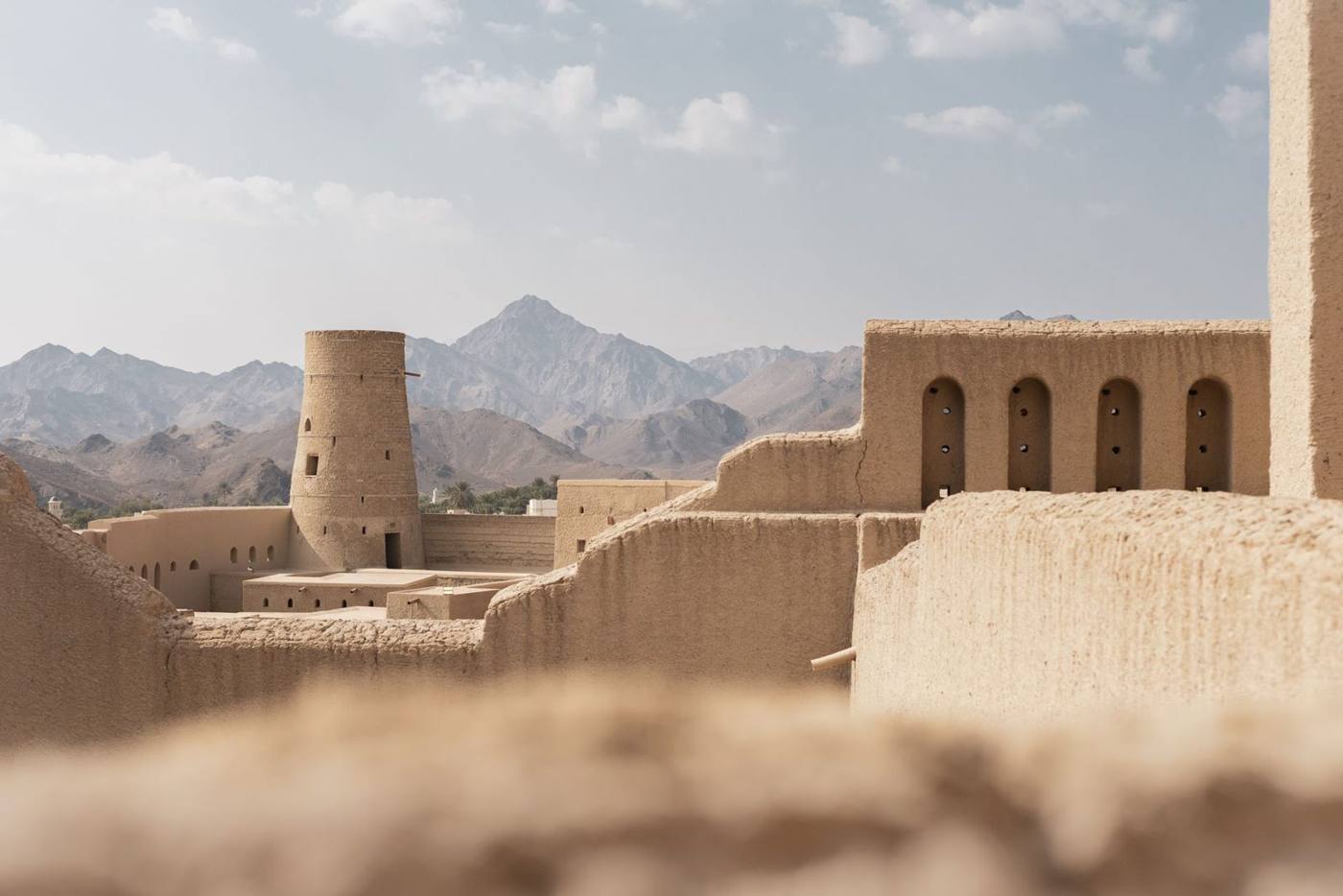 8 daysEasy
Muscat, Nizwa and the desert
Muscat's Grand Mosque, Nizwa's fort and souk, the village of Misfat al Abriyeen, the Wahiba dunes and Wadi Shab and Wadi Bani Khalid.
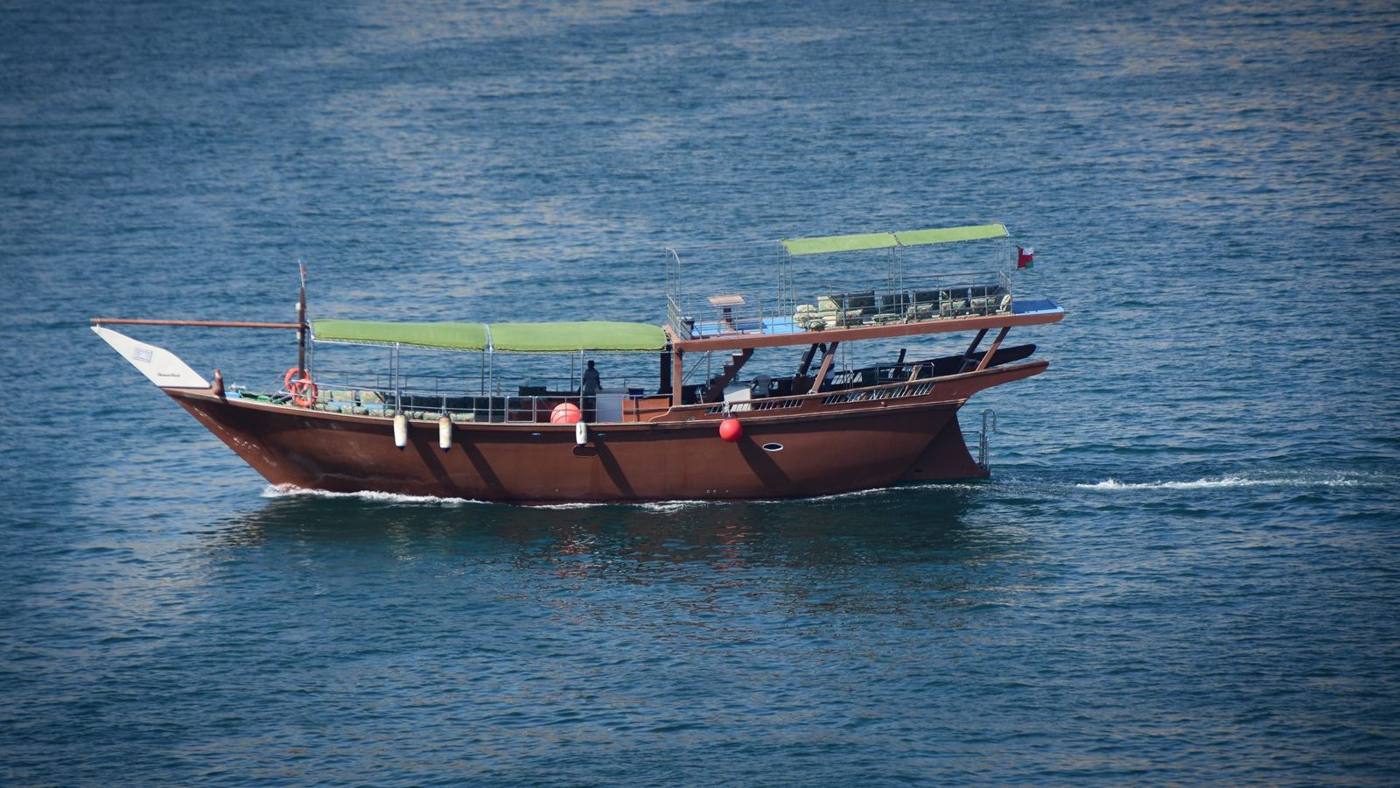 4 daysEasy
Musandam
The fjords of Arabia: a dhow cruise among mountains plunging into the sea, dolphins, snorkelling and the Jebel Harim mountain road.