Rotterdam and its architecture
The city rebuilt after 1940: the Cube Houses, the Markthal, the Boijmans art depot, the Erasmus Bridge, the port and Kinderdijk.
- Rotterdam
- Markthal
- Kop van Zuid
- Kinderdijk
Day by day
- Day 1
Markthal, cube houses and the Depot Boijmans
This three-day trip takes you to Rotterdam, the most modern city in the Netherlands, rebuilt after the bombing of 14 May 1940 that destroyed almost the whole centre. You will see contemporary architecture, the largest port in Europe, the historic district of Delfshaven and the windmills of Kinderdijk.
Before you go: the Netherlands is part of the European Union and the Schengen area and uses the euro. Italian citizens only need an electronic identity card valid for travel abroad or a passport; the paper identity card has not been valid for travel abroad since 3 August 2026. Other nationalities should check their own rules. Everyone aged 14 and over must be able to show ID to the police. Italian travel advice recommends care in the evening in the port areas and around the stations.
In the morning walk into the Markthal, the covered market opened in 2014: a huge arch of flats forming the roof over dozens of food stalls, with the ceiling covered by a giant digital mural of fruit, flowers and fish.
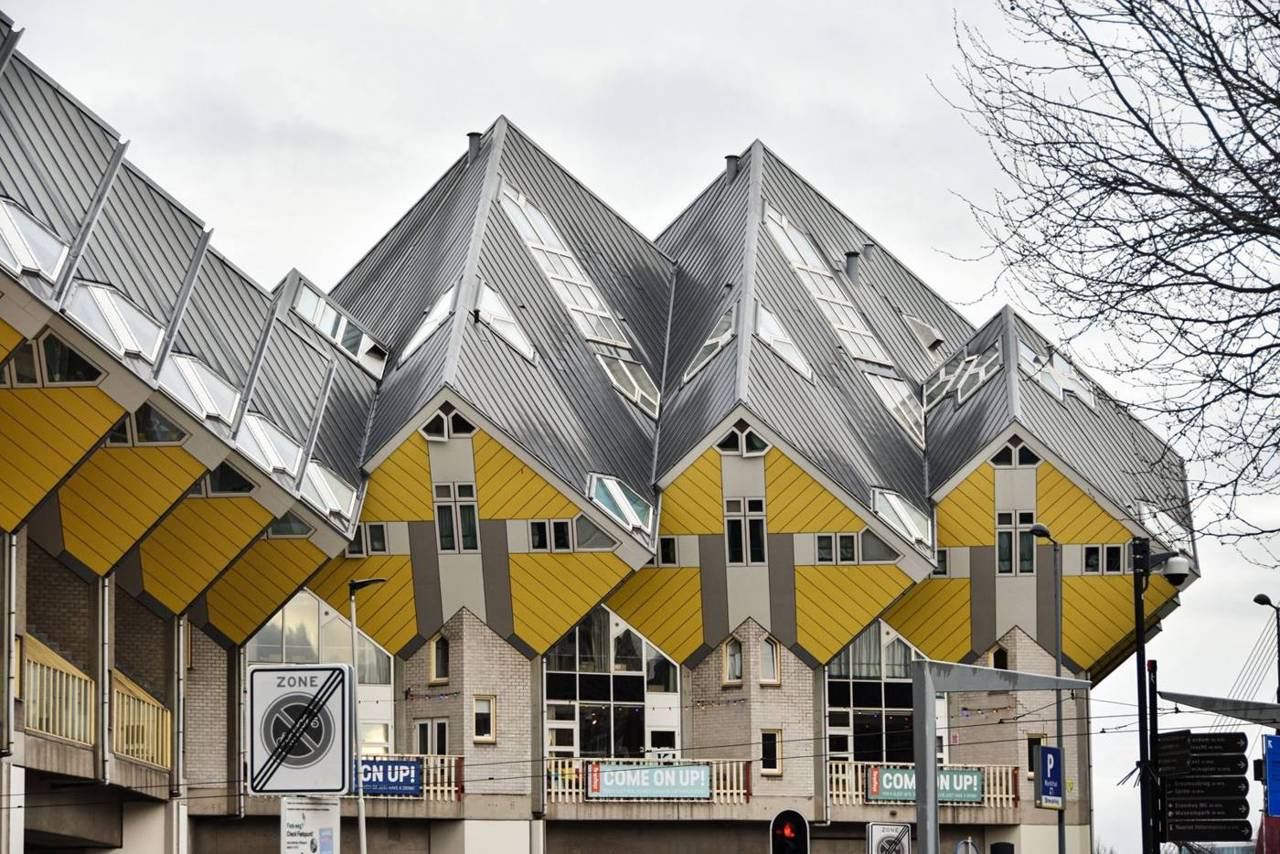
Opposite stand Piet Blom's cube houses, from the 1980s: yellow cubes tilted on pillars, like the trees of a forest. One of the houses can be visited inside; check prices and times.
In the afternoon go to the museum park and visit the Depot Boijmans Van Beuningen, the world's first art storage building open to the public, a large bowl clad in mirrors. Inside you see tens of thousands of stored works, restorers at work and, at the top, a garden with trees and views over the city. Check prices and times and book an entry slot.
Sleep in Rotterdam, for three nights.
Practical tip: the main Boijmans museum is closed for long-term works; the Depot still displays many works from the collection.
- Day 2
The port, Kop van Zuid and Delfshaven
Today you discover Rotterdam from the water and its two faces, new and old.
In the morning take a boat trip around the port, leaving from the Erasmus Bridge. In just over an hour you see cranes, container ships, shipyards and old quays, and understand why Rotterdam has lived from its port for centuries. Check prices and times.
Then walk across the Erasmus Bridge, opened in 1996, white and more than eight hundred metres long, which locals call the Swan because of its bent pylon. On the other bank lies Kop van Zuid, an old port district turned into an area of skyscrapers, including De Rotterdam by Rem Koolhaas, a vertical city of staggered towers. At the tip of the pier stands the former headquarters of the shipping line that carried emigrants to America.
In the afternoon take the metro or tram to Delfshaven, the small historic harbour that escaped the bombs of 1940, with seventeenth century houses, canals, a windmill and the Pilgrim Fathers' Church; the Pilgrims sailed from here in 1620 for England and then America.
In the evening walk along the river Maas, with the bridges lit up and the skyscrapers reflected in the water.
Sleep in Rotterdam.
Practical tip: in the city use the trams, the metro and the water taxis; pay with your contactless bank card when you get on and off.
- Day 3
Kinderdijk and its 19 windmills
On the last day you leave the city to see one of the most famous landscapes in the Netherlands.
In the morning take the waterbus, the fast scheduled boat that leaves near the Erasmus Bridge, and after about half an hour on the river you reach Kinderdijk. Here, along the canals, stand 19 windmills built in the eighteenth century to pump water out of the polders and keep land below sea level dry. They have been a UNESCO World Heritage Site since 1997.
Walk or cycle along the dykes between the mills: some are still lived in by millers. Two museum mills can be visited inside, with their rooms, stairs and wooden machinery, and a modern pumping station explains how the Netherlands manages water today. Check prices and times.
In the afternoon return to Rotterdam by waterbus and leave.
In short: in three days you have seen the Markthal and the cube houses, the mirrored art depot, the largest port in Europe, the Erasmus Bridge, the old harbour of Delfshaven and the windmills of Kinderdijk. Rotterdam is cheaper and less crowded than Amsterdam, and perfect for anyone who loves architecture.
When to go: all year round. From April to September the days are long and the boats more frequent; in winter the city is still lively, but Kinderdijk is cold and the wind strong.
Practical tip: get to Kinderdijk early: in the middle of the day groups fill the paths, while in the morning and at sunset the mills are reflected in the canals in silence.
The most modern city in the Netherlands, perfect for lovers of contemporary architecture. It is cheaper and less crowded than Amsterdam. Kinderdijk is half an hour away by waterbus. The main Boijmans museum is closed for works, but the visitable Depot is exceptional.
Before you go
- Documents and visa
- EU citizens need a valid identity card or passport: the Netherlands is in the EU and the Schengen area. Everyone aged 14 and over must be able to show ID to the police, so always carry your document. Other nationalities should check the Schengen rules.
- Health and vaccines
- No vaccines required and healthcare is efficient. EU citizens should bring their EHIC; take insurance covering medical costs and repatriation. Emergencies: 112.
- Money and payments
- Euro. Cards are accepted almost everywhere, and some places and museums do not take cash.
- Power sockets
- Types C and F, 230 volts.
- Time zone
- Central European Time (UTC+1, summer UTC+2).
- Safety
- A safe country, but pickpocketing is common in Amsterdam, especially around Central Station, on trains and trams to Schiphol and in crowded places; bicycle theft is very common too. The terrorist threat is considered substantial and security checks are tighter at airports, stations and museums. Hard drugs are illegal and smoking cannabis in public places is not allowed. Watch out for cycle lanes when crossing the road. Official advice: GOV.UK.
Information checked in November 2026 for Italian and EU citizens. Rules change: always check before you travel.
Variations
In 2 days: Markthal, cube houses and the Depot on the first day, Kinderdijk on the second.
In 5 days: add Delft and The Hague, half an hour away by train.
Frequently asked questions
Is the Boijmans museum open?
The main museum is closed for long-term renovation. The Depot Boijmans Van Beuningen next door is open and displays many works from the collection. Check prices and times.
How do you get to Kinderdijk from Rotterdam?
By waterbus, the scheduled boat that leaves near the Erasmus Bridge, in about half an hour. You can also cycle along the river.
What document do I need for the Netherlands?
Italian citizens only need an electronic identity card valid for travel abroad or a passport. Other nationalities should check their own rules.
Indicative itinerary written by World Atlas. Before booking, check timetables, seasonal openings, documents and safety.
 3 daysEasy
Windmills, dikes and villages
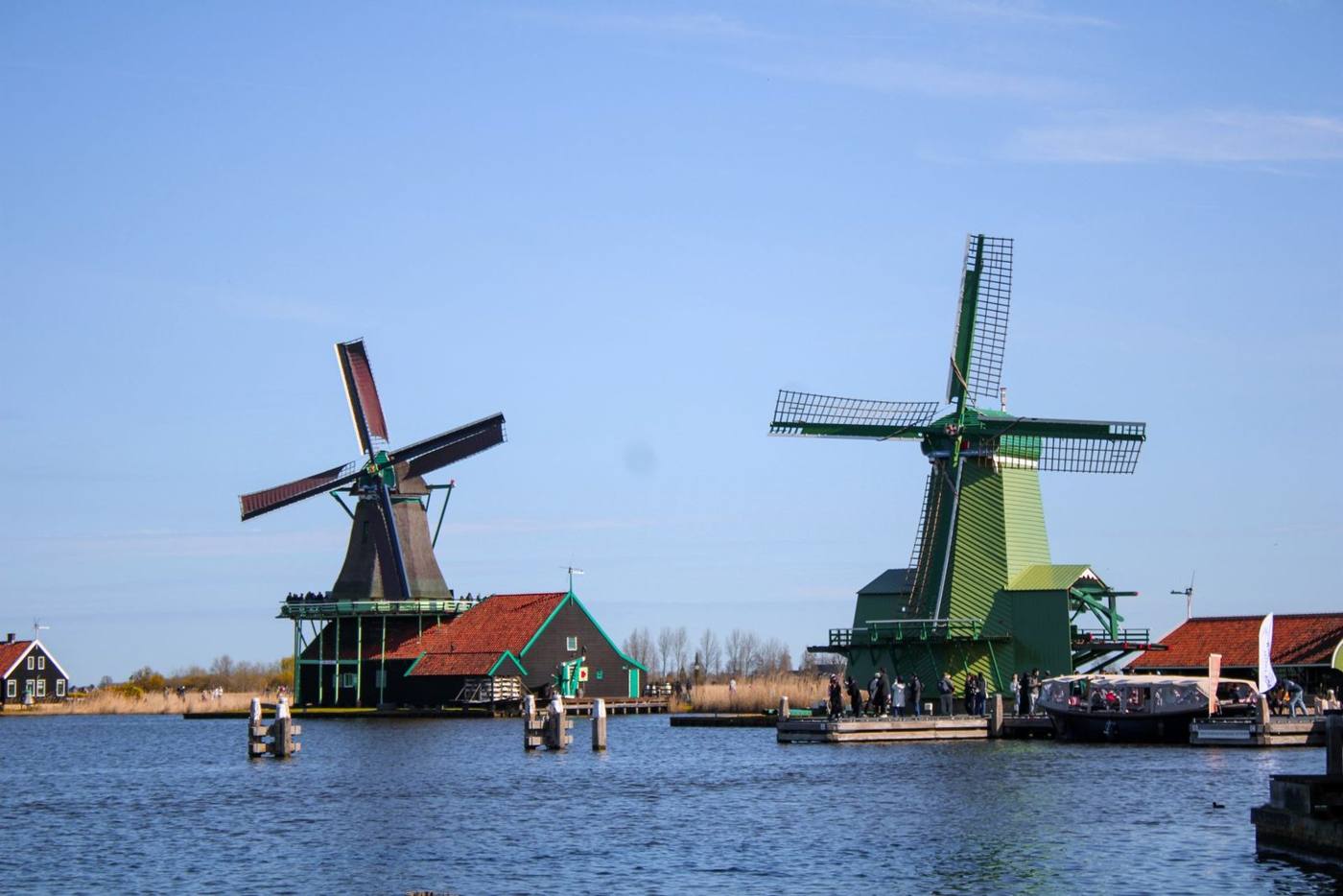
The Holland of windmills and cheese: Zaanse Schans, the fishing villages of Volendam and Marken, the Alkmaar cheese market and Edam.
 5 daysEasy
The Wadden Islands
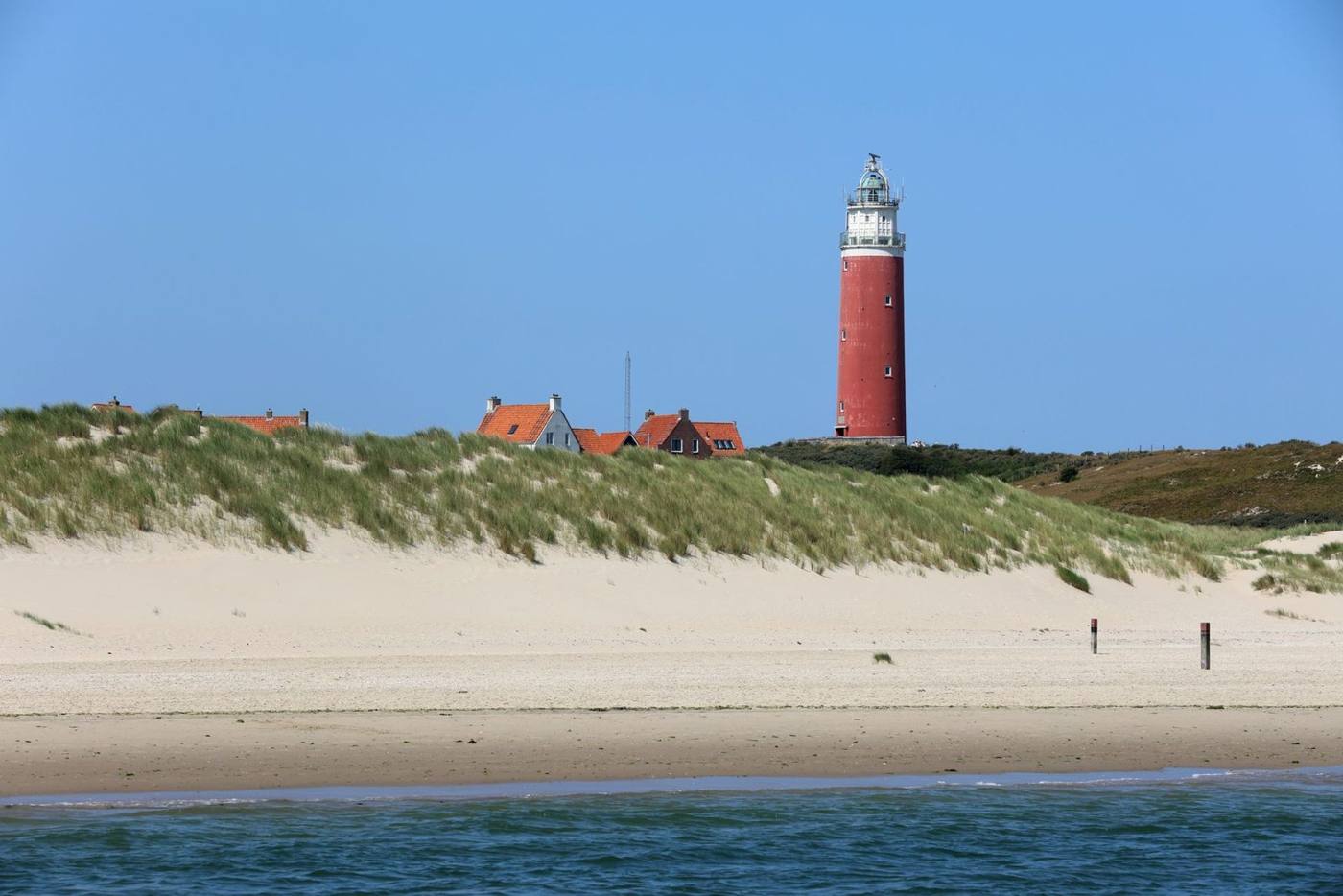
The UNESCO-listed Wadden Sea: Texel and Terschelling by bike, seals, dunes, lighthouses and wadlopen, mudflat walking at low tide.
 3 daysEasy
Maastricht and Limburg
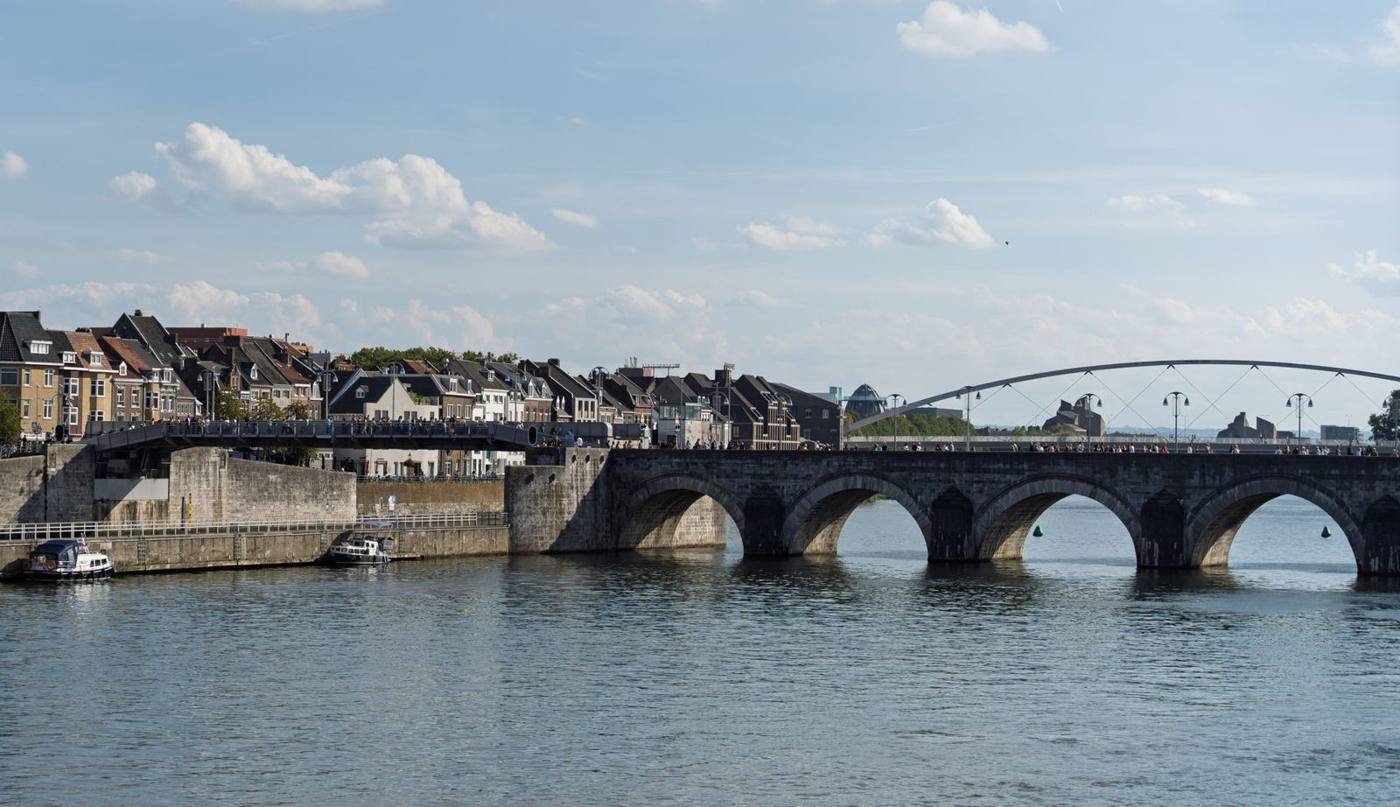
The most southern and Burgundian city in the Netherlands: the bookshop in the Dominican church, the Sint-Pietersberg caves, the vineyards and hills of Limburg.