Lake Niassa
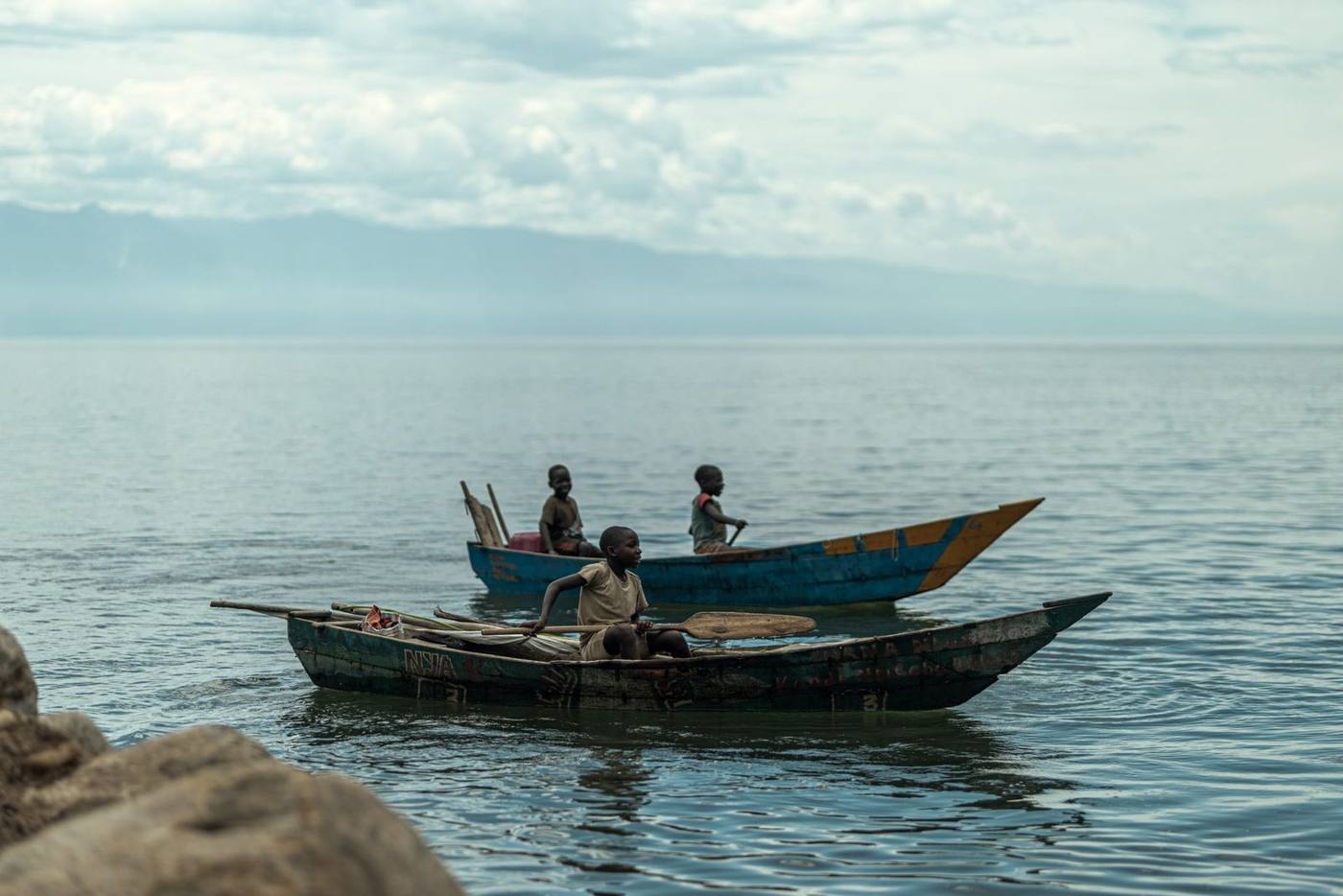
The Mozambican shore of Lake Malawi, almost untouched: fishing villages, clear water, kayaking and an eco-lodge near Cóbuè, close to Likoma Island.
- Lichinga
- Cóbuè
- Lake Niassa
Day by day
- Day 1
Flight to Lichinga and the road to the lake
This four-day trip takes you to the Mozambican shore of Lake Malawi, known here as Lake Niassa. It is an almost untouched coast, with fishing villages, golden sand beaches and clear water, protected by a lake reserve. You stay at Cóbuè, a village facing the Malawian island of Likoma.
Before you go: Italian citizens enter Mozambique without a visa for stays of up to 30 days, but before leaving they must obtain an electronic travel authorisation on the official portal evisa.gov.mz, paying a fee: check the amount and apply at least five working days ahead. Your passport must be valid for at least six months from arrival, with two blank pages. Other nationalities should check their own rules. The United Kingdom advises against all travel to the districts of Mecula and Marrupa, in Niassa Province, and reports terrorist attacks in the rest of the province too. Lichinga, the road to the lake and Cóbuè lie to the west, more than a hundred kilometres from those districts: do not head east and do not enter the Niassa reserve. The lake carries bilharzia and the whole area is a malaria risk: talk to your doctor.
You fly into Lichinga, the provincial capital, on a cool plateau over a thousand metres up. With a booked driver, go down towards the lake, passing through Metangula, a small town on the shore. The last stretch to Cóbuè is partly unpaved and slow: leave early to arrive before dark.
In the evening, from the beach, you see the lights of the fishing boats on the lake and, on the horizon, the outline of Likoma.
Practical tip: bring cash in metical from Lichinga, because there are no ATMs on the lake.
- Day 2
By kayak along the coast
Today you explore the lake from the water. After breakfast, take a kayak and paddle along the shore with a local guide who knows the currents and the bays.
Lake Niassa is one of the great lakes of the African Rift Valley: long, deep and so clear that in many places you see the bottom several metres down. Green hills run down to the water and the coast is a string of small beaches separated by granite rocks. There are no roads along the shore: the villages are reached on foot or by canoe.
Stop in a quiet bay and snorkel among the rocks. The lake is famous for its cichlids, small colourful fish, blue, yellow and orange, found only here. The lake reserve, created in 2011, protects this coast and its species.
Before you go into the water, remember bilharzia, which doctors link mainly to calm water near reed beds and villages. Choose sandy, open areas, and after you get home ask your doctor whether to have a check-up test.
In the afternoon, when the wind rises, go back to the shore and rest in the shade. At sunset, watch the fish eagles diving to catch fish.
In the evening, have dinner with grilled fish from the lake, served with rice or with xima, the white maize porridge.
Practical tip: paddle in the morning, when the lake is smooth; the afternoon wind can raise surprisingly big waves for a lake.
- Day 3
Fishing villages and hill paths
Today you discover life along the lake. With a village guide, walk the paths that link Cóbuè to the nearby villages, among cassava fields, mango trees and small mud-brick houses with thatched roofs.
On the beach, the fishermen mend their nets and prepare canoes carved from a single trunk. In the morning, on mats, the women lay out small silver fish to dry in the sun, to be sold in markets across the region. Say hello, ask questions with the help of your guide and always ask before photographing people.
Call in at the village market too, where they sell dried fish, tomatoes, onions and soap. If you want to contribute to a community project, ask your guide how to do it transparently.
In the afternoon, climb one of the hills behind the village. From the top you see the coast stretching north and south, the lake looking like a sea and, on clear days, the mountains of Malawi on the far shore.
Go back to the beach for a last swim in the sandy areas, then watch the sunset: the sun sinks behind Likoma and turns the water orange.
The village is quiet in the evening. There is no traffic and often no electricity either: only voices, the fire and a sky full of stars.
Practical tip: bring a head torch, a charged power bank and mosquito repellent, because in the evening electricity is scarce and mosquitoes are many.
- Day 4
Back to Lichinga or a boat to Likoma
Today is departure day. You have two options.
The first is to drive back to Lichinga on the same road, leaving early, and take your return flight. On the way, stop in Metangula to look at the harbour and the boats, then climb back up to the plateau, through woodland and farmland.
The second is to continue your trip into Malawi. At Cóbuè there is a border post: get your exit stamp from Mozambique and take a boat to the island of Likoma, a short distance away. To enter Malawi, Italian citizens need a visa, applied for online on the official portal evisa.gov.mw or on arrival, paying only in US dollars cash. Check beforehand that the immigration office on Likoma is open and which documents it asks for. From Likoma you can continue by ferry or on small flights towards the Malawian shore.
In four days you have seen a remote and peaceful lake: clear water, colourful fish, villages without roads and sunsets behind an island.
When to go: from May to November, in the dry season. From May to August the nights are cool and the wind can stir up the lake; September, October and November are hot and calm. From December to April it rains and the roads become difficult.
Practical tip: flights to Lichinga are few and change often: book with a margin and leave a spare day before your international flight.
A remote, beautiful destination for those who love complete peace. Avoid Mecula and Marrupa districts and the Niassa reserve further east. Getting there is long and costly.
Before you go
- Documents and visa
- Passport valid for at least six months from arrival, with at least two blank pages. Italian citizens enter without a visa for tourism stays of up to 30 days, but before leaving they must obtain an electronic travel authorisation (ETA) on the official portal evisa.gov.mz, paying a fee online: apply at least five working days ahead and carry a printout of the approval. A yellow fever vaccination certificate is required if you arrive from a country with a risk of transmission.
- Health and vaccines
- Malaria is present across the country: ask your doctor about antimalarials. There is also dengue and bilharzia in fresh water, and a cholera outbreak is ongoing in the centre and north: drink only bottled water. Hospitals are of a low standard, especially in the north: you need insurance covering medical costs and evacuation. Emergencies: 112.
- Money and payments
- Mozambican metical. Cards work in Maputo and the bigger resorts; on the islands and in remote areas carry cash, withdrawn in town.
- Power sockets
- Type C, F and M, 220 volts: bring a universal adapter.
- Time zone
- UTC+2 all year.
- Safety
- The UK government advises against all travel to Cabo Delgado Province, except Palma town and the area around Pemba and Afungi, where it advises against all but essential travel, and to the districts of Memba and Eráti (Nampula) and Mecula and Marrupa (Niassa), because of terrorism. Street crime is common in Maputo, sometimes with weapons. Protests can start at short notice. Outside the cities travel only by day and always carry your original passport: the police do not accept copies. Official advice: GOV.UK.
Information checked in November 2026 for Italian and EU citizens. Rules change: always check before you travel.
Variations
In three days: a single full day at Cóbuè, with kayaking and snorkelling, and back to Lichinga.
In seven days: add three days in Malawi, with Likoma Island and its cathedral, and continue to Nkhata Bay.
Frequently asked questions
Is it safe to go to Lake Niassa?
The United Kingdom advises against the districts of Mecula and Marrupa, to the east, and reports attacks in the province. Lichinga and the lake shore are in the west. Stay on this route and check the advice before you go.
Can I swim in the lake?
Many people do, but the lake carries bilharzia. Choose sandy, open areas away from reed beds, and ask your doctor whether to have a test after you get home.
How do you cross into Malawi from Cóbuè?
By boat to Likoma Island, after your exit stamp at Cóbuè. Italians need a visa for Malawi, online or on arrival in US dollars cash.
Indicative itinerary written by World Atlas. Before booking, check timetables, seasonal openings, documents and safety.
 5 daysEasy
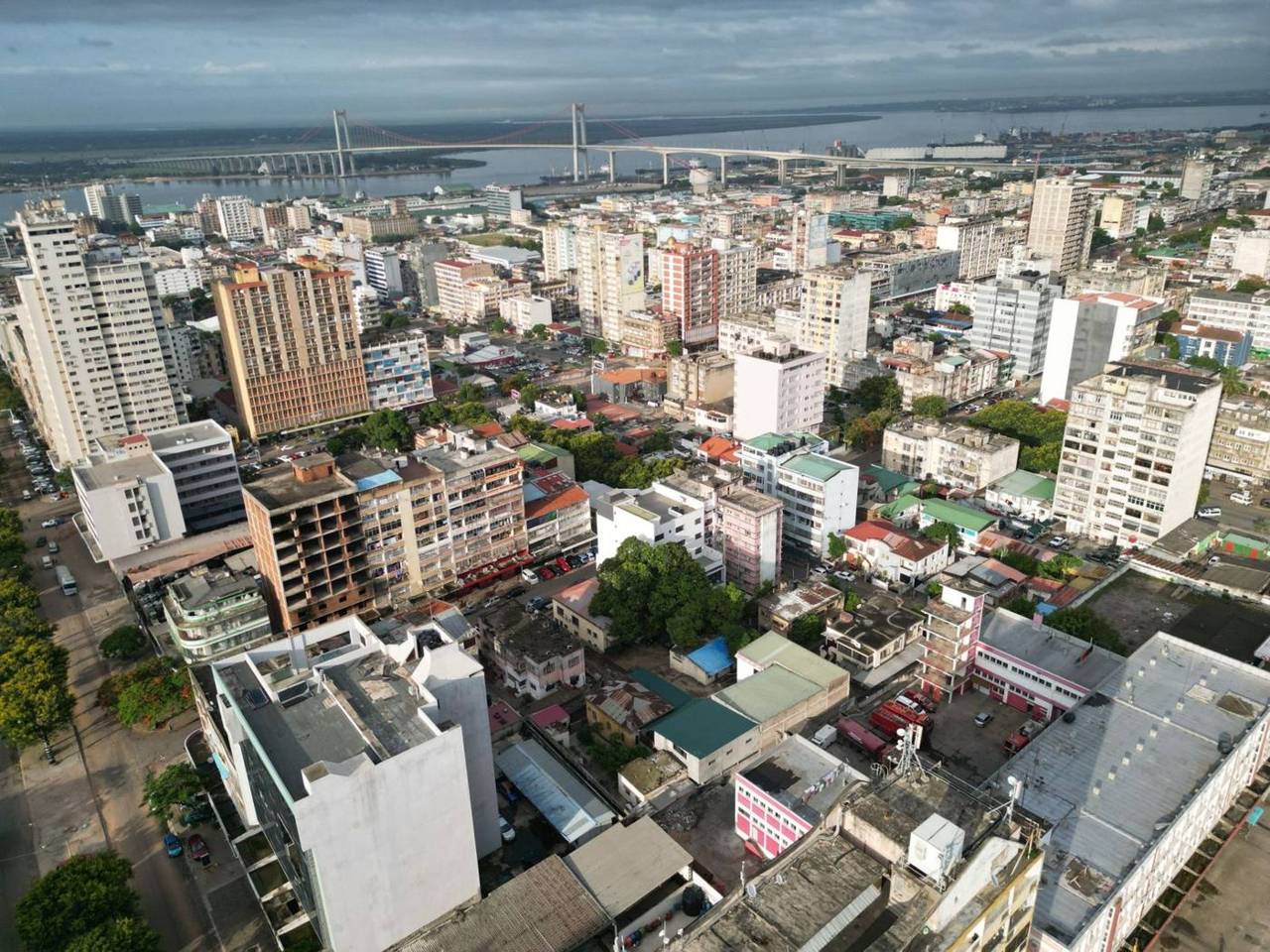
Maputo and Ponta do Ouro
Maputo with its railway station, market and Portuguese-African food, then the Ponta do Ouro marine reserve with dolphins and turtles.
 6 daysEasy
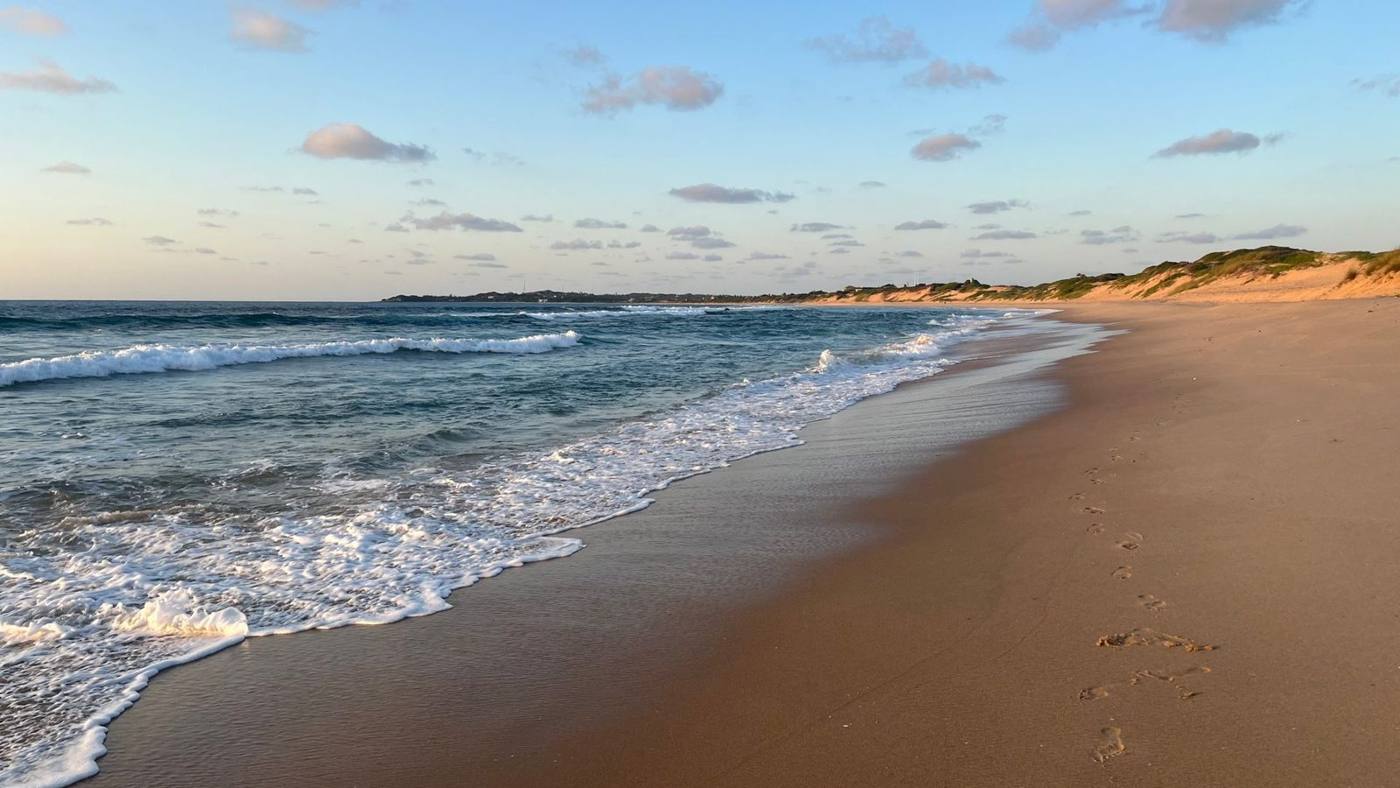
Tofo and Inhambane
The beaches of Tofo and Barra, whale sharks and giant mantas, the colonial town of Inhambane and the dunes by the sea.
 6 daysEasy
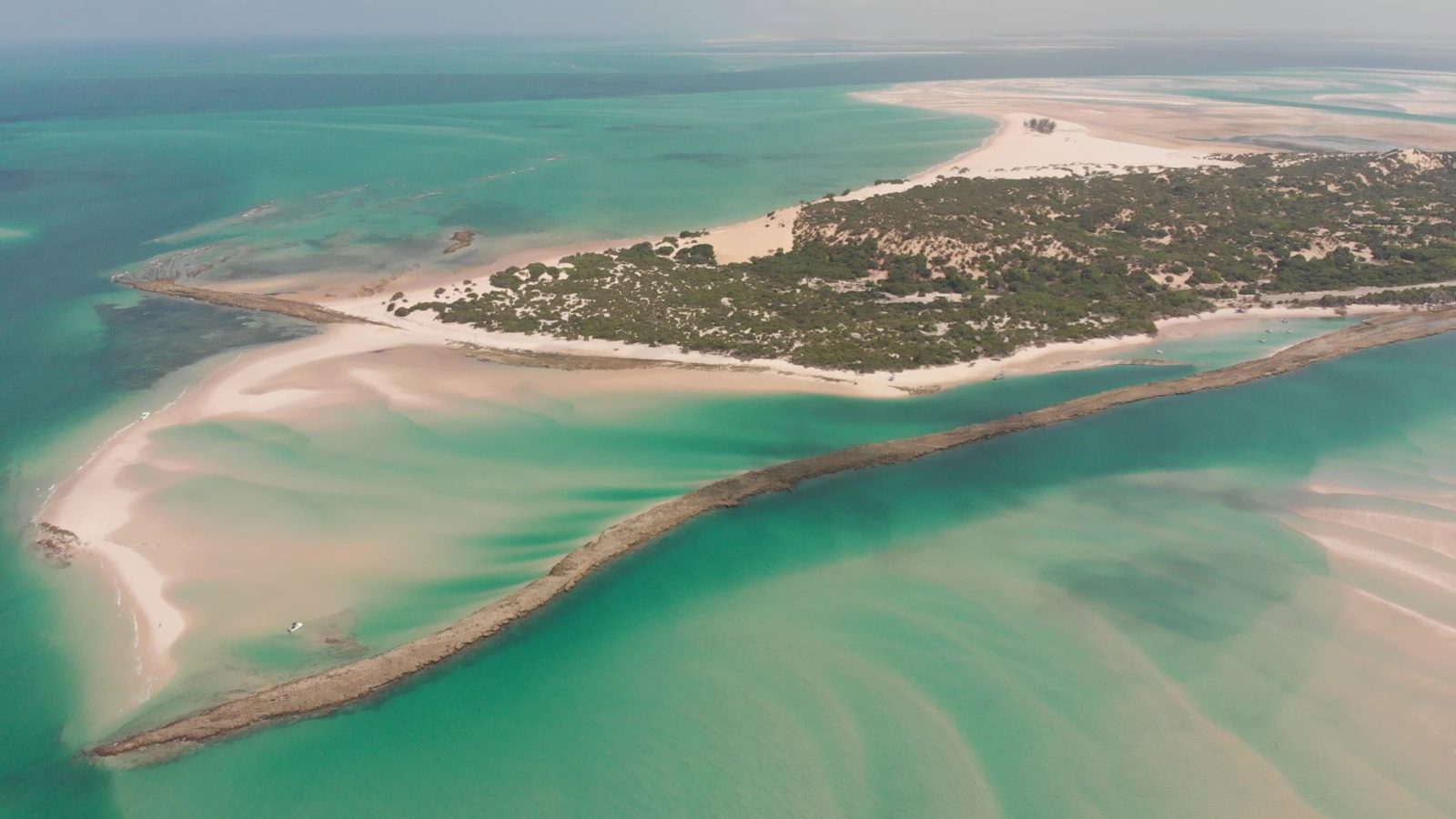
Vilanculos and the Bazaruto archipelago
Sand dunes over a turquoise sea, traditional dhows, dugongs and reefs in the Bazaruto marine park.