Tofo and Inhambane
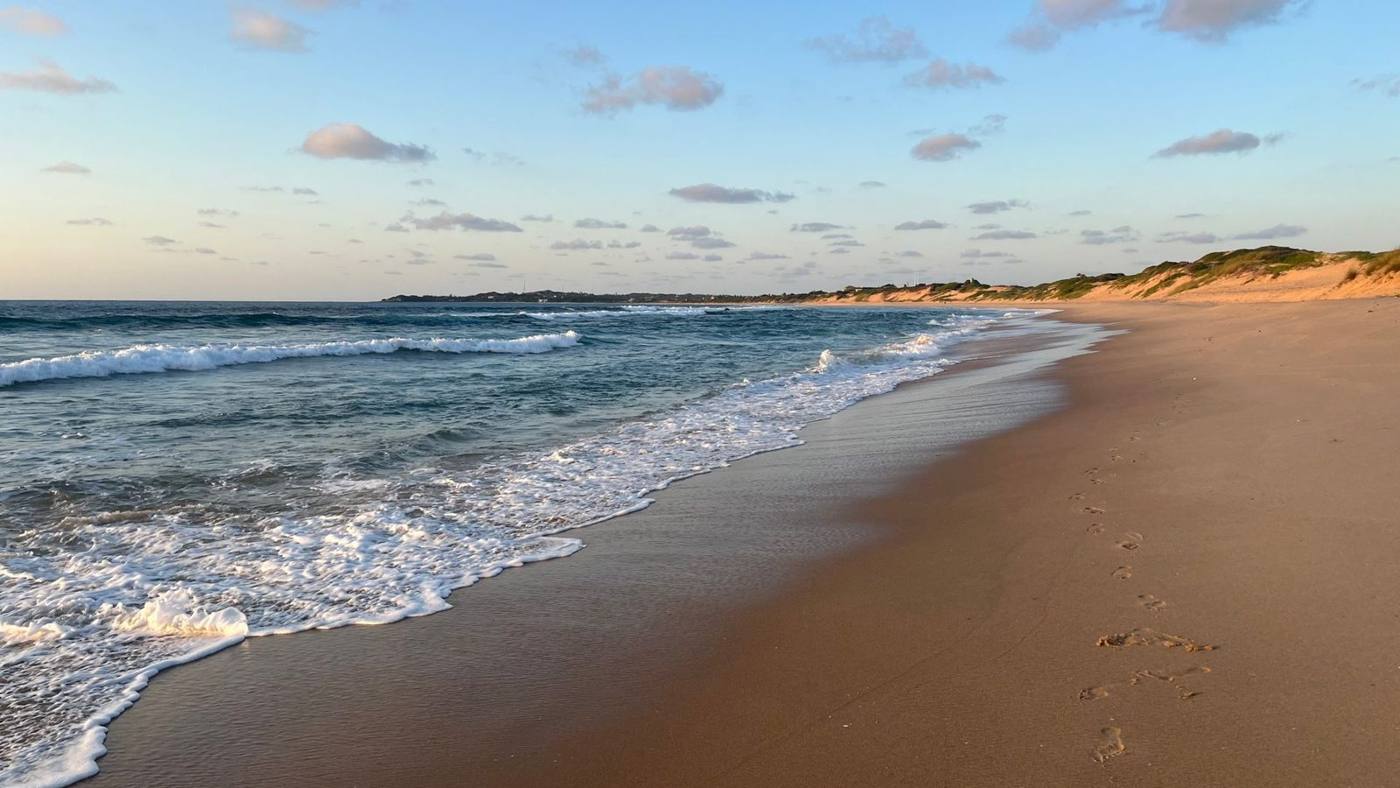
The beaches of Tofo and Barra, whale sharks and giant mantas, the colonial town of Inhambane and the dunes by the sea.
- Inhambane
- Tofo
- Barra
- Tofinho
Day by day
- Day 1
Flight to Inhambane and the old town
This six-day trip takes you to Tofo, in Inhambane Province, one of the best places in the world to meet whale sharks and giant manta rays. You also discover the colonial town of Inhambane and the Barra peninsula.
Before you go: Italian citizens enter Mozambique without a visa for stays of up to 30 days, but before leaving they must obtain an electronic travel authorisation on the official portal evisa.gov.mz, paying a fee: check the amount and apply at least five working days ahead. Your passport must be valid for at least six months from arrival, with two blank pages. Other nationalities should check their own rules. The United Kingdom advises against all travel to Cabo Delgado Province and to some districts of Nampula and Niassa, in the north, because of terrorism: Inhambane and Tofo are in the south, a very long way away. The whole country is a malaria area: ask your doctor.
You fly into Inhambane, one of the oldest towns in Mozambique, on a large, calm bay. It was a trading port even before the Portuguese arrived, visited by Arab and Indian merchants. The story goes that Vasco da Gama, passing here in 1498, called it the land of good people.
In the afternoon, walk around the quiet centre, among pastel-coloured colonial houses, the old cathedral, the mosque and the market, with fruit, cashew nuts and dried fish. On the seafront, watch the dhows, the sailing boats that cross the bay to Maxixe.
In the evening, take the road to Tofo, about half an hour, and arrive before dark.
Practical tip: withdraw cash in metical in Inhambane, because in Tofo there are few ATMs and they often run out of money.
- Day 2
An ocean trip with the whale sharks
Today you head out to sea for the first time, looking for whale sharks, the largest fish in the world.
The trips leave in the morning from Tofo beach, in inflatable boats that push through the waves. Before leaving, the guide explains the rules and how to get into the water. Then you cruise along the coast, not far from the shore, looking for the large dark shapes under the surface. When you see one, you slip into the water with a mask and snorkel and swim alongside the animal for a few minutes. Whale sharks eat only plankton and small fish and are not dangerous to people.
Keep your distance: stay at least a few metres away, do not touch it, do not use flash and do not swim in front of its mouth. The number of whale sharks varies greatly from year to year and month to month: no one can guarantee an encounter.
During the trip you often also see dolphins, turtles and, from June to October, humpback whales passing along the coast with their calves.
In the afternoon, relax on the long beach at Tofo, among the fishermen's colourful boats. At the village market, buy fruit, fresh bread and fish, or eat a plate of grilled prawns.
Practical tip: the sea at Tofo is often rough and the launch from the beach is bumpy. If you get seasick, take a remedy beforehand and eat lightly.
- Day 3
Diving with giant manta rays
Today is manta day. Off Tofo there are several rocky reefs where giant manta rays come to be cleaned by small cleaner fish. The most famous is called Manta Reef.
If you are a certified diver, make one or two dives with a centre that follows the code of conduct with the animals. Descend slowly near the reef, stay still close to the bottom and wait: the mantas glide in, with wings several metres wide. Around you, you also see rays, moray eels, groupers, turtles and shoals of tropical fish. Currents can be strong and the dives are best suited to experienced divers.
If you are not certified, you can take a course or a try dive in the calmer areas, or snorkel in the natural pools that form among the rocks at low tide. Check prices and times.
Tofo is also a place of research: some groups of researchers have followed the mantas and whale sharks for years, and in the evening they sometimes give short talks open to visitors. Ask your dive centre.
In the afternoon, walk on the dunes behind the village, from where you see the coast and the palm trees stretching to the horizon.
Practical tip: do not dive in the 24 hours before your flight home; plan your dives for the first days of the trip.
- Day 4
The Barra peninsula and the mangroves
Today you explore the Barra peninsula, north of Tofo, between the ocean and Inhambane Bay. You get there by car or taxi on a sand road, in a short time.
The tip of Barra has a long white sand beach and, at low tide, sandbanks and pools where the water is calm and clear. On the bay side there are mangroves, seagrass meadows and channels, a very different environment from Tofo's open ocean. Here live crabs, herons, kingfishers and small fish that grow up sheltered among the roots.
With a local guide, take a kayak or dhow trip among the mangroves of the bay. You glide slowly over calm water and see fishermen gathering shellfish on foot in the shallows. Ask your guide to explain why mangroves matter: they protect the coast from storms and act as a nursery for fish.
For lunch, try matapa, the stew of cassava leaves with peanuts and coconut milk, or grilled fish with coconut rice.
In the afternoon, snorkel near the point if the sea is calm, or rest in the shade. Before sunset, go back to Tofo, because the sand road is hard to follow in the evening.
Practical tip: check the tide times before you leave, because at Barra they greatly change the landscape and the places where you can swim.
- Day 5
Tofinho and a last day at sea
Today has no fixed plan: it is a day between sea and beach. If you like, take a second ocean trip to look for whale sharks again, or another dive with the mantas, while the sea is calm in the morning.
Otherwise, walk south along the beach to Tofinho, the rocky headland that closes Tofo bay. From the top of the cliff you see the whole beach, the fishing boats and, in the right months, the spouts of whales offshore. It is also a favourite spot for surfers, who wait for waves below the rocks.
At low tide, small natural pools full of life form on the rock platform: starfish, sea urchins, octopus and colourful fish. Walk in reef shoes and do not touch the animals.
In the afternoon, go back to the village and visit the market, which sells fish, tropical fruit, coconuts and colourful fabrics, the capulanas, which women use as skirts, bags or slings to carry their children. You can have a shirt or a bag sewn by a market tailor in a few hours.
At sunset, sit on the beach and watch the sky change colour above the dunes. In the evening, have grilled prawns with piri piri sauce, the country's hot chilli.
Practical tip: do not leave valuables unattended on the beach, and in the evening walk back to your accommodation in a group or take a taxi.
- Day 6
Departure from Inhambane
Today is departure day. Get up early and enjoy your last sunrise on Tofo beach: the sun rises out of the ocean and the fishermen push their wooden boats into the water.
After breakfast, take the road to Inhambane, about half an hour. If your flight is in the afternoon, stop in town for a last walk along the seafront and a coffee with pastéis, small filled pastries, or Portuguese bread. If you have time, cross the bay by dhow to Maxixe and back: it is a simple way to see life on the bay from the water.
With your bags packed, get to the airport with a good margin. Alternatively, you can continue by car north to Vilanculos and the Bazaruto archipelago, or south to Maputo, driving only by day.
In six days you have seen one of the richest seas in Africa: whale sharks and giant manta rays, dolphins and whales, long beaches and an old town on the bay.
When to go: from October to March is the best time for whale sharks, but it is hot and it may rain. From June to October the humpback whales pass by and the weather is cooler and drier. Mantas can be seen all year round.
Practical tip: if you drive on the national road, remember there are police checkpoints: slow down, say hello and show your passport and documents when asked.
One of the world's best places for mantas and whale sharks. The ocean is often rough and trips launch from the beach in RIBs. Whale shark numbers vary a lot from year to year.
Before you go
- Documents and visa
- Passport valid for at least six months from arrival, with at least two blank pages. Italian citizens enter without a visa for tourism stays of up to 30 days, but before leaving they must obtain an electronic travel authorisation (ETA) on the official portal evisa.gov.mz, paying a fee online: apply at least five working days ahead and carry a printout of the approval. A yellow fever vaccination certificate is required if you arrive from a country with a risk of transmission.
- Health and vaccines
- Malaria is present across the country: ask your doctor about antimalarials. There is also dengue and bilharzia in fresh water, and a cholera outbreak is ongoing in the centre and north: drink only bottled water. Hospitals are of a low standard, especially in the north: you need insurance covering medical costs and evacuation. Emergencies: 112.
- Money and payments
- Mozambican metical. Cards work in Maputo and the bigger resorts; on the islands and in remote areas carry cash, withdrawn in town.
- Power sockets
- Type C, F and M, 220 volts: bring a universal adapter.
- Time zone
- UTC+2 all year.
- Safety
- The UK government advises against all travel to Cabo Delgado Province, except Palma town and the area around Pemba and Afungi, where it advises against all but essential travel, and to the districts of Memba and Eráti (Nampula) and Mecula and Marrupa (Niassa), because of terrorism. Street crime is common in Maputo, sometimes with weapons. Protests can start at short notice. Outside the cities travel only by day and always carry your original passport: the police do not accept copies. Official advice: GOV.UK.
Information checked in November 2026 for Italian and EU citizens. Rules change: always check before you travel.
Variations
In four days: Inhambane, two sea trips from Tofo and departure, without the Barra peninsula.
In nine days: continue north to Vilanculos and add three days in the Bazaruto archipelago.
Frequently asked questions
When can you see whale sharks at Tofo?
They are present almost all year, with more sightings between October and March, but numbers change a lot from year to year and an encounter is not guaranteed.
Do I need a diving licence?
To swim with whale sharks a mask and snorkel are enough. To see the mantas on the reefs you need to dive, either certified or on a try dive.
How do you get to Tofo?
By plane to Inhambane, then half an hour by road. From Maputo you can also drive along the national road in one long day, driving only by day.
Indicative itinerary written by World Atlas. Before booking, check timetables, seasonal openings, documents and safety.
 6 daysEasy
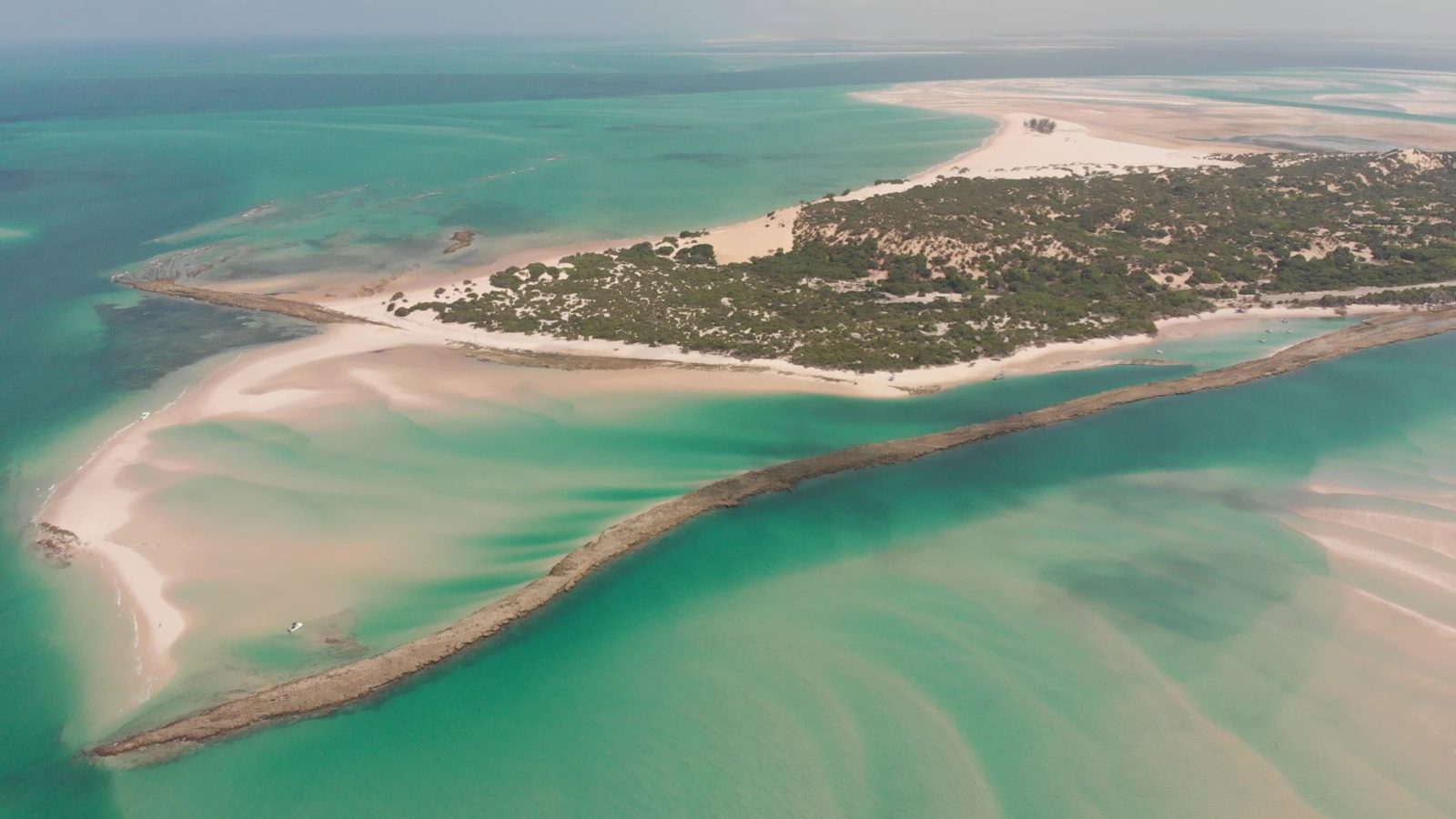
Vilanculos and the Bazaruto archipelago
Sand dunes over a turquoise sea, traditional dhows, dugongs and reefs in the Bazaruto marine park.
 2 daysEasy
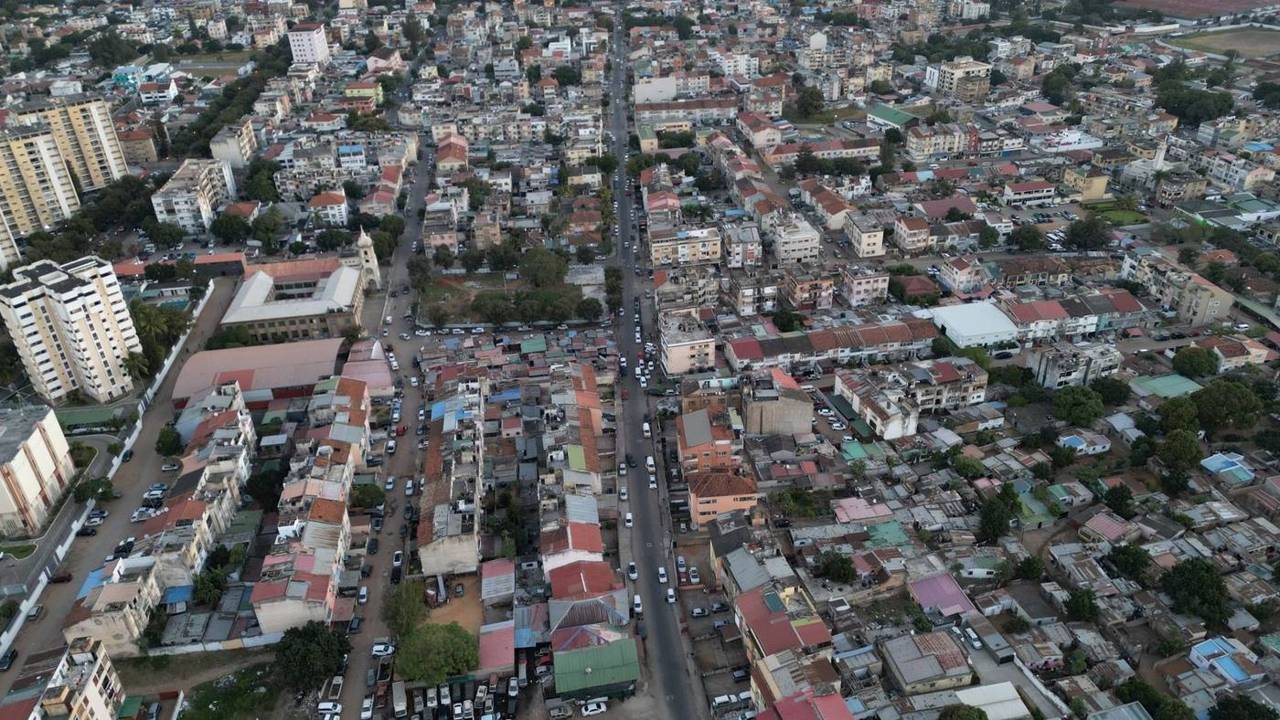
Maputo, architecture and markets
The capital of jacaranda avenues: the railway station, the iron house, the modernist buildings of Pancho Guedes, the central market and the fish market.
 2 daysEasy
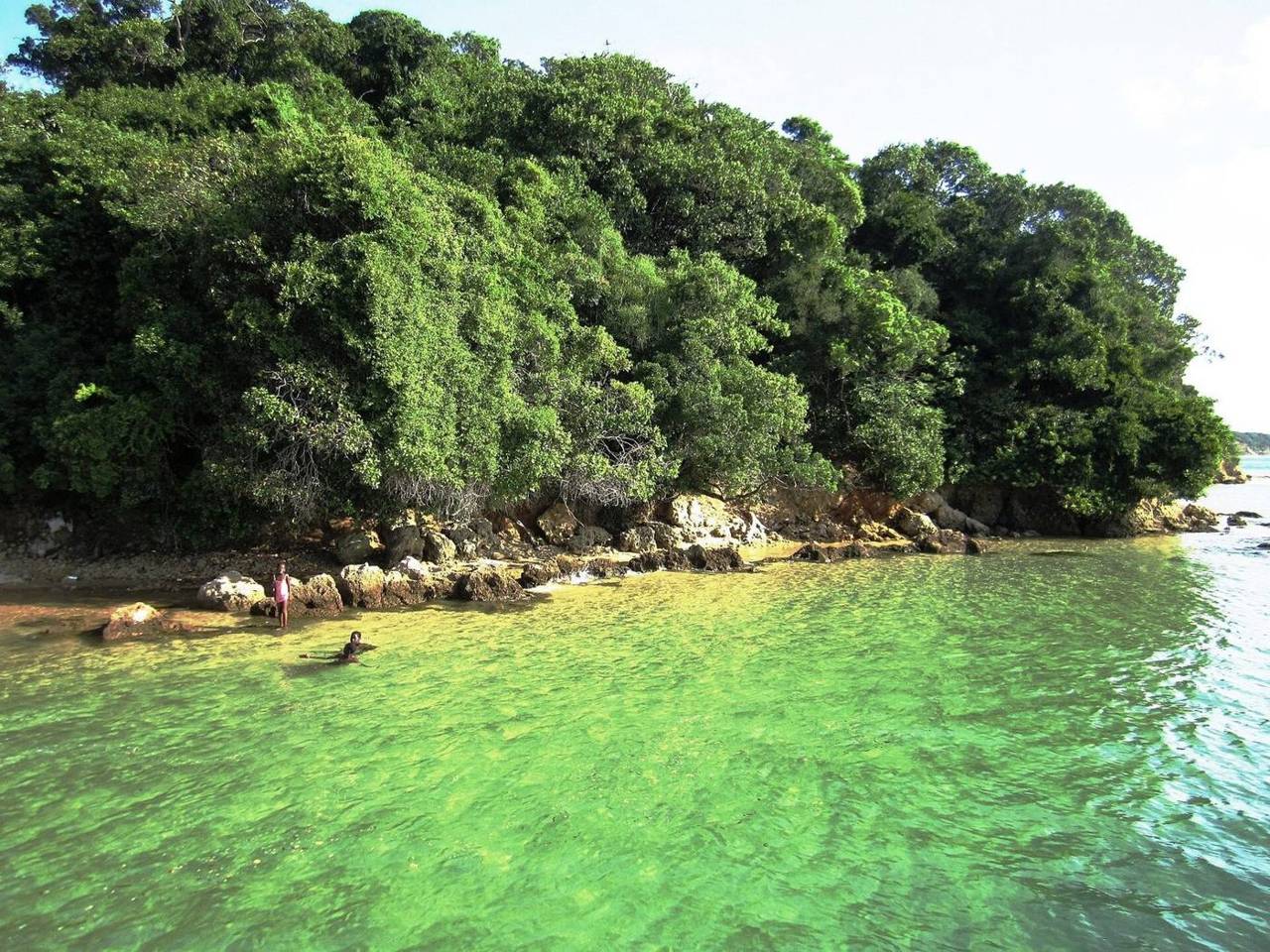
Inhaca Island
An island in Maputo bay with beaches, coral reef, Portuguese Island and mangroves, reached by boat from the capital.