The coast from Budva to Ulcinj
Old Budva, the islet of Sveti Stefan, the beaches of Petrovac, ancient Bar with its two-thousand-year-old olive tree and Ulcinj with its 12 km beach.
- Budva
- Sveti Stefan
- Petrovac
- Stari Bar
- Ulcinj
- Velika plaža
Day by day
- Day 1
Budva: the old town by the sea
This trip takes you along the Adriatic coast of Montenegro, from north to south: Budva and its old town, the islet of Sveti Stefan, Petrovac, the abandoned old town of Bar with its ancient olive tree, and Ulcinj, with the longest sandy beach in the country. You need a car, or you can use the coastal buses.
Before you go: Italian citizens can enter Montenegro without a visa with an electronic identity card, for stays of up to 30 days, or with a passport, for up to 90 days. Other nationalities should check their own rules. Within 48 hours of arrival you must be registered and pay the tourist tax: hotels do it for you, in private accommodation ask the owner. On the beach follow the flags and the lifeguards, and in summer watch out for pickpockets.
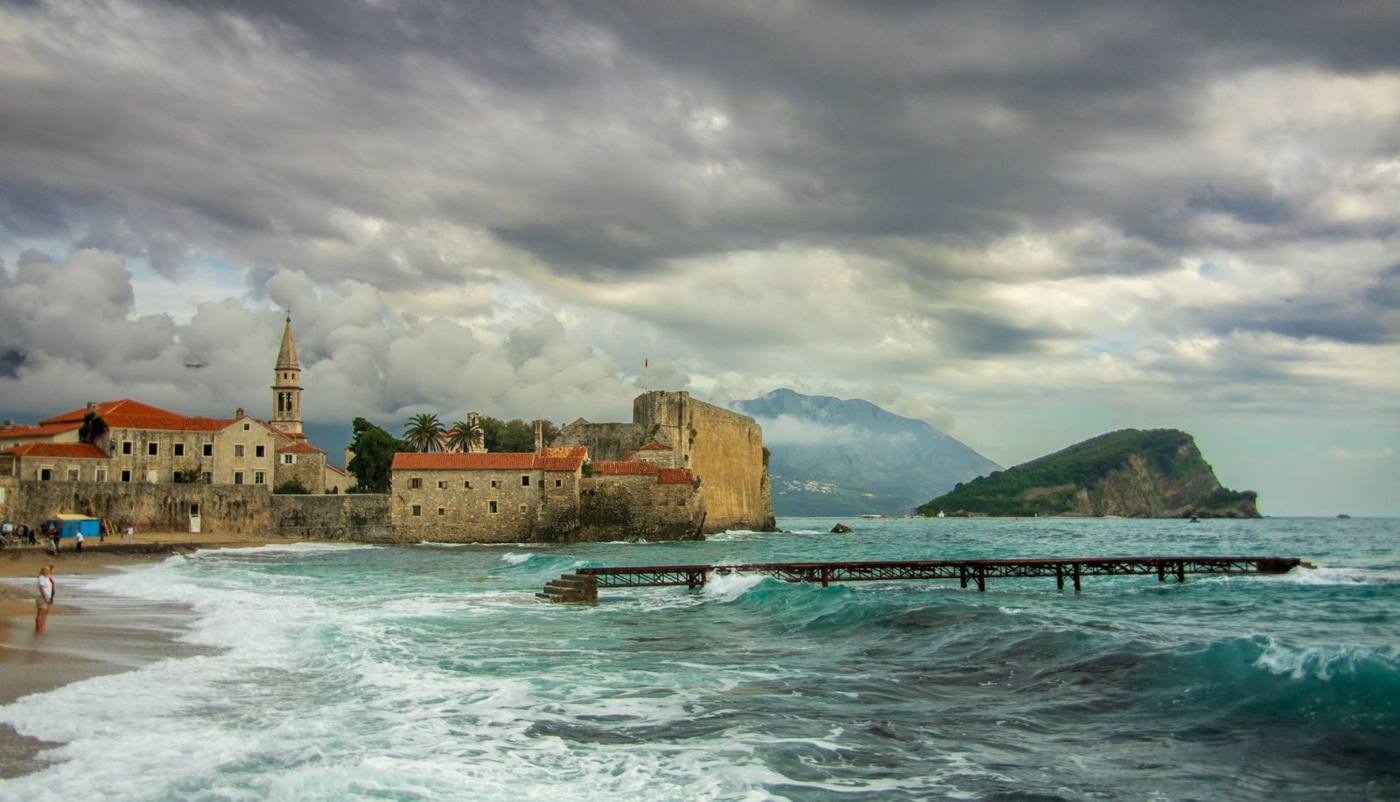
Arrive in Budva from Tivat airport, in about half an hour, or from Podgorica, in about an hour. In the afternoon enter the old town, on a small peninsula enclosed by walls. It was badly damaged by the earthquake of 1979 and then carefully rebuilt.
Walk among the stone lanes, small squares and churches, such as the Orthodox Church of the Holy Trinity, with its facade in stripes of pale and red stone. Climb up to the citadel, on the seaward side, for the view of the coast and the island of Saint Nicholas. Check prices and times. Then walk the stretch of the walls that can be visited.
In the evening stroll along the seafront, full of people and lights.
Practical tip: in summer Budva is very noisy at night, with bars and music until late; if you want peace and quiet, stay in the upper part of town or away from the centre.
- Day 2
Mogren beach and the island of Saint Nicholas
Today you enjoy the sea at Budva, between small beaches below the cliffs and an island in front of the town.
In the morning leave the old town and take the seaside path that runs below the rocks, heading west. In a few minutes you reach Mogren beach, in fact two small beaches of fine shingle joined by a passage through the rocks. The water is clear and the cliffs give shade in the early hours. Along the path you see the statue of the dancer, on a rock, one of the symbols of Budva.
Arrive early, because in summer by mid morning the beach fills up and much of it is taken by paid sunbeds.
For lunch try grilled fish or black risotto made with cuttlefish ink, a typical dish of the coast.
In the afternoon, if the sea is calm, take a boat from Budva harbour to the island of Saint Nicholas, which locals call Hawaii, in front of the town. It has small pebble beaches, rocks and pines. Check prices and times. Alternatively walk along Slovenska beach, the longest in Budva, heading east.
At sunset go back to the walls and watch the sun go down behind the island.
Practical tip: you can only reach the Mogren beaches on foot along a path by the sea; in rough seas the passage may close, so check conditions before you go.
- Day 3
Sveti Stefan from the public beach and Petrovac
Today you see the most famous postcard view of Montenegro and then stop in a quieter seaside town.
In the morning drive south for about a quarter of an hour to Sveti Stefan. The islet, joined to the mainland by a thin strip of sand, was a fortified fishing village with stone houses and red roofs. Today it is a private resort and cannot be visited: you only see it from outside.
For the best view stop at the viewpoint on the main road, above the village, and then go down to the public beach next to the islet, on the village side. From here you look at the islet close up and swim in very clear water.
At midday carry on to Petrovac, about twenty minutes away. It is a smaller, family friendly town, with a bay of sand and shingle, a seafront lined with pines and a small Venetian fortress on the rock, on the harbour side. In front of the bay you see two islets, one of them with a small white church.
In the afternoon follow the path south of the town to Lučice beach, a small bay among the pine woods.
In the evening eat on the seafront in Petrovac and spend the night here, away from the noise of Budva.
Practical tip: at Sveti Stefan do not enter the private areas of the resort or go past the gates; the public beach is signposted and lies on the village side.
- Day 4
Stari Bar and the two thousand year old olive tree
Today you leave the sea for a few hours and visit an abandoned ancient town, below the mountains, and one of the oldest trees in Europe.
In the morning drive south to Bar, about half an hour from Petrovac, and head a few kilometres inland to Stari Bar, the old town. It was inhabited for centuries by Illyrians, Byzantines, Venetians and Ottomans. At the end of the nineteenth century, during a war, it was badly damaged and people abandoned it to build the new Bar near the sea.
Enter the ruins through the main gate. You walk among the remains of churches, houses, a Turkish bath, a clock tower and an aqueduct, with Mount Rumija behind you. Check prices and times.
Below the walls is the old bazaar, a sloping street with small workshops and cafes, where you can drink a Turkish coffee.
Then go to Mirovica, on the edge of Bar, to see the old olive tree, a tree more than two thousand years old, with a huge hollow trunk. It is protected and surrounded by a low wall. Check prices and times.
In the afternoon carry on to Ulcinj, about half an hour away, and settle in for two nights.
Practical tip: at Stari Bar the ground is uneven, with stones and steps without railings; wear closed shoes and visit the ruins in the morning, when it is less hot.
- Day 5
Ulcinj, Velika plaža and Ada Bojana
Today you are in the south of Montenegro, in a town with an Albanian majority, and with the sand that the rest of the coast lacks.
In the morning visit the old town of Ulcinj, on a headland above the sea, with walls, steep lanes and stone houses. From the top you see the town's small beach. Ulcinj has a different feel from the rest of the coast: you hear Albanian spoken, you see the minarets of the mosques next to the bell towers and the pace is slower.
In mid morning drive south east to Velika plaža, the great beach, about 12 kilometres of fine, dark sand. The water is shallow for many metres and suits children. Along the beach you find stretches with facilities and stretches that are almost deserted.
In the afternoon reach Ada Bojana, an island at the mouth of the river Bojana, which marks the border with Albania. Here the steady afternoon wind makes the area one of the best in the Adriatic for kitesurfing. If you already know how, hire the gear; if you are a beginner, choose a school with qualified instructors.
In the evening, along the river, eat grilled fish in one of the houses on stilts.
Practical tip: at Velika plaža the shallow water is safe, but with the wind currents form; swim near the lifeguards and respect the areas reserved for kitesurfers.
- Day 6
Departure from Podgorica or Tivat
On the last day you leave the southern coast and head for the airport.
In the morning, if you have time, visit the Ulcinj salt pans, a large wetland near the town where migrating birds such as flamingos and herons stop. Check prices and times. Or take a last swim at Velika plaža, while the beach is still empty.
Then choose your airport. Podgorica is about an hour and a half from Ulcinj, passing close to Lake Skadar. Tivat is about two hours along the coast, past Bar, Petrovac and Budva.
Trip summary: in six days you have seen the old town of Budva and Mogren beach, the island of Saint Nicholas, Sveti Stefan from the public beach, Petrovac and its bay, the ruins of Stari Bar and the olive tree more than two thousand years old, the old town of Ulcinj, Velika plaža and Ada Bojana.
When to go: in June and September, when the sea is warm and the beaches are less crowded. In July and August the coast around Budva is crowded and noisy and prices go up.
Practical tip: the coast road is narrow and busy in summer; leave in good time for your flight, especially on Saturday, changeover day for many holiday lets.
An Adriatic coast with Ottoman and Balkan influences, cheaper than Croatia. Sveti Stefan is a private resort that can only be seen from outside. The Budva area is noisy in summer and full of nightclubs. Ulcinj, mostly Albanian, has a different atmosphere and the sand the rest of the coast lacks.
Before you go
- Documents and visa
- EU citizens can enter with an identity card for stays of up to 30 days or a passport for up to 90 days, with no visa. British visitors need a passport. You must be registered within 48 hours of arrival and pay the tourist tax: hotels and campsites do it for you, in private accommodation ask the owner.
- Health and vaccines
- No compulsory vaccinations. Healthcare is poorly equipped and often asks for payment in cash: bring your own medicines and take insurance covering medical costs and repatriation. Tap water is generally safe to drink. Emergencies: 112, police 122, ambulance 124.
- Money and payments
- Euro, even though Montenegro is not in the European Union. Cards work in towns and on the coast; in mountain villages you need cash.
- Power sockets
- Types C and F, 230 volts: you need an adapter for British plugs.
- Time zone
- UTC+1, UTC+2 in summer, one hour ahead of the UK.
- Safety
- No particular risks overall; watch for theft on the coast in summer. Mountain roads are narrow and can freeze in winter; there are wildfires in summer. In the mountains stay on marked paths, carry your passport if you walk near the Albanian or Kosovo border, and check the weather. Official advice: GOV.UK.
Information checked in November 2026 for Italian and EU citizens. Rules change: always check before you travel.
Variations
Shorter: four days, with Budva, Sveti Stefan and Petrovac, Stari Bar and Ulcinj.
Longer: add two days on Lake Skadar, with Virpazar and a boat trip among the water lilies.
Frequently asked questions
Can you go onto Sveti Stefan?
No, the islet is a private resort. You see it from the viewpoint on the road and from the public beach next to it, on the village side.
Which is the best beach for children?
Velika plaža in Ulcinj, with fine sand and shallow water for many metres. The beaches in Budva are shingle and more crowded.
Do I need a car?
It helps a lot, but buses link all the towns on the coast. For Stari Bar, the olive tree and Ada Bojana a car or taxi is more convenient.
Indicative itinerary written by World Atlas. Before booking, check timetables, seasonal openings, documents and safety.
 3 daysEasy
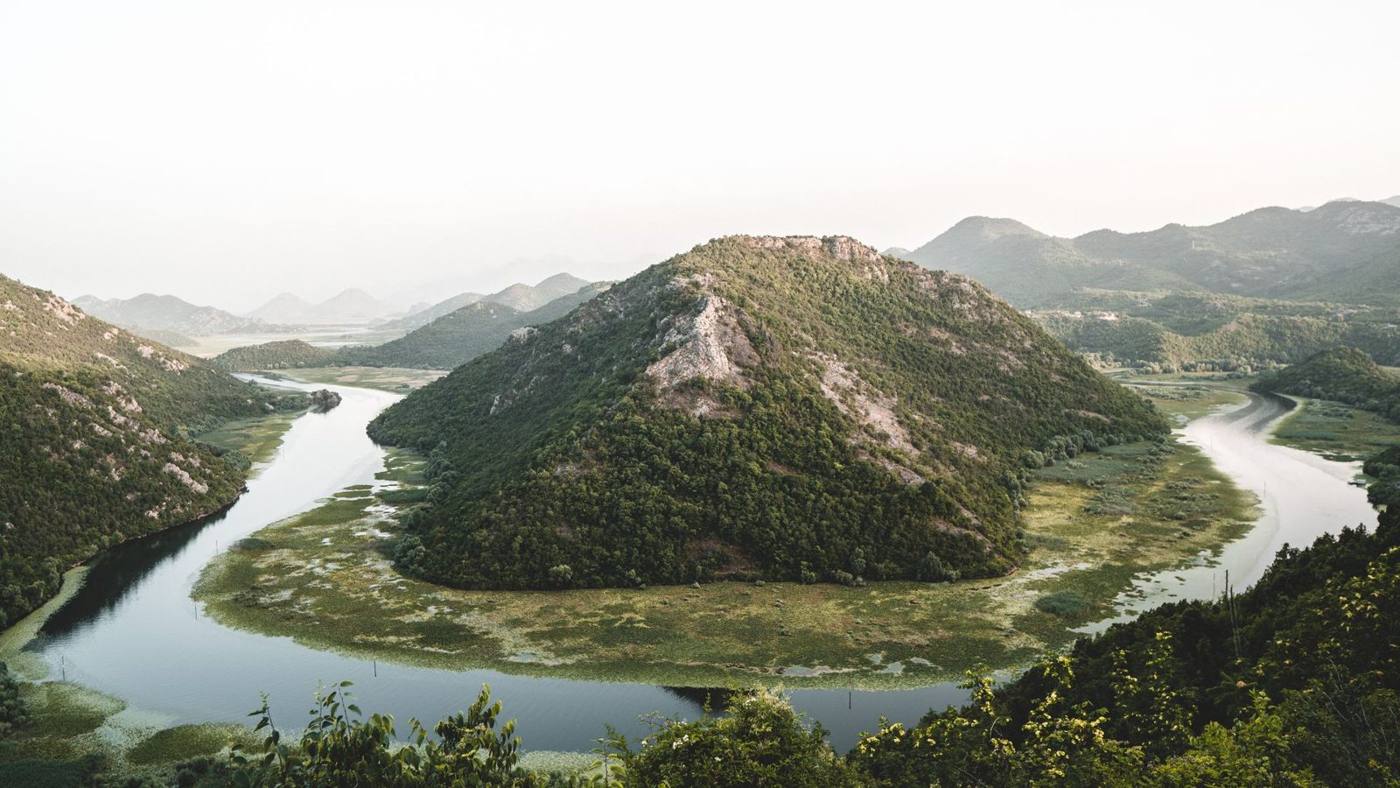
Lake Skadar
The largest lake in the Balkans: boating among water lilies and pelicans, island monasteries, the village of Virpazar and the Vranac wines of the Crmnica region.
 5 daysModerate
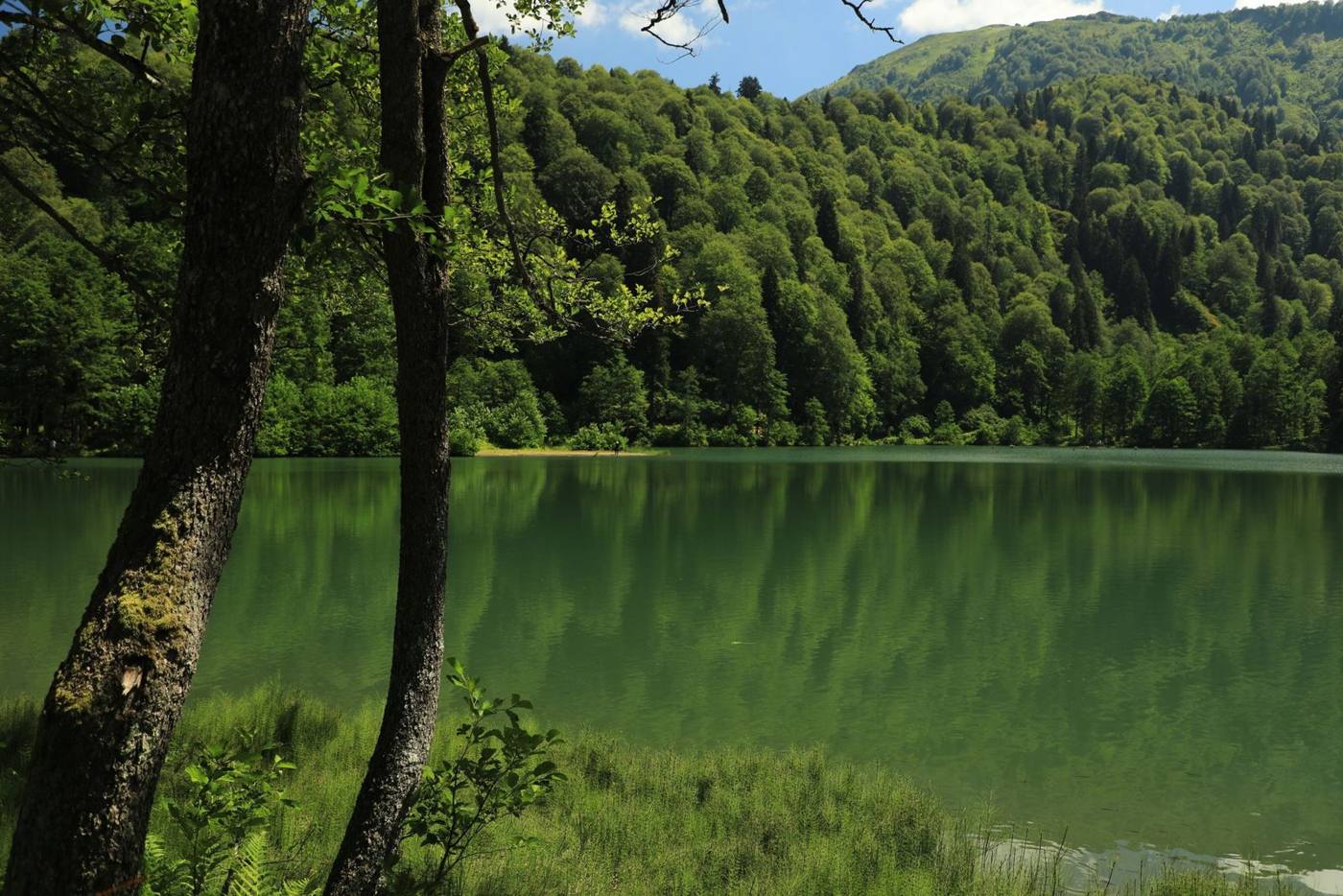
Biogradska Gora and Prokletije
One of Europe's last virgin forests around Lake Biograd, then the Accursed Mountains of Prokletije with the Grbaja valley.
 10 daysEasy
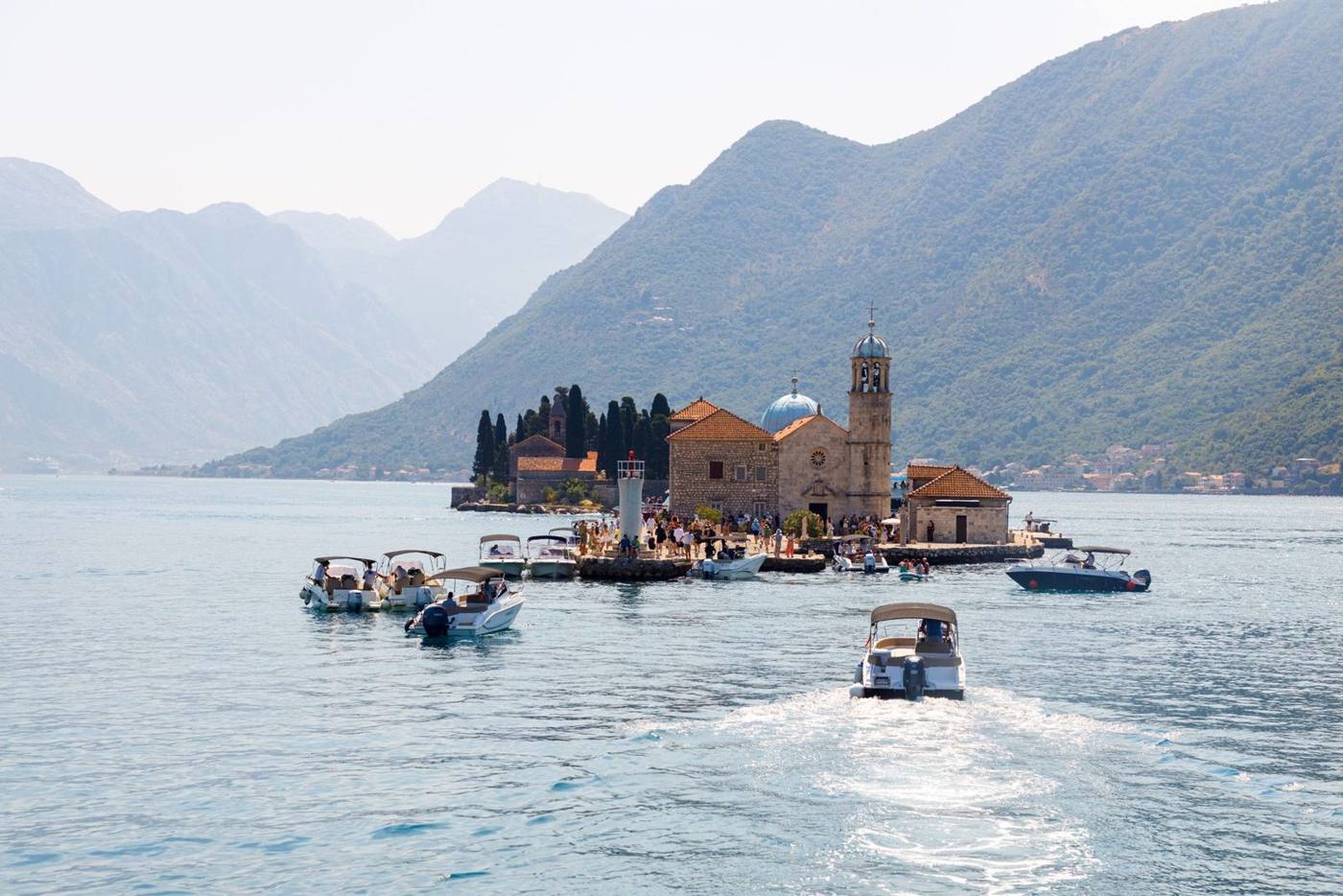
Montenegro and Albania
From the Bay of Kotor to Shkodër, then Tirana, Berat and the Albanian Riviera down to Saranda and Butrint.