The Golden Eagle Festival
The festival of Kazakh golden eagle hunters at Ölgii in early October, with contests, horseback games and a stay with a family in the Mongolian Altai.
- Ulaanbaatar
- Ölgii
- Sagsai
Day by day
- Day 1
Flight from Ulaanbaatar to Ölgii
This six day trip takes you to the far west of Mongolia, to Bayan-Ölgii province in the Altai mountains, for the festival of the Kazakh hunters with golden eagles. You will see two days of contests, horseback games and traditional costumes, and then spend two days with a family of hunters in the Sagsai valley.
Before you go: Italian citizens enter Mongolia with a passport valid for at least six months. The visa exemption for tourism of up to 30 days runs until the end of 2026: for later trips check whether it has been renewed, otherwise apply for a visa at the Mongolian embassy. Other nationalities should check their own rules. Mongolia is a safe country; in Ulaanbaatar watch out for pickpockets in crowded places. In 2026 there have been fuel shortages: allow extra time.
Border zones: Bayan-Ölgii borders Russia and China. According to the British government, areas up to 100 kilometres from the border can be treated as border zones, where you need permission from the border authority. Ask your guide well in advance whether your route requires it, especially if you want to continue to Altai Tavan Bogd park, and always carry your passport.
In the morning take the flight from Ulaanbaatar to Ölgii, over deserts and mountains. Flights are few and sell out: book early and check prices and times. Remember that Bayan-Ölgii is one hour behind Ulaanbaatar.
Ölgii is a Kazakh town, with a mosque, a market and low houses with colourful roofs. In the afternoon walk around the market and taste Kazakh bread and tea with milk.
Practical tip: bring cash in tugrik from Ulaanbaatar, because in Ölgii there are few cash machines and during the festival they can run out of money.
- Day 2
The first day of the eagle festival
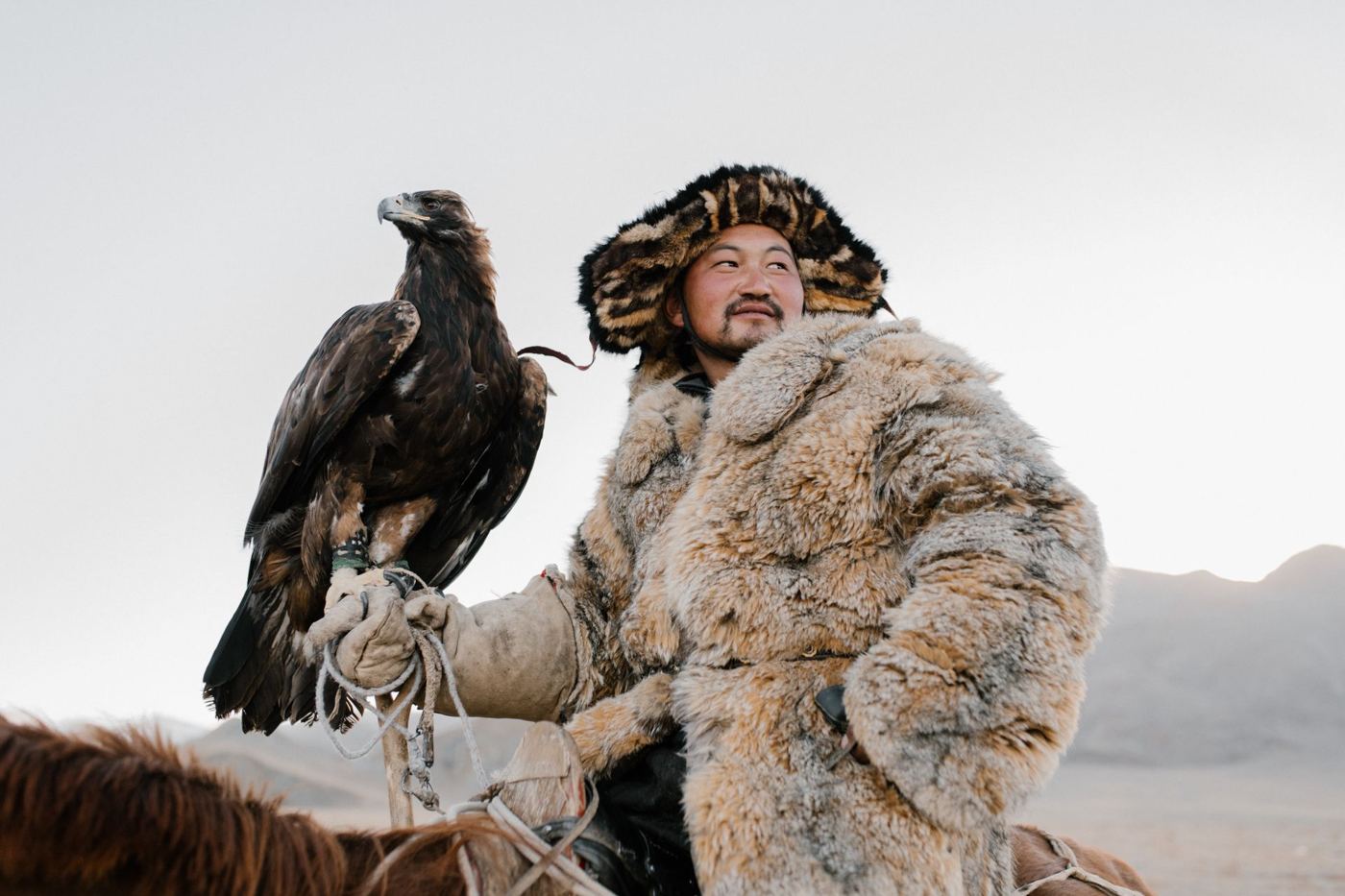
Today the festival begins. It is usually held on a wide open plain outside town, at the foot of the mountains. Arrive early: around mid-morning the hunters ride in, in a line, with golden eagles on their arms, for the opening parade. They wear long leather coats and fox fur hats, and their horses have decorated saddles.
The hunters, whom the Kazakhs call berkutchi, train golden eagles to hunt foxes and hares in winter. They usually use females, which are larger and stronger than males. The eagle lives with the family for a few years and then many hunters release it into the wild, so that it can breed.
The most important contest is the call: the hunter stands at the foot of the hill and calls his eagle, released by a helper at the top. The judges score the speed and accuracy of its landing on the gloved arm. In another event the eagle must catch a fox skin dragged by a rider at a gallop. The judges also award points for costumes and equipment.
Stay behind the ropes and away from the path of the horses and birds. Eagles can be nervous with crowds: do not get too close and do not touch them without the hunter's permission.
For lunch try the festival stalls, with boiled meat, fried bread and tea.
Practical tip: bring a telephoto lens or binoculars, because the eagles come down from the hill and the best scenes are often far away.
- Day 3
The second day: horseback games and Kazakh culture
The second day of the festival continues with the eagle contests and with the horseback games of the Kazakh tradition. Arrive early again to find a good spot.
The most spectacular game is kokpar, a kind of tug of war on horseback: two riders fight over a goat carcass, pulling and wheeling round until one manages to wrench it from the other. In kyz kuu, the girl chase, a man on horseback must catch a girl riding at a gallop; if he fails, on the way back she chases him with her whip. Then there is the contest in which riders, at full speed, lean right down to the ground to pick up a coin or a handkerchief.
There is often archery too, camel races and a traditional costume contest, with embroidered cloaks and fur hats. Women sell Kazakh embroidery, cushions and colourful carpets, which decorate the houses and gers of the region.
At the end the best hunters and their eagles receive their prizes, in front of the families and visitors.
In the evening, in Ölgii, try Kazakh beshbarmak, boiled meat with wide noodles, and listen to the dombra, the two-stringed instrument, if there is a music evening.
Practical tip: dress in layers: in the morning temperatures are often close to freezing, at midday the sun is warm and the wind on the plain is strong.
- Day 4
To Sagsai and the hunter's family
In the morning leave Ölgii for the Sagsai valley, a short drive south-west of town. The track follows the river between dry mountains, with the first yellow autumn trees along the water and herds coming down from the summer pastures.
You arrive at the home of a family of eagle hunters, who host you for two nights. In autumn many families already live in their winter houses, made of stone or mud, or in gers near the animal pens. Inside, the walls are decorated with embroidered Kazakh wall hangings, the tus kiiz.
In the afternoon watch the hunter caring for his eagle: he feeds it, cleans it, and puts on and takes off the leather hood that keeps it calm. Listen, with your guide's help, to how he caught or raised the eagle and how he trains it. If he agrees, you can try holding the eagle on your arm, with the heavy glove: it is heavier than you think.
In the evening the family has dinner with you: tea with milk, home-made bread, butter and boiled meat. The Kazakhs are Muslim and very hospitable: accept food with your right hand and respect prayer times.
At night it is cold, often below freezing. The stove warms the room in the evening, but goes out by morning.
Practical tip: bring a winter sleeping bag and a hat to sleep in, and a small gift for the family, such as tea, sugar or school supplies for the children.
- Day 5
A day with the hunters in the Altai
Today go out with the hunter into the mountains around the valley. Depending on the season and his habits, he may take you on horseback up a hill from where the eagle watches over the valley, or show you how he launches the bird and calls it back. The real hunt usually takes place later, in the depths of winter, when the foxes' fur is thickest.
If you are not used to riding, ask for a calm horse and let a member of the family hold the rein. The ground is steep and stony: always go at a walk.
From the ridges you see the Altai mountains, already white with snow higher up, the brown and golden valleys and the family's small houses far below. Look at the sky: besides the trained eagles you may see griffon vultures, cinereous vultures and other wild birds of prey.
In the afternoon go back to the house and help the family with daily tasks: fetching water, collecting dry dung for the stove, watching the goats and sheep coming home. The children often ride extremely well already and are curious about visitors.
In the evening, after dinner, ask whether someone plays the dombra or sings Kazakh songs. It is the best moment to hear the stories of the family and of life in the Altai.
Practical tip: always ask permission for photos, and show the pictures to the family: they are often happy to see them and to receive a copy later.
- Day 6
Back to Ulaanbaatar
In the morning say goodbye to the family and go back to Ölgii, then take the flight to Ulaanbaatar. Leave with plenty of margin, because the track can be slow and flights at this time of year are full. If your flight changes time, remember the one hour difference.
In these six days you have seen one of the rarest cultures in Asia: the Kazakh hunters with golden eagles, the Ölgii festival with the eagle calling, kokpar and the horseback games, Kazakh embroidery and music, and two days with a family in the Sagsai valley, among the Altai mountains.
When to go: the Ölgii eagle festival is usually held at the beginning of October. The exact dates are announced each year and can change: check them before you book flights and accommodation. In some years there are also smaller festivals in villages of the province, on nearby dates. At this time of year it is already cold: during the day it can be mild, but at night the temperature often drops below freezing and it can snow.
If you have a few hours in Ulaanbaatar before you leave, visit Gandan monastery or the National Museum of Mongolia, to round off the trip with the history of the Mongols.
Practical tip: book your international flight at least a day after your return from Ölgii, because domestic flights in the west can be delayed by wind or snow.
A rare, photogenic experience. It is already cold, often below freezing at night. Flights to Ölgii are few and sell out: book early.
Before you go
- Documents and visa
- Passport valid for at least six months. Italian citizens can enter for tourism without a visa for up to 30 days, but the current exemption runs until the end of 2026: for later trips check whether it has been renewed, otherwise apply for a visa at the Mongolian embassy. Anyone staying more than 30 days must register with the immigration office in Ulaanbaatar within seven days of arrival.
- Health and vaccines
- No vaccinations are compulsory; ask your doctor about hepatitis A and B and tetanus. Drink bottled water, avoid undercooked meat and never eat marmot, because of the risk of plague. Outside the capital medical facilities are limited: bring your own medicines and insurance covering medical costs and repatriation. Emergencies: police 102, ambulance 103, fire service 101.
- Money and payments
- Mongolian tugrik (MNT). By law payments inside the country are made in local currency. Cards work mainly in Ulaanbaatar; carry cash in the steppe.
- Power sockets
- Types C and E, 230 volts: you need an adapter for British plugs.
- Time zone
- UTC+8 all year.
- Safety
- Generally a safe country. In Ulaanbaatar pickpockets work in markets, at bus stops and in crowded places; avoid arguments with drunk people. In 2026 there have been fuel shortages that can affect flights and road travel: allow extra time. Official advice: GOV.UK.
Information checked in November 2026 for Italian and EU citizens. Rules change: always check before you travel.
Variations
In 4 days: fly to Ölgii, see the two days of the festival and fly back, without the stay with the family.
In 10 days: after Sagsai continue to Altai Tavan Bogd park and the lakes of the Altai, with a border permit if needed.
Frequently asked questions
When is the eagle festival held?
The Ölgii festival is usually held at the beginning of October and lasts two days. The exact dates are announced each year: check them before you book.
Do I need a special permit for Bayan-Ölgii?
The province borders Russia and China, and areas up to 100 kilometres from the border can require permission from the border authority. Ask your guide in advance whether your route needs it, especially towards Altai Tavan Bogd park.
Is it cold in the Altai in October?
Yes. During the day it can be mild and sunny, but at night the temperature often drops below freezing and it can snow. Bring layered winter clothing, gloves, a woolly hat and a warm sleeping bag.
Indicative itinerary written by World Atlas. Before booking, check timetables, seasonal openings, documents and safety.
 3 daysEasy
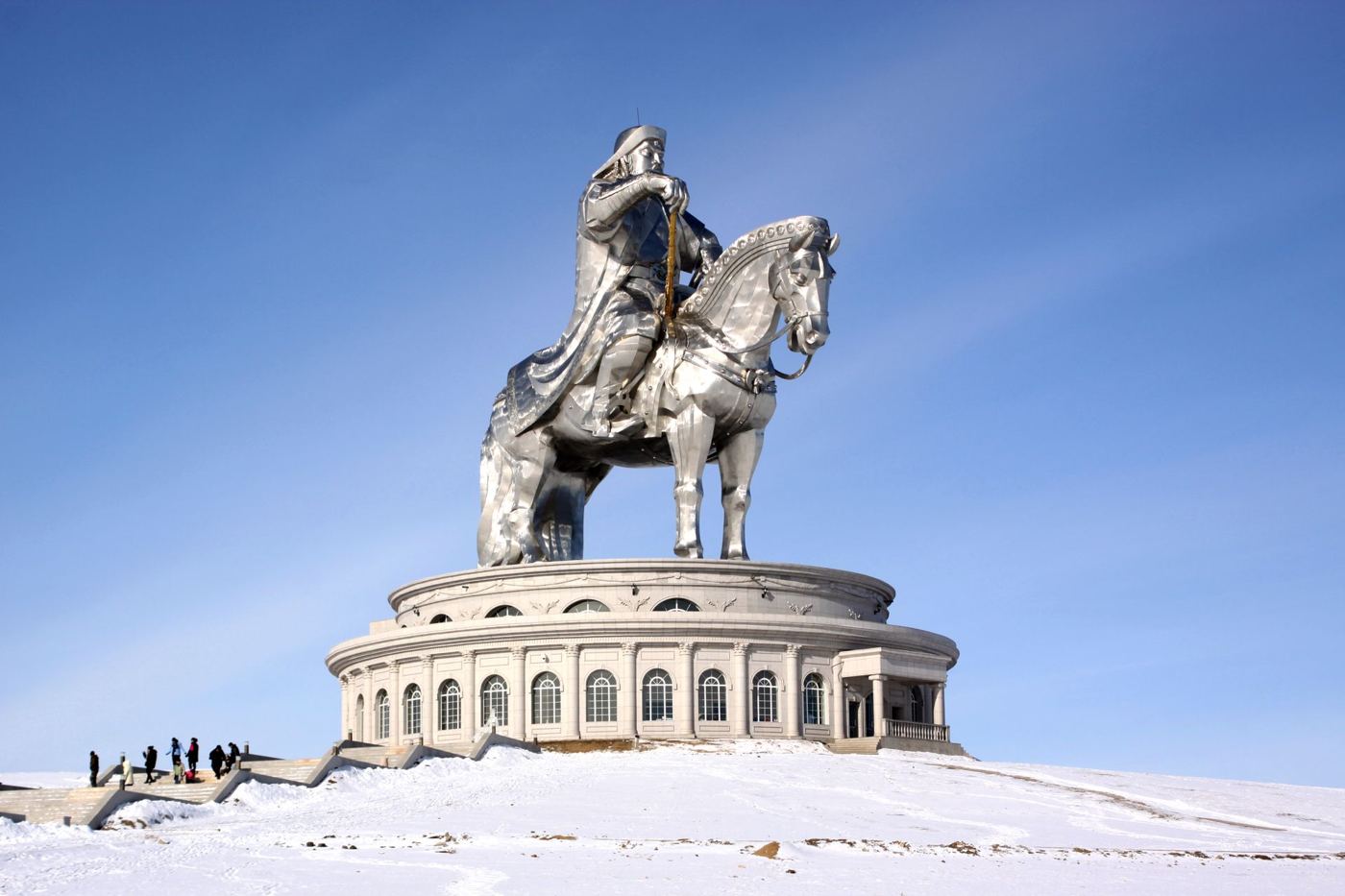
Terelj and the Genghis Khan statue
Gorkhi-Terelj National Park with Turtle Rock and Aryabal monastery, a night in a ger and the giant equestrian statue of Genghis Khan at Tsonjin Boldog.
 2 daysEasy
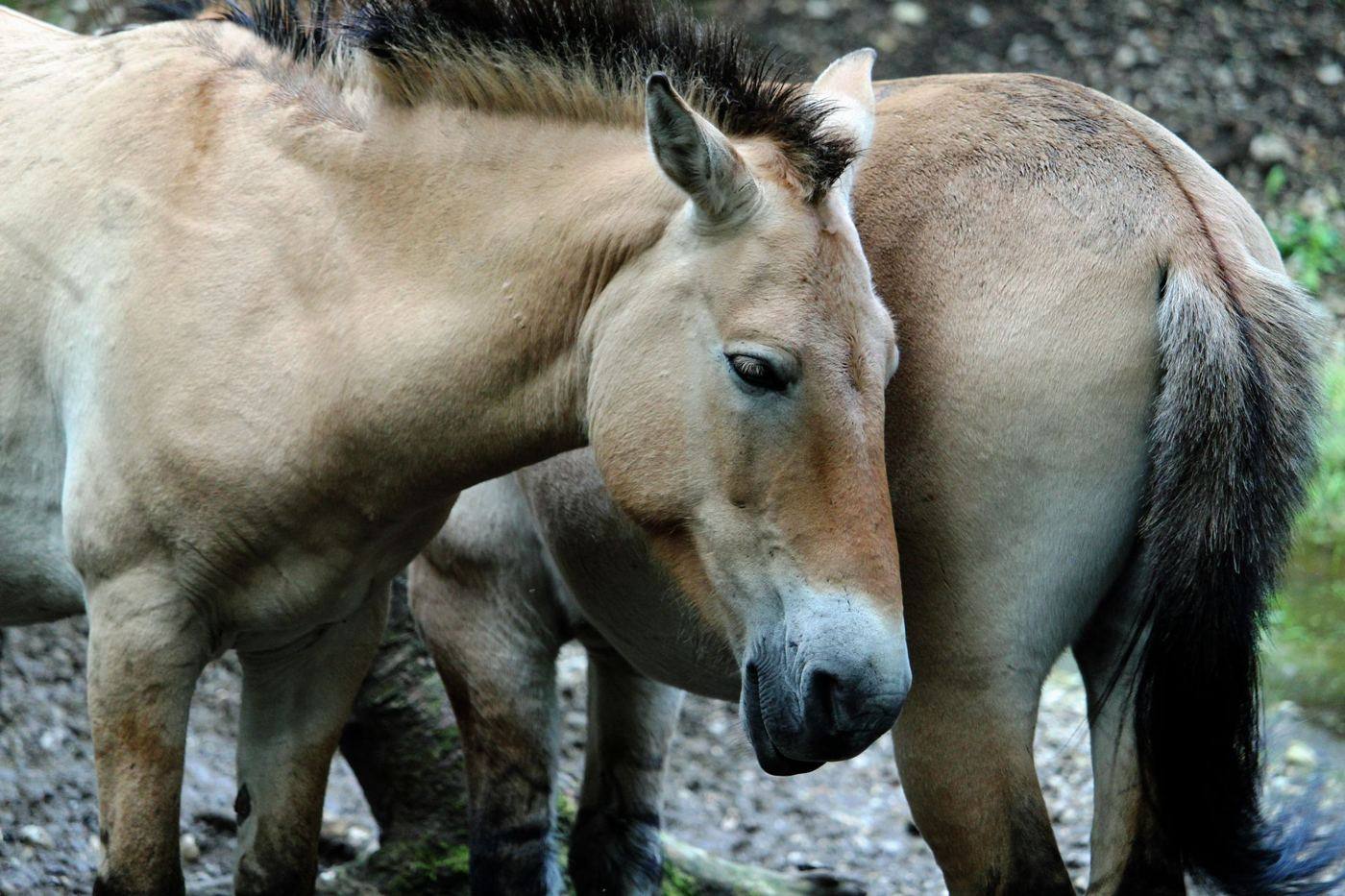
Hustai and the Przewalski's horses
Hustai National Park, where the takhi, the world's last wild horse, was reintroduced, with sightings at dusk and a night in a ger.
 7 daysChallenging
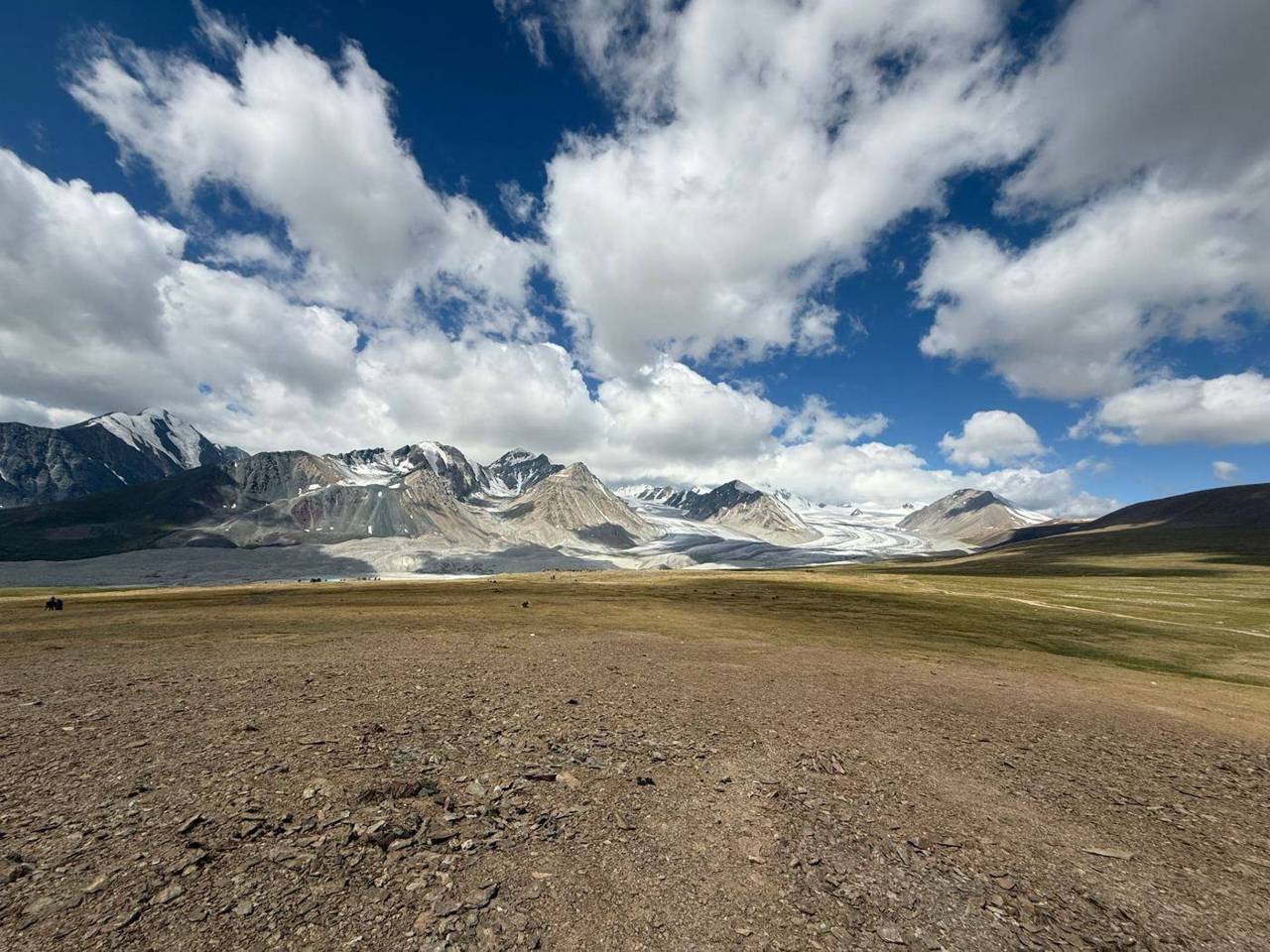
The Altai and Tavan Bogd
Altai Tavan Bogd National Park in the far west, with the Potanin glacier, Lakes Khoton and Khurgan and the UNESCO petroglyphs, on foot with camels and Kazakh herders.