Hustai and the Przewalski's horses
Hustai National Park, where the takhi, the world's last wild horse, was reintroduced, with sightings at dusk and a night in a ger.
- Ulaanbaatar
- Hustai
Day by day
- Day 1
From Ulaanbaatar to Hustai and the horses at sunset
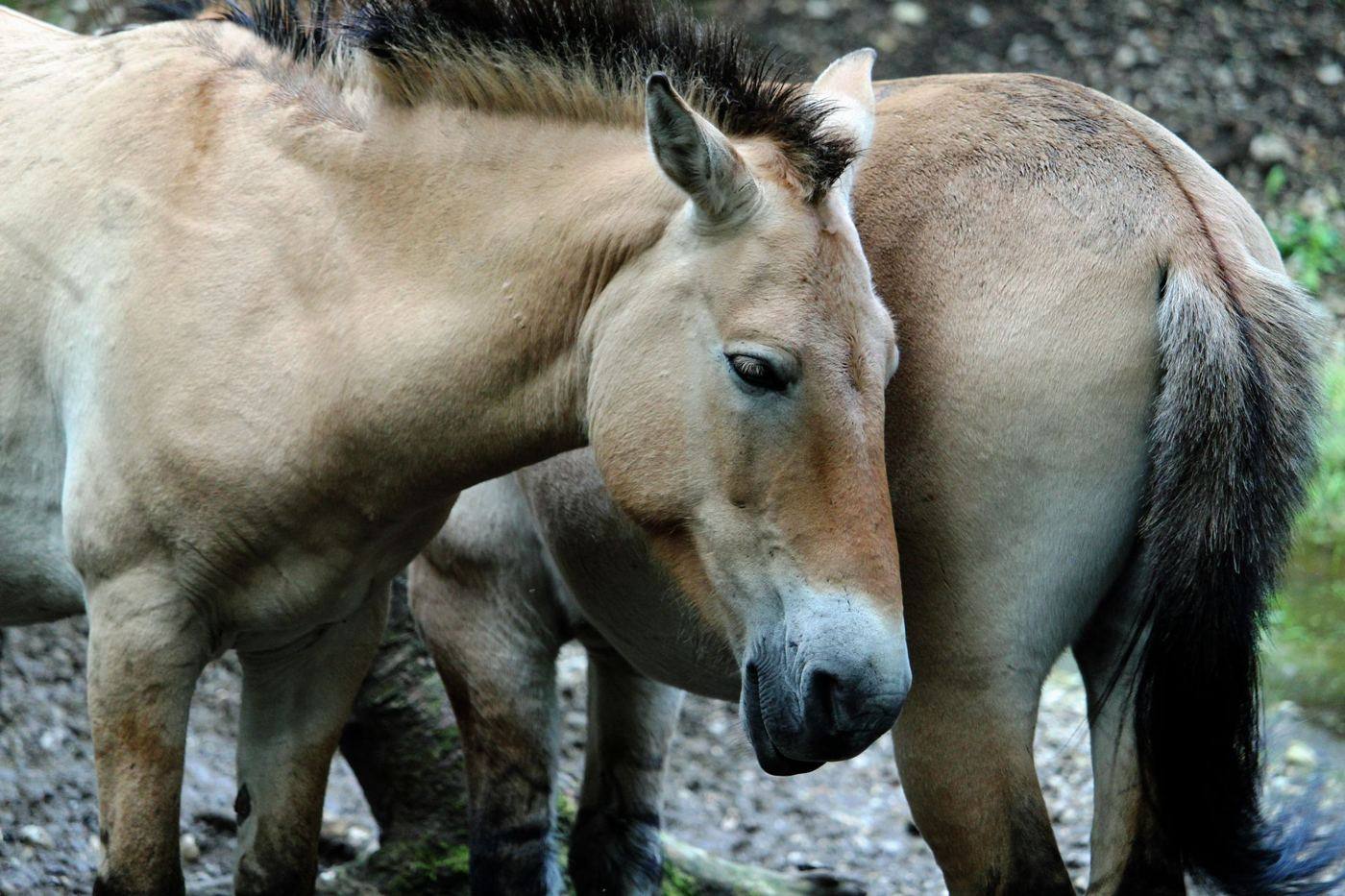
This two-day trip takes you to Hustai National Park, about a hundred kilometres west of Ulaanbaatar, the capital of Mongolia. Here, among grassy hills and birch groves, the takhi lives in the wild: Przewalski's horse, the only wild horse left in the world. It had died out in the wild in the last century and returned to the steppe thanks to horses bred in European zoos and released here from the early 1990s.
Before you go: Italian citizens enter Mongolia with a passport valid for at least six months. The visa exemption for tourism of up to 30 days runs until the end of 2026: for later trips check whether it has been renewed, otherwise apply for a visa at the Mongolian embassy. Other nationalities should check their own rules. Mongolia is a safe country; in Ulaanbaatar watch out for pickpockets in crowded places. In 2026 there have been fuel shortages: allow extra time.
In the morning leave Ulaanbaatar heading west. The tarmac road crosses the open steppe, with herds of horses, sheep and white gers. The last kilometres are on a dirt track: in all it takes about two hours.
At the park entrance stop at the visitor centre, where a small museum tells the story of the takhi and its reintroduction. Check prices and times. Then settle into a ger, the round felt tent of the nomads.
In the late afternoon set off with a park guide by four-wheel drive. Towards evening the takhi come down from the hills to the valleys and watering places: you recognise them by their stocky, sand-coloured bodies, dark legs and short, upright manes. Watch them from a distance, with binoculars, at sunset.
Practical tip: bring binoculars and a warm jacket, because even in summer the evenings on the steppe are cool and the wind is strong.
- Day 2
A walk in the park and the journey back
Today you wake up in the ger to the silence of the steppe. Go out early: the morning light is beautiful on the hills and the animals are active again.
After breakfast, with the nomads' salty milk tea, take a walk with your guide along one of the park's trails. You walk through flowering grasslands, granite rocks and small birch woods. As well as the takhi, which live in small family groups with one stallion, you can see red deer, gazelles, marmots whistling in front of their burrows and large birds of prey such as the golden eagle and the cinereous vulture.
Always stay at least a few hundred metres from the horses and do not try to get closer: they are wild animals, and distance protects both them and you. Keep to the paths your guide shows you, so as not to disturb the breeding areas.
Hustai is also a UNESCO biosphere reserve, and its story is a rare example of successful conservation: from the few horses flown in from Europe, a population has grown that now lives in the wild.
In the early afternoon return to Ulaanbaatar. If you have time, in the evening visit Sükhbaatar Square, with the Government Palace and the large seated statue of Genghis Khan.
In these two days you have seen the Mongolian steppe a few hours from the capital: the return of the takhi, the last wild horse, the sightings at sunset, the night in a ger and the walks among hills, marmots and birds of prey.
When to go: from May to September, when the steppe is green and the ger camps are open. In winter it is bitterly cold.
Practical tip: in Mongolia payments must by law be made in tugrik, the local currency, so change money or withdraw cash in Ulaanbaatar before leaving.
A conservation success story, just two hours from the capital. The horses are best seen in the evening when they come down to drink. Bring binoculars.
Before you go
- Documents and visa
- Passport valid for at least six months. Italian citizens can enter for tourism without a visa for up to 30 days, but the current exemption runs until the end of 2026: for later trips check whether it has been renewed, otherwise apply for a visa at the Mongolian embassy. Anyone staying more than 30 days must register with the immigration office in Ulaanbaatar within seven days of arrival.
- Health and vaccines
- No vaccinations are compulsory; ask your doctor about hepatitis A and B and tetanus. Drink bottled water, avoid undercooked meat and never eat marmot, because of the risk of plague. Outside the capital medical facilities are limited: bring your own medicines and insurance covering medical costs and repatriation. Emergencies: police 102, ambulance 103, fire service 101.
- Money and payments
- Mongolian tugrik (MNT). By law payments inside the country are made in local currency. Cards work mainly in Ulaanbaatar; carry cash in the steppe.
- Power sockets
- Types C and E, 230 volts: you need an adapter for British plugs.
- Time zone
- UTC+8 all year.
- Safety
- Generally a safe country. In Ulaanbaatar pickpockets work in markets, at bus stops and in crowded places; avoid arguments with drunk people. In 2026 there have been fuel shortages that can affect flights and road travel: allow extra time. Official advice: GOV.UK.
Information checked in November 2026 for Italian and EU citizens. Rules change: always check before you travel.
Variations
In 1 day: leave Ulaanbaatar at dawn, walk in the park and watch the horses at sunset, returning to the city late in the evening.
In 4 days: after Hustai carry on west to the Elsen Tasarkhai dunes and the Orkhon valley, with the ancient capital of Karakorum.
Frequently asked questions
Do I need a visa for Mongolia?
Italian citizens enter for tourism without a visa for up to 30 days, with a passport valid for at least six months, but the exemption runs until the end of 2026: for later trips check whether it has been renewed. Other nationalities should check their own rules.
When can you see Przewalski's horses?
The best time is the evening, when they come down from the hills to the valleys and watering places, and early morning. A park guide knows where the groups are.
How much does it cost to enter Hustai?
The park charges an entry fee, paid at the visitor centre. Check current prices and times before you go.
Indicative itinerary written by World Atlas. Before booking, check timetables, seasonal openings, documents and safety.
 7 daysChallenging
The Altai and Tavan Bogd
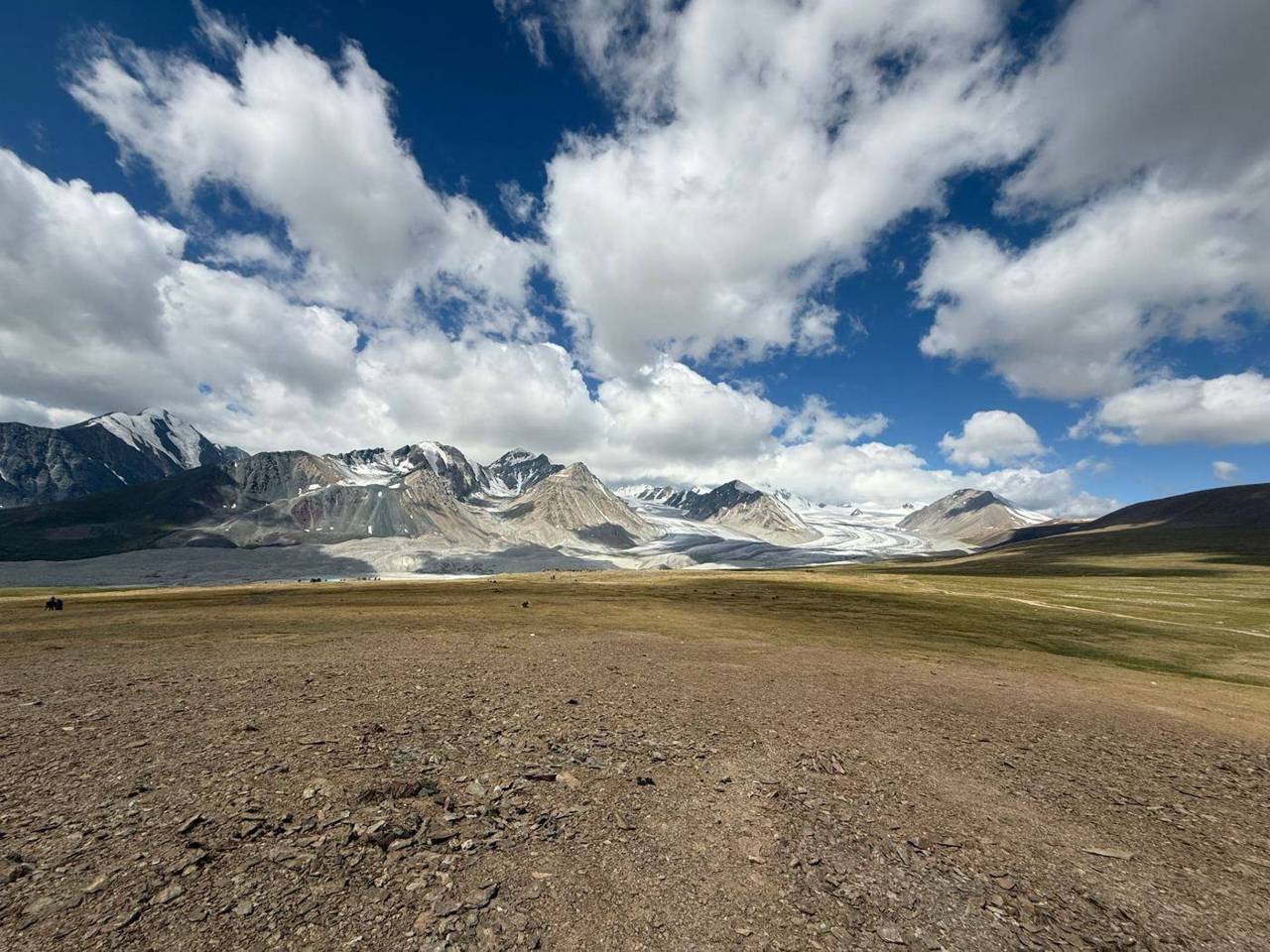
Altai Tavan Bogd National Park in the far west, with the Potanin glacier, Lakes Khoton and Khurgan and the UNESCO petroglyphs, on foot with camels and Kazakh herders.
 5 daysEasy
Terkhiin Tsagaan and Khorgo
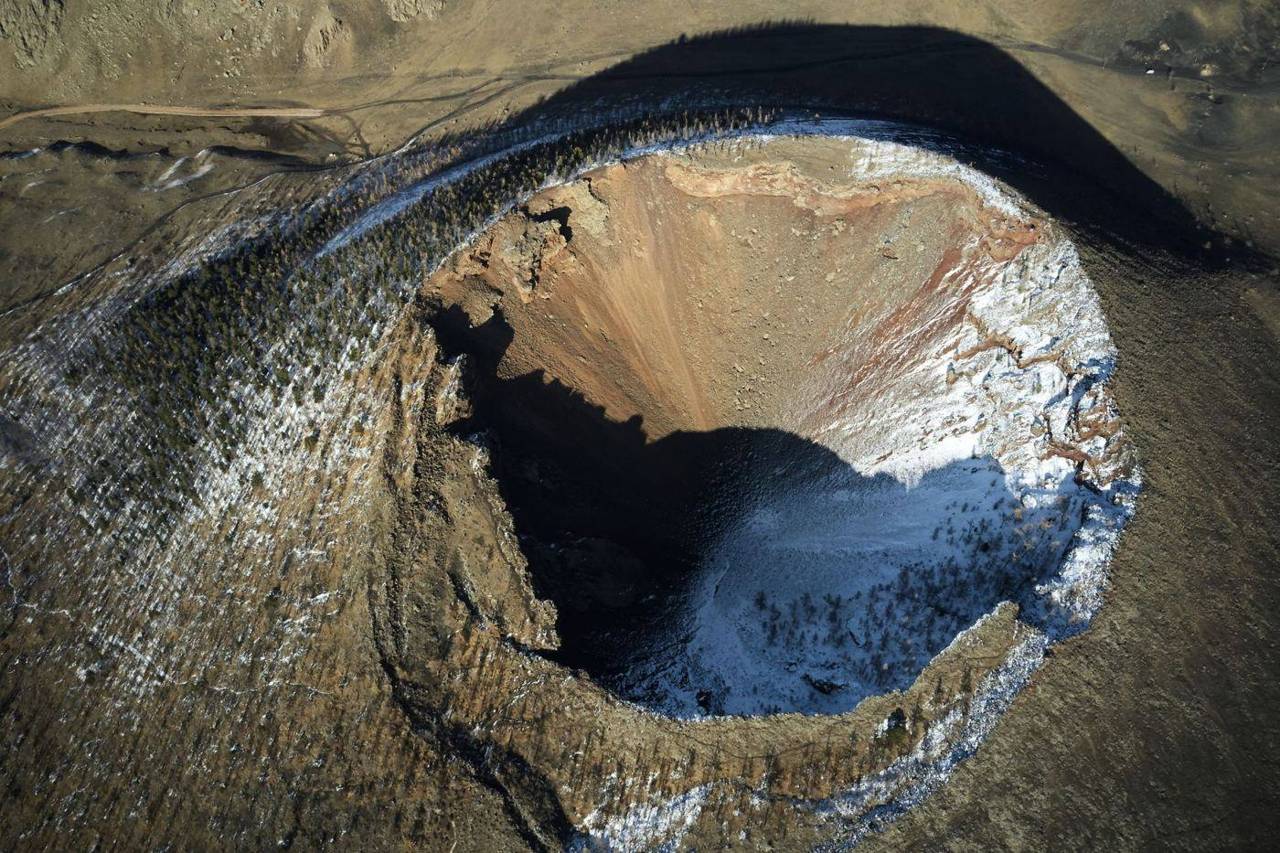
Terkhiin Tsagaan White Lake, the extinct crater of Khorgo volcano, the Chuluut gorge and the town of Tsetserleg, among the central grasslands.
 5 daysModerate
The Khövsgöl ice festival
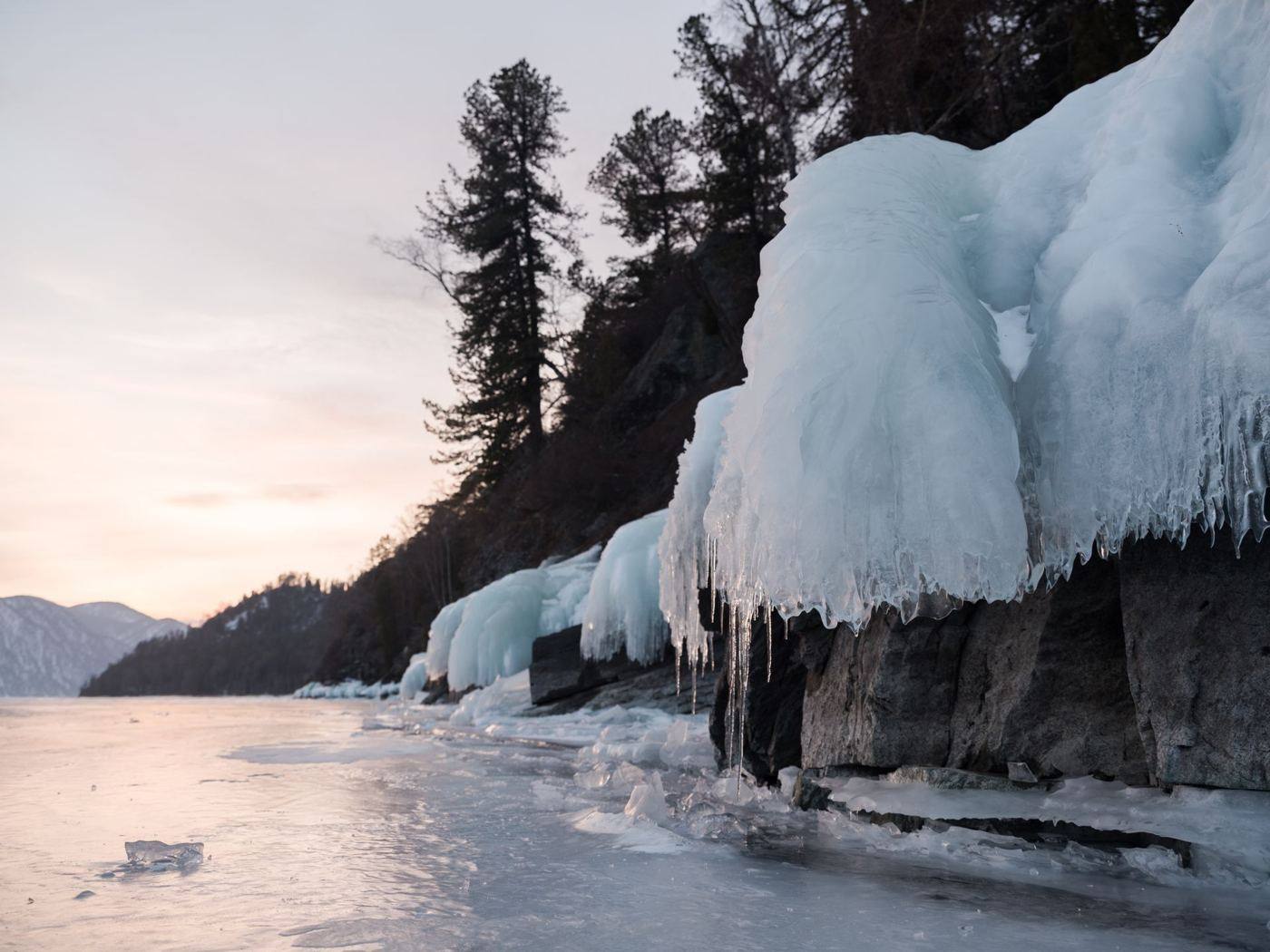
Frozen Lake Khövsgöl in early March, with horse-drawn sled races, ice sculptures, skating and winter life in the villages around Khatgal.