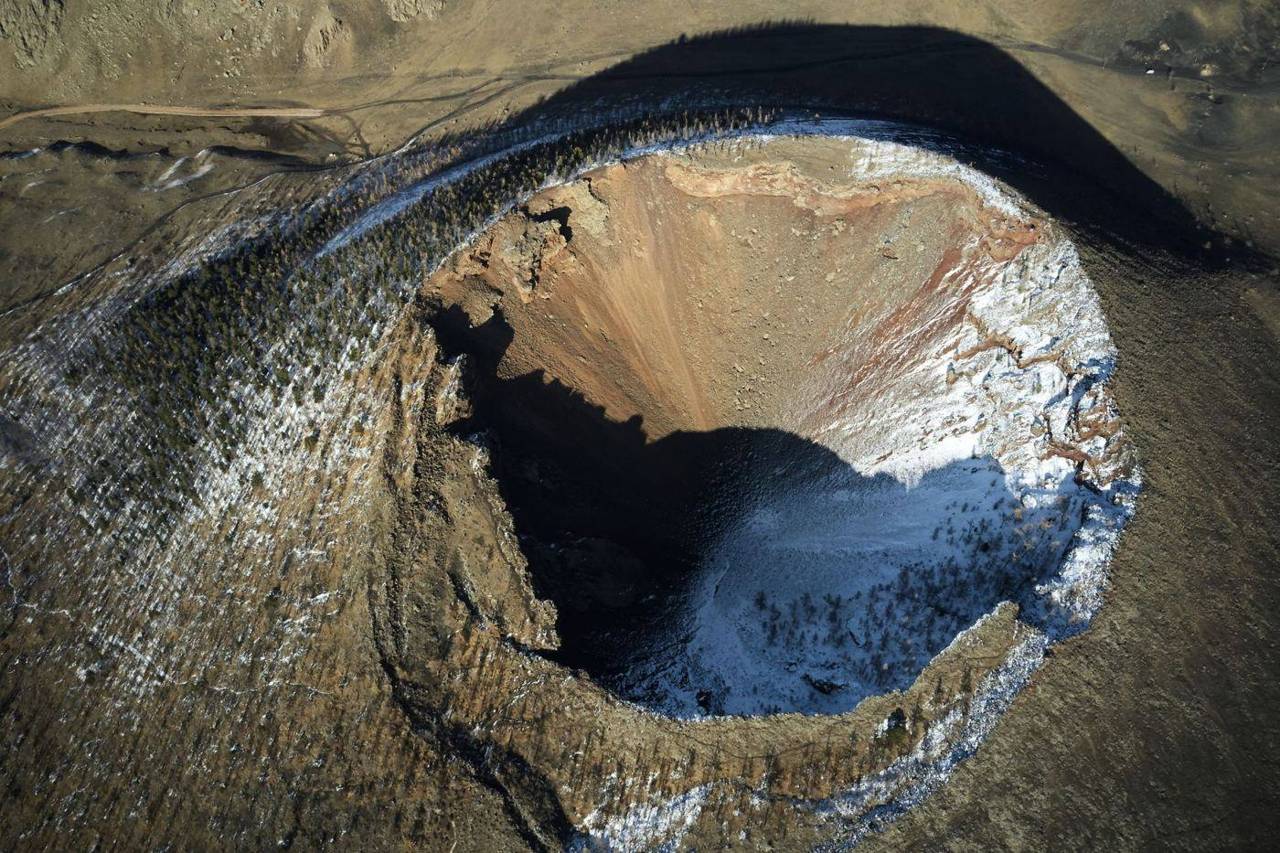
Terkhiin Tsagaan and Khorgo
Terkhiin Tsagaan White Lake, the extinct crater of Khorgo volcano, the Chuluut gorge and the town of Tsetserleg, among the central grasslands.
- Kharkhorin
- Tsetserleg
- Chuluut
- Khorgo
- Terkhiin Tsagaan
Day by day
- Day 1
From Kharkhorin to Tsetserleg
This five day trip continues the journey through the Orkhon valley to the grasslands and volcanoes of central Mongolia: the town of Tsetserleg, the Chuluut gorge, the White Lake of Terkhiin Tsagaan and the extinct crater of the Khorgo volcano. There are many hours on the road, partly on dirt tracks, with nights in gers with nomad families.
Before you go: Italian citizens enter Mongolia with a passport valid for at least six months. The visa exemption for tourism of up to 30 days runs until the end of 2026: for later trips check whether it has been renewed, otherwise apply for a visa at the Mongolian embassy. Other nationalities should check their own rules. Mongolia is a safe country; in Ulaanbaatar watch out for pickpockets in crowded places. In 2026 there have been fuel shortages: allow extra time and fill up whenever you can.
In the morning leave Kharkhorin, the ancient capital of the Mongol empire, and take the road north-west. You cross the rolling steppe of Arkhangai province, with green hills, rivers and herds of yaks and horses. In a few hours you reach Tsetserleg, a quiet small town at the foot of a rocky mountain.
In the afternoon visit the provincial museum, housed in an old monastery with courtyards and wooden temples, which tells the story of nomad life and the Buddhist history of the region. Check prices and times. Then walk up the side of the mountain behind the town, where there is a small temple and Buddhist images painted on the rocks, and look down at the colourful roofs.
Sleep in Tsetserleg.
Practical tip: take out cash in tugrik in Tsetserleg, because over the next few days you will not find any cash machines.
- Day 2
Taikhar rock and the Chuluut gorge
In the morning leave Tsetserleg heading west. After an hour or so on the road stop at Taikhar rock, a huge granite boulder standing alone in the middle of the plain, near the river. According to legend it was thrown by a hero to crush a giant serpent. On the rock there are old inscriptions in several scripts; sadly there is also a lot of modern graffiti. Walk around the base and watch the herds grazing along the river.
Then continue to the Chuluut gorge. The Chuluut river has cut a deep canyon into the dark volcanic rock, with columns of basalt and the river flowing at the bottom among larch woods. Walk with your guide along the rim, across the meadows, to see the most spectacular points. On the rocks of the area there are also ancient carvings of animals and riders: ask your guide to show you and do not touch them.
Keep away from the edge, because the ground can give way and there are no railings.
In the afternoon stop with a nomad family near the gorge for the night in a ger. Watch the milking of the mares and yaks and the making of dairy products: butter, yoghurt and dried cheese. If you are offered airag, fermented mare's milk, take it with your right hand and taste it.
Practical tip: bring a small gift for the family, such as fruit, biscuits or printed photos, and always ask before photographing people.
- Day 3
The White Lake of Terkhiin Tsagaan
In the morning set off west again and climb towards the plateau where Khorgo-Terkhiin Tsagaan National Park lies. You approach through a landscape of black lava flows, partly covered with larches and lichens, that tell of the ancient eruptions of the volcanoes in the area.
Then Terkhiin Tsagaan lake appears, the White Lake, a wide stretch of blue water among the mountains, at over 2,000 metres. It formed when lava blocked the course of the river and created a natural basin. In the lake there is a small volcanic island, where water birds nest.
Settle into a ger on the shore or with a herding family. In the afternoon walk along the lake, through meadows full of flowers in summer, grazing yaks and small beaches of black sand and gravel. The lake is rich in fish and attracts cranes, geese and ducks: bring binoculars.
If you like, go for a ride along the shore with a local herder, or hire a small boat where possible. Check prices and times. The water is very cold even in summer: swim only close to the shore and only if you are used to cold water.
In the evening, when the wind drops, the lake turns into a mirror. Nights at this altitude are cold, even in July.
Practical tip: keep a fleece and a woolly hat ready for the evening, and a head torch for going out of the ger at night.
- Day 4
The climb up Khorgo volcano
Today you climb Khorgo volcano, an extinct cone east of the lake. From the base a short but steep path leads up, with steps and loose lava rock. In less than an hour you reach the rim of the crater: a perfect ring of dark, reddish rock, with a deep and silent floor. Walk carefully along the rim to see the crater from every side.
From the top the view is wide: the lava flows running down towards the lake, the larch woods, the White Lake and the mountains on the horizon. You can see clearly how the lava closed the valley and created the lake.
At the foot of the volcano there are also small caves in the lava, some with ice inside even in summer. Visit them only with your guide, with a torch and sturdy shoes, because the ground is uneven.
In the afternoon go back to the lake and rest. If you feel like it, take a walk along the north shore, among fields of flowers and the scattered gers of families, or visit a yak herder and taste freshly made yoghurt and cream.
In the evening have dinner with khuushuur or with khorkhog, mutton cooked in a pot with hot stones, if the family prepares it.
Remember that the national park charges an entrance fee: check prices and times with your guide.
Practical tip: for the climb up Khorgo wear hiking boots with a strong sole, because lava rock is sharp and slips under your feet.
- Day 5
Back towards Kharkhorin
Today is a long day on the road. Leave the lake early in the morning and head back east, passing the lava flows, the Chuluut gorge and Tsetserleg again, as far as Kharkhorin. Stop regularly to eat and stretch your legs. On this route the roads are partly unpaved and the distances long: in the rain it can take several more hours.
If you arrive in time, visit Erdene Zuu monastery in Kharkhorin, with its great white wall topped by stupas, built with stones from the ancient Mongol capital. Check prices and times.
In these five days you have seen the central Mongolia of volcanoes and grasslands: the museum and mountain of Tsetserleg, Taikhar rock, the Chuluut gorge cut into the basalt, the White Lake of Terkhiin Tsagaan, the crater of Khorgo and the nights in gers with herding families.
When to go: from June to September. The tracks are passable, the pastures are green and the families live in their summer camps with their animals. July and August are the warmest months, but also the ones with the most rain and the most visitors; in September the larches turn golden and the nights are already below freezing. In winter the lake freezes and the area is very cold.
Practical tip: travel with an experienced local driver in a four-wheel drive in good condition, and always carry water, food and a first aid kit.
The natural continuation of the Orkhon valley trip. Many hours on the road, partly unpaved. Nights in gers with nomad families.
Before you go
- Documents and visa
- Passport valid for at least six months. Italian citizens can enter for tourism without a visa for up to 30 days, but the current exemption runs until the end of 2026: for later trips check whether it has been renewed, otherwise apply for a visa at the Mongolian embassy. Anyone staying more than 30 days must register with the immigration office in Ulaanbaatar within seven days of arrival.
- Health and vaccines
- No vaccinations are compulsory; ask your doctor about hepatitis A and B and tetanus. Drink bottled water, avoid undercooked meat and never eat marmot, because of the risk of plague. Outside the capital medical facilities are limited: bring your own medicines and insurance covering medical costs and repatriation. Emergencies: police 102, ambulance 103, fire service 101.
- Money and payments
- Mongolian tugrik (MNT). By law payments inside the country are made in local currency. Cards work mainly in Ulaanbaatar; carry cash in the steppe.
- Power sockets
- Types C and E, 230 volts: you need an adapter for British plugs.
- Time zone
- UTC+8 all year.
- Safety
- Generally a safe country. In Ulaanbaatar pickpockets work in markets, at bus stops and in crowded places; avoid arguments with drunk people. In 2026 there have been fuel shortages that can affect flights and road travel: allow extra time. Official advice: GOV.UK.
Information checked in November 2026 for Italian and EU citizens. Rules change: always check before you travel.
Variations
In 3 days: go straight to the White Lake and Khorgo and come back, leaving out Tsetserleg and Chuluut.
In 8 days: continue west from the lake to the Tsenkher hot springs or towards the Khangai mountains, with more nights with families.
Frequently asked questions
How long is the drive?
The distances are long and the roads partly unpaved: some days need many hours of driving. In the rain the tracks become muddy and journeys take longer, so leave margin in your plans.
Can you swim in the White Lake?
Yes, but the water is very cold even in summer, because the lake lies at over 2,000 metres. Swim only close to the shore and for a few minutes.
What is a night with a nomad family like?
You sleep in a ger with simple beds, blankets and a stove in the middle; the toilets are outdoor dry latrines. It is a simple and welcoming experience: follow the rules of courtesy and bring a small gift.
Indicative itinerary written by World Atlas. Before booking, check timetables, seasonal openings, documents and safety.
 5 daysModerate
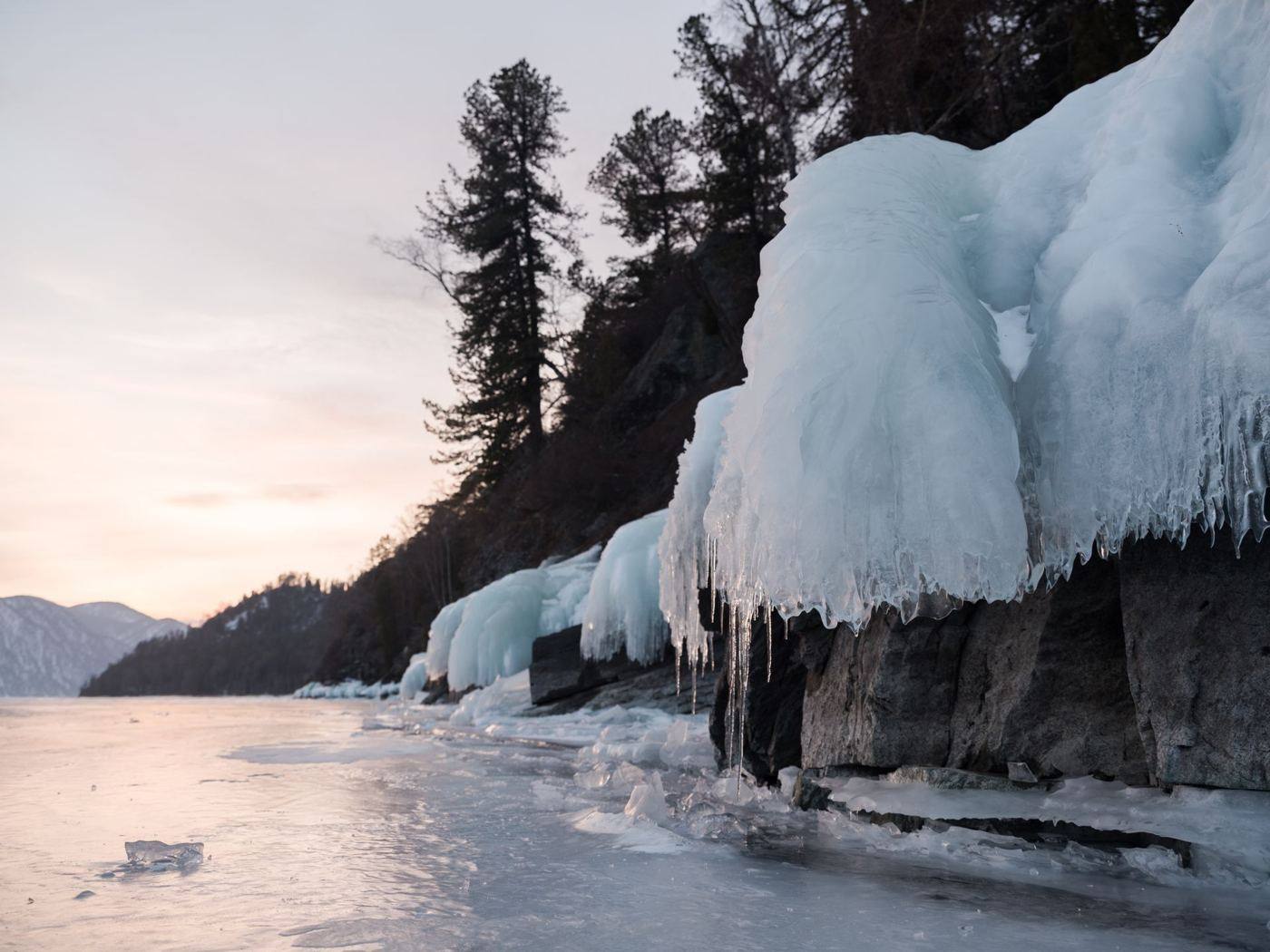
The Khövsgöl ice festival
Frozen Lake Khövsgöl in early March, with horse-drawn sled races, ice sculptures, skating and winter life in the villages around Khatgal.
 8 daysModerate
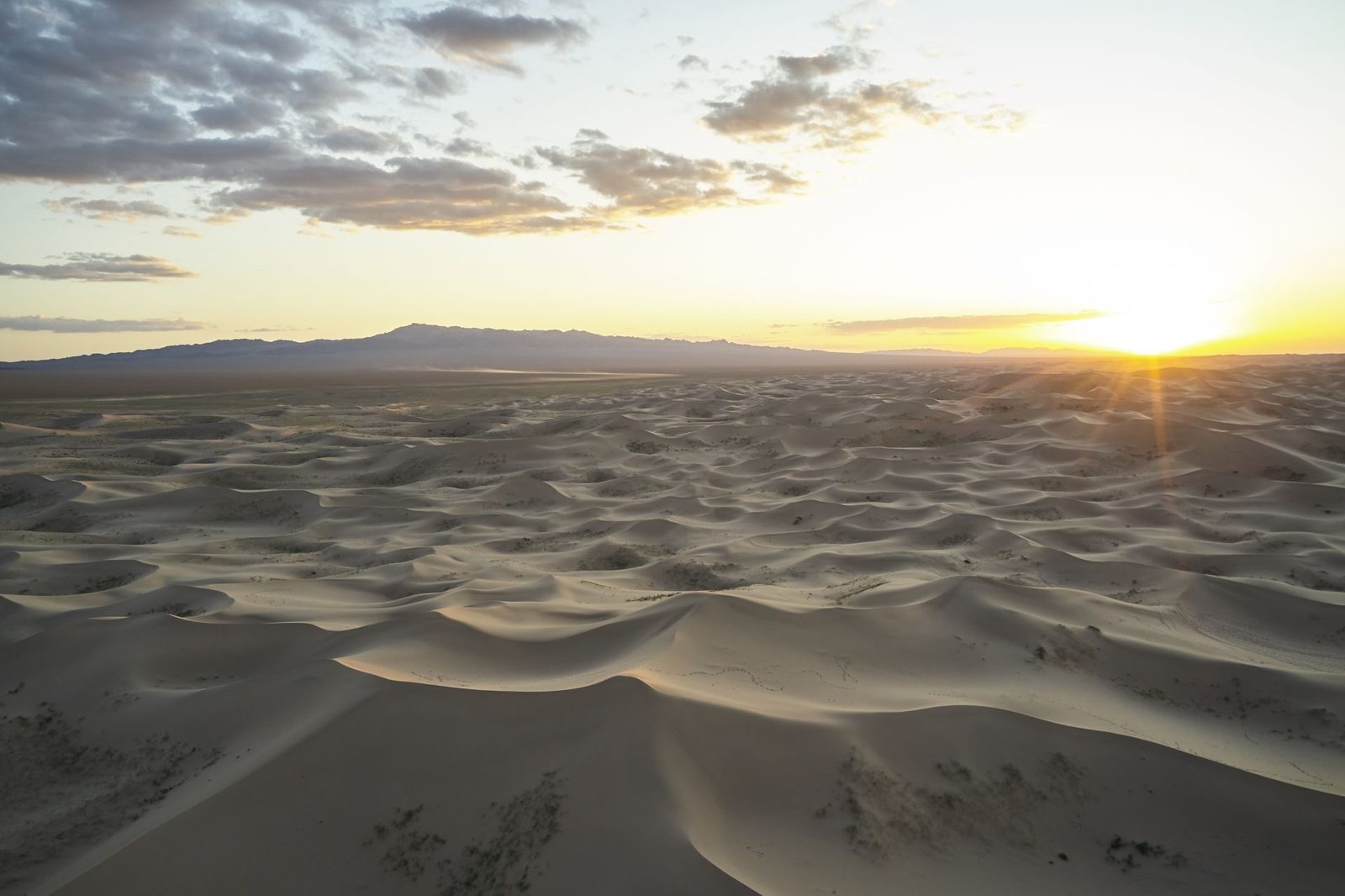
The Gobi
The red Flaming Cliffs of Bayanzag, the singing dunes of Khongoryn Els, the ice canyon of Yolyn Am and the formations of Tsagaan Suvarga, by 4x4 and ger.
 7 daysEasy
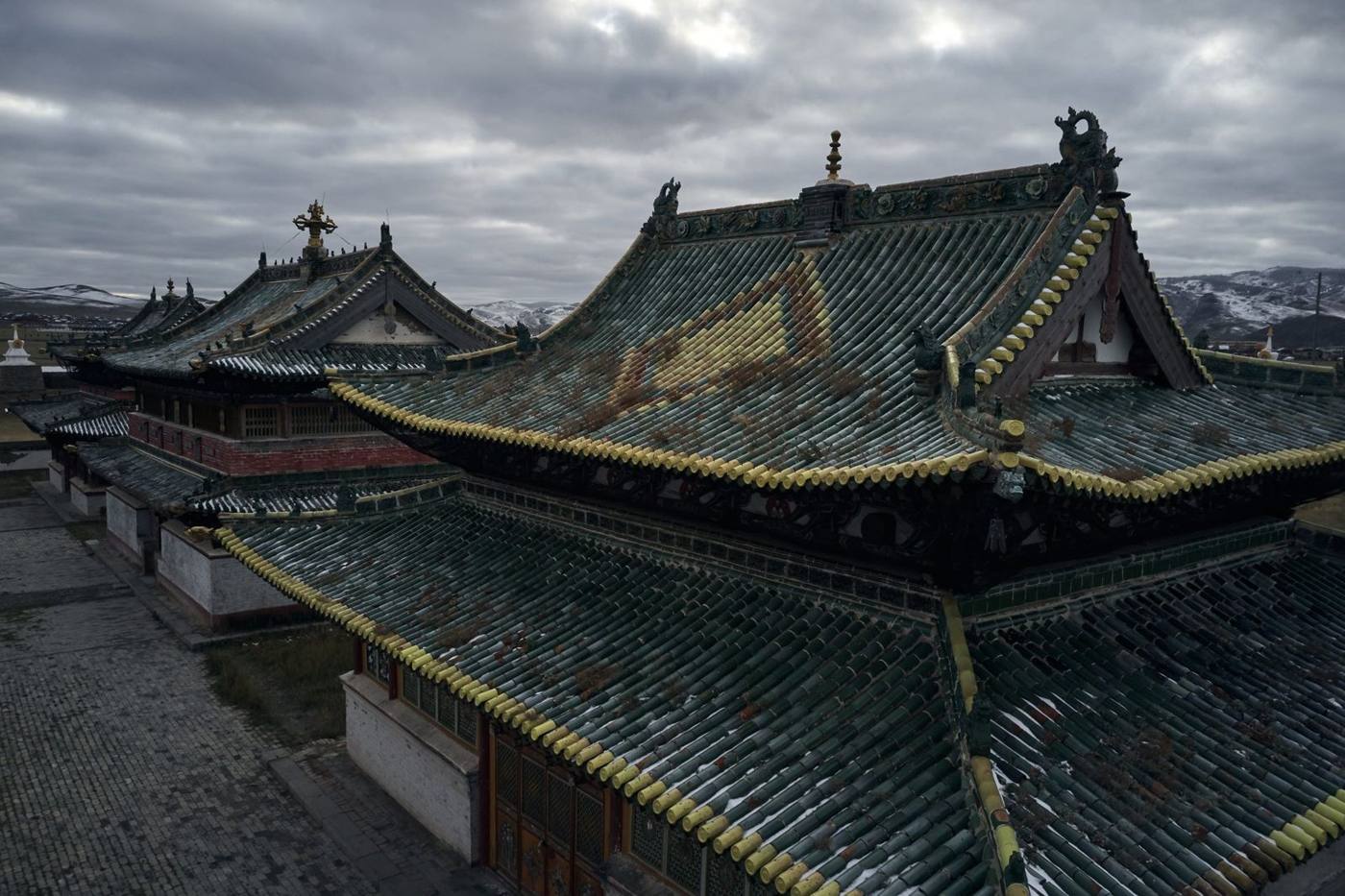
The Orkhon Valley and Karakorum
The Elsen Tasarkhai dunes, Erdene Zuu monastery on Genghis Khan's old capital, the Orkhon waterfall and the Tsenkher hot springs.