The south and Gagauzia
Castel Mimi winery, the Turkic-speaking autonomous region of Gagauzia with Comrat, and Soroca fortress in the north as an extension.
- Chișinău
- Castel Mimi
- Comrat
- Congaz
- Soroca
Day by day
- Day 1
A winery in a nineteenth-century castle
This trip takes you to a Moldova that is almost unknown even to Europeans: a wine estate with a late nineteenth-century castle, Gagauzia, the autonomous region where a Turkic language is spoken, with Comrat and its villages, and finally the fortress of Soroca, in the north. You travel by rental car or with a driver.
Before you go: Italian citizens can enter Moldova without a visa with an electronic identity card or a passport, valid for at least three more months. Other nationalities should check their own rules. Some areas on this trip are close to borders or places where the situation changes often: check your government's travel advice before booking and again before you leave. Official advice is not to travel to Transnistria: today's estate lies south-east of the capital, not far from the breakaway region, so follow the signposted roads and not those towards Tighina, also called Bender.
You leave Chișinău in the late morning and drive south-east for about half an hour, through fields and low hills. The estate occupies a castle built in 1893 by a Bessarabian landowner, with towers, courtyards and gardens, restored in recent years and surrounded by vineyards. The visit is by reservation: you will see the cellars beneath the castle, the halls and the park, and finish with a tasting. Check prices and times.
In the afternoon, return to Chișinău and walk along Ștefan cel Mare boulevard to the Nativity Cathedral.
In the evening, have Moldovan food for dinner: zeamă, plăcinte and sarmale.
Overnight in Chișinău.
Practical tip: if you taste the wines, do not drive after the visit: hire a driver for the day or let a non-drinker drive.
- Day 2
Comrat and the Gagauz villages
Today you discover Gagauzia, the most surprising region of Moldova.
In the morning, drive south for about an hour and a half to Comrat, the capital of Gagauzia. The Gagauz are an Orthodox Christian people who speak a Turkic language, Gagauz, and almost all of them also speak Russian; English is rare. The region has had wide autonomy since the mid-1990s, with its own governor and assembly.
In Comrat, walk along the main street, with the regional government building, the Orthodox cathedral and the small museum of history and ethnography, with costumes, carpets and objects from peasant life. Check prices and times.
Then continue for about twenty minutes to Congaz, one of the largest villages in Moldova, with low houses behind painted gates and courtyards full of vines and fruit trees.
For lunch, eat with a family, with a meal arranged in advance through a local guide. Try şorpa, the mutton or chicken soup, cheese pies and homemade cakes, with the village's red wine.
In the afternoon, return to Comrat and walk around the market, with cheese, fruit and vegetables from the countryside.
Overnight in Comrat.
Practical tip: learn a few words of Russian or bring a translation app, and ask your guide to help you with the families: it is the best way to talk to people.
- Day 3
Back to Chișinău and the road north
Today you cross almost the whole of Moldova, from south to north.
In the morning, leave Comrat and drive back up to Chișinău, in about an hour and a half, through fields of wheat, sunflowers and vineyards. The main roads are fair, but secondary roads are often in poor condition: drive calmly and watch for potholes.
Stop in the capital for lunch. If you have time, go to the central market, large and lively, with fruit, cheese, honey and walnuts.
In the afternoon, continue north, for about three hours, through greener hills, orchards of apples and plums and long villages strung along the road. The landscape is very different from the plain of Gagauzia: more woods, more water and smaller fields, divided by rows of walnut trees.
In the evening you reach Soroca, on the right bank of the Dniester, and take a walk along the riverside, with the fortress lit by the sunset. The far bank of the river is Ukraine: do not go near the border posts and do not photograph them.
In the evening, have zeamă and mămăligă with brânză and sour cream for dinner in town.
Overnight in Soroca.
Practical tip: plan your timing carefully and reach Soroca before dark: do not drive at night on the northern roads, which are poorly lit and have carts, animals and pedestrians even after sunset.
- Day 4
The fortress of Soroca and the return
Today you visit the most famous fortress in Moldova and return to the capital.
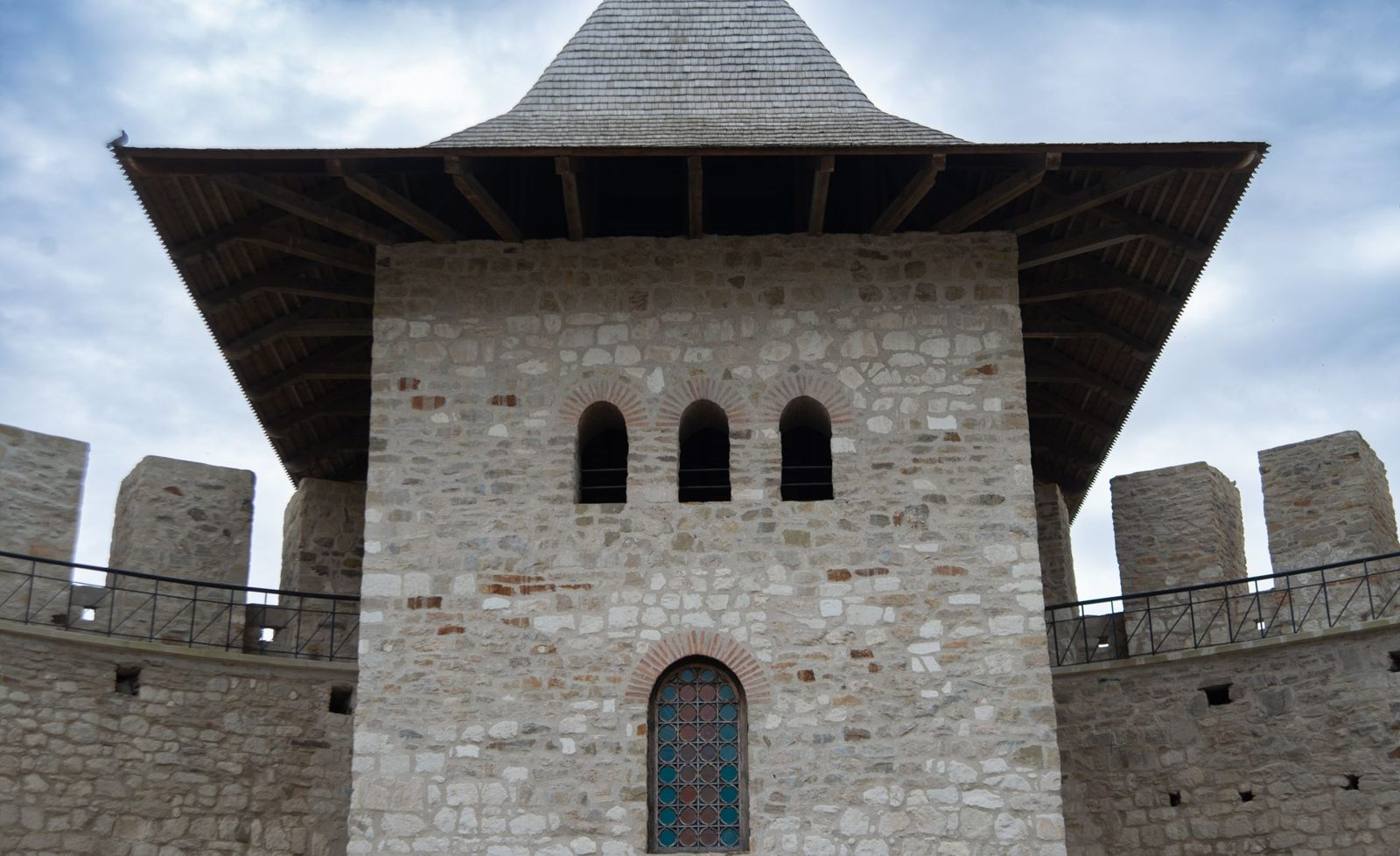
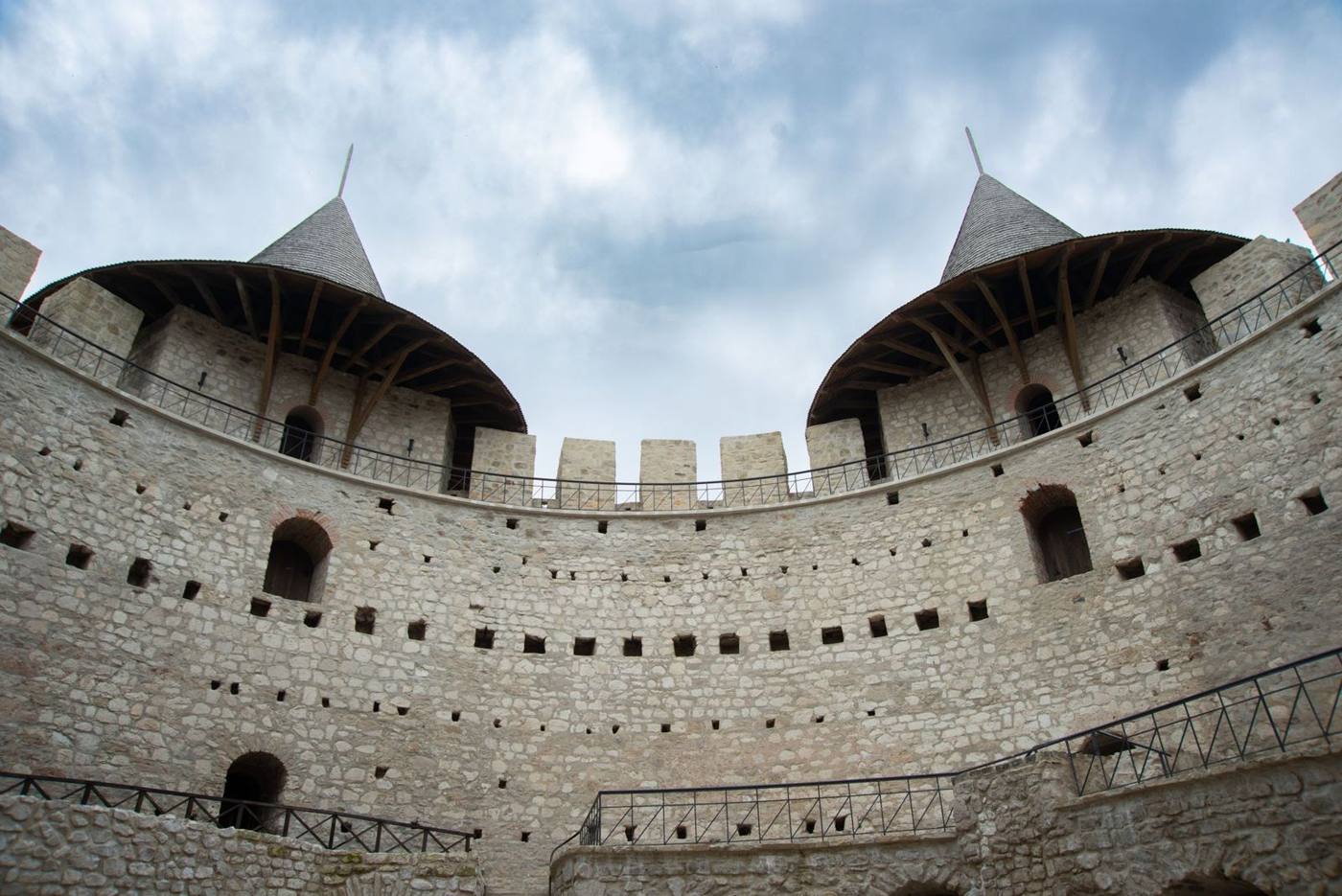
In the morning, enter the fortress of Soroca, on the Dniester. In place of a fifteenth-century wooden fort built by Prince Stephen the Great, a perfectly round stone fortress with five towers was built in the sixteenth century as part of the line of defence along the river. Walk around the courtyard, climb onto the walkways and look over the valley. Check prices and times.
Then climb the Roma hill above the town, with its extravagant mansions with towers and silver roofs: these are family homes, so take photos respectfully. If you have time, also go to the Candle of Gratitude, the white monument on the cliff, with views over the river.
In the early afternoon, drive back to Chișinău, in about three hours.
In short, in four days you have seen a Moldova for the curious: a winery in a nineteenth-century castle, Gagauzia with its Turkic language and family cooking, and the round fortress of Soroca, with the Roma hill.
When to go: from May to October. September and early October are perfect for the grape harvest and the mild weather. July and August are very hot in the south. In winter the secondary roads become difficult.
Practical tip: always carry some lei in cash, because in Gagauzia and in the villages cards are little used and cash machines are rare outside the towns.
A trip for the curious, into a Moldova almost unknown even to Europeans. In Gagauzia people speak Gagauz Turkish and Russian; English is rare. Distances are short but minor roads are in poor condition.
Before you go
- Documents and visa
- EU citizens can enter with an identity card or passport valid for at least three more months, with no visa for stays of up to 90 days in six months. British visitors need a passport and can stay up to 90 days in 180 days without a visa.
- Health and vaccines
- No compulsory vaccinations. Public hospitals are poorly equipped and ask for payment in cash, so you need insurance covering medical costs and repatriation. Drink bottled water. Emergencies: 112.
- Money and payments
- Moldovan leu. Change money only at banks or official exchange offices. Cards work well in Chișinău; in villages and country guesthouses you need cash.
- Power sockets
- Types C and F, 230 volts: you need an adapter for British plugs.
- Time zone
- UTC+2, UTC+3 in summer, two hours ahead of the UK.
- Safety
- The UK advises against all travel to Transnistria, the breakaway region east of the river Dniester, where consular help is extremely limited: do not cross the river or follow roads to its checkpoints. Take care near the Ukrainian border. Avoid demonstrations in central Chișinău and do not drive outside towns at night. Official advice: GOV.UK.
Information checked in November 2026 for Italian and EU citizens. Rules change: always check before you travel.
Variations
With three days, visit the winery and Gagauzia, without going up to Soroca.
With an extra day, add Orheiul Vechi, the rock monastery above the river Răut, on the road north.
Frequently asked questions
What language is spoken in Gagauzia?
Gagauz, a Turkic language, and Russian. English is rare: a local guide or a translation app helps a lot.
Does the trip pass near Transnistria?
The estate on the first day is south-east of the capital, not far away. Follow the signposted roads, do not take those towards Tighina and check your government's travel advice before you leave.
Are the roads good?
The main roads are fair, the secondary ones often in poor condition. Distances are short, but allow more time than expected and do not drive at night.
Indicative itinerary written by World Atlas. Before booking, check timetables, seasonal openings, documents and safety.
 3 daysEasy
Soroca and the north
Soroca's round fortress on the Dniester, the hill of Roma mansions, the Candle of Gratitude and the cliffside monastery of Cosăuți.
 2 daysEasy
Saharna and Țipova
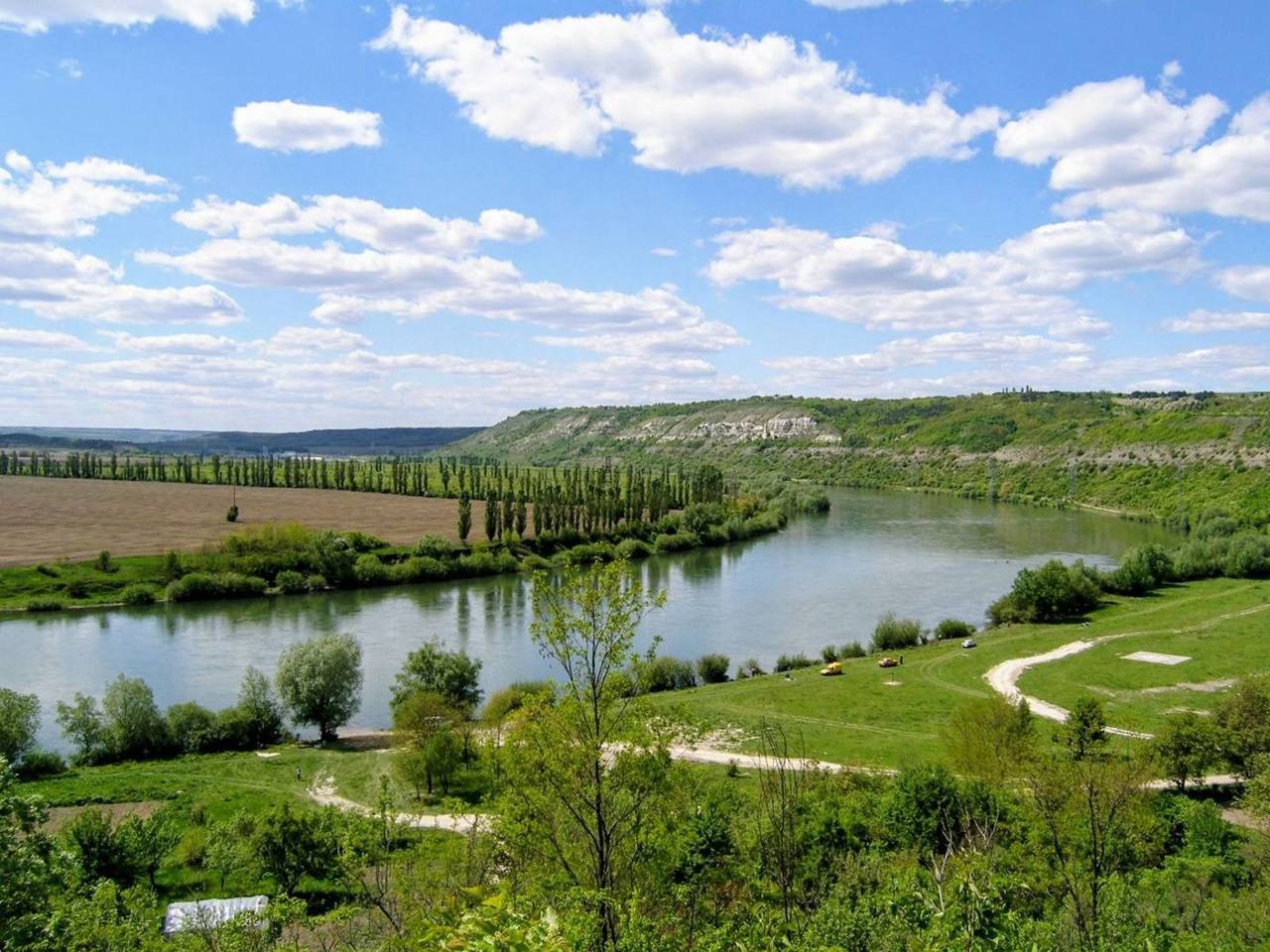
The monasteries on the Dniester cliffs: Saharna with its gorge and waterfalls, and Țipova, the largest cave monastery complex in eastern Europe.
 3 daysEasy
The Codri and its monasteries
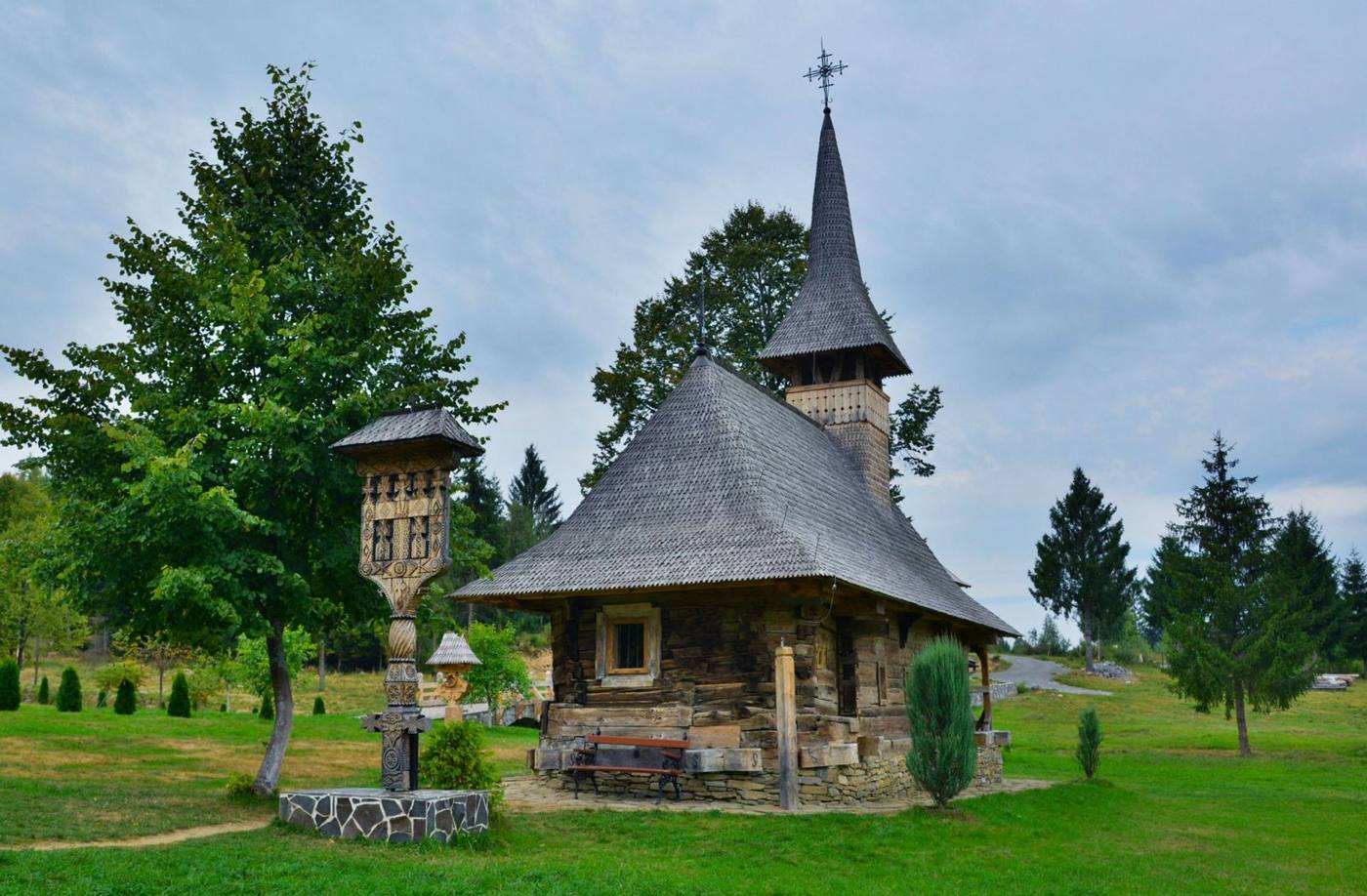
The Codri forests, the Codrii nature reserve at Lozova, Hîncu monastery in the woods and the country villages with their guesthouses.