Oaxaca, the Day of the Dead
Mexico's most heartfelt festival in one of its most beautiful cities: altars with marigolds and candles, the cemeteries lit up at night in Xoxocotlán, masked comparsas, pan de muerto and mezcal, then the wool-rug villages of Teotitlán and the alebrije village of San Martín Tilcajete.
- Oaxaca
- Santa María del Tule
- Teotitlán del Valle
- San Martín Tilcajete
- Xoxocotlán
Day by day
- Day 1
Arriving in Oaxaca and the markets of the dead
The Day of the Dead, Día de Muertos, is one of Mexico's most heartfelt festivals, recognised by UNESCO as intangible cultural heritage. Between 31 October and 2 November, families prepare altars to welcome the souls of their loved ones, who according to tradition come back to visit, and spend the night in cemeteries among candles, flowers and music. Oaxaca, a colonial city in the south of the country, surrounded by valleys home to the Zapotec and Mixtec peoples, is one of the places where the festival is most alive. This six-day trip starts a few days before, around 28 or 29 October.
Oaxaca is about an hour's flight from Mexico City. The historic centre, a UNESCO site, has grid streets, low colourful houses and churches of green stone.
In the early afternoon, go to the big markets in the centre, such as the Benito Juárez market and the 20 de Noviembre market, which in these days fill up with everything needed for the altars: mountains of orange cempasúchil, the flower of the dead, purple cresta de gallo, candles, sugar and chocolate skulls, copal, the fragrant resin burned as incense, and pan de muerto, the decorated sweet bread.
In the evening, try Oaxacan cooking: the tlayuda, a large crisp tortilla with beans, cheese and meat, mole negro, the dark sauce with chocolate and chillies, and hot chocolate with pan de muerto.
Practical tip: during the festival the city is full. Book your accommodation many months ahead.
- Day 2
Santo Domingo, the museum of cultures and the comparsas
In the morning, visit the church of Santo Domingo de Guzmán, the city's most famous monument, built by the Dominicans between the sixteenth and seventeenth centuries. The outside is plain, but inside the vaults and chapels are covered in gilded stucco, with a large family tree carved on the ceiling above the entrance.
Next door, in the old convent, is the Museum of Cultures of Oaxaca, which tells the region's story from pre-Hispanic times to today. Its most famous room holds the treasure of Tomb 7 at Monte Albán, discovered in 1932: Mixtec jewellery of gold, silver, jade and rock crystal. From the convent windows you see the ethnobotanical garden, with the region's plants: agaves, cacti, trees and plants used for dyes and medicine. The garden can only be visited on guided tours at set times.
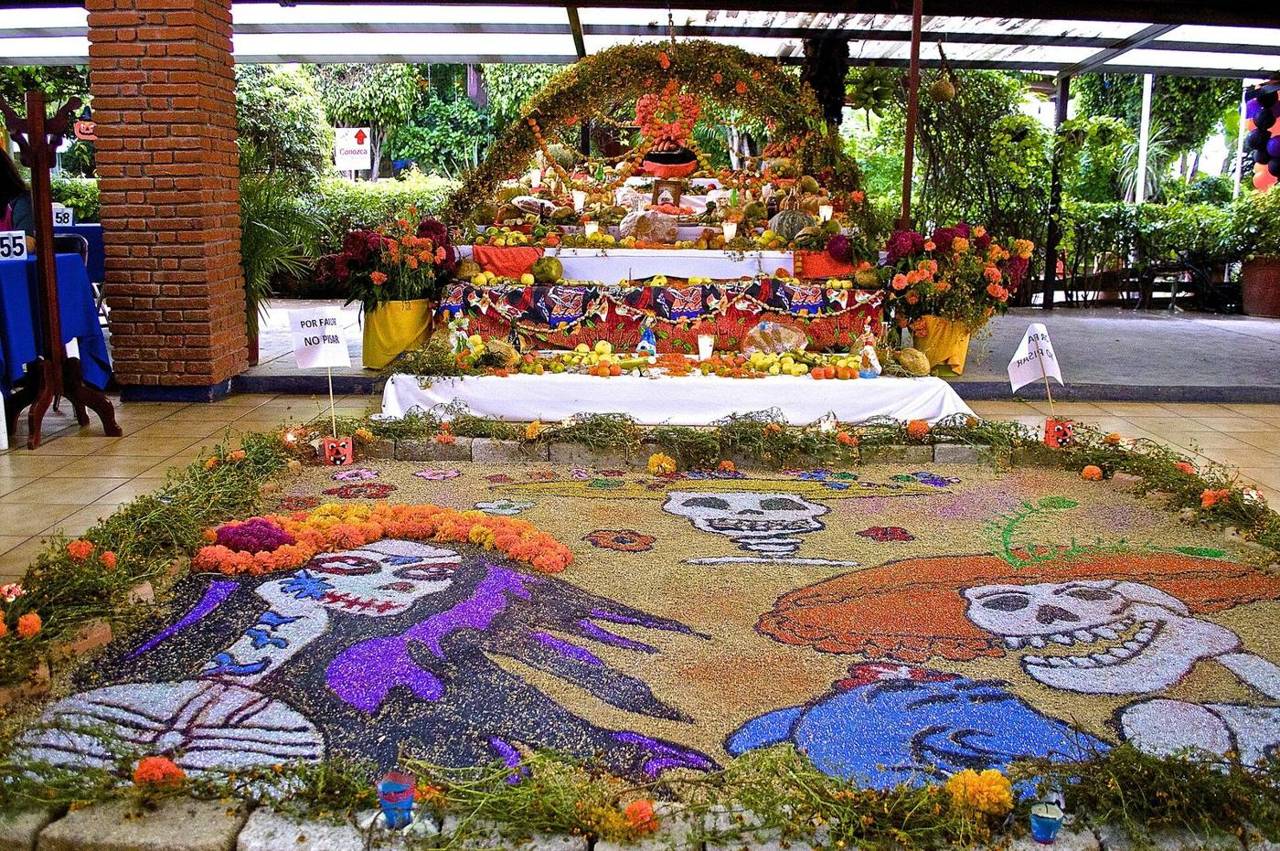
In the afternoon, walk around the centre and look at the altars that families, schools and shops prepare in these days, with photographs of the dead, flowers, candles, and the favourite food and drink of those who are gone. In many squares people also make tapetes de arena, large designs in coloured sand.
In the evening, in the neighbourhoods and villages around the city, the comparsas parade, also called muerteadas: groups of people dressed as skeletons, devils and traditional characters, dancing through the streets to the sound of brass bands.
Practical tip: the comparsas are community celebrations. Watch and join in with respect, without pushing into the processions.
- Day 3
The Tule tree, Teotitlán and mezcal
In the morning, head east into the Tlacolula valley. About half an hour from the city, at Santa María del Tule, stands the Tule tree, a huge Montezuma cypress, called ahuehuete, beside the village church. It is estimated to be about two thousand years old, and its trunk is among the widest in the world, with a circumference of more than forty metres. Village children point out to visitors the animal shapes visible in the bark.
Continue to Teotitlán del Valle, a Zapotec village famous for hand-woven wool rugs. Weaving families show how the wool is worked and how the threads are dyed with natural colours: red from cochineal, a small insect that lives on cacti, blue from indigo, yellow from flowers. In the village church, built over an ancient temple, you can still see Zapotec stones in the walls.
In the afternoon, go on to Santiago Matatlán, which calls itself the world capital of mezcal. In small family distilleries, called palenques, you see the whole process: agave hearts cooked for days in an underground pit of hot stones, crushed by a large stone wheel pulled by a horse, fermented in wooden vats and distilled.
If you have time, stop at the Zapotec ruins of Mitla, with walls decorated with stone mosaics in geometric patterns.
Practical tip: mezcal is strong. If you taste it, do not drive, and plan the day with a driver or a guide.
- Day 4
San Martín Tilcajete and the alebrijes
In the morning, head south into the Ocotlán valley. About an hour from the city, the village of San Martín Tilcajete is famous for alebrijes, fantastic animal figures carved from copal wood and hand-painted in vivid colours and tiny patterns. Artisan families work in the courtyards of their homes, and you can see every stage: carving with machete and knife, drying the wood, painting with very fine brushes.
Many artisans link their figures to the tonas, the protective animal that, in Zapotec tradition, accompanies each person from birth, according to the day they were born.
During the days of the dead, Tilcajete also holds a carnival with wooden masks, and families prepare altars in homes open to visitors.
Continue to San Bartolo Coyotepec, the village of black pottery, barro negro, which turns black and glossy through firing in kilns without oxygen and polishing with a quartz stone. Further south, at Ocotlán de Morelos, a large traditional market is held on Fridays, and the town is home to the painted clay figures of the Aguilar sisters, known all over Mexico.
In the evening, return to Oaxaca and walk through the centre, where the altars and tapetes de arena are now finished and lit by candles.
Practical tip: the best alebrijes cost more because they take weeks of work. Buy directly from the artisans in the villages.
- Day 5
A night in the cemeteries of Xoxocotlán
This is the main day of the trip, 31 October or 1 November, according to the festival calendar. You can spend the day resting and visiting the city's altars, because the night will be long.
In the evening, with a local guide, go to San Agustín Etla, Santa Cruz Xoxocotlán or another village in the valleys. Xoxocotlán, about twenty minutes from the centre, has two cemeteries, the old and the new, among the most visited during the festival. On the night of 31 October families arrive with flowers, candles, food and drink, clean and decorate the graves with orange cempasúchil petals and stay seated beside their loved ones until dawn. Musicians play songs for the dead at the families' request, and the atmosphere is both reflective and festive.
The old cemetery, with the ruins of a colonial church, is the most atmospheric, lit by thousands of candles. Around the cemeteries there are stalls selling food, hot drinks and sweets.
Remember that this is not a show for tourists: these are families remembering their dead. A local guide helps you understand the gestures and meanings, and to behave respectfully.
Practical tip: do not photograph people without asking, do not use flash, do not climb on the graves, and speak quietly. Return to the city by taxi from an official stand or with an app, never on foot alone at night.
- Day 6
Monte Albán and departure
On your last morning, go up to Monte Albán, about twenty minutes from the city, the ancient Zapotec capital, built from around 500 BC on the flattened top of a mountain, four hundred metres above the valleys. The city was inhabited for more than a thousand years and grew to tens of thousands of people. Together with the historic centre of Oaxaca it is a UNESCO World Heritage Site.
At its heart is the great plaza, about three hundred metres long, surrounded by pyramid temples, palaces, a ball court and an arrowhead-shaped observatory, oriented differently from the other buildings, perhaps to follow the movement of the stars. The stone slabs known as the danzantes show human figures in strange poses, which probably represent prisoners of war.
From the highest platforms the view takes in the three valleys of Oaxaca and the city. The small museum at the entrance holds sculptures and finds from the excavations.
Go early in the morning: the sun is strong and the site has no shade. Bring water, a hat and sunscreen.
In the afternoon, return to the city for a last lunch with mole, then head to the airport, about twenty minutes from the centre.
Practical tip: the US government rates the state of Oaxaca level 2 of 4, exercise increased caution. Avoid driving at night outside the city and use taxis from official stands or apps. Italian citizens do not need a visa for tourism, but check the entry requirements before you leave.
A powerful experience, to be lived with respect: in the cemeteries families keep vigil over their dead, always ask before taking photos and never step on the graves. Hotels are full and pricier: book months ahead. It combines well with the Pacific coast or the Sierra Norte. The United States places this state at level 2 (increased caution): no road travel at night, taxis only via apps or official ranks. Italian citizens need no visa for tourism.
Before you go
- Documents and visa
- Passport valid for the whole stay; no visa is needed for tourism. On arrival the officer sets the number of days granted. Quintana Roo state charges foreign visitors a tax, the Visitax, payable online.
- Health and vaccines
- No compulsory vaccines. Drink only bottled water and use mosquito repellent against dengue and other diseases. Emergencies: 911.
- Money and payments
- Mexican peso. Cards are accepted in cities and tourist areas; in markets, villages and on local transport you need cash.
- Power sockets
- Types A and B, 127 volts: you need a flat-pin adapter.
- Time zone
- Mexico City is UTC-6; Quintana Roo is UTC-5. Mexico no longer uses daylight saving time, except in some border areas.
- Safety
- The situation varies greatly between states: the United States rates some, such as Guerrero, Michoacán and Sinaloa, at level 4, while Yucatán and Campeche are at level 1. Official advice: GOV.UK.
Information checked in November 2026 for Italian and EU citizens. Rules change: always check before you travel.
Variations
In 4 days: arrive on 30 October, with the markets, Santo Domingo, the night at Xoxocotlán and Monte Albán.
In 9 days: add Hierve el Agua with its petrified waterfalls and the Pacific coast.
Frequently asked questions
Which days is the festival?
The main days run from 31 October to 2 November, but the preparations, markets and comparsas start a few days earlier.
Can you visit the cemeteries?
Yes, but with respect: these are families remembering their dead. A local guide helps you understand the gestures and behave well.
What documents do I need?
A passport. Italian citizens do not need a visa for tourism, but check the entry requirements before you leave.
Indicative itinerary written by World Atlas. Before booking, check timetables, seasonal openings, documents and safety.
 5 daysModerate
The Sierra Norte of Oaxaca on foot
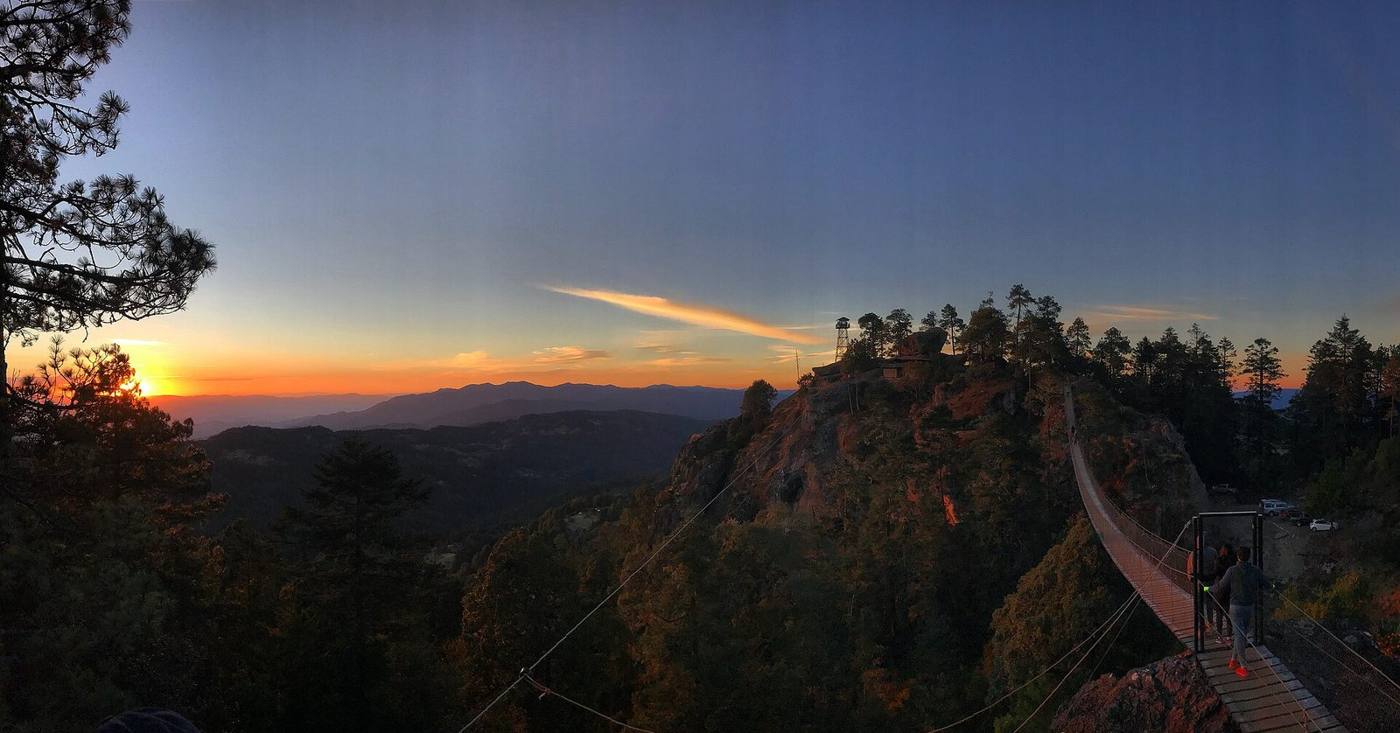
A trek between the Zapotec villages of the Pueblos Mancomunados, which manage their forests and tourism together: trails through pine and oak above 3,000 metres, wooden cabins with fireplaces, community food and views over the Oaxaca valleys.
 6 daysEasy
Holbox, Isla Mujeres and the whale sharks
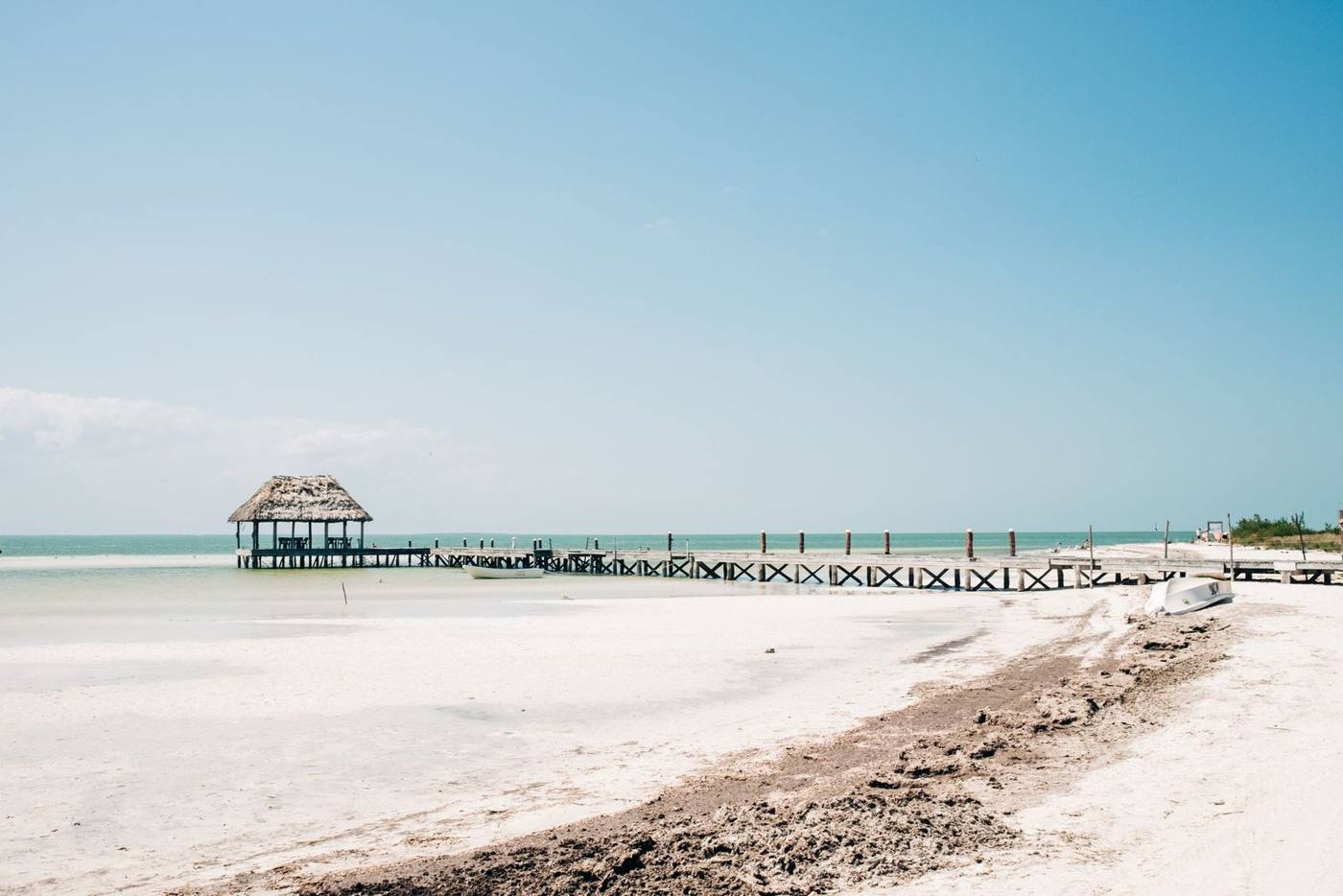
The quiet side of the Caribbean coast: Holbox closed to cars island with its sand streets and flamingos, boat trips to swim with whale sharks in summer, and Isla Mujeres with its white beaches and underwater sculpture museum.
 7 daysModerate
Diving in Cozumel and the cenotes
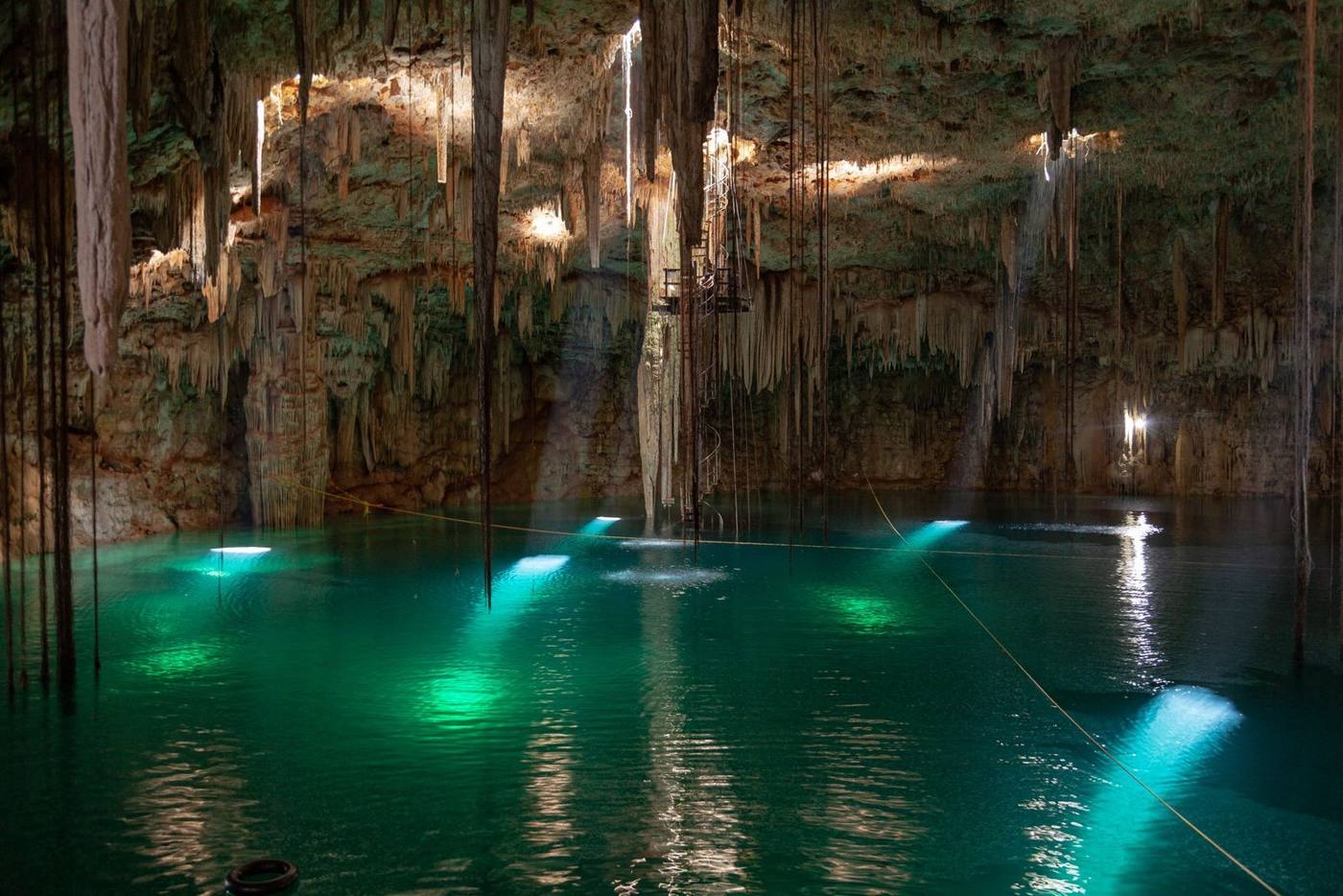
Two underwater worlds: the coral walls of Cozumel with drift dives among turtles and rays, then the cenotes of the Yucatán peninsula, crystal-clear freshwater caves with shafts of light, such as Dos Ojos, Gran Cenote and Angelita.