The village feasts
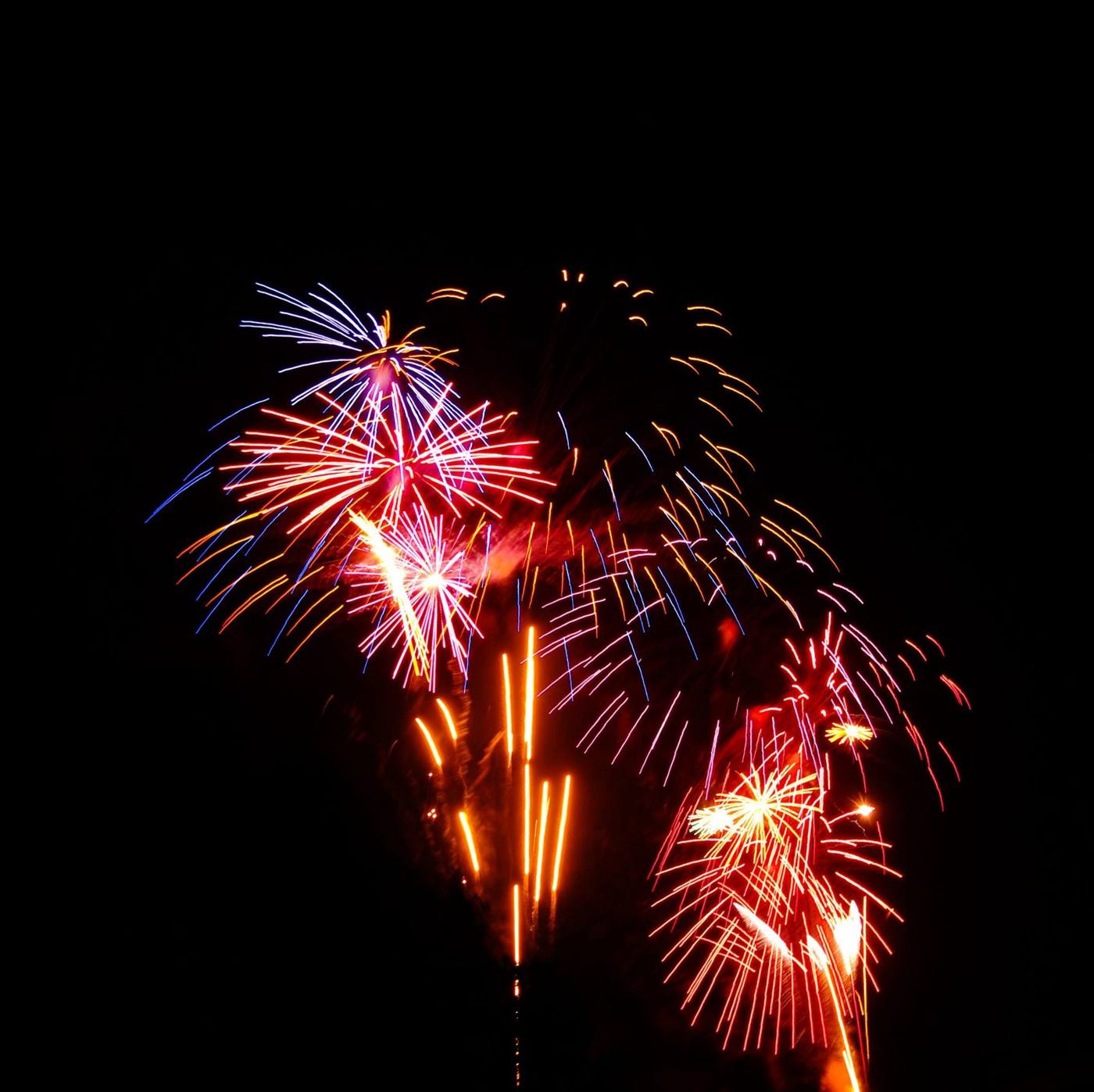
The Maltese summer of festas: patron saint processions, brass bands, huge fireworks, pastizzi and the feast of Santa Maria on 15 August.
- Valletta
- Mosta
- Żebbuġ
- Victoria
- Mġarr
Day by day
- Day 1
Valletta and the Mosta Rotunda
This trip takes you right into the festa, the great summer celebration that every Maltese parish dedicates to its patron saint: brass bands, statues carried in procession, streets lit up and fireworks. You start in Valletta, pass through Mosta and Żebbuġ and end on Gozo, between Victoria and the harbour of Mġarr.
Before you go: Italian citizens only need an electronic identity card valid for travel abroad or a passport, with no visa: Malta is in the European Union and the Schengen area. Other nationalities should check their own rules. The country is safe and crime is low; in summer watch out for pickpockets on crowded buses. Traffic drives on the left and sockets are the British type.
In the morning walk through Valletta, along Republic Street and Merchants Street, and visit Saint John's Co-Cathedral, the church of the Knights. Check prices and times. This way you see at once where the Baroque taste comes from that you will find again in every village church.
In the afternoon take the bus to Mosta, in the middle of the island. The Rotunda, the church dedicated to the Assumption, has one of the largest domes in Europe. In 1942 a bomb pierced the dome during Mass without exploding: in the sacristy you see a replica. Check prices and times. On 15 August the feast of Santa Marija is celebrated here, one of the most heartfelt on the island.
In the evening look up the festa calendar on the official Maltese tourism website and choose the village for the weekend.
Practical tip: in churches, even during the festa, shoulders and knees must be covered; keep a light scarf in your bag.
- Day 2
Festa Saturday: bands and fireworks
Today you live the Saturday of the festa, the noisiest day, with bands in the streets and fireworks until late in the evening.
In the morning go to the village you have chosen. If it is Żebbuġ, in the middle of the island, you already see the decorated streets: statues of saints on tall pedestals at the crossroads, red and yellow banners, strings of light bulbs on the facades. The parish church is open, with chandeliers lit, red damask and the statue of the patron ready for the procession. Żebbuġ is famous for the feast of Saint Philip and for its fireworks.
Around noon you hear the first bangs: these are the murtali, petards fired into the sky that make the windows shake. In the villages the fireworks are made by keen volunteers, in their factories out in the countryside.
In the afternoon look for the band march, a cheerful parade behind the musicians, with the young people of the village dancing and singing. Parishes often have two rival bands, and the contest between them is part of the festa.
In the evening, after dinner, find a spot in the square for the ground fireworks, wheels of fire that spin and change colour, and then for the aerial display.
Along the streets buy qubbajt, the festa nougat, with almonds or hazelnuts, from the brightly lit stalls.
Practical tip: during the festa the streets are closed and parking is almost impossible; arrive by bus or taxi and stay away from the fenced off firework areas.
- Day 3
Sunday: Gozo and the procession
Today you cross to Gozo, the sister island, and follow the Sunday of the festa until the evening procession.
In the morning take the ferry from Ċirkewwa, in the north of Malta, to the harbour of Mġarr on Gozo: the crossing takes about twenty five minutes. Check prices and times. Then go to Victoria, the island's main town, which the locals also call Rabat.
Climb up to the Citadel, the fortress on top of the hill, with the Cathedral of the Assumption and the walls from which you see all of Gozo. Check prices and times. In summer Victoria celebrates great feasts, such as Santa Marija on 15 August at the cathedral.
At midday go into the church of the patron saint, for the solemn Mass or to see the decorations, then have lunch with a rabbit stew, the national dish.
In the late afternoon people put on their best clothes and fill the streets. At sunset the statue of the saint comes out of the church, carried on the shoulders of men who take turns. Behind it come the clergy, the band and the village families. The procession stops often, winds through the main streets and goes back into the church amid applause, bells and one last great firework display.
If you like, go back to Malta on the last ferry, which runs late into the evening too, or spend the night on Gozo.
Practical tip: the procession lasts for hours and it is hot even in the evening; bring water and choose a spot on the route with a low wall to sit on.
- Day 4
Pastizzi and departure
The last day is devoted to the most popular taste of Malta, the pastizz, before you leave.
In the morning, if you slept on Gozo, go down to Mġarr and take the ferry to Malta, watching from the deck the islet of Comino and its turquoise sea.
For breakfast do as the Maltese do: go into a pastizzeria, one of the small bakeries found in every town, and order hot pastizzi. They are crisp, diamond shaped flaky pastries filled with ricotta or peas. You eat them standing up, with a tea or a coffee, and they cost little. Also try qassatat, rounder and softer, with the same fillings.
If you have time, stop one last time in a village, where after the festa the lights are taken down and the statues go back into storage until the following year.
At midday go to the airport, near Valletta.
Trip summary: in four days you have seen Valletta and the Co-Cathedral, the Mosta Rotunda, a festa Saturday with bands, nougat and fireworks, the Citadel of Victoria and the Sunday procession on Gozo, and the traditional pastizzi.
When to go: from June to September, when almost every weekend there is a festa in some village. The feast of Santa Marija is always on 15 August; for the others check the official calendar for the year.
Practical tip: in August it is very hot and the ferries to Gozo are full; book your accommodation early and move around in the cooler hours.
The best way to see authentic, noisy, devout Malta. Every summer weekend there is a festa in some village: the calendar is on the official tourism site. Roads close and parking is hard during feasts.
Before you go
- Documents and visa
- EU citizens need a valid identity card or passport, with no visa: Malta is in the European Union and the Schengen area. Traffic drives on the left. Other nationalities should check their own rules.
- Health and vaccines
- No vaccines required. EU citizens can use public healthcare with their EHIC; insurance with medical cover and repatriation is still advised. In summer the sun and heat are strong: drink plenty and protect yourself. Emergencies: 112.
- Money and payments
- Euro. Cards are accepted almost everywhere; carry a little cash for markets and kiosks.
- Power sockets
- Type G, 230 volts: the same plugs as in the UK.
- Time zone
- Central European Time (UTC+1, summer UTC+2).
- Safety
- A safe country with low crime. In summer there is pickpocketing on crowded buses and in nightlife areas such as Paceville: never leave your drink unattended. The sea can have strong currents and hidden rocks: respect red flags and do not dive where you do not know the depth. In spring and autumn bird hunting takes place in the countryside. Official advice: GOV.UK.
Information checked in November 2026 for Italian and EU citizens. Rules change: always check before you travel.
Variations
Shorter: three days, staying on Malta and following the Saturday and Sunday of the festa in the same village.
Longer: add two days on Gozo to see the festas of two different villages on the same weekend.
Frequently asked questions
How do I find the right festa?
The official Maltese tourism website has the festa calendar for the year. The best moments are Saturday evening for the fireworks and Sunday evening for the procession.
Are the festas suitable for children?
Yes, they are family celebrations, but the petards are very loud. Bring earplugs for the little ones and keep away from the fenced off areas.
Can you go into the church during the festa?
Yes, the churches are open and decorated. Wear clothes covering shoulders and knees and do not disturb the services.
Indicative itinerary written by World Atlas. Before booking, check timetables, seasonal openings, documents and safety.
 3 daysEasy
The south-east and Marsaxlokk
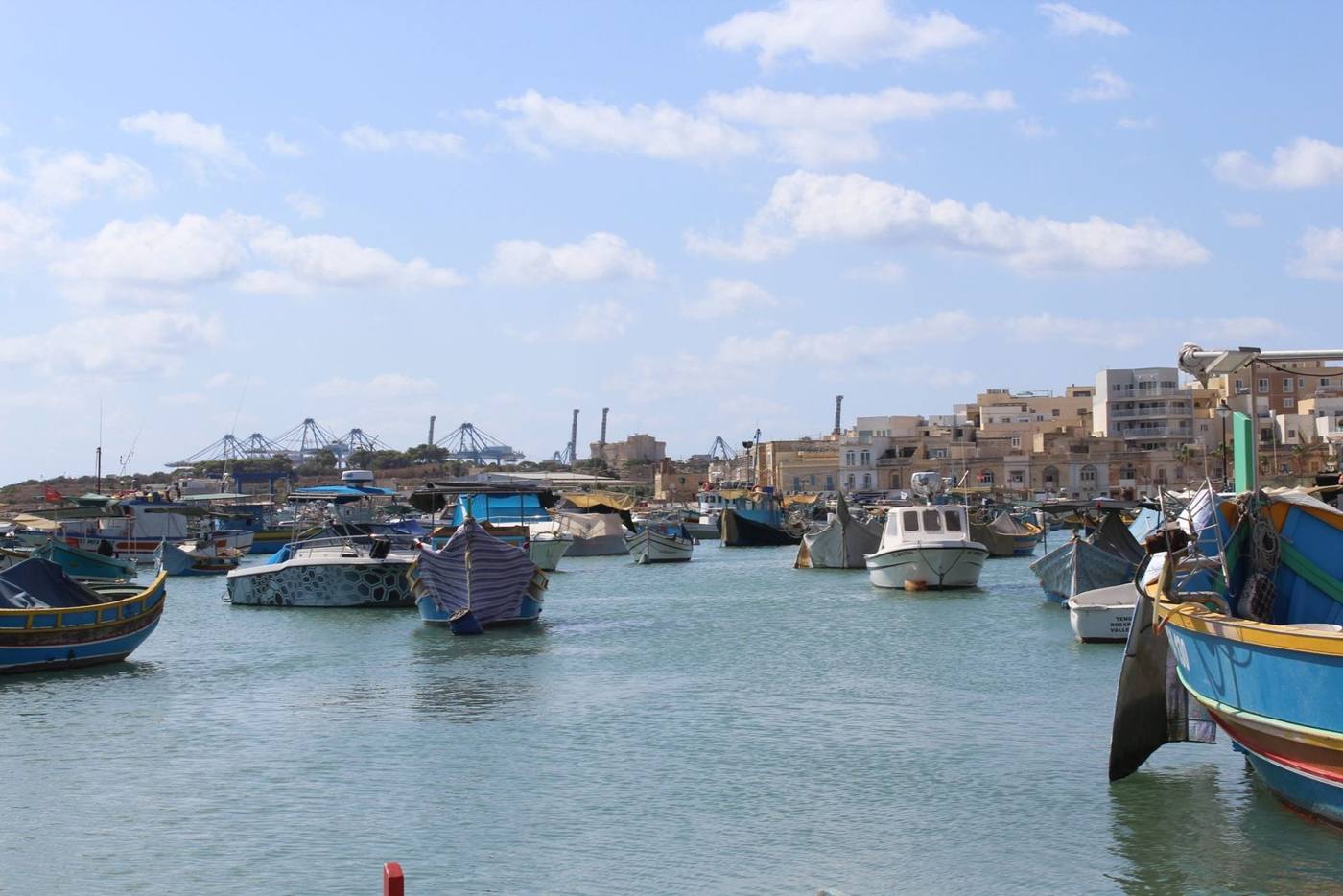
The colourful luzzu boats of Marsaxlokk and the Sunday fish market, the natural pool of St Peter's Pool and Delimara bay.
 3 daysEasy
Mdina and Rabat
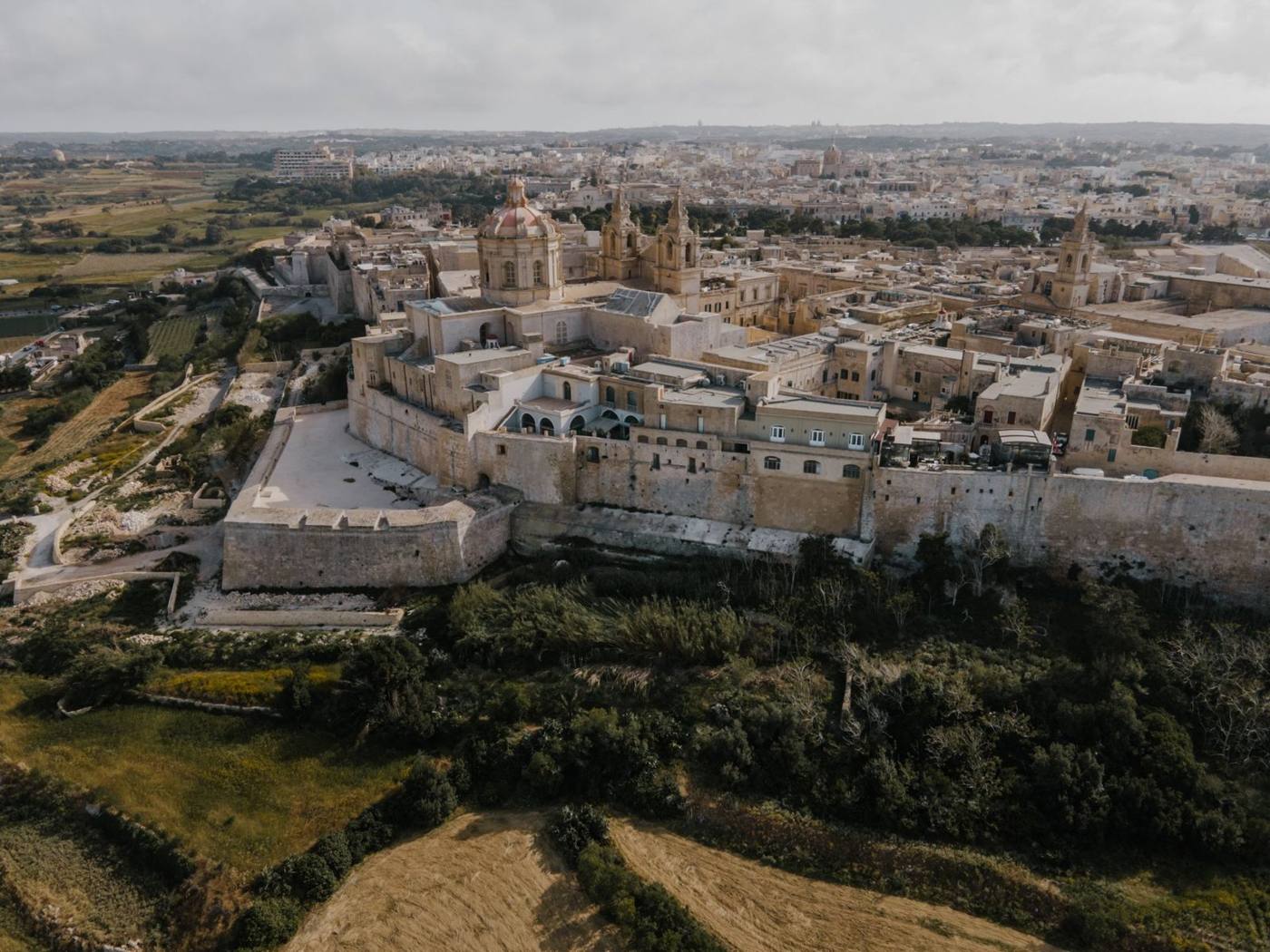
Mdina, the 'silent city', with its walls and St Paul's Cathedral, the Rabat catacombs, St Paul's Grotto and San Anton Gardens.
 4 daysEasy
Easter and Carnival
Malta out of season: the Carnival of Valletta and Nadur on Gozo in February, the Good Friday processions and the risen Christ statues carried at a run at Easter.