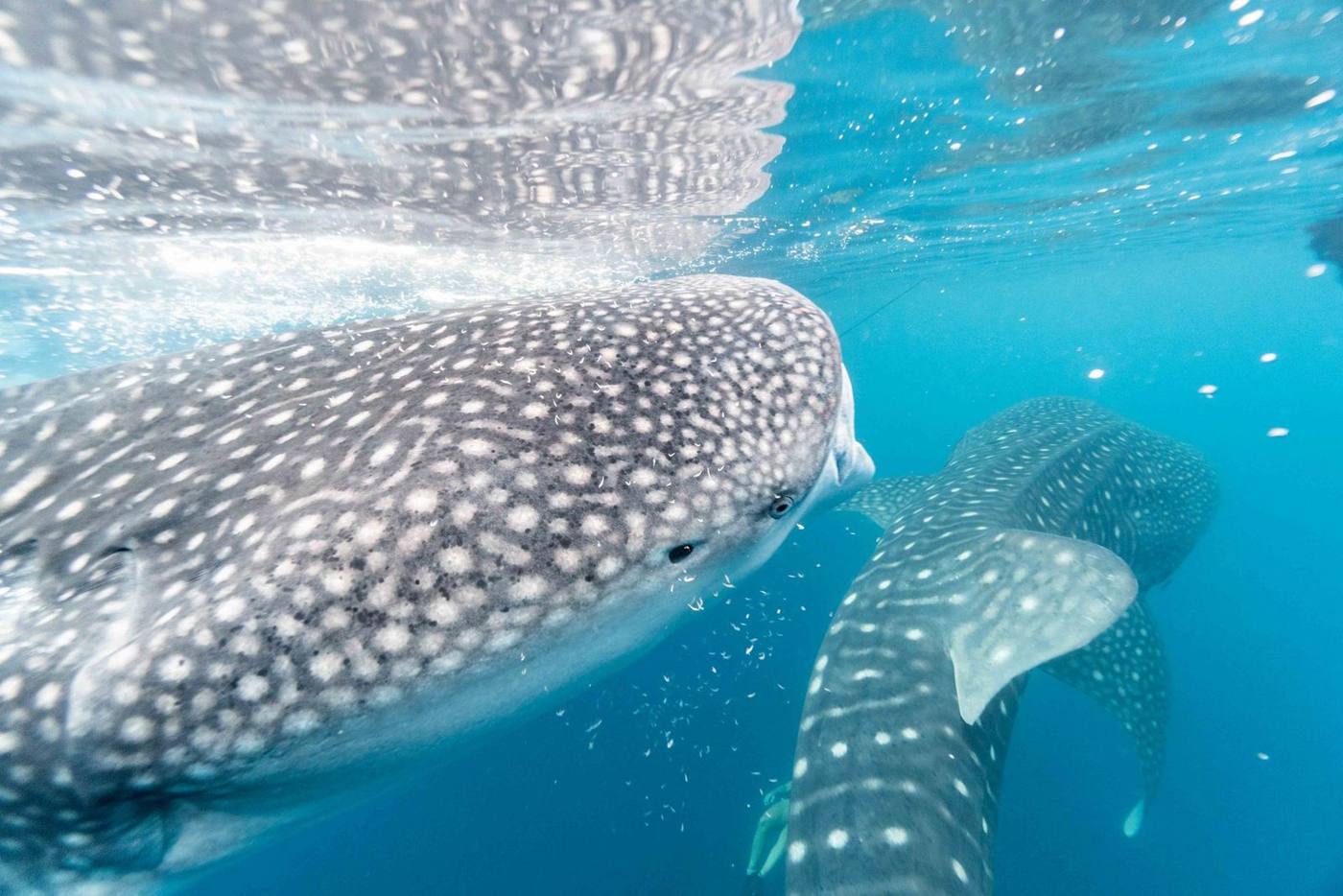
Whale sharks in South Ari
The protected area of South Ari, where whale sharks swim year-round along the outer reef, with snorkelling from a local island such as Dhigurah.
- Malé
- Dhigurah
- South Ari
Day by day
- Day 1
Speedboat or flight to Dhigurah
This four day trip takes you to the South Ari Marine Protected Area, one of the few places in the world where whale sharks can be seen all year round, along the outer reef of the atoll. Your base is a local island such as Dhigurah, long and thin, with a sandy beach that ends in a sandbank in the lagoon. From here boat trips cost much less than from the resorts.
Before you go: for the Maldives Italian citizens receive a 30 day tourist visa on arrival. You need a valid electronic passport, with at least six months of validity recommended, and confirmed accommodation. Within the 96 hours before arrival fill in the IMUGA declaration online. Other nationalities should check their own rules. According to the MIRA tax authority, in guesthouses on inhabited islands with up to 50 rooms the green tax is 6 dollars a day; the departure tax of 50 dollars in economy is collected by the airlines.
Rules and safety: Dhigurah is an inhabited island. No alcohol, clothes covering shoulders and knees in the village, swimming in covered clothing away from the tourist beach. The British government reports fatal accidents caused by boat propellers in the South Ari area: in the water always keep away from engines.
From Malé reach Dhigurah by fast speedboat, in about a couple of hours, or with a domestic flight to Maamigili airport and then a short boat ride. Check prices and times, as services do not run every day.
In the afternoon walk to the southern tip of the island, on the long sandbank, and watch the sunset over the lagoon.
Practical tip: bring reef friendly sun cream and a long sleeved swim shirt, also useful against the sun on the boat.
- Day 2
The first whale shark trip
Today you head out by boat to look for whale sharks. Trips leave the island in the morning and follow the outer reef of the atoll, where these huge fish swim close to the surface. In the South Ari area they are mostly young males, several metres long. Sightings are not guaranteed: patience is needed.
When a shark is spotted, the guide gets you into the water with mask and fins, calmly and without jumping in. The national Maldivian whale shark regulation sets precise rules: stay at least three metres from the body and four from the tail, do not touch it and never hold on to its fins, and do not use flash, selfie sticks or bright lights. Boats must respect a 250 metre contact zone with a maximum of three vessels at a time, go slowly and almost stop within 50 metres of the animal.
Swim alongside the shark without chasing it, let it pass and enjoy the scene: the enormous mouth, the white spotted skin, the slow movement of the tail.
In the afternoon go snorkelling on the reef near the island, with parrotfish, turtles and small reef sharks.
Practical tip: if the operator does not respect the distances or puts too many people in the water at once, report it and choose another trip the next day.
- Day 3
Whale sharks and manta rays
Second day at sea. In the morning take another whale shark trip, which greatly increases your chances of seeing them. Remember the same rules: distance, no contact, no flash, and watch out for boats when you come back to the surface.
In the afternoon, if conditions allow, the boat takes you to one of the manta cleaning stations of Ari atoll, where these large rays hover over coral heads to be cleaned by small fish. Stay still, near the bottom if you are diving, or at the surface if you are snorkelling, and let them come closer on their own. Do not touch them, because it damages the protective layer of their skin.
Divers can dive the outer reef with a licensed centre. In the Maldives recreational dives beyond 30 metres are forbidden. There are strong currents: follow the briefing, and ask beforehand how the centre would reach a hyperbaric chamber in case of an accident.
In the evening, on Dhigurah, have a fish curry with rice, or grilled tuna caught that same day, and stroll through the village under the palms.
Practical tip: do not fly within 24 hours of your last scuba dive: plan your last dive for today and only snorkel tomorrow.
- Day 4
The return
Last day. Early in the morning have a last swim in the lagoon or a walk on the sandbank at the southern tip, when the light is soft and the beach is empty.
Then take the speedboat, or the boat to Maamigili and the domestic flight to Malé, where you continue with your international flight.
In these four days you have seen the South Ari Marine Protected Area: two whale shark trips along the outer reef, the manta rays at their cleaning stations, snorkelling on the Dhigurah reef and the life of a local Maldivian island.
When to go: whale sharks are present all year round. The sea is calmer and visibility better from December to April, with the north-east monsoon. From May to November there is more wind, swell and rain, and some trips may be cancelled, but sightings continue.
Always remember to respect the observation rules: these are the same sharks that return here year after year, and their behaviour also depends on how they are treated by those who enter the water.
Practical tip: if you want to help research, keep your photos of the shark's left flank, just behind the gills: the spots are like a fingerprint and researchers use them to recognise individual animals.
One of the few places in the world with whale sharks year-round. From local islands it costs far less than from resorts. Keep your distance: no contact.
Before you go
- Documents and visa
- Passport with an expiry date at least one month after arrival and confirmed accommodation: the 30 day tourist visa is issued on arrival. Within the 96 hours before arrival fill in the IMUGA traveller declaration online. Green tax, from the MIRA tax authority: 6 dollars a day in guesthouses and hotels with up to 50 rooms on inhabited islands, 12 dollars in resorts; departure tax of 50 dollars in economy, collected by the airlines.
- Health and vaccines
- Medical facilities are limited outside Malé; if you dive, check that your insurance covers the hyperbaric chamber and emergency transfer. Use repellent against dengue and chikungunya. Drink only bottled water. Emergencies: police 119, ambulance 102.
- Money and payments
- Maldivian rufiyaa. US dollars are widely used and resorts nearly always charge in dollars; Visa and Mastercard work in Malé and at tourist businesses.
- Power sockets
- Types D and G, 230 volts: British plugs fit type G sockets.
- Time zone
- UTC+5 all year.
- Safety
- An Islamic country: alcohol is sold and drunk only on resort islands and you cannot bring it in; in Malé and on inhabited islands cover shoulders and legs and swim clothed away from tourist beaches. During Ramadan do not eat or drink in public in the daytime. Strong currents: swim only in designated areas. Very harsh drug penalties, and e-cigarettes are banned. Official advice: GOV.UK.
Information checked in November 2026 for Italian and EU citizens. Rules change: always check before you travel.
Variations
In three days: arrival, a single day of whale shark and manta trips, the return.
In six days: add two more days of boat trips or dives, to increase your chances of a sighting.
Frequently asked questions
What rules apply when swimming with whale sharks?
The national regulation asks you to stay at least three metres from the body and four from the tail, not to touch them or hold on, and bans flash, selfie sticks and bright lights. A maximum of three boats at a time in the 250 metre contact zone.
Are whale sharks always seen?
They are present all year round in the South Ari area, but sightings are not guaranteed. Two trips greatly increase the chances.
How do you get to Dhigurah?
By fast speedboat from Malé, in about a couple of hours, or with the domestic flight to Maamigili and then a short boat ride.
Indicative itinerary written by World Atlas. Before booking, check timetables, seasonal openings, documents and safety.
 4 daysEasy
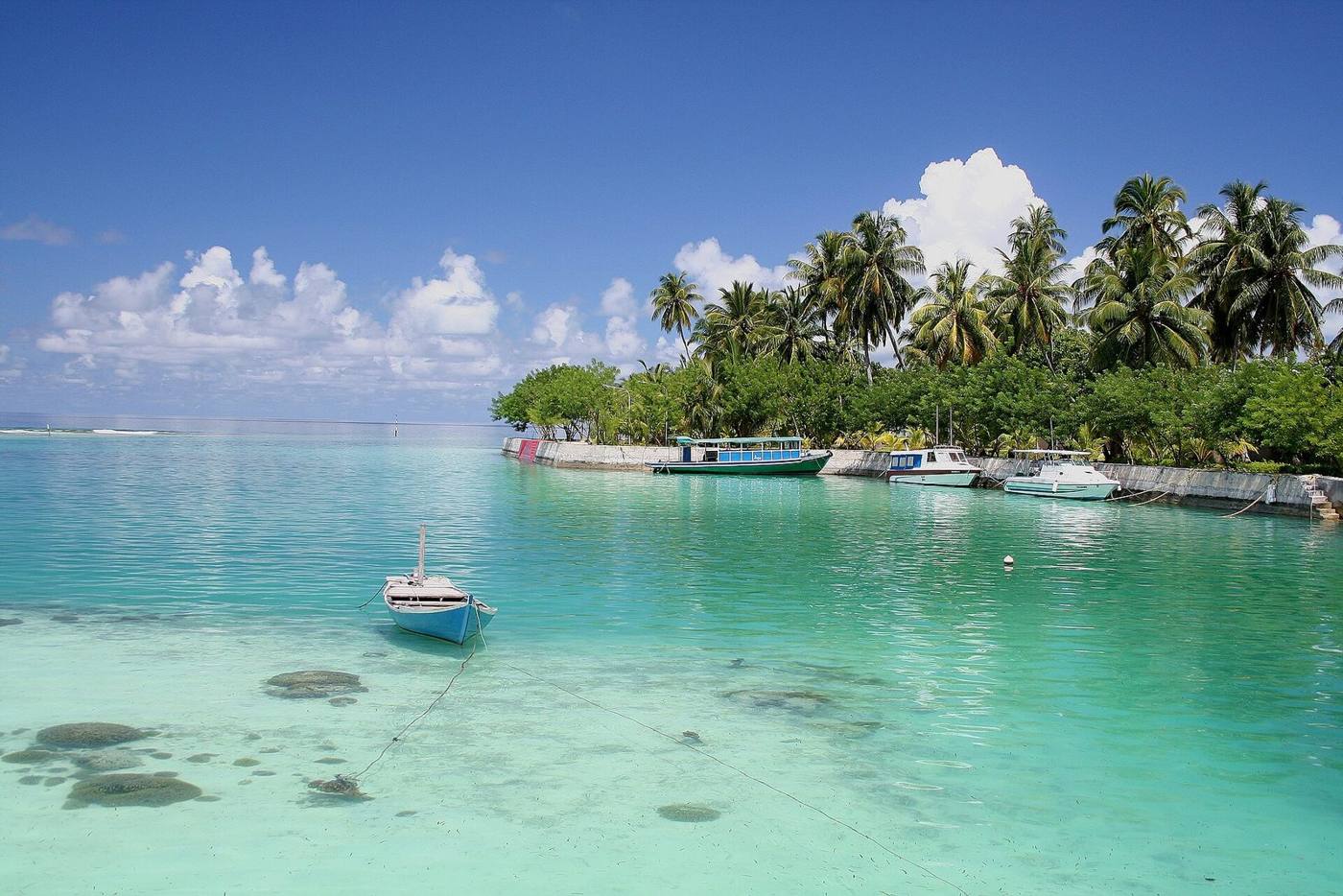
Addu and the south
The southernmost atoll, below the equator: islands joined by roads, the old British base at Gan, Eydhigali lake and dives with mantas and the British Loyalty wreck.
 2 daysEasy
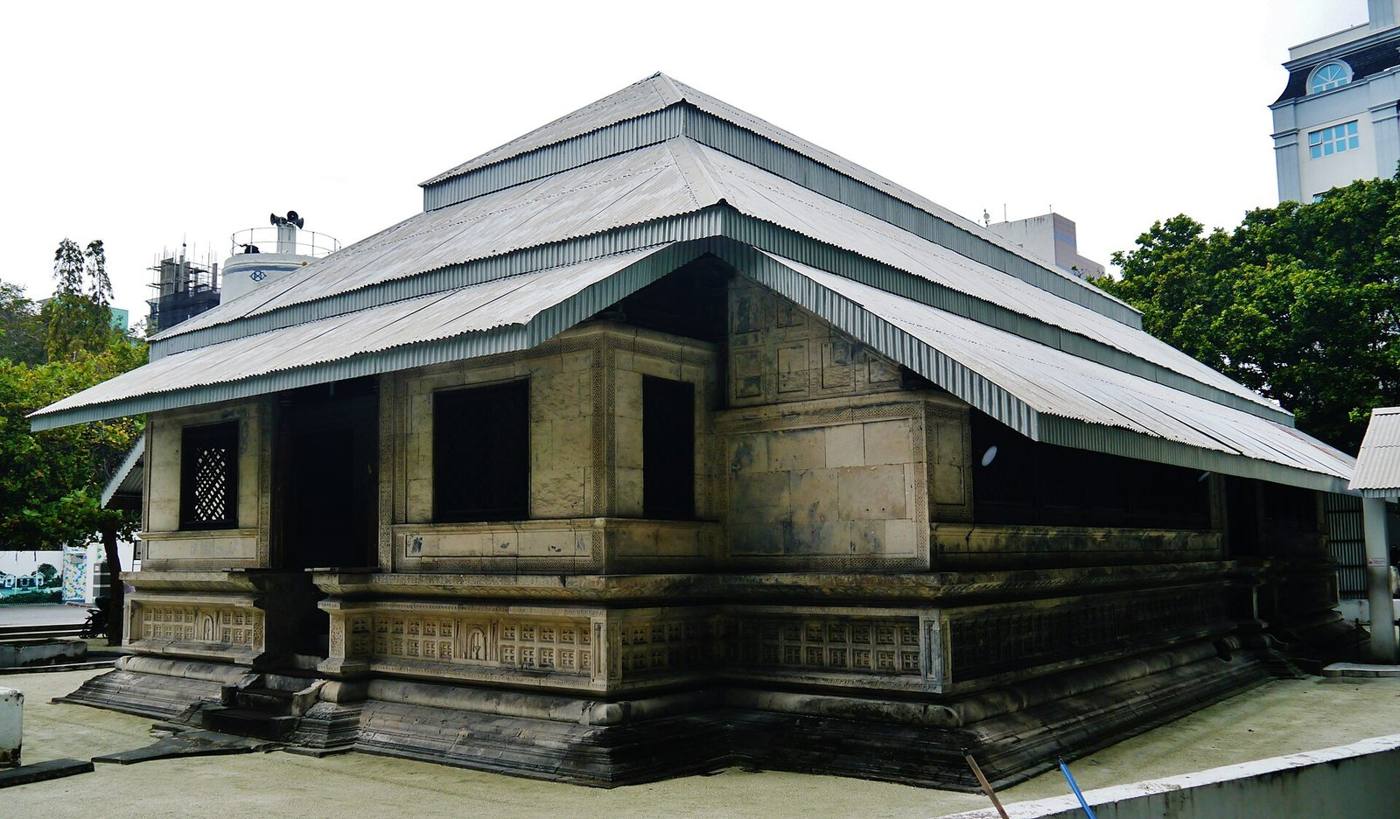
Malé and Maldivian culture
The world's most compact capital: the old Friday Mosque in coral stone, the fish market, the national museum and the bridge to Hulhumalé.
 8 daysEasy
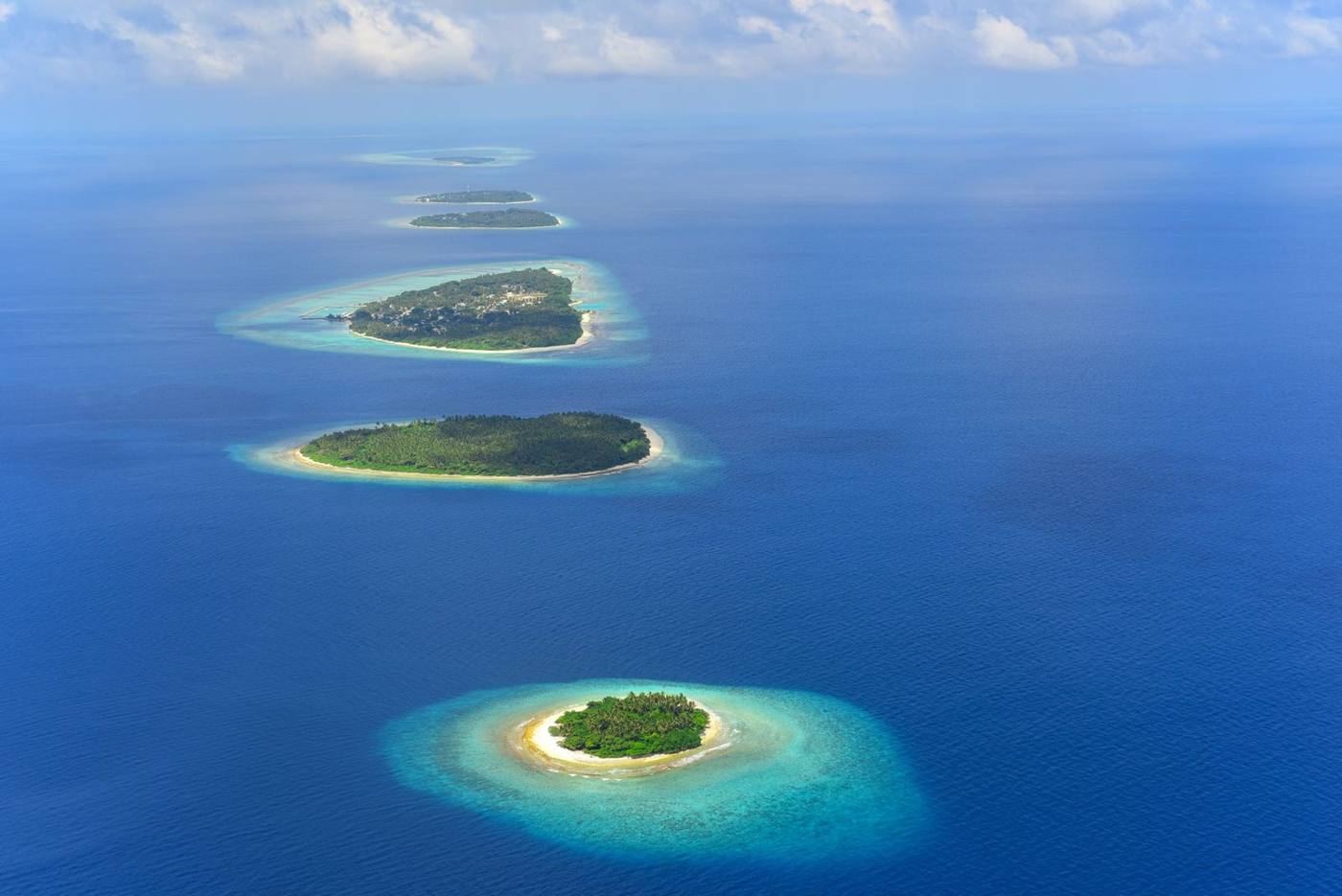
Local islands and snorkelling
The Maldives without luxury resorts: guesthouses on inhabited islands such as Maafushi, Thoddoo or Dhigurah, trips with manta rays and whale sharks.