Malé and Maldivian culture
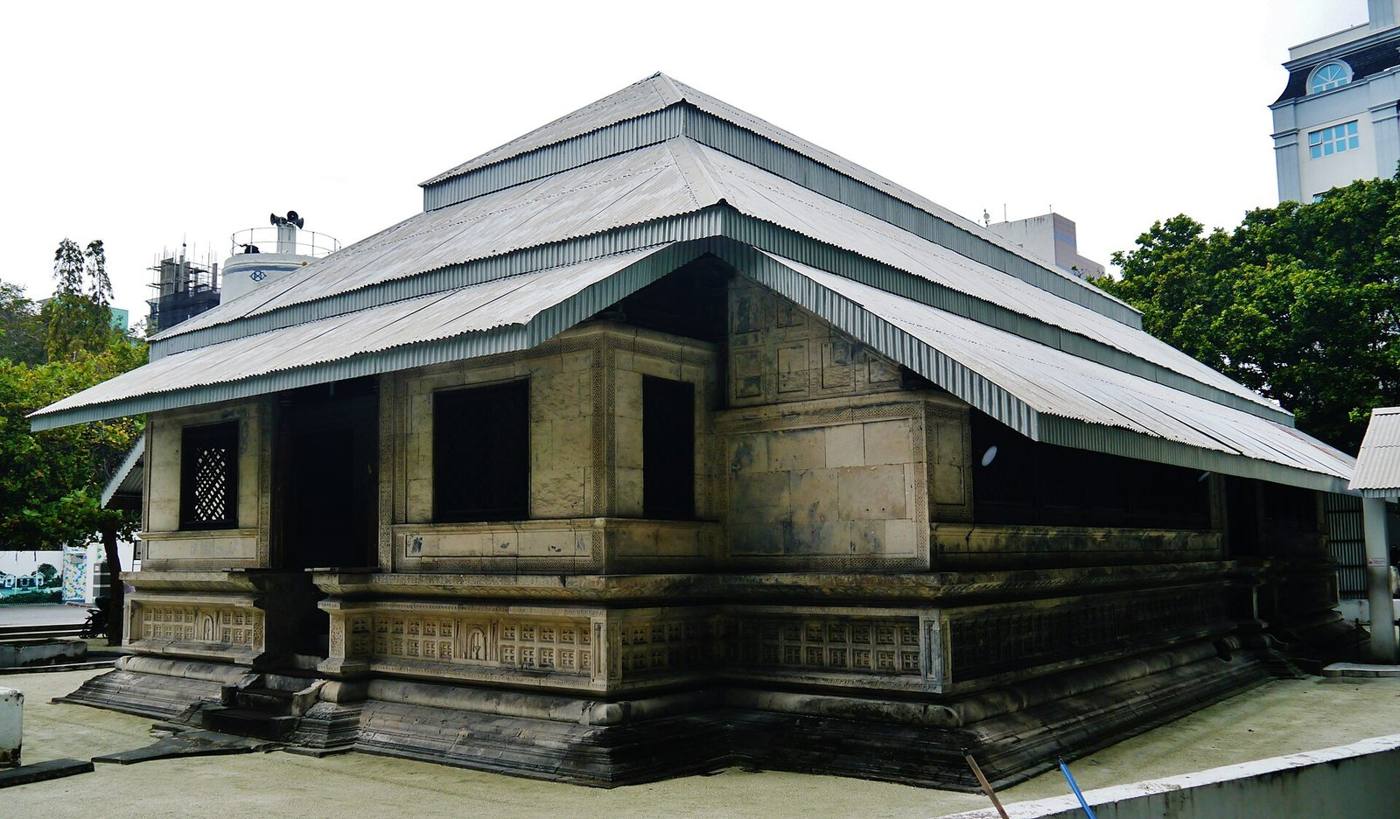
The world's most compact capital: the old Friday Mosque in coral stone, the fish market, the national museum and the bridge to Hulhumalé.
- Malé
- Hulhumalé
Day by day
- Day 1
The coral mosque, the museum and the fish market
This two day trip introduces you to Malé, one of the most compact capitals in the world, squeezed onto a tiny island full of houses, scooters and mosques, and to nearby Hulhumalé with its beach. It is perfect at the start or end of a beach holiday.
Before you go: for the Maldives Italian citizens receive a 30 day tourist visa on arrival. You need a valid electronic passport, with at least six months of validity recommended, and confirmed accommodation. Within the 96 hours before arrival fill in the IMUGA declaration online. Other nationalities should check their own rules. Taxes, according to the MIRA tax authority: green tax of 6 dollars a day in guesthouses and hotels with up to 50 rooms on inhabited islands, 12 in resorts; departure tax of 50 dollars in economy, collected by the airlines.
Rules and safety: the Maldives is an Islamic country. In Malé wear clothes covering your shoulders and knees, do not carry alcohol, which is sold only in resorts, and during Ramadan do not eat or drink in public in the daytime. In the evening avoid empty streets.
Start with Hukuru Miskiy, the old Friday mosque, built in the seventeenth century from carved blocks of coral stone, next to the white minaret and the cemetery with its decorated tombstones. Visit in long clothes, outside prayer times, and ask at the entrance whether you may go in. Then move on to the National Museum, in Sultan Park, with thrones, weapons, clothes and manuscripts from the history of the sultans. Check prices and times.
In the afternoon go to the fish market on the harbour, when the boats unload huge tuna, and to the nearby fruit market.
Practical tip: get around on foot, because you can cross Malé in a short time, but watch out for scooters in the narrow streets.
- Day 2
Hulhumalé beach and departure
In the morning take a last walk around central Malé. Pass the great Friday mosque, with the golden dome that dominates the city, and go down to Republic Square, on the seafront, where ferries leave for the nearby islands. Have a coffee and a local sweet in a traditional tea shop, where people eat small tuna and coconut snacks called hedhikaa.
Then cross the Sinamalé bridge, which links Malé to the airport island and Hulhumalé, by taxi or bus. Hulhumalé is a man made island, with tidy avenues, new buildings and a long white sand beach on the ocean.
Spend a few hours by the sea. Swim in clothes that cover your shoulders and thighs, as the rules of inhabited islands require, except in areas marked for tourists. Swim only in supervised areas and watch out for currents. Along the beach there are cafés and kiosks where you can drink fresh coconut juice.
Then go to the airport, a few minutes by road from Hulhumalé, for your flight home or to reach another island.
In these two days you have seen Malé: the old coral mosque, the National Museum, the fish market, the great mosque and Republic Square, then the Sinamalé bridge and Hulhumalé beach.
When to go: the best period is from December to April, with calm seas and clear skies. From May to November the rains and the monsoon wind arrive.
Practical tip: keep some US dollars in cash for taxis and small expenses.
To fit at the start or end of a beach trip. Malé is crowded and chaotic. The mosque is visited in long clothes and outside prayer times.
Before you go
- Documents and visa
- Passport with an expiry date at least one month after arrival and confirmed accommodation: the 30 day tourist visa is issued on arrival. Within the 96 hours before arrival fill in the IMUGA traveller declaration online. Green tax, from the MIRA tax authority: 6 dollars a day in guesthouses and hotels with up to 50 rooms on inhabited islands, 12 dollars in resorts; departure tax of 50 dollars in economy, collected by the airlines.
- Health and vaccines
- Medical facilities are limited outside Malé; if you dive, check that your insurance covers the hyperbaric chamber and emergency transfer. Use repellent against dengue and chikungunya. Drink only bottled water. Emergencies: police 119, ambulance 102.
- Money and payments
- Maldivian rufiyaa. US dollars are widely used and resorts nearly always charge in dollars; Visa and Mastercard work in Malé and at tourist businesses.
- Power sockets
- Types D and G, 230 volts: British plugs fit type G sockets.
- Time zone
- UTC+5 all year.
- Safety
- An Islamic country: alcohol is sold and drunk only on resort islands and you cannot bring it in; in Malé and on inhabited islands cover shoulders and legs and swim clothed away from tourist beaches. During Ramadan do not eat or drink in public in the daytime. Strong currents: swim only in designated areas. Very harsh drug penalties, and e-cigarettes are banned. Official advice: GOV.UK.
Information checked in November 2026 for Italian and EU citizens. Rules change: always check before you travel.
Variations
In one day: just Malé, with the mosque, the museum and the fish market.
In four days: add two days on a nearby local island, reached by ferry, for snorkelling.
Frequently asked questions
Can you visit the old Friday mosque?
Yes, in long clothes and outside prayer times. Always ask at the entrance whether you may go in.
Can you drink alcohol in Malé?
No. In the Maldives alcohol is sold and drunk only in resorts, and you cannot bring it into the country.
How far is the airport from Malé?
A few minutes: the airport is on the neighbouring island, linked to Malé by the Sinamalé bridge and also reachable by ferry.
Indicative itinerary written by World Atlas. Before booking, check timetables, seasonal openings, documents and safety.
 8 daysEasy
Local islands and snorkelling
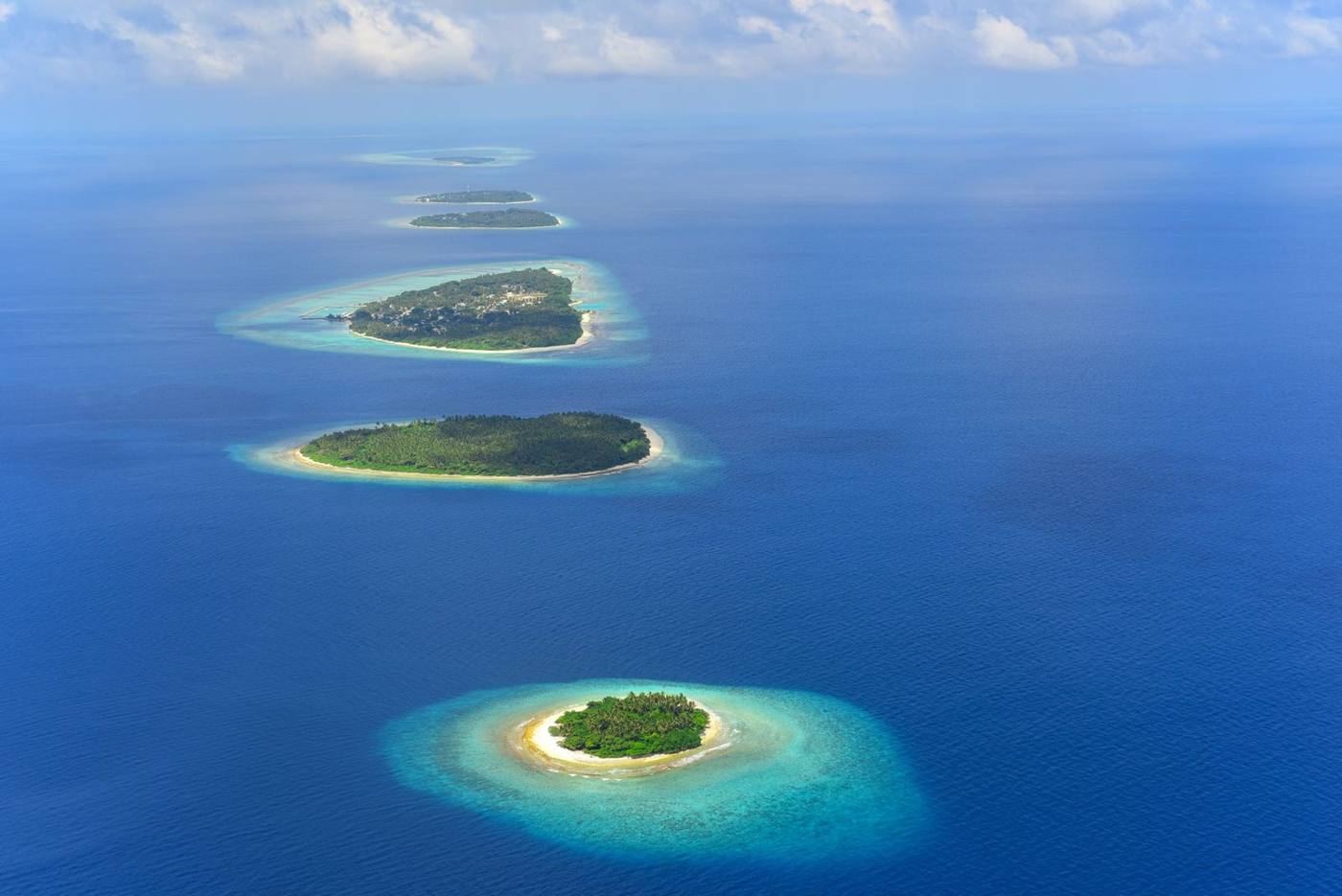
The Maldives without luxury resorts: guesthouses on inhabited islands such as Maafushi, Thoddoo or Dhigurah, trips with manta rays and whale sharks.
 8 daysModerate
Liveaboard among the atolls
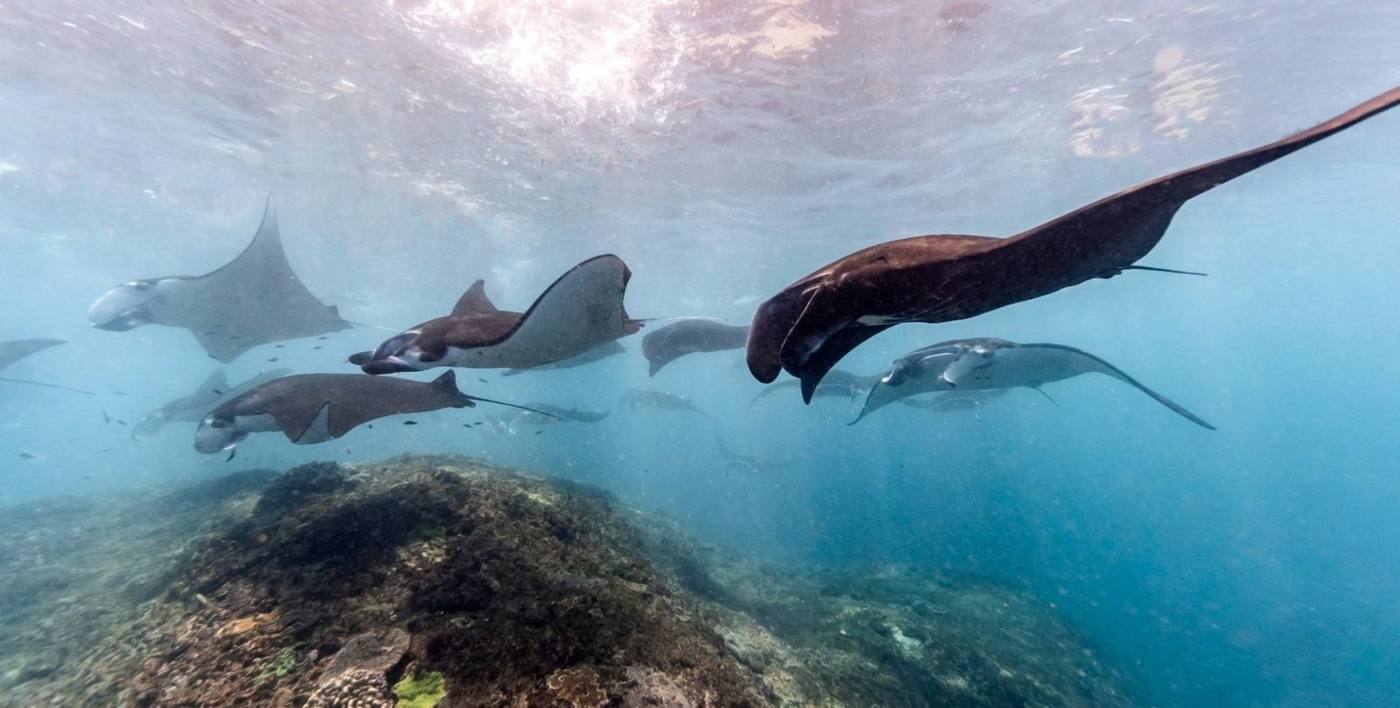
A week on a dive boat among the central atolls: channels with grey reef sharks, manta cleaning stations and night dives.
 5 daysEasy
Baa Atoll and the mantas
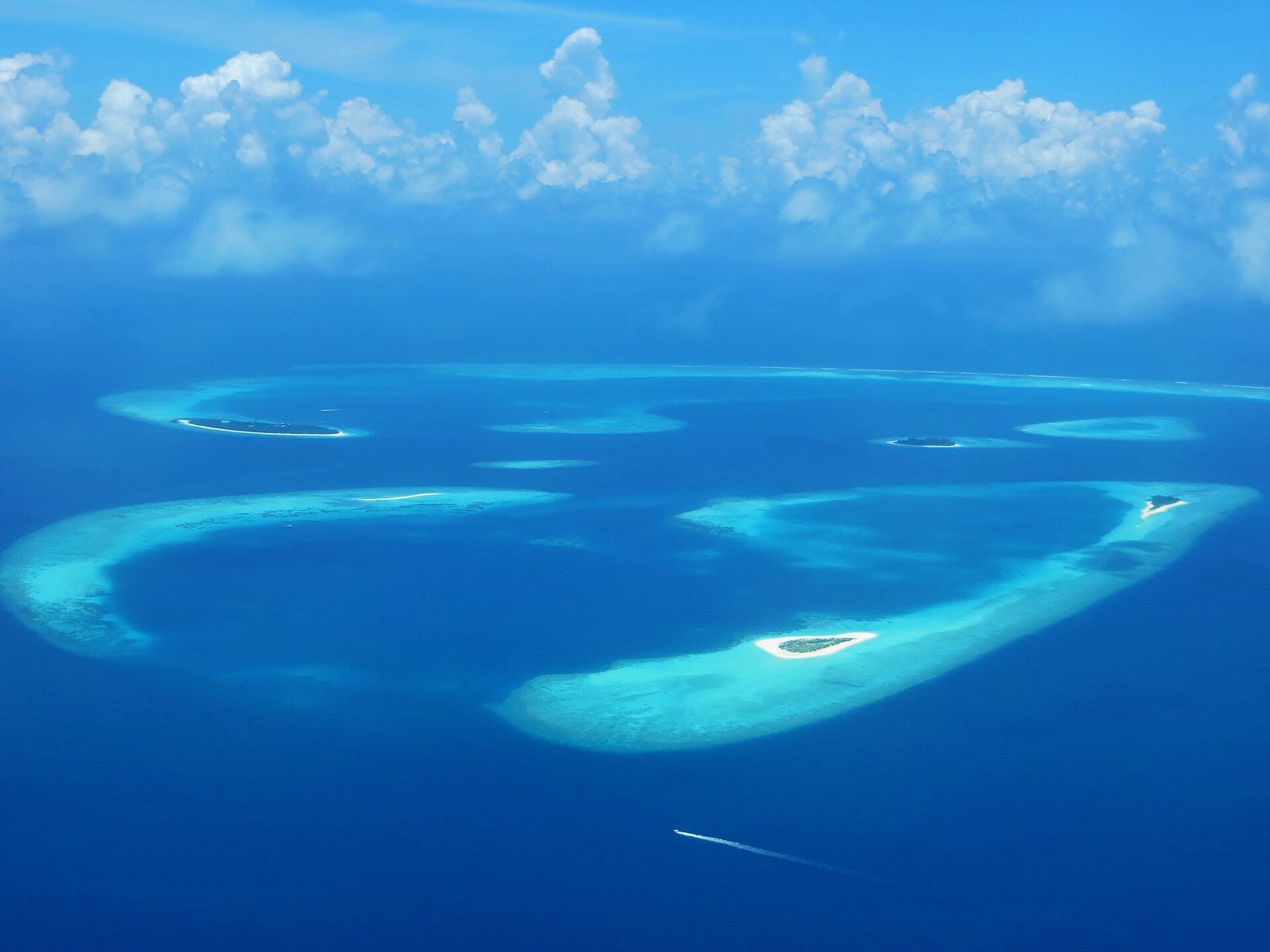
The UNESCO biosphere reserve of Baa, with Hanifaru Bay where dozens of manta rays gather to feed on plankton, sometimes with whale sharks.