Liveaboard among the atolls
A week on a dive boat among the central atolls: channels with grey reef sharks, manta cleaning stations and night dives.
- Malé
- North Malé Atoll
- Ari Atoll
- Vaavu Atoll
- Malé
Day by day
- Day 1
Boarding in Malé and check dive
This eight day trip is a liveaboard cruise for divers through the central atolls of the Maldives: North Malé, Ari, Vaavu and South Malé. Each day you usually make two or three dives, in channels with grey sharks, at manta cleaning stations and at night with nurse sharks.
Before you go: for the Maldives Italian citizens receive a 30 day tourist visa on arrival. You need a valid electronic passport, with at least six months of validity recommended, and a confirmed booking, in this case for the boat. Within the 96 hours before arrival fill in the IMUGA declaration online. Other nationalities should check their own rules. According to the MIRA tax authority, the green tax on tourist vessels is 12 dollars a day; the departure tax of 50 dollars in economy is collected by the airlines.
Safety: you need at least an Advanced certification and good experience in currents. Hyperbaric chambers are few and far away: check that your insurance covers diving and emergency transport. Boats vary widely in quality and safety, so choose using verified reviews. In the water keep away from propellers.
You arrive in Malé and a tender takes you to the boat, anchored near the airport. Settle into your cabin and listen to the safety briefing on board. In the afternoon make the check dive on a sheltered reef in North Malé Atoll, to test your weights and equipment.
Practical tip: bring your certification card, your logbook and a surface marker buoy, which is essential in the channels.
- Day 2
Ari Atoll: the manta cleaning stations
During the night or at dawn the boat crosses the open channel to Ari Atoll, one of the largest in the Maldives. The crossing can be rough: if you suffer from seasickness, take a remedy before you sleep.
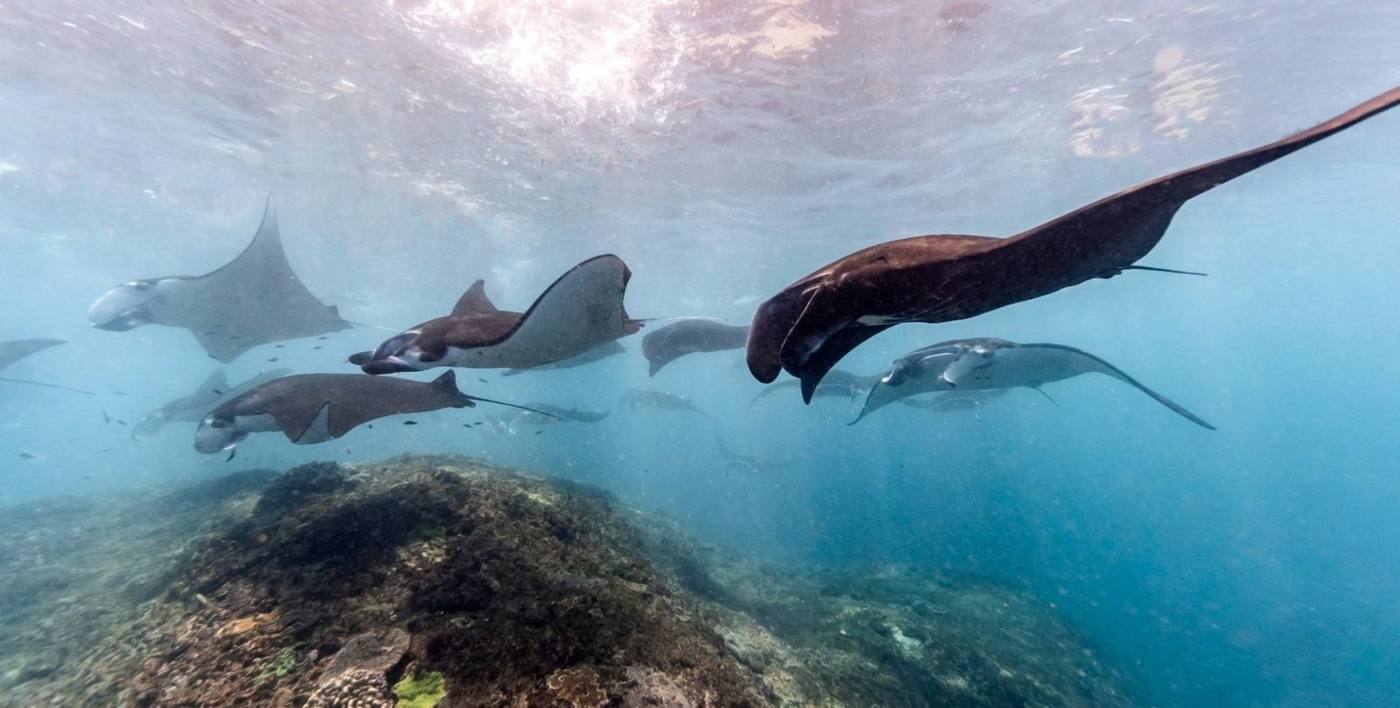
Today the dives are all about mantas. Along the edges of the atoll there are cleaning stations: coral blocks where small cleaner fish, such as wrasse, pick parasites off the mantas' skin. The mantas circle slowly over the reef, hang almost still and then move on. Kneel on the sand or on dead rock, away from the coral, stay low and breathe slowly: bubbles and sudden movements drive them away.
Do not swim over the station and do not get in the mantas' path. If they pass close to you, stay still: they decide the distance.
Between dives rest on deck, drink plenty and eat light. Life on board has a simple rhythm: briefing, dive, snack, rest, then back in the water.
In the evening, if the guide suggests it, make a night dive on one of the atoll's thilas, the coral pinnacles rising from the bottom, with moray eels, lobsters and whitetip sharks hunting in the torchlight.
Maldivian rules on recreational diving set a maximum depth: always respect the one given in the briefing, even if the bottom looks tempting.
Practical tip: keep your dive computer always on and on a conservative setting, because with three or four dives a day nitrogen builds up.
- Day 3
South Ari and the whale sharks
Today the boat heads down to the southern tip of Ari Atoll, into the marine protected area where whale sharks can be seen all year round, along the outer reef. The whale sharks here are mostly young males, several metres long, swimming close to the surface.
The search is usually done from the boat: the crew scans the water and, when they spot an animal, they send you in with mask and fins, in small groups. Stay at least a few metres from the shark, do not touch it, do not get in front of its mouth and do not use flash. Often it is enough to swim slowly alongside it for a few minutes.
The British government reports fatal accidents caused by boat propellers in the South Ari area and at whale shark sites. When you are in the water always follow the crew's instructions, stay close to the group and away from every boat with its engine running.
Between searches make a dive on the edge of the reef, where you find turtles, Napoleon wrasse, schools of fusiliers and, with the right current, grey reef sharks.
In the evening the boat anchors in a calm lagoon. Have dinner on deck, under the stars, and watch the lights reflected on the water.
Practical tip: for the whale sharks wear a long sleeved swim shirt and keep your mask and fins ready, because a sighting can come at any moment.
- Day 4
Vaavu Atoll and the Fotteyo channel
Today the boat crosses east to Vaavu Atoll, one of the least inhabited in the Maldives, with few islands and long channels opening onto the ocean.
The most famous dive is the Fotteyo channel, on the outer edge of the atoll. At the mouth of the channel the reef drops steeply, with caves, arches and terraces covered in orange soft corals, sea fans and sponges. Moray eels and soldierfish hide in the hollows; outside, in the blue, grey sharks, jacks and eagle rays pass by. It is a dive for experienced divers: with an incoming current the scene is richer, but you must be able to handle the descent and your buoyancy.
Before you go in the guide explains the plan: fast descent, hooking onto the edge of the reef with a reef hook, watching, and then ascending while letting the current carry you into the atoll. Respect the times and depth, and always surface with your marker buoy inflated, because the tender must see you.
In the afternoon make a calmer dive on an inner thila, or rest and watch the ocean from the deck. Vaavu also has the Miyaru channel, whose name means shark: ask the guide whether conditions allow it.
In the evening the boat moves towards the island of Alimatha for the next day's night dive.
Practical tip: use the reef hook only on dead rock, never on living coral, and hold it in your hand rather than clipping it to your jacket.
- Day 5
Vaavu: the Alimatha night dive with nurse sharks
In the morning make a dive in another Vaavu channel, where grey reef sharks often gather in the strong currents. They hang in the blue, circling slowly, while you are hooked onto the edge of the reef. If the visibility is good, you may also see schools of barracuda and tuna.
In the afternoon rest and get ready for the night. The Alimatha night dive, on the eastern side of the atoll, is one of the most famous in the Maldives. In the dark, on the shallow sandy bottom, dozens of nurse sharks gather, together with large stingrays and jacks. They are animals used to boats and they circle around the divers, often very close.
Nurse sharks are generally calm, but they are still wild animals: kneel on the sand where the guide tells you, keep your hands close to your body, do not touch them and point your torch downwards, without dazzling them. Do not chase them and do not get between them and their natural food.
After the dive, dinner on deck is a chance to share what you have seen. Many divers consider this night the most intense moment of the cruise.
During the night the boat sets off north again, towards South Malé Atoll.
Practical tip: bring a main torch and a backup, both charged, and a small strobe so that the group can find you in the dark.
- Day 6
The channels of South Malé Atoll
Today you are in South Malé Atoll, with narrow channels and strong currents opening towards the ocean. This is the last part of the trip and the dives need experience: here the current can change quickly and planning matters.
One of the best known channels is Guraidhoo Kandu, where grey sharks, eagle rays and sometimes mantas pass at the entrance. Another classic site is Kandooma Thila, a long pinnacle in the middle of a channel, covered in soft corals and visited by sharks and large schools of fish. If conditions are not good, the guide chooses a more sheltered reef: always follow their decision.
During channel dives stay close to your buddy and the group. If you lose contact, do your safety stop and surface with your marker buoy. Do not wait underwater to be found, because the current carries you away.
In the afternoon, between dives, the boat stops near an inhabited island. If you can go ashore, walk in the village dressed modestly, buy some fruit at the shop and watch the daily life of the Maldives, far from the resorts.
In the evening go over your dive computer and your flying times with the guide.
Practical tip: drink plenty of water and never skip safety stops, because they are your best protection against decompression sickness.
- Day 7
Last dives and a day of rest
Today you make your last dives, usually in the morning, to leave enough time before your flight. It is a chance to go back to a channel you enjoyed or to a calm reef, where you can photograph clownfish, nudibranchs, moray eels and turtles at leisure.
The most important rule today is time: after your last dive at least 24 hours must pass before you fly. Many boats plan the last dive on the morning of the day before departure for this reason. Check the schedule and talk to the guide.
In the afternoon, while the crew rinses the equipment, you can snorkel in the lagoon, if the captain allows it, or go ashore on a sandbank or an uninhabited island for a last walk. Keep away from propellers and tenders when you are in the water.
Dry your wetsuit, regulators and computer well, and pack your bag. Many boats ask you to settle the bill for extra dives, rentals and drinks on board: keep your card or cash in dollars to hand.
In the evening, the last dinner on deck is often grilled fish and Maldivian curry. Thank the crew: they have worked for you every day, from the kitchen to the tenders.
Practical tip: record every dive in your logbook with depth and times, because you will need them for future cruises and further certifications.
- Day 8
Disembarking and departure
In the morning the boat returns near Malé and the tender takes you to the airport or into town. Remember to respect the 24 hours without flying after your last dive: if your flight is very early, check that you made your last dive with enough margin.
If you have a few hours before you leave, cross the bridge to Malé and visit the fish market or the old Friday mosque, made of coral stone, dressed modestly. Remember that outside resorts and tourist boats alcohol is banned.
In these eight days you have seen the best of diving in the Maldives: the manta cleaning stations and whale sharks of Ari, the Fotteyo channel and the Alimatha night dive with nurse sharks in Vaavu Atoll, and the channels of South Malé with grey sharks and eagle rays, living every day on the sea.
When to go: from January to April, in the dry season of the northeast monsoon, the sea is generally calmer, visibility is good and the currents bring life into the channels. In the rest of the year cruises continue, but with more rain, rougher seas and routes that change with the wind. Mantas and whale sharks are never guaranteed.
Practical tip: keep your dive computer and documents in your hand luggage, and check your flight's weight allowance for equipment.
The best way to dive the Maldives, with the strong currents of the channels. You need at least an Advanced certification and good current experience. Boats vary a lot in quality and safety: choose operators with good verified reviews.
Before you go
- Documents and visa
- Passport with an expiry date at least one month after arrival and confirmed accommodation: the 30 day tourist visa is issued on arrival. Within the 96 hours before arrival fill in the IMUGA traveller declaration online. Green tax, from the MIRA tax authority: 6 dollars a day in guesthouses and hotels with up to 50 rooms on inhabited islands, 12 dollars in resorts; departure tax of 50 dollars in economy, collected by the airlines.
- Health and vaccines
- Medical facilities are limited outside Malé; if you dive, check that your insurance covers the hyperbaric chamber and emergency transfer. Use repellent against dengue and chikungunya. Drink only bottled water. Emergencies: police 119, ambulance 102.
- Money and payments
- Maldivian rufiyaa. US dollars are widely used and resorts nearly always charge in dollars; Visa and Mastercard work in Malé and at tourist businesses.
- Power sockets
- Types D and G, 230 volts: British plugs fit type G sockets.
- Time zone
- UTC+5 all year.
- Safety
- An Islamic country: alcohol is sold and drunk only on resort islands and you cannot bring it in; in Malé and on inhabited islands cover shoulders and legs and swim clothed away from tourist beaches. During Ramadan do not eat or drink in public in the daytime. Strong currents: swim only in designated areas. Very harsh drug penalties, and e-cigarettes are banned. Official advice: GOV.UK.
Information checked in November 2026 for Italian and EU citizens. Rules change: always check before you travel.
Variations
In 5 days: a short cruise through North Malé, South Malé and Vaavu, with the channels and the Alimatha night dive, but without Ari.
In 11 days: a long cruise that reaches the southern atolls, with even more remote channels and fewer boats.
Frequently asked questions
What certification do I need for this cruise?
You need at least an Advanced certification and good experience in currents, because the Maldivian channels have strong currents. Many boats also ask for a minimum number of logged dives.
How long should I wait before flying?
After your last dive at least 24 hours must pass before you fly. That is why the last day on board has no dives and the last dive is usually on the morning of the day before.
Can non-divers come too?
Yes, but the cruise is designed for divers: non-divers can snorkel on the reefs and with whale sharks, but spend many hours waiting on board. A base on a local island is often a better choice.
Indicative itinerary written by World Atlas. Before booking, check timetables, seasonal openings, documents and safety.
 5 daysEasy
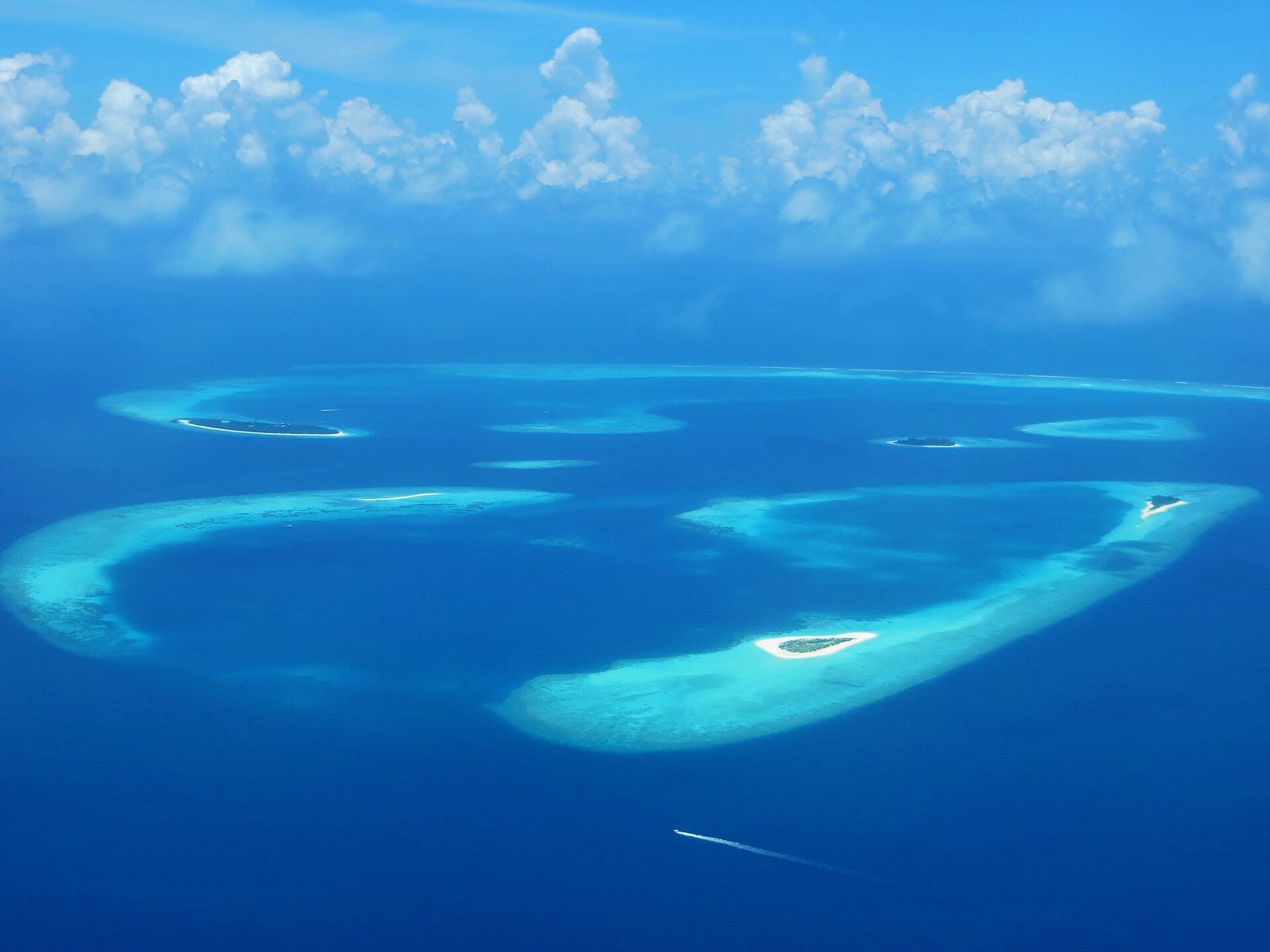
Baa Atoll and the mantas
The UNESCO biosphere reserve of Baa, with Hanifaru Bay where dozens of manta rays gather to feed on plankton, sometimes with whale sharks.
 4 daysEasy
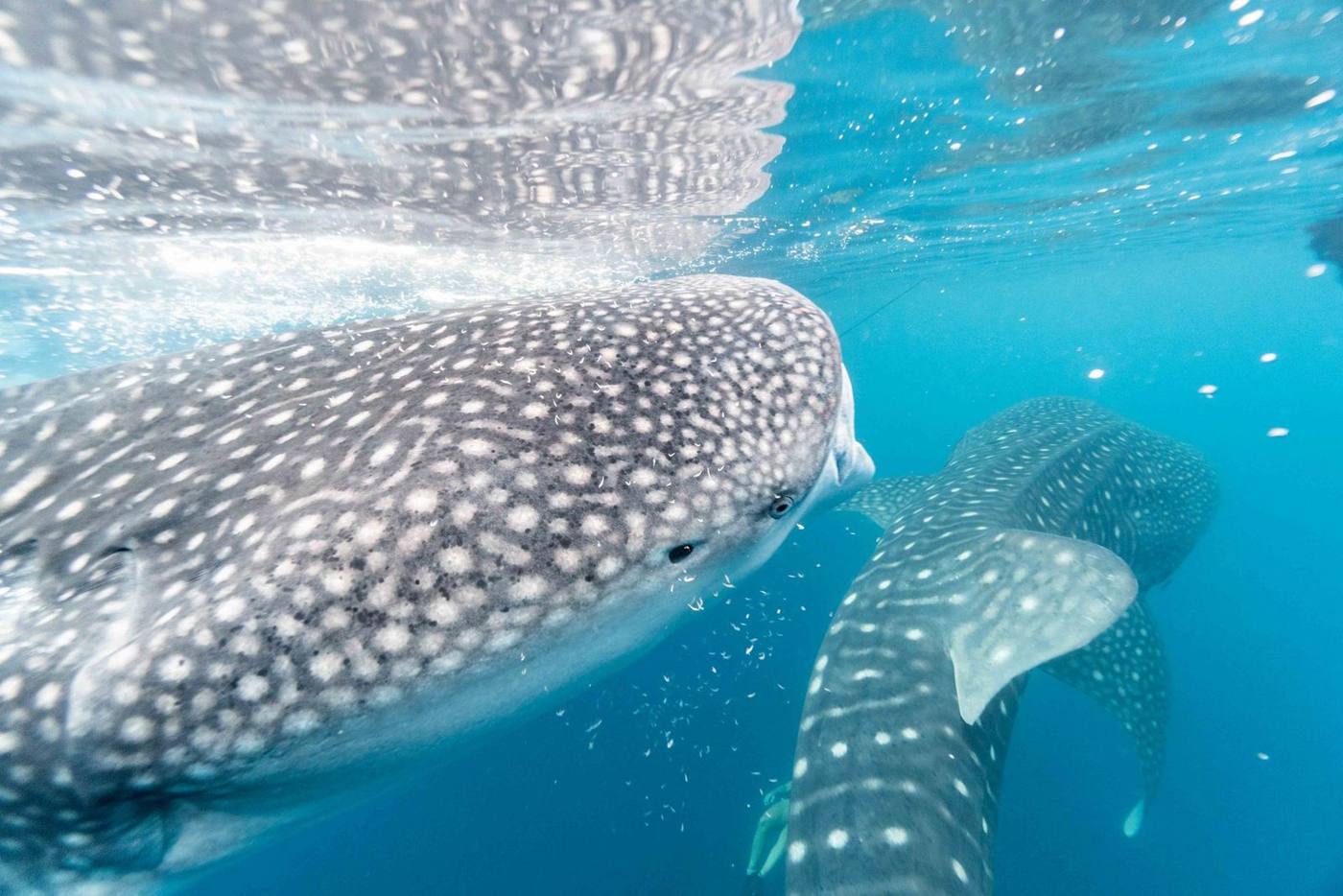
Whale sharks in South Ari
The protected area of South Ari, where whale sharks swim year-round along the outer reef, with snorkelling from a local island such as Dhigurah.
 4 daysEasy
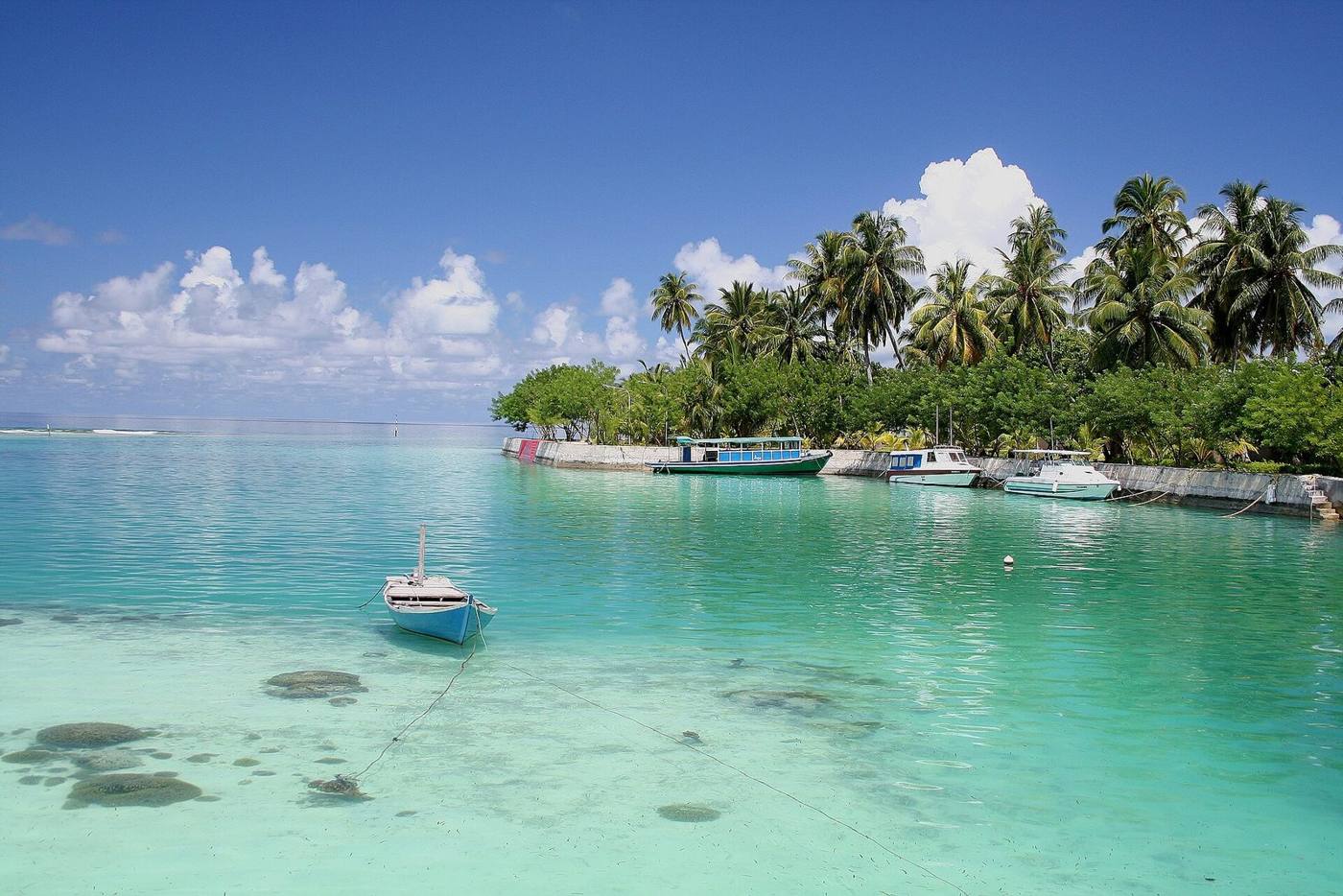
Addu and the south
The southernmost atoll, below the equator: islands joined by roads, the old British base at Gan, Eydhigali lake and dives with mantas and the British Loyalty wreck.