The Mulu caves
Gunung Mulu UNESCO park in Borneo, reached only by air: the Sarawak Chamber, Deer Cave with its bat exodus and the canopy walkway.
- Miri
- Mulu
- Deer Cave
- Clearwater Cave
Day by day
- Day 1
The flight from Miri and Deer Cave at sunset
This three-day trip takes you to Gunung Mulu National Park, in Sarawak, the Malaysian part of Borneo: a UNESCO World Heritage Site since 2000, covered in rainforest and hollowed out by one of the largest cave systems in the world. No roads reach it: you arrive only by plane, or after a long boat journey on the rivers.
Before you go: Italian citizens enter Malaysia with a passport valid for at least six months, without a visa for up to 90 days for tourism, and must fill in the Malaysia Digital Arrival Card (MDAC) only on the official portal, within the three days before arrival. Other nationalities should check their own rules. Sarawak has its own immigration control: keep your passport to hand even on domestic flights. Cave visits are only made with park guides and are booked only with the park, through its official website: be wary of anyone selling places elsewhere.
In the morning take the short flight from Miri. From above you see the river and the forest, then the limestone cliffs. On arrival, register at park headquarters, where you collect the tickets for the visits you have booked.
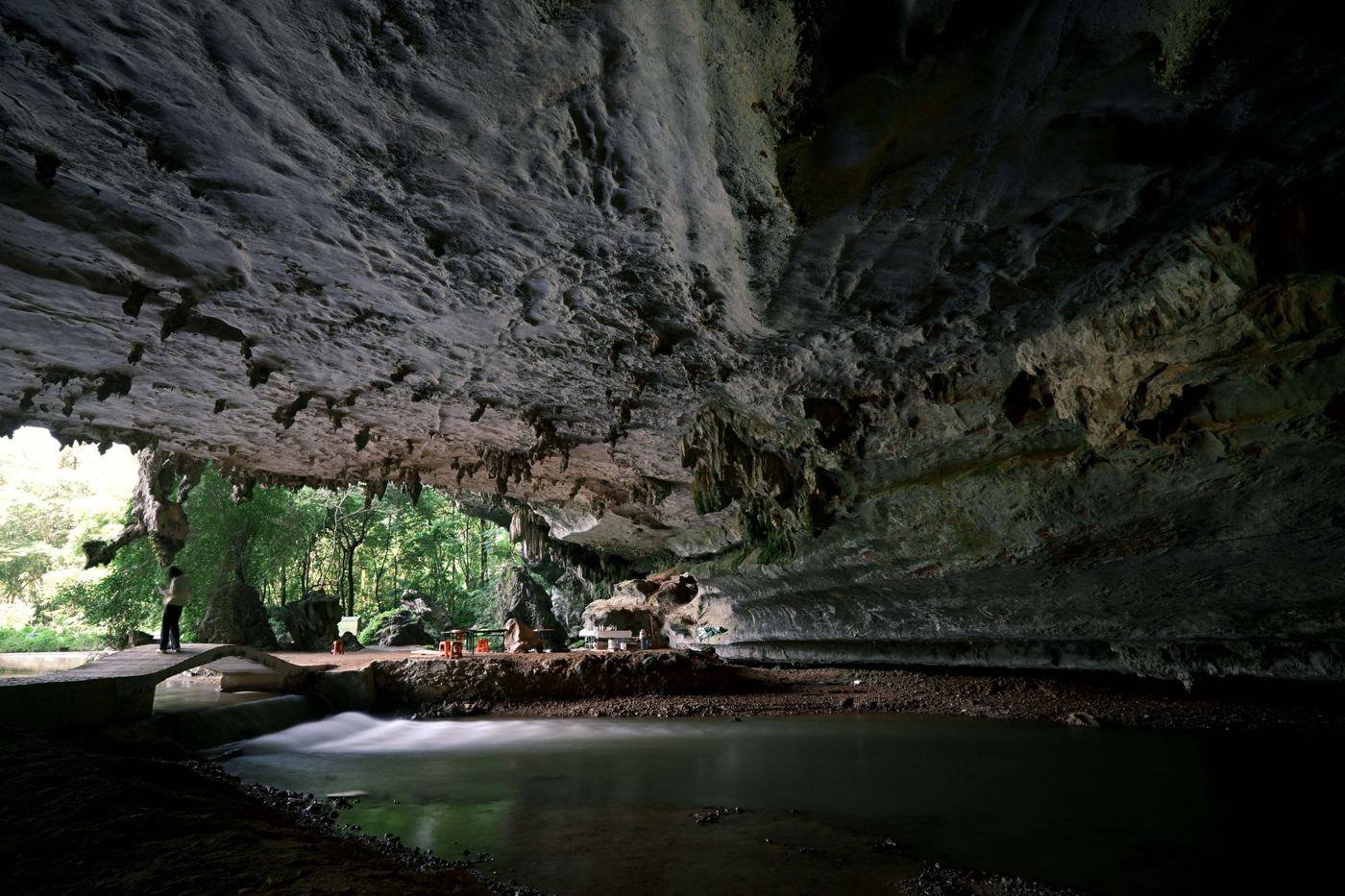
In the afternoon walk along a wooden boardwalk of about three kilometres through the forest to Lang Cave, small but full of stalactites, and then to Deer Cave, one of the largest cave passages ever discovered. At the entrance look for the rock profile that resembles Abraham Lincoln.
Towards sunset sit at the observatory in front of the cave: if the weather is dry, a huge colony of bats pours out in long spiralling clouds above the forest to go hunting.
Practical tip: bring a head torch, a light rain jacket and shoes with a good grip, because the boardwalks are often wet and slippery.
- Day 2
Clearwater Cave, Wind Cave and the canopy walk
Today you travel by boat along the Melinau river, in a long, narrow craft that heads upstream between the forest and the rock walls.
The first stop is often the village of Batu Bungan, home to Penan families, a forest people who were once nomadic. Here you find stalls with bracelets, woven bags and small handmade objects.
Then you visit Wind Cave, named after the cool air that blows from its openings, with the King's Chamber full of columns and stalactites that look like sculptures. From here a wooden staircase and a boardwalk lead you to Clearwater Cave, the entrance to one of the longest cave systems in the world, with an underground river flowing in the dark.
Outside, in front of the cave, there is a pool of clear, cool water where you can swim before a picnic lunch.
In the afternoon return to park headquarters and walk the canopy walk, a series of walkways hung between the great trees of the forest, many metres above the ground. It is a guided visit with limited numbers, to be booked with the park: from up there you can see birds, flying squirrels and the treetops close up.
In the evening, if you still have energy, join a night walk with the park guides to look for stick insects, frogs, spiders and glowing fungi.
Practical tip: in the caves never touch the formations and do not use flash near the bats; always follow the guide's instructions, including for photos.
- Day 3
A last walk and the journey back
Today you leave Mulu, but the plane often leaves in the middle of the day, giving you time for one last walk.
Early in the morning, when the forest is cooler and noisier, follow one of the short trails around park headquarters. Listen to the calls of hornbills and gibbons, look at the huge roots of the trees and the pitcher plants along the edge of the path. Ask at reception which trails are open, because some close after heavy rain.
Remember that Mulu also has other caves and tougher routes for longer stays: the adventure caves, with tight squeezes and sections in water, the three-day climb to the Pinnacles, limestone spikes as sharp as blades, and the expedition to the Sarawak Chamber, one of the largest underground chambers in the world. They require good fitness and must be booked well in advance with the park.
Then go back to the airport, a few minutes from park headquarters, and take the flight to Miri, from where you can carry on to Kuching, Kota Kinabalu or Kuala Lumpur.
In these three days you have seen the Borneo forest and its underground world: Deer Cave and the bat exodus, Lang Cave, Wind Cave and Clearwater Cave, the Melinau river and the canopy walk.
When to go: the best period is from March to September, with slightly less heavy rain. But at Mulu it rains in every season, and the bat exodus depends on the evening weather.
Practical tip: seats on flights to Mulu are few and fill up, so book your flight before your visits and leave some spare time in case of delays caused by bad weather.
One of the world's largest cave systems. Visits are only with park guides and must be booked. The adventure caves require good fitness.
Before you go
- Documents and visa
- Passport valid for at least six months from the date of entry; for tourism Italian citizens enter without a visa for up to 90 days. The Malaysia Digital Arrival Card (MDAC) is compulsory: fill it in online, only on the official Malaysian immigration portal, within the three days before arrival. Sabah and Sarawak, on Borneo, have their own immigration control: even when arriving from Kuala Lumpur your passport is checked and stamped again.
- Health and vaccines
- No vaccinations are compulsory for travellers from Italy; a yellow fever certificate is needed only if you arrive from a country at risk. Dengue is common, especially in cities: use insect repellent and ask your doctor about other vaccinations and malaria prevention for forest areas. You need insurance covering medical costs and repatriation. Emergencies: 999.
- Money and payments
- Malaysian ringgit (MYR or RM). Cards work well in cities and shopping centres; carry cash for markets, islands and national parks.
- Power sockets
- Type G, 240 volts: British plugs fit without an adapter.
- Time zone
- UTC+8 all year.
- Safety
- Generally a safe country; watch out for bag snatching in cities. The UK advises against all but essential travel to all islands and dive sites off the coast of eastern Sabah, from Sandakan to Tawau, because of the threat of kidnapping; the Sabah mainland is not included. A night-time maritime curfew applies in those waters. Drug laws are very strict, up to the death penalty. Official advice: GOV.UK.
Information checked in November 2026 for Italian and EU citizens. Rules change: always check before you travel.
Variations
In 2 days: Deer Cave at sunset on the first day, Clearwater Cave and the canopy walk on the second, with the flight back in the evening.
In 5 days: add an adventure cave or the climb to the Pinnacles, booked with the park, with a night at a forest camp.
Frequently asked questions
How do I book at Mulu?
Cave visits, the canopy walk and the adventure caves are only done with park guides and are booked directly with the park, on its official website. Check prices and times when you book.
Do I need an extra document for Sarawak?
No, your passport is enough, but Sarawak has its own immigration control, and your passport is checked and stamped again even when you arrive from other parts of Malaysia.
Are the Mulu caves difficult?
The main caves are visited on boardwalks and stairs, suitable for anyone who can walk a fair distance. The adventure caves and the Pinnacles require good fitness and no fear of tight spaces.
Indicative itinerary written by World Atlas. Before booking, check timetables, seasonal openings, documents and safety.
 5 daysModerate
Sipadan and Semporna
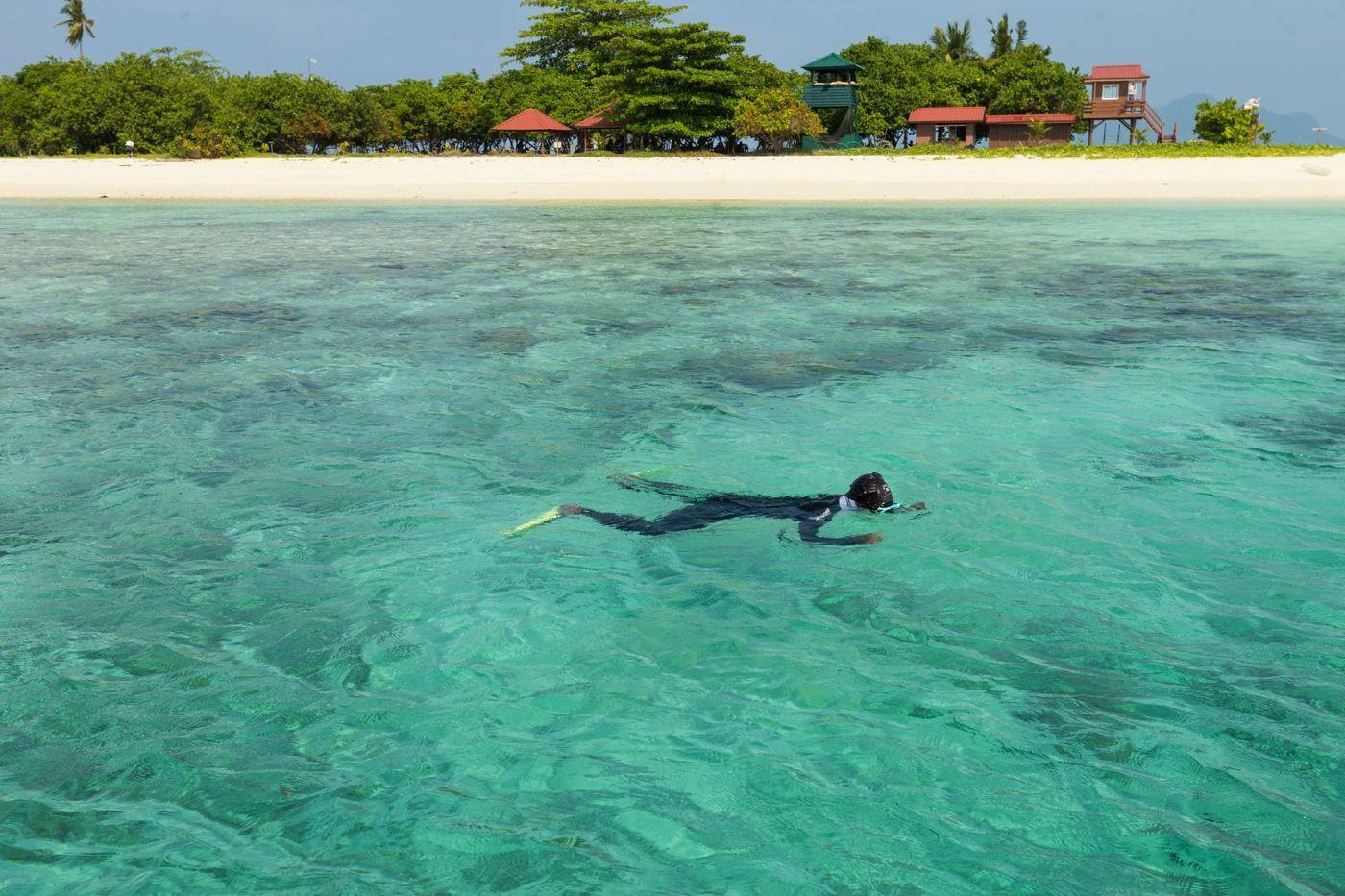
The diving of Sipadan, among the world's most famous, with turtles, barracuda and sharks, and the islands of Mabul and Kapalai with resorts on stilts.
 5 daysEasy
Tioman
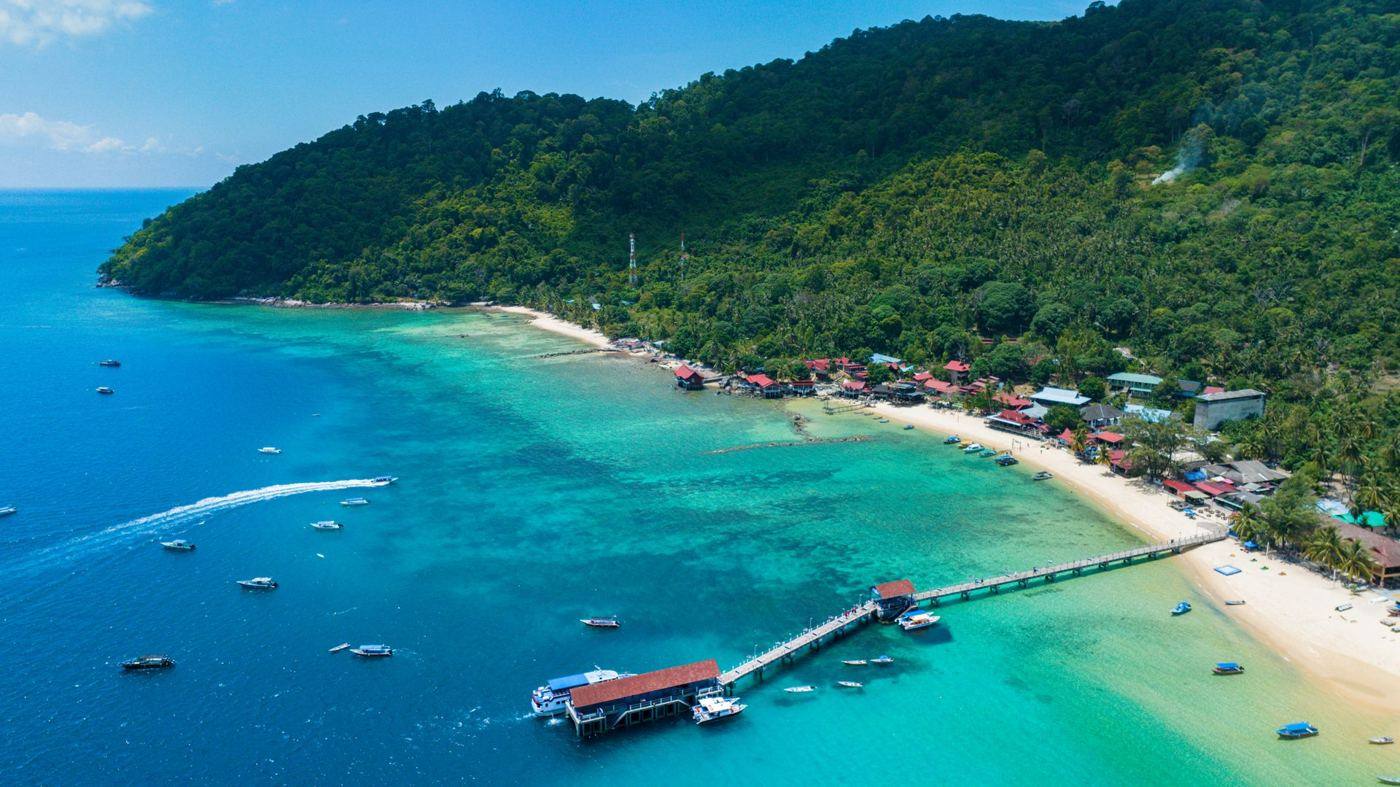
The island off the peninsula's east coast with jungle and beaches: Salang and Juara, Asah waterfall, snorkelling and the walk across the forest.
 4 daysModerate
Danum Valley
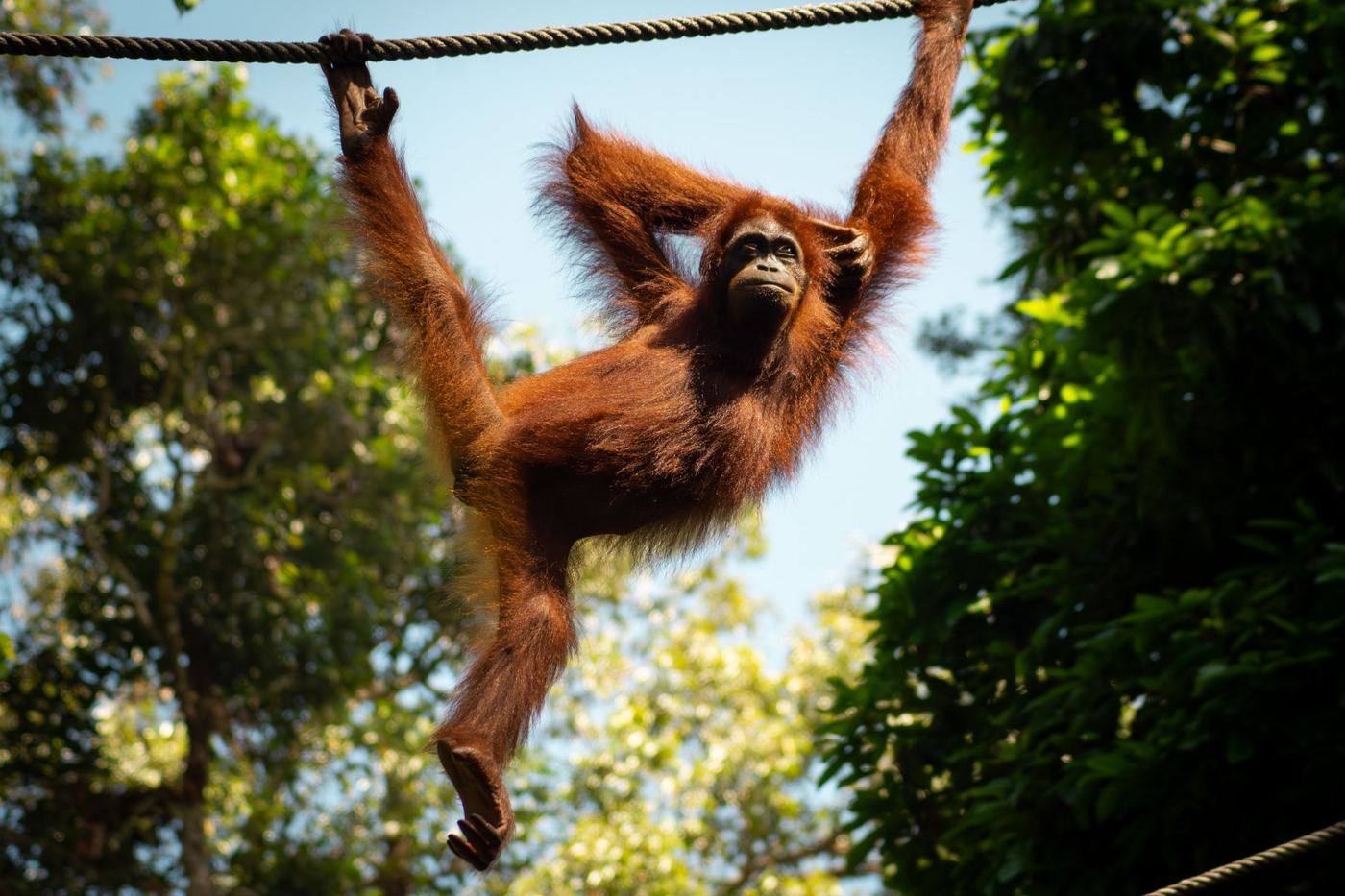
Sabah's most pristine primary forest: wild orangutans, gibbons, hornbills and night walks, staying in a lodge in the heart of the jungle.