Tioman
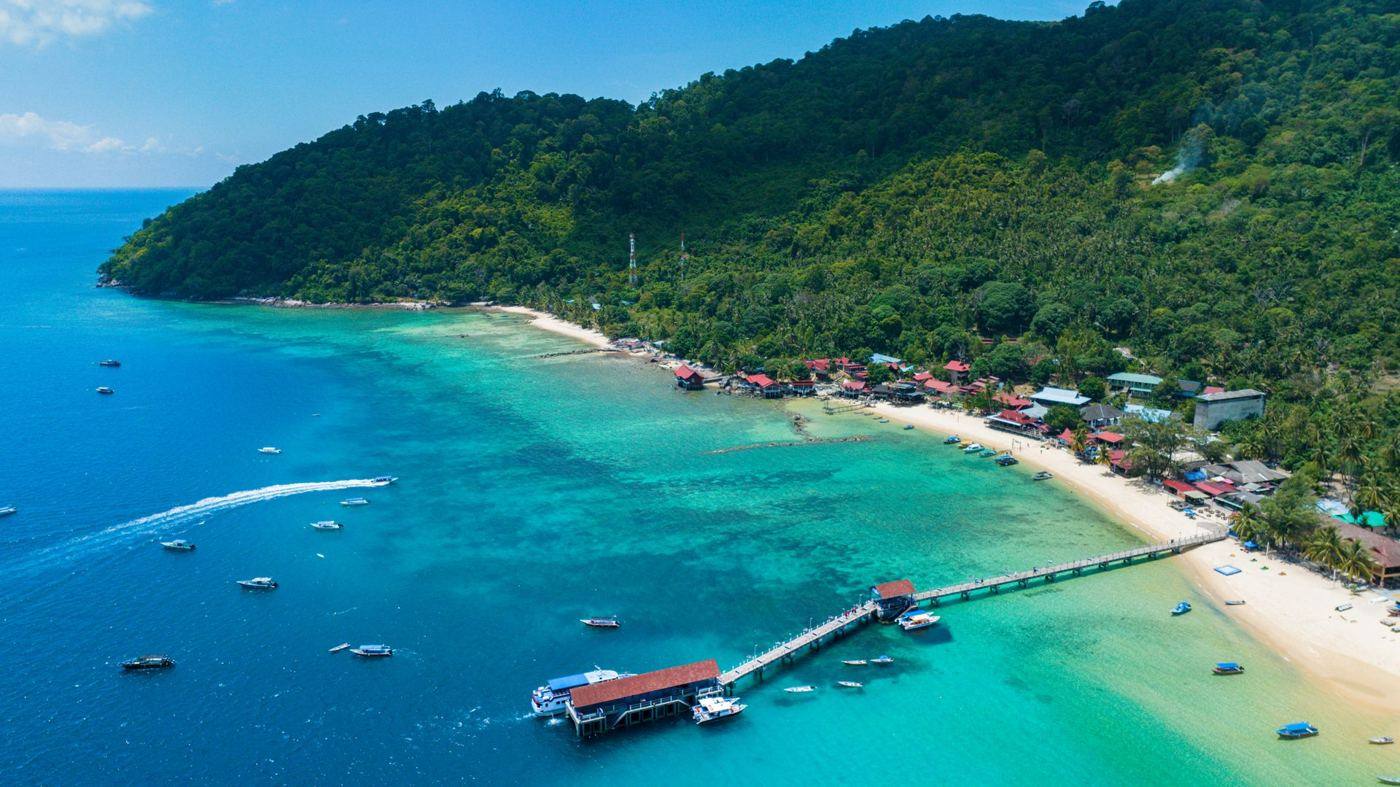
The island off the peninsula's east coast with jungle and beaches: Salang and Juara, Asah waterfall, snorkelling and the walk across the forest.
- Mersing
- Tekek
- Juara
- Salang
Day by day
- Day 1
The ferry from Mersing
This five-day trip takes you to Tioman, the largest island off the east coast of Peninsular Malaysia, in the South China Sea: jungle-covered mountains that run down to the sea, simple wooden villages, palm-lined beaches and clear water for snorkelling. There are few roads here, and you get around mainly on foot and by boat.
Before you go: Italian citizens enter Malaysia with a passport valid for at least six months, without a visa for up to 90 days for tourism, and fill in the Malaysia Digital Arrival Card (MDAC) only on the official portal, within the three days before arrival. Other nationalities should check their own rules. Tioman is a peaceful island: the main risks are the sun, rough seas out of season and slippery trails.
From Kuala Lumpur or Singapore travel by bus or car to Mersing, the town on the coast of Johor state where the ferries leave. At the jetty buy your ticket and pay the marine park fee, because the waters around the island are protected. Check prices and times: departures change with the tide and the sea.
The crossing usually takes about two hours. The ferry stops at several villages along the west coast, such as Genting, Tekek, Air Batang and Salang: get off where you have booked your room.
Tekek is the main village, with the small airport, the jetty and the shops. In the afternoon walk along the seafront path and have your first swim.
In the evening eat grilled fish and squid with rice, watching the sun set over the sea towards the mainland.
Practical tip: there are few cash machines on Tioman, mostly in Tekek, so bring enough cash in ringgit from Mersing.
- Day 2
On foot through the jungle to Juara
Today you cross the island on foot, from the west coast to the east coast, on a forest trail that links Tekek to Juara.
Set off early, before the heat. The route is about seven kilometres long and usually takes three hours. The first part climbs steeply through the jungle, over roots, rocks and earth steps, up to the pass in the centre of the island. On the way up you see huge trees, lianas, colourful butterflies, squirrels, flying lizards and, with luck, the tiny mouse deer. Listen to the cicadas and the bird calls.
Near the pass the trail meets the concrete road that now links the two sides of the island; then the descent is gentler and takes you through palm trees down to the sea.
Juara is the quietest village on Tioman, on the east coast: two large bays of pale sand, a few houses and the waves of the open sea. After the walk, a swim is the best reward.
In the afternoon look for the sea turtle conservation projects that work on these beaches, where turtles lay their eggs. Ask whether a visit is possible and follow the rules carefully.
You can sleep in Juara or go back to Tekek by four-wheel-drive taxi on the concrete road.
Practical tip: carry at least two litres of water, closed shoes with a good grip and insect repellent; after rain the trail becomes muddy and slippery.
- Day 3
Snorkelling and the northern beaches
Today is a sea day. Tioman and the small islands around it are part of a marine park, with corals, tropical fish and turtles.
In the morning take a boat for a snorkelling trip. Outings often stop at the islet of Renggis, off Tekek, where you find corals a few metres from the shore and sometimes small, shy blacktip reef sharks, and then at Tulai island, also called Coral Island, with turquoise water and parrotfish.
With your mask, watch the soft corals, the giant clams, the clownfish in their anemones and the shoals of colourful fish. Sea turtles often swim near the sandy bottom: watch them from a distance, without touching or chasing them.
In the afternoon stop at Salang, the northernmost village on the west coast, with a sheltered bay, or at Monkey Bay, a beach you can reach only on foot or by boat.
If you are a certified diver you can go diving: the waters of Tioman have sites with shoals, rocks and wrecks for different levels. Choose a serious dive centre that checks its equipment and the sea conditions.
In the evening try nasi lemak, rice cooked in coconut milk with chilli sauce, anchovies, peanuts and egg, Malaysia's best-loved dish.
Practical tip: use a reef-safe sun cream and wear a swim shirt, because in the water the sun burns much faster than you think.
- Day 4
Asah waterfall and the south of the island
Today you explore the south of Tioman, the wildest part, where the mountains are higher and the coast is steeper.
In the morning take a boat south along the west coast. Ahead of you rise the twin peaks of the south of the island, forest-covered rock walls climbing almost vertically from the sea.
The boat drops you at Asah, a small fishing village. From here a short trail climbs through the jungle to Asah waterfall, where the water falls between rocks into a natural pool. It is a cool, shady spot, ideal for a swim in the hot hours. Take care on the wet rocks, which are very slippery.
On the way back stop to snorkel in a sheltered bay or for a simple fish lunch in one of the coastal villages, such as Genting or Paya.
In the afternoon, if you prefer to stay on land, walk between the villages of the west coast: between Air Batang and Salang a path follows the shore among rocks and palm trees.
In the evening enjoy the sunset with a drink: Tioman is exempt from import duties and alcohol here costs less than in the rest of Malaysia, but respect the customs of the villages, where many people are Muslim.
Practical tip: book boat trips the day before and always ask whether there are life jackets on board; if the sea is rough, postpone the trip without hesitation.
- Day 5
The journey back
Today you leave Tioman. If the ferry leaves in the middle of the day, have one last swim early in the morning, when the sea is calm and the beach is empty.
Then take the ferry from your village's jetty to Mersing. Get to the jetty early, because times sometimes change with the tide or the sea. From Mersing take the bus or car back to Kuala Lumpur or Singapore.
In these five days you have experienced a simple, natural island: the ferry from Mersing, the villages of Tekek, Air Batang and Salang, the walk across the jungle to Juara, snorkelling at Renggis and Tulai island, Asah waterfall and the mountains of the south.
Compared with the Perhentian islands, Tioman is larger, less developed and quieter, with more jungle and fewer parties.
When to go: the best period is from March to October, with a calm, clear sea. From November to February the north-east monsoon brings rain and rough seas: many places to stay close and ferries are reduced or suspended. It is hot all year.
Remember to take your plastic waste away with you: disposal is difficult on the island and the marine park is fragile.
Practical tip: if you are short of time, also check flights between Kuala Lumpur and Tioman, which, when they operate, let you avoid the long road journey to Mersing.
A simple, natural island, less developed than the Perhentians. From November to February the monsoon closes many services. tax-exempt: cheap alcohol.
Before you go
- Documents and visa
- Passport valid for at least six months from the date of entry; for tourism Italian citizens enter without a visa for up to 90 days. The Malaysia Digital Arrival Card (MDAC) is compulsory: fill it in online, only on the official Malaysian immigration portal, within the three days before arrival. Sabah and Sarawak, on Borneo, have their own immigration control: even when arriving from Kuala Lumpur your passport is checked and stamped again.
- Health and vaccines
- No vaccinations are compulsory for travellers from Italy; a yellow fever certificate is needed only if you arrive from a country at risk. Dengue is common, especially in cities: use insect repellent and ask your doctor about other vaccinations and malaria prevention for forest areas. You need insurance covering medical costs and repatriation. Emergencies: 999.
- Money and payments
- Malaysian ringgit (MYR or RM). Cards work well in cities and shopping centres; carry cash for markets, islands and national parks.
- Power sockets
- Type G, 240 volts: British plugs fit without an adapter.
- Time zone
- UTC+8 all year.
- Safety
- Generally a safe country; watch out for bag snatching in cities. The UK advises against all but essential travel to all islands and dive sites off the coast of eastern Sabah, from Sandakan to Tawau, because of the threat of kidnapping; the Sabah mainland is not included. A night-time maritime curfew applies in those waters. Drug laws are very strict, up to the death penalty. Official advice: GOV.UK.
Information checked in November 2026 for Italian and EU citizens. Rules change: always check before you travel.
Variations
In 3 days: the ferry, a snorkelling day and the journey back, without the walk to Juara.
In 8 days: add three nights in Juara, on the east coast, for more beach days, the turtles and a few extra dives.
Frequently asked questions
What documents do I need for Malaysia?
Italian citizens enter with a passport valid for at least six months, without a visa for up to 90 days for tourism, and must fill in the MDAC online within the three days before arrival. Other nationalities should check their own rules.
When is Tioman open?
Tioman is at its best from March to October. From November to February the monsoon brings rain and rough seas, many places to stay close and ferries are reduced.
Do I have to pay to enter the marine park?
Yes, at the Mersing jetty you pay a fee for Tioman Marine Park. Check current prices and times before you go.
Indicative itinerary written by World Atlas. Before booking, check timetables, seasonal openings, documents and safety.
 4 daysModerate
Danum Valley
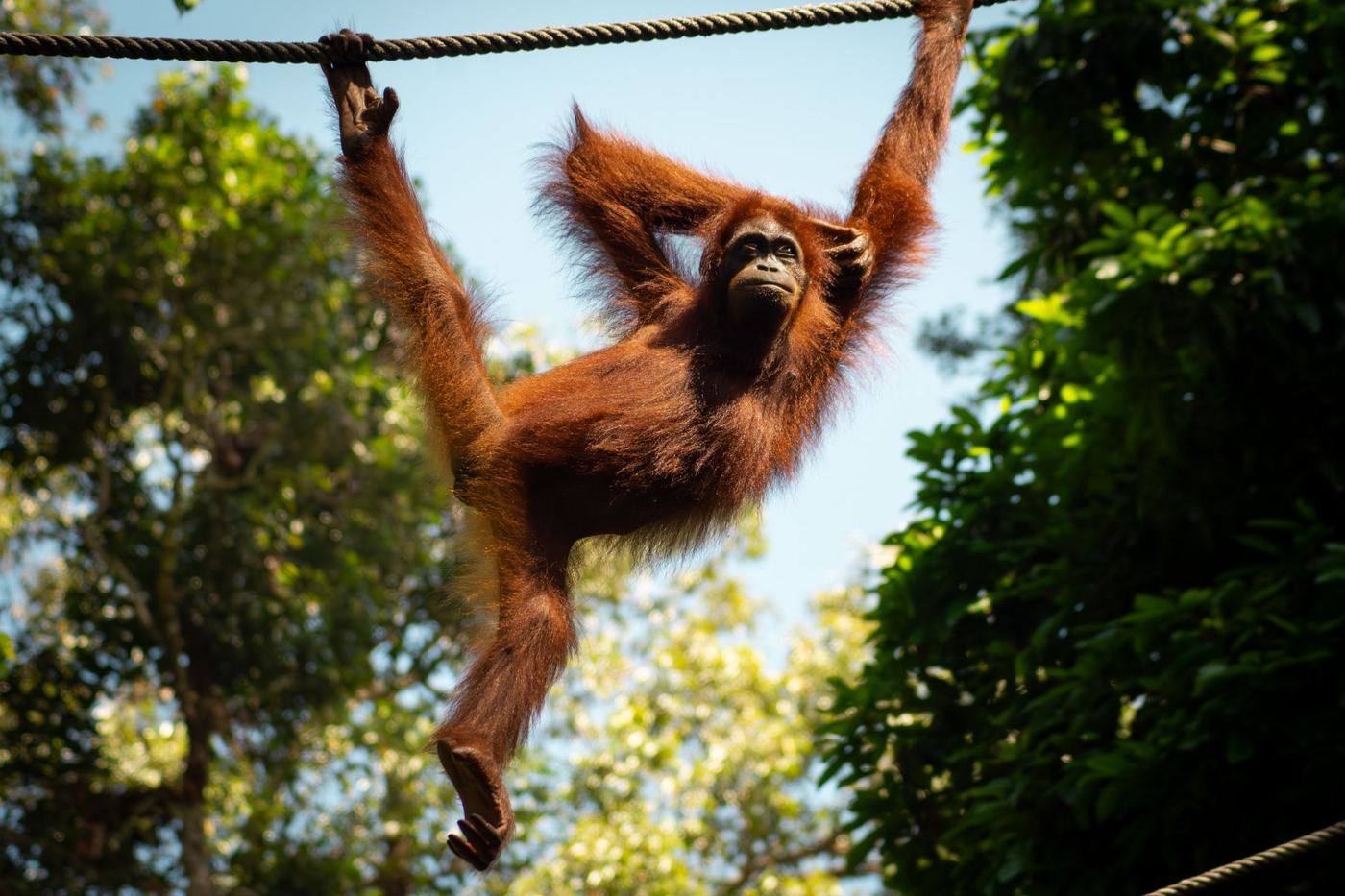
Sabah's most pristine primary forest: wild orangutans, gibbons, hornbills and night walks, staying in a lodge in the heart of the jungle.
 8 daysEasy
Kuala Lumpur, Malacca and Penang
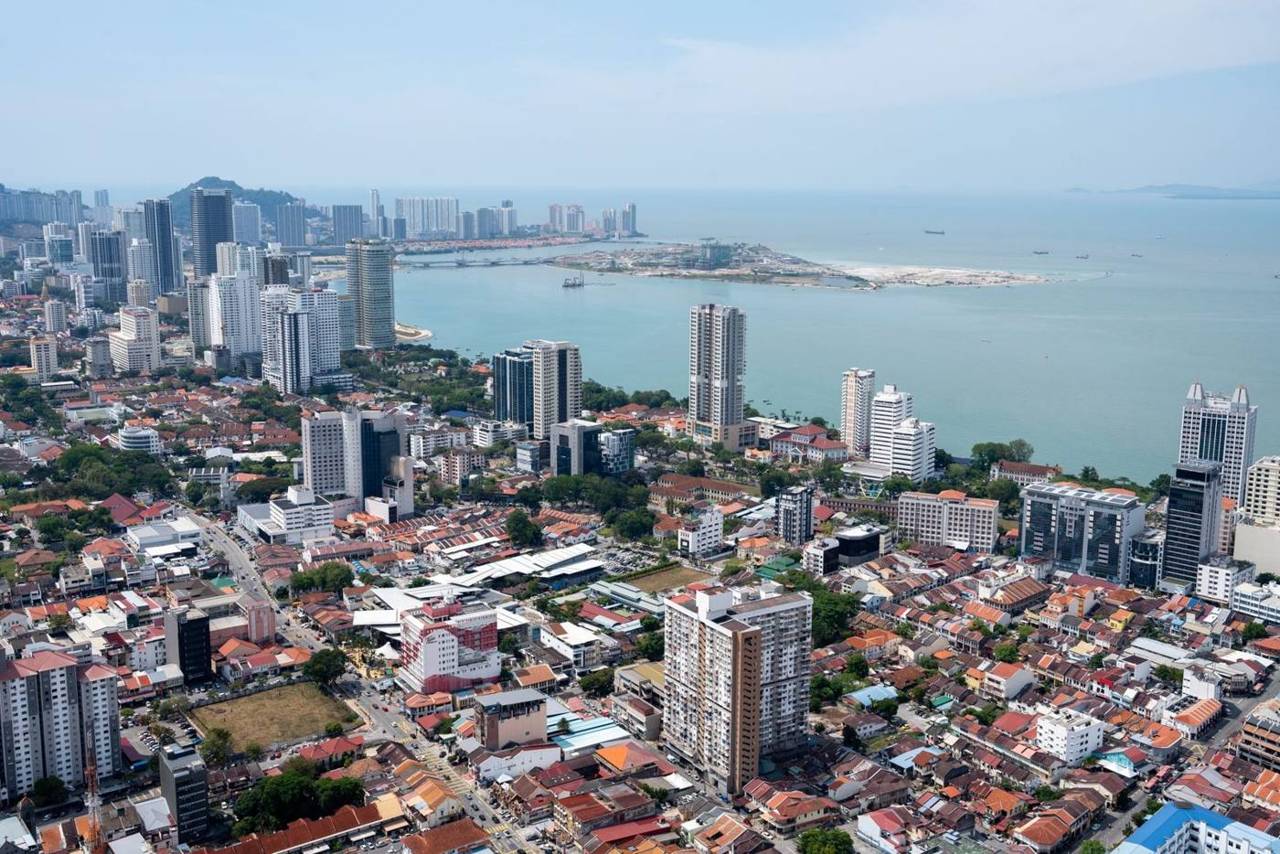
The Petronas Towers and Batu Caves, colonial Malacca, the tea of the Cameron Highlands and George Town in Penang, capital of street food.
 8 daysModerate
Borneo: Sabah
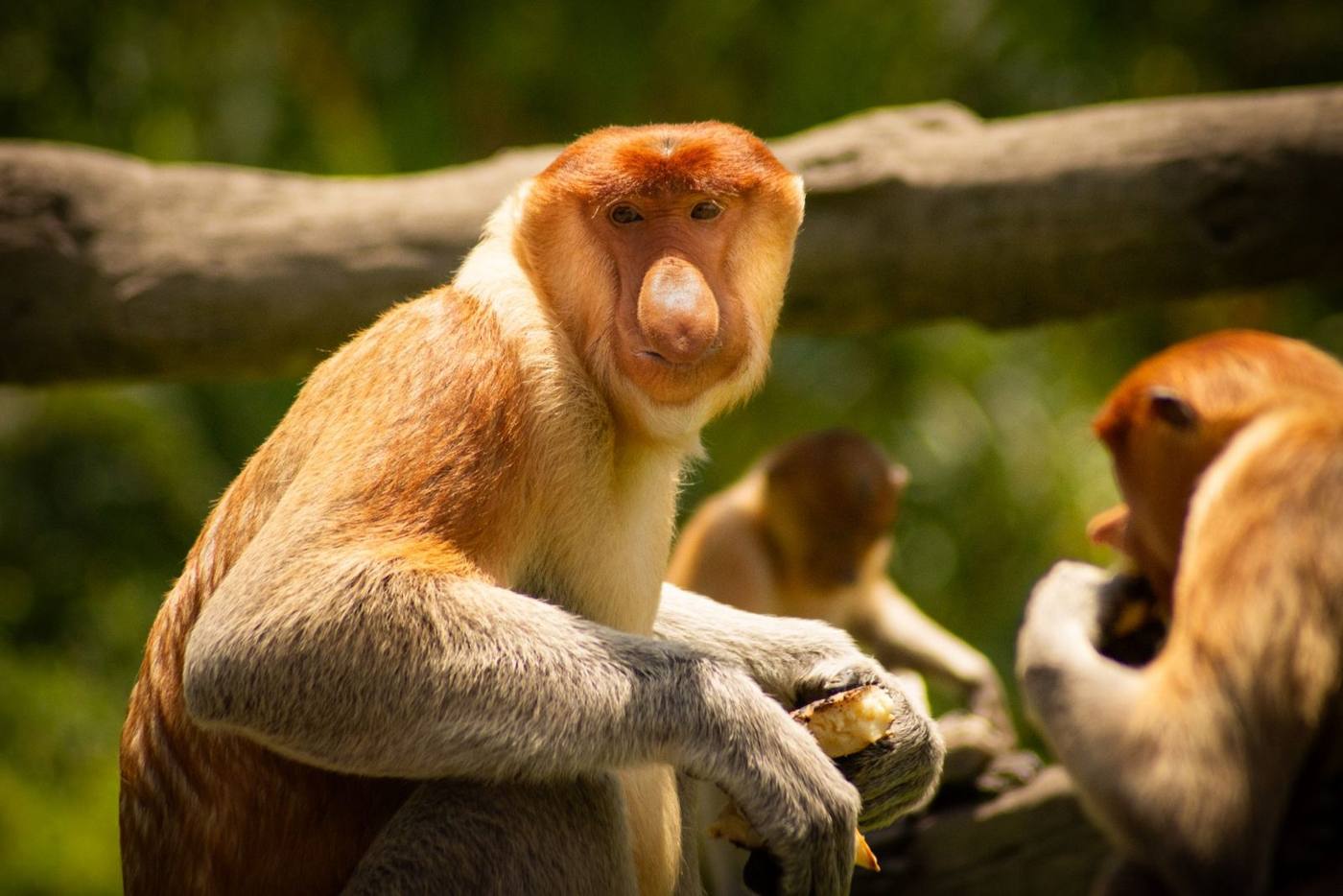
The orangutans of Sepilok, a Kinabatangan river cruise with proboscis monkeys, Mount Kinabalu and the islands of Tunku Abdul Rahman park.