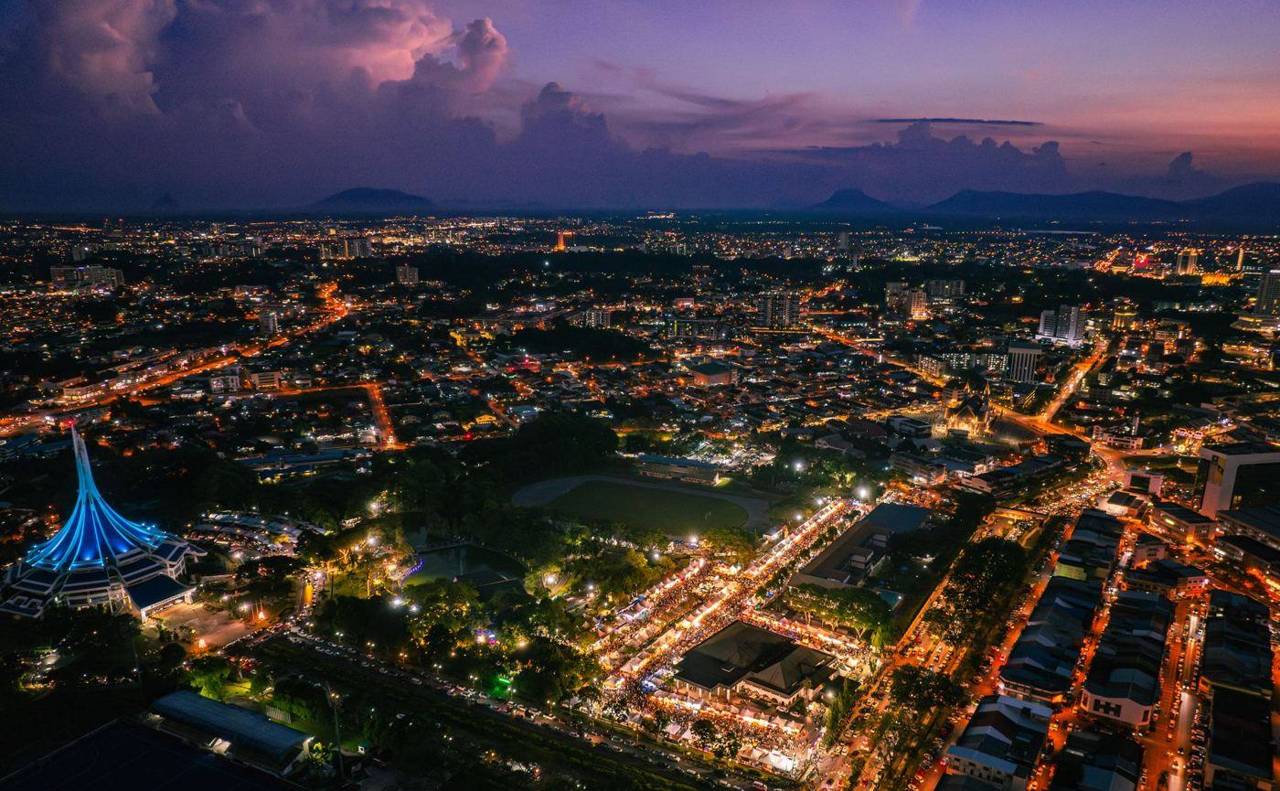
Kuching and Bako
Sarawak in Borneo: the riverside city of Kuching, the semi-wild orangutans of Semenggoh, and Bako park with proboscis monkeys and sea cliffs.
- Kuching
- Semenggoh
- Bako
Day by day
- Day 1
Kuching and the riverfront
This four-day trip takes you to Kuching, the capital of Sarawak, in Malaysian Borneo: a calm riverside city with a past ruled by the White Rajahs, Chinese temples, markets and a cuisine of its own. From here you go to see the orangutans of Semenggoh and Bako National Park, with its proboscis monkeys and sea cliffs.
Before you go: Italian citizens enter Malaysia with a passport valid for at least six months, without a visa for up to 90 days for tourism, and fill in the Malaysia Digital Arrival Card (MDAC) only on the official portal, within the three days before arrival. Other nationalities should check their own rules. Sarawak has its own immigration control: even when arriving from Kuala Lumpur your passport is stamped again. Kuching is a safe, relaxed city.
You land at the airport, about twenty minutes from the centre. In the afternoon walk along the Waterfront, which follows the south bank of the Sarawak river. In front of you, on the far bank, you see the State Legislative Assembly building with its large golden roof, the Astana, the residence built by the Brookes, and Fort Margherita, the white fort of 1879.
The English Brooke family ruled Sarawak like a private kingdom from 1841 until 1946: that is why they are called the White Rajahs.
At sunset cross the river on the S-shaped Darul Hana footbridge, or in one of the small rowing boats, the tambang, that shuttle between the two banks.
In the evening eat at the hawker centres: try kolo mee, egg noodles tossed in oil with pork or chicken, and satay.
Practical tip: central Kuching is easy to explore on foot, but it is very hot in the middle of the day, so walk early in the morning and towards evening.
- Day 2
The orangutans of Semenggoh and the old town
This morning head south of the city, about half an hour's drive, to Semenggoh Wildlife Centre. Orangutans that were rescued, cared for and taught to live in the forest again are found here: today they roam the surrounding reserve, but many still come back to the platforms when the rangers bring fruit.
Arrive in time for the morning feeding and follow the rangers' instructions. The orangutans climb down slowly, often with babies clinging to them, but there is no guarantee they will come: when the forest is full of fruit, they sometimes stay away. Check prices and times on the park's official website.
Keep your distance, do not eat in front of the animals and do not shout to make them come closer.
Go back to the city for lunch and try Sarawak laksa, a rice noodle soup in a spicy broth with prawn paste and coconut milk, topped with chicken, prawns and strips of omelette.
In the afternoon explore the old town: Main Bazaar with its craft shops, Carpenter Street and the small Chinese temple of Tua Pek Kong, the oldest in the city. Then visit the Borneo Cultures Museum, Sarawak's large museum, to understand the history and peoples of Borneo. Check prices and times.
Look out for the cat statues too: in Malay a cat is a kucing, and the city has made the cat its symbol.
Practical tip: buy kek lapis, Sarawak's colourful layered cake, in the shops of the centre: it keeps for days and is the classic gift to take home.
- Day 3
Bako National Park by boat and on foot
Today is the best day of the trip: Bako National Park, the oldest in Sarawak, on a peninsula between the forest and the South China Sea.
Leave early by car or bus for the village of Bako, about an hour from Kuching. At the jetty register at the park office and take a boat to park headquarters: in about twenty minutes you pass mangroves and sandstone cliffs. Boat times depend on the tide, so ask for your return time before you set off.
At headquarters choose a trail that suits your pace and ask the rangers which ones are open. With a little luck you see proboscis monkeys, the big-nosed, pot-bellied monkeys found only in Borneo, silvered langurs and bearded pigs strolling on the beach.
The trails cross different types of forest, from mangroves to heath forest with jug-shaped pitcher plants. The path to Telok Pandan Kecil ends on a small beach with a view of the sandstone sea stack, the lone rock in the sea that is the most photographed sight in the park.
Watch out for the macaques: they steal food and bags. Do not swim where signs warn against it, because crocodiles live in these waters.
In the afternoon return by boat to the village and then to Kuching. In the evening treat yourself to a seafood dinner or midin, jungle ferns stir-fried with garlic.
Practical tip: bring water, sun cream, insect repellent and closed shoes, and always keep your rucksack shut: the park's macaques know how to open zips.
- Day 4
The market and departure
Today you leave Kuching. If your flight is in the afternoon, start with a local breakfast: another bowl of Sarawak laksa or kolo mee, with coffee or tea with milk.
Then visit one of the city's markets, where families from the villages sell jungle vegetables, tropical fruit, Sarawak pepper and rice grown on the hills. Sarawak pepper is famous and easy to take home.
If you still have an hour, walk the riverfront again or step into one of the Chinese temples in the centre, with red lanterns and incense.
Then head to the airport. From Kuching there are flights to Kuala Lumpur, Kota Kinabalu, Miri and Singapore.
In these four days you have seen the easiest and most relaxed side of Borneo: Kuching with its riverfront, Fort Margherita and the memories of the White Rajahs, the old town, the museum and the cat statues, the orangutans of Semenggoh and Bako park with its proboscis monkeys, beaches, mangroves and sea stack.
When to go: the best period is from March to October, with less rain. From November to February the monsoon brings heavy rain and the sea at Bako can be rough, with boats cancelled. It is hot and humid all year.
Remember that this trip also suits families with children: distances are short, Bako's trails come in different lengths and the city is calm.
Practical tip: carry cash in ringgit for Semenggoh and Bako, because cards do not always work in the parks and there are no cash machines in the villages.
The easiest, most relaxed Borneo, great with children. At Semenggoh the orangutans come at feeding times, but it is not guaranteed. Sarawak has its own entry rules: your passport is stamped again.
Before you go
- Documents and visa
- Passport valid for at least six months from the date of entry; for tourism Italian citizens enter without a visa for up to 90 days. The Malaysia Digital Arrival Card (MDAC) is compulsory: fill it in online, only on the official Malaysian immigration portal, within the three days before arrival. Sabah and Sarawak, on Borneo, have their own immigration control: even when arriving from Kuala Lumpur your passport is checked and stamped again.
- Health and vaccines
- No vaccinations are compulsory for travellers from Italy; a yellow fever certificate is needed only if you arrive from a country at risk. Dengue is common, especially in cities: use insect repellent and ask your doctor about other vaccinations and malaria prevention for forest areas. You need insurance covering medical costs and repatriation. Emergencies: 999.
- Money and payments
- Malaysian ringgit (MYR or RM). Cards work well in cities and shopping centres; carry cash for markets, islands and national parks.
- Power sockets
- Type G, 240 volts: British plugs fit without an adapter.
- Time zone
- UTC+8 all year.
- Safety
- Generally a safe country; watch out for bag snatching in cities. The UK advises against all but essential travel to all islands and dive sites off the coast of eastern Sabah, from Sandakan to Tawau, because of the threat of kidnapping; the Sabah mainland is not included. A night-time maritime curfew applies in those waters. Drug laws are very strict, up to the death penalty. Official advice: GOV.UK.
Information checked in November 2026 for Italian and EU citizens. Rules change: always check before you travel.
Variations
In 3 days: Kuching and Semenggoh on the first day, Bako on the second and departure on the third.
In 6 days: add two nights in the Bako forest, in the park's own accommodation, to see the animals at dawn and join the night walk with the rangers.
Frequently asked questions
Do I need an extra document for Sarawak?
No, a passport valid for at least six months is enough, but Sarawak has its own immigration control and your passport is stamped again even when arriving from other parts of Malaysia. Before arriving in Malaysia, fill in the MDAC online.
Will I definitely see orangutans at Semenggoh?
No, the orangutans live wild and come to the platforms when they want. When the forest is full of fruit, they sometimes stay away. Check feeding times on the park's official website.
How do I get to Bako National Park?
Go by car or bus to the village of Bako, about an hour from Kuching, then by boat to park headquarters. Boat times depend on the tide.
Indicative itinerary written by World Atlas. Before booking, check timetables, seasonal openings, documents and safety.
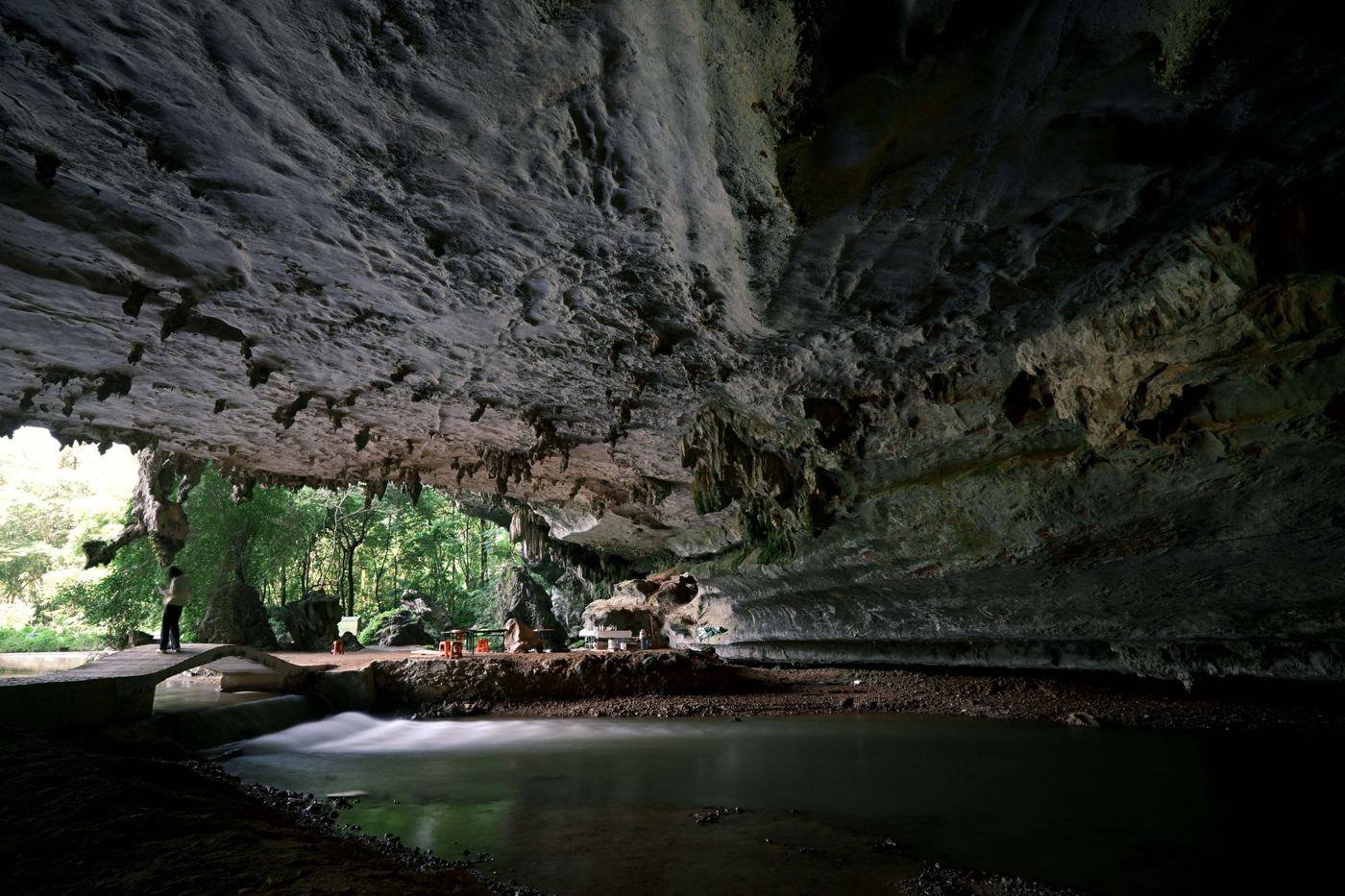 3 daysModerate
The Mulu caves
Gunung Mulu UNESCO park in Borneo, reached only by air: the Sarawak Chamber, Deer Cave with its bat exodus and the canopy walkway.
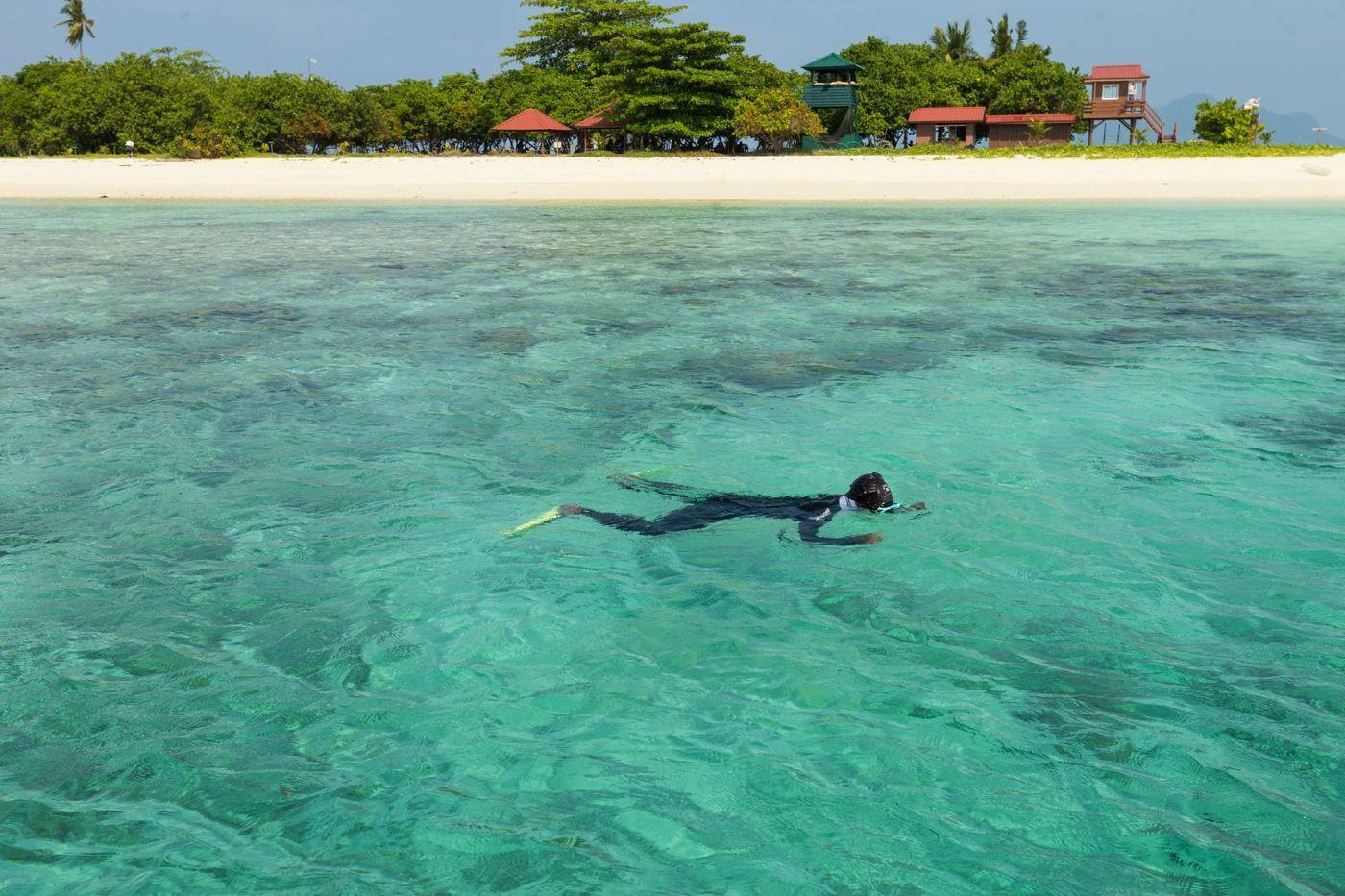 5 daysModerate
Sipadan and Semporna
The diving of Sipadan, among the world's most famous, with turtles, barracuda and sharks, and the islands of Mabul and Kapalai with resorts on stilts.
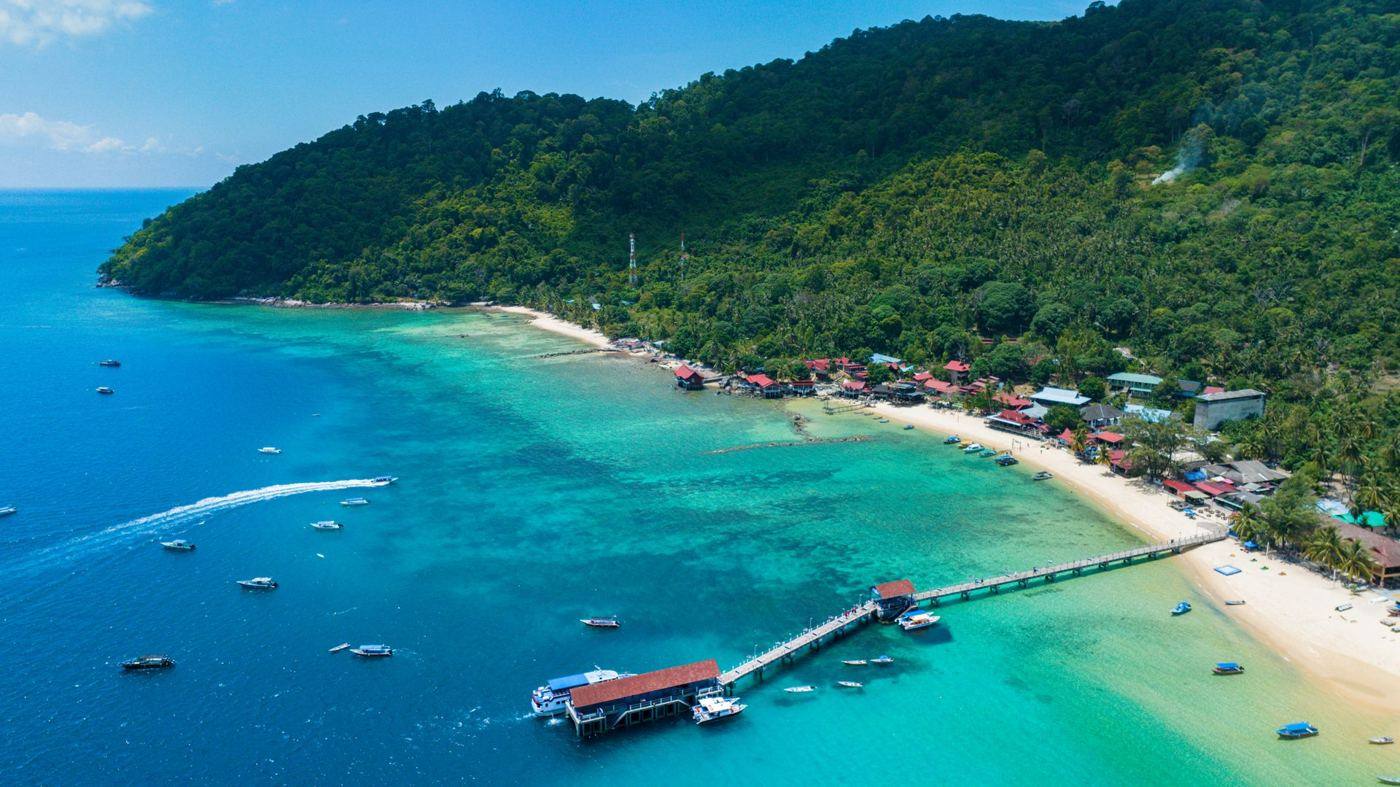 5 daysEasy
Tioman
The island off the peninsula's east coast with jungle and beaches: Salang and Juara, Asah waterfall, snorkelling and the walk across the forest.