Ipoh and Perak
Ipoh with its old town, murals, white coffee and chicken with bean sprouts, the cave temples of Perak Tong and Sam Poh Tong and colonial Kellie's Castle.
- Kuala Lumpur
- Ipoh
- Perak Tong
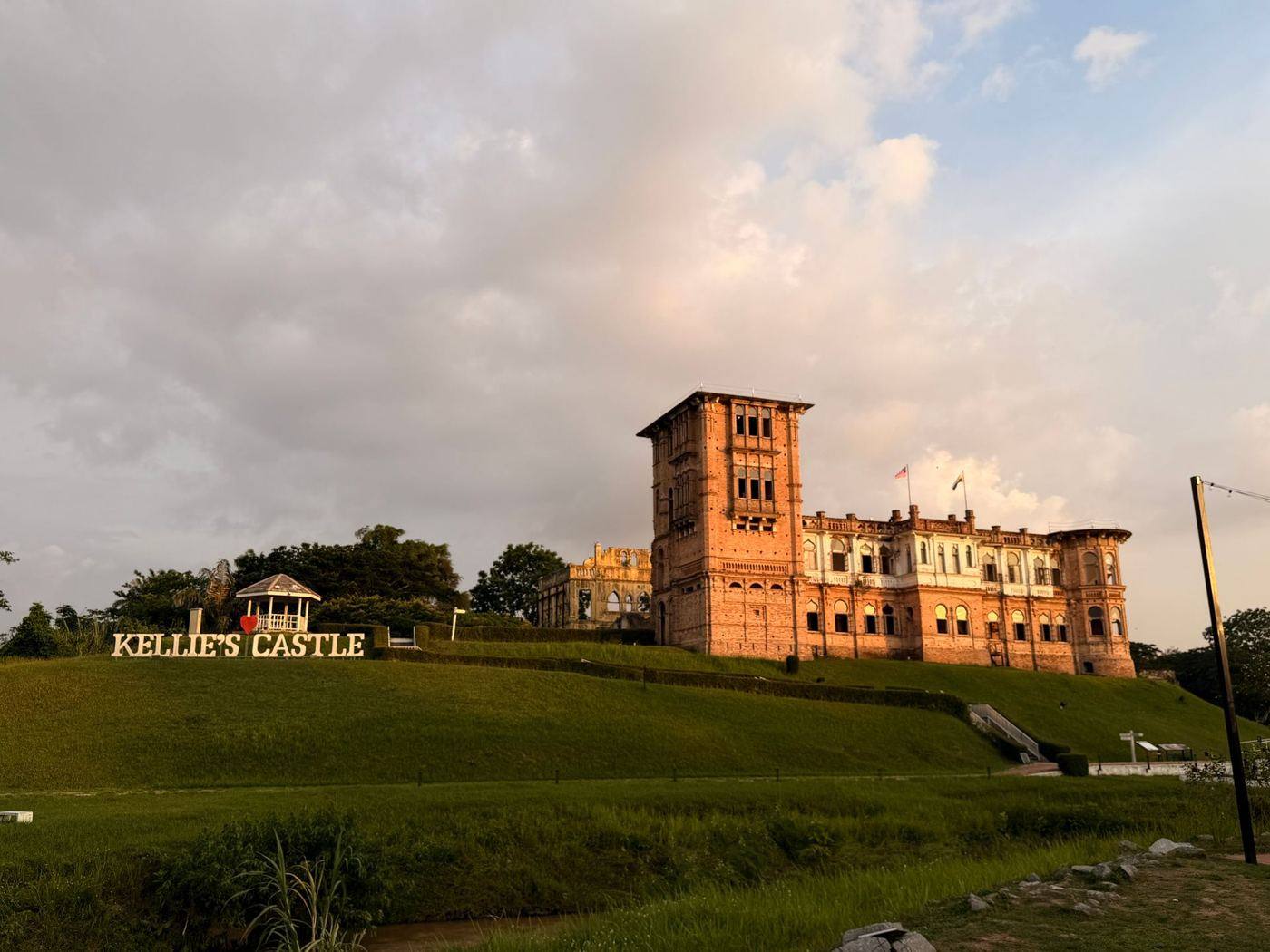
- Kellie's Castle
Day by day
- Day 1
By train from Kuala Lumpur and Ipoh's old town
This three-day trip takes you to Ipoh, the capital of the state of Perak, north of Kuala Lumpur: a city built on the wealth of the tin mines, with Chinese shophouses, murals, white coffee and some of the best food in Malaysia. Then come the Buddhist temples carved into the limestone hills and the unfinished house of Kellie's Castle.
Before you go: Italian citizens enter Malaysia with a passport valid for at least six months from the date of entry, without a visa for up to 90 days for tourism. An identity card is not enough. Fill in the Malaysia Digital Arrival Card (MDAC) only on the official Malaysian immigration portal, within the three days before arrival. Other nationalities should check their own rules. Peninsular Malaysia is a calm area for travellers: normal care in cities is enough.
In the morning take the ETS train from KL Sentral station: in just over two hours you reach Ipoh. The station is already a monument, a large white colonial building with arches and domes that many people call the Taj Mahal of Ipoh.
Drop your bags and walk to the old town, on the west bank of the Kinta river. Look for the murals painted on the walls of old houses, little Concubine Lane with its stalls, the square with the clock tower dedicated to James Birch, and the Indian mosque.
In the afternoon stop for an Ipoh white coffee, roasted with margarine and served with condensed milk, and a slice of toast with kaya, the coconut and egg spread.
In the evening try the city's signature dish: poached chicken with bean sprouts, short and crunchy thanks to Ipoh's water, served with rice or with rice noodles in broth.
Practical tip: buy your ETS train ticket on the official Malaysian railway website a few days ahead, because weekend trains fill up fast.
- Day 2
Temples in the limestone caves
Today you leave the centre to see Ipoh's most surprising side: the limestone hills around it, full of caves that the Chinese communities have turned into temples.
Start early, before the heat, with a dim sum breakfast, the small steamed bites that in Ipoh are eaten in the morning, sitting at round tables among local families.
Then head north of the city to Perak Tong, the Buddhist temple founded in the 1920s inside a large cave. Inside there are dozens of Buddha statues and walls painted with scenes and calligraphy. A long, steep staircase climbs through the rock to a terrace with views over the Kinta valley: you need good legs and some water.
In the afternoon move south, where you find Sam Poh Tong, considered the oldest cave temple in the area, with its turtle pond and a Japanese garden in front of the rock face, and Kek Lok Tong, a wide, bright cavern that opens onto a garden with ponds and hills in the background.
Cover your shoulders and knees, take off your shoes where signs ask you to, and keep your voice low: these are places of prayer that are still very busy.
In the evening go back to the centre for flat rice noodles in chicken and prawn broth, or street satay, and pass by the night market if it is the right day.
Practical tip: the temples are far apart and buses are rare, so use the ride-hailing apps that are very common in Malaysia and show you the fare before you set off.
- Day 3
Kellie's Castle and the journey back
Today the last visit is a story of ambition and bad luck, about half an hour's drive south of Ipoh, near the small town of Batu Gajah.
Kellie's Castle is the large house that William Kellie Smith, a Scottish planter who grew rich on rubber and tin, began building in the 1910s in the middle of the plantations. He had towers, a lift and grand halls in mind, but he died in 1926 while travelling and the house was left unfinished. Today you can walk among the red brick walls, climb to the rooftop terrace and go down into the underground corridors, with views of the river and the tropical vegetation. Check prices and times.
Return to Ipoh for a last lunch. Try nasi kandar, rice with curries from Indian Muslim cooking, or another cup of white coffee with coconut sweets.
In the afternoon take the ETS train back to Kuala Lumpur, or carry on north to Butterworth and the ferry to Penang if you want to continue your journey.
In these three days you have seen a Malaysia that is different from the capital: Ipoh's old town with its shophouses and murals, white coffee and chicken with bean sprouts, the Buddhist cave temples of Perak Tong, Sam Poh Tong and Kek Lok Tong, and the romantic ruins of Kellie's Castle.
When to go: Ipoh can be visited all year. It is hot and humid in every season, with frequent afternoon storms, heavier around April and in October and November.
Practical tip: many shops and cafés in the old town close early in the evening and some on Mondays, so plan your visits and your best meals mainly for the morning and lunchtime.
A delicious stop between Kuala Lumpur and Penang, reachable by fast train. Many shops close early in the evening. A calm, inexpensive town.
Before you go
- Documents and visa
- Passport valid for at least six months from the date of entry; for tourism Italian citizens enter without a visa for up to 90 days. The Malaysia Digital Arrival Card (MDAC) is compulsory: fill it in online, only on the official Malaysian immigration portal, within the three days before arrival. Sabah and Sarawak, on Borneo, have their own immigration control: even when arriving from Kuala Lumpur your passport is checked and stamped again.
- Health and vaccines
- No vaccinations are compulsory for travellers from Italy; a yellow fever certificate is needed only if you arrive from a country at risk. Dengue is common, especially in cities: use insect repellent and ask your doctor about other vaccinations and malaria prevention for forest areas. You need insurance covering medical costs and repatriation. Emergencies: 999.
- Money and payments
- Malaysian ringgit (MYR or RM). Cards work well in cities and shopping centres; carry cash for markets, islands and national parks.
- Power sockets
- Type G, 240 volts: British plugs fit without an adapter.
- Time zone
- UTC+8 all year.
- Safety
- Generally a safe country; watch out for bag snatching in cities. The UK advises against all but essential travel to all islands and dive sites off the coast of eastern Sabah, from Sandakan to Tawau, because of the threat of kidnapping; the Sabah mainland is not included. A night-time maritime curfew applies in those waters. Drug laws are very strict, up to the death penalty. Official advice: GOV.UK.
Information checked in November 2026 for Italian and EU citizens. Rules change: always check before you travel.
Variations
In 2 days: the old town and the cave temples, returning to Kuala Lumpur on the evening of the second day.
In 5 days: carry on by train to Butterworth and take the ferry to George Town, on Penang, for two days of street food.
Frequently asked questions
What documents do I need for Malaysia?
Italian citizens enter with a passport valid for at least six months, without a visa for up to 90 days for tourism, and must fill in the MDAC online within the three days before arrival. Other nationalities should check their own rules.
How do I get to Ipoh from Kuala Lumpur?
The easiest way is the ETS train from KL Sentral, which takes just over two hours. There are also buses and the toll motorway, but the train avoids the traffic.
How much does it cost to visit Kellie's Castle and the temples?
The cave temples are places of worship and often ask for a donation. For Kellie's Castle, check prices and times before you go.
Indicative itinerary written by World Atlas. Before booking, check timetables, seasonal openings, documents and safety.
 4 daysEasy
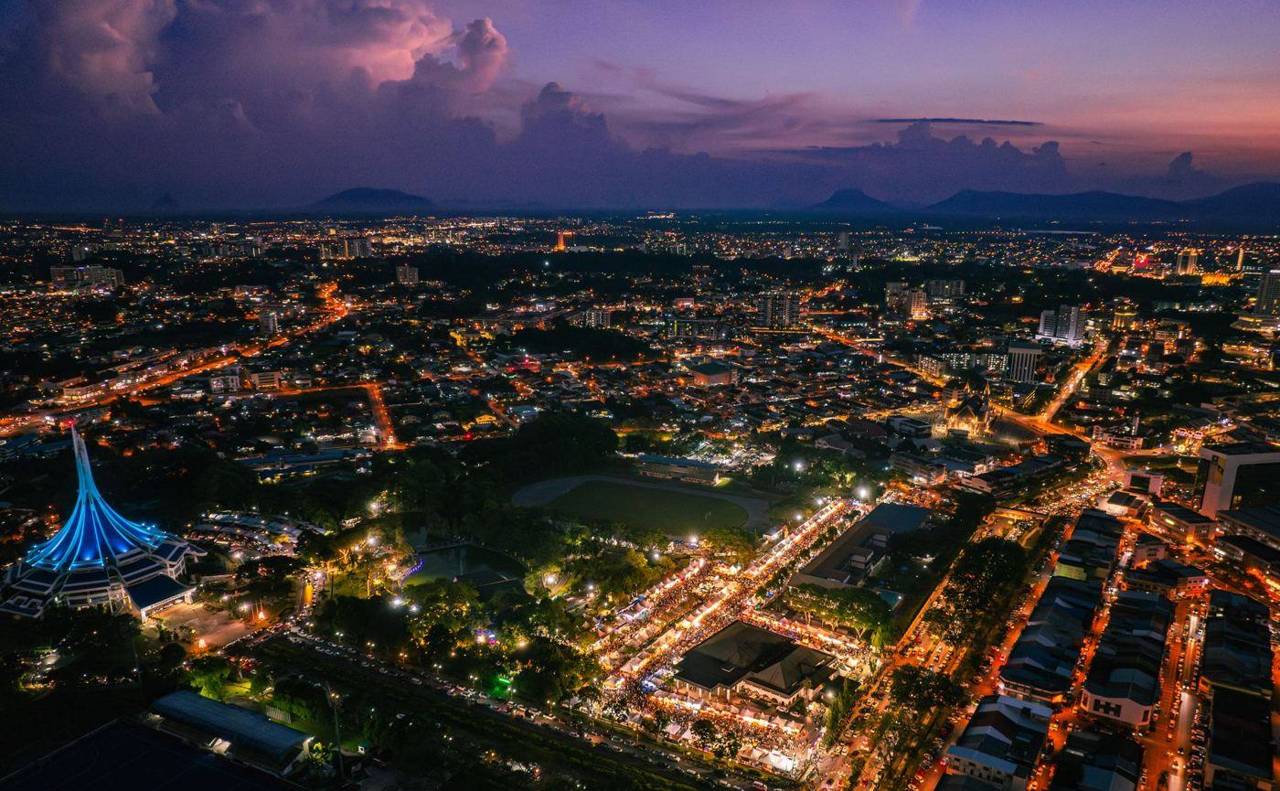
Kuching and Bako
Sarawak in Borneo: the riverside city of Kuching, the semi-wild orangutans of Semenggoh, and Bako park with proboscis monkeys and sea cliffs.
 3 daysModerate
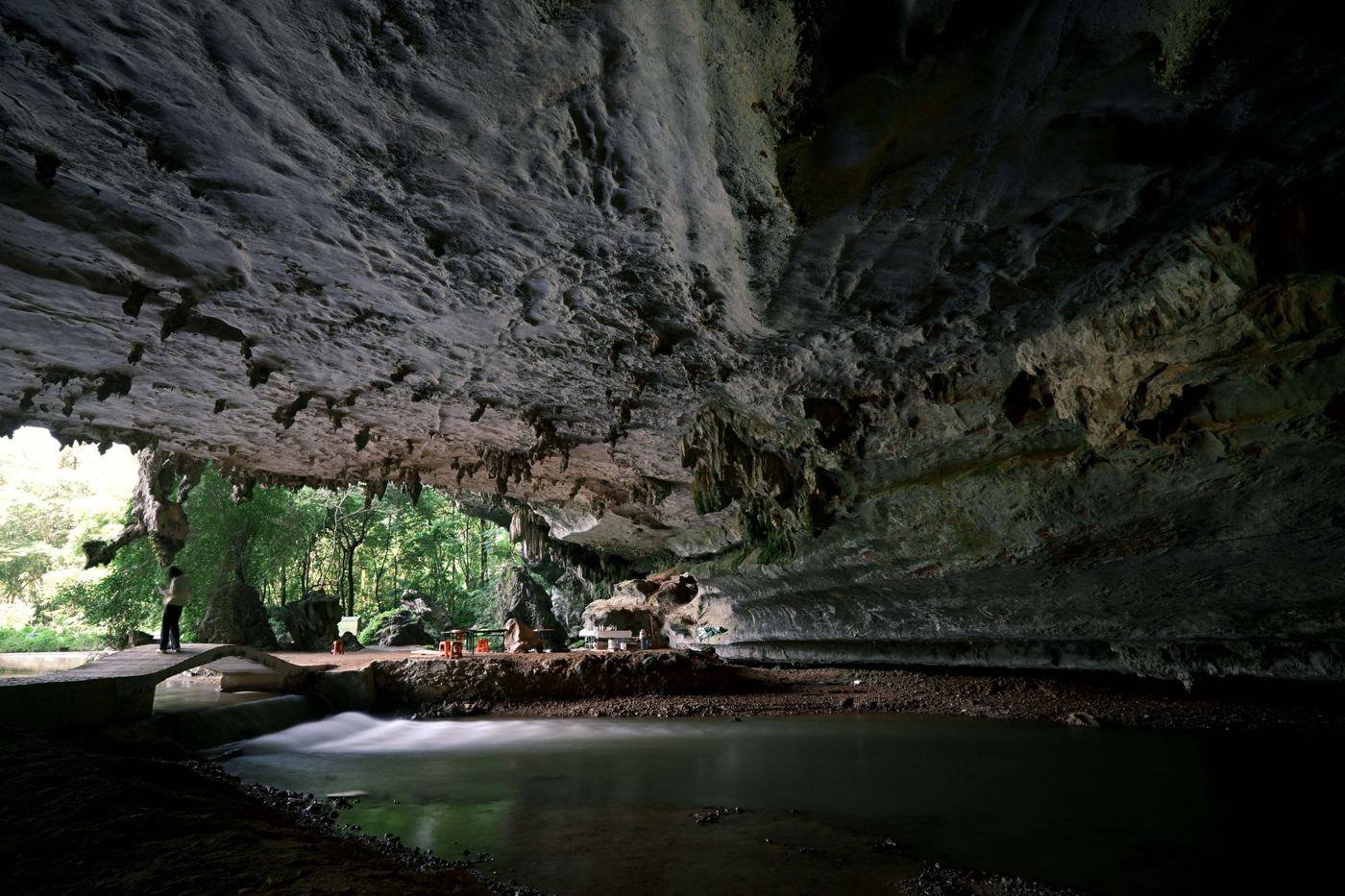
The Mulu caves
Gunung Mulu UNESCO park in Borneo, reached only by air: the Sarawak Chamber, Deer Cave with its bat exodus and the canopy walkway.
 5 daysModerate
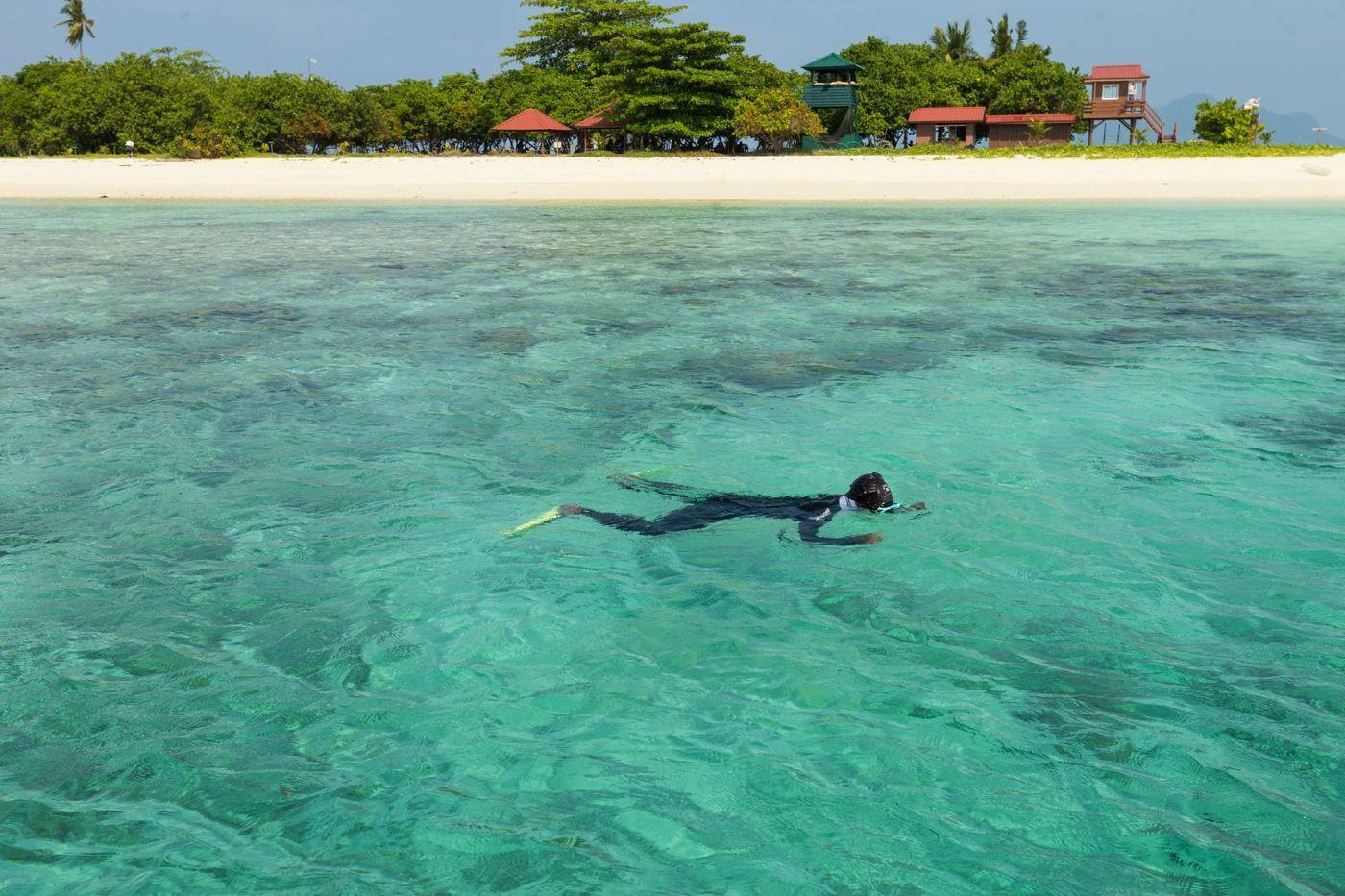
Sipadan and Semporna
The diving of Sipadan, among the world's most famous, with turtles, barracuda and sharks, and the islands of Mabul and Kapalai with resorts on stilts.