Borneo: Sabah
The orangutans of Sepilok, a Kinabatangan river cruise with proboscis monkeys, Mount Kinabalu and the islands of Tunku Abdul Rahman park.
- Kota Kinabalu
- Kinabalu Park
- Sandakan
- Sepilok
- Kinabatangan
- Gaya Island
Day by day
- Day 1
Kota Kinabalu and the fish market
This eight-day trip takes you to Sabah, the northern tip of Malaysian Borneo and one of the best places in Asia to see animals in the wild: the park of Mount Kinabalu, the orangutans of Sepilok, the Kinabatangan river with its proboscis monkeys and pygmy elephants, and the marine park islands off Kota Kinabalu.
Before you go: Italian citizens enter Malaysia with a passport valid for at least six months, without a visa for up to 90 days for tourism, and fill in the Malaysia Digital Arrival Card (MDAC) only on the official portal, within the three days before arrival. Other nationalities should check their own rules. Sabah has its own immigration control. The UK advises against all but essential travel to all islands and dive sites off the east coast of Sabah, from Sandakan to Tawau, because of the threat of kidnapping: this trip stays on the mainland in the east and does not visit those islands. The islands off Kota Kinabalu, on the west coast, are not included.
You land at Kota Kinabalu airport, about twenty minutes from the centre. The city was rebuilt after the Second World War and feels modern, with the sea in front and the mountains behind.
In the afternoon climb Signal Hill, where a viewpoint looks over the city, the port and the islands. Then walk down to the Atkinson Clock Tower, one of the few old buildings that survived the war.
At sunset head to the waterfront, where the evening fish market comes alive with lights and smoke: choose fish, prawns, squid or crab from the counter and they grill it for you.
Practical tip: if you arrive on a Sunday, spend the morning at the Gaya Street market, with stalls of fruit, plants, crafts and street food.
- Day 2
Kinabalu Park
Today you head up towards Mount Kinabalu, the highest peak in Malaysia, over four thousand metres high, at the heart of a park that has been a UNESCO World Heritage Site since 2000 for its extraordinary wealth of plants.
Leave Kota Kinabalu early: in about two hours the road climbs through hills and rice fields to park headquarters, at more than fifteen hundred metres. The air turns cool and the mountain often shows itself only in the morning: take a good look at its grey granite walls and jagged peaks.
Walk the trails at the foot of the mountain, in the montane forest, among mosses, ferns, orchids and trees covered in lichen. Visit the park's botanical garden, where guides show you pitcher plants, tiny orchids and rhododendrons. Check prices and times.
In the afternoon, if you like, go down to the Poring hot springs, which are part of the park, with pools of hot water and a walkway hung between the trees. Sometimes, near Poring, the rafflesia blooms, the largest flower in the world: ask whether one is open.
Remember that climbing to the summit of Kinabalu takes at least two days, a compulsory guide and a permit with limited numbers, to be booked many months ahead: on this trip you stay at the foot of the mountain.
Practical tip: bring a waterproof jacket and a jumper, because at park headquarters the temperature drops a lot compared with the coast, especially in the evening.
- Day 3
Sandakan and the orangutans of Sepilok
Today you move to the east coast. Take the short flight from Kota Kinabalu to Sandakan, or make the long journey by car if you want to see the mountains and plantations.
From Sandakan go to Sepilok, about half an hour by road, home to the orangutan rehabilitation centre, opened in the 1960s. Here orphaned or rescued orangutans learn to live in the forest. Twice a day the rangers bring fruit to a platform in the woods and the semi-wild orangutans arrive through the trees, often together with macaques. From the glass-walled nursery hall you can watch the youngest learning to climb. Check prices and feeding times.
Right opposite is the Bornean Sun Bear Conservation Centre, home to the smallest bear in the world, rescued from illegal trade. From the walkways you see the bears climbing and searching for honey in the tree trunks.
In the afternoon walk in the nearby Rainforest Discovery Centre, with towers and walkways above the forest canopy: at sunset it is an excellent place to see hornbills and flying squirrels.
If you have time, visit Sandakan Memorial Park, the site of the prisoner of war camp from which the death marches of 1945 began.
Practical tip: at Sepilok wear light clothes in neutral colours and carry no plastic bags, which attract the macaques, and never feed the animals.
- Day 4
On the Kinabatangan river
Today you reach the Kinabatangan river, the longest in Sabah, which flows through forests and plantations to the sea. Along its lower course there is a wildlife sanctuary where animals gather close to the water.
From Sepilok it takes about two to three hours by road to the villages of Sukau or Bilit, where you stay on the river. On the way you can stop at the Gomantong Caves, a vast limestone cavern home to bats and swiftlets, whose nests are harvested using long rope ladders. Check prices and times.
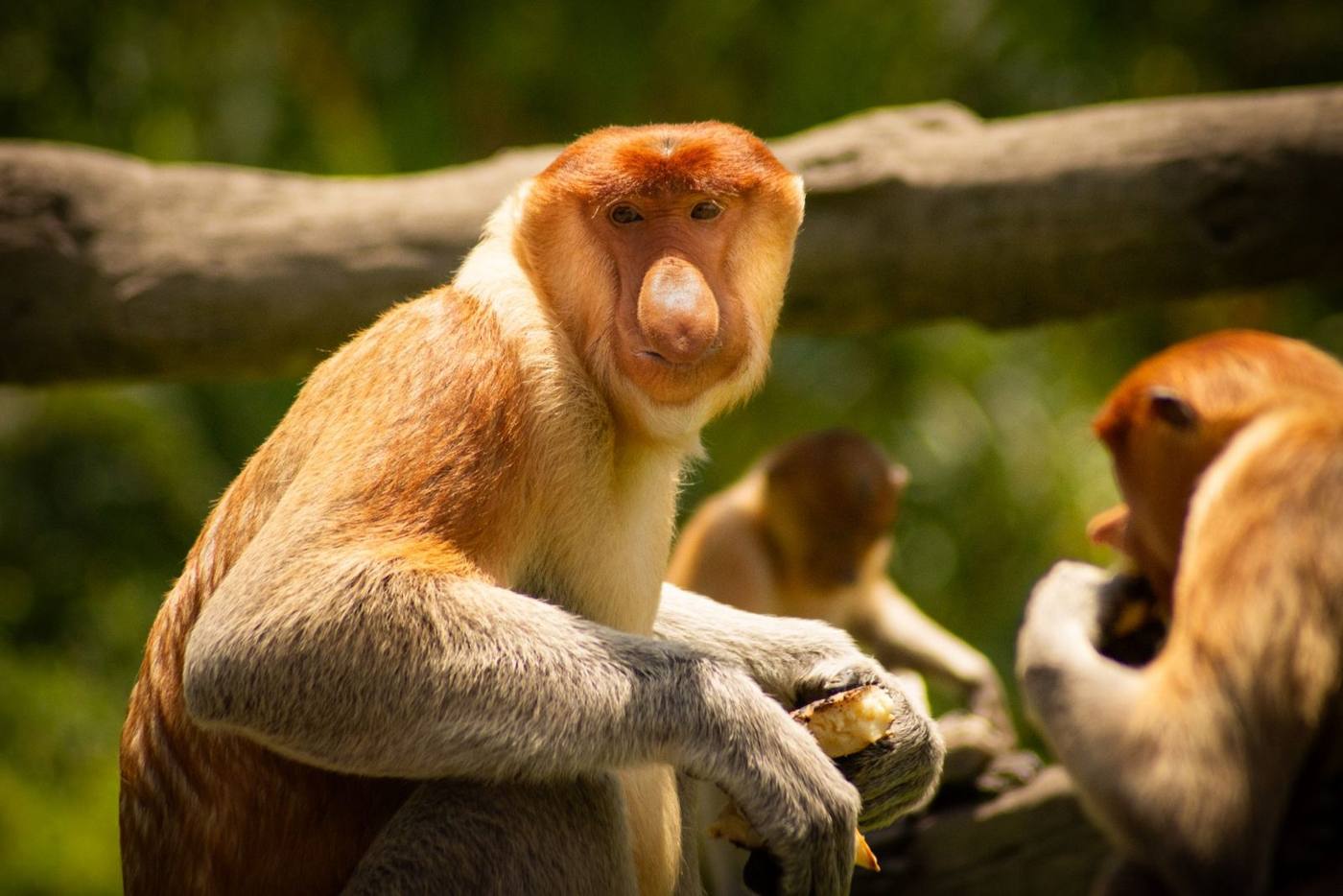
In the late afternoon board a boat for your first outing on the river. It is the best hour: proboscis monkeys, with their big noses, gather in the riverside trees for the night, macaques move in groups, and hornbills fly across the river. With some luck you see a wild orangutan among the leaves or a crocodile warming itself on the sand.
As the sun sets, the guide switches off the engine and the boat glides silently among the branches.
In the evening take a short night walk near your lodging, with a torch, to see frogs, insects, sleeping birds and, sometimes, the small fish owl.
Remember that the forest along the river has been reduced by oil palm plantations: that is precisely why the animals are easy to see along the banks.
Practical tip: bring binoculars, a rain poncho and a waterproof case for your phone, because downpours arrive on the boats without warning.
- Day 5
Outings at dawn and at sunset
Today you live to the rhythm of the river, with two boat trips, at dawn and at sunset, and the heat of the day spent resting.
At first light board the boat. Mist covers the water, the air is cool and the forest wakes up: you hear hornbills calling, gibbons singing and proboscis monkeys crashing through the branches. Go with your guide into the small tributaries and the crescent-shaped oxbow lakes, where the water is still and birds are everywhere: herons, sea eagles, kingfishers and the oriental darter.
The most awaited moment is meeting the Bornean pygmy elephants, the smallest elephants in Asia. They move in herds along the river and sometimes come down to drink or cross. They are never guaranteed, but the guides know where they have been seen.
In the middle of the day rest in the shade or walk a nearby trail, wearing leech socks.
In the afternoon go out by boat again, to another part of the river. Watch the tree trunks: a monitor lizard or a snake is often resting on the low branches.
In the evening listen to the sounds of the forest from the veranda: night on the river is full of frogs and insects.
Practical tip: ask your guide to keep the boat at a distance from the animals and not to chase them; if the elephants cross the river, stay silent and let them pass.
- Day 6
Back to Kota Kinabalu and Gaya island
Today you leave the river after one last outing at dawn, then head back towards Sandakan to take the flight to Kota Kinabalu, which takes less than an hour.
You reach the city around midday. After lunch, go to the Jesselton Point ferry terminal, where boats leave for the islands of Tunku Abdul Rahman Marine Park, a few minutes off the coast. Pay the park fee at the jetty. Check prices and times.
Today visit Gaya island, the largest in the park, covered in forest and crossed by trails. Walk one of the paths through the trees, where you can see macaques, monitor lizards, hornbills and, sometimes, the bearded pig. Then go down to a sheltered beach for your first swim and some snorkelling among the corals near the shore.
Bear in mind that part of the island is home to stilt villages: they are poor communities, so stay on the park's trails and beaches.
In the late afternoon return to the city by boat. In the evening go to Tanjung Aru beach, south of the centre, where the sunset over the sea and the islands is among the most beautiful in Borneo.
Then have dinner with a Sabah dish, such as hinava, raw fish marinated in lime with ginger and chilli, or Tuaran noodles.
Practical tip: buy your boat ticket to the islands at the official counter inside the terminal and check the time of the last boat back.
- Day 7
The marine park islands
Today is a sea day among the islands of Tunku Abdul Rahman park, after the days in the forest.
In the morning take the boat from Jesselton Point again and choose a ticket that lets you visit two islands on the same day. Sapi is small, with a white sand beach and shallow water full of fish; Manukan has a long beach and a forest trail; Mamutik is the smallest and quietest.
With mask and snorkel watch parrotfish, butterflyfish, starfish and, sometimes, a turtle. The corals are best at the spots away from the crowded beaches.
If you like adventure, some islands offer activities such as kayaking and a zipline between two islands: ask at the jetty and choose a provider that takes safety seriously.
In the afternoon return to the city and visit the City Mosque, with its blue and gold dome reflected in the lagoon, at Likas. Go in only outside prayer times and in clothes that cover your arms and legs.
In the evening have your last dinner at the waterfront market or at a hawker centre, with satay, fried rice and tropical fruit juices.
Practical tip: on the islands do not leave food or bags unattended on the beach, because monitor lizards and macaques are very good at stealing them.
- Day 8
Departure
Today you leave Sabah. If your flight is late, take a last walk around the handicraft market near the waterfront, where you find pearls, textiles, woven bags and wooden objects.
You can also visit the Sabah Museum, with its collections on the peoples of Borneo and the traditional houses rebuilt in the garden. Check prices and times.
Then head to the airport, a few minutes from the centre. From Kota Kinabalu there are flights to Kuala Lumpur, Singapore and other cities in Asia.
In these eight days you have seen the best of Sabah: Kota Kinabalu with its fish market and Signal Hill, the Mount Kinabalu park with its montane forest and the Poring springs, the orangutans of Sepilok and the sun bears, the Gomantong Caves, the boat trips on the Kinabatangan river with proboscis monkeys, hornbills and perhaps pygmy elephants, and the islands of Tunku Abdul Rahman Marine Park.
When to go: the best period is from March to October, with less rain and a calmer sea. From November to February it rains more and the river can flood its banks. It is hot and humid all year, cooler on Kinabalu.
Remember that no animal is guaranteed: luck plays its part, but the Kinabatangan remains one of the best places in Asia to see wildlife.
Practical tip: at the end of the trip leave a tip in cash for your river guides and drivers; it is an appreciated custom and supports local communities.
One of Asia's best places to see wildlife in the wild. Climbing to the summit of Kinabalu requires limited permits booked months ahead. The Kinabatangan forest has been cut back by palm plantations: wildlife is concentrated along the river.
Before you go
- Documents and visa
- Passport valid for at least six months from the date of entry; for tourism Italian citizens enter without a visa for up to 90 days. The Malaysia Digital Arrival Card (MDAC) is compulsory: fill it in online, only on the official Malaysian immigration portal, within the three days before arrival. Sabah and Sarawak, on Borneo, have their own immigration control: even when arriving from Kuala Lumpur your passport is checked and stamped again.
- Health and vaccines
- No vaccinations are compulsory for travellers from Italy; a yellow fever certificate is needed only if you arrive from a country at risk. Dengue is common, especially in cities: use insect repellent and ask your doctor about other vaccinations and malaria prevention for forest areas. You need insurance covering medical costs and repatriation. Emergencies: 999.
- Money and payments
- Malaysian ringgit (MYR or RM). Cards work well in cities and shopping centres; carry cash for markets, islands and national parks.
- Power sockets
- Type G, 240 volts: British plugs fit without an adapter.
- Time zone
- UTC+8 all year.
- Safety
- Generally a safe country; watch out for bag snatching in cities. The UK advises against all but essential travel to all islands and dive sites off the coast of eastern Sabah, from Sandakan to Tawau, because of the threat of kidnapping; the Sabah mainland is not included. A night-time maritime curfew applies in those waters. Drug laws are very strict, up to the death penalty. Official advice: GOV.UK.
Information checked in November 2026 for Italian and EU citizens. Rules change: always check before you travel.
Variations
In 6 days: Kota Kinabalu, Sepilok and two nights on the Kinabatangan, without Kinabalu Park and without the islands.
In 11 days: add the climb to the summit of Kinabalu, with a permit booked months ahead, and two nights in Danum Valley, reached from Lahad Datu.
Frequently asked questions
Is Sabah safe?
The west coast and the Sabah mainland, with Kota Kinabalu, Kinabalu, Sepilok and the Kinabatangan, are outside the area the UK advises against. The warning covers the islands and dive sites off the east coast, from Sandakan to Tawau, which this trip does not visit.
Can you climb to the summit of Kinabalu?
Yes, but it takes at least two days, a compulsory guide and a permit with limited numbers, to be booked many months ahead. On this trip you walk the trails at the foot of the mountain.
When can you see the orangutans at Sepilok?
Twice a day, at feeding time on the platform. The orangutans are semi-wild and do not always come. Check current prices and times before you go.
Indicative itinerary written by World Atlas. Before booking, check timetables, seasonal openings, documents and safety.
 7 daysEasy
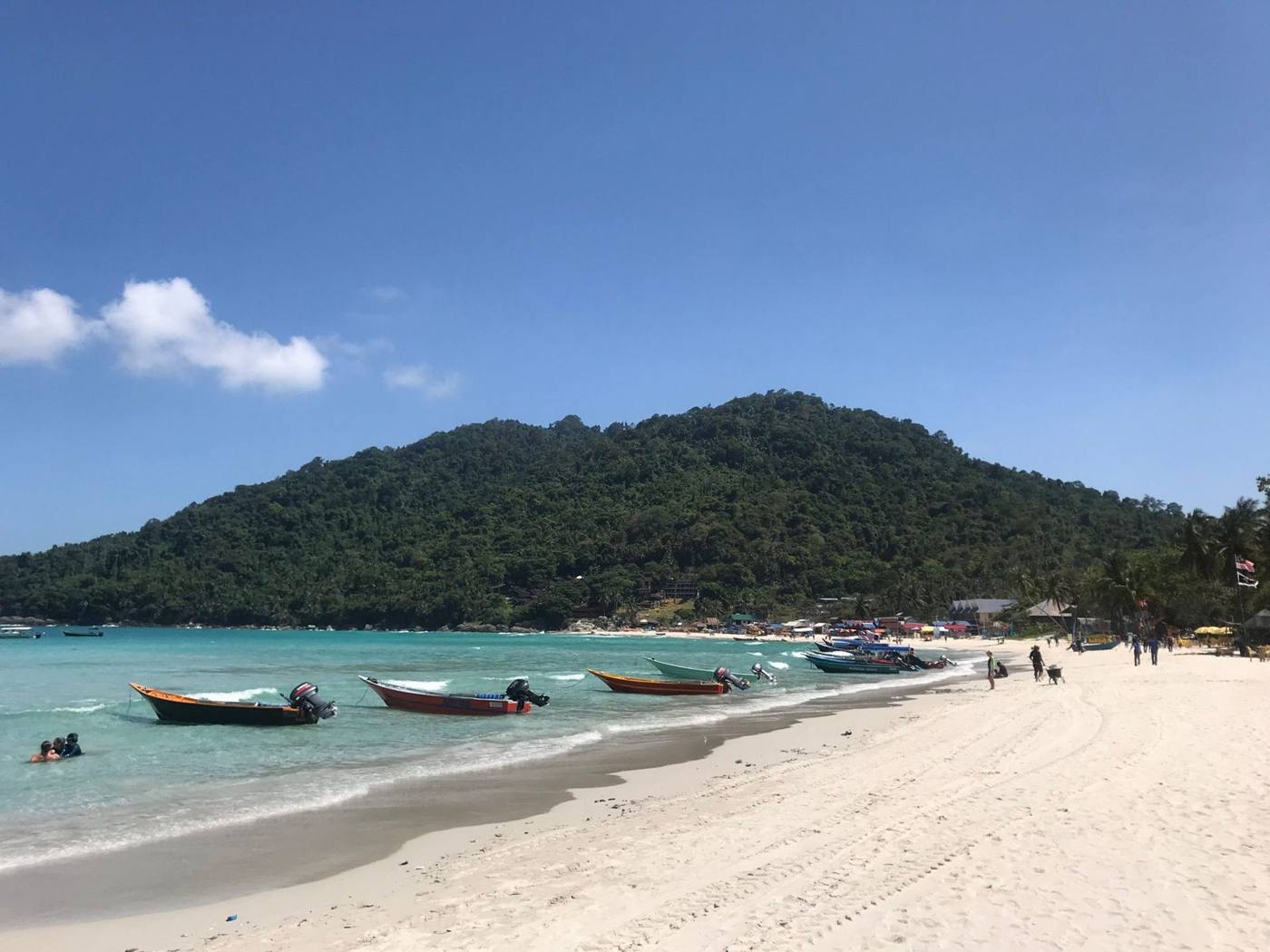
Langkawi and the Perhentians
The beaches and cable car of Langkawi on the west coast, then the clear water and snorkelling of the Perhentian islands on the east coast.
 4 daysModerate
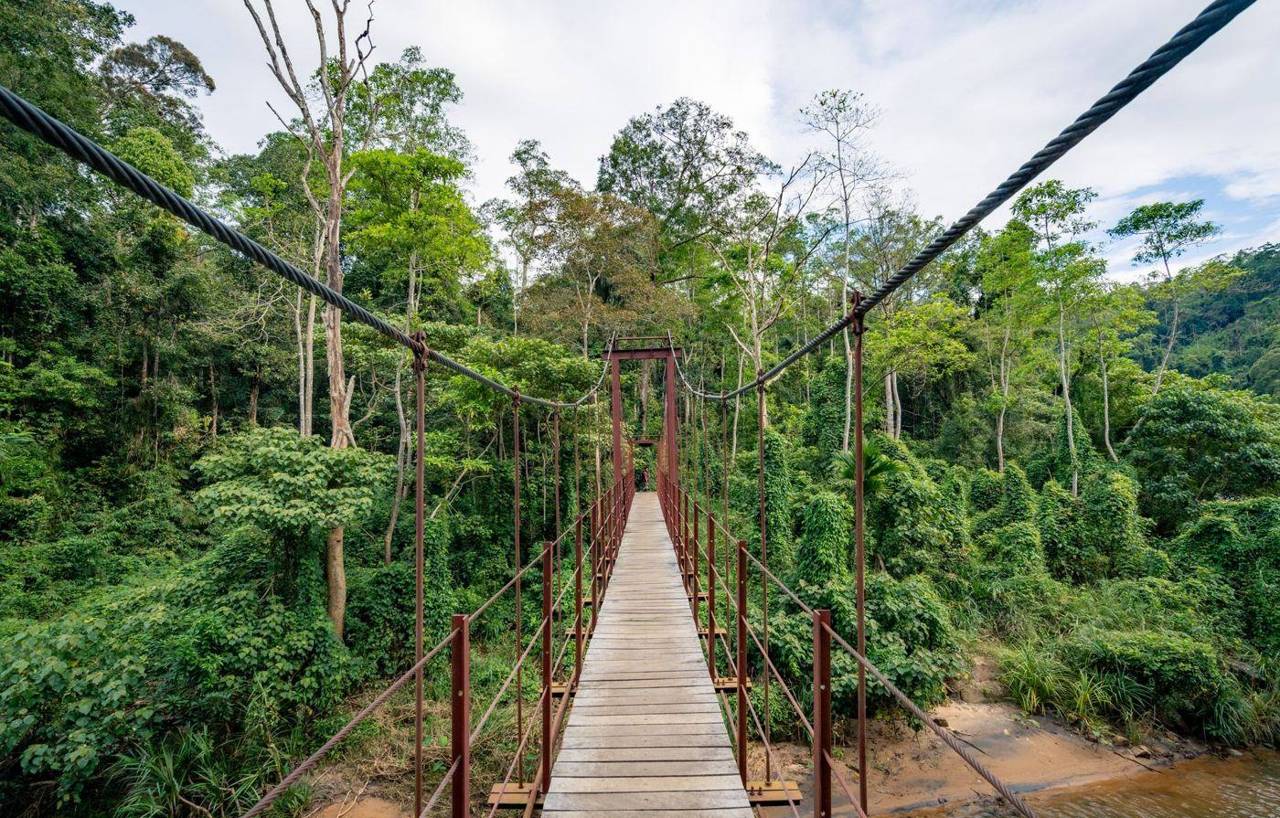
Taman Negara
One of the world's oldest rainforests: the canopy walkway, the climb up Bukit Teresek, a night in an observation hide and boats on the Tembeling.
 3 daysEasy
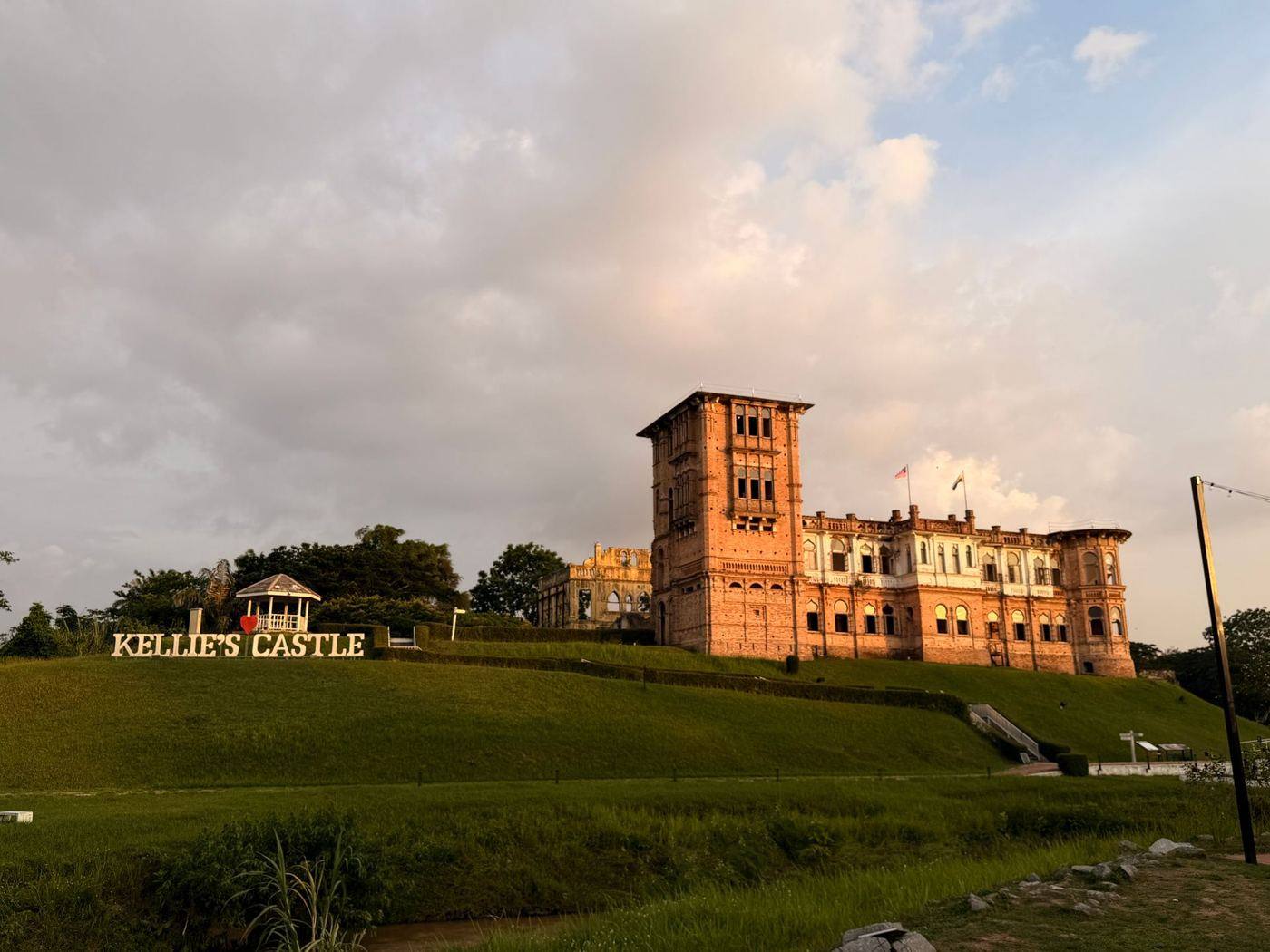
Ipoh and Perak
Ipoh with its old town, murals, white coffee and chicken with bean sprouts, the cave temples of Perak Tong and Sam Poh Tong and colonial Kellie's Castle.