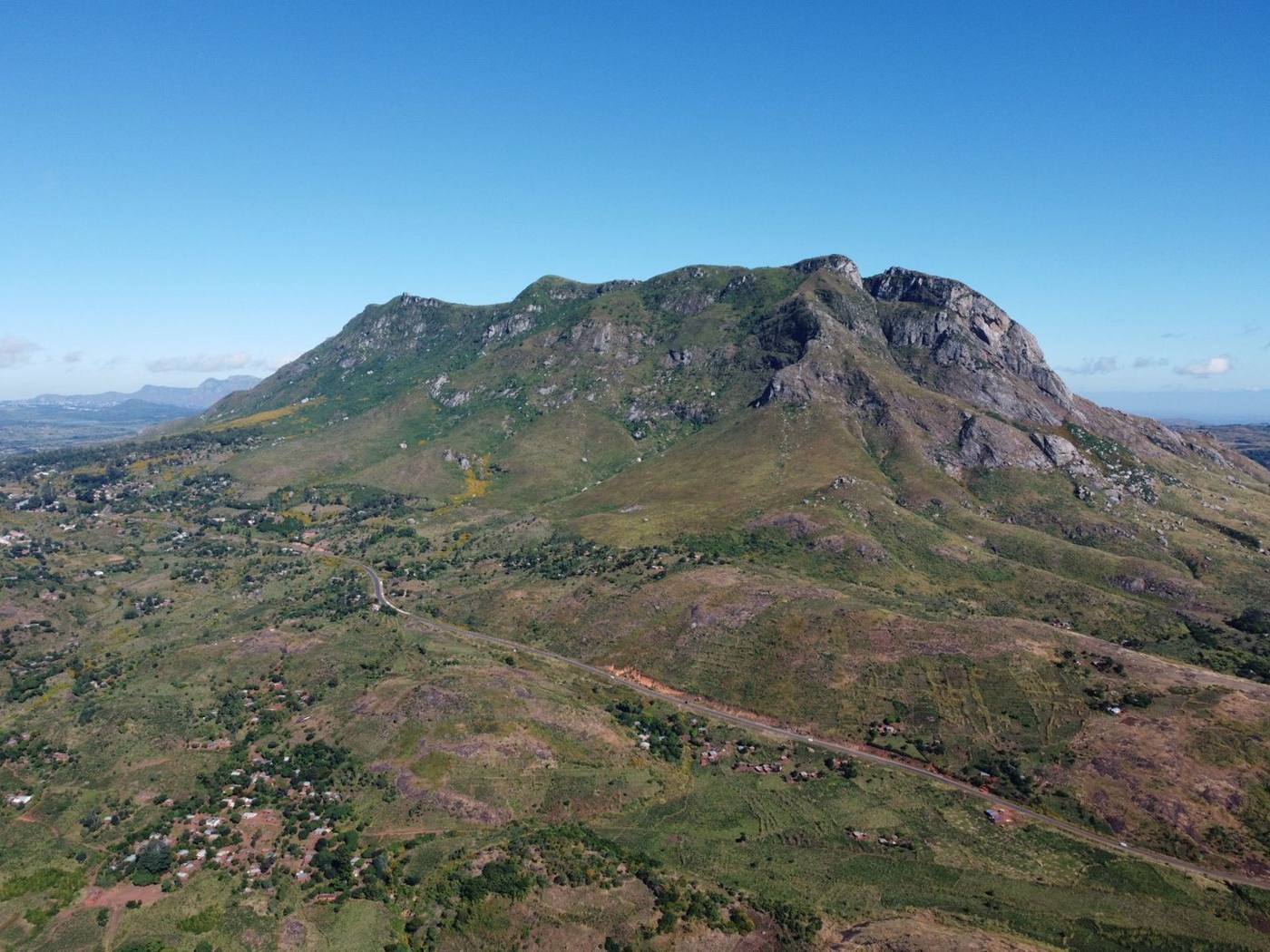
Zomba Plateau and Mulanje
The trails and waterfalls of the Zomba Plateau, then the Mulanje massif with mountain huts and the Thyolo tea estates.
- Blantyre
- Zomba
- Thyolo
- Mulanje
- Chambe
Day by day
- Day 1
From Blantyre to the Zomba Plateau
This five-day trip takes you through the mountains of southern Malawi: the Zomba Plateau with its paths and waterfalls, the tea estates of Thyolo and finally the Mulanje massif, with a night in a hut on the Chambe plateau.
Before you go: Italian citizens need a visa to enter Malawi, also for tourism. You can apply online on the official portal evisa.gov.mw or on arrival, paying only in US dollars cash. Your passport must be valid for at least six months and have two blank pages. The yellow fever certificate is required if you arrive from a country with risk of transmission, including after a transit of more than 12 hours. Other nationalities should check their own rules. The British government does not advise against any area, but reports break-ins in Blantyre and Limbe and an assault on tourists in the Mulanje area in 2025: lock your accommodation well and ask the Mountain Club of Malawi for security advice before the climb. Fuel is often short: fill up in Blantyre.
In the morning you drive north to Zomba, the country's former capital until 1975, with colonial buildings and a large market. Then you climb the winding road to the top of the plateau, through pine and cedar forests.
At the top the air is cool. Walk with a local guide to the waterfalls, among streams and small lakes, then reach one of the viewpoints on the edge of the plateau, such as Queen's View, from where you see the plain and, on a clear day, Mulanje in the distance.
Practical tip: along the plateau roads, sellers offer strawberries and raspberries: wash them with bottled water, and eat only fruit you can clean properly.
- Day 2
The tea estates of Thyolo
Today you head south and cross one of the greenest areas of Malawi: the hills of Thyolo, covered in tea estates. The landscape is neat and regular: rows of bushes cut to the same height, shade trees, red paths and workers' villages.
If you travel in the right season, you see the pickers at work, baskets on their backs, plucking only the youngest leaves. Some estates welcome visitors for a factory tour and a tasting: ask in advance and check prices and times. You learn how fresh leaves are withered, rolled, oxidised and dried to become black tea. At the end, taste the freshly made tea, dark and fragrant, perhaps with a little milk as people drink it here.
In the afternoon, take a walk among the estates or on the paths of the Thyolo forest, home to monkeys and birds. The Thyolo hills are also wetter and rainier than the rest of the south: bring a light jacket. Then continue towards Mulanje: the mountain appears suddenly, a huge block of granite rising above the plain and the plantations.
In the evening, sleep at the foot of the massif and pack your rucksack for tomorrow: sleeping bag, food for two days, warm and waterproof clothes, a torch and water.
Practical tip: on the tea estates, always ask permission before photographing the pickers and respect their answer.
- Day 3
The climb up Mulanje to Chambe
Today you climb onto the Mulanje massif. Early in the morning you arrive at the Likhubula forestry office: register, leave your route in writing and pay the entry and hut fees. Check prices and times. On Mulanje you need a guide and registered local porters: porters are assigned in turn by the office, and their names are written on the hut form.
The path climbs steeply among rocks and trees, with sections cut into the granite and natural steps. At every pause the plain spreads out below you, with the tea estates like a green carpet. Walk calmly, at the pace of the slowest person in the group, and drink often.
After a few hours you reach the Chambe plateau, a different world: meadows, clear streams and woods, below the enormous granite face of Chambe peak. Here is the hut, a stone house with a fireplace and wooden sleeping platforms.
In the afternoon, rest, light a fire only where it is allowed and watch the light changing on the rock face. At night the temperature drops sharply: get into your sleeping bag early.
Practical tip: the Mountain Club of Malawi advises never climbing alone and carrying a map and compass, because mist and storms can arrive quickly.
- Day 4
A day on the Chambe plateau
Today you stay on the plateau and explore it with your guide. Set off early in the morning, when the sky is usually clear and the mist has not yet risen from the valleys. You walk on paths among meadows, streams and small pools of cool water, where you can soak your feet after the climb.
Along the way you see the Mulanje cedar, Malawi's national tree, which grows only on this mountain. For many years it was cut for its fragrant wood, and today there are projects to plant new ones. Always stay on the paths and do not touch the seedlings. Ferns, orchids and flowers grow in the wet areas, and eagles and other birds of prey fly above the rocks.
Your guide can take you to a viewpoint on the edge of the plateau, from where you see the valleys, the peaks of the massif and the plain below. If the weather changes and mist arrives, go straight back to the hut: on Mulanje it is easy to get lost.
The afternoon is for resting. Read, chat with your guide and porters, learn a few words of Chichewa. In the evening, have an early, simple dinner and look up at a sky full of stars.
Practical tip: there are no malaria mosquitoes on the mountain, but the sun at altitude is strong: use sun cream and a hat even when the air is cool.
- Day 5
Down and back to Blantyre
Today you leave the mountain. Clean the hut, carry out the rubbish you cannot burn and set off early with your guide and porters. The descent to Likhubula is steep: go down slowly, use trekking poles and stop often to rest your knees.
Along the path you pass waterfalls and pools, and the landscape becomes warm and green again. At Likhubula, say goodbye to your guide and porters, pay the rest of the agreed fee and, if you are satisfied, leave a tip. Then take the road back to Blantyre, through the tea estates, and arrive before dark.
In the evening, in Blantyre, Malawi's commercial city, have something hot to eat and rest. If you have time, the next day visit the Church of St Michael and All Angels, built in brick by Scottish missionaries at the end of the nineteenth century.
In five days you have discovered mountain Malawi: the Zomba Plateau with its waterfalls, the tea hills of Thyolo and the Mulanje massif, excellent for walking without crowds.
When to go: from May to October, in the dry season, the paths are dry and the sky is clearer. Between June and August the nights in the mountains are cold. From November to April rain and mist make the climb harder.
Practical tip: before leaving Blantyre, leave the luggage you do not need at your hotel, so you climb Mulanje with only the rucksack you need.
Mountain Malawi, great for walking without crowds. Mulanje needs a registered local guide and porters. Huts are very basic: bring a sleeping bag and food.
Before you go
- Documents and visa
- Passport valid for at least six months from entry, with at least two blank pages. Italian citizens need a visa, also for tourism: apply online on the official portal evisa.gov.mw or on arrival, paying only in US dollars cash, ideally in small notes because change is often not given. A yellow fever vaccination certificate is required if you arrive from a country with risk of transmission, including after a transit of more than 12 hours. Foreign currency in cash must be declared on arrival, whatever the amount.
- Health and vaccines
- Malaria is present across the country, except at high altitude: ask your doctor about antimalarials. Lake Malawi and other fresh water carry bilharzia: talk to your doctor before swimming. Cholera cases are frequent in the rainy season, from November to April: drink only bottled water. Public health facilities are inadequate: you need insurance covering medical costs and repatriation. Emergencies: 990 or 997 police, 998 ambulance, 999 fire, but the numbers are unreliable.
- Money and payments
- Malawian kwacha. Change money only at banks or authorised bureaux: keep the receipts and your entry declaration. Foreigners pay hotels and lodges in foreign currency. ATMs are rare outside the towns: carry cash.
- Power sockets
- Type G, 230 volts: the same British plugs, no adapter needed from the UK.
- Time zone
- UTC+2 all year.
- Safety
- The United States asks travellers to exercise increased caution in Malawi, level 2, because of crime and demonstrations. The British government does not advise against any area, but reports thefts, assaults and kidnappings for ransom, foreigners included. Demonstrations are frequent in the towns and can block roads. Fuel shortages are frequent: fill up whenever you can and do not count on finding fuel along the way. Do not travel after dark. Official advice: GOV.UK.
Information checked in November 2026 for Italian and EU citizens. Rules change: always check before you travel.
Variations
In three days: one day on the Zomba Plateau and two on Mulanje, up to Chambe and down again, without the Thyolo stop.
In seven days: add two days crossing Mulanje through other huts, or the climb to Sapitwa with an authorised guide.
Frequently asked questions
Do I need a guide on Mulanje?
Yes. On the massif you need a guide and registered local porters, whom you find at the Likhubula forestry office. Mist is frequent and the paths are not always obvious.
What is the Chambe hut like?
Very simple: stone walls, a fireplace and wooden sleeping platforms. Bring a sleeping bag, a mat, food and warm clothes.
Can I visit a tea estate in Thyolo?
Some estates welcome visitors for tours and tastings. Ask in advance and check prices and times.
Indicative itinerary written by World Atlas. Before booking, check timetables, seasonal openings, documents and safety.
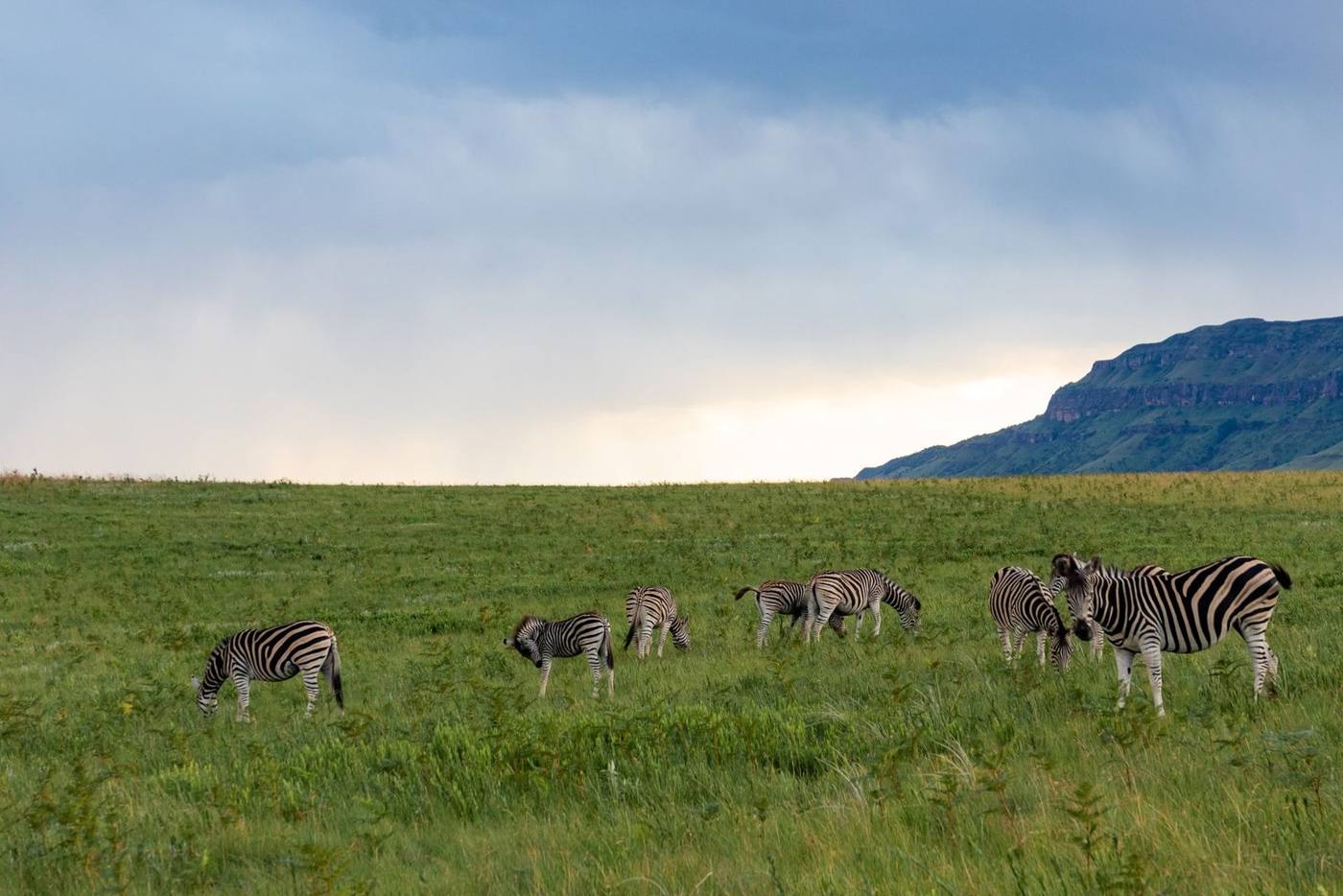 4 daysModerate
The Nyika Plateau
A grassland plateau at 2,500 metres, with zebras, roan antelope, wild orchids and one of central Africa's highest densities of leopards.
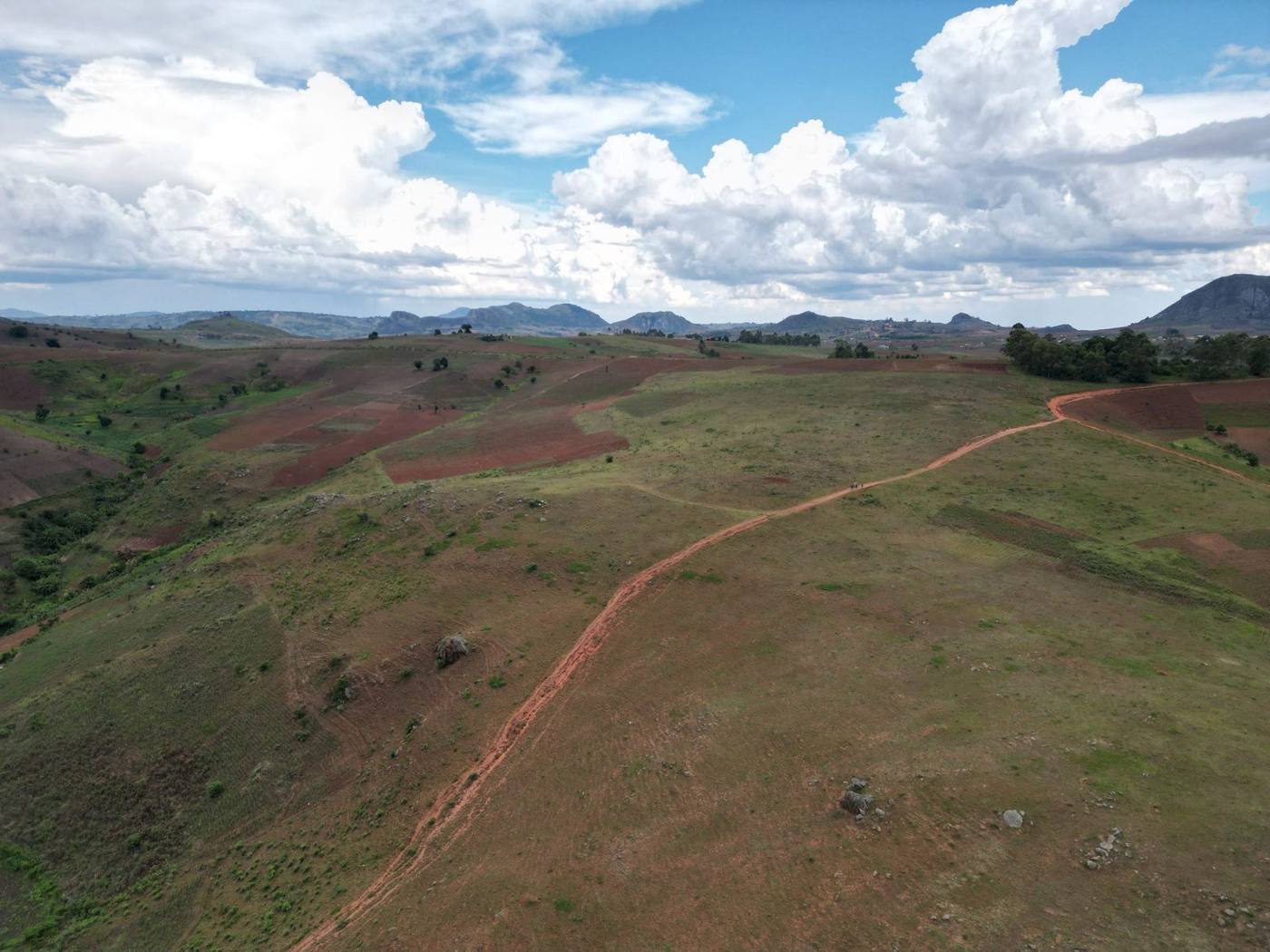 3 daysEasy
Livingstonia
The Scottish mission on the plateau above Lake Malawi, Manchewe falls and its cave, and the hairpin road with views over the lake.
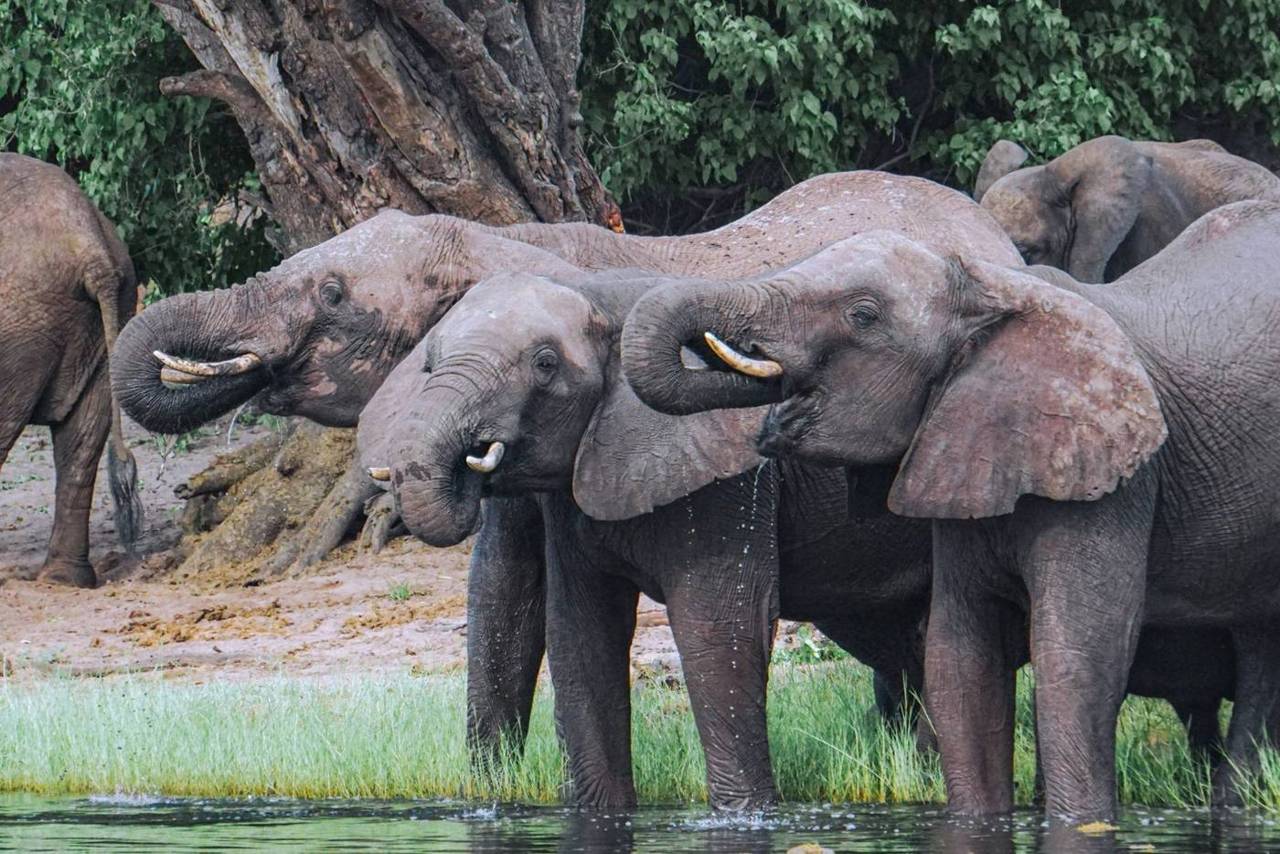 3 daysEasy
Nkhotakota
Malawi's oldest reserve, where African Parks moved hundreds of elephants, with boat safaris on the Bua river and miombo woodland.