Nkhotakota
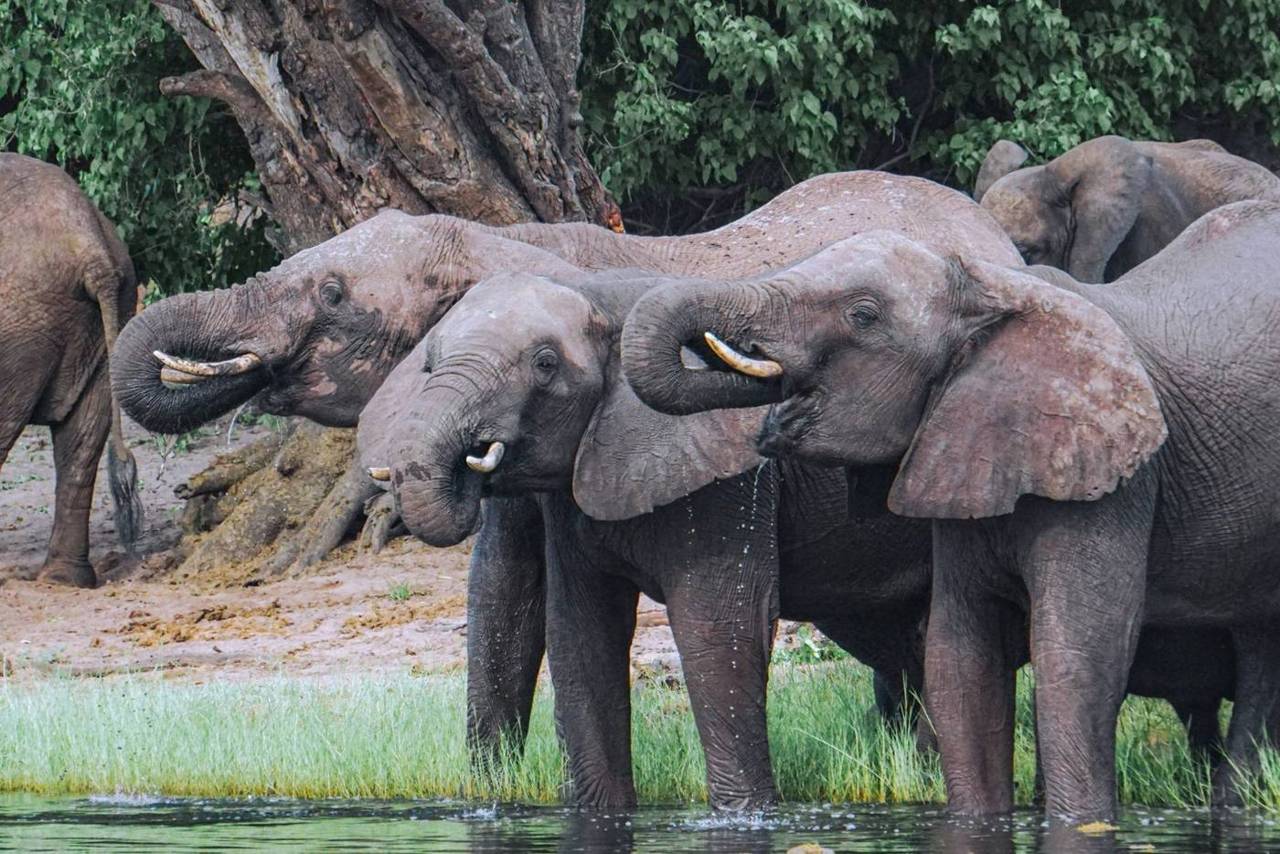
Malawi's oldest reserve, where African Parks moved hundreds of elephants, with boat safaris on the Bua river and miombo woodland.
- Lilongwe
- Nkhotakota
- Bua
Day by day
- Day 1
From Lilongwe to Nkhotakota Wildlife Reserve
This three-day trip takes you to Nkhotakota Wildlife Reserve, one of the oldest in Malawi, among hills covered in miombo woodland and rivers flowing down to the lake. Since 2015 the reserve has been managed by African Parks together with the government, and in 2017 almost 500 elephants were brought back here.
Before you go: Italian citizens must have a visa to enter Malawi, also for tourism. You can apply online on the official portal evisa.gov.mw or on arrival, paying in cash with US dollars in small notes. Your passport must be valid for at least six months and have two blank pages. If you arrive from a country with risk of yellow fever, or transited there for more than 12 hours, you need the certificate. Other nationalities should check their own rules. The UK does not advise against any part of the country; Viaggiare Sicuri reports fuel shortages and dangerous roads after dark. Ask your doctor about malaria prevention.
In the morning you leave Lilongwe heading north-east. The road crosses tobacco and maize fields, villages and roadside markets, then drops towards the lake area. The journey takes a few hours: fill up in town and bring water and something to eat.
In the afternoon you enter the reserve. Register at the gate and pay the entry fee: check prices and times on the official African Parks website. Settle into the camp and listen to the sounds of the forest: birds, monkeys and the rustle of the river.
Practical tip: leave Lilongwe early, so you arrive in daylight and avoid driving the last tracks in the dark.
- Day 2
By boat on the Bua River and on foot in the forest
Today you explore the reserve from the water and on foot. The Bua River runs through Nkhotakota among rocks, rapids and calm stretches, and the vegetation along its banks stays thick and green even in the dry season.
Early in the morning, go out with a guide, by boat or canoe where the water level allows. You glide slowly along the river and watch the banks: kingfishers, herons, fish eagles and, with a bit of luck, elephants coming down to drink. The animals here are still shy, because for years they were hunted: they move away quickly, so speak quietly and move slowly.
After lunch and a rest in the hot hours, take a walk with a ranger in the miombo woodland. You learn to recognise the trees, the animal tracks and the marks elephants leave on the trunks. You may meet antelope, warthogs and baboons. Always listen to the ranger's instructions and do not stray from the group.
In the evening, at camp, look up at the sky: far from the towns there are countless stars. Nkhotakota is a quiet safari without crowds, where the atmosphere matters more than the number of animals you see.
Practical tip: bring binoculars, because in the dense woodland you often see animals from far away and only for a few seconds.
- Day 3
On to Lake Malawi
Today you leave the reserve and continue towards the lake. Take a last outing at dawn, on foot or by boat, then head east. Before long you reach Nkhotakota, a small town on the shore of Lake Malawi.
Nkhotakota has a long history: in the nineteenth century it was a centre of the slave trade, linked to traders who came from the Indian Ocean coast. Today it is a quiet place, with a fish market, wooden boats and nets drying in the sun. Walk along the shore and watch the fishermen coming back with the morning catch.
From here you can follow the lakeshore road south or north for a few days of rest. Before swimming, remember that Lake Malawi carries bilharzia: follow your doctor's advice.
In three days you have seen a reserve being reborn, where elephants have returned thanks to a large conservation project, and you have enjoyed a slow safari of river, forest and silence. It is the right way to combine wildlife and the lake in a single trip.
When to go: from May to November, in the dry season, the tracks are passable and the animals come closer to the river. October and November are very hot. During the rains some tracks may close.
Practical tip: before leaving the reserve, ask about the state of the road to the lake, because after a storm some stretches turn to mud.
A quiet safari without crowds, close to the lake. The animals are still shy. It combines well with a holiday on Lake Malawi.
Before you go
- Documents and visa
- Passport valid for at least six months from entry, with at least two blank pages. Italian citizens need a visa, also for tourism: apply online on the official portal evisa.gov.mw or on arrival, paying only in US dollars cash, ideally in small notes because change is often not given. A yellow fever vaccination certificate is required if you arrive from a country with risk of transmission, including after a transit of more than 12 hours. Foreign currency in cash must be declared on arrival, whatever the amount.
- Health and vaccines
- Malaria is present across the country, except at high altitude: ask your doctor about antimalarials. Lake Malawi and other fresh water carry bilharzia: talk to your doctor before swimming. Cholera cases are frequent in the rainy season, from November to April: drink only bottled water. Public health facilities are inadequate: you need insurance covering medical costs and repatriation. Emergencies: 990 or 997 police, 998 ambulance, 999 fire, but the numbers are unreliable.
- Money and payments
- Malawian kwacha. Change money only at banks or authorised bureaux: keep the receipts and your entry declaration. Foreigners pay hotels and lodges in foreign currency. ATMs are rare outside the towns: carry cash.
- Power sockets
- Type G, 230 volts: the same British plugs, no adapter needed from the UK.
- Time zone
- UTC+2 all year.
- Safety
- The United States asks travellers to exercise increased caution in Malawi, level 2, because of crime and demonstrations. The British government does not advise against any area, but reports thefts, assaults and kidnappings for ransom, foreigners included. Demonstrations are frequent in the towns and can block roads. Fuel shortages are frequent: fill up whenever you can and do not count on finding fuel along the way. Do not travel after dark. Official advice: GOV.UK.
Information checked in November 2026 for Italian and EU citizens. Rules change: always check before you travel.
Variations
In two days: arrive from Lilongwe, take a single outing on the Bua River and continue to the lake the next day.
In five days: add an extra night in the reserve and two days of rest on the shore of Lake Malawi.
Frequently asked questions
Will I see a lot of wildlife at Nkhotakota?
Less than in the big parks of southern Africa. The elephants were brought back in 2017 and are still shy. The appeal here is the landscape, the river and the lack of crowds.
Who manages the reserve?
Since 2015, African Parks, in partnership with the government of Malawi. For rules, activities and entry fees, check the official website.
Can I combine Nkhotakota with Lake Malawi?
Yes, it is one of the reserve's advantages: the lakeshore is a short distance away and you can go from safari to beach in a few hours.
Indicative itinerary written by World Atlas. Before booking, check timetables, seasonal openings, documents and safety.
 3 daysEasy
Mumbo Island
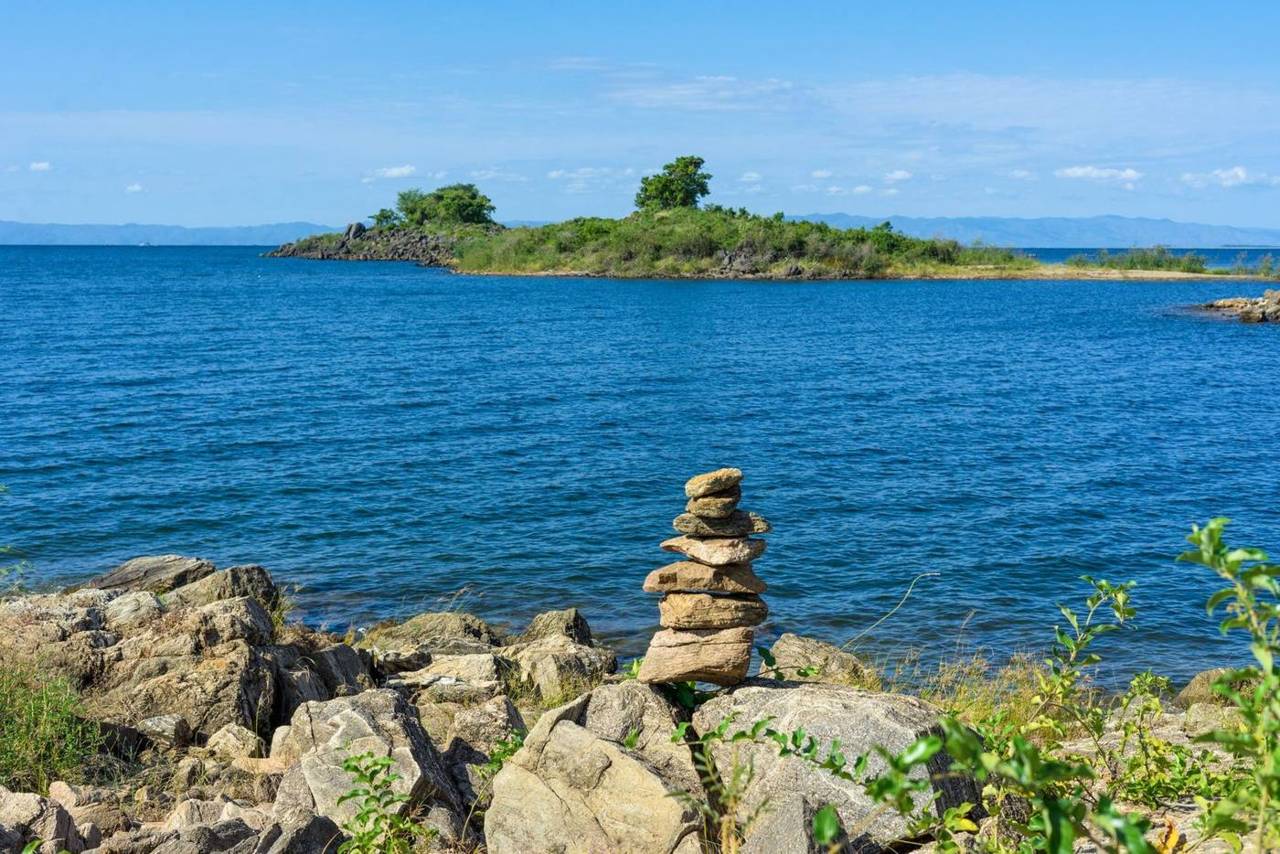
A small uninhabited island in Lake Malawi park, with tents on the rocks, snorkelling among cichlid fish and kayaking at sunset.
 2 daysEasy
Dedza and the Chongoni rock art
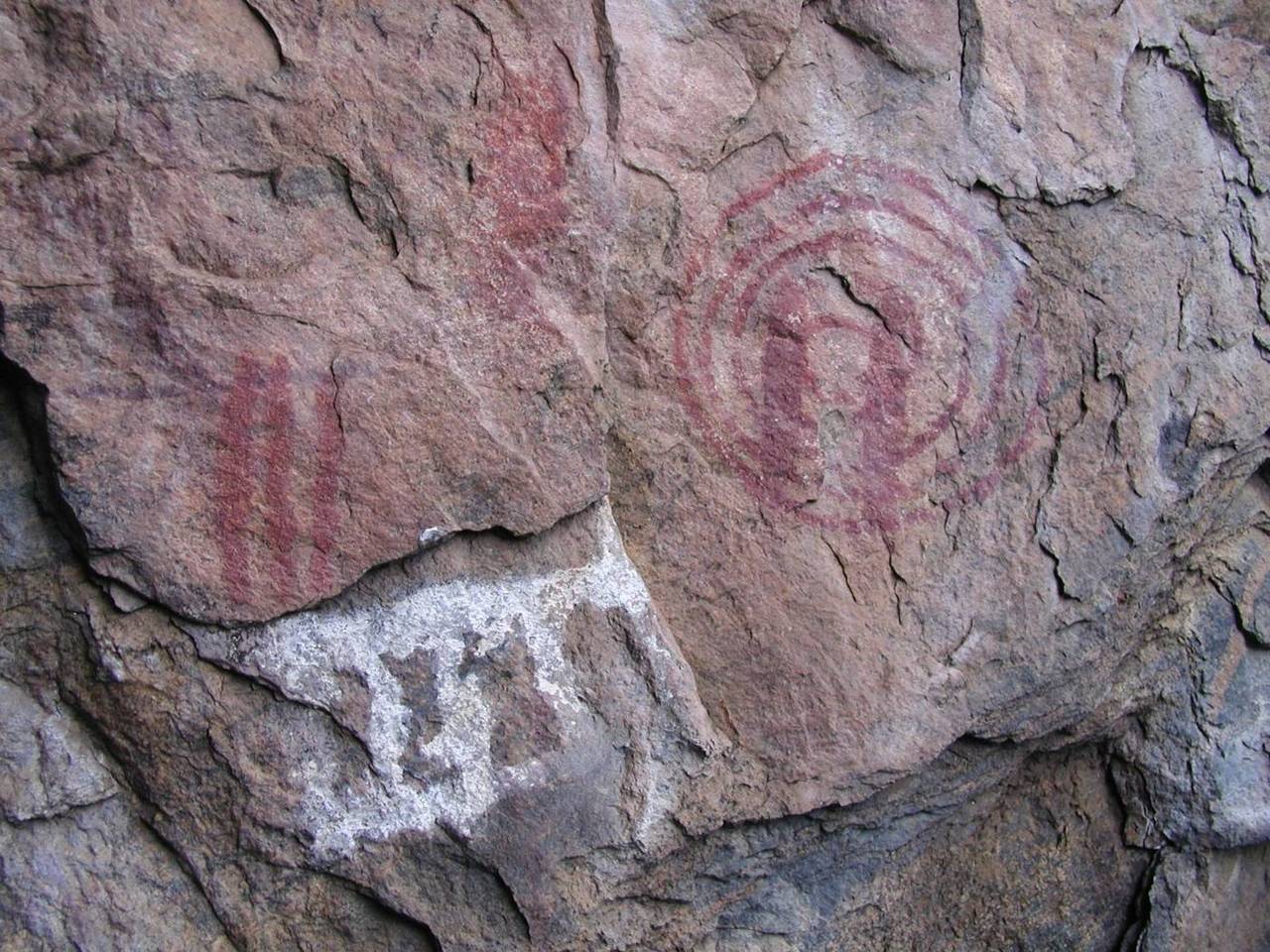
The UNESCO rock paintings of Chongoni, also linked to Chewa rituals, Dedza pottery and the pine forests on the hills south of Lilongwe.
 2 daysEasy
Vwaza Marsh
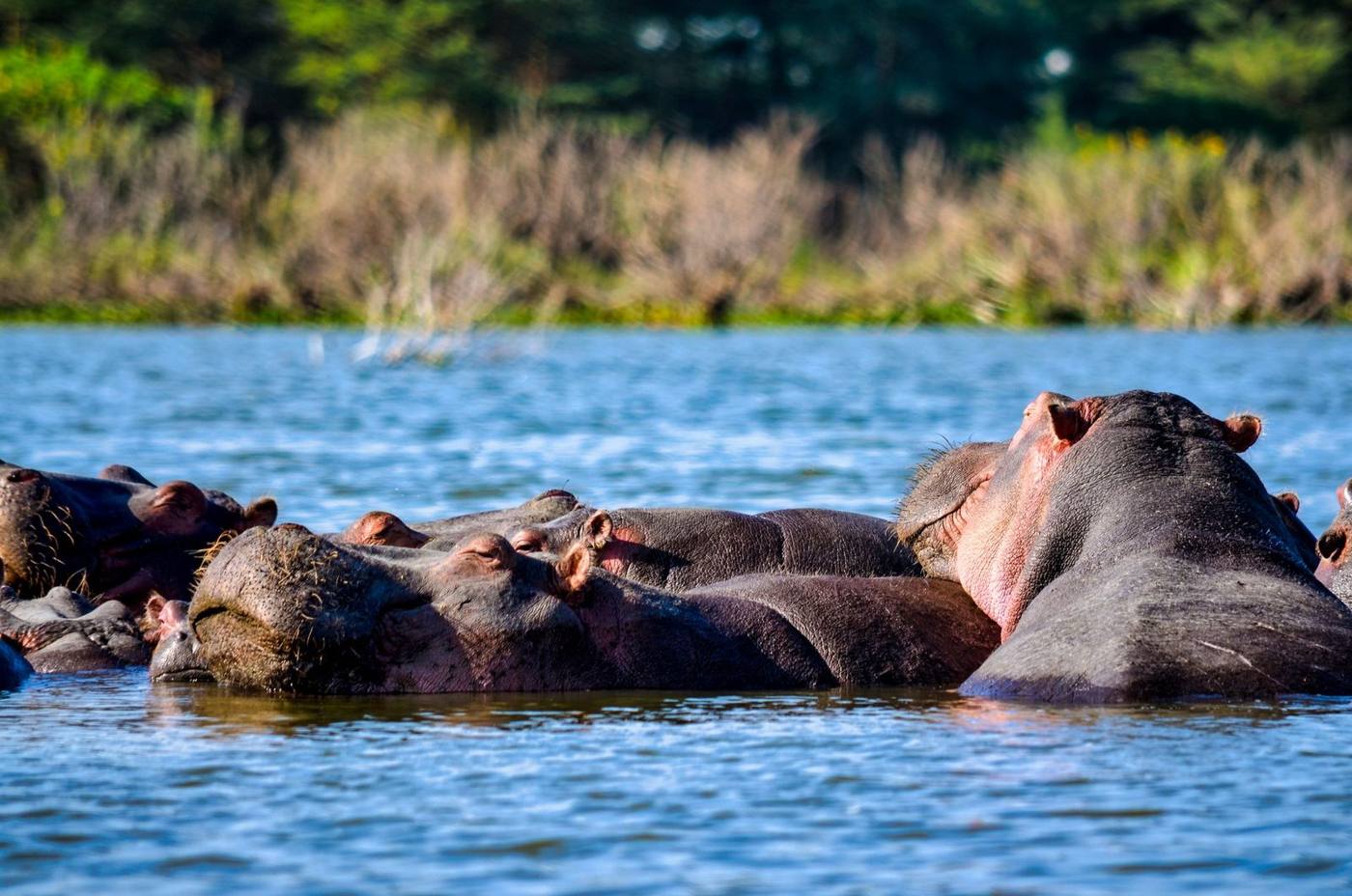
A little-known reserve in the north, with a lake where elephants and hippos come close to the camp and walks with rangers.