Climbing Sapitwa
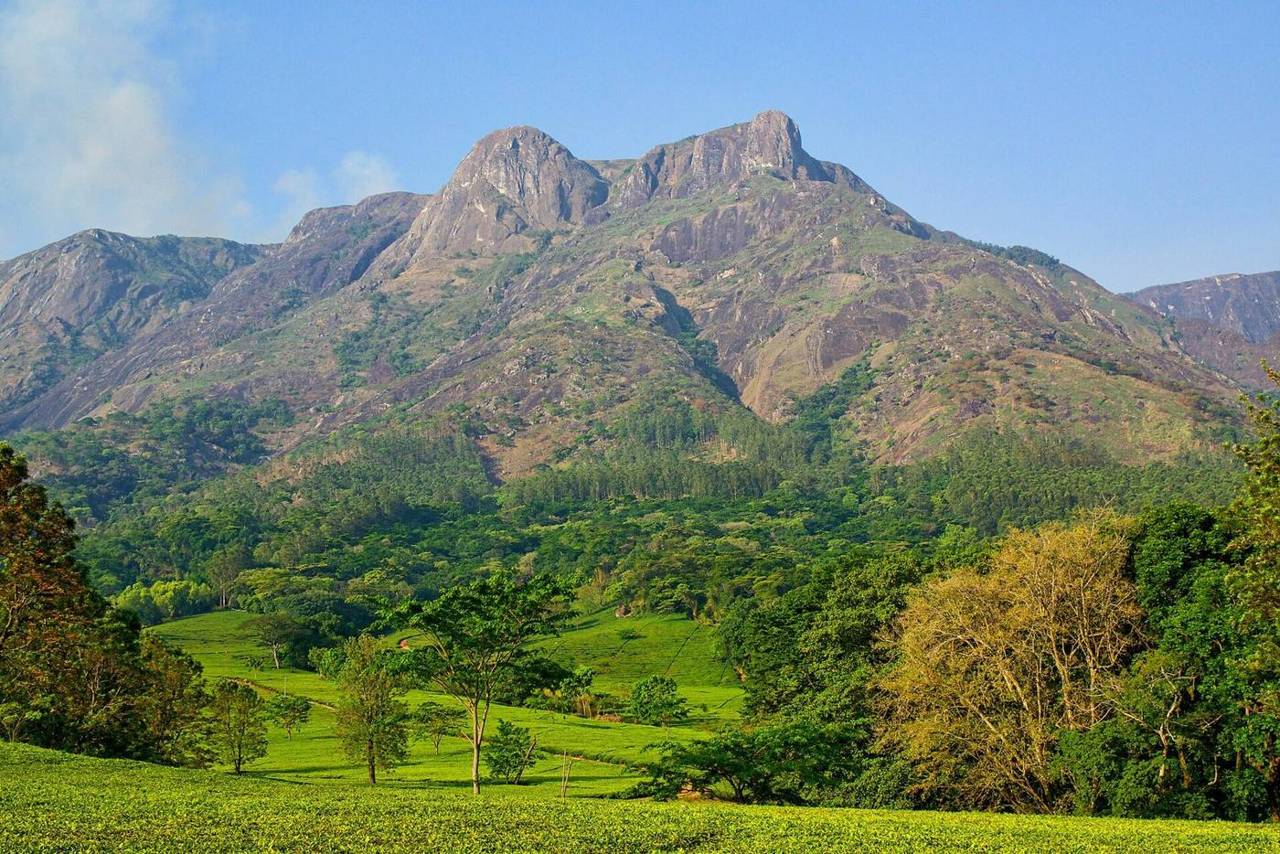
The highest summit in south-central Africa, 3,002 metres on the Mulanje massif, with nights in huts and forests of Mulanje cedar.
- Likhubula
- Chambe
- Sapitwa
Day by day
- Day 1
From Likhubula to the Chambe hut
This four-day trip takes you to the summit of Sapitwa, 3,002 metres, the highest point of the Mulanje massif, in southern Malawi. You sleep in mountain huts, cross grassy plateaus and forests of Mulanje cedar, and face a real climb, with sections over rock.
Before you go: Italian citizens need a visa for Malawi, also for tourism: apply online on the official portal evisa.gov.mw or on arrival, paying in US dollars cash. Your passport must be valid for at least six months and have two blank pages. The yellow fever certificate is required if you arrive from a country with risk of transmission, including after a transit of more than 12 hours. Other nationalities should check their own rules. The British government advises asking the Mountain Club of Malawi for security advice before climbing, and reports thefts and assaults in the Mulanje area too. For Sapitwa, an authorised guide is compulsory.
In the morning you arrive at the Likhubula forestry office, at the foot of the mountain. Register, leave your route in writing and pay the entry and hut fees: check prices and times. Here you meet your authorised guide; porters are assigned in turn by the office, and you do not pick them yourself.
Then the climb begins: a steep path among rocks and trees, with sections cut into the granite. In a few hours you reach the Chambe plateau and its hut, below the great face of Chambe peak.
Practical tip: write down the name and ID number of your guide and porters, and agree on the payment before you set off.
- Day 2
Across the massif to the foot of Sapitwa
Today you cross the massif eastwards, towards the summit. Mulanje is not a single mountain but a group of plateaus, valleys and granite peaks rising above the plain. The path climbs and drops through grassland, clear streams and woods.
Along the way you see the Mulanje cedar, Malawi's national tree, which grows only on this mountain. For years it was cut down, and today there are projects to plant new ones: do not touch the seedlings and stay on the paths. In the wet areas you find ferns, orchids and small flowers, and lizards and birds of prey live on the rocks.
The walk is long and you feel the altitude. Walk at the pace of the slowest person and never split up: the Mountain Club of Malawi advises never to climb alone. Stop now and then to drink and look at the landscape: on a clear day you see the tea estates and the plain of Mozambique.
In the afternoon you reach a hut near the foot of Sapitwa. The huts are simple: stone walls, a fireplace, wooden sleeping platforms. Light a fire only where it is allowed and use little wood.
In the evening your guide explains tomorrow's route and the start time.
Practical tip: bring a warm sleeping bag and a sleeping mat, because there are no real beds in the huts and the nights are cold.
- Day 3
The climb to the summit of Sapitwa
Today is summit day. Set off at dawn with your guide, before the mist usually rises. The name Sapitwa is explained in the local language as "do not go": it is a warning to take seriously.
The climb is hard. After the first stretches over grass and rock, the route becomes a sequence of huge granite boulders: you have to scramble with your hands, squeeze through cracks and sometimes crawl under the rocks. The route is not always obvious, and without a guide it is easy to get lost. Move calmly and ask for help on the more exposed passages.
At the summit, if the sky is clear, you see the whole massif below you, the green valleys, the granite peaks and, far away, the plain. Do not stay long: the weather changes quickly and mist can cover the top in minutes. When your guide says it is time to go down, go down.
The descent is as slow as the climb, because the wet boulders are slippery. In the afternoon you return to the hut, tired but happy. Drink plenty, eat something hot and check your feet and hands.
If mist or rain arrive during the climb, turn back: on Sapitwa people get lost easily and temperatures drop sharply.
Practical tip: wear gloves with reinforced palms and tough trousers, because the granite is rough and scrapes hands and knees.
- Day 4
Down to Likhubula
Today you come down from the mountain. Have breakfast at the hut, clean up well and carry out all the rubbish you cannot burn: whoever comes after you should find the hut as you found it.
The descent to Likhubula follows a steep path. Your knees work hard: go down slowly, use trekking poles and stop often. Along the way you pass waterfalls and pools of cool water. There are no malaria mosquitoes on the mountain, but when you are back on the plain, take your precautions again.
At Likhubula, collect the luggage you left at the office, say goodbye to your guide and porters and pay the rest of the agreed fee. If you are satisfied, a tip is much appreciated. Then leave for Mulanje or Blantyre, before dark.
In four days you have climbed the highest peak in the region, crossed a unique massif and slept in simple, silent huts. It is a real climb that requires preparation, caution and a good guide.
When to go: from May to October, in the dry season. Between June and August the nights are cold and there can be light mist. From November to April rain, storms and mist make the climb dangerous.
Practical tip: keep a change of dry clothes in the car or at Likhubula, because after the descent you will be sweaty, dirty and often wet.
A real climb, with rock scrambles and hard-to-find sections. A guide is effectively mandatory: mist is frequent and getting lost is easy. The name means 'don't go'.
Before you go
- Documents and visa
- Passport valid for at least six months from entry, with at least two blank pages. Italian citizens need a visa, also for tourism: apply online on the official portal evisa.gov.mw or on arrival, paying only in US dollars cash, ideally in small notes because change is often not given. A yellow fever vaccination certificate is required if you arrive from a country with risk of transmission, including after a transit of more than 12 hours. Foreign currency in cash must be declared on arrival, whatever the amount.
- Health and vaccines
- Malaria is present across the country, except at high altitude: ask your doctor about antimalarials. Lake Malawi and other fresh water carry bilharzia: talk to your doctor before swimming. Cholera cases are frequent in the rainy season, from November to April: drink only bottled water. Public health facilities are inadequate: you need insurance covering medical costs and repatriation. Emergencies: 990 or 997 police, 998 ambulance, 999 fire, but the numbers are unreliable.
- Money and payments
- Malawian kwacha. Change money only at banks or authorised bureaux: keep the receipts and your entry declaration. Foreigners pay hotels and lodges in foreign currency. ATMs are rare outside the towns: carry cash.
- Power sockets
- Type G, 230 volts: the same British plugs, no adapter needed from the UK.
- Time zone
- UTC+2 all year.
- Safety
- The United States asks travellers to exercise increased caution in Malawi, level 2, because of crime and demonstrations. The British government does not advise against any area, but reports thefts, assaults and kidnappings for ransom, foreigners included. Demonstrations are frequent in the towns and can block roads. Fuel shortages are frequent: fill up whenever you can and do not count on finding fuel along the way. Do not travel after dark. Official advice: GOV.UK.
Information checked in November 2026 for Italian and EU citizens. Rules change: always check before you travel.
Variations
In three days: climb to Chambe on the first day, reach the summit from the nearest hut on the second and come down on the third, only if you are very fit.
In six days: add two days crossing the massif, through other huts and plateaus before coming down.
Frequently asked questions
Do I need a guide to climb Sapitwa?
Yes, an authorised guide is compulsory. The route is hard to find, mist is frequent and without a guide it is easy to get lost. Always register at the Likhubula forestry office.
Do I need climbing experience?
You do not need technical roped climbing, but you must move well on rock, use your hands and have a head for heights. Good fitness is also essential.
What should I bring to the huts?
A warm sleeping bag, a mat, food for every day, clothes for cold and rain, a torch and a first aid kit. The huts only provide shelter.
Indicative itinerary written by World Atlas. Before booking, check timetables, seasonal openings, documents and safety.
 7 daysEasy
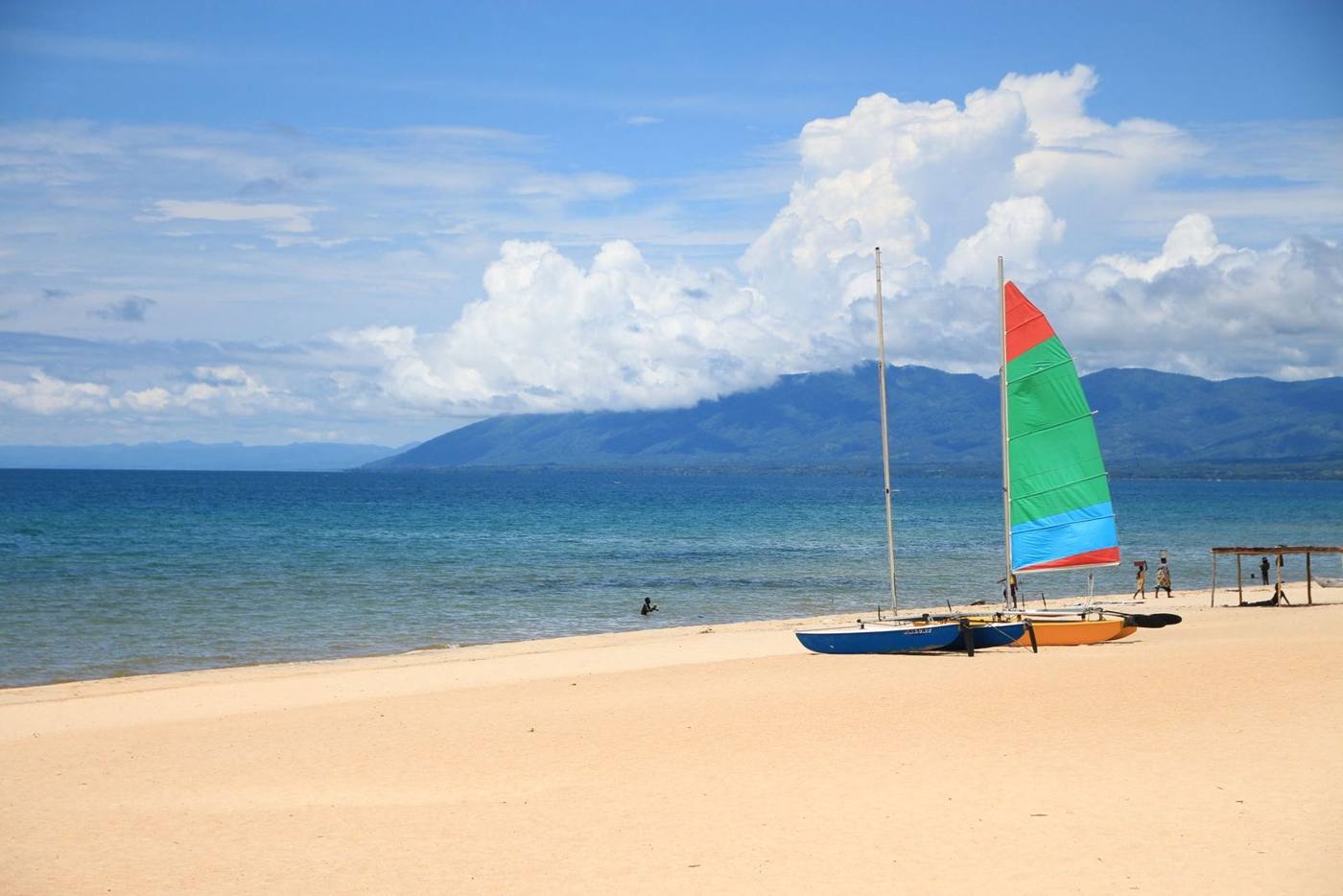
Lake Malawi
The 'calendar lake': Cape Maclear and its colourful cichlid fish in the UNESCO park, Likoma Island with its cathedral and the beach at Nkhata Bay.
 5 daysEasy
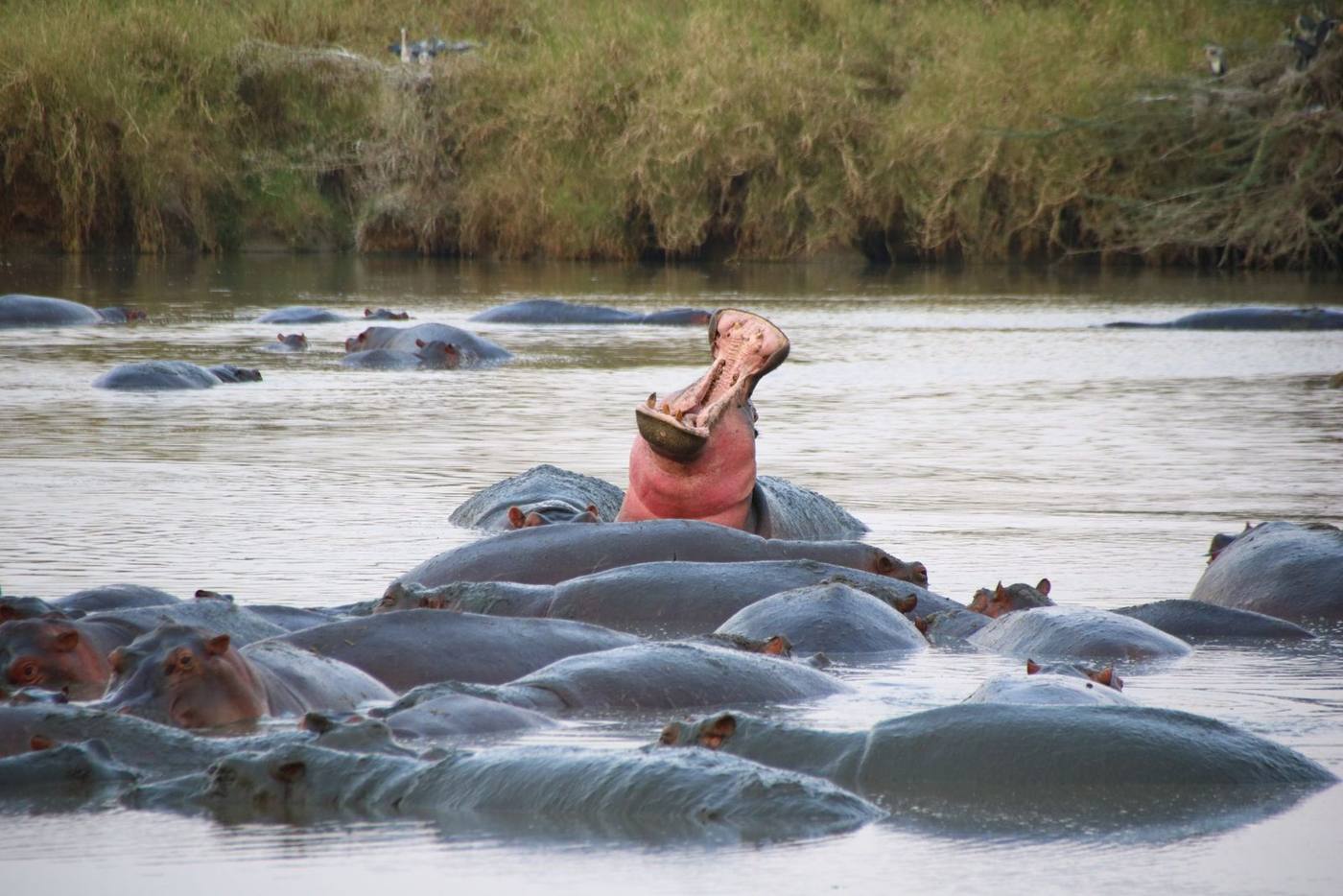
Liwonde and Majete
Two parks revived by African Parks: boat safaris on the Shire river in Liwonde among hippos and elephants, and Majete with the Big Five.
 5 daysModerate
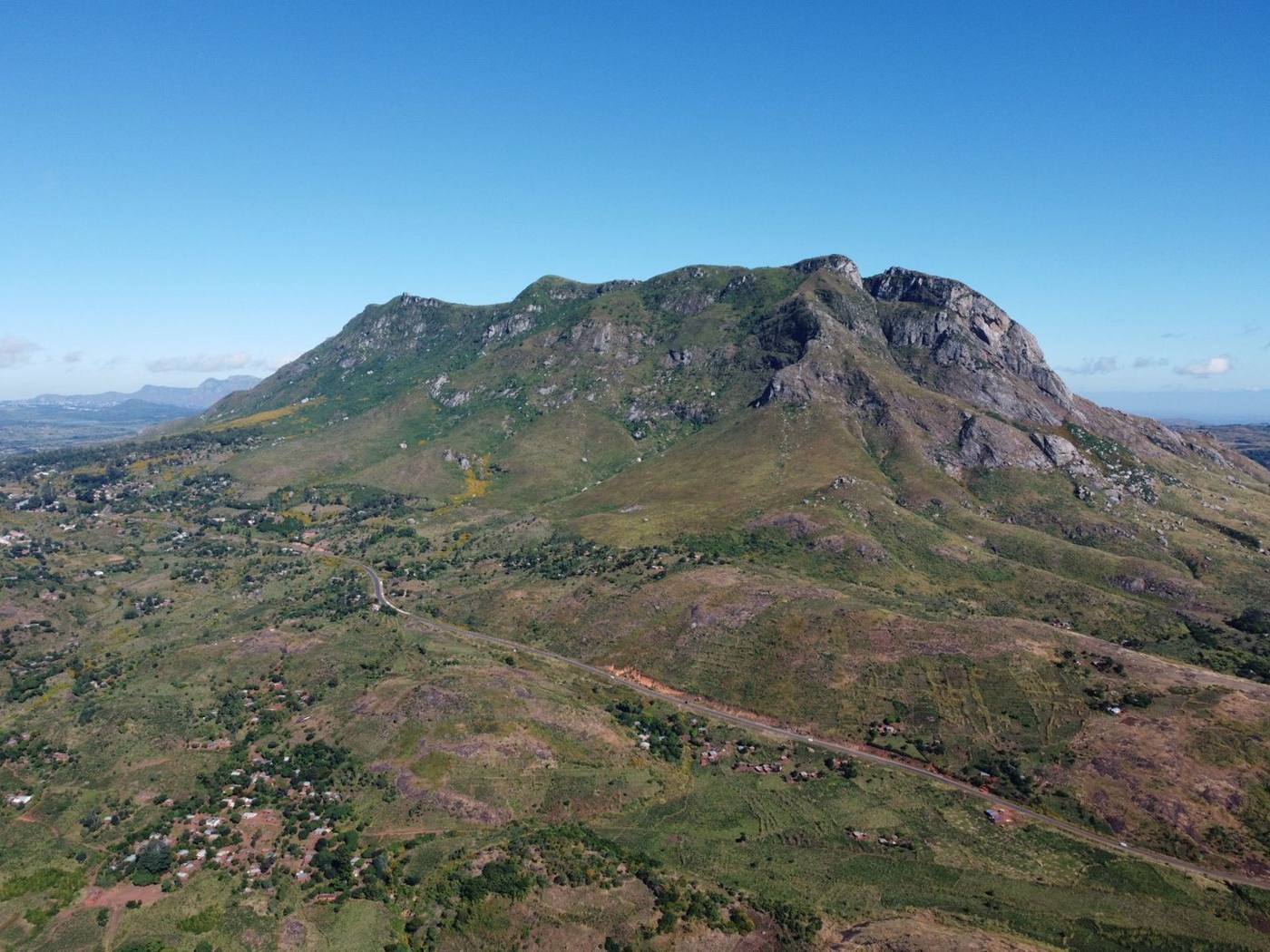
Zomba Plateau and Mulanje
The trails and waterfalls of the Zomba Plateau, then the Mulanje massif with mountain huts and the Thyolo tea estates.