The Tsingy de Bemaraha and Morondava
The UNESCO-listed stone forest, crossed on walkways and suspension bridges, the baobabs at sunset and a pirogue trip down the Manambolo river.
- Antananarivo
- Morondava
- Avenue of the Baobabs
- Bekopaka
- Tsingy de Bemaraha
- Manambolo
Day by day
- Day 1
Arrival in Antananarivo
This ten-day trip takes you to the west of Madagascar: the Avenue of the Baobabs at sunset, the long track north with ferries over the rivers, the Tsingy de Bemaraha, the stone forest listed by UNESCO, the gorges of the Manambolo river by pirogue and the Kirindy forest, with the fossa and the smallest primate in the world.
Before you go: Italian citizens need a passport valid for at least six months on entry, with blank pages, a return ticket and a tourist visa, issued on arrival at the airport or online in advance, between 7 days and 6 months before, on the official e-visa website listed by Viaggiare Sicuri. Other nationalities should check their own rules. After violent protests in late September and early October 2025, a transitional government took office on 17 October 2025: avoid demonstrations and gatherings. There are armed robberies on main roads, especially at night: never travel by road after dark. For western roads the British government advises travelling with a recognised tour operator: organise the whole route by 4x4 with a driver in this way. Malaria is present: ask your doctor about antimalarials.
You land at the airport of Antananarivo, the capital, known to everyone as Tana, built on hills among the rice fields of the highlands.
In the afternoon, if you arrive early, go up with a driver to the Rova, the queen's palace complex on the highest hill. Check prices and times.
In the evening, stay at your accommodation or use an official taxi, and do not walk around the city after dark.
Overnight in Antananarivo.
Practical tip: there are very few cash machines in the west. Change in Antananarivo the ariary you need for entry fees, guides, pirogues and tips.
- Day 2
Flight to Morondava and the Avenue of the Baobabs
Today you fly to the west coast and see the most famous sunset in Madagascar.
In the morning, take the domestic flight to Morondava. Domestic flights are often delayed or cancelled: confirm the time the day before. From the plane the green hills of the highlands give way to dry plains, rivers red with earth and the first outlines of baobabs.
Morondava is a town of fishermen and traders on the Mozambique Channel, with a long beach and outrigger pirogues pulled up on the sand. Here you meet the 4x4 driver and the guide who will be with you for the next few days. Check the vehicle together, the spare tyres, the water and the plan.
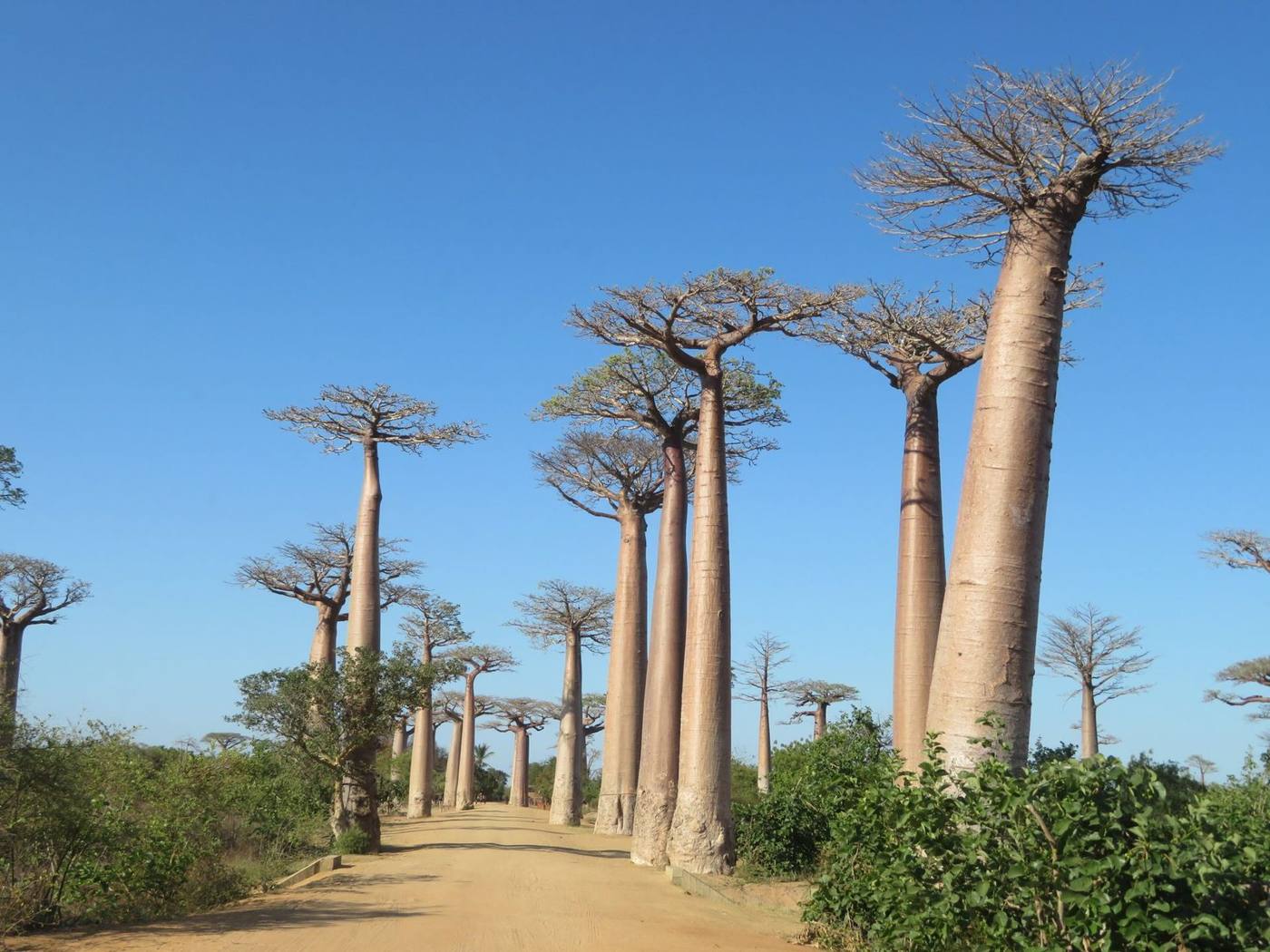
In the late afternoon, reach the Avenue of the Baobabs, a short distance from town. Along a red earth road rise dozens of Grandidier's baobabs, as tall as buildings, with smooth trunks and branches at the top, like roots turned towards the sky. These trees can live for many centuries, and they were once part of a dense forest.
As the sun goes down, the trunks turn pink and orange, and their outlines are reflected in the pools of the rice fields. There are many people, but the sight is still extraordinary.
Return to Morondava straight after sunset with your driver: it is a short journey, but do not stay on the road after dark.
Overnight in Morondava.
Practical tip: tomorrow you get up at dawn. Tonight, pack a small rucksack with water, snacks, sunscreen, medicines and a torch, to keep in the car.
- Day 3
The track north and the ferries
Today you face the hardest part of the trip: the track from Morondava to Bekopaka, the village at the entrance to the Tsingy.
Set off at dawn in the 4x4. The track is earth and sand, with deep holes, muddy stretches and wooden bridges: even in the dry season it often takes eight hours or more, with stops. You pass savannah, rice fields, villages and lone baobabs.
In the middle of the morning you reach Belo-sur-Tsiribihina, on the bank of the Tsiribihina river. Here the 4x4 drives onto a ferry, a motorised barge that crosses the wide, slow, earth-coloured river. The British government reports that on the Tsiribihina river armed criminals have boarded some boats and robbed passengers: that is why this trip does not include a boat trip down the river, only the crossing by ferry, together with your driver.
After Belo the track continues north, even narrower, through dry forests and villages. In the late afternoon you reach the Manambolo river, which you cross on a second ferry. On the other bank is Bekopaka.
Arrive before dark. If the journey takes longer because of breakdowns or waiting ferries, your operator must have a plan to stop in a village along the way, instead of driving at night.
Overnight in Bekopaka, for three nights.
Practical tip: there is a lot of dust on the track. Bring a bandana or a mask, sunglasses and a bag to protect your camera.
- Day 4
The Grands Tsingy
Today you visit the heart of the stone forest.
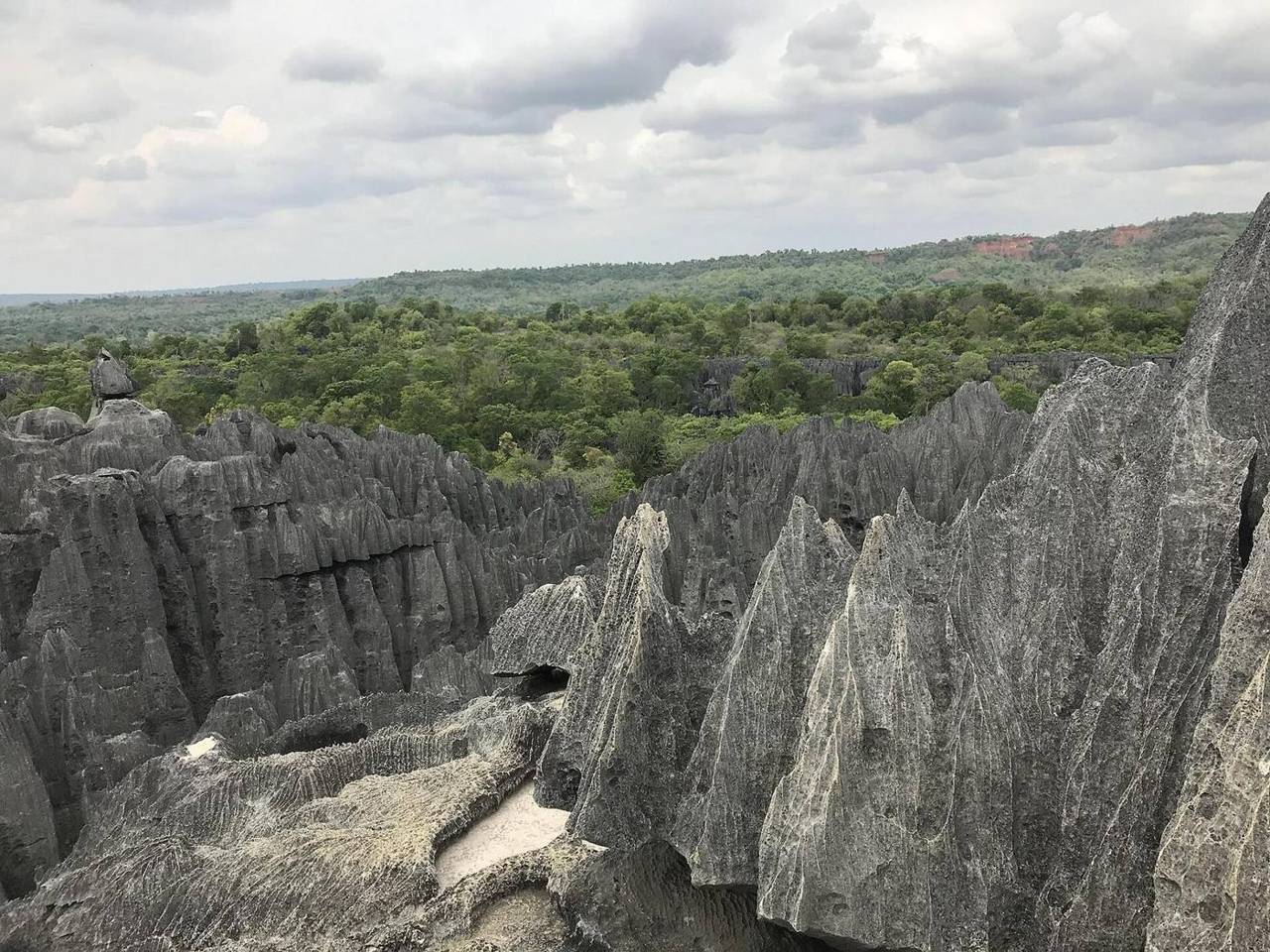
Tsingy de Bemaraha National Park, a UNESCO World Heritage Site, protects a limestone plateau carved by rain for millions of years into a labyrinth of sharp spires, narrow canyons, caves and forests. In Malagasy, tsingy means roughly the place where you cannot walk barefoot.
Early in the morning, before the heat, set off by 4x4 from the village to the north, on a track to the entrance of the Grands Tsingy. Enter with a local guide, which is compulsory, and pay the entry fee: check prices and times. The guide gives you a harness and a helmet.
The main circuit of the Grands Tsingy takes several hours and is difficult. You walk in canyons between rock walls, pass through caves and narrow cracks, then climb with metal ladders, steel cables and holds, as on a via ferrata, to the top of the spires. Up there you cross suspension bridges over the void, with a view over a sea of grey points stretching to the horizon.
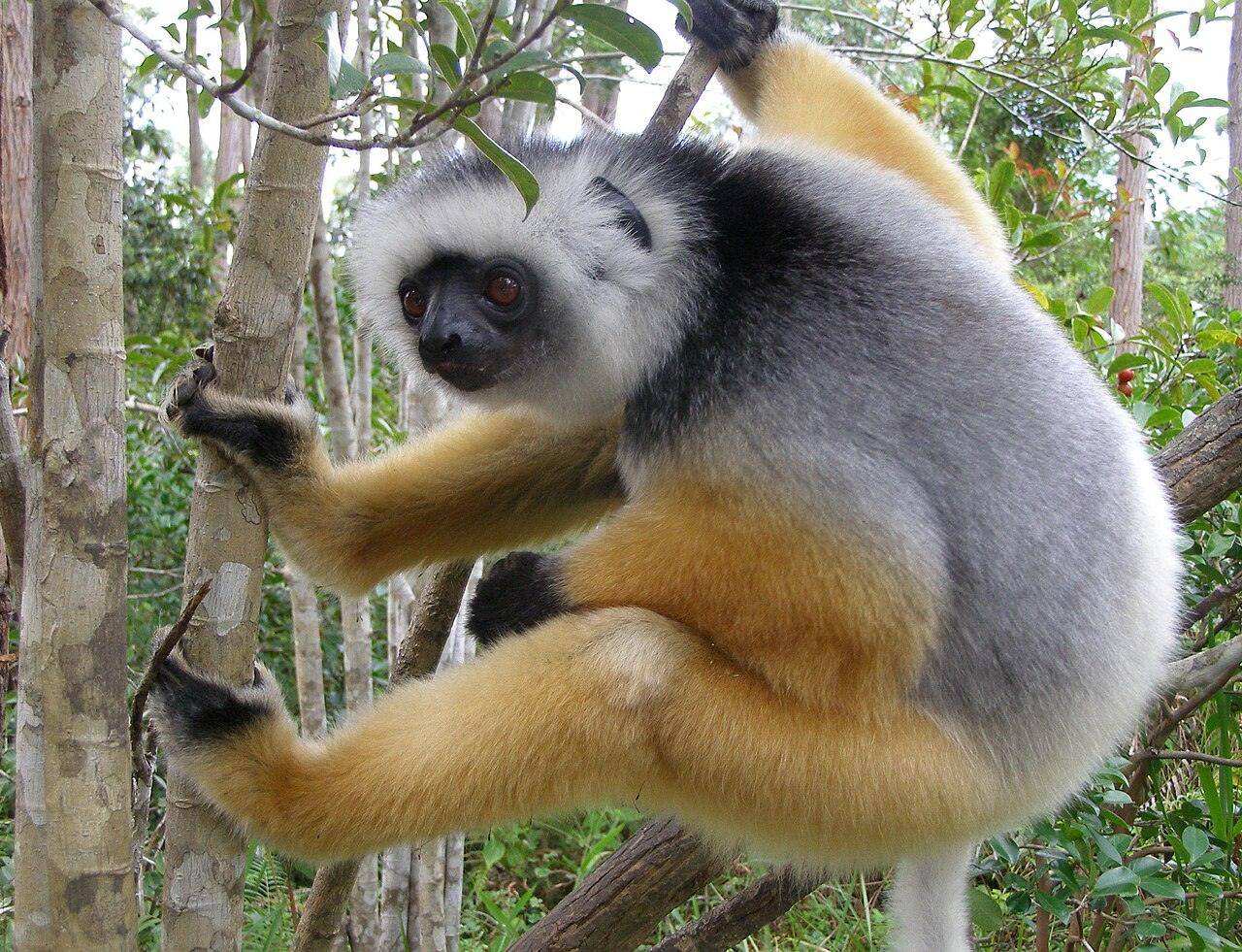
Along the way you see Decken's sifakas, white, leaping between the rocks, brown lemurs and the birds of the dry forest.
In the afternoon, return to Bekopaka and rest in the shade.
Overnight in Bekopaka.
Practical tip: if you suffer from vertigo, ask the guide for an easier circuit. You need gloves, hiking boots with a stiff sole, long trousers and at least two litres of water each.
- Day 5
The Petits Tsingy and the Manambolo gorges
Today you visit the Tsingy near the village and go down to the river.
Early in the morning, enter the Petits Tsingy with the guide, a short distance from Bekopaka. The spires are lower than in the Grands Tsingy, but the landscape is just as strange, and the trails, with ladders, walkways and a bridge, are less tiring. From the viewpoints you see the limestone points among the trees and, in the distance, the river valley. Check prices and times.
In the cracks in the rocks, look for the small animals that live here: lizards, chameleons and mouse lemurs, which sleep hidden in holes in the trees during the day.
In the afternoon, when the light is softer, get into a pirogue with a park boatman for the Manambolo gorges circuit, which takes about an hour and a half there and back. The river flows slowly between high, vertical limestone walls, with caves carved by the water, plants hanging over the rocks and birds flying above the pirogue.
The guide shows you the tombs of the Vazimba, the first inhabitants of the island according to tradition, hidden in the rock walls. They are sacred places: do not photograph them if the guide asks you not to and do not touch the offerings.
In the evening, have dinner in Bekopaka and look at the starry sky, with no lights around.
Overnight in Bekopaka.
Practical tip: in the pirogue wear a hat and sunscreen, and keep your phone and documents in a waterproof bag.
- Day 6
Back south and the Kirindy forest
Today you head back south on the same track, as far as the Kirindy forest.
Set off at dawn in the 4x4, cross the Manambolo again by ferry and follow the track south. At Belo-sur-Tsiribihina take the ferry over the Tsiribihina again and continue towards Morondava.
Before reaching town, leave the main road and reach the Kirindy forest, a protected forest reserve with a research station. It is a dry forest, with trees that lose their leaves in the dry season, huge baobabs and sandy trails. Pay the entry fee and the guide, which is compulsory: check prices and times.
In the afternoon, walk with the guide. The fossa lives here, the largest predator in Madagascar, like a small puma, with a long body and a thick tail. It is not easy to see, but in Kirindy it sometimes comes close to the trails and the station buildings, especially between October and November, in the mating season. You will almost certainly see Verreaux's sifakas, white, hopping upright between the trees, and brown lemurs.
Also look for the rare flat-tailed tortoise, which lives only in this region, and the large chameleons of the dry forest.
Today you sleep in Kirindy or nearby, so that you can do the night walk without travelling by road after dark.
Overnight in Kirindy, in simple accommodation.
Practical tip: in the dry forest temperatures vary a lot. The afternoon is hot, but at night, in July and August, it can be cool: bring a sweatshirt.
- Day 7
Kirindy by night
Today you spend the day in the forest, waiting for the night.
Early in the morning, when the forest wakes up, walk again with the guide. It is the best time to see the sifakas warming up in the sun, birds such as vangas and couas, and the many reptiles of the dry forest, such as Madagascar iguanas and harmless snakes.
During the hot hours, rest in the shade. Make the most of the station to read the signs and information about the scientific research in the forest, where lemurs and the fossa have been studied for years.
At sunset, set off with the guide for the night walk. With a torch you look for the eyes of animals shining among the branches. The star is Madame Berthe's mouse lemur, the smallest primate in the world, which weighs about thirty grams and fits in the palm of a hand. It lives only in this part of Madagascar. You see it leaping quickly among the thin branches, with huge eyes and round ears.
On the same night you can see other nocturnal lemurs, such as sportive lemurs, which sleep in holes in the trunks during the day, and sleeping chameleons, geckos and large spiders.
Use a dim light, do not shine it on the animals for long and do not use the flash.
Overnight in Kirindy.
Practical tip: on the night walk wear long trousers, closed shoes and repellent: in the forest there are mosquitoes, scorpions and thorny plants.
- Day 8
Morondava and the fishermen
Today you return to the coast and discover the sea people of the west.
In the morning, leave Kirindy and return to Morondava with your driver. Along the way, stop at the baobabs amoureux, the baobabs in love, two trees with intertwined trunks, at the heart of many local legends. Nearby are other sacred baobabs, where local people leave offerings: do not touch them and ask the guide about the fady, the traditional taboos of the place.
In the middle of the morning, take a pirogue with a local fisherman and cross the channel to the village of Betania, a Vezo fishing village on the sandbar in front of Morondava. The Vezo are a semi-nomadic fishing people, who live from the sea and move along the coast in outrigger pirogues with square sails. In the village you see huts of wood and leaves, nets spread in the sun, fish drying and children playing on the sand. Always ask before taking photos and leave a contribution for the community, as the guide suggests.
For lunch in Morondava, try grilled fish or prawns from the coast, with rice and fresh fruit juice.
In the afternoon, rest, then walk on the beach and watch the pirogues returning from fishing.
At sunset, if you like, go back to the Avenue of the Baobabs a second time, and return straight afterwards.
Overnight in Morondava.
Practical tip: on Morondava beach the sea eats away at the coast every year. Do not leave belongings unattended and swim only where local people do.
- Day 9
Flight to Antananarivo
Today you leave the west coast and return to the capital.
In the morning, if your flight leaves late, take a last walk in Morondava and visit the market, with dried fish, fruit and spices. Then go to the airport well in advance and take the domestic flight to Antananarivo. Confirm the time, because flights can change or be cancelled.
In the afternoon, in Antananarivo, rest and have a long shower after the dust of the track.
If you have time, visit the upper town, with its old brick houses, churches and stairways, or the craft market, where you find fabrics, woven baskets, objects of horn and wood, and spices. Buy only items you can export and ask for a receipt.
Alternatively, visit the Tsimbazaza botanical and zoological park, in the city, with plants and animals from all over Madagascar. Check prices and times.
In the evening, have dinner with a Malagasy dish, such as romazava, the stew of meat and greens, or grilled zebu, with rice, and try a vanilla dessert.
Overnight in Antananarivo.
If the flight from Morondava is cancelled, do not try to return by car at night: wait for the next flight or arrange the road journey by day with your operator.
Practical tip: keep medicines, documents and a change of clothes in your hand luggage. On domestic flights checked luggage can arrive on a later flight.
- Day 10
Departure
Today you leave Madagascar.
In the morning, if your flight leaves late, take a last walk in Antananarivo, around Lake Anosy. Then go to the airport well in advance.
Trip summary: in ten days you have seen Antananarivo and the Rova, the Avenue of the Baobabs at sunset, the long track of the west with the ferries over the Tsiribihina and Manambolo rivers, the Grands Tsingy with ladders, cables and suspension bridges over the spires, the Petits Tsingy, the Manambolo gorges by pirogue with the Vazimba tombs, the Kirindy forest with sifakas, the fossa and Madame Berthe's mouse lemur, the baobabs amoureux and the Vezo village of Betania. It is one of the most spectacular trips in Madagascar, but also one of the most tiring, with many hours on the track and a circuit in the Tsingy that requires good legs and no fear of heights.
When to go: the Tsingy park is usually open from mid-April to mid-November. The dates change every year depending on the rains: sometimes the track floods as early as the beginning of November and travellers are stuck for days. Ask your operator about track conditions before you leave. The safest months are from May to October. From December to March it rains a lot, the track becomes impassable and cyclones can arrive.
Practical tip: never buy animals, protected shells, stones from the Tsingy or precious woods: exporting them is forbidden.
One of the most incredible landscapes on the planet, but reachable only by 4x4 on very rough tracks. The park is open only from mid-April to mid-November: in the rains the road disappears. The Grand Tsingy walkways are not for anyone afraid of heights.
Before you go
- Documents and visa
- Passport valid for at least six months on entry, with blank pages and a return ticket. You need a tourist visa: it is issued on arrival at the airport or online in advance, between 7 days and 6 months before, on the official e-visa website. It is valid for up to 60 days. Declare large sums of foreign currency on arrival.
- Health and vaccines
- Malaria is present, especially on the coasts: ask your doctor about antimalarials. Plague is endemic in some rural areas: use repellent against fleas too. Drink only bottled water. Outside Antananarivo care is limited and serious cases go to South Africa or Réunion: you need insurance covering medical costs and repatriation.
- Money and payments
- Malagasy ariary. Bring euros in cash to change at banks or authorised offices; cards work only in towns and large hotels.
- Power sockets
- Types C and E, 220 volts: you need an adapter for British plugs.
- Time zone
- UTC+3 all year.
- Safety
- After violent protests in late September and early October 2025, a transitional government took office on 17 October 2025; demonstrations can happen again and roads can close at short notice. Armed robberies on main roads, especially at night: never travel by road after dark. For western roads such as the RN35, the British government advises using a recognised operator. Official advice: GOV.UK.
Information checked in November 2026 for Italian and EU citizens. Rules change: always check before you travel.
Variations
Shorter version: eight days, without the two nights in Kirindy, with a daytime visit to the forest on the way back.
Longer version: add three days in Andasibe at the start, for the indri and the rainforest of the east.
Frequently asked questions
When is the Tsingy de Bemaraha open?
Usually from mid-April to mid-November, but the dates depend on the rains. The safest months are from May to October: always ask your operator about track conditions.
Is the Grands Tsingy circuit difficult?
Yes. You climb with ladders, cables and a harness, as on a via ferrata, and cross suspension bridges. A guide is compulsory, and anyone who suffers from vertigo can choose an easier circuit.
Can you go to the Tsingy on your own?
It is not advisable. The track is very hard, and the British government advises travelling with a recognised tour operator on western roads. Organise the route by 4x4 with a driver and never travel at night.
Indicative itinerary written by World Atlas. Before booking, check timetables, seasonal openings, documents and safety.
 7 daysModerate
Andasibe and the Avenue of the Baobabs
Indri lemurs in the rainforest and the island's most famous sunset among the baobabs of Morondava.
 15 daysChallenging
Route Nationale 7 to the sea
The great journey south: highlands, lemur forests, the Isalo canyons and the Ifaty coral reef.
 10 daysEasy
Toliara and the south-west reef: Anakao and Ifaty
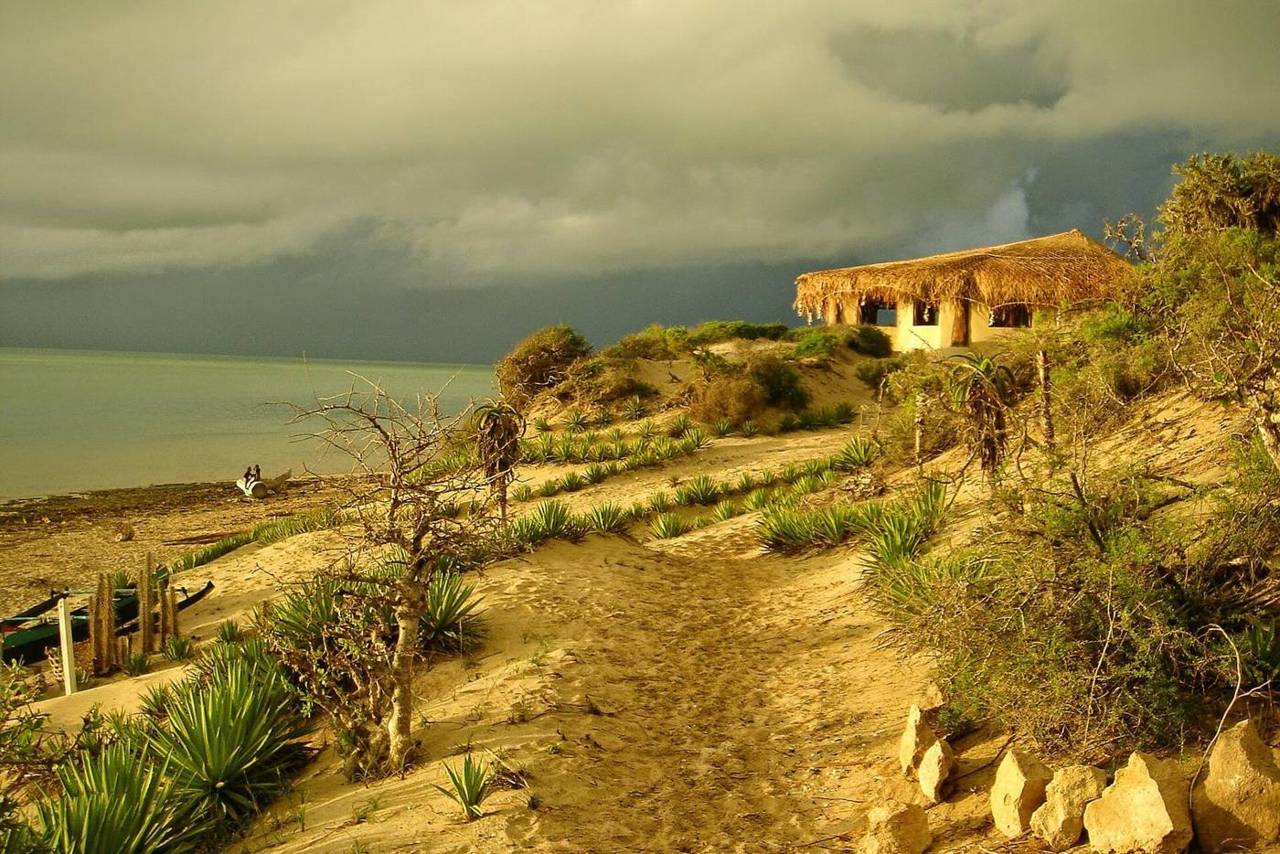
One of the world's longest coral reefs, Vezo fishing villages, Ifaty's spiny baobab forest and the island of Nosy Ve with its red-tailed tropicbirds.