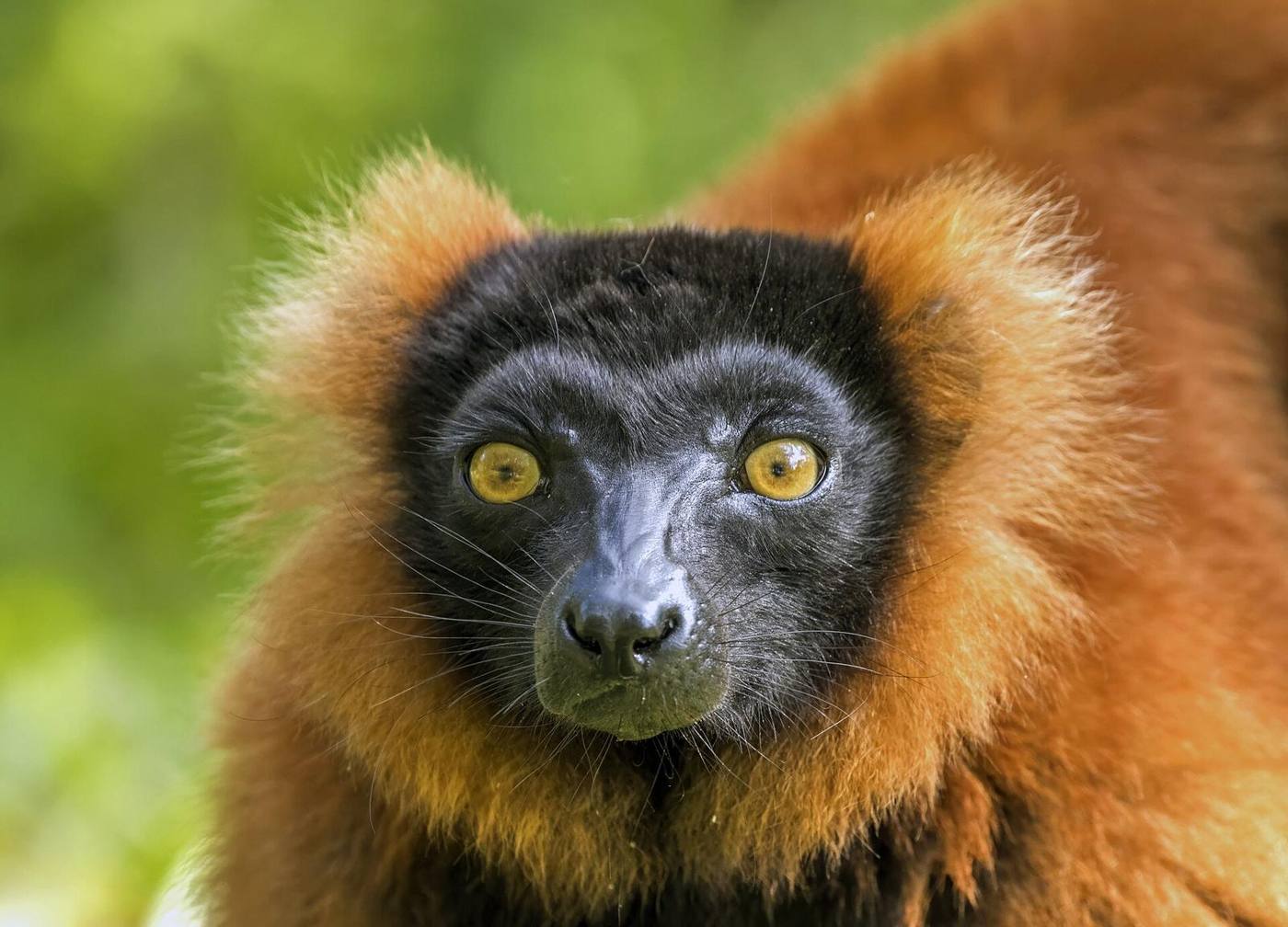
Masoala: the rainforest and the aye-aye
Madagascar's wildest peninsula, where the forest meets the coral reef: the red ruffed lemur, the aye-aye on Nosy Mangabe island and chameleons everywhere.
- Antananarivo
- Maroantsetra
- Nosy Mangabe
- Masoala
Day by day
- Day 1
Arrival in Antananarivo
This ten-day trip takes you to the most untouched part of Madagascar: the Bay of Antongil, the island of Nosy Mangabe, where you search for the aye-aye at night, and the Masoala peninsula, where the rainforest comes down to the coral reef. It is a trip for nature lovers, with simple accommodation, journeys by boat and plenty of rain.
Before you go: Italian citizens need a passport valid for at least six months on entry, with blank pages, a return ticket and a tourist visa, issued on arrival at the airport or online in advance, between 7 days and 6 months before, on the official e-visa website listed by Viaggiare Sicuri. Other nationalities should check their own rules. After violent protests in late September and early October 2025, a transitional government took office on 17 October 2025: avoid demonstrations and gatherings, because roads can close at short notice. There are armed robberies on main roads, especially at night: never travel by road after dark. Malaria is present: ask your doctor about antimalarials.
You land at the airport of Antananarivo, the capital, known to everyone as Tana, built on hills among the rice fields of the highlands.
In the afternoon, if you arrive early, go up with a driver to the Rova, the queen's palace complex on the highest hill, with views over the whole city. Check prices and times.
In the evening, stay at your accommodation or use an official taxi, and do not walk around the city after dark.
Overnight in Antananarivo.
Practical tip: there are no cash machines in Masoala. Change in Antananarivo all the ariary you will need for guides, boats and tips.
- Day 2
Flight to Maroantsetra
Today you fly to the north-east coast, to the head of the Bay of Antongil.
In the morning, take the domestic flight to Maroantsetra. Flights to this town are few and often irregular: confirm the time the day before, keep your phone on and allow at least one day of margin at the end of the trip. Maroantsetra has no reliable road links to the rest of Madagascar: you arrive by plane or by boat.
From the plane you see the forest, wide dark rivers and the great gulf of the Bay of Antongil, the largest bay in Madagascar.
Maroantsetra is a quiet town on a river delta, with wooden houses, canals, rice fields and palm trees. It is the gateway to Nosy Mangabe and Masoala, and it lives on rice, fishing and the spices of the region, such as vanilla and cloves.
In the afternoon, walk around town with a local guide. In the gardens and ditches around the houses, look for the tomato frog, a large bright red frog that lives almost only in this part of Madagascar. Then visit the market, with river fish, fruit and sacks of rice.
In the evening, meet your guide and organise the days by boat: times, supplies, waterproofs, drinking water.
Overnight in Maroantsetra.
Practical tip: pack everything in waterproof bags. Between boats, rain and humidity, your phone, documents and dry clothes are the most precious things on this trip.
- Day 3
Nosy Mangabe, the forest island
Today you reach by boat a small island covered in rainforest.
In the morning, when the sea is usually calmer, leave Maroantsetra on a motorboat. In about three quarters of an hour you reach Nosy Mangabe, a mountainous island in the Bay of Antongil, which is part of the Masoala park complex and where nobody lives permanently. Enter with a local guide, which is compulsory, and pay the entry fee: check prices and times.
On the island there is a camp with some basic facilities, where you spend the night in a tent. Leave your rucksack and set off straight away on the trails, which climb from the beach into the forest, among huge trees, lianas, streams and small waterfalls.
The guide shows you leaf-tailed geckos, which stay motionless on the trunks during the day, perfectly camouflaged like pieces of bark. Then look for black-and-white ruffed lemurs, large lemurs with black and white fur, white-fronted lemurs and chameleons.
In the afternoon, go down to the Dutch beach, on the west coast, where you can still see on the rocks the carvings left centuries ago by Dutch sailors who stopped here.
After dark, set off with the guide on the first search for the aye-aye, on the trails near the camp.
Overnight on Nosy Mangabe, in a tent, for two nights.
Practical tip: bring a light sleeping bag, a head torch and spare clothes in a dry bag. There are no shops on the island: supplies arrive by boat.
- Day 4
The night of the aye-aye
Today you spend another day on Nosy Mangabe, with the most awaited moment in the evening.
The aye-aye is one of the strangest lemurs in the world: nocturnal, with big eyes, bat-like ears, dark bristly fur and an extremely long, thin middle finger. It taps on branches with this finger, listens for the larvae moving inside the wood, then gnaws the bark and pulls them out. In the 1960s some aye-ayes were brought to Nosy Mangabe to protect them, and the island is still one of the best places to look for them in the wild.
In the morning, take a longer walk with the guide to the highest points of the island, with views over the bay and the Masoala forest on the horizon. Look for harmless snakes on the branches, frogs and birds.
In the afternoon, rest on the beach or swim near the camp, if the guide says the sea is calm.
After sunset, set off again with the guide. You walk slowly, in silence, with torches pointed at the canopy. The aye-aye is not always seen, because it is rare and moves high up, but when it happens you recognise the thin finger and the eyes in the beam of light. In the meantime you see mouse lemurs, woolly lemurs and sleeping chameleons.
Use a red or dim light, do not point the beam into the animals' eyes for long and do not use the flash.
Overnight on Nosy Mangabe, in a tent.
Practical tip: put on repellent at sunset and sleep under a mosquito net. Close your tent and food carefully, so as not to attract animals.
- Day 5
By boat to Masoala
Today you cross the Bay of Antongil to the Masoala peninsula.
Early in the morning, leave Nosy Mangabe by boat and sail south-east, along the west coast of the peninsula. The journey takes a few hours. Leave early, because in the afternoon the wind raises the waves and the sea in the bay gets rough. Check that there are life jackets on board for everyone and do not leave in bad weather.
Masoala National Park is one of the largest in Madagascar and part of the Rainforests of the Atsinanana, a UNESCO World Heritage Site. Here the forest comes down from the mountains to the sea, and off the coast there are marine parks with corals, mangroves and beaches.
Roughly between July and September, humpback whales also come into the bay to give birth. If you see them from the boat, the official rules require you to stay at least 100 metres away and not to watch an adult whale for more than one hour: ask the boatman to respect them.
You arrive in a bay on the west coast, near one of the villages of the peninsula. Settle into your accommodation, which is simple, often with electricity for only a few hours.
In the afternoon, walk on the beach and in the fields around the village, where families grow rice, vanilla and cloves.
Overnight in Masoala, for four nights.
Practical tip: always keep a rain poncho in your pocket. Masoala is the rainiest area in Madagascar and a downpour can arrive even when the sun is out.
- Day 6
The red ruffed lemur in the forest
Today you enter the forest of Masoala to look for the symbol of the peninsula.
Early in the morning, set off with a local guide, compulsory in the park. Pay the entry fee and the guide: check prices and times. The trails climb from the coast into the forest, cross streams on logs and stones and soon become muddy and steep.
The Masoala forest is very tall and dense, with trees covered in epiphytes, palms, ferns and orchids. In places, from the top of a hill, you see the forest running green down to the sea and the coral reef.
The red ruffed lemur lives only on the Masoala peninsula. It is a large lemur with dark red fur, a black tail and face and a pale collar. You hear it before you see it: groups let out very loud cries, like laughter, that echo through the forest. The guide follows the calls and takes you under the trees where the lemurs eat fruit and flowers, high in the canopy.
Along the way, also look for white-fronted brown lemurs, chameleons, leaf-tailed geckos and colourful frogs, and listen to the forest birds, such as the helmet vanga, with its blue bill.
In the afternoon, return to the village, dry off and rest.
At sunset, if you like, take a short night walk with the guide, where it is allowed.
Overnight in Masoala.
Practical tip: on the Masoala trails you need hiking boots with a sole that grips on mud, gaiters or long socks against leeches, and a trekking pole.
- Day 7
The reef of the marine park
Today you discover the sea of Masoala, protected like the forest.
Off the coast of the peninsula there are marine parks, areas of sea where fishing is limited and corals are protected. You go in with a guide or an authorised boatman and pay the park entry fee: check prices and times.
In the morning, when the water is clearer and the sea calmer, take a boat or a kayak to the coral reef. Snorkel over hard and soft corals, among parrotfish, butterflyfish, surgeonfish and starfish. With some luck you also see sea turtles and rays. Visibility changes a lot with the rain: after a storm the rivers carry dark water into the sea.
Follow the rules of the marine park: do not touch the corals, do not stand on the reef, do not collect shells and do not feed the fish. The official rules on marine wildlife forbid touching turtles and other large animals.
For lunch, stop on a beach, in the shade of the palms and the forest, with fish or coconut rice prepared by the boatman.
In the afternoon, if you like, paddle a kayak along the coast or among the mangroves at the mouth of a river, where crabs and water birds live.
In the evening, listen to the forest waking up, with frogs and insects singing.
Overnight in Masoala.
Practical tip: wear a long-sleeved T-shirt while snorkelling: the tropical sun burns quickly, even when the sky is cloudy.
- Day 8
Villages and forest of Masoala
Today you spend your last full day on the peninsula, between forest and villages.
In the morning, take a second walk in the forest with the guide, on a different trail, for example to a waterfall or along a river. If you did not see the red ruffed lemur on the first day, this is another chance. Look for the aye-aye by day too: sometimes the guide finds its nests in the branches or the marks of its bites on the bark.
Look at the plants of the forest: palms that grow only in Madagascar, large precious-wood trees protected by law, tree ferns and orchids on the branches.
In the afternoon, visit the village with the guide. You see houses of wood and palm leaves, pirogues carved from a single trunk, and fields of rice and vanilla. Vanilla is an orchid: each flower must be pollinated by hand, one by one, and then the pods are dried in the sun for weeks. Always ask before photographing people and leave a contribution for the community, as the guide suggests.
At sunset, sit on the beach and watch the light changing over the bay, with the fishermen's pirogues coming back.
In the evening, pack your rucksack for the boat journey back.
Overnight in Masoala.
Practical tip: buy vanilla directly in the village, in small amounts, and ask for a sealed pack. Do not buy precious woods, shells or animals: exporting them is forbidden.
- Day 9
Back to Maroantsetra and flight
Today you leave Masoala and head back to the capital.
Very early in the morning, with a calm sea, set off again by boat to Maroantsetra, crossing the Bay of Antongil once more. The journey takes a few hours. If the sea is too rough, the boatman may decide to wait: that is why it is important to have a day of margin before your international flight.
In Maroantsetra, take the domestic flight to Antananarivo. Today too, confirm the time, because flights can change or be cancelled. If the flight is cancelled, stay in Maroantsetra and leave the next day.
From the plane you look for the last time at the bay, the rivers and the forest stretching to the horizon, then the hills and rice fields of the highlands.
In the afternoon, in Antananarivo, rest and have a hot shower, after days of humidity and simple lodgings.
If you have time, visit the city's craft market, where you find fabrics, woven baskets, objects of horn and wood, and spices. Buy only items you can export and ask for a receipt.
In the evening, have dinner with a Malagasy dish, such as romazava, the stew of meat and greens, or grilled zebu, with rice.
Overnight in Antananarivo.
Practical tip: keep medicines, documents and a change of clothes in your hand luggage. On domestic flights checked luggage can arrive on a later flight.
- Day 10
Departure
Today you leave Madagascar.
In the morning, if your flight leaves late, take a last walk in Antananarivo, for example around Lake Anosy, with jacaranda trees that cover themselves in purple flowers in the southern spring, or in the upper town, with its old brick houses and stairways. Then go to the airport well in advance.
Trip summary: in ten days you have seen Antananarivo and the Rova, the town of Maroantsetra with its tomato frogs, the island of Nosy Mangabe with leaf-tailed geckos, the carvings of Dutch sailors and the night search for the aye-aye, then the Masoala peninsula, with the rainforest of the red ruffed lemur, the reef of the marine park, the vanilla villages and the boat crossings of the Bay of Antongil. It is one of the wildest trips in Madagascar, with few tourists, simple accommodation and plenty of rain, suitable for anyone willing to give up comforts to see untouched nature.
When to go: the best months are usually October to December, when it rains less and many species are active. From April to September you can still travel, but with more rain. Roughly between July and September, humpback whales arrive in the bay. From January to March it rains very heavily, the sea is often rough and cyclones can arrive.
Practical tip: before leaving, check your own country's import rules for vanilla and spices, and keep the receipts for purchases made in Madagascar.
For true naturalists: the most untouched Madagascar, with simple lodges reachable only by boat. It's the island's rainiest area, so always bring a waterproof. Best months: October-December. Flights to Maroantsetra are few and often irregular.
Before you go
- Documents and visa
- Passport valid for at least six months on entry, with blank pages and a return ticket. You need a tourist visa: it is issued on arrival at the airport or online in advance, between 7 days and 6 months before, on the official e-visa website. It is valid for up to 60 days. Declare large sums of foreign currency on arrival.
- Health and vaccines
- Malaria is present, especially on the coasts: ask your doctor about antimalarials. Plague is endemic in some rural areas: use repellent against fleas too. Drink only bottled water. Outside Antananarivo care is limited and serious cases go to South Africa or Réunion: you need insurance covering medical costs and repatriation.
- Money and payments
- Malagasy ariary. Bring euros in cash to change at banks or authorised offices; cards work only in towns and large hotels.
- Power sockets
- Types C and E, 220 volts: you need an adapter for British plugs.
- Time zone
- UTC+3 all year.
- Safety
- After violent protests in late September and early October 2025, a transitional government took office on 17 October 2025; demonstrations can happen again and roads can close at short notice. Armed robberies on main roads, especially at night: never travel by road after dark. For western roads such as the RN35, the British government advises using a recognised operator. Official advice: GOV.UK.
Information checked in November 2026 for Italian and EU citizens. Rules change: always check before you travel.
Variations
Shorter version: seven days, with Nosy Mangabe and two nights in Masoala.
Longer version: add two days in Andasibe at the start of the trip, to see the indri as well.
Frequently asked questions
Will you definitely see the aye-aye on Nosy Mangabe?
No. The aye-aye is rare and nocturnal, and it is not seen every night. Nosy Mangabe is one of the best places to look for it, with a guide and at least two nights on the island.
How much does it rain in Masoala?
Masoala is the rainiest area in Madagascar and it rains in every month. The best months are usually October to December; from January to March it rains very heavily and cyclones can arrive.
How do you get to Maroantsetra?
By plane from Antananarivo. Flights are few and often irregular: always confirm the time and allow a day of margin before your long-haul flight.
Indicative itinerary written by World Atlas. Before booking, check timetables, seasonal openings, documents and safety.
 7 daysModerate
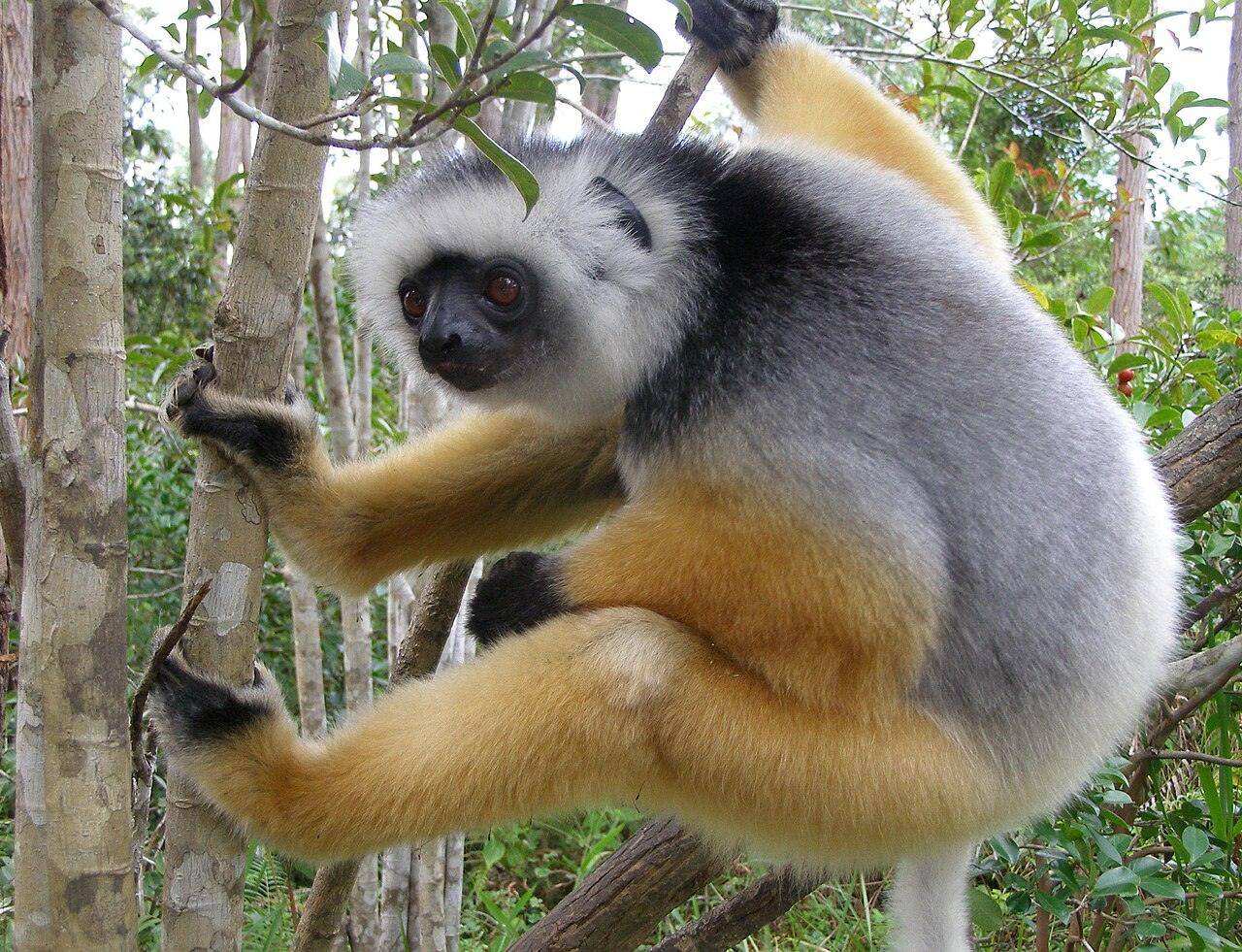
Andasibe and the Avenue of the Baobabs
Indri lemurs in the rainforest and the island's most famous sunset among the baobabs of Morondava.
 15 daysChallenging
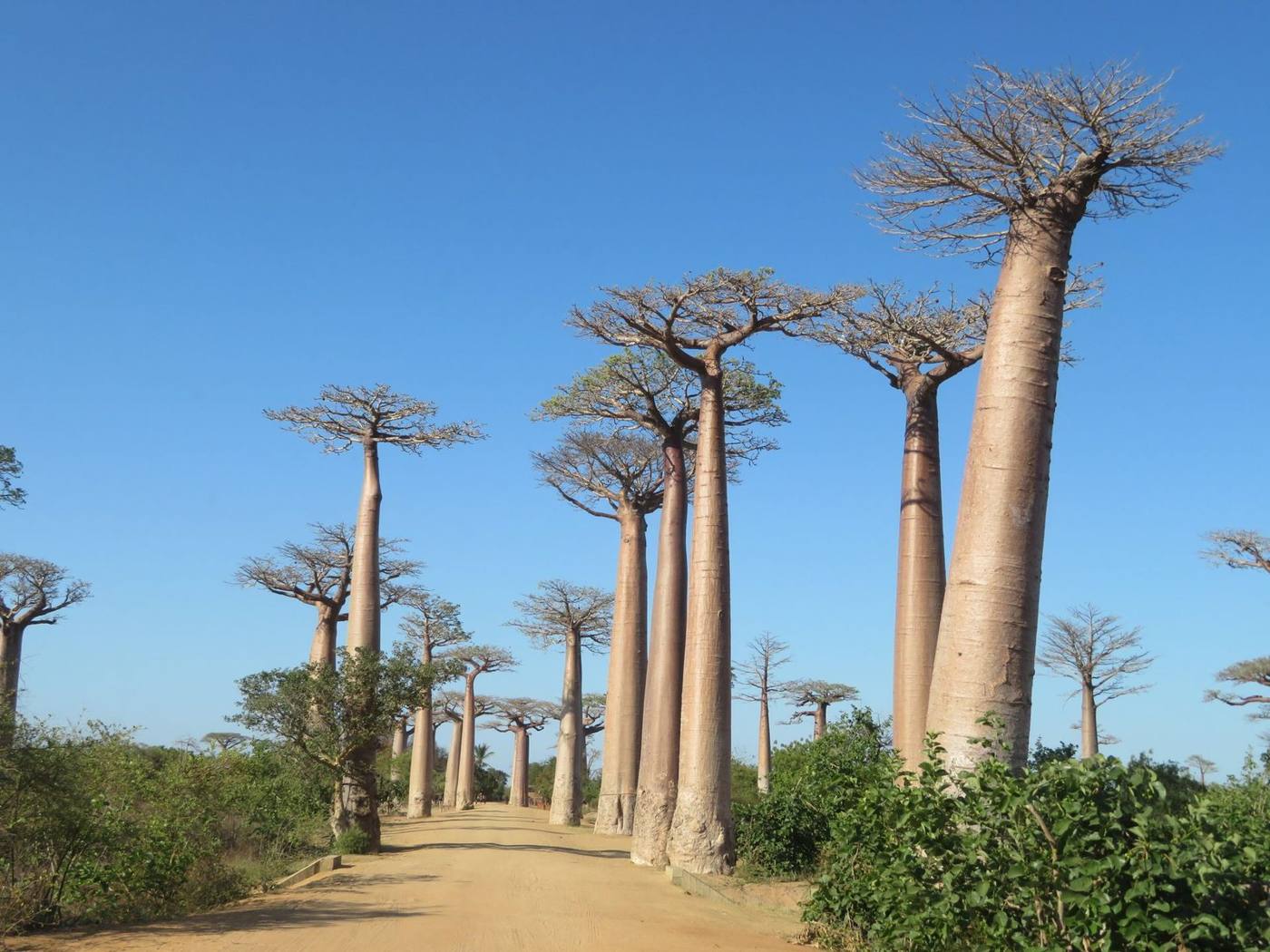
Route Nationale 7 to the sea
The great journey south: highlands, lemur forests, the Isalo canyons and the Ifaty coral reef.
 10 daysEasy
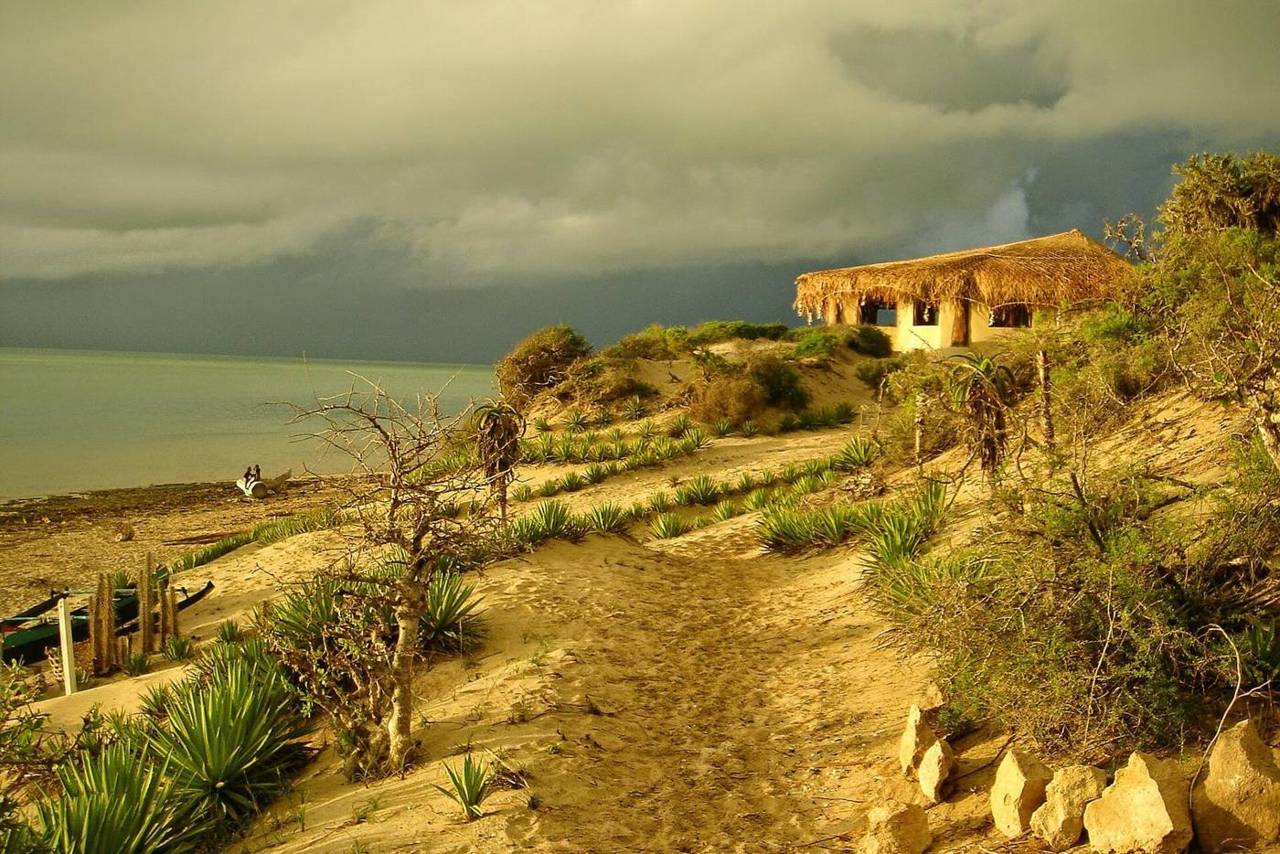
Toliara and the south-west reef: Anakao and Ifaty
One of the world's longest coral reefs, Vezo fishing villages, Ifaty's spiny baobab forest and the island of Nosy Ve with its red-tailed tropicbirds.