The Escapardenne Trail
The cross-border trail between Luxembourg and Belgium, from the Eislek Trail between Ettelbruck and Kautenbach to the Lee Trail on to La Roche-en-Ardenne.
- Ettelbruck
- Bourscheid
- Hoscheid
- Kautenbach
- Clervaux
- La Roche-en-Ardenne
Day by day
- Day 1
From Ettelbruck to Bourscheid along the Sûre
This trek follows the Escapardenne, the long-distance path between the Luxembourg and Belgian Ardennes, with the European Leading Quality Trail label. It has two parts: the Escapardenne Lee Trail, about 52 kilometres from Ettelbruck to Kautenbach, all in Luxembourg, and the Éislek Trail, about 107 kilometres from Kautenbach to La Roche-en-Ardenne, in Belgium. In these four days you walk the Lee Trail, with plenty of ups and downs among woods, rocky ridges and deep valleys.
Before you go: Italian citizens enter Luxembourg with an electronic identity card or a passport: the country is in the European Union and the Schengen area. Italian paper identity cards are no longer valid for travel abroad from 3 August 2026. Other nationalities should check their own rules. Luxembourg is very safe, but unexploded ordnance from the Second World War remains in the northern woods: stay on marked paths and do not touch metal objects. Since 1 March 2020 buses, trams and second class trains need no ticket anywhere in the country.
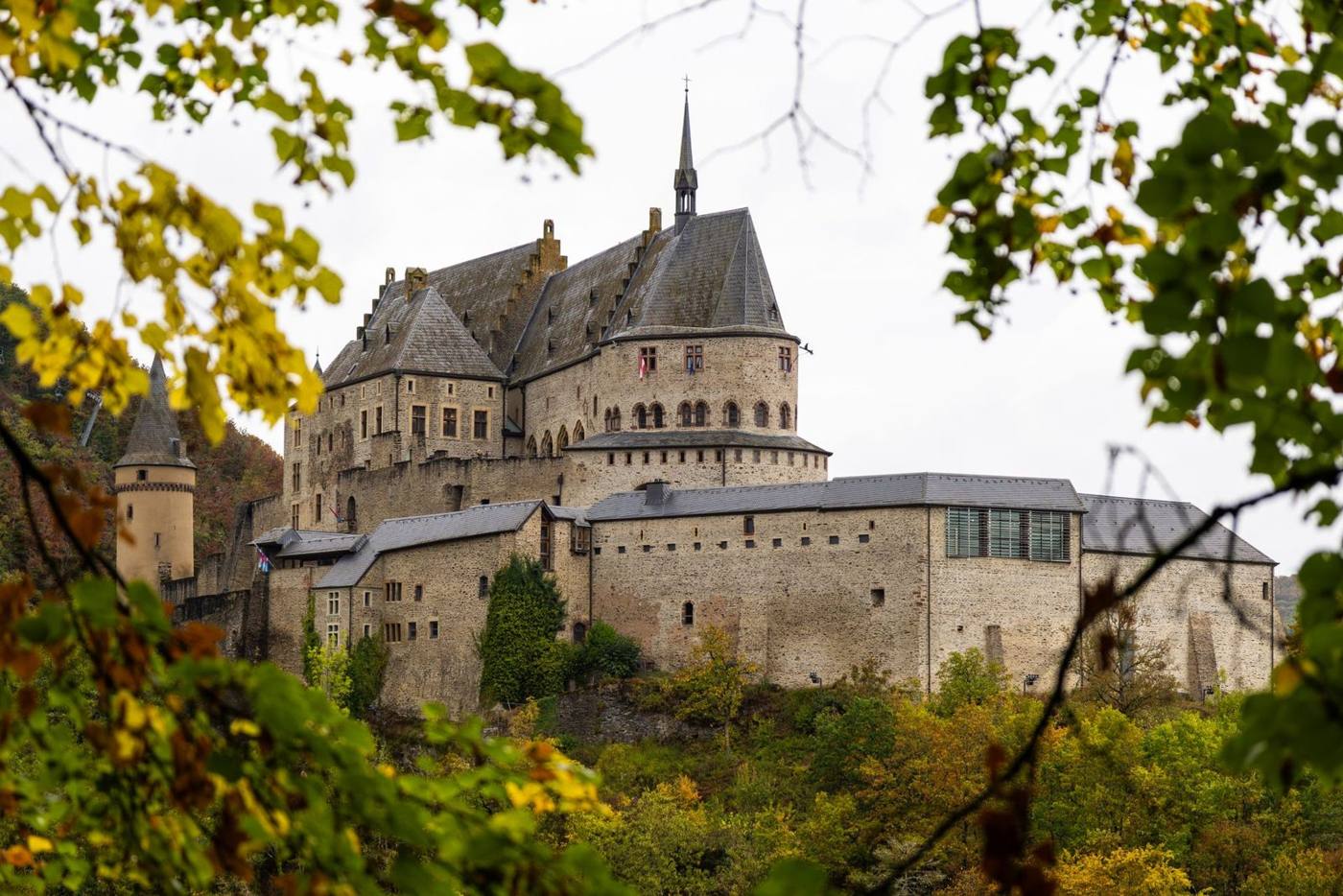
You arrive by train in Ettelbruck, the gateway to the Ardennes. The first stage, about 18 kilometres, is the hardest: about 730 metres of climbing. You pass Erpeldange-sur-Sûre, the Priedegtstull viewpoint and the village of Michelau, then climb to the Gringlee viewpoint, looking over Bourscheid Castle above the Sûre. Finally you go down to Bourscheid-Moulin, on the river.
Sleep in Bourscheid-Moulin or nearby.
Practical tip: accommodation along the trail is scarce; book every night before you leave and ask whether they arrange luggage transport between stages.
- Day 2
From Bourscheid to Hoscheid
On the second day the official stage runs from Bourscheid-Moulin to Goebelsmühle, about 13.5 kilometres, easier than the first, with about 450 metres of climbing.
In the morning, if you have time, climb to Bourscheid Castle, one of the largest in the country, on a spur above the river. Check prices and times.
Then the path follows the Sûre valley, through oak and beech woods, and climbs to two viewpoints, the Napoleonsknäppchen and the Rouschtert, from where you see the river tracing tight loops between the hills. Go down to the village of Dirbach and continue to Goebelsmühle, a small hamlet with a station, where the Sûre meets the Wiltz valley.
The third official stage starts at Goebelsmühle. If your legs still have something left, take the path up the Schlënner valley and the Molberlee ridge to the plateau of Hoscheid, a village of fields and meadows high above the valleys. That way tomorrow's stage will be shorter.
Sleep in Hoscheid, or in Goebelsmühle if you prefer to stop earlier.
Remember that in the northern woods there may still be wartime ordnance: never leave the marked path.
Practical tip: northern line trains stop at Goebelsmühle; if the weather turns bad, you can skip a section and rejoin the trail the next day.
- Day 3
From Hoscheid to Kautenbach along the ridges
Today you complete the Lee Trail. The third stage, from Goebelsmühle to Kautenbach, is about 20.5 kilometres long, with about 820 metres of climbing: together with the first, it is the toughest. If you reached Hoscheid yesterday, today you have the ridge section left.
From Hoscheid the path drops into the woods and then runs along a series of rocky ridges, the Hoflee, the Hockslee and the Ueweschleed. Here the ground is narrow and stony, with bare rock in places, and the hillsides fall steeply towards the Wiltz valley. The views open over woods covering the whole region, with hardly a house in sight. Carry water and food for the whole day, because there is nowhere to buy refreshments on the ridges.
The last viewpoint is the Bomm, above Kautenbach. From here you see the village at the bottom of the valley, where the Wiltz meets the Clerve.
Go down to Kautenbach, a small village with a station, where the Lee Trail ends and the Éislek Trail towards Belgium begins.
Sleep in Kautenbach or take the train back to Ettelbruck.
Practical tip: on the rocky ridges watch your footing, especially in the rain; poles help a lot on the steep descents into the valley.
- Day 4
Back by train or the Éislek Trail to Clervaux
On the last day you have two choices.
The first is to rest and go home. From Kautenbach, northern line trains run down to Ettelbruck and the capital, and in second class no ticket is needed. Before leaving, walk along the Wiltz, among meadows and woods, at the point where the two valleys meet.
The second is to continue on the Éislek Trail. Its first stage, about 24 kilometres, runs from Kautenbach to Clervaux, passing near Lellingen, among open hills, woods and narrow valleys. You arrive in Clervaux, with its white castle and the photographic exhibition The Family of Man. From Clervaux you take the train back south. With more days you can carry on to La Roche-en-Ardenne, in Belgium, in four more stages.
In these four days you have walked from Ettelbruck to Bourscheid, seen the castle from the Gringlee, followed the Sûre to Goebelsmühle, climbed to Hoscheid and walked the ridges to Kautenbach.
When to go: from May to October. In spring the woods are green and the days long, in autumn the hills turn red and gold. In summer it is hot on the exposed climbs: start early. After rain the rocky ridges are slippery.
Practical tip: if you choose the Éislek Trail, check train times from Clervaux before setting off, because services are less frequent in the evening.
A little-known but high-quality trek, with plenty of ups and downs through woods and valleys. Stages are 15-20 km. Lodging along the route is scarce and must be booked; baggage transfer can be arranged. No-cost trains link Ettelbruck and Kautenbach for the return.
Before you go
- Documents and visa
- EU citizens need a valid identity card or passport: Luxembourg is in the EU and the Schengen area. Always carry your document. Other nationalities should check the Schengen rules.
- Health and vaccines
- No vaccines required. EU citizens should bring their EHIC. Emergencies: 112; police 113.
- Money and payments
- Euro. Cards are accepted almost everywhere, even for small amounts. The country is expensive, above all for accommodation and eating out.
- Power sockets
- Types C and F, 230 volts: you need an adapter for British plugs.
- Time zone
- Central European Time (UTC+1, summer UTC+2), one hour ahead of the UK.
- Safety
- A very safe country: the United States has rated it level 1 since 8 April 2026. Watch out for pickpockets at the main railway station, on buses and at tourist sites. In the north and east, unexploded ordnance from both world wars remains in woods and fields: stay on marked paths and do not touch metal objects. Since 1 March 2020 buses, trams and second class trains need no ticket anywhere in the country; first class and journeys beyond the border must be paid for. Official advice: GOV.UK.
Information checked in November 2026 for Italian and EU citizens. Rules change: always check before you travel.
Variations
In 2 days: the first stage to Bourscheid and the second to Goebelsmühle, returning by train.
In 9 days: walk the whole Escapardenne, the Lee Trail and the Éislek Trail, to La Roche-en-Ardenne in Belgium.
Frequently asked questions
How long is the Escapardenne?
The Lee Trail, from Ettelbruck to Kautenbach, is about 52 kilometres in three stages. The Éislek Trail, from Kautenbach to La Roche-en-Ardenne, is about 107 kilometres in five stages.
Can you get back by train?
Yes. Ettelbruck, Michelau, Goebelsmühle, Kautenbach and Clervaux are on the northern railway line. In second class no ticket is needed.
Is the trail difficult?
It is of medium level but tiring, with many ups and downs: the first and third stages each have more than 700 metres of climbing. You need to be fit and wear walking shoes.
Indicative itinerary written by World Atlas. Before booking, check timetables, seasonal openings, documents and safety.
 2 daysEasy
The Minett, the red earth
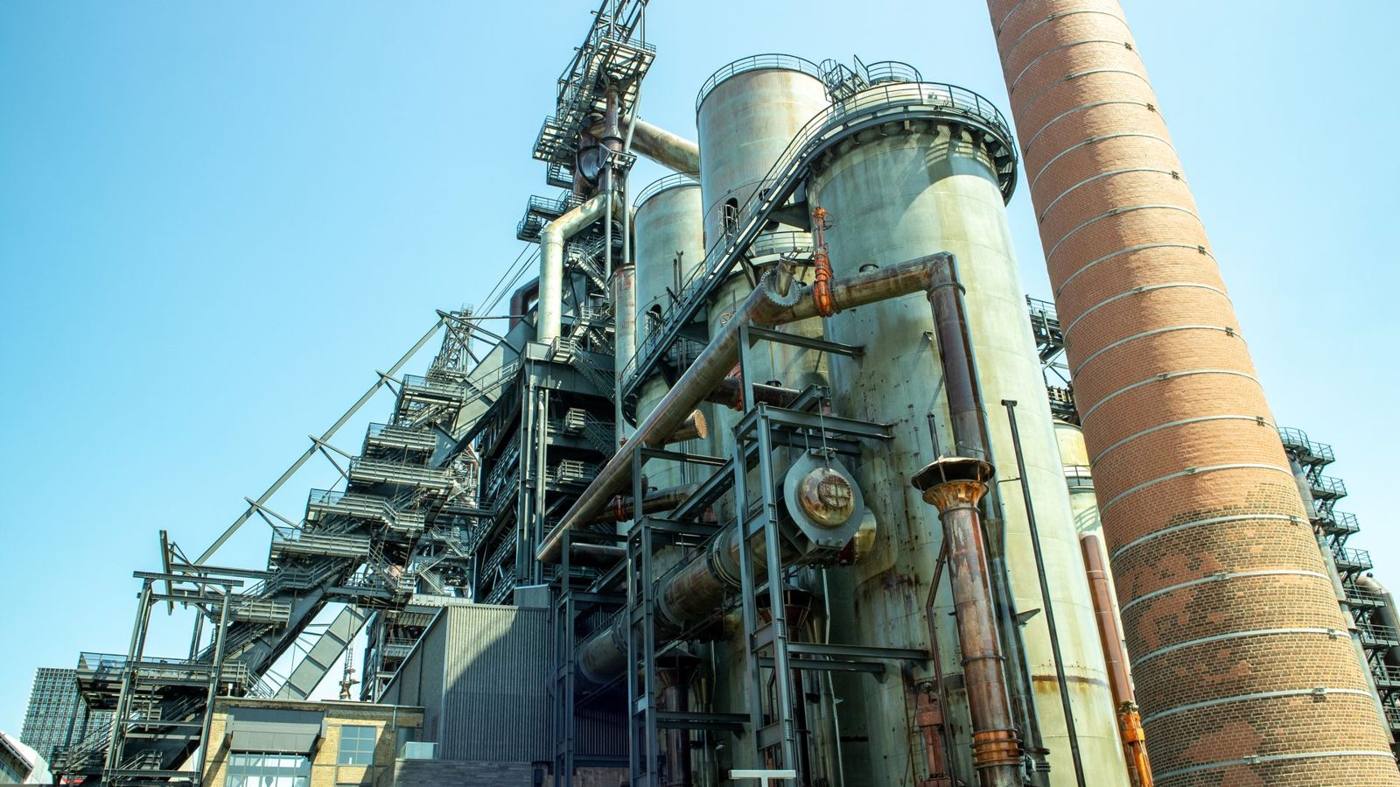
The industrial south: the Belval blast furnaces, the Rumelange mine, the Fond-de-Gras steam train and former open-cast mines turned into a UNESCO biosphere reserve.
 7 daysEasy
The complete Luxembourg
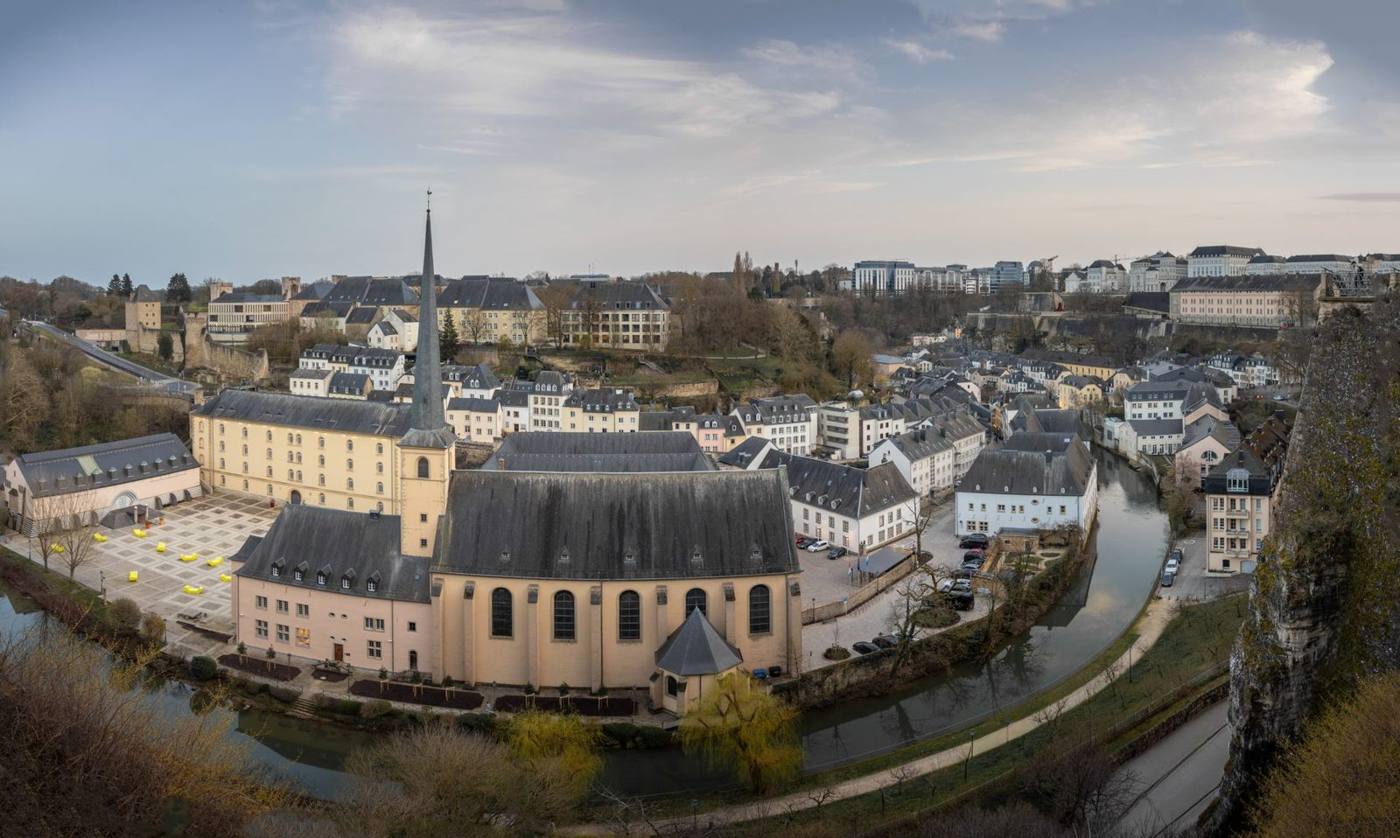
The whole Grand Duchy in a week: the capital, the wine Moselle, the Mullerthal, the northern castles and the Minett, without ever changing hotel.
 2 daysEasy
The Valley of the Seven Castles
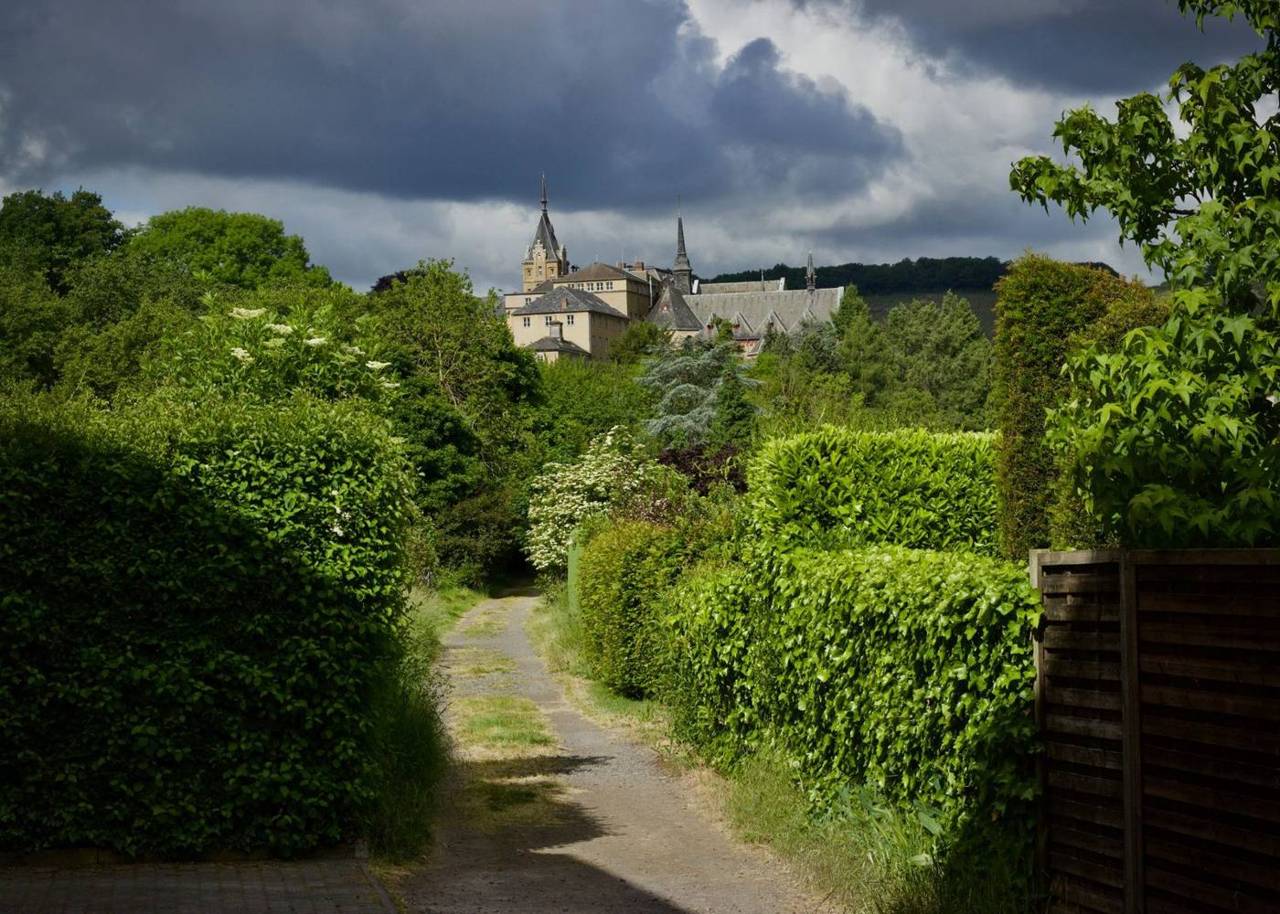
A walking or cycling route in the Eisch valley through Mersch, Schoenfels, Hollenfels, the two castles of Ansembourg, Septfontaines and Koerich.