The complete Luxembourg
The whole Grand Duchy in a week: the capital, the wine Moselle, the Mullerthal, the northern castles and the Minett, without ever changing hotel.
- Luxembourg
- Remich
- Echternach
- Mullerthal
- Vianden
- Clervaux
- Esch-sur-Alzette
Day by day
- Day 1
The capital: the Ville Haute and the Bock casemates
This trip shows the whole Grand Duchy in a week: the capital, the Moselle wine country, the rocks of the Mullerthal, the castles of the north and the Minett, the land of iron. The country is small, about 80 kilometres from north to south, so you can keep a single hotel and travel out each day by public transport or car. The languages are Luxembourgish, French and German, and English is spoken almost everywhere.
Before you go: Italian citizens enter Luxembourg with an electronic identity card or a passport: the country is in the European Union and the Schengen area. Italian paper identity cards are no longer valid for travel abroad from 3 August 2026. Other nationalities should check their own rules. Luxembourg is very safe; watch out for pickpockets at the main station and on buses. Unexploded ordnance from the world wars remains in the woods of the north and east: stay on marked paths. Since 1 March 2020 buses, trams and second class trains need no ticket anywhere in the country: first class must be paid for.
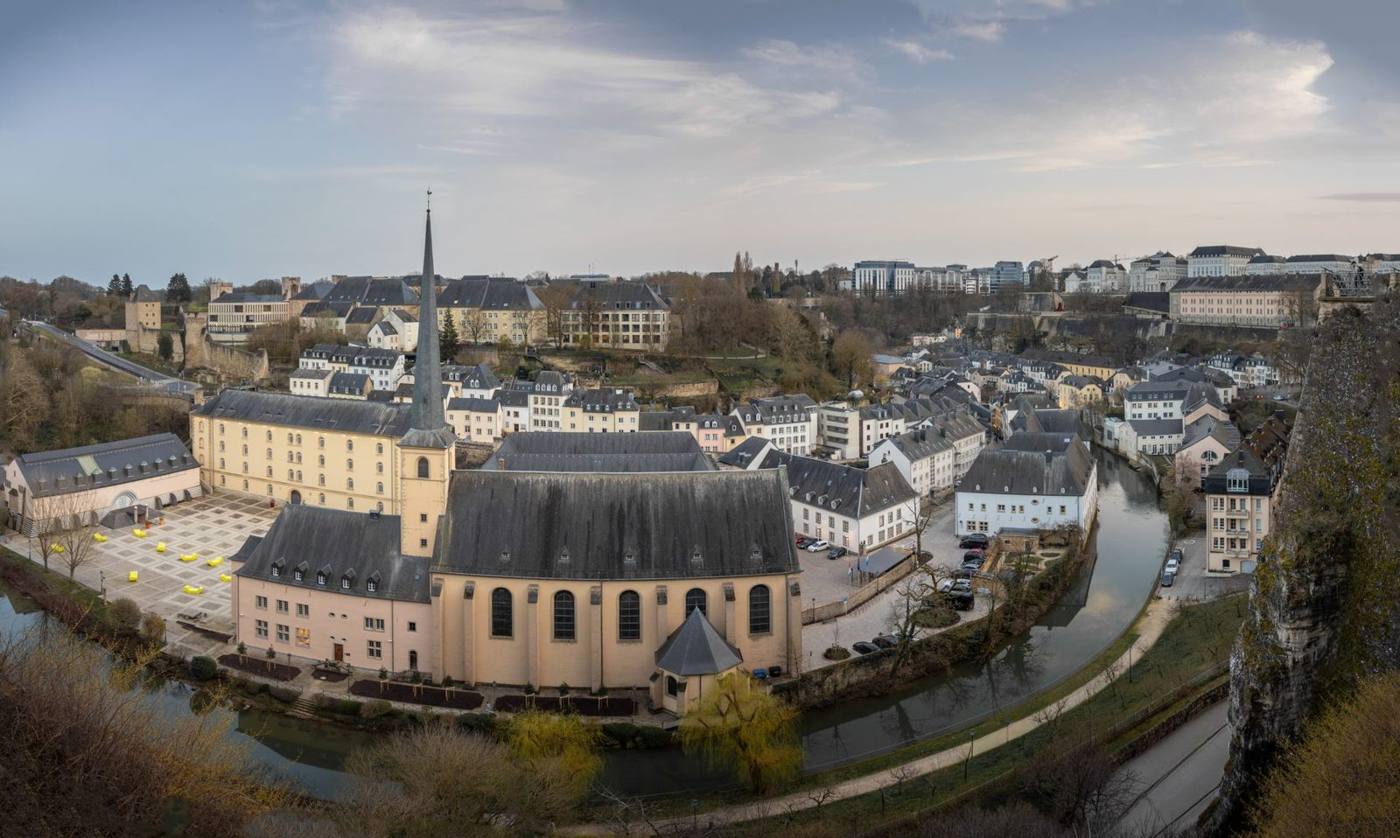
Start at Place d'Armes and the Grand Ducal Palace, with its Renaissance façade, then go into Notre-Dame Cathedral. Go down to the Bock, the rock where the city was born in 963, and visit the casemates, the galleries dug into the rock, on a guided tour. Check prices and times.
In the afternoon, walk along the Chemin de la Corniche, above the Alzette valley, and in the evening go down to the Grund for dinner.
Practical tip: staying outside the capital costs less; choose a hotel near a station, so each morning you set off by train with no ticket.
- Day 2
The capital: Pfaffenthal and Kirchberg
On the second day, stay in the city. In the morning, go down in the Pfaffenthal panoramic lift, the glass cabin that runs from the Ville Haute to the district at the bottom of the valley. Then walk to Pfaffenthal-Kirchberg station and ride the funicular up to the plateau, beneath the Red Bridge.
In Kirchberg you see the buildings of the European institutions, the Court of Justice of the European Union and the white Philharmonie. Visit Fort Thüngen, with its museum telling the story of the fortress, and next door MUDAM, the modern art museum designed by I. M. Pei. Check prices and times. If the weather is fine, take a break in the park around the fort, from where you see the old town across the valley.
In the afternoon, take the tram back to the centre and walk in the Pétrusse valley, a green park below the walls, with the Adolphe Bridge high above you. Climb to Place de la Constitution, where the Gëlle Fra, the golden woman, commemorates those who died in the wars.
In the evening, try Luxembourg cooking: kniddelen, flour dumplings with bacon, or bouneschlupp, green bean soup, with a glass of Moselle wine.
Practical tip: the city's tram and public lifts are used with no ticket; download the official transport app to see real-time times.
- Day 3
The Moselle: Schengen and Remich
Today you head south-east, into the Moselle valley, the river that forms the border with Germany. You get there by bus or car in under an hour.
Start in Schengen, where Luxembourg, France and Germany meet. Here, on 14 June 1985, on a boat on the Moselle, five countries signed the agreement that led to a Europe without border checks. Visit the European Museum Schengen, on the riverside, and look at the steles of the monument to the agreement outside. Check prices and times.
Between Schengen and Remich the road passes through winegrowers' villages such as Schwebsingen and Bech-Kleinmacher, with stone houses and family cellars. The hills are planted mainly with white grapes: Riesling, Auxerrois, Pinot Gris and Elbling.
Then head north among the vine-covered hills to Remich, the pearl of the Moselle. Walk along the esplanade by the river and visit one of the cellars producing crémant de Luxembourg, the sparkling wine with a designation of origin made with a second fermentation in the bottle. Many visits end with a tasting. Check prices and times.
In the warmer months you can board a boat that sails along the river, between the vineyards of both banks.
In the evening, return to the capital.
Practical tip: if you taste wine, leave the car and take the bus; in Luxembourg drink-driving checks are strict.
- Day 4
Echternach and the Mullerthal
On the fourth day, head east to Echternach, about an hour by bus. It is the oldest town in the country, on the Sûre, on the German border. Visit the Basilica of Saint Willibrord, the monk who founded an abbey here at the end of the seventh century, with his tomb in the crypt. Every year, on Whit Tuesday, the town hosts the hopping procession, on UNESCO's intangible heritage list.
Then walk in the Mullerthal, Luxembourg's Little Switzerland. Leave town on foot and climb to the Wolfsschlucht, the Wolf's Gorge, a narrow corridor between moss-covered sandstone walls. The path continues among rocks, clefts and stone steps towards Berdorf, on Route 2 of the Mullerthal Trail. Near Berdorf lies the Hohllay, a large cave in the rock where millstones were cut for centuries. Route 2 is about 40 kilometres long: today you see only its most spectacular stretch.
In the afternoon, go by bus or car to the Schiessentümpel, the small three-step waterfall beneath a little stone bridge, on the Black Ernz. It is the most photographed spot in the region.
In the rain the rocks are slippery: wear walking shoes.
In the evening, return to the capital.
Practical tip: at summer weekends the narrow passages of the Mullerthal are crowded; if you can, do this day on a weekday.
- Day 5
Vianden and Bourscheid
Today you go north, into the Oesling, the part of the country that belongs to the Ardennes. By car you reach Vianden in under an hour; by public transport, take the train to Ettelbruck and then the bus.
Vianden lies on the banks of the Our, on the German border. Above the village stands the castle, built between the eleventh and fourteenth centuries and restored after lying in ruins for a long time. Visit the halls and the chapel. Check prices and times. Then take the chairlift, which in the warmer months climbs the hill opposite, and on the way down pass the house where Victor Hugo stayed in 1871, now a small museum.
In the afternoon, go to Bourscheid, in the Sûre valley. The castle stands on a rocky spur above the river and is one of the largest in the country, mostly a very well-kept ruin. Climb the towers to see the river's bend and the woods. Check prices and times.
If you have time, look down on the castle from the Gringlee viewpoint, on the hill opposite. The path climbs through the woods and the best light is in the late afternoon.
Practical tip: this day is easier by car, because buses between Vianden and Bourscheid are few; if you use public transport, check the times the evening before.
- Day 6
Clervaux and Esch-sur-Sûre
On the sixth day, go even further north to Clervaux, on the northern line train, in about an hour. The small town lies in a narrow valley, with the white castle below and the Benedictine abbey on the hill.
In the castle, visit The Family of Man, the photographic exhibition conceived by Edward Steichen, a photographer born in Luxembourg, for the Museum of Modern Art in New York in 1955: 503 photographs by 273 photographers from 68 countries. It has been on UNESCO's Memory of the World Register since 2003. In 2026 it is open from 18 March to 31 December, Wednesday to Sunday. Check prices and times.
In front of the castle stands a tank, a reminder of the Battle of the Bulge in the winter of 1944.
In the afternoon, go down to Esch-sur-Sûre, a village squeezed into a loop of the river, with the castle ruins above the rock. A little upstream lies the Upper Sûre Lake, which supplies drinking water to much of the country: motorboats are not allowed and in summer people swim at the marked beaches. You can also hire a kayak and paddle among the wooded inlets: check prices and times.
In the evening, return to the capital.
Practical tip: give the Clervaux exhibition at least two hours; arrive when it opens, at noon, and keep Esch-sur-Sûre for the late afternoon.
- Day 7
The Minett and departure
On the last day, go south into the Minett, the red land of iron, half an hour by train from the capital. Here mines and steelworks made the country rich, with thousands of workers arriving from Italy too.
At Belval, in Esch-sur-Alzette, climb blast furnace A on foot, shut down in the late 1990s, up iron stairs and walkways to the platforms at the top. A new district has grown up around it, with the university. Check prices and times. If it is a Sunday in the warmer months, go instead to Fond-de-Gras, where the historic train and the mine train enter the galleries of the old mine: check prices and times. Since 2020 the Minett has been a UNESCO biosphere reserve.
Then return to the capital and set off home.
In these seven days you have seen the capital with its casemates, the Grund and Kirchberg, Schengen and the Moselle wine country, Echternach and the rocks of the Mullerthal, the castles of Vianden and Bourscheid, The Family of Man in Clervaux, Esch-sur-Sûre and the blast furnaces of the Minett.
When to go: from May to September, with long days, castles open and historic trains running. In September and October the grape harvest takes place on the Moselle; in December the capital lights up for Winterlights.
Practical tip: Findel airport is close to the capital and reached by bus, with no ticket, like all public transport in the country.
The country is small, about 80 km from north to south: you can keep a single base and travel each day by no-cost public transport or car. Staying outside the capital is cheaper. The languages are Luxembourgish, French and German, and English is spoken everywhere.
Before you go
- Documents and visa
- EU citizens need a valid identity card or passport: Luxembourg is in the EU and the Schengen area. Always carry your document. Other nationalities should check the Schengen rules.
- Health and vaccines
- No vaccines required. EU citizens should bring their EHIC. Emergencies: 112; police 113.
- Money and payments
- Euro. Cards are accepted almost everywhere, even for small amounts. The country is expensive, above all for accommodation and eating out.
- Power sockets
- Types C and F, 230 volts: you need an adapter for British plugs.
- Time zone
- Central European Time (UTC+1, summer UTC+2), one hour ahead of the UK.
- Safety
- A very safe country: the United States has rated it level 1 since 8 April 2026. Watch out for pickpockets at the main railway station, on buses and at tourist sites. In the north and east, unexploded ordnance from both world wars remains in woods and fields: stay on marked paths and do not touch metal objects. Since 1 March 2020 buses, trams and second class trains need no ticket anywhere in the country; first class and journeys beyond the border must be paid for. Official advice: GOV.UK.
Information checked in November 2026 for Italian and EU citizens. Rules change: always check before you travel.
Variations
In 4 days: the capital, the Moselle and Vianden, by public transport.
In 10 days: add two days on foot on the Mullerthal Trail and a stage of the Escapardenne Lee Trail in the Ardennes.
Frequently asked questions
Do you need a car to get around Luxembourg?
No, trains, buses and trams go almost everywhere and need no ticket in second class. A car is only more convenient in parts of the north, such as Bourscheid, where buses are few.
Is it worth changing hotels during the trip?
There is no need. The country is about 80 kilometres from north to south: with a single base near a station you reach every area in an hour or a little more.
Which languages are spoken?
Luxembourgish, French and German, the official languages. English is spoken almost everywhere, especially in the capital.
Indicative itinerary written by World Atlas. Before booking, check timetables, seasonal openings, documents and safety.
 2 daysEasy
The Valley of the Seven Castles
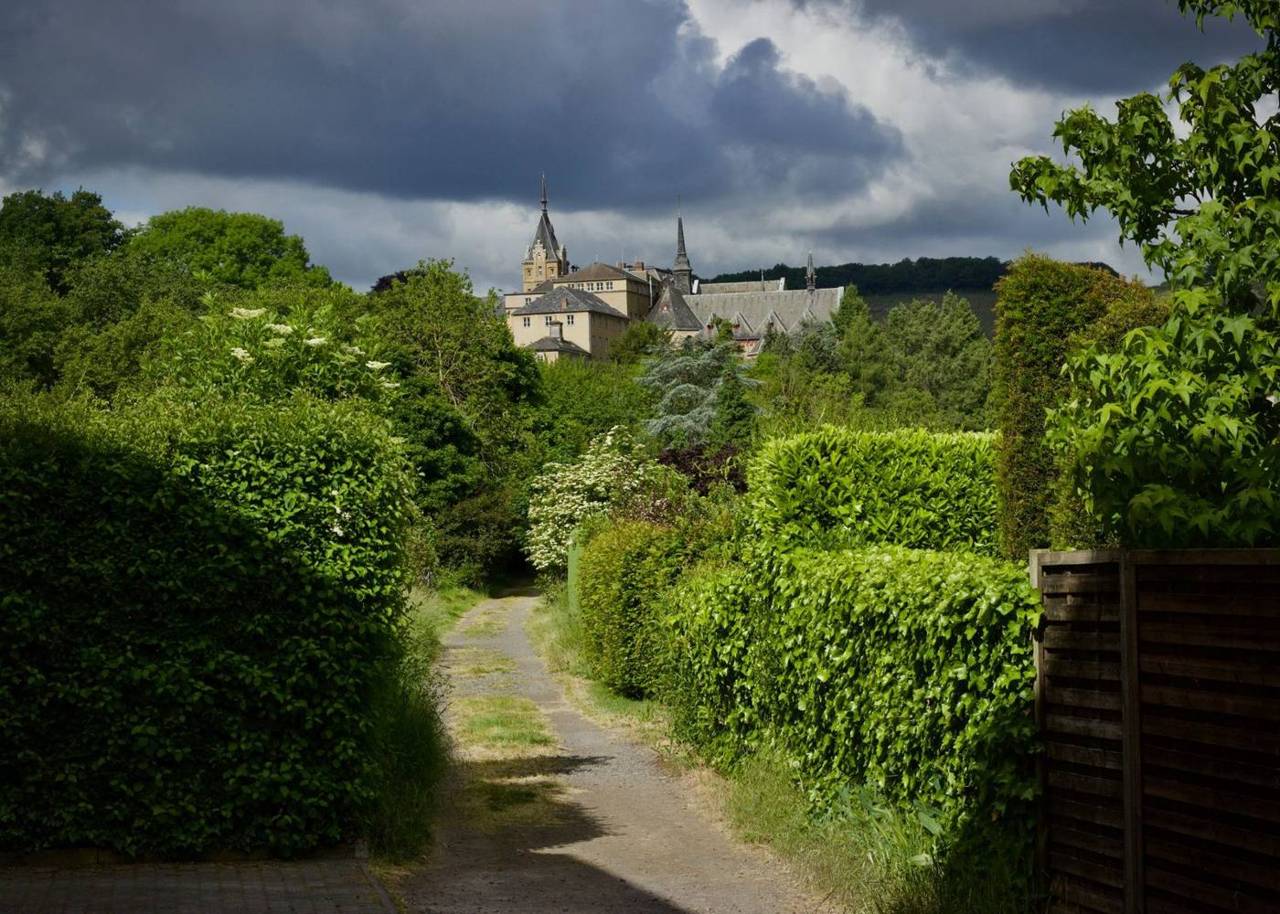
A walking or cycling route in the Eisch valley through Mersch, Schoenfels, Hollenfels, the two castles of Ansembourg, Septfontaines and Koerich.
 3 daysEasy
Luxembourg in winter
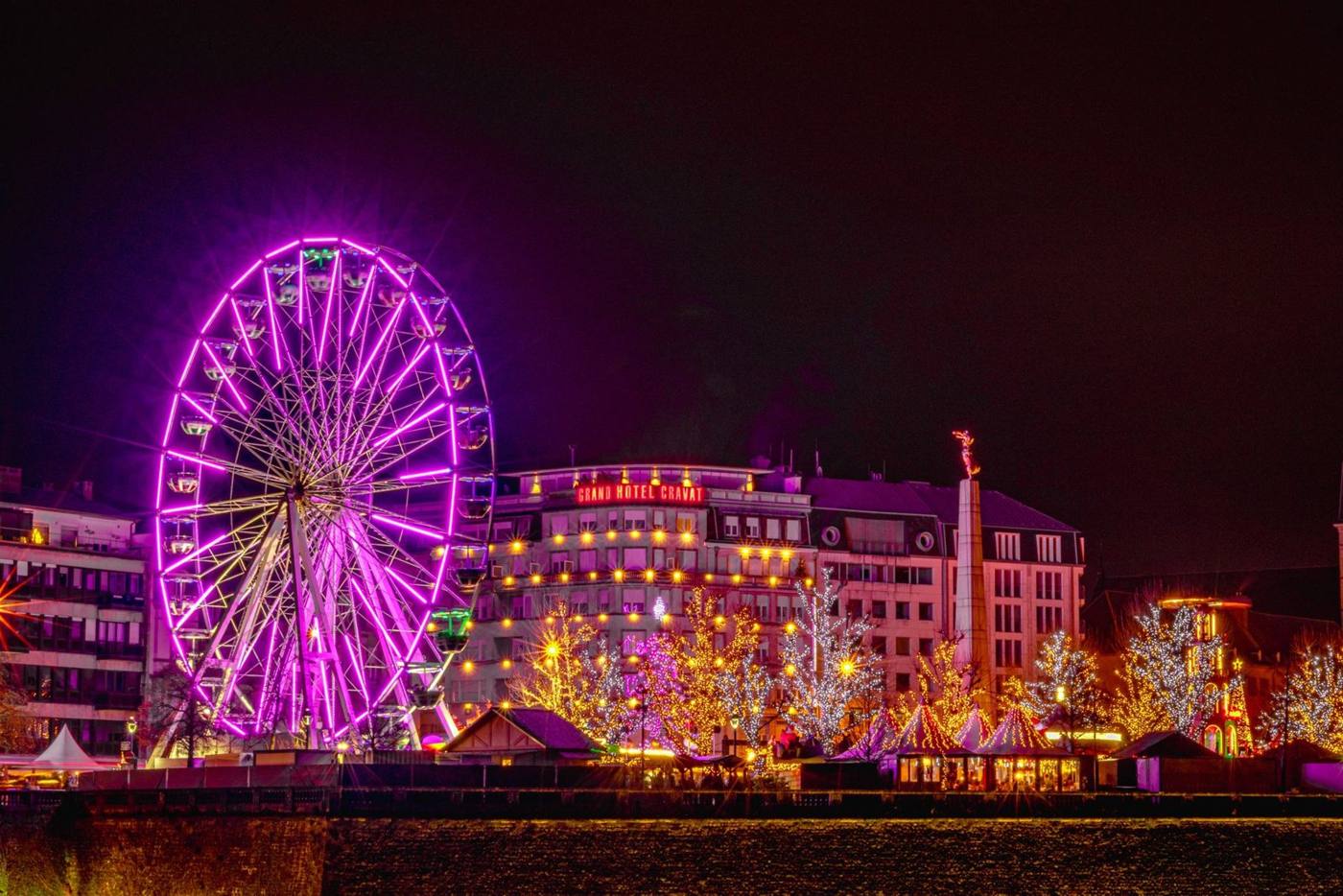
Winterlights in the capital with its markets and ice rink, seasonal cooking and a day at the Mondorf-les-Bains spa.
 3 daysEasy
The three borders by bike
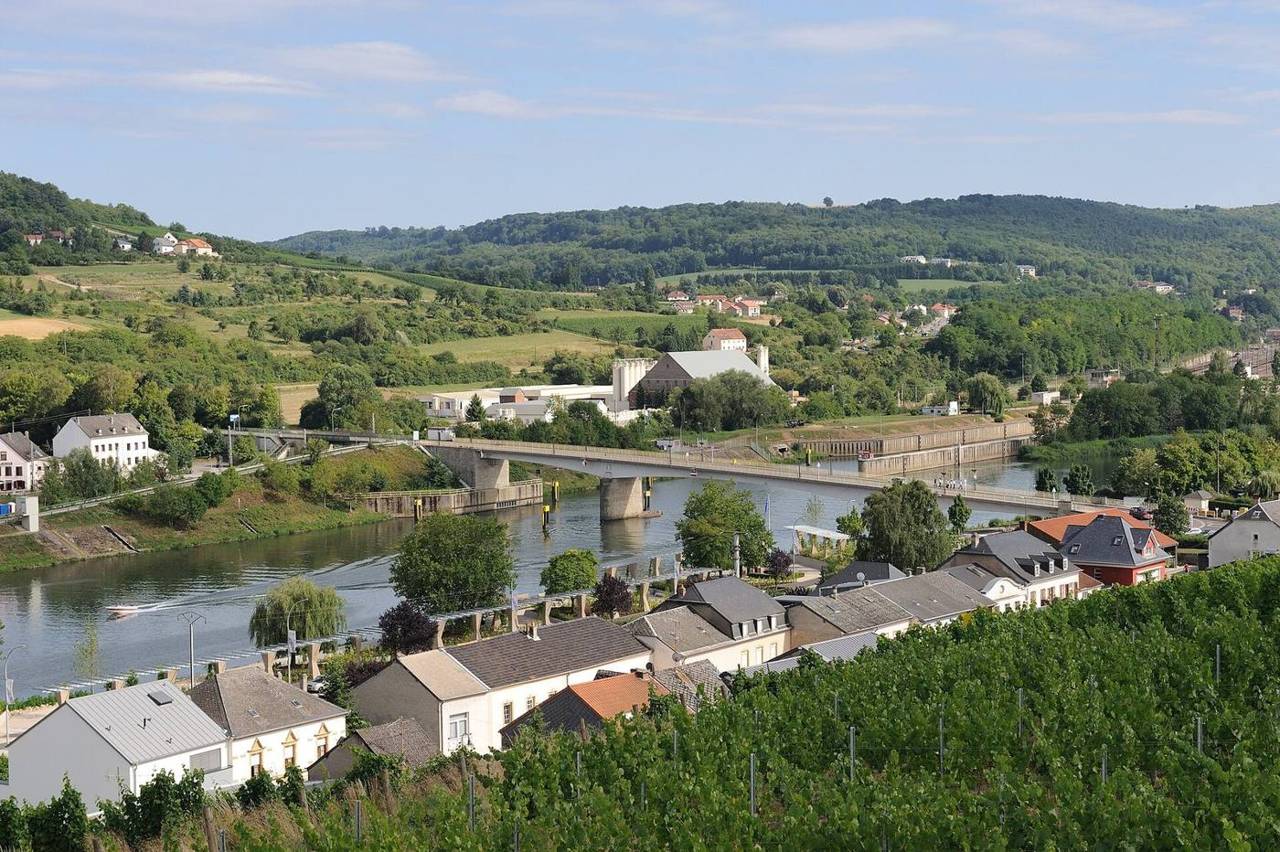
A bike loop along the Moselle through Luxembourg, France and Germany, starting from Schengen, with vineyards, villages and the Saar.