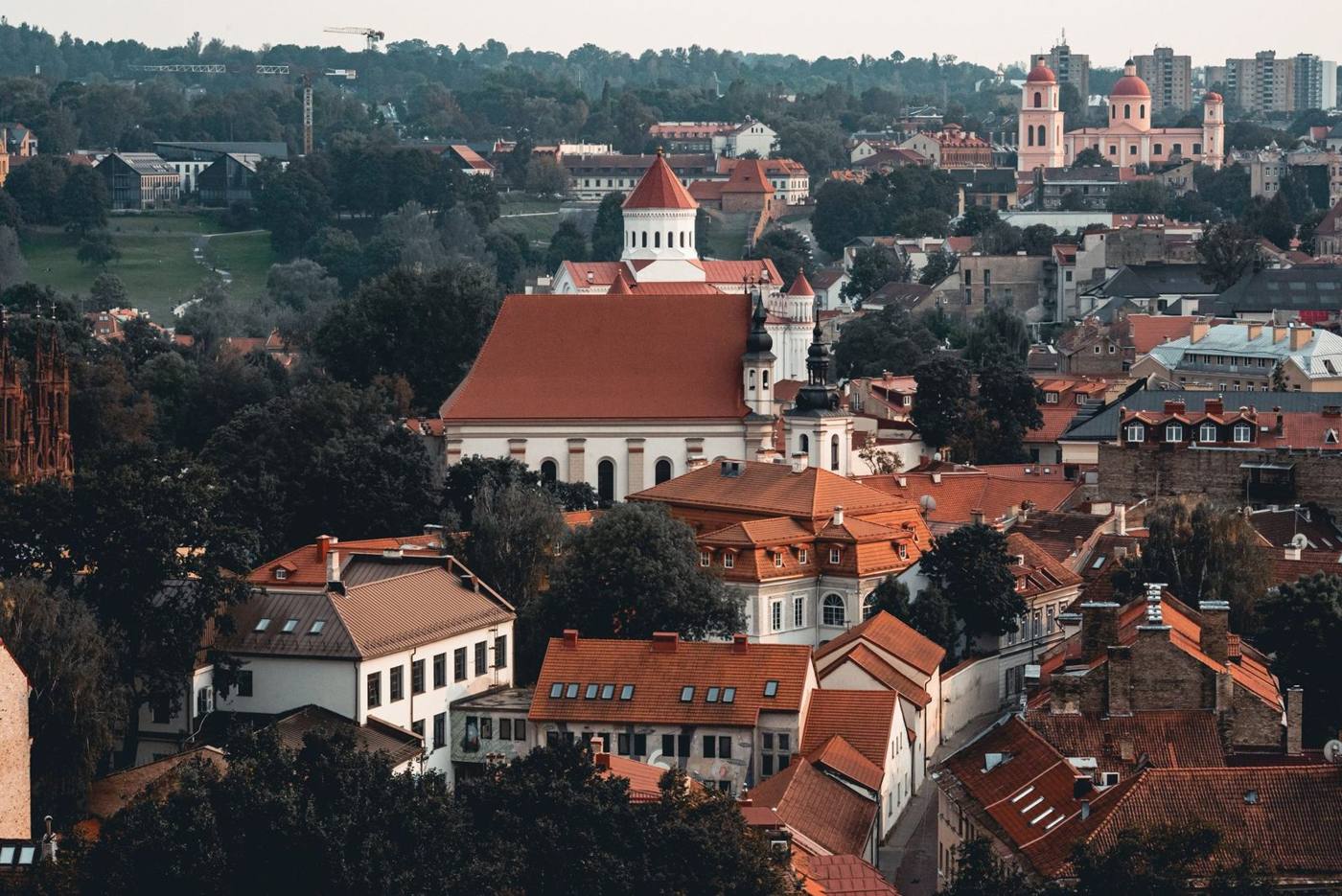
Vilnius and the Kaziukas fair
The great St Casimir craft fair in early March, with verbos palms of dried flowers, bread, honey and the baroque old town in late winter.
- Vilnius
- Pilies gatvė
- Cathedral
- Užupis
Day by day
- Day 1
The fair in the streets of the Old Town
This trip takes you to Vilnius at the beginning of March, during the Kaziukas Fair, the great craft fair dedicated to Saint Casimir, patron saint of Lithuania. In three days you see the fair, the Baroque Old Town, the National Museum, the Palace of the Grand Dukes and the Užupis district. You get around on foot.
Before you go: Italian citizens only need an electronic identity card valid for travel abroad or a passport, with no visa: Lithuania is in the European Union and the Schengen area. Other nationalities should check their own rules. The country is safe. The crossings with Belarus have been closed several times, sometimes at short notice, and Italy's foreign ministry advises against travel to Russia: this route stays well away from the border and does not cross it.
The fair is held around 4 March, the feast of Saint Casimir, usually over three days on a weekend in early March. The dates change every year: check them on the official fair website before you book your flight. The tradition goes back to the early seventeenth century.
In the morning walk into the Old Town, a UNESCO World Heritage Site, and follow the stalls along Pilies Street, Cathedral Square and Gediminas Avenue. Craftspeople sell ceramics, baskets, linen, wooden toys and amber jewellery.
Look for the verbos, palms of dried flowers and herbs woven by hand, which Lithuanians take to church on Palm Sunday. Then taste rye bread, honey, heart shaped gingerbread and šakotis, the tree cake baked on a spit.
In the evening, with darkness falling early, go back to the lit streets for the folk music.
Practical tip: in early March Vilnius is often below freezing; bring waterproof boots, gloves and a hat, because you will spend many hours outdoors.
- Day 2
The National Museum and the Palace of the Grand Dukes
Today you discover the history of Lithuania, between Castle Hill and the cathedral, and early in the morning you go back to the fair, when it is quieter.
In the morning walk round the stalls before ten, when the craftspeople are still setting up and you can talk calmly with the people who weave the verbos or carve wood.
Then go into the cathedral, with its white neoclassical facade and its separate bell tower. Inside look for the Chapel of Saint Casimir, Baroque, from the seventeenth century, with the relics of the saint: during these days it is the heart of the feast and many Lithuanians come to pray.
Just behind it is the Palace of the Grand Dukes of Lithuania, the residence of the rulers, demolished at the beginning of the nineteenth century and rebuilt on its original foundations. The visit shows the archaeological excavations, the reconstructed halls and the history of the Grand Duchy, which for centuries was one of the largest states in Europe. Check prices and times.
In the afternoon visit the National Museum of Lithuania, in the New Arsenal at the foot of the hill, with objects from peasant life, traditional costumes and carved wooden crosses. It is the right place to understand the traditions you see at the fair. Check the opening times in advance, because they can change on feast days.
At sunset, if the path is not icy, climb to Gediminas Tower on the hill for the view over the roofs of the Old Town. Otherwise there is the funicular.
Practical tip: during the fair, accommodation in the centre fills up weeks ahead; book early and choose an area close to the Old Town, so you can go back and warm up whenever you like.
- Day 3
Užupis and departure
On the last day you cross the River Vilnia and enter the Republic of Užupis, the artists' district, before leaving.
In the morning start from Saint Anne's Church, a masterpiece of red brick Gothic, with a facade full of slender pinnacles. Next to it stands the large Bernardine church. Then cross the bridge over the Vilnia: Užupis begins on the other side.
On 1 April 1997 the residents declared it, as a joke, an independent republic, with a president, a flag and a constitution. You find the articles of the constitution on metal plaques along Paupio Street, translated into many languages. They are ironic and poetic sentences, such as the right of a dog to be a dog.
Walk to the square with the column and the angel blowing a trumpet, the symbol of the district, then wander down among the wooden houses, the courtyards with murals and the small art galleries.
At midday go back to the fair for some last purchases: a verba to take home, a jar of honey or a piece of šakotis, which keeps well in a suitcase.
In the early afternoon head to the airport, about twenty minutes from the centre.
Trip summary: in three days you have experienced the Kaziukas Fair, a tradition more than four centuries old, among craftspeople, verbos and sweets, and you have seen the cathedral with the Chapel of Saint Casimir, the Palace of the Grand Dukes, the National Museum and the Republic of Užupis.
When to go: during the days of the fair, in early March. It is still cold, often below freezing, but the city is full of life.
Practical tip: verbos are fragile; ask the craftsperson to wrap them in paper and keep them in your hand luggage.
A tradition over four centuries old, dear to Lithuanians. It is still cold, often below freezing. Central accommodation should be booked early.
Before you go
- Documents and visa
- EU citizens need a valid identity card or passport: Lithuania is in the EU and the Schengen area. Other nationalities should check the Schengen rules and the Entry/Exit System.
- Health and vaccines
- No vaccines required. EU citizens should bring their EHIC, plus insurance covering medical costs and repatriation. From spring to autumn the forests and meadows have ticks that can carry encephalitis: ask your doctor about the vaccine. Emergencies: 112.
- Money and payments
- Euro. Cards and phone payments are accepted almost everywhere; carry some cash for markets and villages.
- Power sockets
- Types C and F, 230 volts.
- Time zone
- Eastern European Time (UTC+2, summer UTC+3).
- Safety
- A safe country, with pickpockets in busy places in Vilnius and on public transport. Lithuania closed its border with Belarus in autumn 2025 after balloons crossed from Belarus, which also closed Vilnius airport several times; crossings can close again at short notice. Do not cross into Belarus or into the Russian region of Kaliningrad. The UK reports that some Ukrainian drones aimed at Russia have entered Lithuanian airspace: follow official guidance. Official advice: GOV.UK.
Information checked in November 2026 for Italian and EU citizens. Rules change: always check before you travel.
Variations
Shorter: two days, with the fair and the Old Town on the first day and Užupis on the second.
Longer: add a day in Trakai, with the island castle on the frozen lake.
Frequently asked questions
When is the Kaziukas Fair held?
Around 4 March, the feast of Saint Casimir, usually over three days on a weekend in early March. The dates change every year: check them on the official website before booking.
What are verbos?
They are handmade palms of dried flowers, herbs and ears of grain woven together. Lithuanians take them to church on Palm Sunday and keep them at home all year.
Is it very cold?
Yes, in early March the temperature in Vilnius is often below freezing and it can snow. Dress in layers and bring waterproof shoes.
Indicative itinerary written by World Atlas. Before booking, check timetables, seasonal openings, documents and safety.
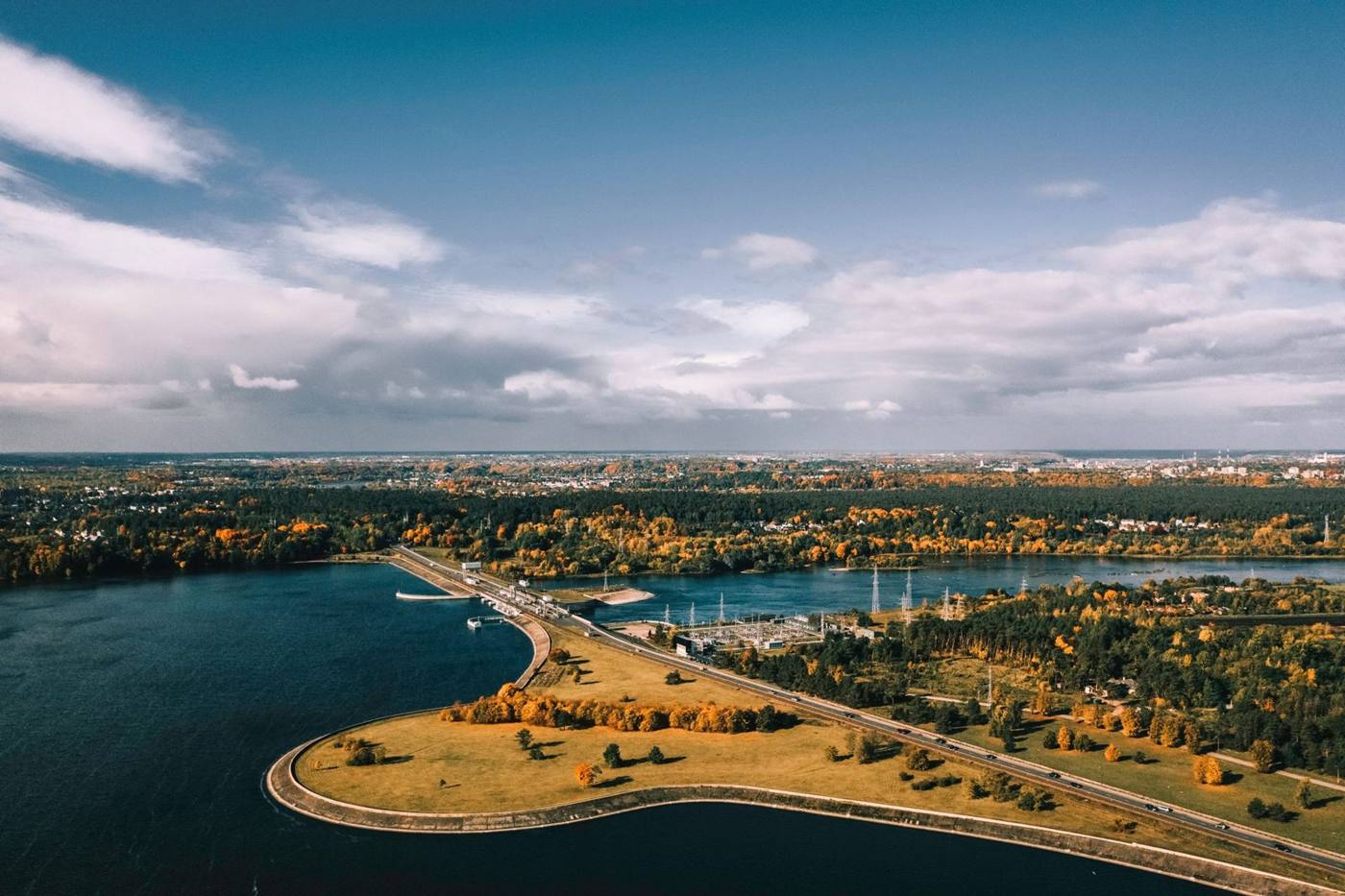 3 daysEasy
The castles of the Nemunas
The road along the Nemunas river between Kaunas and Jurbarkas: the castles of Raudondvaris, Raudonė and Panemunė and viewpoints over the river bends.
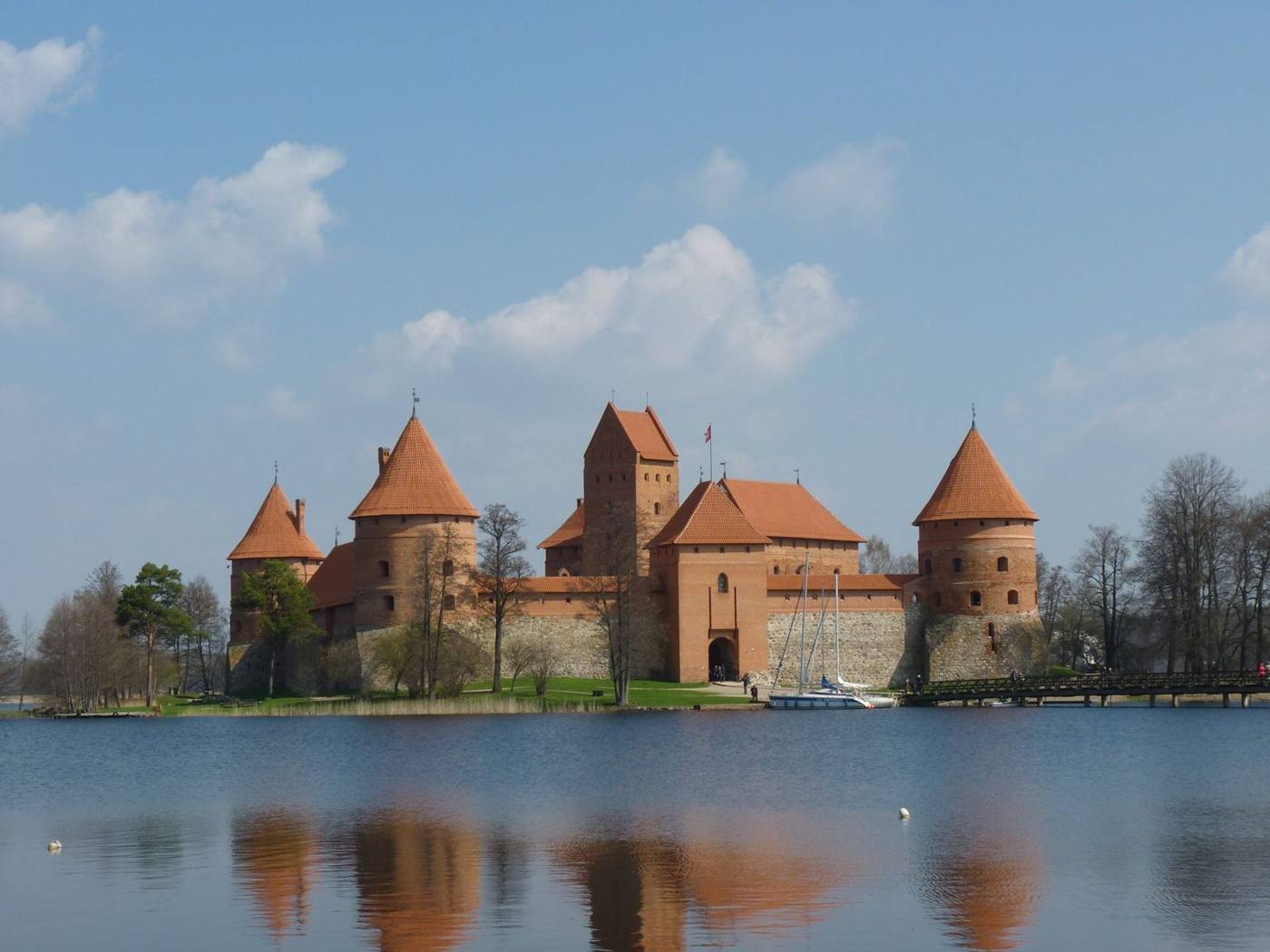 4 daysEasy
Vilnius and Trakai
The UNESCO baroque old town, the Gate of Dawn, the Republic of Užupis and Trakai castle on its lake island.
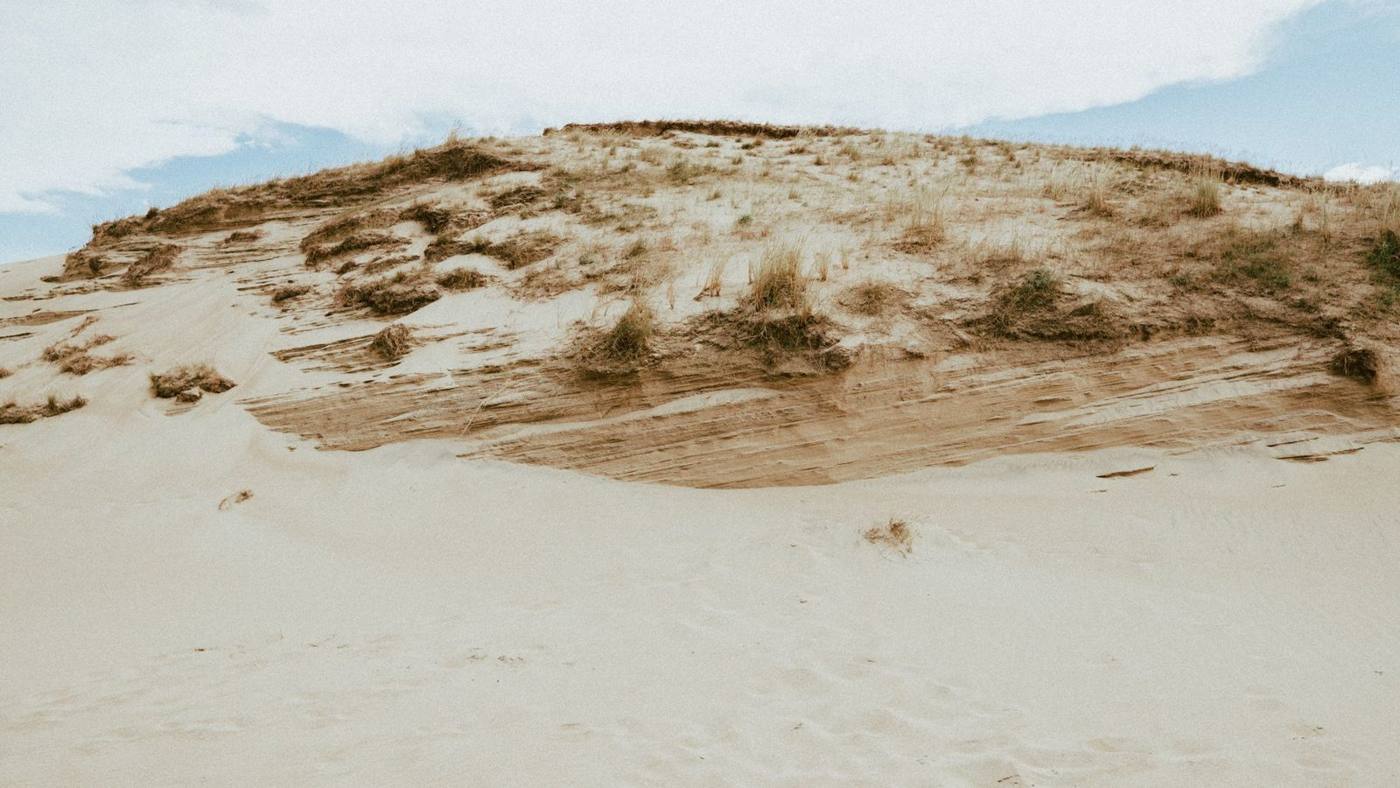 4 daysEasy
The Curonian Spit
The thin UNESCO strip of dunes between lagoon and Baltic: Nida, the Parnidis dune, the Hill of Witches and pine forests by bike.