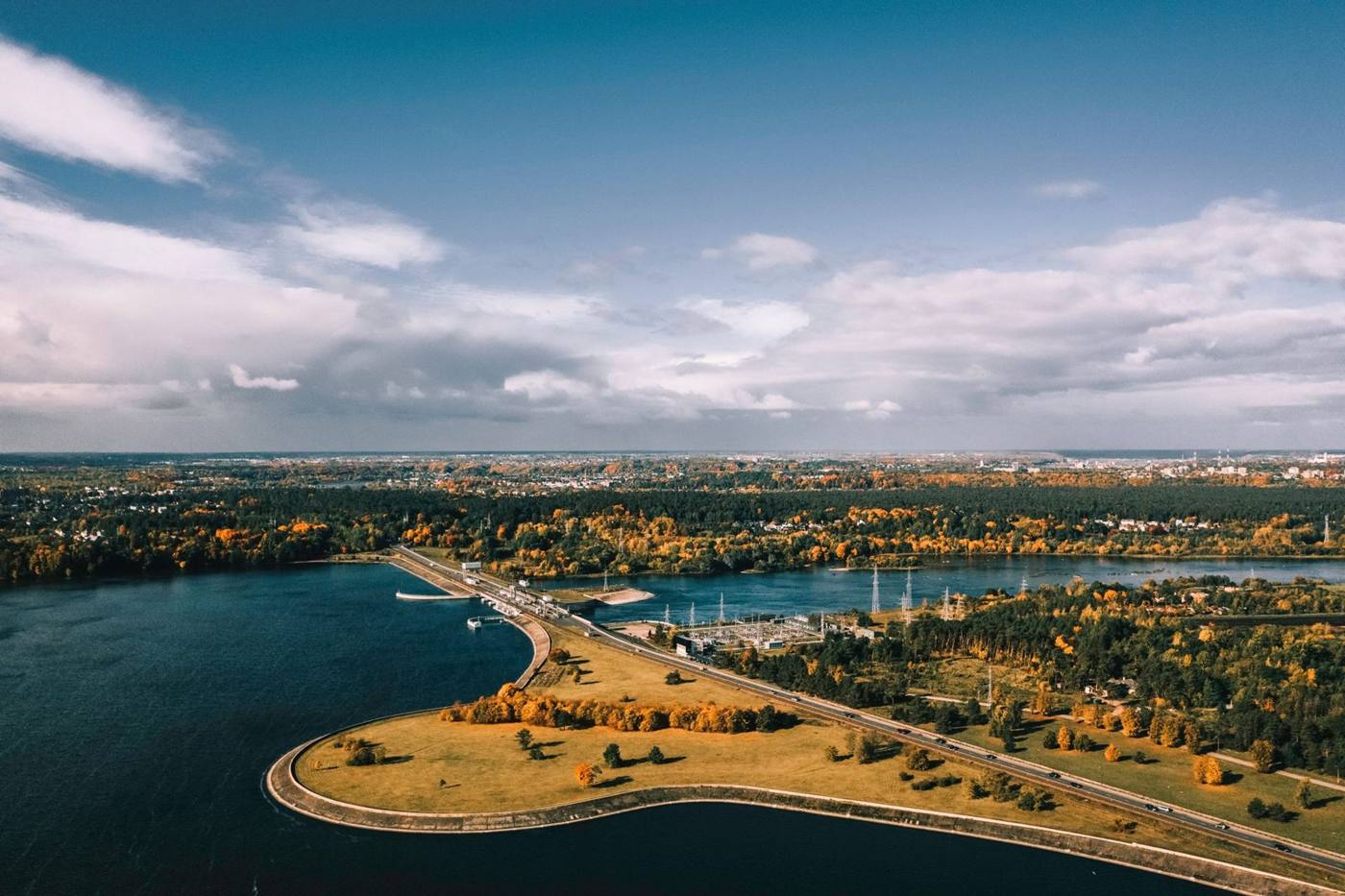
The castles of the Nemunas
The road along the Nemunas river between Kaunas and Jurbarkas: the castles of Raudondvaris, Raudonė and Panemunė and viewpoints over the river bends.
- Kaunas
- Raudondvaris
- Raudonė
- Panemunė
- Jurbarkas
Day by day
- Day 1
Kaunas and Raudondvaris Castle
This trip follows the road along the Nemunas, Lithuania's great river, between Kaunas and Jurbarkas over three days: the castles of Raudondvaris, Raudonė and Panemunė, the hill forts and the viewpoints over the bends of the river. It is a quiet road, lovely by bike too.
Before you go: Italian citizens only need an electronic identity card valid for travel abroad or a passport, with no visa: Lithuania is in the European Union and the Schengen area. Other nationalities should check their own rules. The country is safe. Further west, beyond Jurbarkas, the Nemunas marks the border with the Russian region of Kaliningrad, and Italy's foreign ministry advises against travel to Russia: this route stops before that and crosses no border.
In the morning walk through the old town of Kaunas, where the Nemunas meets the Neris. Start at the castle, from the 14th century and partly rebuilt, then go to Town Hall Square, with the white building known as the white swan, and to the red-brick churches of the centre.
At midday walk along Freedom Avenue, the pedestrian street of the new town. Between the two world wars Kaunas was the country's temporary capital, and here you see many modernist buildings from those years, on the UNESCO World Heritage list since 2023.
In the afternoon leave the city heading west and in a quarter of an hour you reach Raudondvaris, on the River Nevėžis, just before it flows into the Nemunas. The castle, built between the 16th and 17th centuries and later home of the Tyszkiewicz family, has a round tower and a park with ancient trees. Today it is a cultural centre. Check prices and times.
In the evening, in Kaunas, have cepelinai for dinner, large potato dumplings filled with meat.
Sleep in Kaunas.
Practical tip: in Kaunas leave the car outside the old town and walk: the streets in the centre are narrow and parking is scarce.
- Day 2
Raudonė and Panemunė, the castles on the bank
Today you follow the road along the right bank of the Nemunas, among hills, woods and villages, heading west.
In the morning leave Kaunas and stop at Seredžius, where you climb the hill fort above the river, then at Veliuona, with its hill forts and the view over one of the finest bends of the Nemunas. These are short stops, each about half an hour on foot.
At midday you reach Raudonė, a small village with a 16th-century castle, rebuilt in the 19th century, with a tall tower above the park. There is a school in the castle, but in summer you can usually climb the tower for the view over the river. Check prices and times.
In the afternoon carry on to Panemunė Castle, near Jurbarkas, built in the 17th century on a rise above the river, with towers at the corners, a courtyard and the ponds of the park at the foot of the hill. It is one of the best preserved castles in Lithuania and can be visited. Check prices and times.
At sunset walk along the path around the ponds, with the view over the Nemunas valley.
In the evening have river fish for dinner, or the cold beetroot soup, šaltibarščiai, served with hot potatoes.
Sleep near Panemunė or in Jurbarkas.
Practical tip: the road along the Nemunas has few petrol stations and few shops: fill up and buy water and lunch before leaving Kaunas.
- Day 3
Jurbarkas and the way back
Today you visit Jurbarkas, the small town at the end of this trip, and head back towards Kaunas.
In the morning walk around the centre of Jurbarkas, a small town on the Nemunas, where the River Imsrė flows in. Go to the riverside, with the view over the wide, slow river, and to the park of the old manor, with its trees and ponds. Then climb one of the hill forts nearby, used by the Lithuanians in the Middle Ages to defend themselves against the Teutonic Knights.
At midday have lunch with kibinai, filled pastry parcels, or cepelinai.
In the afternoon drive back to Kaunas, in about an hour and a half. If you are cycling, you can also ride back along the same road over several days, or put the bike on a bus. Do not carry on west along the river: further on, the opposite bank is the Russian region of Kaliningrad.
In these three days you have seen the old town and modernist buildings of Kaunas, Raudondvaris Castle, the hills of Seredžius and Veliuona, the tower of Raudonė, Panemunė Castle and the small town of Jurbarkas. The castles are small but well restored, and the road is one of the most scenic in the country, perfect to combine with Kaunas or the coast.
When to go: from May to September, with green riverbanks, the castles open and long days. In autumn the woods along the river turn red and yellow; in winter many castles have shorter opening hours.
Practical tip: if you go by bike, the road has a few short climbs and few stretches of cycle path: wear a reflective vest and a helmet, because lorries use it too.
A quiet scenic road, to combine with Kaunas or the coast. The castles are small but well restored. Excellent by bike too.
Before you go
- Documents and visa
- EU citizens need a valid identity card or passport: Lithuania is in the EU and the Schengen area. Other nationalities should check the Schengen rules and the Entry/Exit System.
- Health and vaccines
- No vaccines required. EU citizens should bring their EHIC, plus insurance covering medical costs and repatriation. From spring to autumn the forests and meadows have ticks that can carry encephalitis: ask your doctor about the vaccine. Emergencies: 112.
- Money and payments
- Euro. Cards and phone payments are accepted almost everywhere; carry some cash for markets and villages.
- Power sockets
- Types C and F, 230 volts.
- Time zone
- Eastern European Time (UTC+2, summer UTC+3).
- Safety
- A safe country, with pickpockets in busy places in Vilnius and on public transport. Lithuania closed its border with Belarus in autumn 2025 after balloons crossed from Belarus, which also closed Vilnius airport several times; crossings can close again at short notice. Do not cross into Belarus or into the Russian region of Kaliningrad. The UK reports that some Ukrainian drones aimed at Russia have entered Lithuanian airspace: follow official guidance. Official advice: GOV.UK.
Information checked in November 2026 for Italian and EU citizens. Rules change: always check before you travel.
Variations
Shorter: two days, with Kaunas and Raudondvaris on the first day and Raudonė and Panemunė on the second.
Longer: add two days to carry on to the coast, with Klaipėda and the Curonian Spit.
Frequently asked questions
Can you do it by bike?
Yes, the road along the Nemunas is quiet and scenic, with a few short climbs. Wear a helmet and a reflective vest.
Can all the castles be visited?
Raudondvaris and Panemunė can be visited; Raudonė has a school, but in summer you can usually climb the tower. Check prices and times.
Is the route near the border?
No, it stops at Jurbarkas. Further west the river marks the border with Kaliningrad, which you must not cross.
Indicative itinerary written by World Atlas. Before booking, check timetables, seasonal openings, documents and safety.
 4 daysEasy
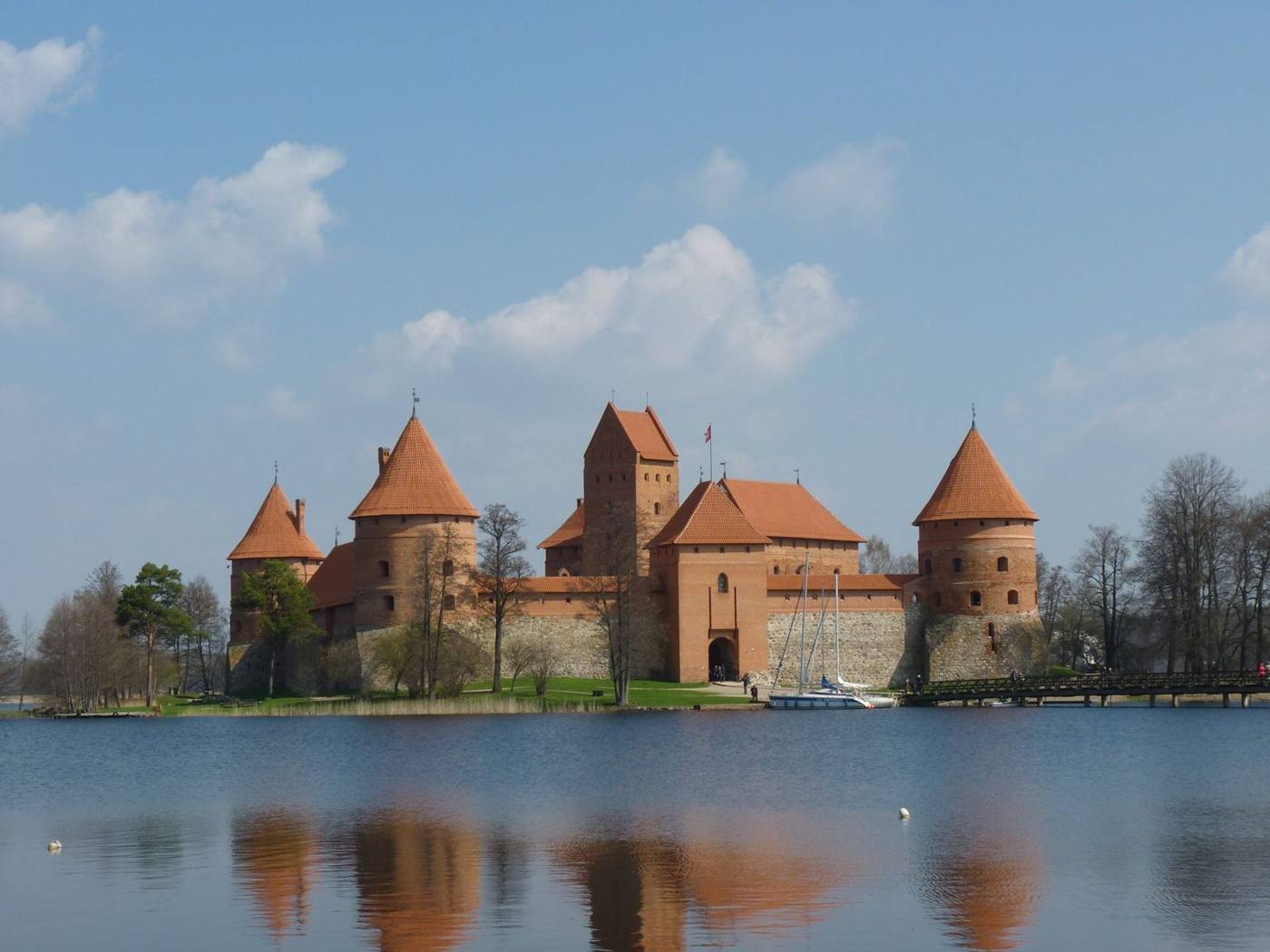
Vilnius and Trakai
The UNESCO baroque old town, the Gate of Dawn, the Republic of Užupis and Trakai castle on its lake island.
 4 daysEasy
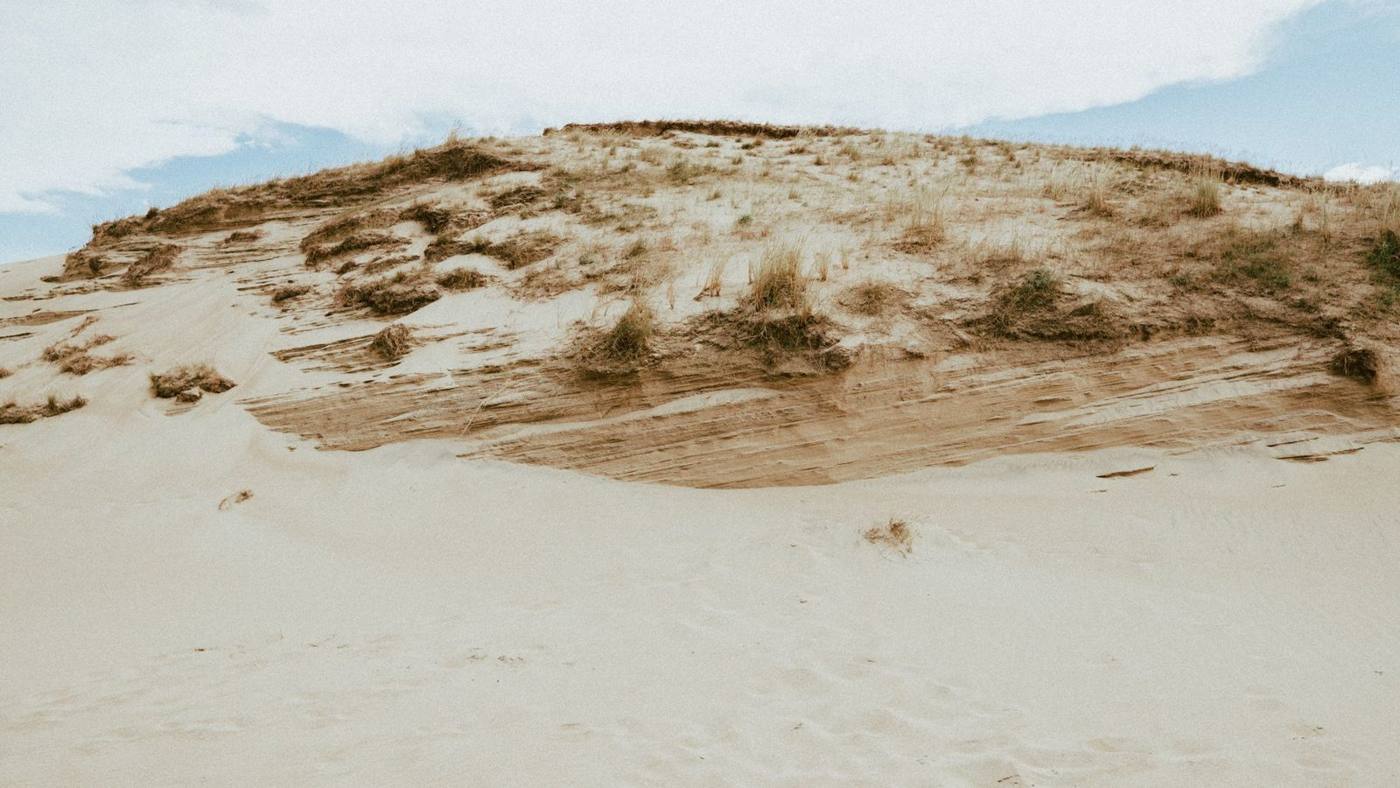
The Curonian Spit
The thin UNESCO strip of dunes between lagoon and Baltic: Nida, the Parnidis dune, the Hill of Witches and pine forests by bike.
 4 daysEasy
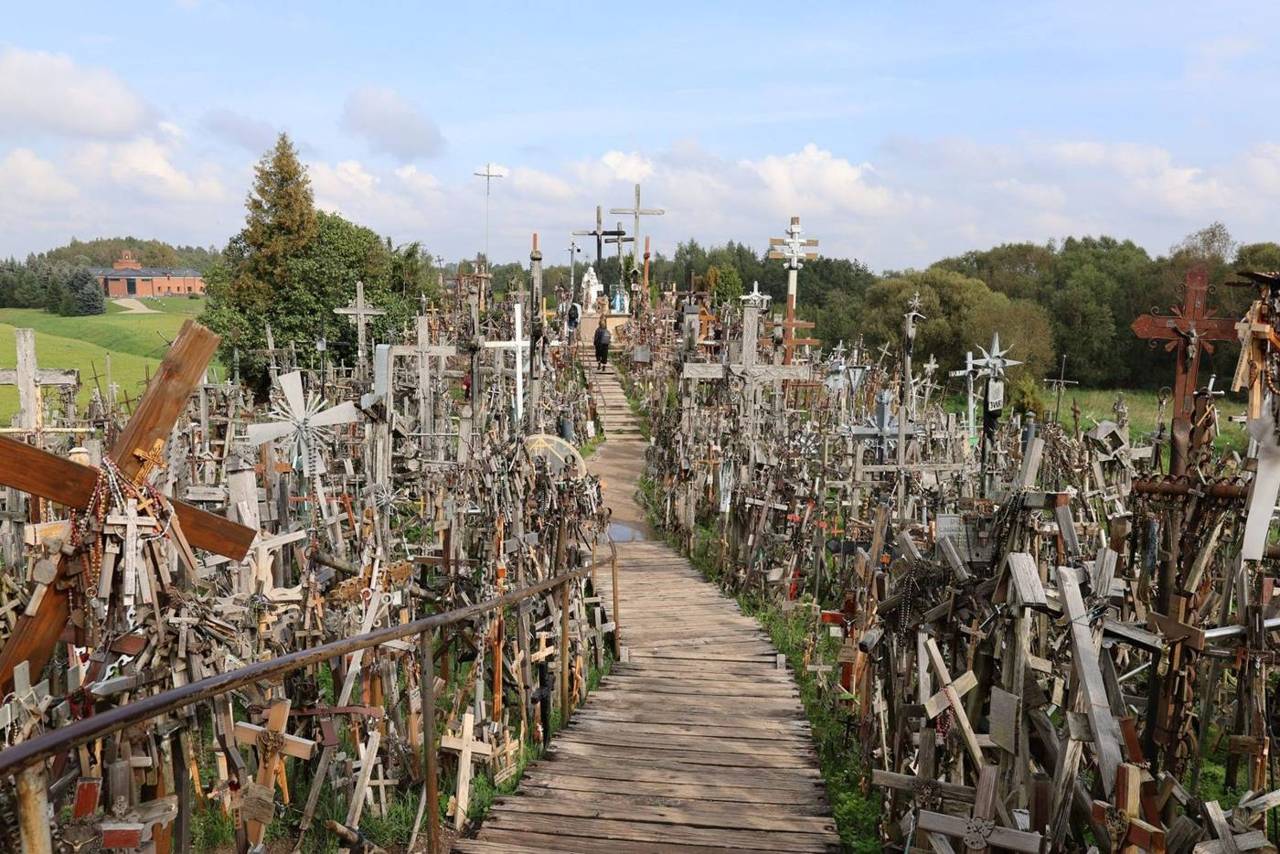
Kaunas and the Hill of Crosses
Kaunas with its UNESCO modernist architecture and street art, the Ninth Fort, the Rumšiškės open-air museum and the Hill of Crosses near Šiauliai.