Palanga and Klaipėda
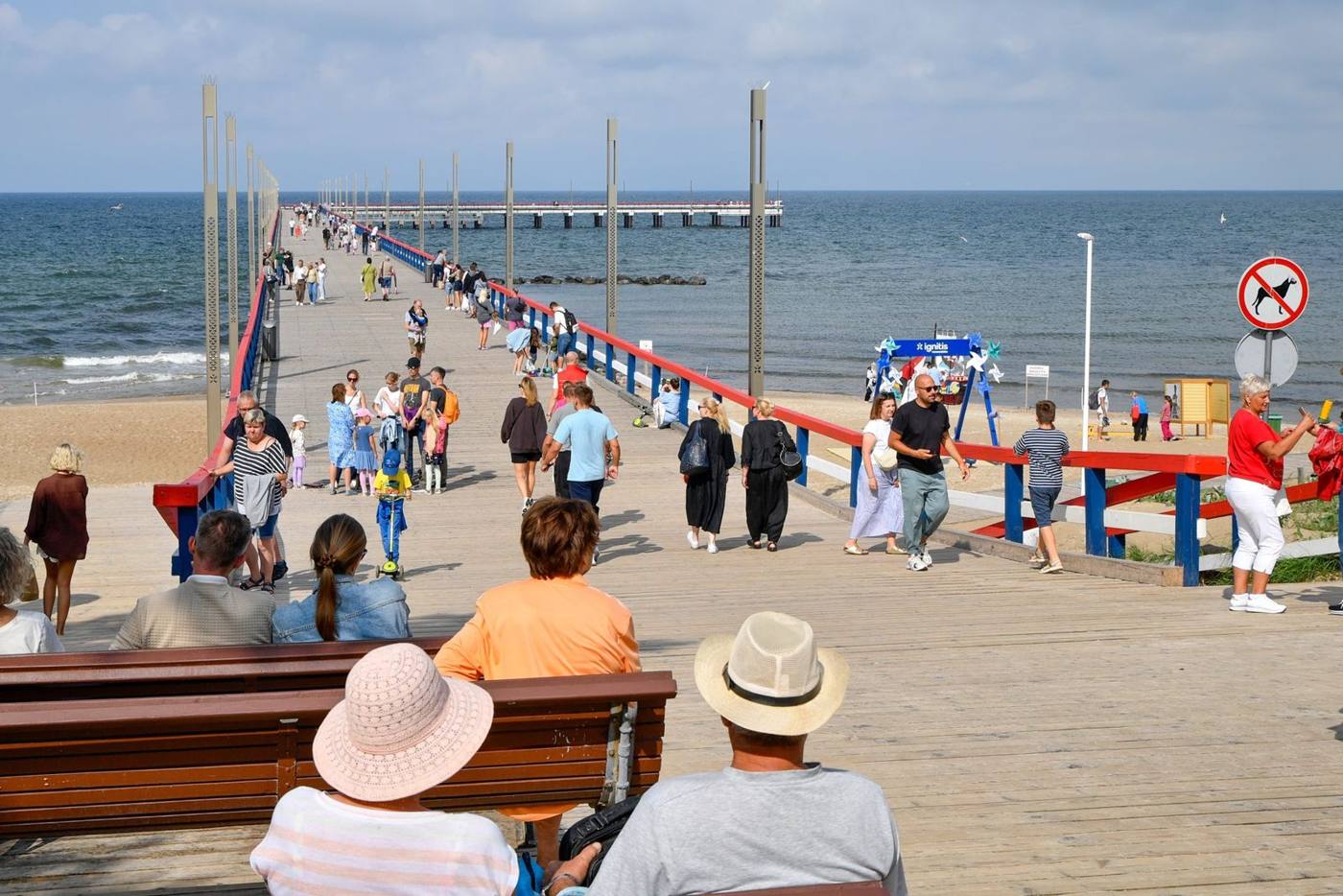
The resort of Palanga with the Amber Museum in the Tiškevičiai palace, the pier at sunset, Klaipėda's old town and the Sea Museum.
- Palanga
- Amber Museum
- Klaipėda
- Smiltynė
Day by day
- Day 1
Palanga: beach and pier
This trip takes you to Lithuania's Baltic coast: Palanga, the country's most famous seaside resort, with the amber museum in the Tiškevičiai palace and the botanical park, then Klaipėda with its Old Town and the sea museum at Smiltynė. You get around on foot, by bike and by bus.
Before you go: Italian citizens only need an electronic identity card valid for travel abroad or a passport, with no visa: Lithuania is in the European Union and the Schengen area. Other nationalities should check their own rules. The country is safe. The crossings with Belarus have been closed several times, sometimes at short notice, and Italy's foreign ministry advises against travel to Russia: this route stays well away from the border and does not cross it.
You arrive in Palanga, which has a small airport a few kilometres from the centre, or from Vilnius by car or bus, in about four hours. Stay near the sea: the houses and guesthouses are among the pine woods, a short walk from the beach.
In the afternoon walk along the beach of fine white sand, kilometres long, with low dunes and pines behind. If the weather is good, swim in the Baltic, cool even in summer.
At sunset go out on the wooden pier, which stretches a few hundred metres into the sea. It is Palanga's evening ritual: everyone comes here to watch the sun sink into the water.
In the evening stroll along Basanavičiaus Street, the pedestrian street leading to the pier, full of people, music and stalls in summer.
Practical tip: even in July it is windy and cool on the pier in the evening; bring a sweatshirt or a light jacket.
- Day 2
The amber museum and the botanical park
Today you discover the gold of the Baltic, amber, in a noble palace in the middle of a large park.
In the morning go into Palanga's botanical park, the park of the Tiškevičiai family, the counts who owned the town at the end of the nineteenth century. It was designed by the French landscape architect Édouard André, with avenues, ponds, lawns and rare trees, and it reaches almost to the sea.
In the middle of the park stands the Tiškevičiai palace, built at the end of the nineteenth century in neo-Renaissance style, with a terrace and a rose garden in front. Today it houses the amber museum, with thousands of pieces. You see raw stones found on the beaches, insects and plants trapped in amber millions of years ago, ancient jewellery and precious objects. The museum also explains how amber forms from pine resin. Check prices and times.
At midday climb Birutė hill, in the park, with a small chapel at the top and a view of the sea. According to legend, Birutė lived here, a pagan priestess who became the wife of a Grand Duke of Lithuania.
In the afternoon go back to the beach or hire a bicycle and follow the cycle paths through the pine woods, north to Šventoji or south.
In the evening try the fish dishes of the coast, such as herring with potatoes.
Practical tip: after a storm, early in the morning, walk along the shoreline and look among the seaweed: sometimes the sea washes small pieces of amber ashore.
- Day 3
Klaipėda and the sea museum at Smiltynė
Today you go to Klaipėda, Lithuania's port, and cross the strait to the tip of the Curonian Spit.
In the morning take the bus or the car to Klaipėda, about half an hour to the south. Walk through the Old Town, with its half-timbered houses, warehouses of wood and brick and narrow streets, a legacy of the German town of Memel. In Theatre Square you see the fountain with the statue of Ännchen von Tharau, the girl from a famous folk song.
On the River Danė lies the Meridianas, a three-masted sailing ship that is the symbol of the city.
At midday take the ferry to Smiltynė, which crosses the strait in a few minutes. Walk along the shore to the sea museum, in the old nineteenth century fortress at the tip of the spit. You see the aquarium with Baltic fish, seals, penguins and halls on the history of navigation. Check prices and times.
In the afternoon, next to the museum, visit the old fishermen's houses with traditional boats, then swim at Smiltynė beach, on the other side of the pine woods.
In the evening take the ferry back to Klaipėda and walk to the castle, with its walls and museum, then return to Palanga.
Practical tip: in summer the sea museum is very busy, especially at weekends; go at opening time or in the late afternoon, and check the times of the dolphin shows beforehand if they interest you.
- Day 4
Departure
On the last day you enjoy a final morning by the sea and set off.
In the morning take a long walk along the beach to the north, where there are fewer people. Then go into the pine woods and look for the protected dunes, covered in grass and flowers, where you walk only on the wooden boardwalks.
If you prefer, go back to the botanical park to see the rose garden in front of the palace and the ponds at your leisure, in the morning, when the park is almost empty and you hear only the birds.
At midday buy something to take home: a small piece of amber jewellery, some smoked fish or a jar of honey. For amber choose shops that give a certificate, because there are also plastic imitations around.
In the afternoon leave from Palanga airport or drive back to Vilnius in about four hours.
Trip summary: in four days you have seen the Lithuanian riviera, with the white sand beach and Palanga pier at sunset, the amber museum in the Tiškevičiai palace, the botanical park and Birutė hill, the Old Town of Klaipėda with the Meridianas and the sea museum at Smiltynė.
When to go: from June to August, when the water is warm enough to swim. June is more relaxed, July and August are lively and crowded.
Practical tip: combine this trip with the Curonian Spit, which begins just opposite Klaipėda, with the ferry to Smiltynė.
The Lithuanian riviera, lively in summer and relaxed in June. White-sand beaches and pine woods. It pairs with the Curonian Spit.
Before you go
- Documents and visa
- EU citizens need a valid identity card or passport: Lithuania is in the EU and the Schengen area. Other nationalities should check the Schengen rules and the Entry/Exit System.
- Health and vaccines
- No vaccines required. EU citizens should bring their EHIC, plus insurance covering medical costs and repatriation. From spring to autumn the forests and meadows have ticks that can carry encephalitis: ask your doctor about the vaccine. Emergencies: 112.
- Money and payments
- Euro. Cards and phone payments are accepted almost everywhere; carry some cash for markets and villages.
- Power sockets
- Types C and F, 230 volts.
- Time zone
- Eastern European Time (UTC+2, summer UTC+3).
- Safety
- A safe country, with pickpockets in busy places in Vilnius and on public transport. Lithuania closed its border with Belarus in autumn 2025 after balloons crossed from Belarus, which also closed Vilnius airport several times; crossings can close again at short notice. Do not cross into Belarus or into the Russian region of Kaliningrad. The UK reports that some Ukrainian drones aimed at Russia have entered Lithuanian airspace: follow official guidance. Official advice: GOV.UK.
Information checked in November 2026 for Italian and EU citizens. Rules change: always check before you travel.
Variations
Shorter: two days, with Palanga and the amber museum on the first day and Klaipėda on the second.
Longer: add three days on the Curonian Spit, with Nida and the Parnidis dune.
Frequently asked questions
Can you really find amber on the beach?
Sometimes yes, especially after the autumn and winter storms, early in the morning. The pieces are usually small.
Is the Baltic warm?
It is cool: in July and August the water is pleasant for a short swim on sunny days.
Do you need a car?
No, there are frequent buses between Palanga and Klaipėda, and in town you get around on foot or by bike.
Indicative itinerary written by World Atlas. Before booking, check timetables, seasonal openings, documents and safety.
 3 daysEasy
Samogitia
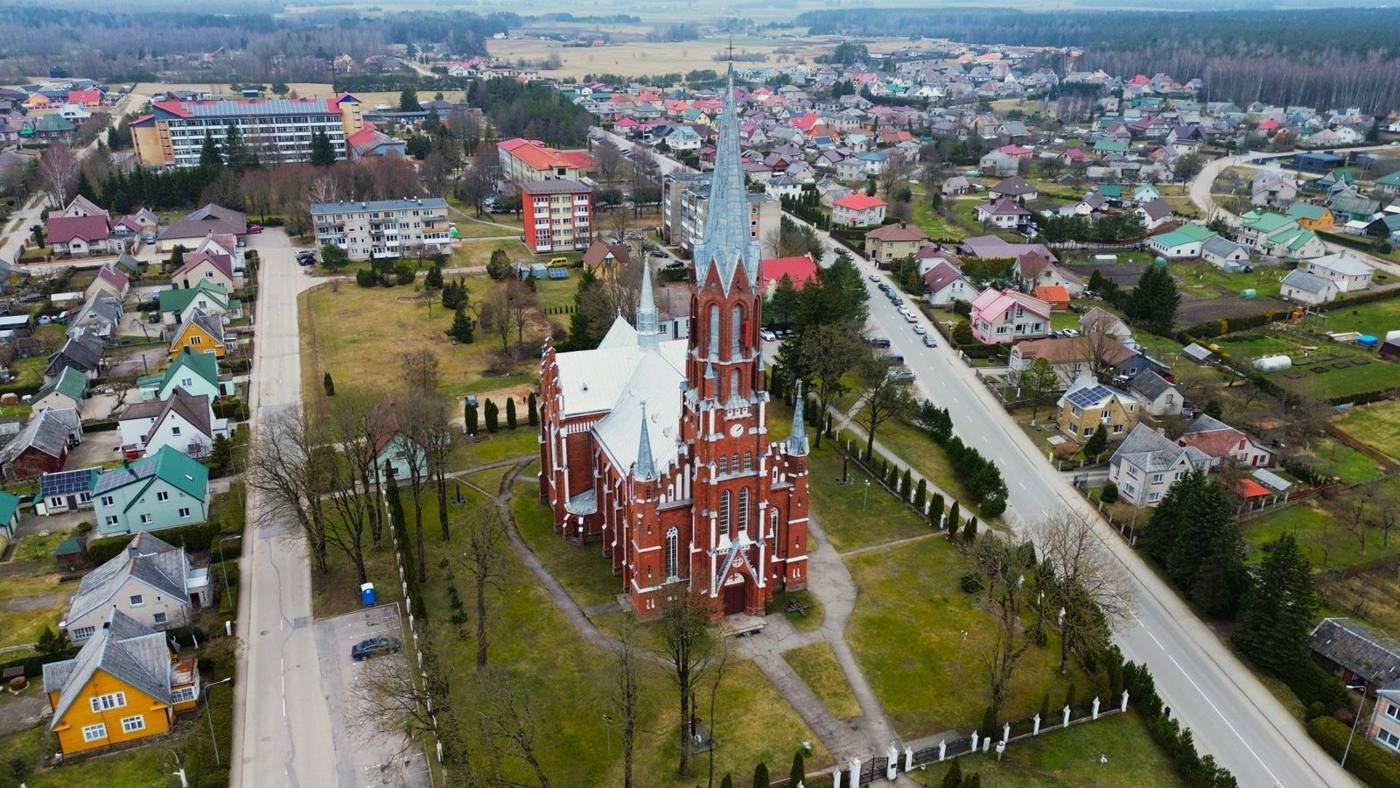
Žemaitija park with Lake Plateliai and the Soviet nuclear missile base at Plokštinė, now a Cold War museum, and the town of Telšiai.
 2 daysEasy
Kernavė and around Vilnius
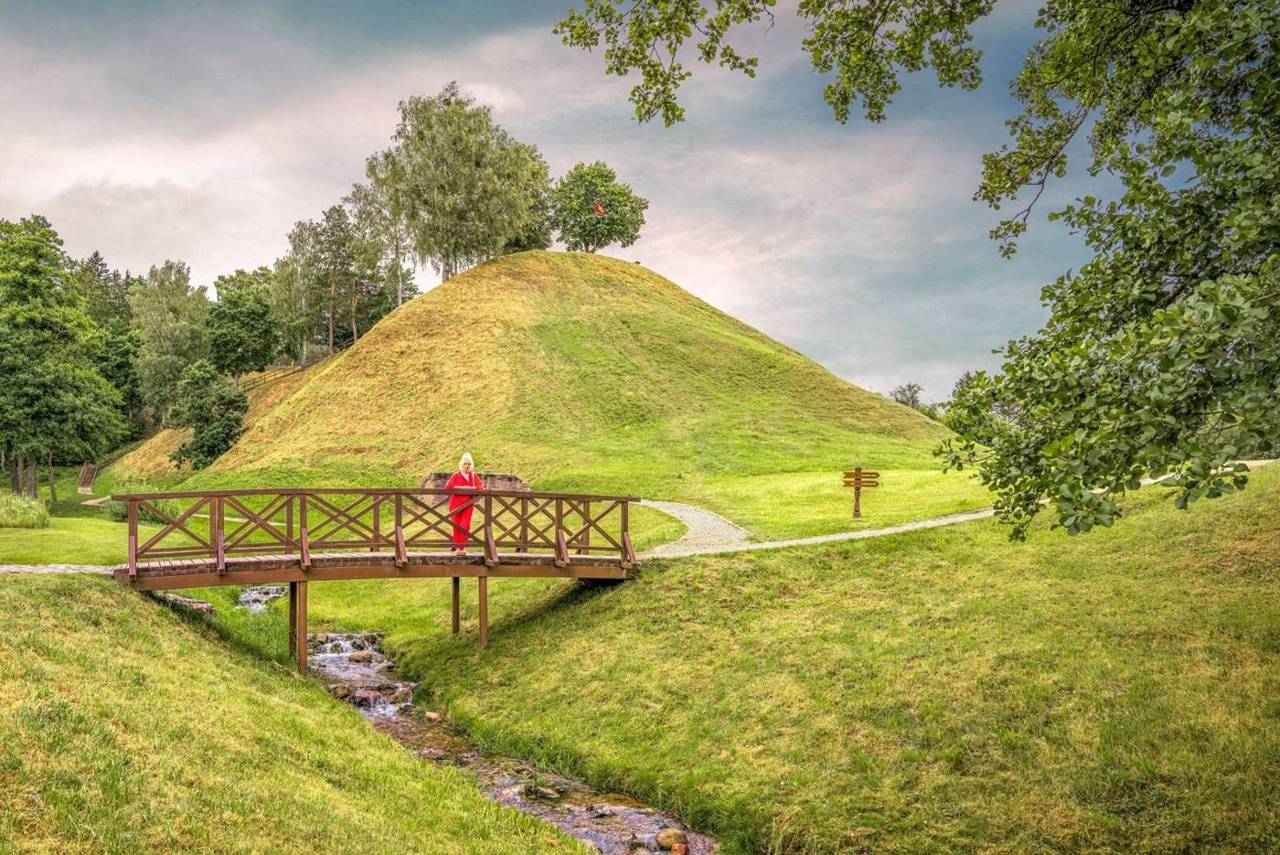
The UNESCO ancient capital of Kernavė with its mounds over the Neris river, the Europos Parkas sculpture park near the geographical centre of Europe and Užutrakis manor.
 3 daysEasy
Vilnius and the Kaziukas fair
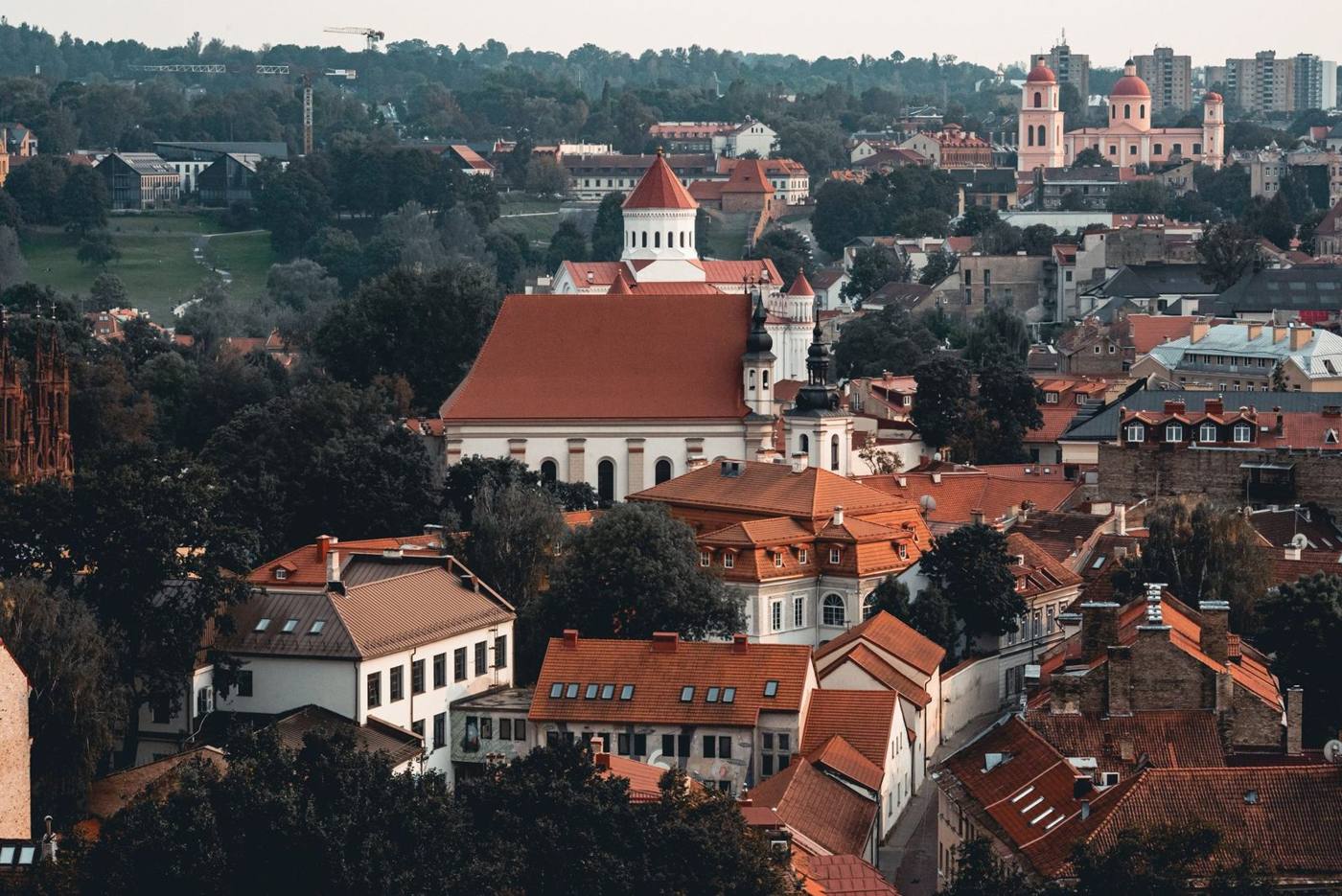
The great St Casimir craft fair in early March, with verbos palms of dried flowers, bread, honey and the baroque old town in late winter.