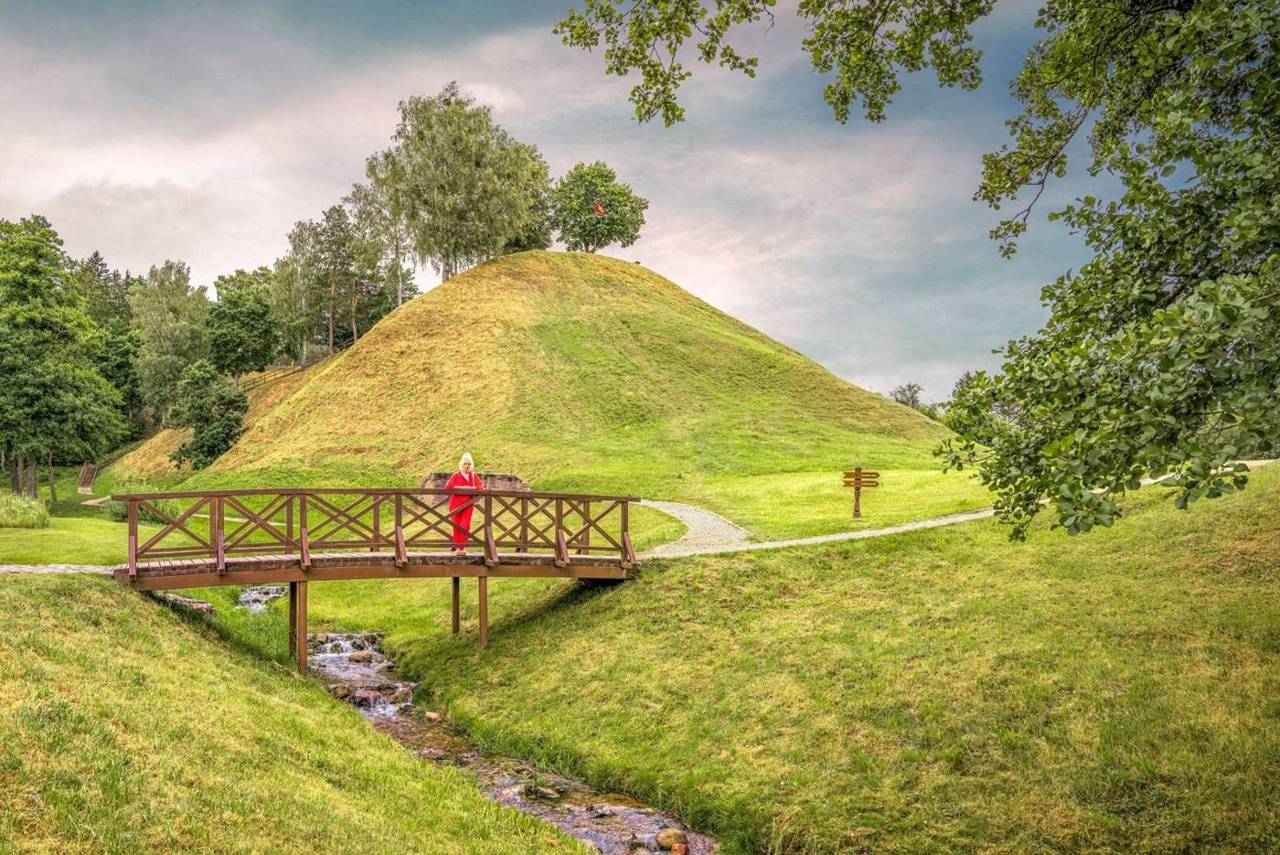
Kernavė and around Vilnius
The UNESCO ancient capital of Kernavė with its mounds over the Neris river, the Europos Parkas sculpture park near the geographical centre of Europe and Užutrakis manor.
- Vilnius
- Kernavė
- Europos Parkas
- Užutrakis
Day by day
- Day 1
Kernavė, the ancient capital on the River Neris
This trip takes you out of Vilnius for two days, to the places where Lithuania began: Kernavė, the ancient capital with its mounds on the River Neris, the Europos Parkas sculpture park near the geographical centre of Europe and Užutrakis manor on Lake Galvė. It is an easy trip, for those who have already seen the capital.
Before you go: Italian citizens only need an electronic identity card valid for travel abroad or a passport, with no visa: Lithuania is in the European Union and the Schengen area. Other nationalities should check their own rules. The country is safe. The crossings with Belarus have been closed several times, sometimes at short notice, and Italy's foreign ministry advises against travel to Russia: this route stays well away from the border and does not cross it.
In the morning leave Vilnius heading north-west and in less than an hour by car you reach Kernavė, a small village on the bank of the Neris. In the Middle Ages this was one of the first capitals of the Grand Duchy of Lithuania, destroyed by the Teutonic Knights at the end of the 14th century. Today it is an archaeological site on the UNESCO World Heritage list.
At midday visit the site museum, with the jewellery, weapons and objects found in the excavations. Check prices and times.
In the afternoon climb the five mounds, the fortified hills where the wooden castles once stood, with the view over the bend of the river and the Pajauta valley, where the town lay. Walk calmly along the paths through the tall grass.
At sunset go back to the highest mound: in the low light the Neris valley is at its best.
Sleep in Vilnius or in a country house near Kernavė.
Practical tip: the mounds are steep and the grass is slippery after rain: wear shoes with a good grip.
- Day 2
Europos Parkas, the centre of Europe and Užutrakis
Today you see open-air art, a geographical curiosity and a manor by the water, before going back to Vilnius.
In the morning go to Europos Parkas, north of Vilnius, an open-air museum of contemporary sculpture founded in 1991 by the Lithuanian sculptor Gintaras Karosas. You walk through woods and meadows, among works by artists from all over the world, some as big as houses, including one made of old televisions. Check prices and times.
Then stop at the geographical centre of Europe, calculated in 1989 by the French national geographic institute near the village of Purnuškės, marked by a white column with a crown of stars. It is a curiosity you can see in a few minutes.
At midday carry on west to Užutrakis, near Trakai, on the shore of Lake Galvė. The manor was built at the end of the 19th century for the Tyszkiewicz family, with a large park designed by the French landscape architect Édouard André. From the park you see Trakai Castle on its island, across the lake. Check prices and times.
In the afternoon walk in the park, along the avenues and the lawns by the lake, then return to Vilnius, less than an hour away.
In these two days you have seen the origins of Lithuania at Kernavė, the contemporary art of Europos Parkas, the centre of Europe and the park of Užutrakis, on the lake facing Trakai. They are quiet places, close to the capital, perfect to add to a trip to Vilnius.
When to go: from May to September, with green meadows and long days. In July Kernavė holds its festival of living archaeology, with craftspeople, music and battles in medieval costume.
Practical tip: without a car, check the bus times from Vilnius to Kernavė and Europos Parkas, which are few, or arrange a car for the day.
Two easy days from Vilnius, for those who have already seen the capital. Kernavė is loveliest on summer evenings. The centre of Europe is a curiosity.
Before you go
- Documents and visa
- EU citizens need a valid identity card or passport: Lithuania is in the EU and the Schengen area. Other nationalities should check the Schengen rules and the Entry/Exit System.
- Health and vaccines
- No vaccines required. EU citizens should bring their EHIC, plus insurance covering medical costs and repatriation. From spring to autumn the forests and meadows have ticks that can carry encephalitis: ask your doctor about the vaccine. Emergencies: 112.
- Money and payments
- Euro. Cards and phone payments are accepted almost everywhere; carry some cash for markets and villages.
- Power sockets
- Types C and F, 230 volts.
- Time zone
- Eastern European Time (UTC+2, summer UTC+3).
- Safety
- A safe country, with pickpockets in busy places in Vilnius and on public transport. Lithuania closed its border with Belarus in autumn 2025 after balloons crossed from Belarus, which also closed Vilnius airport several times; crossings can close again at short notice. Do not cross into Belarus or into the Russian region of Kaliningrad. The UK reports that some Ukrainian drones aimed at Russia have entered Lithuanian airspace: follow official guidance. Official advice: GOV.UK.
Information checked in November 2026 for Italian and EU citizens. Rules change: always check before you travel.
Variations
Shorter: a single day, with Kernavė in the morning and Europos Parkas in the afternoon.
Longer: add a day in Trakai, with the island castle and a boat trip on Lake Galvė.
Frequently asked questions
Is Kernavė worth the visit?
Yes, if you are interested in history: the mounds are an unusual landscape and the museum explains the site well. It is at its best in summer, at sunset.
Can you do it without a car?
Yes, but buses to Kernavė and Europos Parkas are few: check prices and times or take a car for the day.
Is the geographical centre of Europe worth a stop?
It is a curiosity you can see in a few minutes, easy to combine with Europos Parkas, which is nearby.
Indicative itinerary written by World Atlas. Before booking, check timetables, seasonal openings, documents and safety.
 3 daysEasy
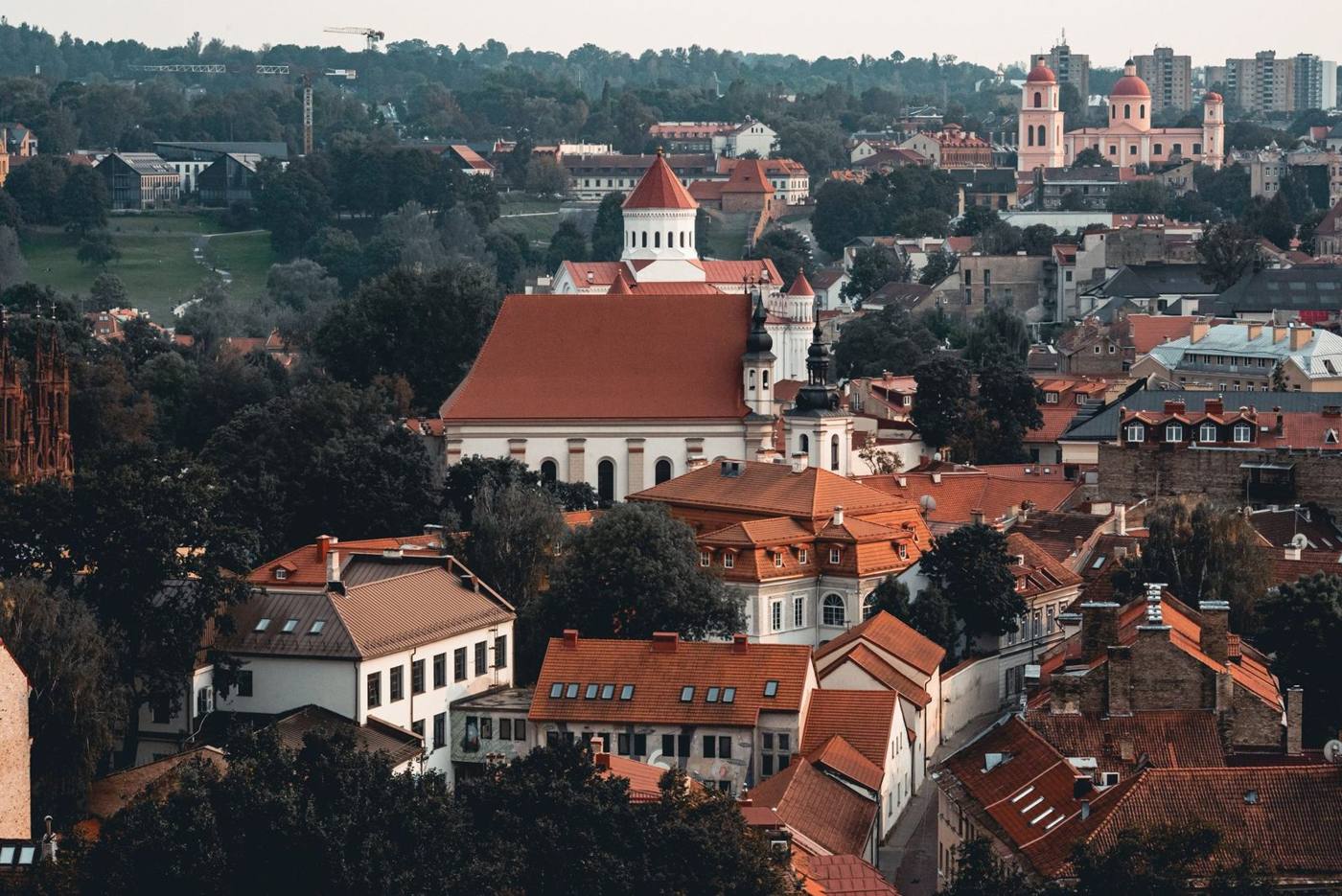
Vilnius and the Kaziukas fair
The great St Casimir craft fair in early March, with verbos palms of dried flowers, bread, honey and the baroque old town in late winter.
 3 daysEasy
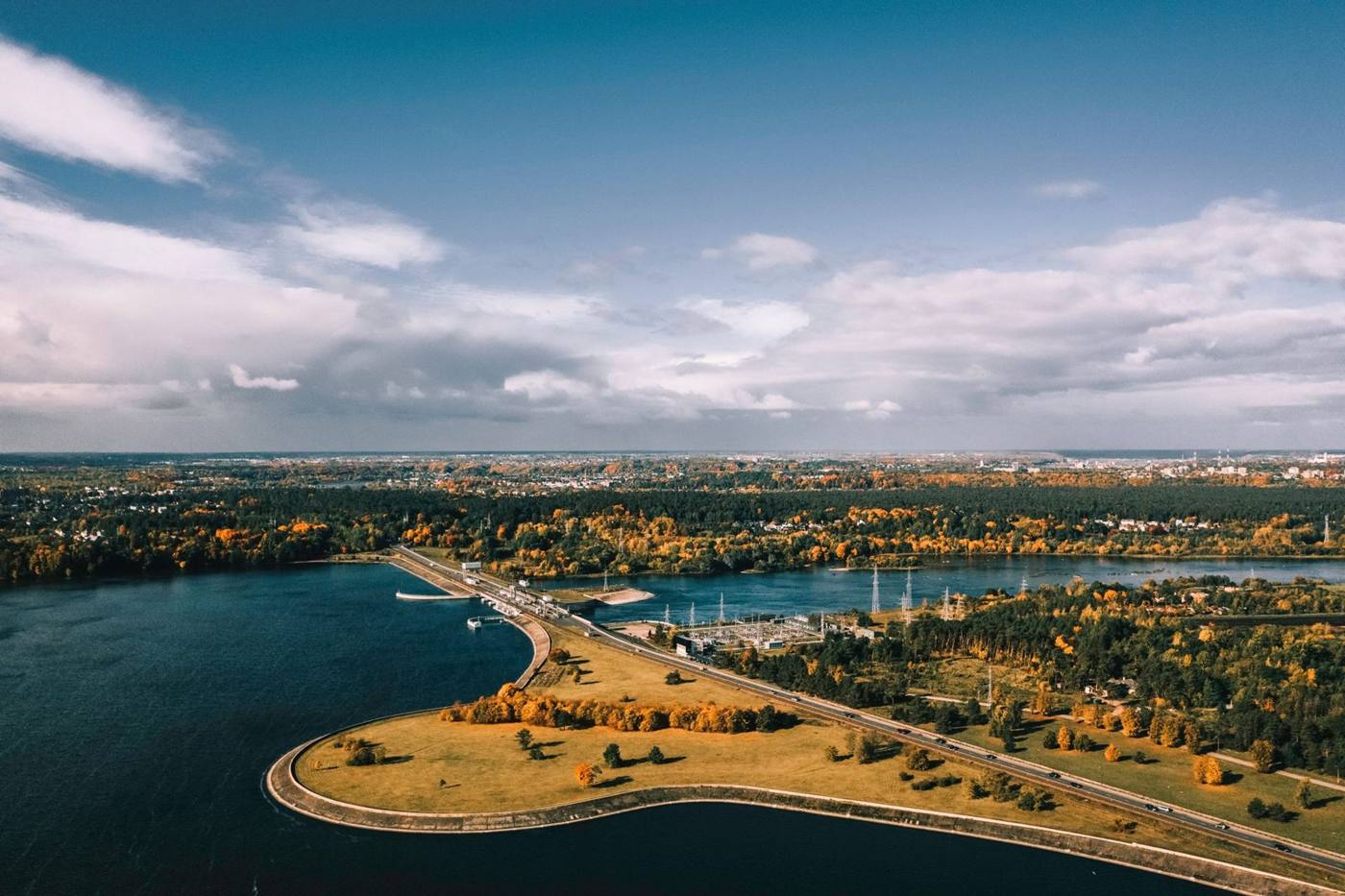
The castles of the Nemunas
The road along the Nemunas river between Kaunas and Jurbarkas: the castles of Raudondvaris, Raudonė and Panemunė and viewpoints over the river bends.
 4 daysEasy
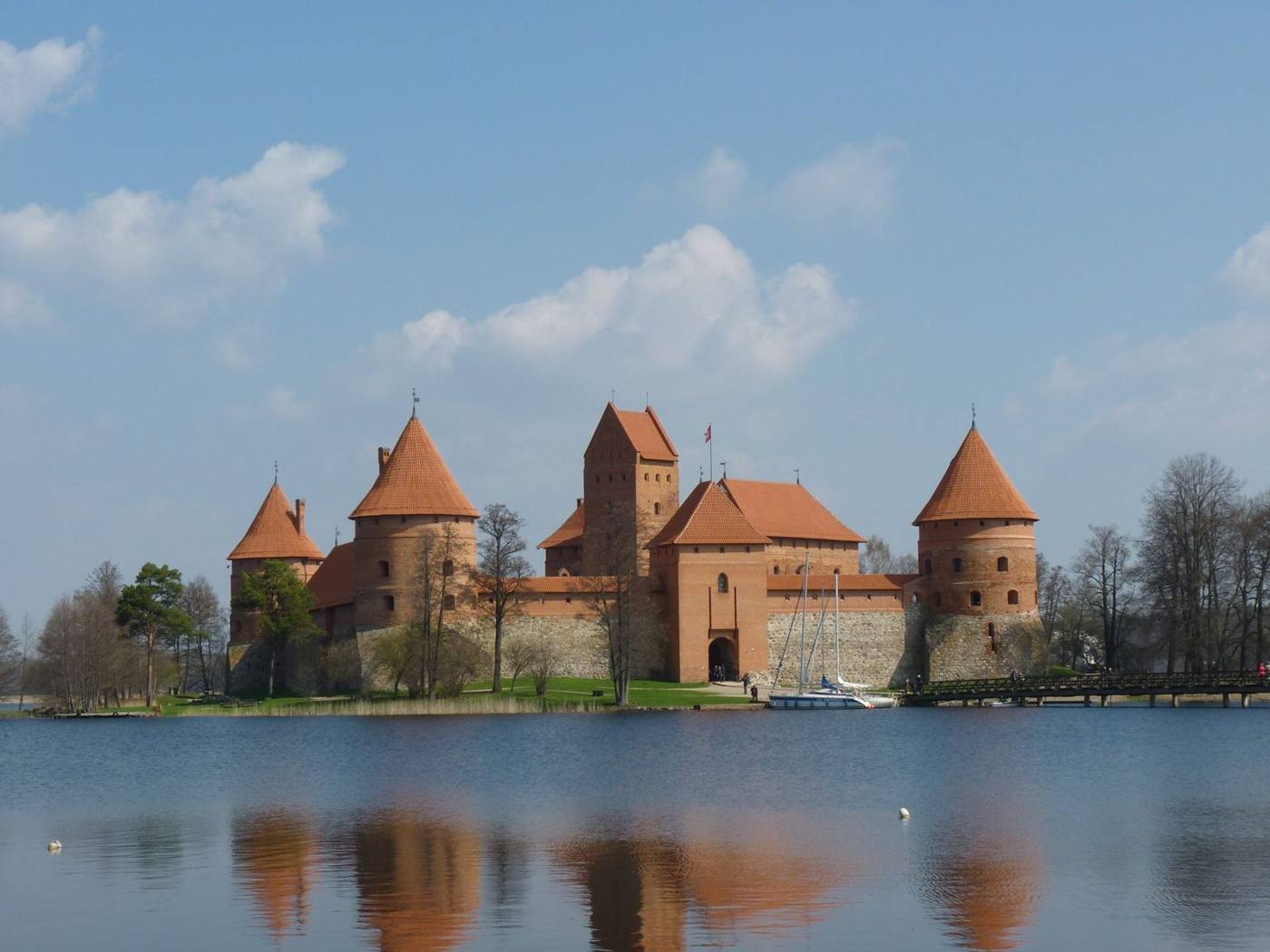
Vilnius and Trakai
The UNESCO baroque old town, the Gate of Dawn, the Republic of Užupis and Trakai castle on its lake island.