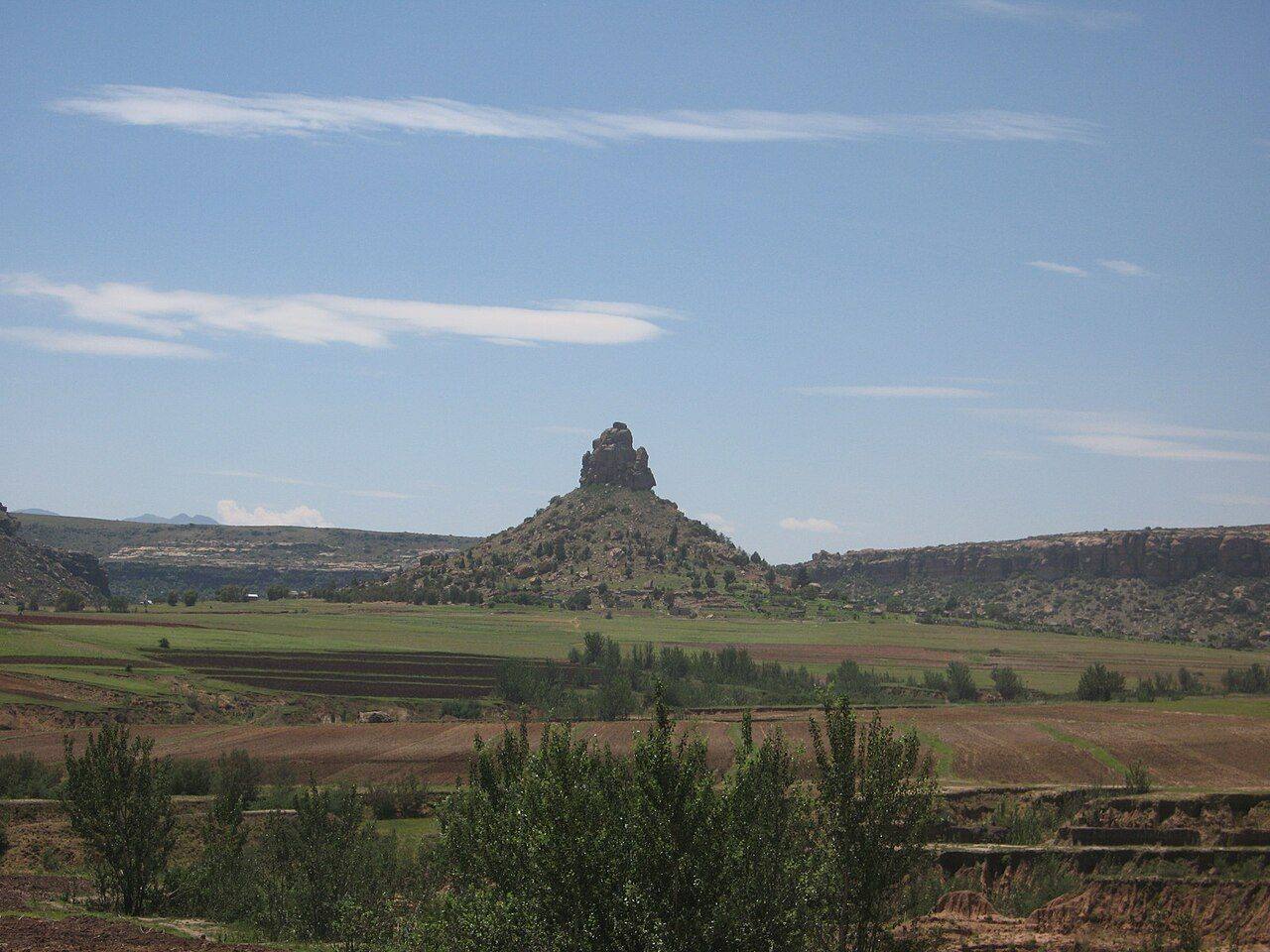
Maseru and Thaba-Bosiu
The mountain fortress of King Moshoeshoe I, cradle of the Basotho nation, the cultural centre with traditional huts and Maseru's blanket and hat markets.
- Maseru
- Thaba-Bosiu
Day by day
- Day 1
Thaba-Bosiu, King Moshoeshoe's mountain
This two-day trip helps you understand the history of Lesotho in a short time: Thaba-Bosiu, the mountain fortress of King Moshoeshoe I, cradle of the Basotho nation, the cultural centre with its traditional huts and the blanket and hat markets of Maseru, the capital.
Before you go: Italian citizens enter Lesotho without a visa for tourism for up to 90 days, with a valid passport. You always arrive through South Africa, so its rules apply too: keep several blank pages, because both countries stamp your passport. Other nationalities should check their own rules. The British government does not advise against any part of the country, but in Maseru theft and bag snatching are rising: do not walk in the evening and do not give lifts.
In the morning, leave Maseru heading east. In less than an hour you reach Thaba-Bosiu, a sandstone plateau with sheer walls rising above the valley. In 1824 the chief Moshoeshoe moved here with his people and turned it into a natural fortress. From here he resisted attacks by neighbouring peoples, the Boers and the British, and united different clans into the Basotho nation.
Walk up the path to the flat summit with a local guide. You see the remains of stone walls, the ruins of the king's residence and the graves of Moshoeshoe and other Basotho kings.
From the top, look at Qiloane, the pointed hill nearby, whose shape inspired the mokorotlo, the conical straw hat that is the symbol of the country.
In the afternoon, visit the cultural centre at the foot of the mountain, with traditional huts and exhibitions on Basotho history. Check prices and times.
Overnight in Maseru, or near Thaba-Bosiu.
Practical tip: go up early in the morning, because there is no shade on the plateau and thunderstorms often arrive in the afternoon.
- Day 2
The markets of Maseru and departure
Today you discover Maseru, Lesotho's small capital, on the banks of the Caledon River, which marks the border with South Africa.
In the morning, pass the building shaped like a Basotho hat, at the entrance to the centre, where the country's crafts are sold: straw hats, baskets, mohair rugs and woven objects.
Then look for a Basotho blanket, the finest souvenir of Lesotho. It is a thick wool blanket, with coloured patterns that have a meaning: some recall the king, others fertility, maize or the seasons. Men and women wear it like a cloak, fastened with a pin on the shoulder, and receive it at important moments of life, such as marriage or coming of age.
Walk among the market stalls, with fruit, vegetables, bread and clothes. Keep your bag closed and in front of you, and your phone in your pocket.
In the afternoon, before leaving, taste papa, the white maize porridge, with vegetables and meat stew, the everyday dish of the Basotho.
Trip summary: in two days you have climbed Thaba-Bosiu, the mountain fortress of Moshoeshoe I, seen Qiloane and the cultural centre, and discovered the markets of Maseru, with Basotho blankets and hats.
When to go: you can go all year round. Summer, from November to March, is green but stormy; winter is dry and sunny, but cold at night.
Practical tip: cross the Maseru Bridge border in good time and never after dark, and do not walk in town after sunset.
To understand Lesotho's history quickly. In Maseru don't walk at night and beware of bag-snatching. A Basotho blanket is the best souvenir.
Before you go
- Documents and visa
- Valid passport; Italian citizens enter without a visa for tourism for up to 90 days. You always arrive through South Africa, so its rules apply too: keep several blank pages, because both countries stamp your passport. To drive a rental car you need an international driving permit.
- Health and vaccines
- There is no malaria. Rivers and lakes carry a risk of bilharzia: do not swim in fresh water. HIV is very common. Health facilities are poor and serious cases go to South Africa: you need insurance covering medical costs and repatriation. Emergencies: 123 police, 121 or 124 ambulance.
- Money and payments
- Loti, pegged to the South African rand, which is used everywhere. Bring cash for the mountains and a reserve of fuel.
- Power sockets
- Type M, 220 volts, as in South Africa: you need an adapter.
- Time zone
- UTC+2 all year.
- Safety
- The British government does not advise against any area. Theft and robbery are rising, especially in Maseru: do not walk alone in the evening or in isolated areas and do not give lifts. Drive only in daylight, with a 4x4 on mountain roads, and avoid shared minibus taxis. Avoid demonstrations. Official advice: GOV.UK.
Information checked in November 2026 for Italian and EU citizens. Rules change: always check before you travel.
Variations
Shorter version: a single day, with Thaba-Bosiu in the morning and Maseru in the afternoon.
Longer version: add two days at Malealea and Morija, or three days at Semonkong for the Maletsunyane Falls.
Frequently asked questions
How far is Thaba-Bosiu from Maseru?
Less than an hour's drive east. It is easy to visit in half a day, with a local guide for the climb.
What should I buy in Lesotho?
A wool Basotho blanket, a mokorotlo straw hat, baskets and mohair rugs.
Is Maseru safe?
The British government does not advise against any area, but in Maseru theft and bag snatching are rising. Do not walk in the evening, do not show valuables and do not give lifts.
Indicative itinerary written by World Atlas. Before booking, check timetables, seasonal openings, documents and safety.
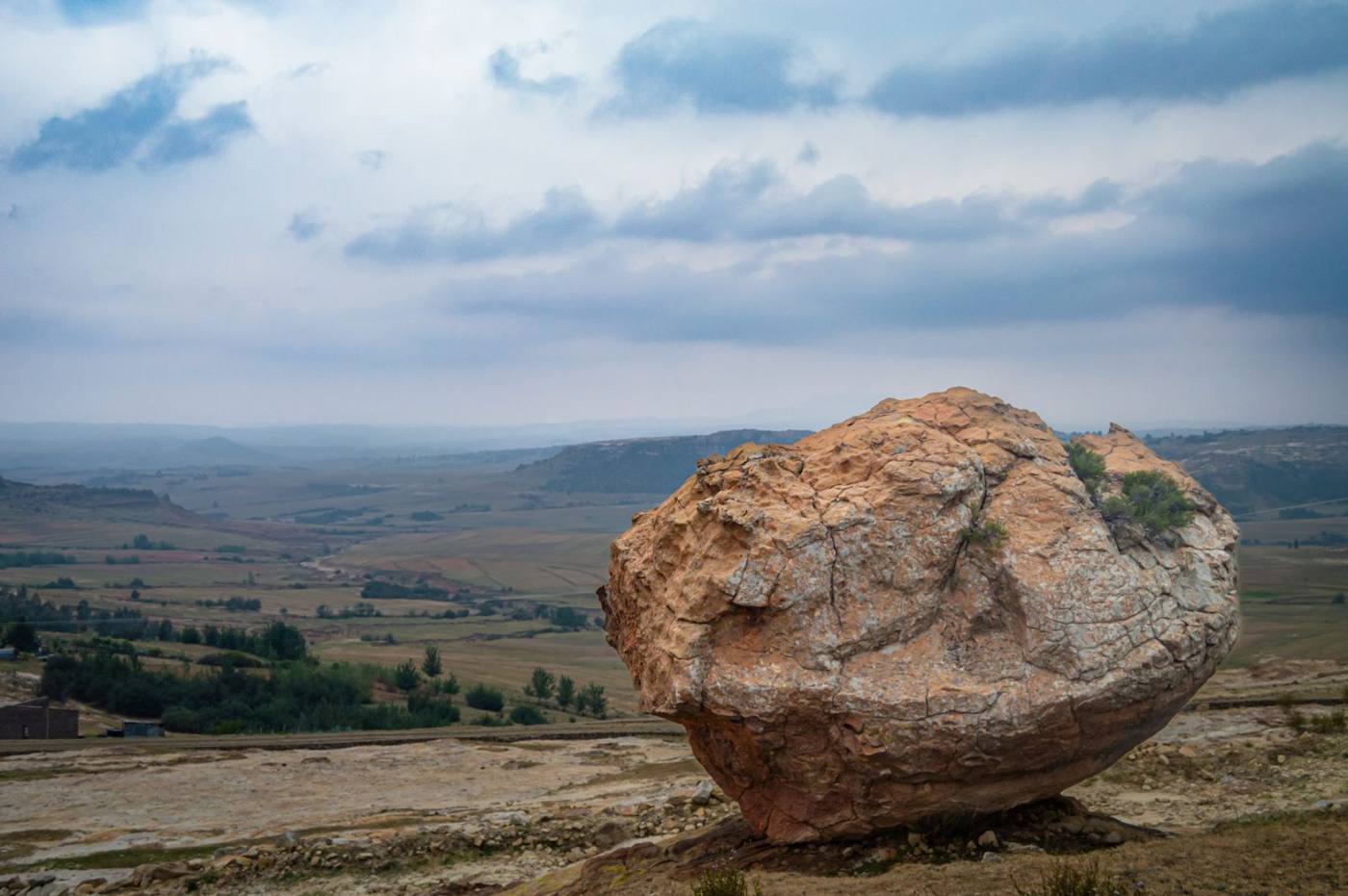 6 daysModerate
The mountain kingdom
Sani Pass by 4x4 with Africa's highest pub, Basotho villages, the Maletsunyane falls and pony trekking in Semonkong.
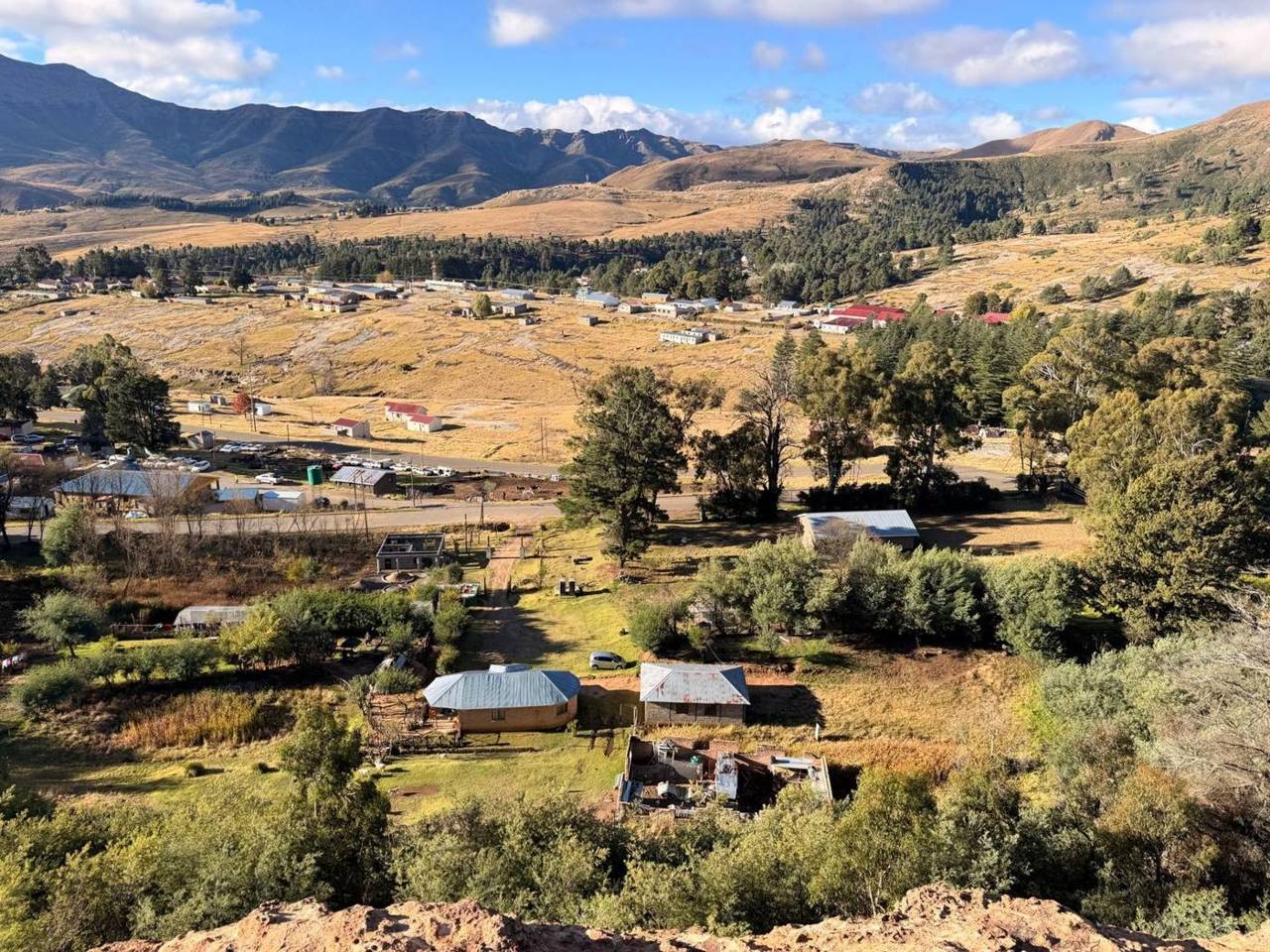 4 daysEasy
Malealea and the south
The Malealea community with its walks and pony treks, San rock art and the Gates of Paradise pass.
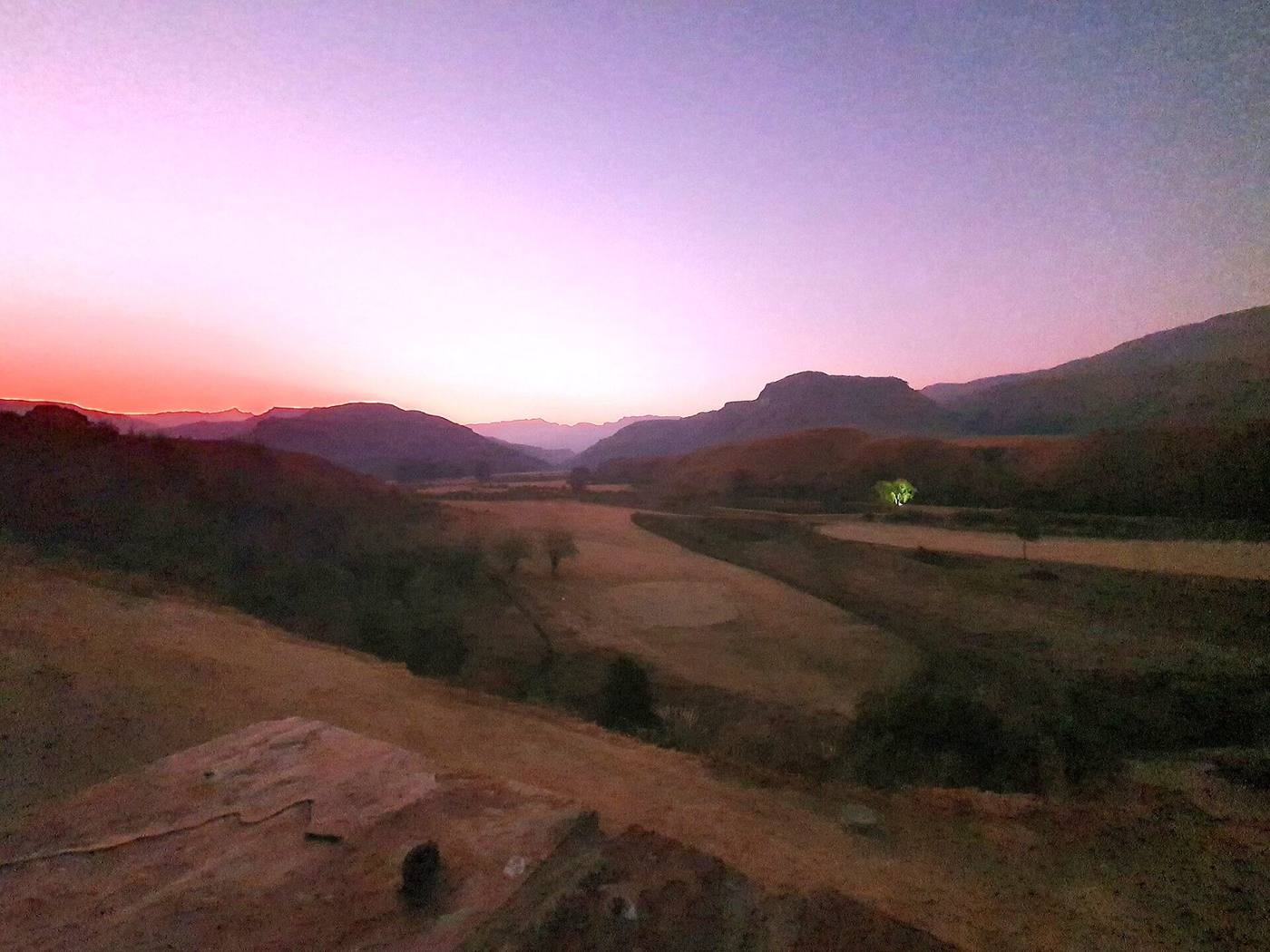 2 daysModerate
Sani Pass
Southern Africa's most spectacular mountain road, from South Africa up to 2,876 metres, with the continent's highest pub and Basotho herders' villages.