Luang Prabang New Year
Pi Mai, the Lao New Year in April, in Luang Prabang: processions, ritual washing of the Buddhas, sand carried to the temples and the great water fight in the streets.
- Luang Prabang
- Wat Xieng Thong
- Mekong
Day by day
- Day 1
Arrival in Luang Prabang and the night market
This four day trip takes you to Luang Prabang during Pi Mai, the Lao New Year in April: processions, ritual bathing of Buddha statues, small sand stupas and a huge water fight in the streets. It is the happiest festival in Laos and the old town, a UNESCO World Heritage Site, is its heart.
Before you go: for Laos Italian citizens need a passport valid for at least six months from entry, with two blank pages, and a tourist visa. Apply for the eVisa only on the official website laoevisa.gov.la, at least five days ahead, or get a visa on arrival at Luang Prabang airport. Also fill in the LDIF digital form within the three days before arrival. Other nationalities should check their own rules.
Safety: people drink a lot during the festival. There have been fatal methanol poisonings from drinks served in tourist areas of Laos: choose beer and soft drinks in sealed bottles or cans. In the evening watch out for scooters ridden by people who have been drinking.
Dates: Pi Mai usually falls from 14 to 16 April, but in Luang Prabang the celebrations last several days and the procession programme changes every year. Check it before booking, and book your room well in advance.
You land at the airport, a few minutes from the centre, or arrive on the Laos-China railway. Drop your bags on the peninsula between the Mekong and the Nam Khan and stroll to the night market, which sells textiles, lanterns and the waterproof phone pouches you will need tomorrow.
Practical tip: buy a waterproof pouch for your phone and documents straight away, and keep your cash in a sealed bag.
- Day 2
The Phra Bang and the New Year rites
Today you enter the most sacred part of the festival. Pi Mai marks the passage to the new year, and Lao people clean their homes, visit temples and pour scented water over Buddha statues and over the hands of their elders to ask for good luck.
The most awaited moment is the procession of the Phra Bang, the golden statue that gives the city its name. Monks and officials carry it from its shrine, in the grounds of the former royal palace, to Wat Mai, where it stays on display for three days. During those days thousands of people queue to pour water over it, a rite called song nam phra. Dress modestly, take off your shoes in the temples and stay silent as the monks pass.
During the festival you will also see parades in traditional dress, with the young women chosen to represent the new year, and processions featuring the great red masks of the ancestral guardians of the city.
In the afternoon cross the Mekong by boat to the opposite bank, where small stupas decorated with flags and flowers are built in the sand. It is an act of merit: every grain brings luck for the year ahead.
In the evening, if you are invited, join a baci ceremony, where white cotton threads are tied around your wrists as a blessing.
Practical tip: reach the procession route at least an hour early, and pick a spot in the shade.
- Day 3
The water fight and the temples
Today the city turns into a giant water party. From the morning groups of young people, families and tourists line the streets with buckets, hoses and water pistols, and nobody gets past dry. Often a little coloured flour or talc is added to the water. Let yourself be soaked with a smile: it is a blessing, not a prank.
Go out early, before the party starts, to visit Wat Xieng Thong, the most beautiful temple in Luang Prabang, with roofs that sweep almost to the ground, the tree of life mosaic at the back and the royal funeral carriage in a side hall. Check prices and times, as they may change during the festival.
Then dive into the battle along the main street and the riverfront. Towards evening, when the water calms down, climb the steps of Phou Si to watch the sunset over the Mekong and the Nam Khan, and the city lighting up with lanterns.
Remember it is very hot: April is the hottest month of the year and the water is also a relief. Drink a lot, use water resistant sun cream and wear closed sandals with a non slip sole.
Practical tip: leave your passport in a safe at your accommodation or carry it in a waterproof pouch, and do not wear white or see-through clothes, which become embarrassing when wet.
- Day 4
Leaving Luang Prabang
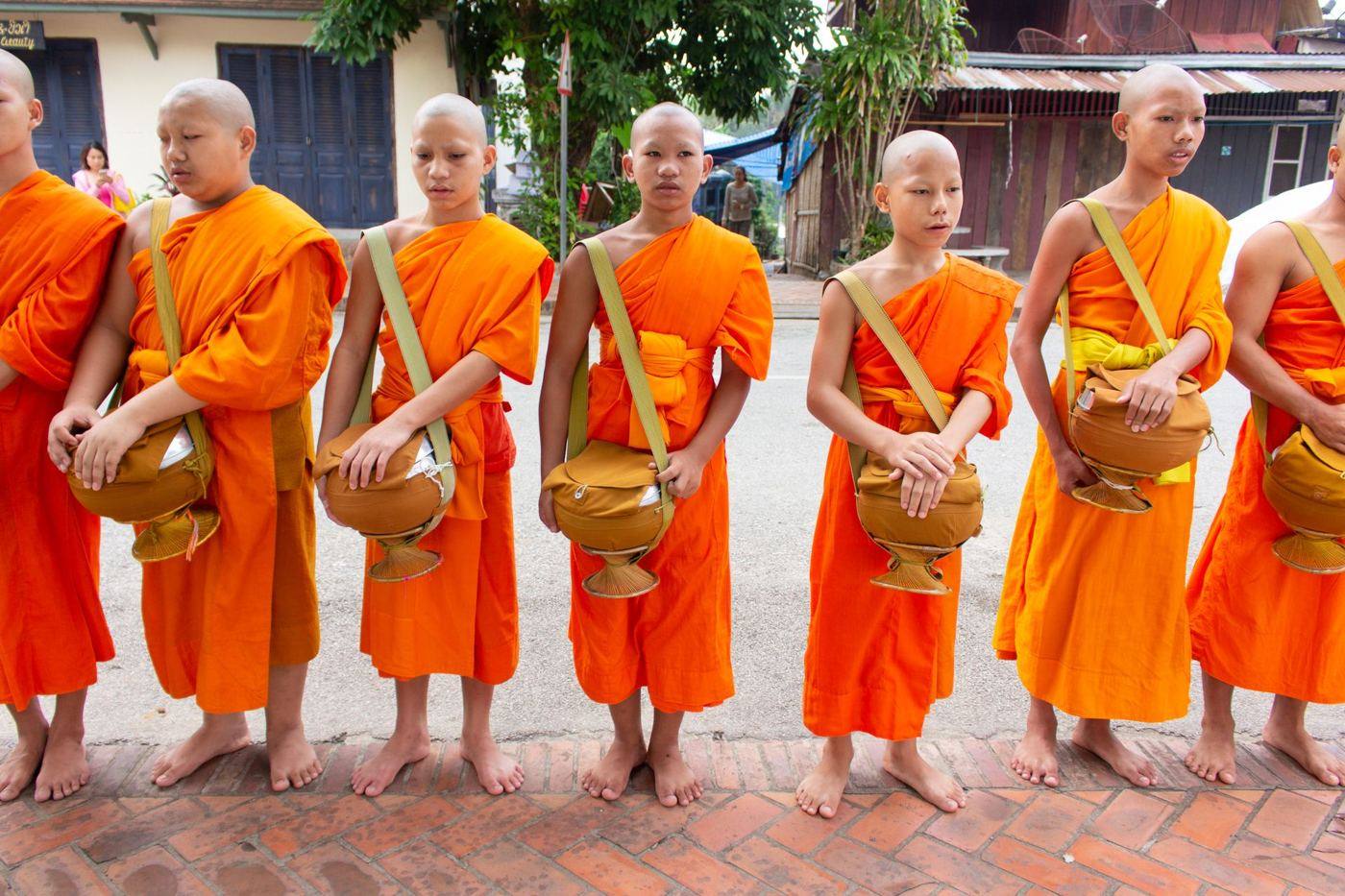
Last day. If you want to see the quieter side of the city, get up before dawn for tak bat, the alms round of the monks who walk in line with their bowls through the streets of the centre. Watch them in silence and from a distance, without flash, and do not follow them with your phone in front of your face. If you want to take part, do it with respect, kneeling, offering only sticky rice.
Then have breakfast with a Lao coffee and a baguette, a legacy of the French period, and take a last walk around the morning market, where women sell herbs, river fish and dried Mekong river weed.
Before leaving, if you have time, visit the Royal Palace Museum, which tells the story of the Lao monarchy. Check prices and times.
Then head to the airport or the railway station, both outside the centre, by tuk-tuk or a booked car.
In these four days you have lived Pi Mai in Luang Prabang: the night market, the procession of the Phra Bang and its ritual bathing at Wat Mai, the sand stupas on the bank of the Mekong, the water fight, Wat Xieng Thong and sunset from Phou Si.
When to go: for the New Year you have to go in mid April, the hottest month of the year, often with the sky hazy from farm fires. To visit the city in the best weather choose November to February instead.
Practical tip: book your return flight or train in advance, because in the days after the festival many Lao people travel home and seats sell out quickly.
Laos's most joyful festival. You get soaked everywhere: keep phones in waterproof pouches. It is very hot and hotels must be booked early.
Before you go
- Documents and visa
- Passport valid for at least six months from entry, with at least two blank pages, and a tourist visa: the eVisa, to be requested only on the official website laoevisa.gov.la (accepted at the main airports and at Friendship Bridges I and IV), or a visa on arrival at the main entry points. You must also fill in the LDIF digital immigration form within the three days before arrival and departure.
- Health and vaccines
- Malaria is present in rural areas and dengue cases are regular: use repellent. Medical facilities are poor even in the capital, so you need insurance covering medical costs and repatriation. Drink only bottled water. Emergencies: ambulance 1195, police 1191.
- Money and payments
- Lao kip. Tourist businesses often accept US dollars and Thai baht; cards work in towns, but carry cash in the countryside.
- Power sockets
- Types A, B and C, 230 volts: you need an adapter for British plugs.
- Time zone
- UTC+7 all year.
- Safety
- The British government advises against all travel to Xaisomboun province. Unexploded ordnance remains across the country: walk only on marked paths and never pick up metal objects. There have been fatal methanol poisonings from drinks served in tourist areas: avoid unsealed spirits. Drug penalties are extremely severe. Official advice: GOV.UK.
Information checked in November 2026 for Italian and EU citizens. Rules change: always check before you travel.
Variations
In three days: arrival, one day for the procession and the rites, one day for the water fight.
In six days: add the Kuang Si waterfalls and the boat to the Pak Ou caves, in the days before or after the festival.
Frequently asked questions
When is Pi Mai celebrated?
Usually from 14 to 16 April, but in Luang Prabang the celebrations last several days and the procession dates change every year. Check the programme before booking.
Will I definitely get wet?
Yes, during the festival days nobody stays dry on the street. Protect your phone and documents in waterproof pouches and wear clothes that dry quickly.
How should I behave in a temple during the festival?
Wear clothes that cover your shoulders and legs, take off your shoes, do not touch the statues except during the water rite and stay silent as the monks pass.
Indicative itinerary written by World Atlas. Before booking, check timetables, seasonal openings, documents and safety.
 5 daysModerate
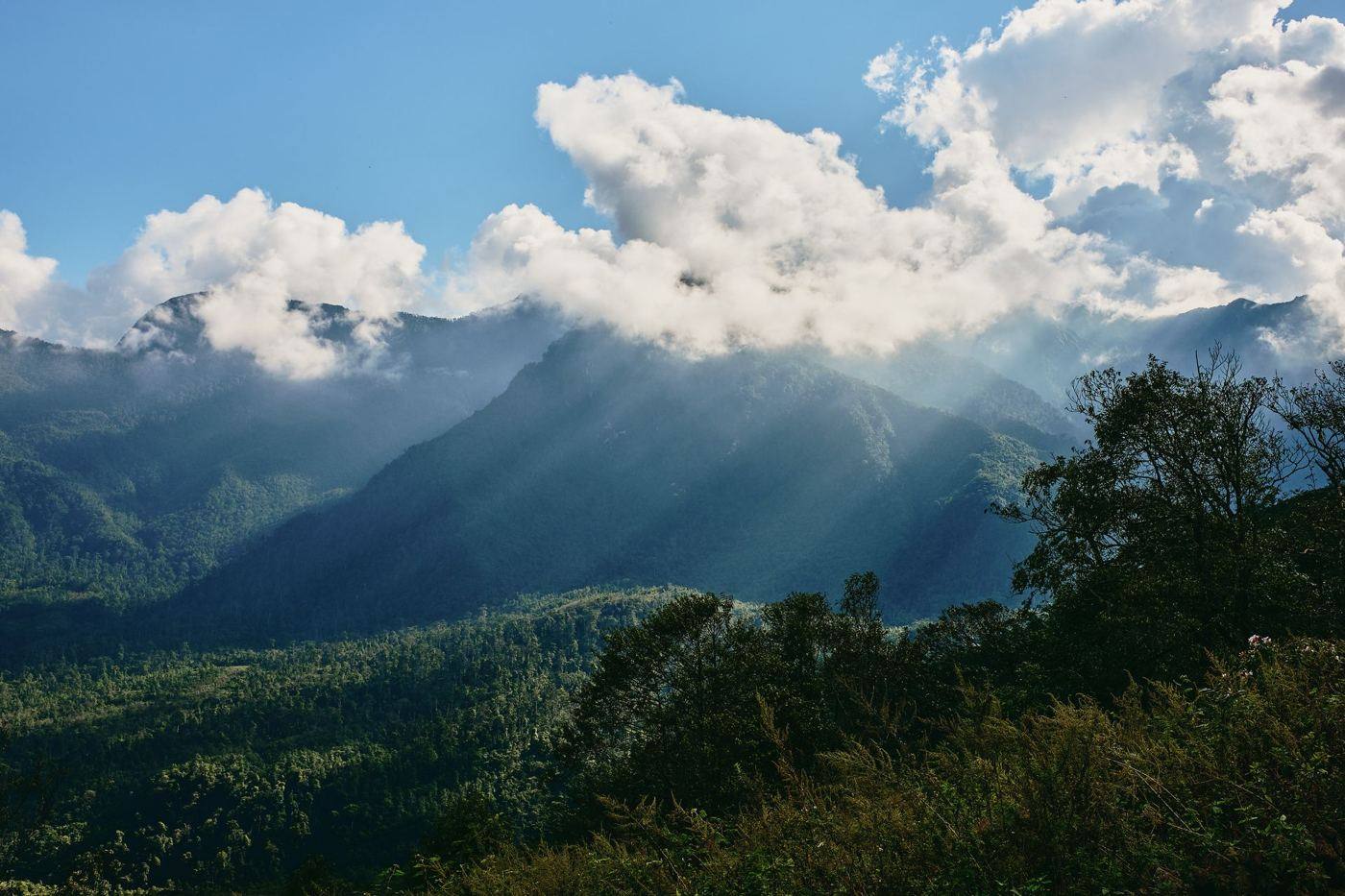
Phongsaly and its tea
The northernmost province, among mountains and villages of different ethnic groups, with ancient tea trees, the houses of Phongsaly and trekking between villages.
 5 daysEasy
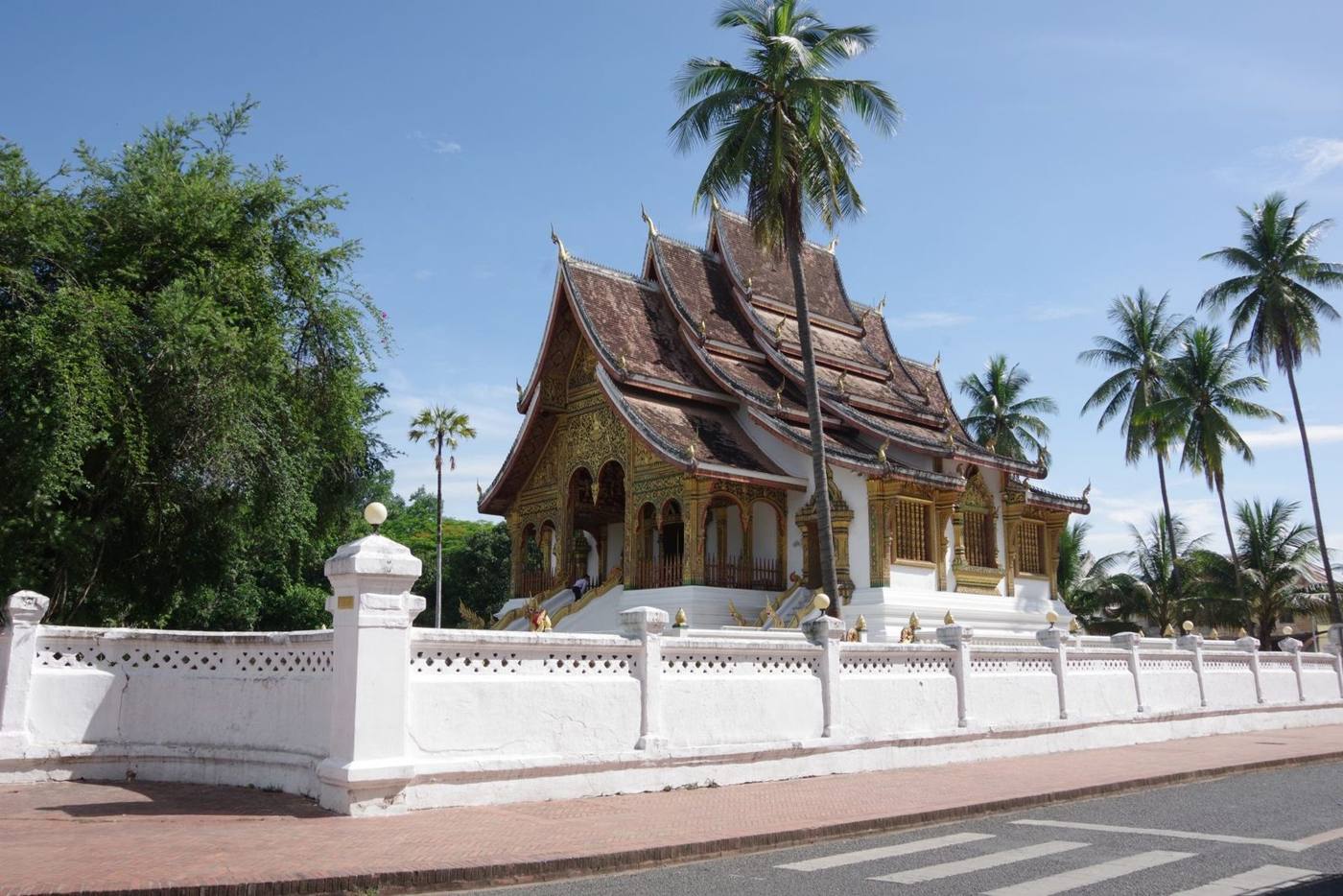
Luang Prabang
The UNESCO town of temples on the Mekong, the monks' alms round at dawn, the Kuang Si falls and the Pak Ou caves.
 5 daysEasy
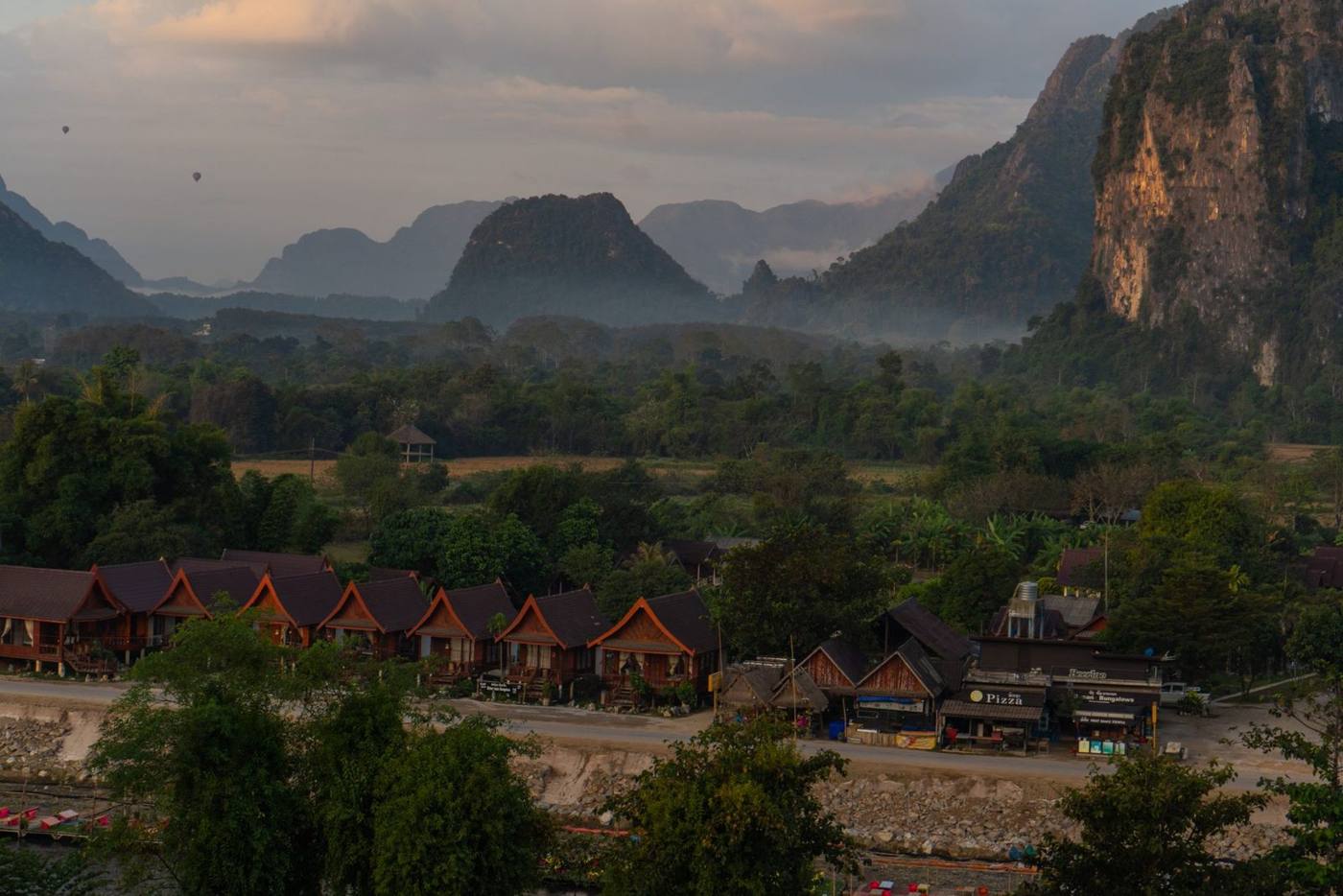
From Vientiane to Vang Vieng
The capital on the Mekong with That Luang, then the fast Laos-China railway to Vang Vieng among karst peaks, kayaks and blue lagoons.